
Support your dog through cancer care with practical nutrition guidance—high-quality protein, omega-3s, careful carbs, calcium balance, and 4 easy homemade ...
Article
•
Designer Mixes
Osteosarcoma in Dogs: Signs, Treatment, and Prognosis

Shari Shidate
Designer Mixes contributor
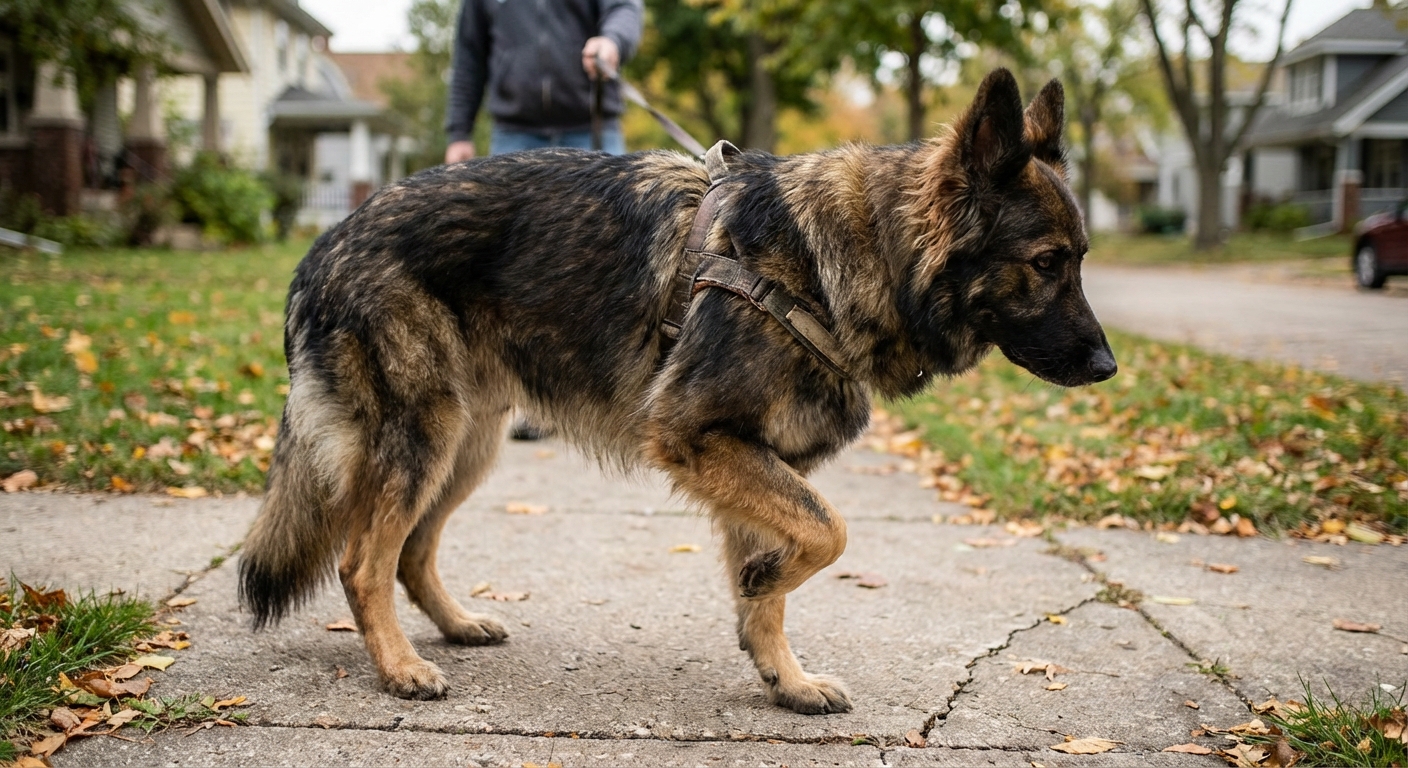
As a veterinary assistant here in Frisco, Texas, I have seen how quickly a “simple limp” can turn into something much more serious. Osteosarcoma is widely recognized as the most common primary bone cancer in dogs, and it tends to show up in families who least expect it, especially those with big, lovable dogs who have always been healthy.
The good news is that there are generally clear next steps. If you understand the risk factors, recognize early signs, and know what treatment paths can look like, you can make faster decisions and keep your dog comfortable while you plan.
What it is and why it matters
Osteosarcoma is an aggressive cancer that starts in bone. In dogs, it most often develops in the long bones of the legs, especially around the shoulder, wrist, or knee. It is painful because the tumor disrupts normal bone structure and can weaken the bone enough to fracture.
One important detail: even when the tumor is only obvious in one leg, osteosarcoma is often treated as a whole-body disease because microscopic spread, most commonly to the lungs, can occur early.
You may hear a common vet shorthand for where it shows up: “away from the elbow, toward the knee.” It is not a rule, but it reflects how often tumors appear in those classic long-bone locations.
Risk factors
Osteosarcoma can happen to any dog, but it is seen more often in certain groups.
Breed and body size
Large and giant breeds have higher risk. Owners of Great Pyrenees, Bernese Mountain Dogs, Great Danes, Rottweilers, Irish Wolfhounds, Greyhounds, and Saint Bernards are often the primary audience for osteosarcoma information for a reason: these breeds show up frequently in orthopedic and oncology case loads.
Age
Many dogs are diagnosed in middle to older age (often around 7 to 10 years), but younger dogs can also develop osteosarcoma, particularly large breeds.
Other contributors
- Location and bone stress: tumors are common near the ends of long bones where growth and remodeling occur.
- Prior injury or orthopedic disease: not a proven cause, but a “reinjury” story sometimes leads to the workup that finally finds the tumor.
- Body frame trends: some studies report higher risk in males and in taller, heavier dogs. These are trends, not guarantees.
Early signs
Early osteosarcoma can look like a strain, sprain, or arthritis flare. That is why it is so easy to miss at first.
Common early signs
- Limping that persists or worsens over days to weeks
- Pain with touch or pain when standing up
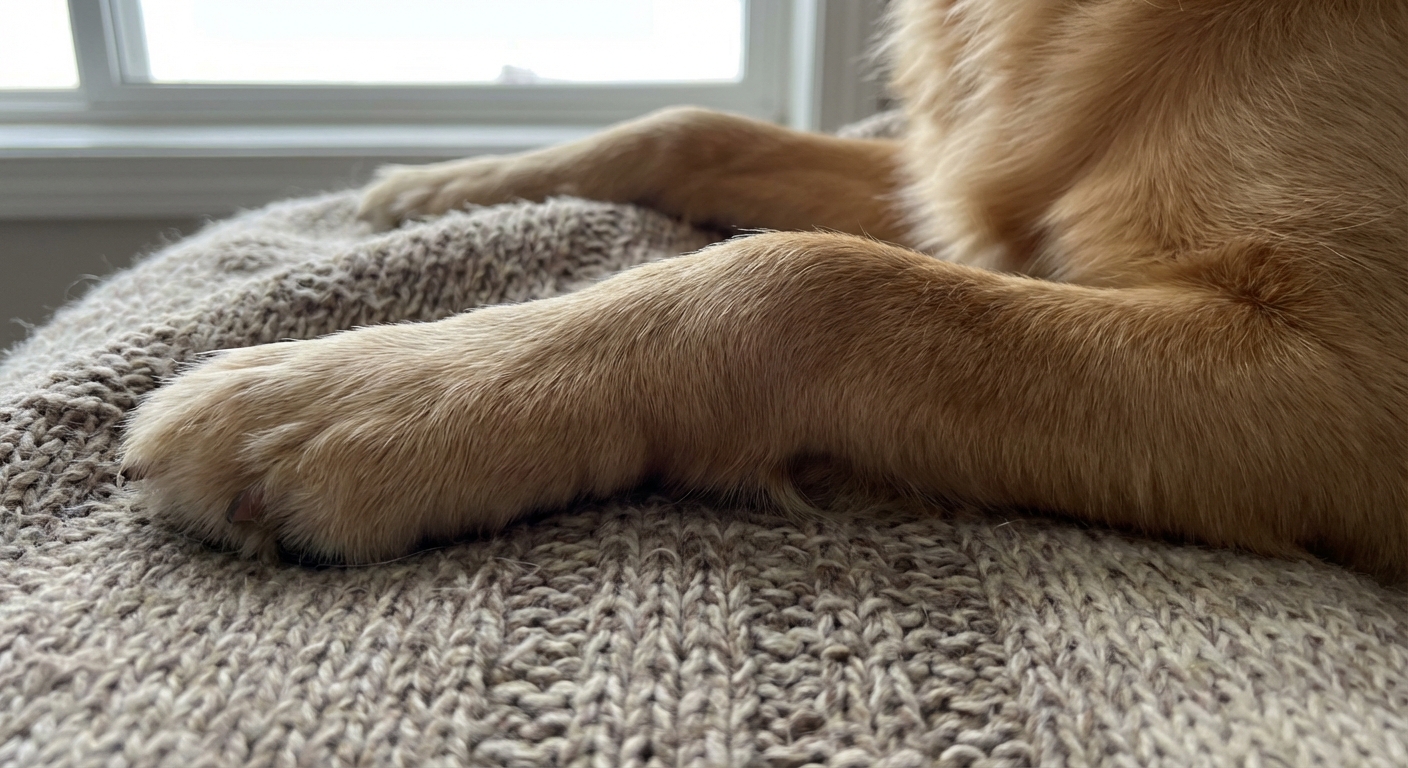
- Swelling near a joint or along a bone
- Less interest in movement like walks, stairs, or jumping into the car
- Rest helps briefly but the limp returns
If your large-breed dog has a limp that lasts more than a few days, especially if it is getting worse instead of better, it is worth a veterinary exam and often imaging. Trust your gut. You are not “overreacting” by checking.
Also, a limp has other possible causes like infection, other tumors, arthritis, or even growth-related pain in young dogs. That is exactly why an exam and X-rays matter.
Later signs and red flags
As the tumor grows, symptoms usually become more intense and more consistent.
Later signs you may notice
- Constant lameness that does not improve
- Visible swelling or a firm lump on the limb
- Ongoing pain like panting, restlessness, or trouble sleeping
- Muscle loss in the affected leg
- Lower appetite or less interest in normal routines
Emergency signs
Because osteosarcoma can weaken bone, it can lead to a pathologic fracture (a break that happens with minimal trauma).
- Sudden non-weight-bearing lameness
- Crying out or severe pain
- Limb instability or abnormal positioning
If you see these, treat it as urgent and seek veterinary care right away.
Diagnosis
Diagnosis usually involves a step-by-step process to identify the bone lesion and check for spread.
X-rays first
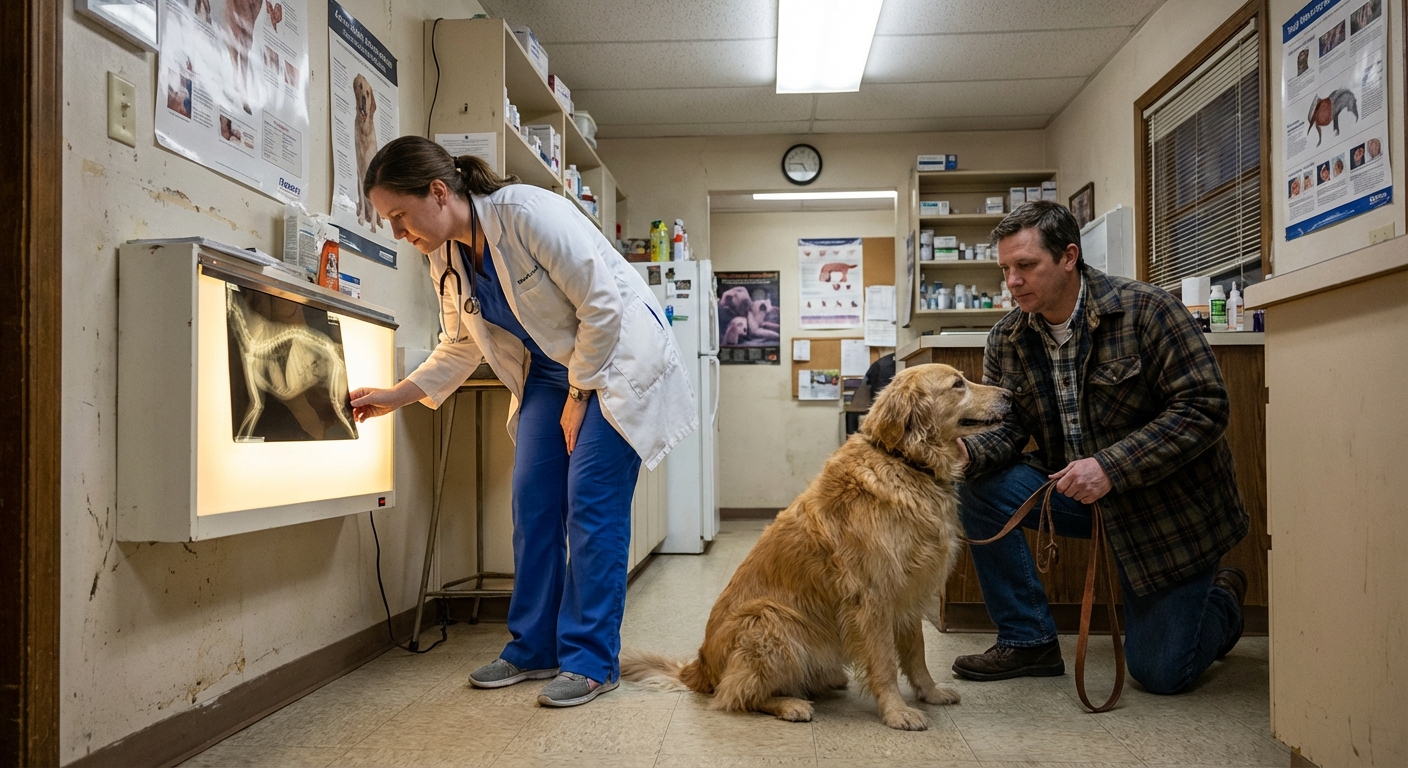
Veterinarians often start with orthopedic radiographs of the painful limb. Osteosarcoma can create characteristic bone changes, but other conditions can mimic these findings, so imaging is the beginning, not always the final answer.
Staging
Because spread to the lungs is common, staging often includes:
- Chest X-rays (typically a 3-view set)
- Sometimes a CT scan of the chest, which can detect smaller lesions than radiographs
- Bloodwork (CBC and chemistry) to assess overall health before anesthesia, surgery, or chemotherapy
It can be hard to hear this part, but it helps to know: many dogs are believed to have microscopic metastasis at diagnosis even if chest X-rays look clean. Staging still matters because it guides treatment choices and expectations.
Confirming the diagnosis
A definitive diagnosis often requires histopathology, usually from a biopsy or surgical sample. In some cases:
- Bone biopsy may be recommended before major surgery or radiation planning.
- Fine needle aspirate (FNA) or cytology may be attempted in select cases, but bone lesions are not always diagnostic with FNA alone. Your veterinarian may still recommend biopsy for confirmation.
Your veterinarian may refer you to a board-certified veterinary surgeon or oncologist. That referral is not a sign of defeat. It is how you get the most options.
Treatment options
Osteosarcoma treatment typically addresses two goals: pain control and cancer control. Your dog’s age, tumor location, overall health, and your family’s goals all matter. Costs and time commitment can also vary widely, so it is completely appropriate to ask your clinic or specialist for an estimate and a week-by-week overview.
Amputation
Amputation removes the primary tumor and is often the fastest way to relieve severe bone pain. Many dogs, even large breeds, adapt surprisingly well on three legs, especially if they do not have significant arthritis or neurologic disease in the other limbs.
- Pros: rapid pain relief from the affected limb, removes the main tumor burden
- Cons: not ideal for dogs with severe orthopedic issues elsewhere, does not treat microscopic spread by itself
Amputation is most commonly paired with chemotherapy to extend survival time.
Limb-sparing surgery
Limb-sparing procedures aim to remove the tumor while keeping the limb functional. This is most often done for tumors in certain locations (such as the distal radius near the wrist), and typically through specialty surgery centers.
- Pros: keeps the limb, may help dogs who cannot tolerate amputation
- Cons: higher complication risk (infection, implant failure), longer recovery, not always an option depending on tumor location and size
Limb-sparing is also typically paired with chemotherapy because the metastatic risk remains.
Radiation therapy
Palliative radiation can reduce pain in many dogs, sometimes for weeks to months. It does not remove the tumor, but it can meaningfully improve comfort and mobility.
Chemotherapy
Chemotherapy is used to slow or delay metastatic disease. Commonly used drugs include carboplatin and doxorubicin, sometimes in alternating protocols. Treatments are usually given every few weeks, and most dogs tolerate chemo better than people expect.
Side effects can include temporary decreased appetite, GI upset, or low white blood cell counts, which is why recheck appointments and lab work matter.
When surgery is not a fit
Some families choose palliative care only. That is not “doing nothing.” It is choosing comfort-focused medicine, and it can be a deeply loving plan when the timing, finances, or your dog’s other health issues make aggressive treatment unrealistic.
Pain control and quality of life
Bone cancer pain can be intense, and controlling it often requires a layered plan. Never give over-the-counter human pain medications unless your veterinarian specifically directs you. Many are toxic to dogs.
Common pain control tools
- NSAIDs (anti-inflammatory pain medications) when appropriate
- Opioids prescribed by your veterinarian (options vary by case)
- Gabapentin for nerve-related pain support
- Amantadine in some chronic pain plans
- Bisphosphonates (such as pamidronate) in some cases to support bone pain control
- Palliative radiation when available
You may still hear tramadol discussed. Some dogs seem to benefit, but responses vary and it may not be strong enough for severe bone cancer pain on its own. Your veterinarian will usually focus on multimodal pain control and adjust quickly if comfort is not where it needs to be.
At-home comfort tips
- Use non-slip rugs or yoga mats on slick floors
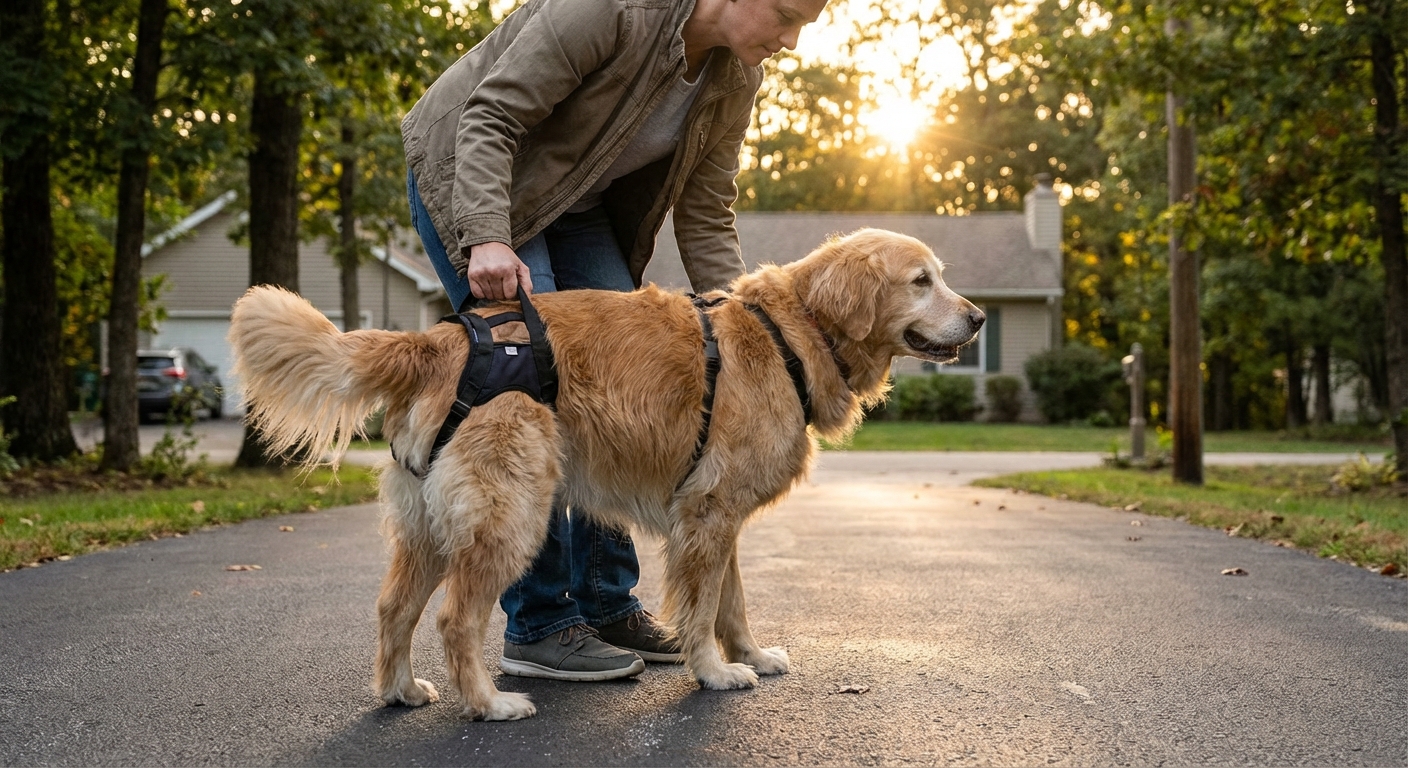
- Try a support harness for stairs and potty breaks
- Keep nails trimmed to improve traction
- Choose short, calm potty trips instead of long walks
- Ask your vet about safe activity limits to reduce fracture risk
A helpful mindset is to track comfort daily: appetite, interest in family, sleep, mobility, and whether medications are keeping pain under control. Some families also use a simple quality-of-life checklist like the HHHHHMM scale (Hurt, Hunger, Hydration, Hygiene, Happiness, Mobility, More good days than bad) to guide tough decisions.
Prognosis
I want to be compassionate and also honest: osteosarcoma is aggressive. Treatment can often buy meaningful time, and just as importantly, it can improve comfort.
Typical survival ranges
These are general estimates that are often described as typical medians in the veterinary oncology world. Your dog’s tumor location, overall health, staging results, and treatment plan can shift the timeline.
- Palliative care only: often about 1 to 3 months, depending on pain control and whether a fracture occurs
- Amputation alone: commonly around 4 to 6 months
- Amputation plus chemotherapy: commonly around 10 to 12 months, with some dogs living longer
- Limb-sparing plus chemotherapy: often similar overall survival to amputation plus chemo, but outcomes depend heavily on tumor location and complications
Questions to ask
If you are feeling overwhelmed, bring a written list. It is hard to remember everything when your heart is racing.
- Where is the tumor located, and what treatment options fit that location?
- Do you recommend chest X-rays, a CT scan, or both for staging?
- If chest imaging is clear, how do you think about the risk of microscopic spread?
- Is amputation likely to improve comfort quickly for my dog?
- Is limb-sparing an option here, and what is the complication rate at your hospital?
- What chemotherapy protocol do you use most, and what side effects should I watch for?
- What is the pain plan for the next 7 days, and what do we change if it is not enough?
- What quality of life markers should tell me it is time to adjust the plan?
- Can you provide an estimated range of costs and a timeline for follow-ups?
When to seek help now
Please call your veterinarian promptly if your dog has:
- A limp lasting more than a few days, especially in a large breed
- Swelling over a bone that is painful to touch
- Sudden severe lameness or suspected fracture
- Difficulty breathing, coughing, or unusual fatigue (possible lung involvement, though many dogs have no lung symptoms early)
You do not have to navigate this alone. A good vet team will help you understand options, costs, comfort goals, and what to expect next.
If your dog is limping and it does not make sense, you are allowed to advocate for answers. Early imaging can change the whole timeline.
Note: If this article is being used for client education or publication, consider adding a short source list (for example, a veterinary oncology textbook chapter or a veterinary oncology specialty resource) to support medical claims and survival statistics.