Turn chicken and rice into a more balanced homemade dog meal with veggies, calcium carbonate, and omega-3s. Includes gram weights, portion guidance, swaps, a...
Article
•
Designer Mixes
Older Dog With Diarrhea

Shari Shidate
Designer Mixes contributor
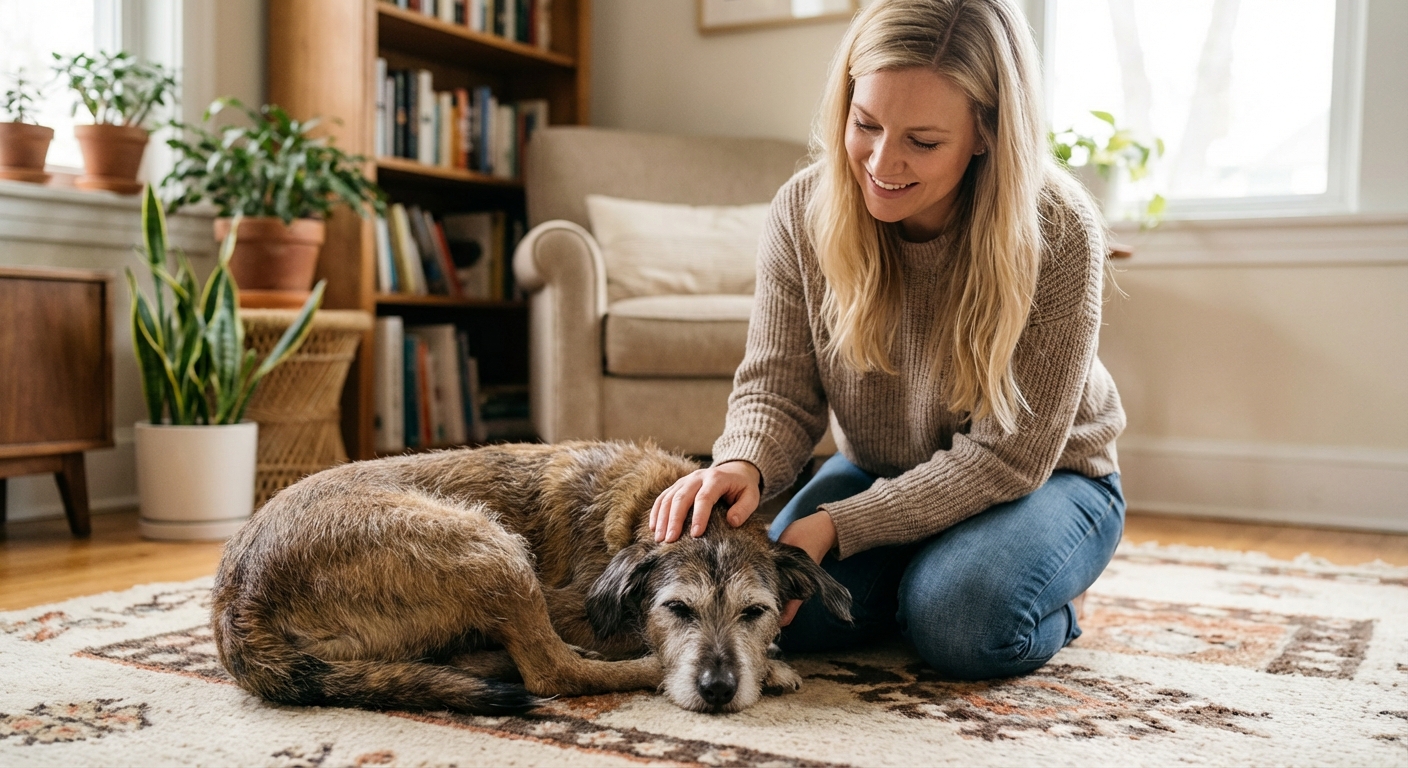
When an older dog develops diarrhea, it can feel extra scary, and for good reason. Senior dogs have less physiologic “wiggle room,” meaning they have less reserve if they get dehydrated, develop electrolyte imbalances, or have a flare-up of an underlying condition. The comforting news is that many cases improve quickly with a calm, step-by-step plan and timely veterinary help when needed.
This guide walks you through what to do first, what to watch, what to feed, and when it is time to call your veterinarian.
Quick note on perspective: This is written from a practical, vet-assistant-minded point of view: safety first, then simple steps that help most mild cases while you keep a close eye on the “red flags.”
First: quick safety check
Before you change food or give anything at home, take 60 seconds to triage. These clues help you decide whether to monitor at home or head to the vet right away.
Go to the vet now
- Blood in stool that is more than a small streak, or stool that looks like raspberry jam
- Black, tarry stool (can suggest digested blood)
- Repeated vomiting, retching, or your dog cannot keep water down
- Severe lethargy, collapse, weakness, pale gums, or a painful, bloated belly
- Signs of dehydration: tacky gums, sunken eyes, very low energy, reduced urination
- Known chronic disease (kidney disease, diabetes, Addison’s disease, heart disease, cancer) and new diarrhea
- Possible toxin exposure (rodent bait, human medications, xylitol, questionable mushrooms, compost)
- Suspected foreign body (toy pieces, socks, bones) or straining with little output
Call your veterinarian within 24 hours
- Diarrhea lasting more than 24 to 36 hours
- Diarrhea plus fever, decreased appetite, or obvious belly discomfort
- New diarrhea in a dog over 8 to 10 years old, especially if it is recurring
- Not eating at all for more than 12 to 24 hours (sooner if your dog seems weak or “off”)
- Any diarrhea in a dog taking NSAIDs (carprofen, meloxicam), steroids, chemotherapy, or antibiotics
Step-by-step: what to do at home (for mild cases)
If your dog is bright, drinking, not vomiting, and the diarrhea is mild, you can often start supportive care while you monitor closely.
Step 1: protect hydration
Offer fresh water at all times. Senior dogs get dehydrated faster, and dehydration itself can make them feel weak and nauseated.
- Encourage drinking with ice cubes or a second water bowl in a quiet spot.
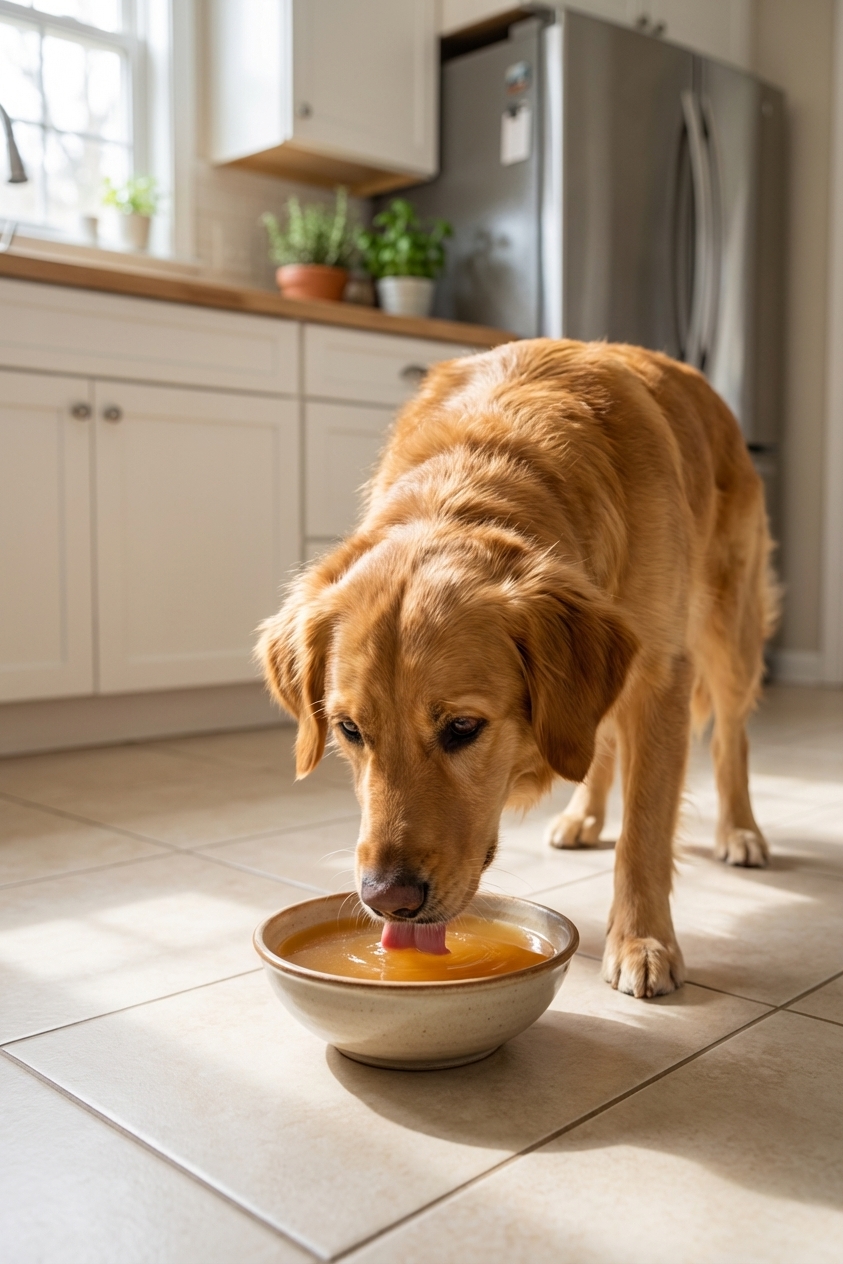
- If your dog is not on a sodium-restricted plan, you can offer a small amount of dog-safe broth diluted with water. It should have no onion, garlic, or seasoning (powders count).
- Another option is a veterinary electrolyte solution recommended by your clinic.
- Watch for gulping and vomiting. If your dog vomits repeatedly after drinking, or cannot keep water down, seek urgent veterinary care.
Step 2: pause rich foods and treats
Stop all treats, chews, table scraps, bones, and high-fat foods. In older dogs, pancreatitis is a not-uncommon and painful cause of GI upset. It is more classically linked with vomiting, belly pain, and decreased appetite, but diarrhea can be part of the picture, and fatty foods often make it worse.
Step 3: skip fasting if you are unsure
Old-school advice sometimes includes a short fast of 8 to 12 hours. However, many dogs do just as well, or better, starting small bland meals right away. Seniors with diabetes, very small dogs, and dogs who already seem weak should not be fasted without veterinary guidance. When in doubt, do not fast. Move right to small bland meals.
Step 4: bland, small meals for 2 to 3 days
Feed small portions every 6 to 8 hours. The goal is to reduce irritation and give the intestines a break while still providing energy.
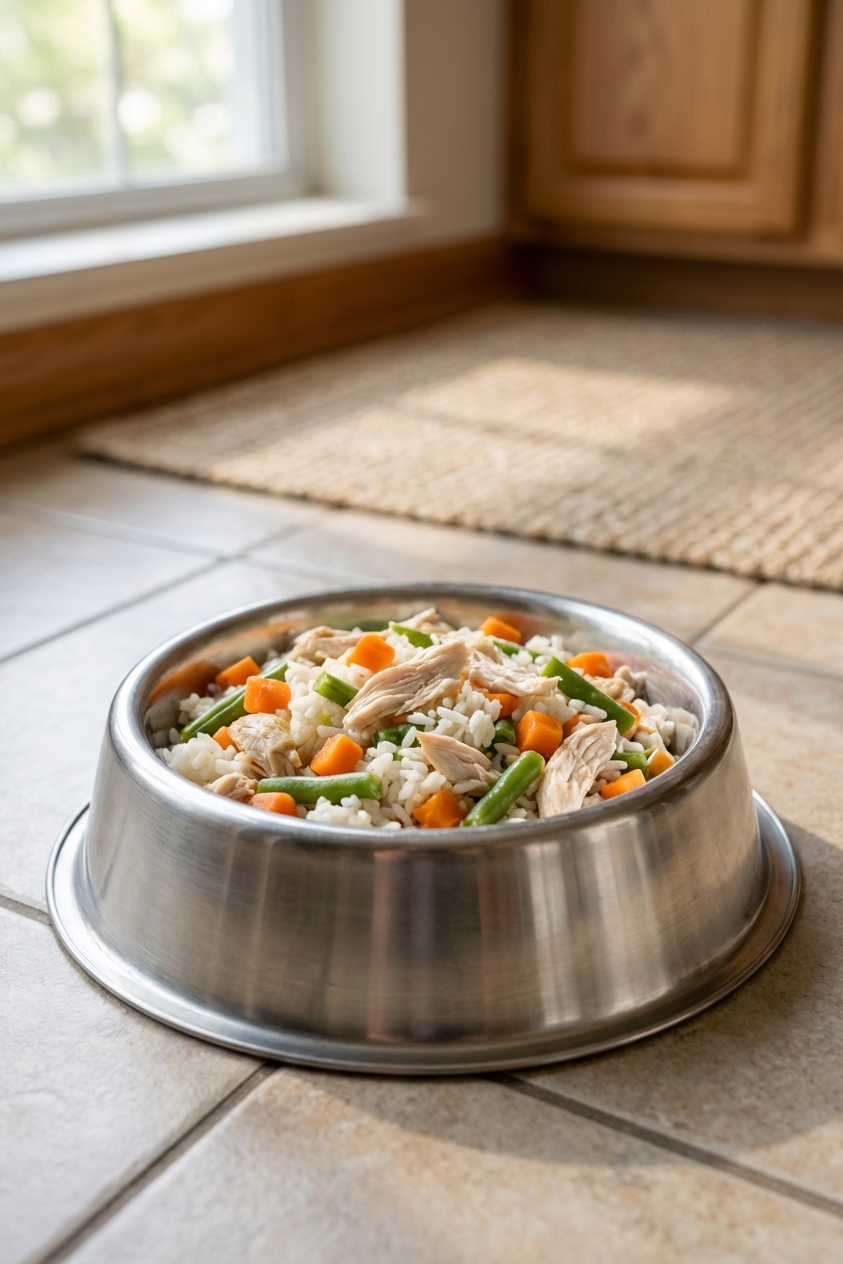
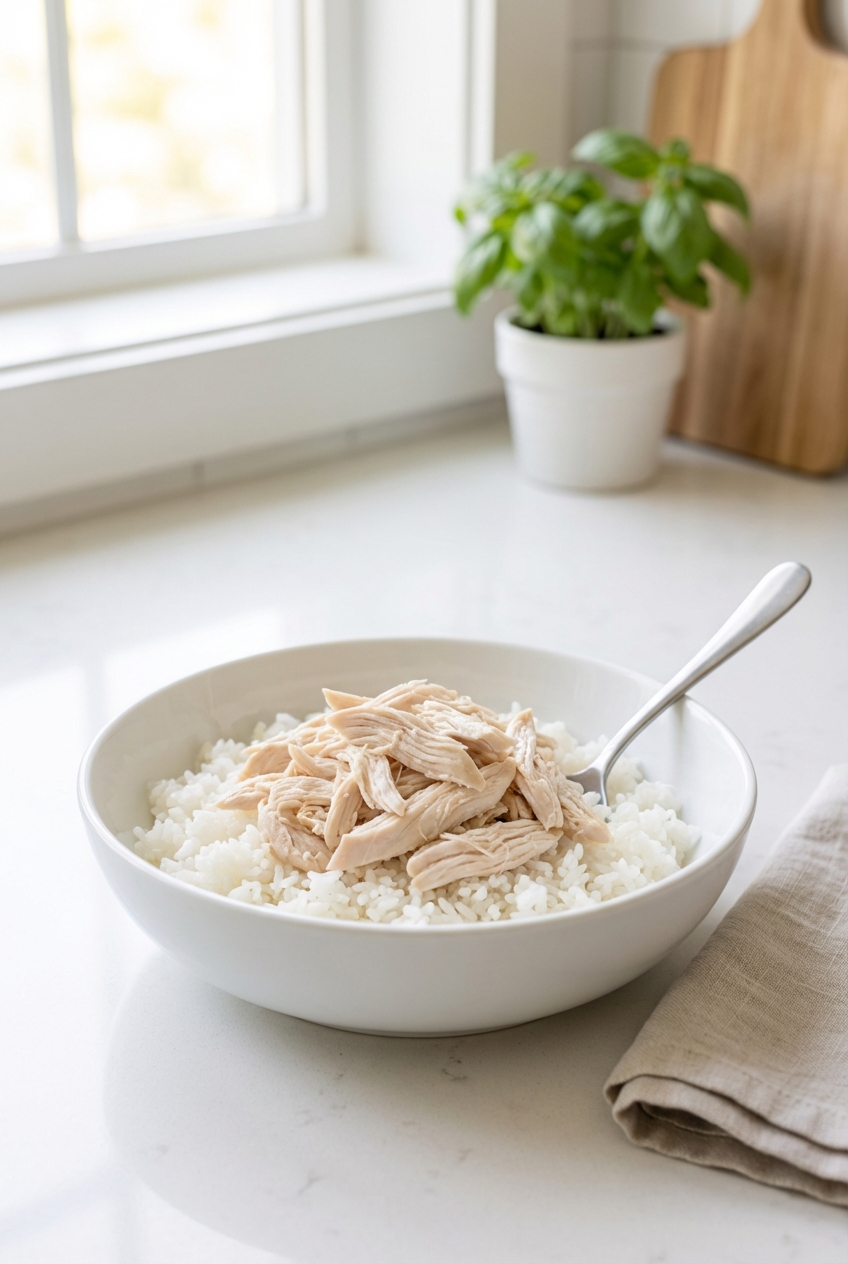
- Protein: boiled skinless chicken breast or extra-lean turkey
- Carb: plain white rice (or plain mashed sweet potato in small amounts)
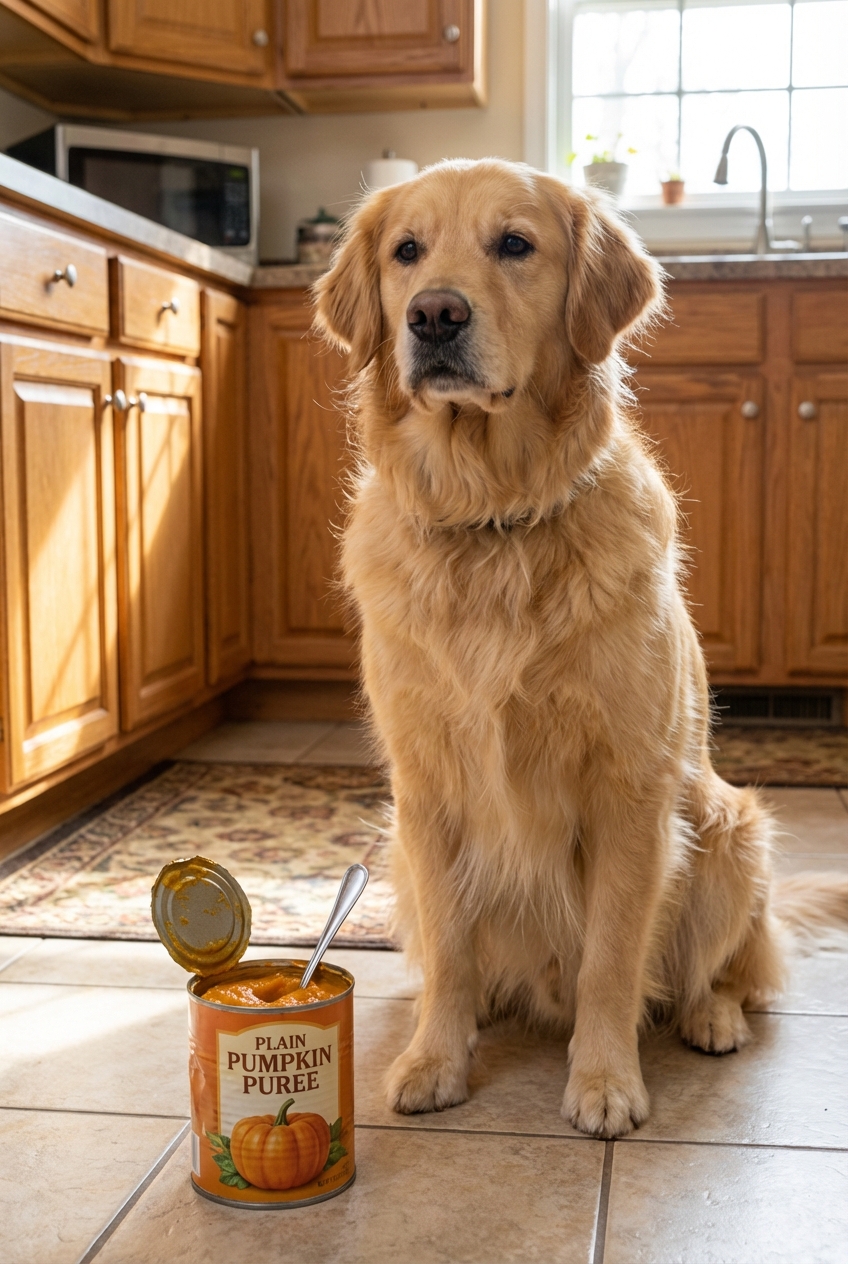
- Optional fiber: plain canned pumpkin (not pie filling), a spoonful for small dogs, up to a few spoonfuls for large dogs
If your dog has food allergies or does not tolerate chicken, ask your vet about a different protein or a prescription gastrointestinal diet.
Step 5: consider a veterinary probiotic
Evidence supports certain probiotics for acute diarrhea. Look for products formulated for dogs and follow the label. If your dog is immunocompromised or on chemotherapy, ask your veterinarian first.
Step 6: transition back slowly
When stools are improving, gradually mix the regular diet back in over 3 to 5 days. For many seniors, a slower transition is kinder to the gut.
What it can look like
The details matter. If you can safely do so, take a photo of the stool and jot down frequency and timing. That information helps your veterinarian immensely.
Large volume, watery stool
This can often fit with small-intestinal diarrhea, especially when it is less frequent but produces a lot at once. Weight loss and poor appetite can also show up with longer-running small-intestinal issues. That said, watery stool can be mixed or large-bowel in some dogs, so it is just one clue, not a diagnosis.
Frequent small amounts, mucus, urgency
Often suggests large bowel involvement (colitis). Dogs may squat repeatedly and produce little stool with mucus.
Bright red blood
Can come from irritation in the colon or rectum, but significant blood or worsening signs should be treated as urgent, especially in older dogs.
Black or tarry stool
This can indicate digested blood and needs prompt veterinary evaluation.
Common causes in older dogs
Senior dogs can get the same “upset stomach” as younger dogs, but we also see more underlying conditions as dogs age.
- Dietary change or rich foods: new treats, people food, trash
- Pancreatitis: often linked with fatty foods, classically vomiting and abdominal pain, with diarrhea possible
- Intestinal parasites: yes, even seniors can pick them up
- Infectious causes and dysbiosis: some bacterial or viral pathogens (risk varies by vaccination status and exposure), and shifts in the gut microbiome
- Medication side effects: antibiotics, NSAIDs, steroids, supplements, or new preventives
- Inflammatory bowel disease or food-responsive enteropathy
- Endocrine or metabolic disease: Addison’s disease can mimic many GI problems
- Liver, kidney, or pancreatic disease
- Cancer: intestinal tumors can cause chronic or recurring diarrhea, weight loss, or appetite changes
When to worry about recurring diarrhea
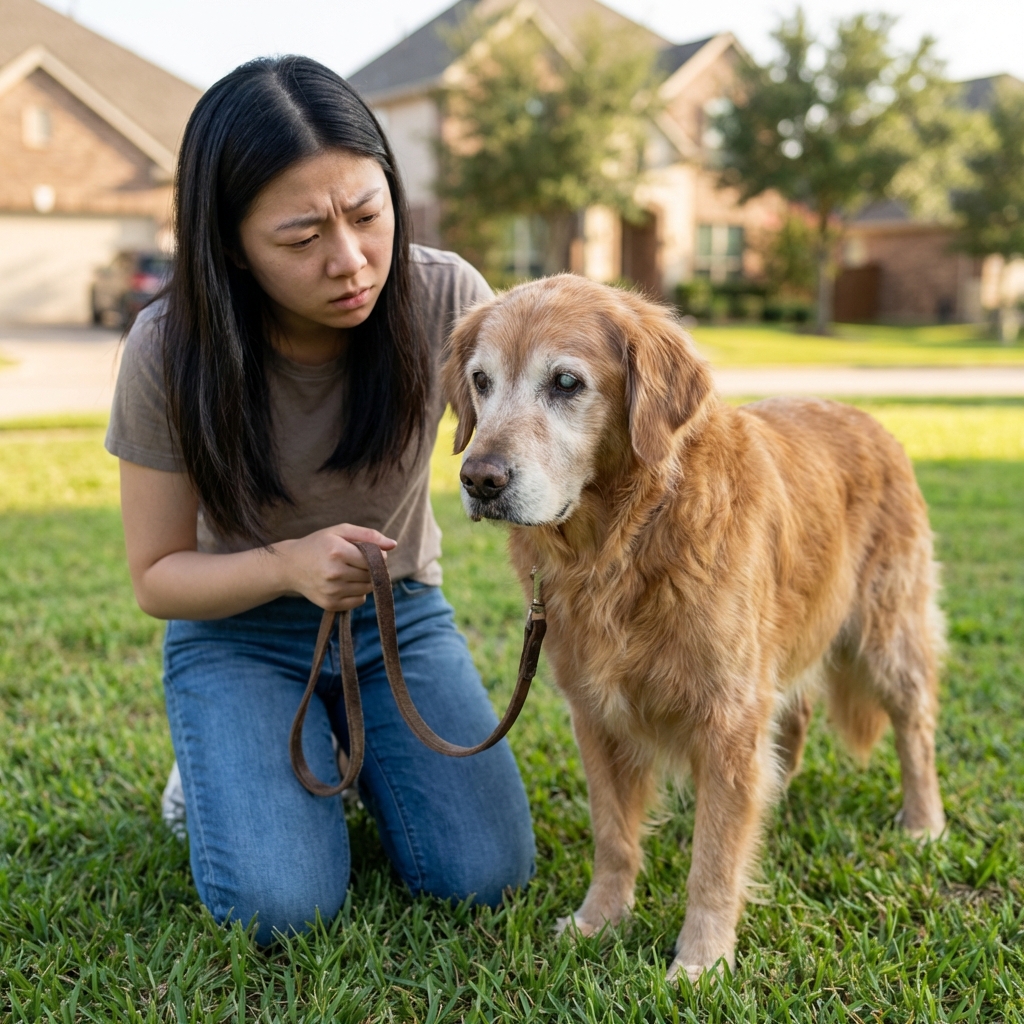
With seniors, repeated “random” diarrhea deserves a closer look. Call your veterinarian if you notice patterns or any of these:
- Weight loss or muscle loss
- Appetite changes (especially refusing food)
- Increased thirst or urination
- Nighttime accidents or new urgency
- Diarrhea that keeps coming back, even if it resolves with bland food
What your veterinarian may recommend
If diarrhea is persistent, severe, or recurring, diagnostics help you avoid guesswork and get relief faster.
Common tests
- Fecal testing (including Giardia testing depending on risk)
- Bloodwork to assess dehydration effects, electrolytes, kidney and liver values, inflammation, and pancreatitis screening
- Urinalysis to evaluate kidney function and urine concentrating ability, which helps interpret hydration status and underlying disease
- Abdominal imaging such as X-rays or ultrasound if foreign body, pancreatitis, or masses are suspected
- Diet trials using prescription gastrointestinal or hydrolyzed diets
Treatments you may see
- Fluids (subcutaneous or IV) to correct dehydration
- Prescription GI diet and probiotics
- Anti-nausea medication if vomiting or nausea is present
- Parasite treatment if indicated
- Targeted antibiotics only when truly warranted
One gentle reminder from the vet assistant side of things: antibiotics are not automatically the answer for diarrhea. Many cases are self-limiting or diet-responsive, and unnecessary antibiotics can disrupt the gut microbiome.
Helpful to bring
- A fresh stool sample if you can (ideally less than 12 hours old). Place it in a clean bag or container and keep it cool until your appointment.
- A stool photo and a simple timeline (when it started, how often, any vomiting).
- A list of foods, treats, supplements, and medications.
What not to do
- Do not give human anti-diarrheal medications unless your veterinarian specifically instructs you to. Some are unsafe for dogs, especially seniors, and some can be dangerous if the diarrhea is caused by toxins, infection, or certain medical conditions.
- Be extra careful with common cabinet meds: bismuth subsalicylate (Pepto-Bismol) can darken stools and contains salicylates, and loperamide (Imodium) can be risky in some dogs (including MDR1-sensitive herding breeds) or if a toxin or obstruction is involved.
- Do not keep changing foods rapidly. Frequent switches can prolong diarrhea.
- Do not ignore recurring episodes. Repeated diarrhea in an older dog deserves a workup.
Monitoring checklist (next 48 hours)
Use this simple list to track whether your dog is improving or heading in the wrong direction.
- Energy: normal, slightly tired, or very lethargic?
- Appetite: eating bland meals willingly?
- Water intake: drinking and keeping it down?
- Stool frequency: decreasing over time?
- Stool quality: moving from watery to soft to formed?
- Vomiting: none, occasional, or repeated?
- Urination: normal amounts and frequency?
- Weight: any sudden drop can be significant in seniors
If things are not clearly improving within a day, or if any red flag shows up, call your veterinarian.
Prevention for sensitive seniors
Once your dog is back to normal, a few habits can reduce the odds of another episode.
- Keep meals consistent and introduce new foods slowly.
- Avoid high-fat treats, especially for dogs with past pancreatitis or unexplained GI episodes.
- Schedule routine fecal checks, even for older dogs.
- Ask about a senior-friendly diet tailored to your dog’s health conditions.
- Keep a “GI kit” at home: bland diet ingredients, vet-approved probiotic, and your vet’s after-hours number.
If you take one thing from this article, let it be this: older dogs deserve faster support and earlier veterinary guidance. A little caution upfront can prevent a bigger crisis later.