Vomiting or diarrhea in cats can turn serious fast. Learn safe home care steps, hydration and bland diet tips, probiotics, red flags for the vet, and risky r...
Article
•
Designer Mixes
Old Cat Diarrhea: Vet-Approved Facts & Insights

Shari Shidate
Designer Mixes contributor
If you share your home with a senior cat, you already know how quickly little changes can feel big. Diarrhea in older cats is one of those issues that can look “simple” but sometimes points to something deeper. The good news is that many causes are very treatable, and getting the right details to your veterinarian can speed up relief.
As a veterinary assistant, I like to remind families of two truths: diarrhea is a symptom, not a diagnosis, and in older cats, we take it seriously sooner because seniors often have less physiologic reserve and can become dehydrated more quickly with fewer losses (though every cat is different).
What counts as diarrhea?
Diarrhea means stool that is looser, more frequent, or both. In practice, I often hear “It’s not water, it’s just soft.” That still matters, especially if it lasts more than a day or two.
Litter box clues
These patterns can be helpful clues, not a diagnosis. Cats do not always read the textbook.
- Small amounts, frequent trips, straining, mucus: often suggests large bowel involvement (colon).
- Large volume, watery stool: often suggests small bowel involvement (small intestine).
- Weight loss: can be seen with chronic GI disease of many types (small bowel is common, but large bowel and systemic disease can also cause it).
- Black, tarry stool (melena, which can indicate upper GI bleeding) or bright red blood: call your veterinarian promptly, and if your cat seems weak or pale, treat it as urgent.
If you can safely do it, taking a clear photo of the stool for your vet can be surprisingly helpful.
Safety note: Straining in the litter box can also look like constipation or urinary trouble. If your cat is making repeated trips, crying out, producing little to no urine, or licking the genital area, that can be a urinary emergency (especially in male cats). Seek urgent care.
Why seniors get diarrhea
Aging changes the body in ways that can make the GI tract less forgiving.
- Lower reserve: seniors can become dehydrated and weak faster.
- More chronic conditions: kidney disease, hyperthyroidism, diabetes, pancreatitis, and cancer become more common with age.
- Medication sensitivity: common senior medications can affect the gut.
- Dental disease and appetite swings: eating differently can upset digestion.
Common causes in older cats
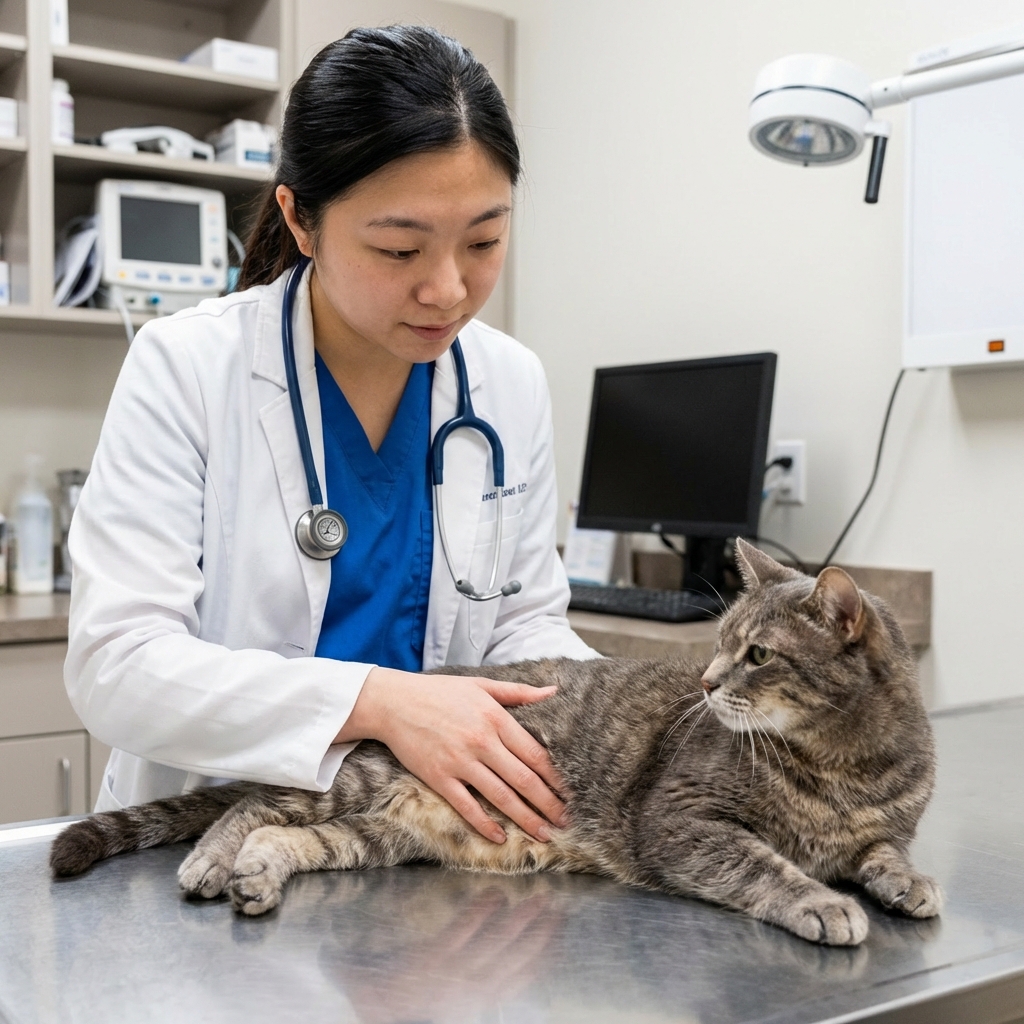
Here are the most frequent categories veterinarians consider. Your cat may have one cause, or a combination. If the diarrhea is new or persistent, a vet exam helps you avoid guessing.
Diet change or intolerance
Switching foods too quickly, new treats, table foods, rich foods, or even a different flavor can trigger diarrhea. Some older cats develop intolerance to certain proteins or ingredients over time.
IBD
Inflammatory bowel disease (IBD) is chronic inflammation of the GI tract. Signs can include diarrhea, vomiting, poor appetite, and weight loss. It is common enough in older cats that vets keep it high on the list.
Parasites and protozoa
Even indoor cats can get parasites, especially if they hunt insects, share space with other pets, or you recently adopted a new animal. Giardia and other protozoa can cause intermittent loose stool.
Infection and microbiome imbalance
Sometimes the normal gut microbiome (the “good bacteria” community) gets thrown off. Stress, illness, antibiotics, or sudden food changes can contribute.
Hyperthyroidism
An overactive thyroid can cause weight loss with a big appetite, increased thirst, and diarrhea. It is one of the classic senior-cat conditions that can mimic “just a stomach issue.”
Pancreatitis
Pancreatitis can cause nausea, decreased appetite, lethargy, and sometimes diarrhea. It can be subtle in cats, so diagnostics matter.
Kidney or liver disease
Chronic kidney disease is very common in older cats and is often linked to nausea, appetite changes, and vomiting. Some cats also have diarrhea, which may be related to uremia, diet changes, medications, or other conditions happening at the same time. Liver issues can also affect digestion and stool quality.
Cancer
No one likes to think about this, but chronic diarrhea, weight loss, and appetite changes in a senior cat may prompt your vet to rule out intestinal tumors (including intestinal lymphoma).
Medication side effects
Antibiotics, some pain medications, supplements, and even certain flavored preventives can cause GI upset. Never stop prescription meds without veterinary guidance, but do tell your vet exactly what your cat is taking.
Constipation with overflow
This surprises a lot of families. A cat can be constipated and still pass small amounts of liquid stool around a fecal blockage. Straining, frequent litter box visits, and small stool volume are common clues.
Toxins and foreign material
Chewing plants, people food, chemicals, string, or other non-food items can irritate the gut or create a bigger problem. If you suspect toxin exposure or string ingestion, call your vet or an animal poison hotline right away.
When it is an emergency
Please contact your veterinarian promptly or seek urgent care if you notice any of the following, especially in a senior cat:
- Diarrhea lasting more than 24 to 48 hours
- Repeated vomiting or your cat cannot keep water down
- Blood in stool, black/tarry stool (melena), or lots of mucus
- Marked lethargy, hiding, weakness, or collapse
- Signs of dehydration (sticky gums, sunken eyes, poor skin elasticity)
- Not eating for 24 hours, especially in overweight cats, and the risk increases the longer they go without food
- Known kidney disease, diabetes, hyperthyroidism, or immunosuppression
- Straining with little to no urine, frequent trips, or vocalizing in the box (possible urinary blockage, urgent)
Senior cats do not need to have “severe” diarrhea to become dangerously dehydrated. If your gut says something is off, it is okay to call.
What the vet may do
Once you have an idea of the red flags, the next step is figuring out the cause. Veterinary care is not one-size-fits-all. Your vet will match testing to your cat’s age, symptoms, and exam findings.
Common diagnostics
- History and exam: diet, treats, meds, stressors, weight trends, stool frequency
- Fecal testing: flotation, Giardia testing, and sometimes PCR panels (a lab test that looks for specific infectious organisms)
- Bloodwork: CBC/chemistry to check hydration, infection or inflammation, kidney and liver values
- Total T4: screens for hyperthyroidism in older cats
- Urinalysis: often paired with bloodwork in seniors
- Abdominal ultrasound: looks at intestinal thickness, lymph nodes, pancreas, liver
- B12 and folate: evaluates absorption and gut health
Common treatments
- Diet therapy: highly digestible diets, novel protein, or hydrolyzed diets
- Probiotics: veterinarian-recommended strains and dosing
- Parasite treatment: some vets may recommend empiric deworming based on risk, even if parasites are not seen on the initial test
- Fluids: sometimes subcutaneous or IV fluids for dehydration
- Targeted meds: anti-nausea meds, gut protectants, B12 supplementation, anti-inflammatory therapy, or thyroid management depending on cause
A quick note from the clinic side: antibiotics are not automatically the answer for diarrhea. Many cases are not bacterial, and unnecessary antibiotics can worsen microbiome imbalance.
What you can do at home
Home care should support hydration, comfort, and good information gathering. For senior cats, avoid “wait it out” if symptoms persist or your cat seems unwell.
1) Support hydration
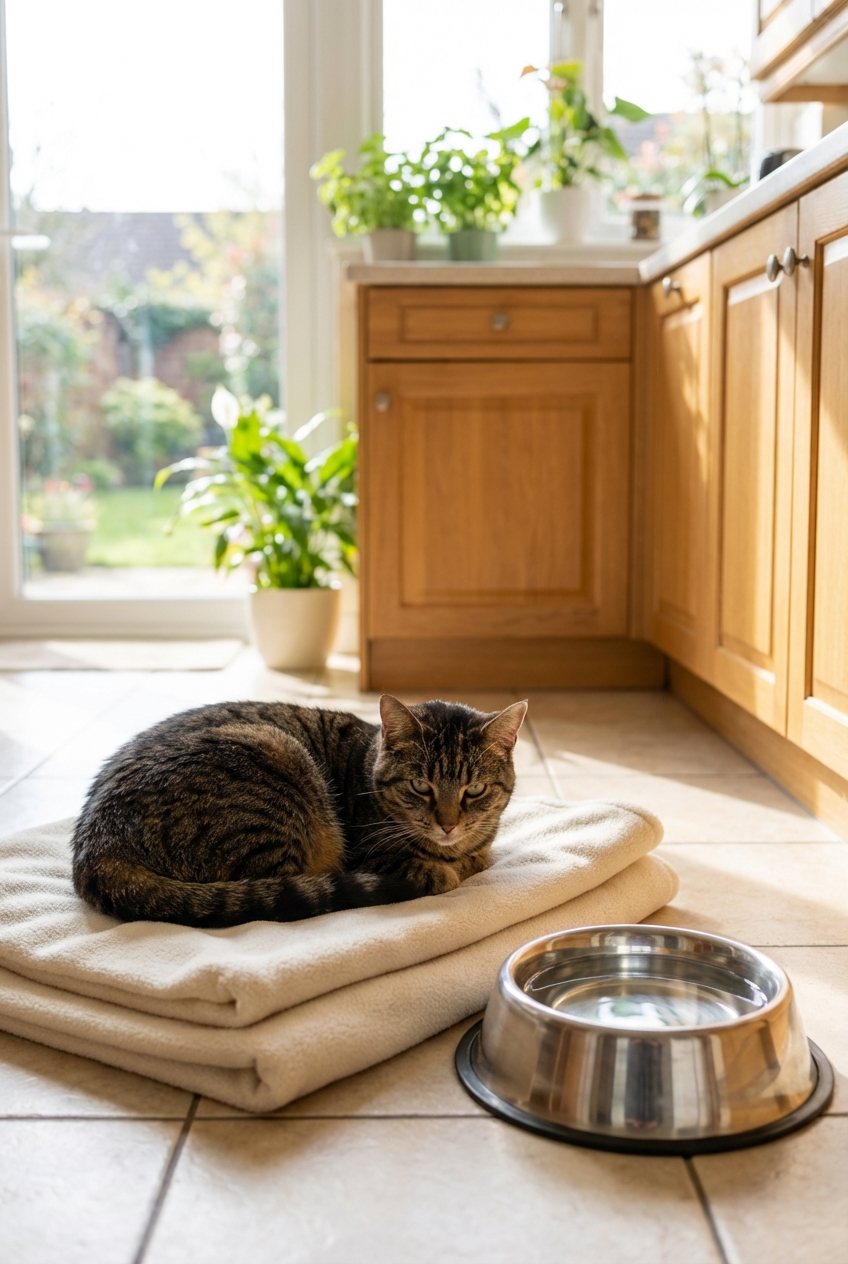
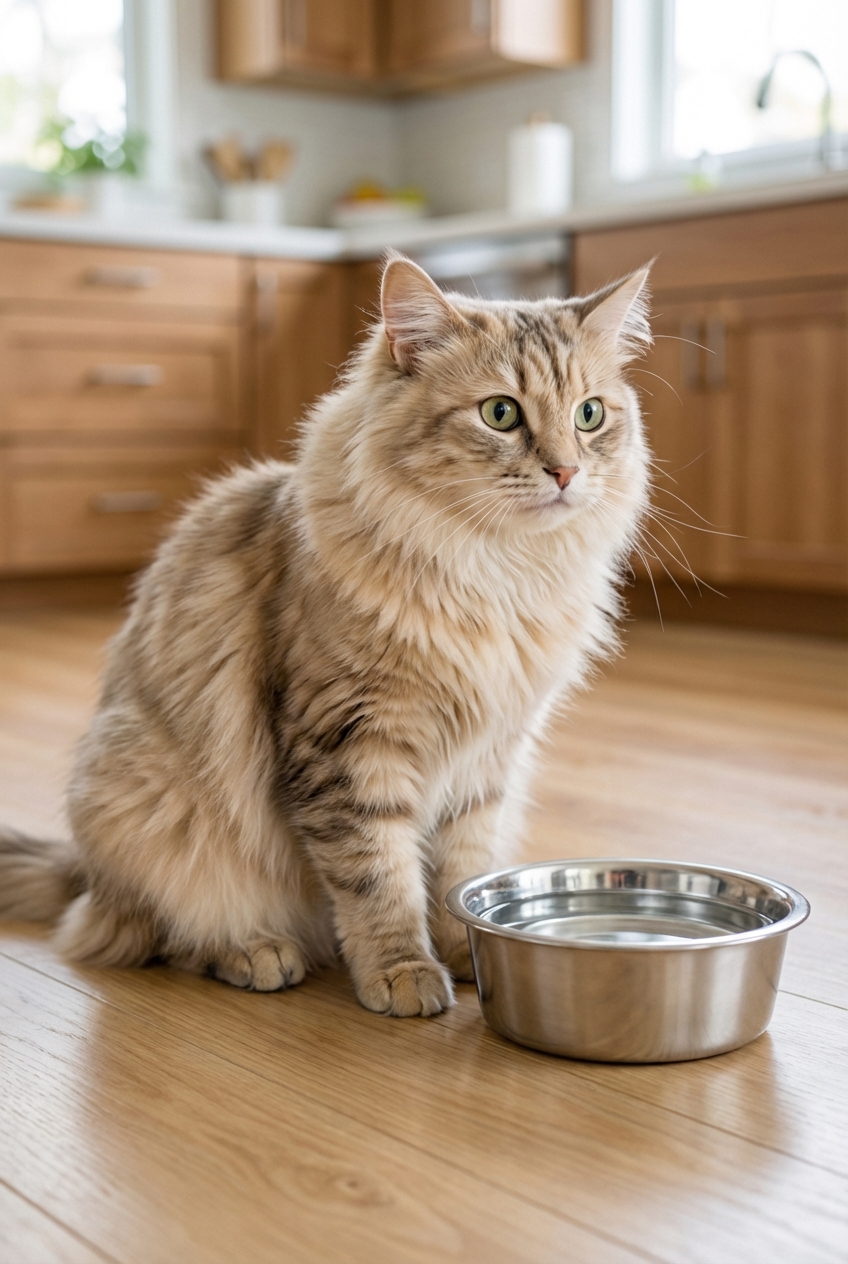
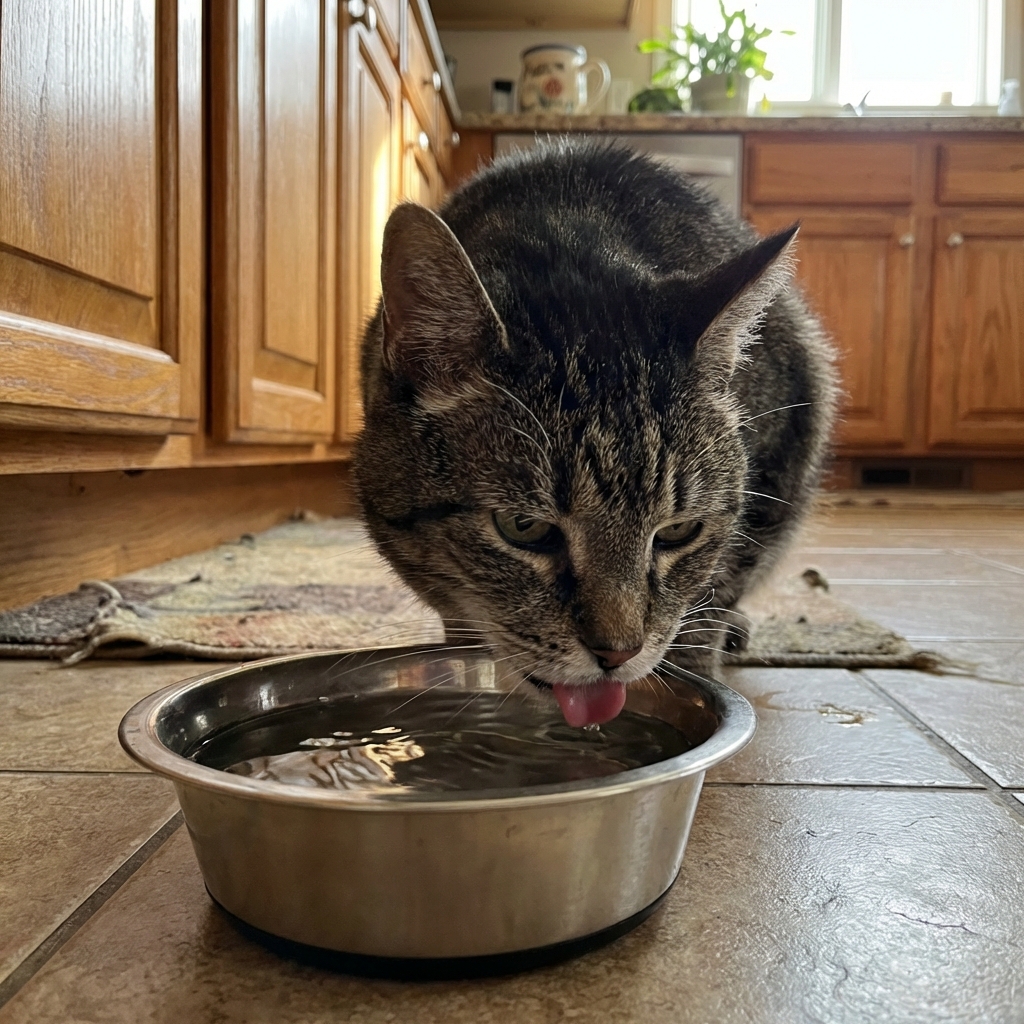
- Offer fresh water in multiple locations.
- Consider a pet fountain if your cat likes running water.
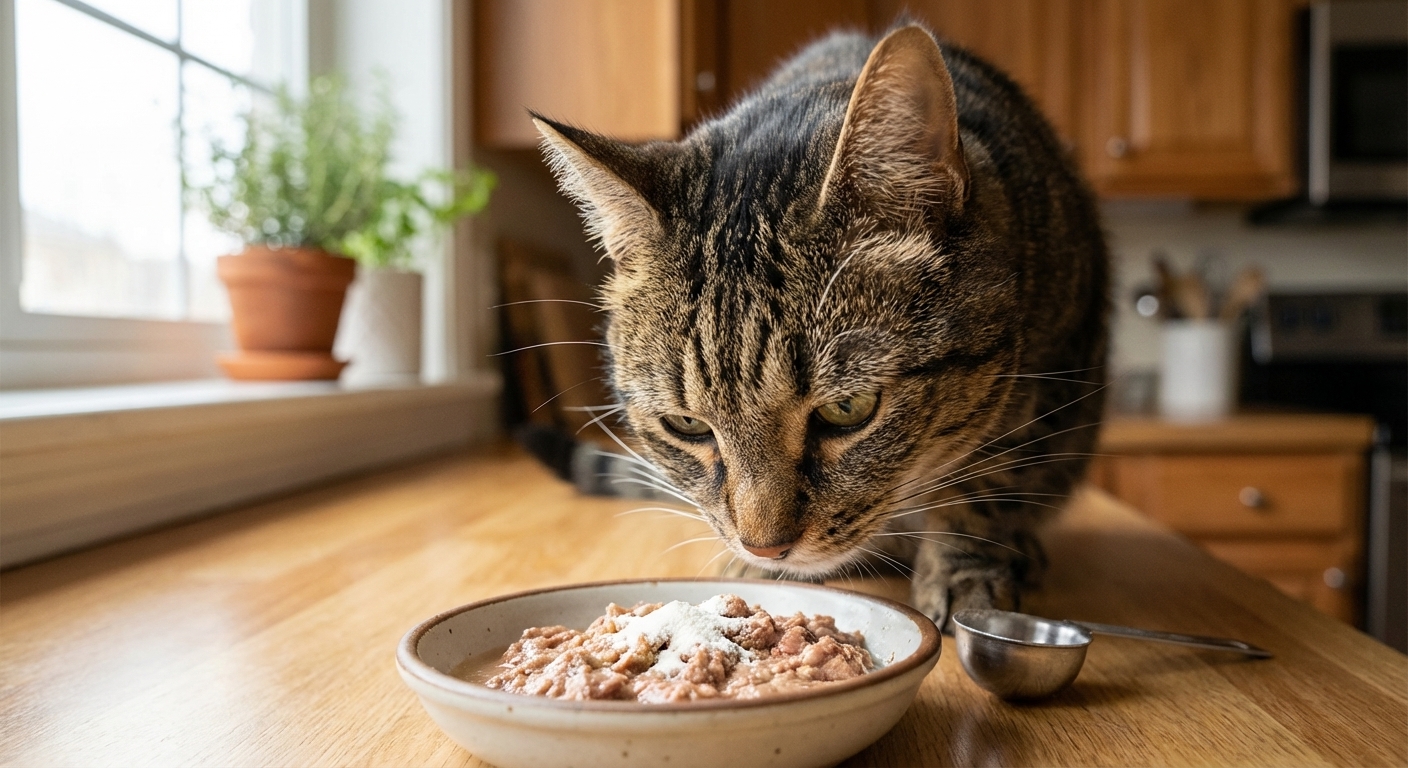
- Feed more moisture-rich meals if your vet agrees (many cats do well with canned food).
2) Keep food simple
- Do not make multiple sudden food changes trying to “fix it” overnight.
- If your veterinarian recommends a GI diet, transition gradually when possible.
- Avoid milk or dairy, and be cautious with “bland diet” internet recipes. Cats have specific nutritional needs, especially seniors. Ask your vet what is appropriate for your cat.
- Use pumpkin, fiber supplements, or over-the-counter gut products only with veterinary guidance. What helps one cat can worsen another (and some products interfere with other conditions or medications).
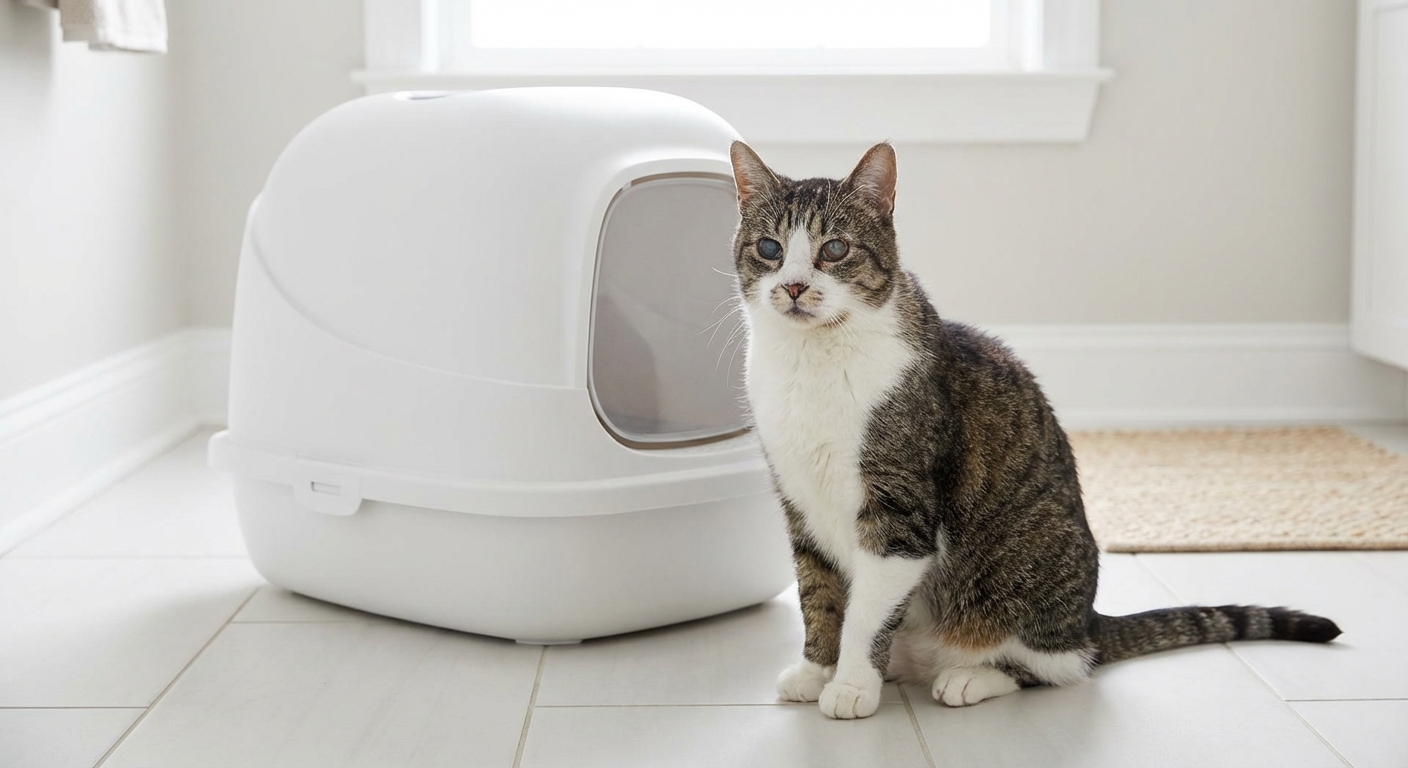
3) Protect the litter box routine
- Provide easy access, especially for arthritic cats.
- Scoop frequently so you can monitor stool changes.
- Use unscented litter if your cat is sensitive.
4) Track details for your vet
- When did it start?
- How many episodes per day?
- Any vomiting, appetite change, weight loss, or increased thirst?
- New foods, treats, supplements, medications, or stressors?
- Indoor-only or outdoor access? Hunting?
Stool sample tips
- Bring a fresh sample if you can (ideally within 12 hours).
- Place it in a clean, sealed container or a clean plastic bag.
- If you cannot get it to the clinic right away, refrigerate it (do not freeze) and wash your hands after handling.
- Try to avoid scooping a sample that is heavily contaminated with litter.
Please avoid these mistakes
- Do not give human anti-diarrheal medications unless your veterinarian specifically directs you. Some are dangerous for cats.
- Do not withhold food for long periods in cats, especially seniors. Cats are not small dogs, and prolonged fasting can be risky.
Nutrition notes
Food can be one of the most powerful tools for gut health, but it needs to be tailored to the diagnosis. Some cats need higher fiber, some need lower fat, some need novel proteins, and some need a prescription diet due to other conditions like kidney disease.
If you are curious about homemade options, talk with your veterinarian first and consider a board-certified veterinary nutritionist. Homemade diets can be wonderful, but senior cats often need very specific nutrient balance, including taurine, calcium, and appropriate phosphorus levels.
FAQ
How long is “too long”?
If diarrhea lasts more than 24 to 48 hours, or sooner if your cat is lethargic, not eating, vomiting, or has blood in the stool, call your veterinarian.
Is it always food?
No. Diet can be a trigger, but in senior cats we also think about thyroid disease, kidney disease, pancreatitis, IBD, parasites, and other systemic issues.
Can stress cause diarrhea?
Yes. Moves, new pets, schedule changes, and even construction noise can contribute. Still, seniors should be checked if symptoms persist because stress can exist alongside a medical problem.
Should I bring a sample?
Yes, if you can. A fresh sample in a clean container is ideal. If it is very watery, bring what you can and let the clinic know.
Bottom line
Diarrhea in older cats is common, but it is not something to ignore. Your best next step is simple: note the details, support hydration, keep the diet steady, and contact your veterinarian sooner rather than later. With the right plan, many senior cats bounce back quickly and feel like themselves again.