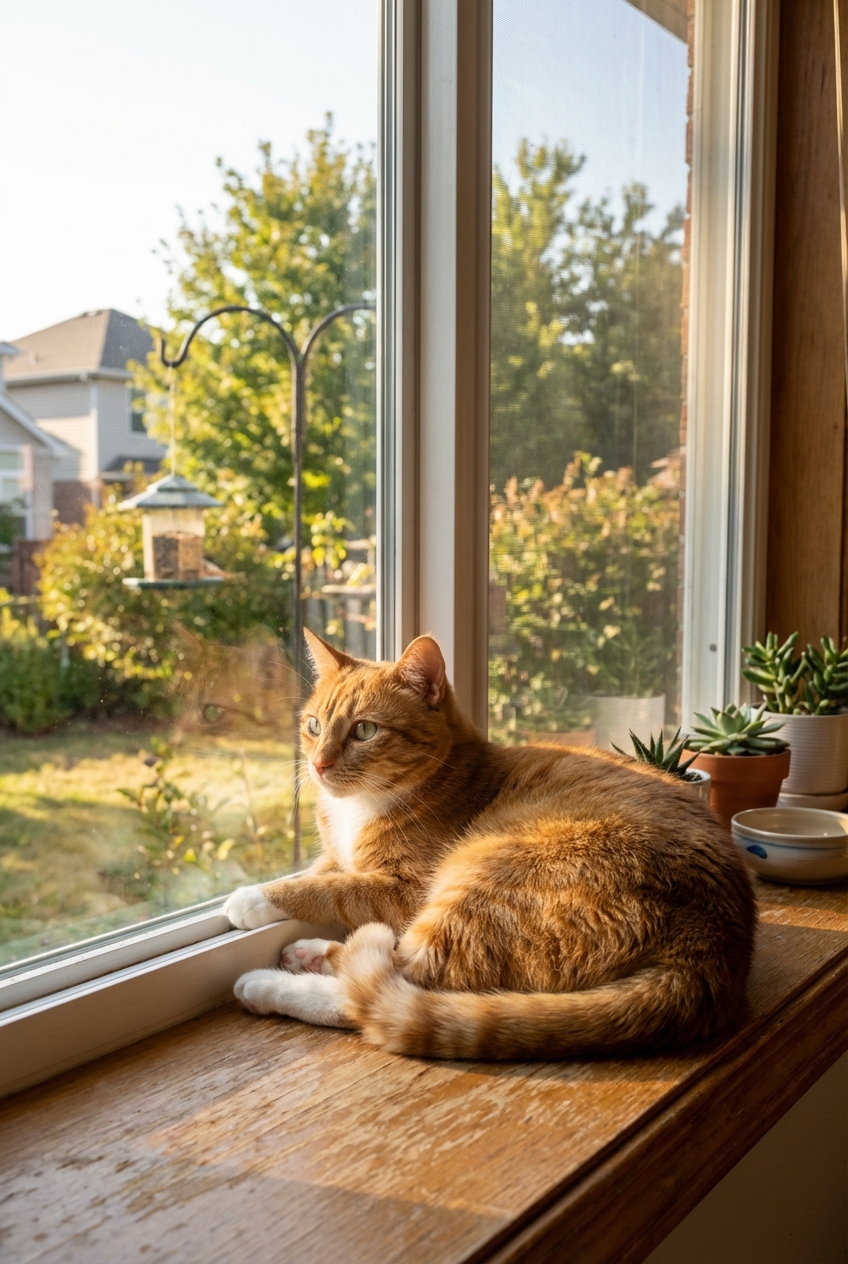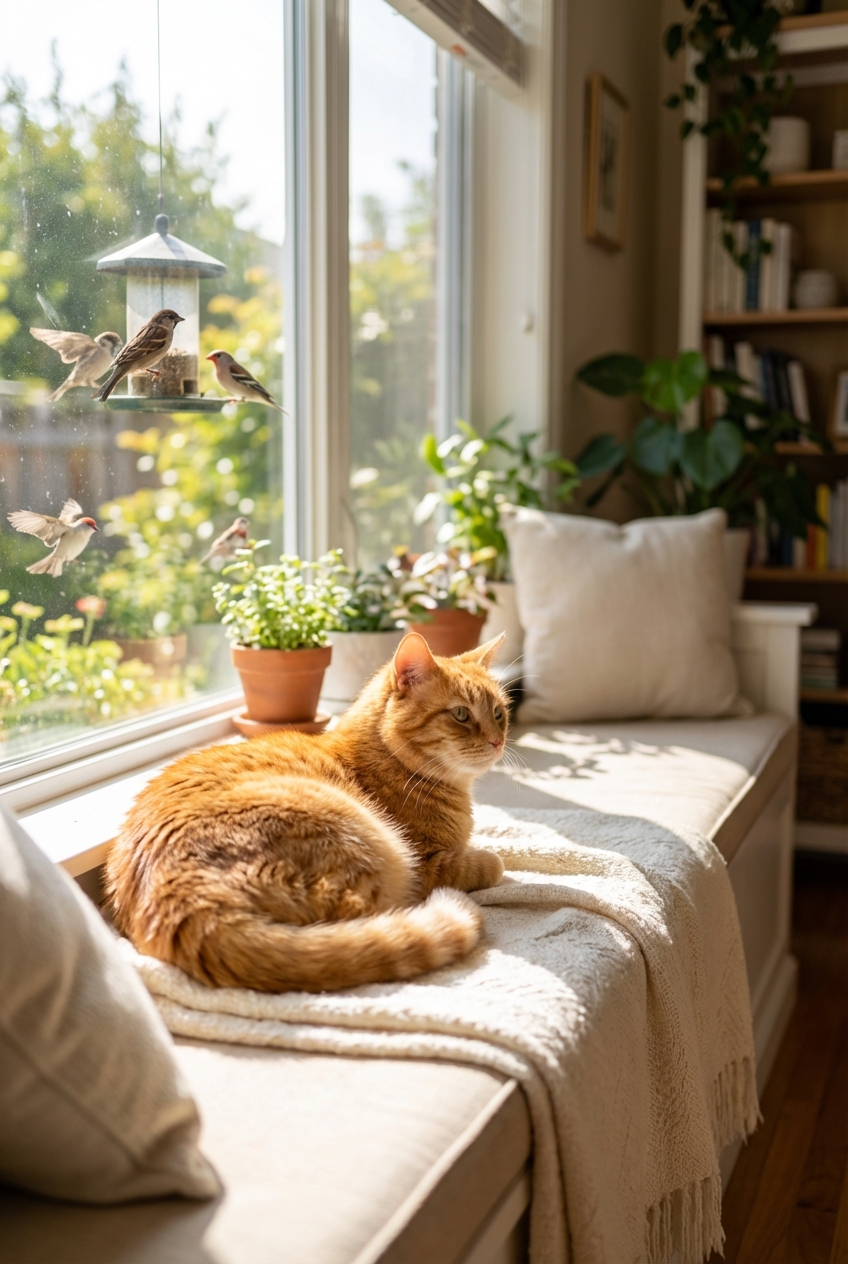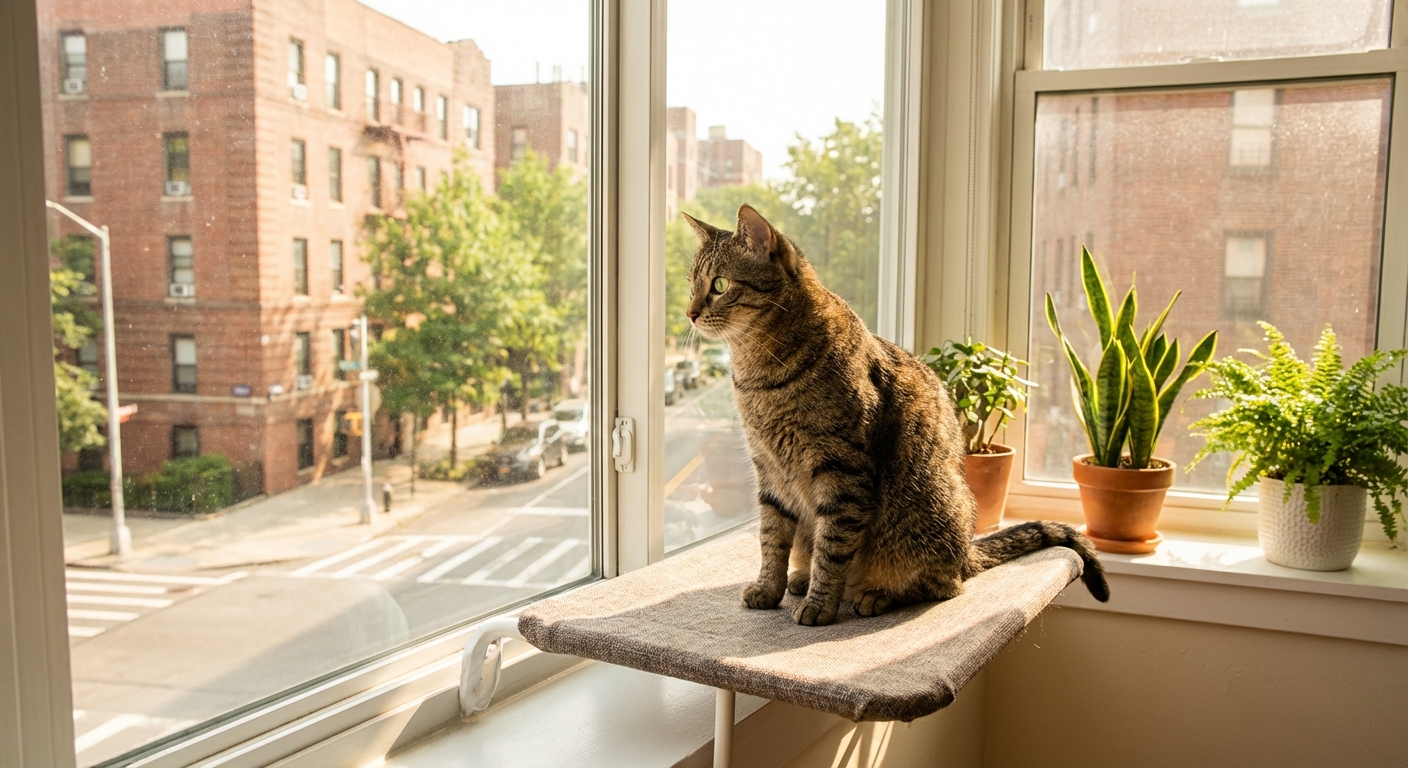
Help your indoor cat thrive in a small apartment with smart enrichment: vertical routes, window perches, puzzle feeders, prey-style play, scratch zones, quie...
Article
•
Designer Mixes
Ocicat Cat Breed: Personality, Care, Health, and What to Expect

Shari Shidate
Designer Mixes contributor
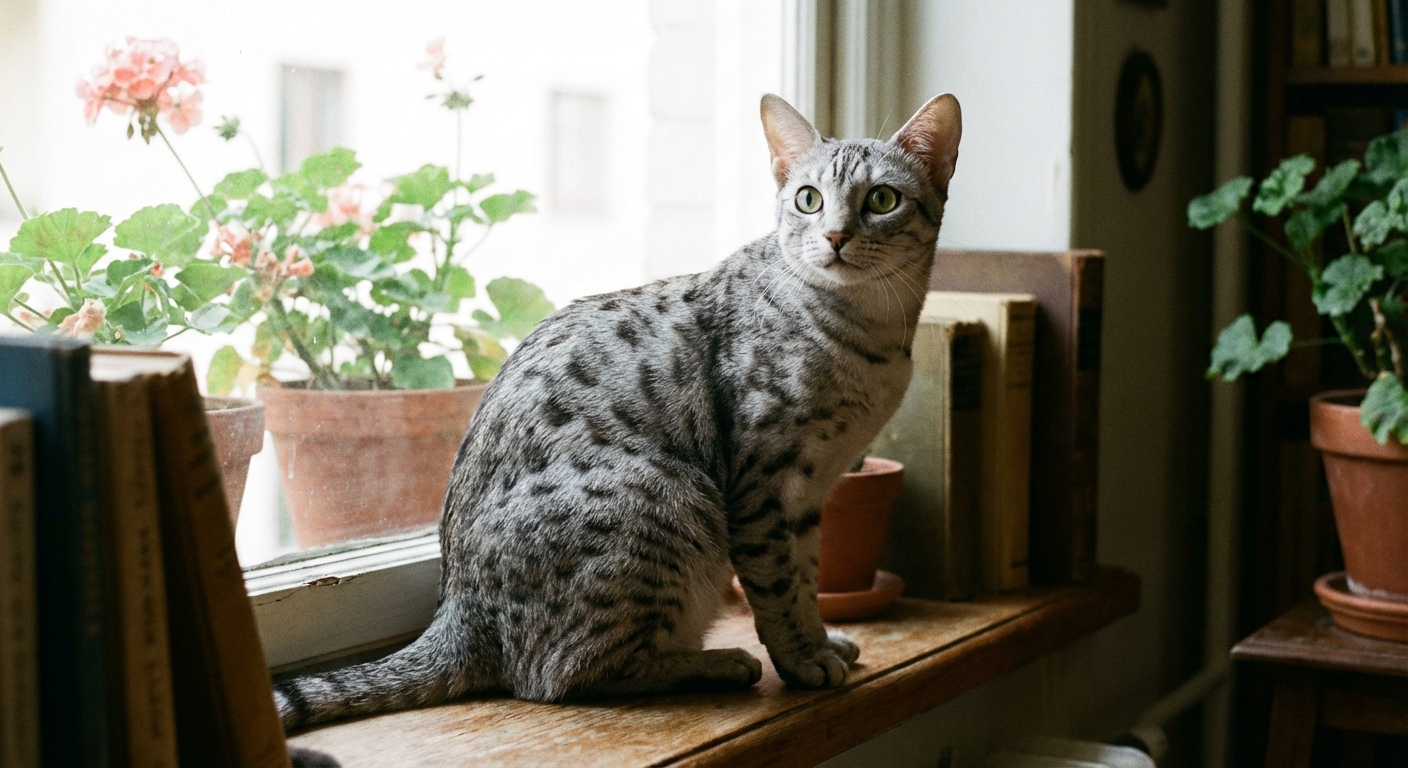
Meet the Ocicat
The Ocicat is one of those breeds that stops people in their tracks. With a wild, spotted coat and a confident, athletic build, this cat looks like it belongs in nature. In reality, the Ocicat is a fully domestic breed known for being social, people-oriented, and surprisingly trainable .
I often remind families that the best pet match is about lifestyle, not just looks. The Ocicat tends to thrive in homes where it gets daily interaction, play, and mental stimulation. If you want a cat that greets you at the door and likes to be involved in your routine, this breed is a strong contender.
Ocicat at a Glance
- Size: Medium-to-large, athletic and muscular
- Coat: Short, satiny, spotted
- Grooming: Low-maintenance (weekly brushing is usually enough)
- Activity level: High
- Temperament: Social, confident, curious, playful
- Life expectancy: Many live into the teens with good care (varies by individual)
- Allergies: Not hypoallergenic, even with a short coat
Origin and Breed History
The Ocicat originated in the United States in the 1960s. The first spotted kitten often cited in breed histories was produced in 1964, and breeders continued developing the look and temperament over the following years. The breed was built through planned crosses that included Siamese and Abyssinian lines, and later American Shorthair was introduced to strengthen structure and add silver coloring (and, in many accounts, to help reinforce the spotting).
Despite the name, Ocicats are not related to ocelots. The “wild” look is the result of selective breeding, not wild ancestry.
If you want extra confidence in the timeline, check your preferred cat registry for its recognition details, since acceptance dates can vary by organization and are occasionally summarized differently across sources.
Temperament: Energetic, Social, and Smart
Ocicats are often described as dog-like, and that is not an exaggeration. Many enjoy playing fetch, learning simple tricks, and following their people from room to room. They are typically outgoing with visitors, and they often do better than average with respectful children and cat-friendly dogs.
What daily life with an Ocicat can feel like
- High social needs: They usually prefer companionship and can get bored or lonely if left alone too often.
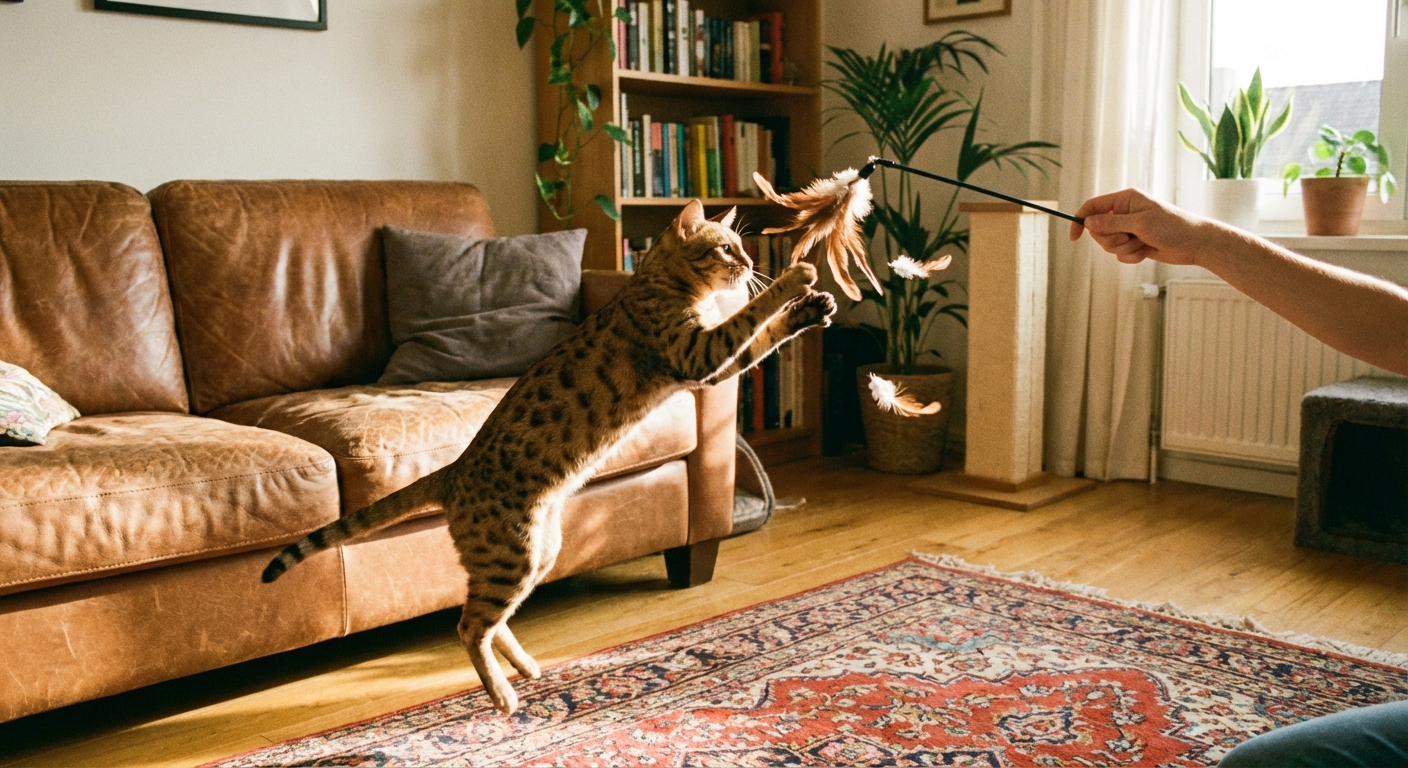
- Play-driven: Expect bursts of athletic energy and a love of interactive toys.
- Curious and confident: They like to explore, climb, and “supervise” household activities.
- Vocal but not extreme: Many communicate with chirps and meows, especially when they want engagement.
If you are looking for a quiet, hands-off lap cat, the Ocicat may not be the best fit. If you want an interactive companion, they can be a joy.
Appearance and Coat
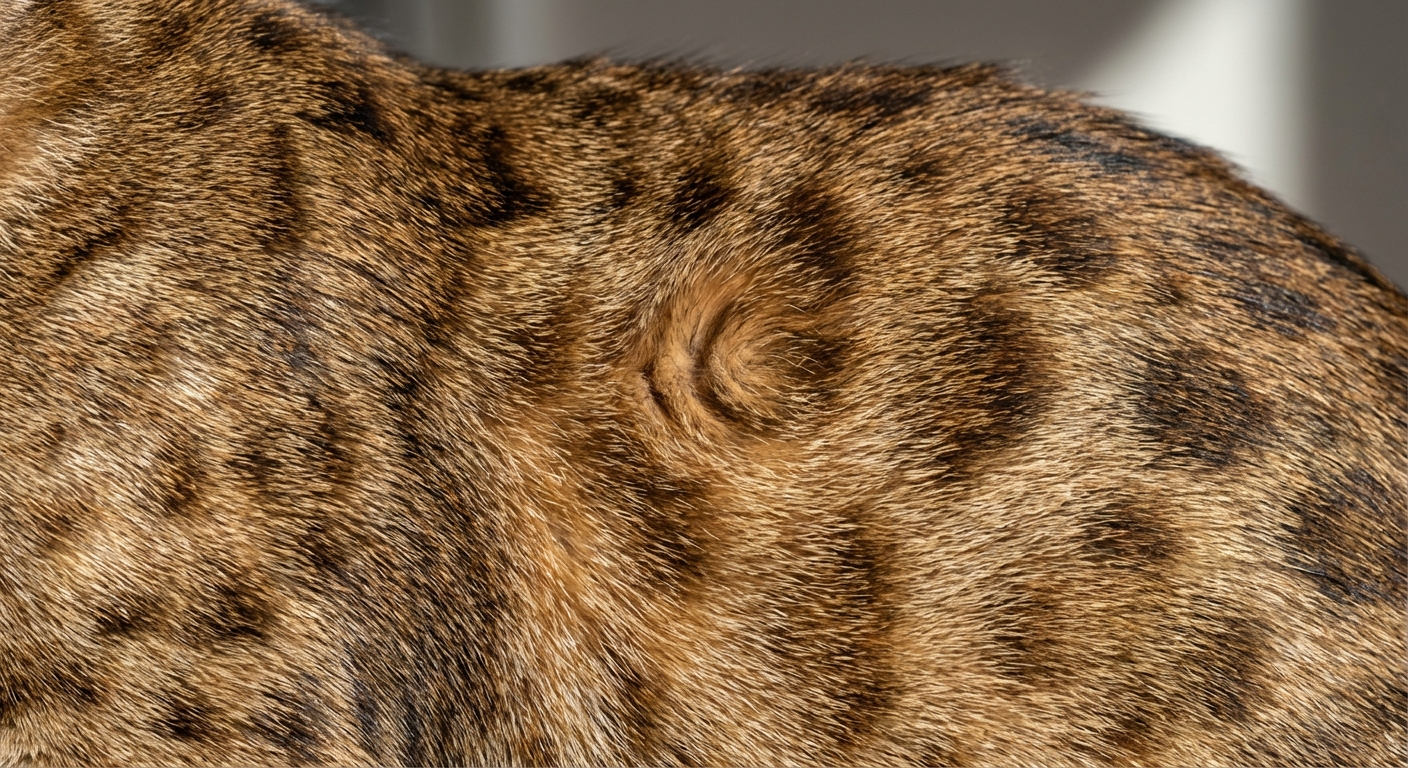
Ocicats are medium-to-large, muscular, and sleek. The hallmark is the spotted coat, with spots that tend to align in rows along the body. The coat is short, satiny, and low-maintenance compared to many long-haired breeds.
Common coat colors
Ocicats come in a variety of colors, including tawny, chocolate, cinnamon, blue, lavender, fawn, and several silver versions. Regardless of color, the pattern should be clear, contrasting spots on a lighter background.
Shedding and allergies
The short coat is easier to maintain, but it still sheds. A quick weekly brush helps remove loose hair. And while some people find short-haired cats easier to live with, Ocicats are not considered hypoallergenic .
Is an Ocicat a Good Pet for Your Home?
Ocicats often do best in homes that treat pets as part of everyday life. They tend to flourish with predictable routines, consistent play, and environmental enrichment. If your household is active, social, and open to training and play, an Ocicat can fit beautifully.
Great match for
- People who want an affectionate, involved cat
- Homes with time for daily play and interaction
- Families with older children who handle pets gently
- Multi-pet homes with proper introductions
Consider carefully if
- You are away for long stretches most days
- You want a very low-energy, independent cat
- You do not have space for climbing and play zones
Care and Daily Needs
Grooming
Most Ocicats need only light grooming. A weekly brushing or gentle grooming glove session helps remove loose hair and can reduce shedding around the home. Their short coat typically does not mat.
Exercise and enrichment
Ocicats are athletes. Plan on daily interactive play, plus opportunities to climb and problem-solve.
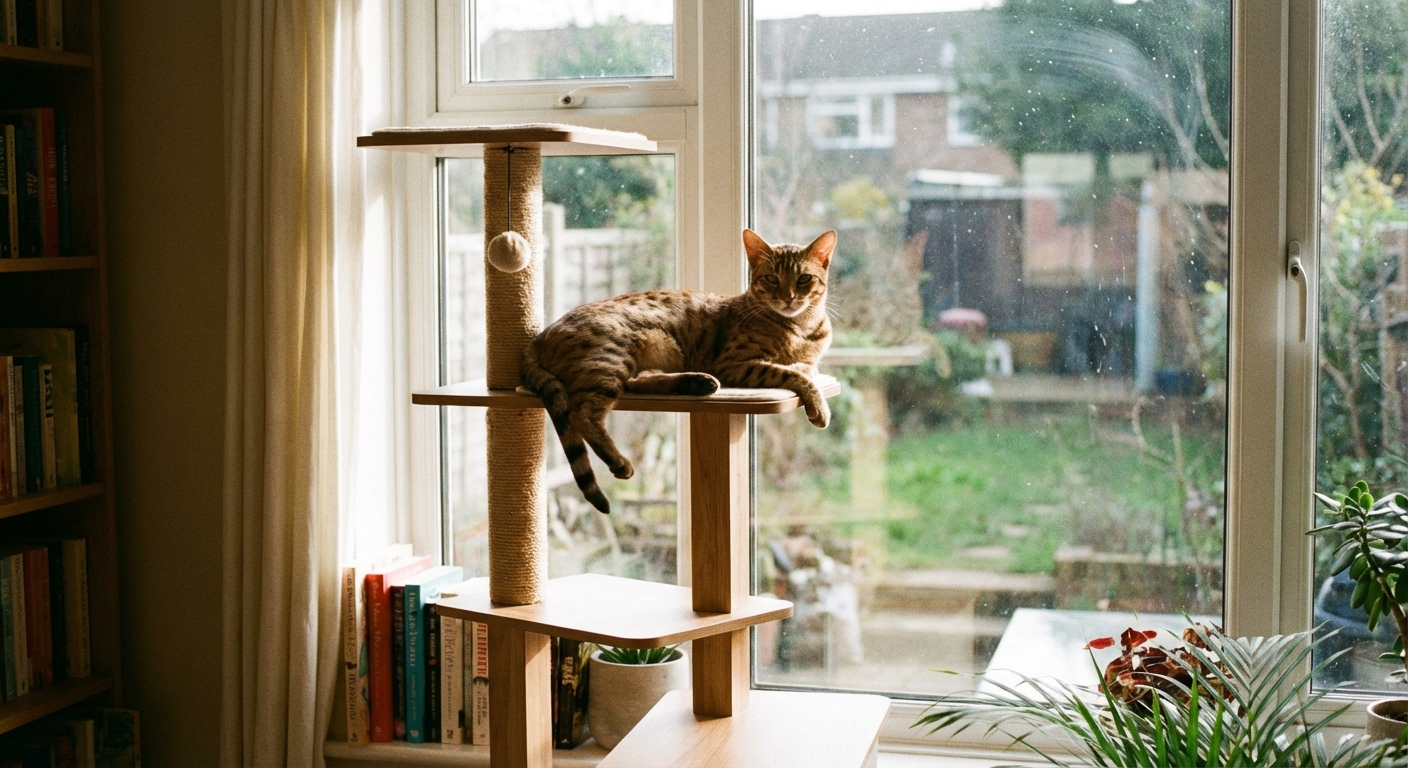
- Cat tree and window perches: Vertical space helps satisfy natural climbing instincts.
- Puzzle feeders: Great for mental stimulation and slowing fast eaters.
- Rotate toys: Rotating every few days keeps interest high.
- Harness training: Some Ocicats enjoy safe outdoor walks with gradual training. Use a secure, well-fitted harness, keep ID and a microchip up to date, and talk with your vet about parasite prevention before any outdoor time.
Litter box setup
Keep litter boxes clean and easy to access. Many confident, active cats will avoid a box that is crowded, covered, or poorly maintained. A common guideline is one box per cat, plus one extra.
Nutrition and Healthy Weight
Because Ocicats are muscular and active, they often maintain a lean look when properly fed and exercised. Still, any cat can gain excess weight if calories outpace activity. Aim for a complete and balanced diet appropriate for your cat’s life stage, and measure portions rather than free-feeding if weight becomes an issue.
Practical nutrition tips
- Prioritize protein: Cats are obligate carnivores and thrive on protein-rich diets.
- Consider wet food: It can support hydration, which is helpful for urinary health.
- Use treats strategically: Treats are best as training rewards, not a major calorie source.
If you are unsure what to feed, your veterinarian can help you choose a plan based on age, body condition, and activity level.
Health: What Owners Should Know
Ocicats are generally considered a robust breed, but no cat is immune to health issues. Responsible breeding and routine veterinary care make a major difference in long-term well-being.
Potential concerns to discuss with your vet
- Dental disease: Like many breeds, they can benefit from dental hygiene and routine dental checks.
- Heart health (reported in some lines): Hypertrophic cardiomyopathy (HCM) has been reported in cats across many breeds and lines . Ask your breeder what screening they do, what their veterinary cardiology plan looks like (if any), and what they know about family history.
- Kidney and urinary health: Hydration, diet, and litter box habits matter for all cats.
Prevention basics that truly pay off
- Annual or twice-yearly wellness exams, depending on age
- Parasite prevention tailored to your region and lifestyle
- Dental care at home if your cat tolerates it
- Weight monitoring and regular play
When families ask me what “good breeding” looks like in practice, I point to transparency. If you adopt from a breeder, request health records, ask about genetic screening, and look for clear answers about the parents and prior litters. If you adopt from a rescue, ask what medical care has already been completed and schedule a new-pet exam.
Training and Socialization
Ocicats tend to enjoy training because it gives them attention and mental stimulation. Clicker training, treat-based cues, and short daily sessions can help build good manners and reduce boredom.
Easy skills to start with
- Come when called
- Sit or touch a target
- Go to a mat or perch
- Carrier comfort training for easier vet visits
Early socialization matters. Gentle exposure to different people, sounds, and routines helps a confident cat stay confident.
Living Setup: Creating a Home an Ocicat Loves
A well-set-up environment supports both physical and emotional health. Think of it as designing a space that meets your cat’s instincts: climb, scratch, hunt, and rest.
- Scratch options: Offer vertical and horizontal scratchers, placed near favorite hangouts.
- Rest zones: Cozy, quiet sleeping spots, plus at least one elevated perch.
- Safe play: Put away string-like toys when unsupervised to prevent accidents.
- Routine: Regular feeding and play times reduce stress and attention-seeking behaviors.
Finding an Ocicat
If you are set on this breed, it is worth taking your time. A well-bred, well-socialized kitten (or a thoughtfully matched adult) makes everything easier, from training to vet visits.
Questions I would ask a breeder
- What health screening do you do for the parents, and can I see documentation?
- How are kittens raised in the home, and what are they exposed to before they go home?
- What is your return policy if an owner cannot keep the cat?
- Can you share veterinary records, vaccines, and deworming details?
Common red flags
- No health records or vague answers about screening
- Pressure to pay quickly without a contract
- Kittens that seem under-socialized or kept in poor conditions
- No interest in your household, schedule, or pet experience
You can also find Ocicats and Ocicat mixes through breed rescues and cat rescues, especially if you are open to an adult. Adult cats often come with a clearer picture of personality and energy level.
Quick Pros and Cons
Pros
- Friendly, outgoing, and interactive
- Striking spotted coat with low-maintenance grooming
- Often trainable and playful well into adulthood
- Can do well with other pets when introduced properly
Cons
- Needs more attention and play than many breeds
- Can get into mischief if bored
- Not always the best choice for very quiet households
Final Thoughts
The Ocicat is a wonderful example of how appearance does not tell the whole story. Behind the wild pattern is typically a warm, people-centered companion that wants to be part of your day. If you can offer steady interaction, active play, and a thoughtfully enriched home, an Ocicat can be a loyal, entertaining, and deeply engaging pet.
Small, consistent habits compound into remarkable results over time. In pet care, that looks like daily play, regular wellness checks, and a home setup that supports natural behaviors. Those simple choices can help your Ocicat thrive for years to come.