Learn why cats meow at night and what to do: a simple evening play-and-feed routine, how to avoid rewarding meows, stress fixes, automatic feeders, and vet r...
Article
•
Designer Mixes
Nighttime Cat Zoomies

Shari Shidate
Designer Mixes contributor
If your cat turns into a furry little tornado right when you are ready to sleep, you are not imagining it. Those sudden bursts of sprinting, sliding, and parkour off the couch are commonly called zoomies , and they are usually normal cat behavior. The good news: there is real biology behind it, and there are kind, practical ways to help your cat get that energy out without sacrificing your sleep.
What are zoomies?
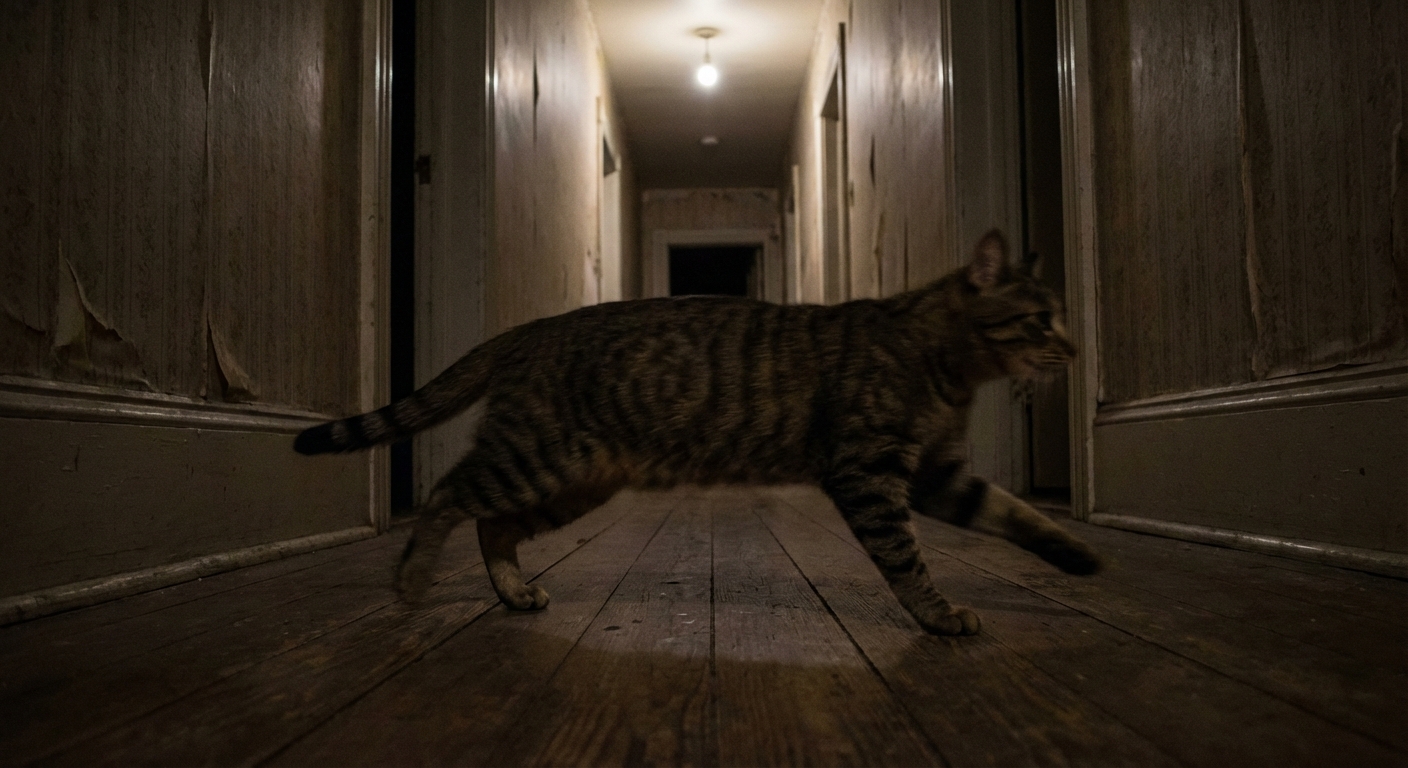
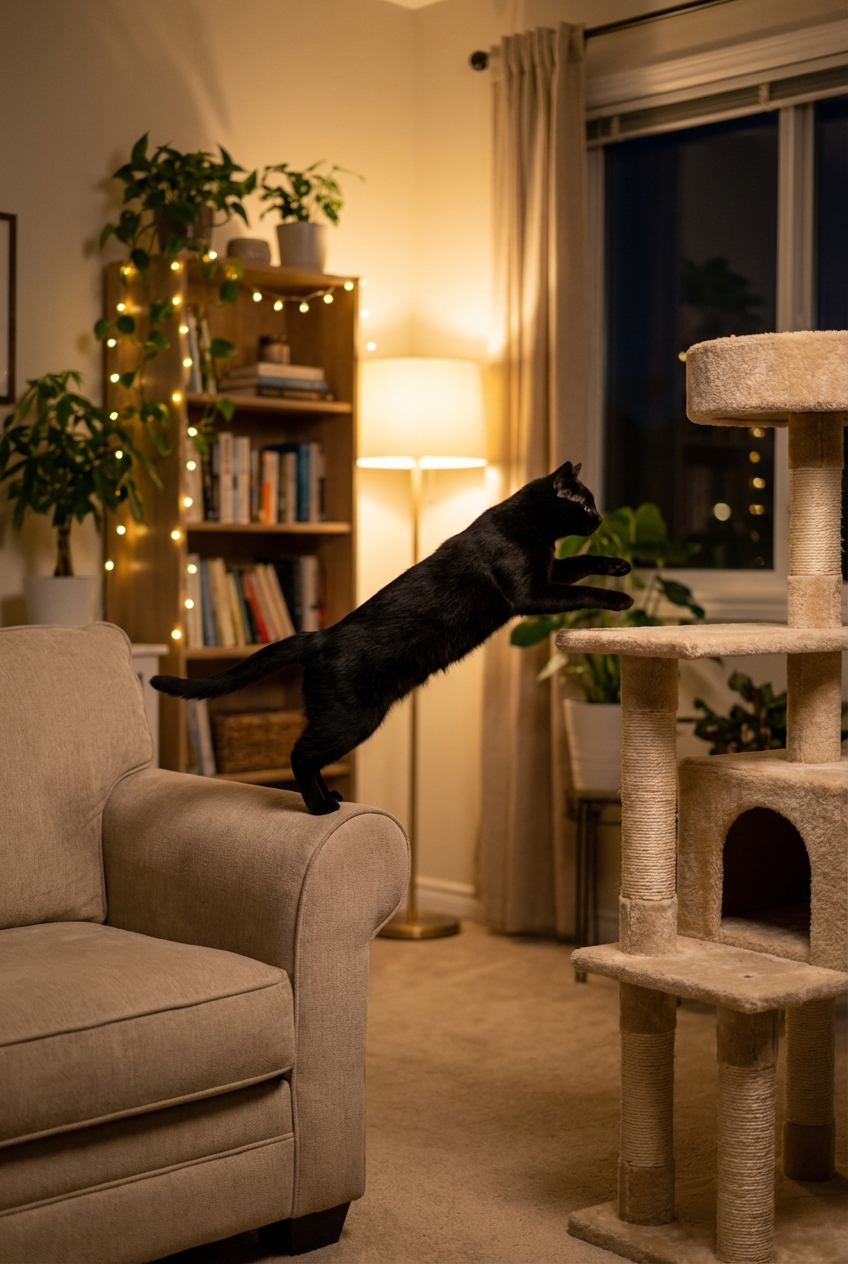
Zoomies are short episodes of high-energy activity, often described as FRAPs, short for Frenetic Random Activity Period (you may also see it written as “Periods”). Cats may:
- Dash from room to room
- Leap onto furniture or cat trees
- Skid on hard floors
- Flip suddenly into play mode and then abruptly settle
In most healthy cats, FRAPs are a normal way to release stored energy, practice hunting skills, and regulate stress.
Why it happens at night
1) Many cats are crepuscular
Many cats tend to be crepuscular, meaning they are naturally most active at dawn and dusk. This pattern makes sense evolutionarily because many small prey animals are moving during those low-light hours. Even indoor cats can keep some of this built-in rhythm, though household routine can shift it.
2) Your schedules can clash
Cats have circadian rhythms influenced by light, household activity, and feeding routines. If your cat naps much of the day while you work or are away, they can be fully “charged up” right when the house finally gets quiet.
3) The hunt sequence needs an outlet
Cats are wired for a natural behavior chain: stalk, chase, pounce, bite, then eat. If they do not get to complete that sequence through play, they may try to satisfy the “chase” portion at bedtime by racing around the house.
4) Stress, excitement, or relief can trigger it
FRAPs can also be a release valve. Changes in the home, a new pet, a schedule shift, or even boredom can increase zoomies. Some owners also notice zoomies right after the litter box, possibly from relief or excitement. If that pattern is new, intense, or paired with straining, vocalizing, or frequent box trips, call your veterinarian.
Common triggers
- Under-stimulation: not enough play, climbing, or enrichment during the day
- Long naps: especially common in single-cat households
- Inconsistent feeding times: or a large meal hours before bedtime that leaves them re-energized later
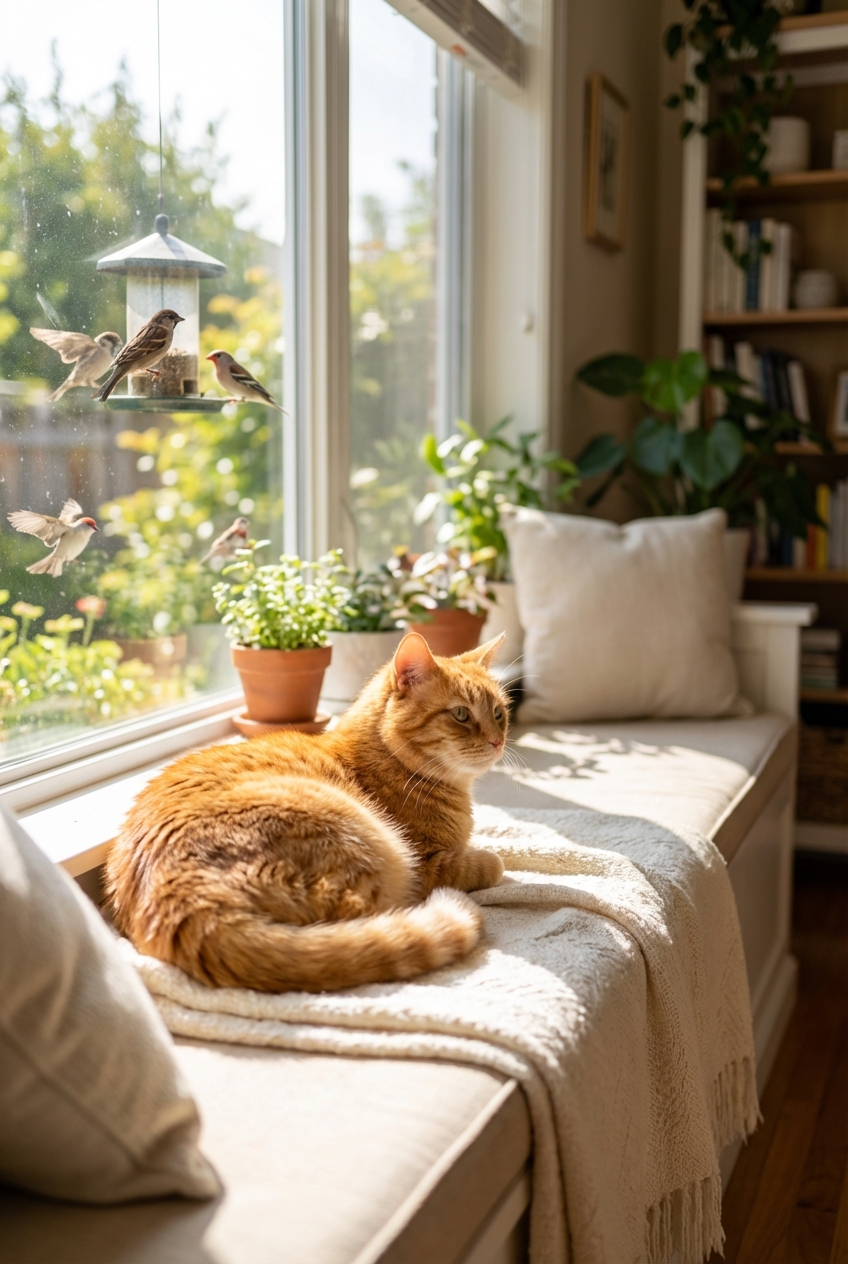
- Outdoor “cat TV”: seeing insects, lizards, or neighborhood cats through a window after dark
- Young age: kittens and adolescent cats have more explosive energy
- High-energy personalities or breeds: some cats simply need more daily activity than others
- Multi-cat dynamics: a cat may zoom to avoid another cat or to initiate play
Normal or call the vet?
Most zoomies are harmless. That said, it helps to watch the whole picture, not just the running.
Generally normal
- Short bursts (seconds to a few minutes)
- Your cat looks coordinated and playful
- Normal appetite, drinking, litter box habits
- No limping, coughing, or signs of pain
Call your veterinarian if you notice
- Sudden behavior change in an older cat who never had zoomies before
- Crying out, hissing, or acting painful during or after running
- Excessive grooming or skin twitching that seems frantic (possible hyperesthesia signs)
- Frequent vomiting, diarrhea, weight loss, or increased thirst
- Breathing changes (open-mouth breathing, persistent coughing, or wheezing). Open-mouth breathing in cats can be urgent.
- Litter box issues, especially straining or urinating outside the box
Nighttime agitation can sometimes overlap with medical issues such as pain, hyperthyroidism, hypertension (often seen alongside other conditions), feline cognitive dysfunction, or urinary discomfort. It is always worth a quick check if something feels off.
How to reduce nighttime zoomies
The goal is not to stop normal cat behavior. The goal is to shift the energy earlier and make bedtime calmer.
1) Do a hunt and eat routine
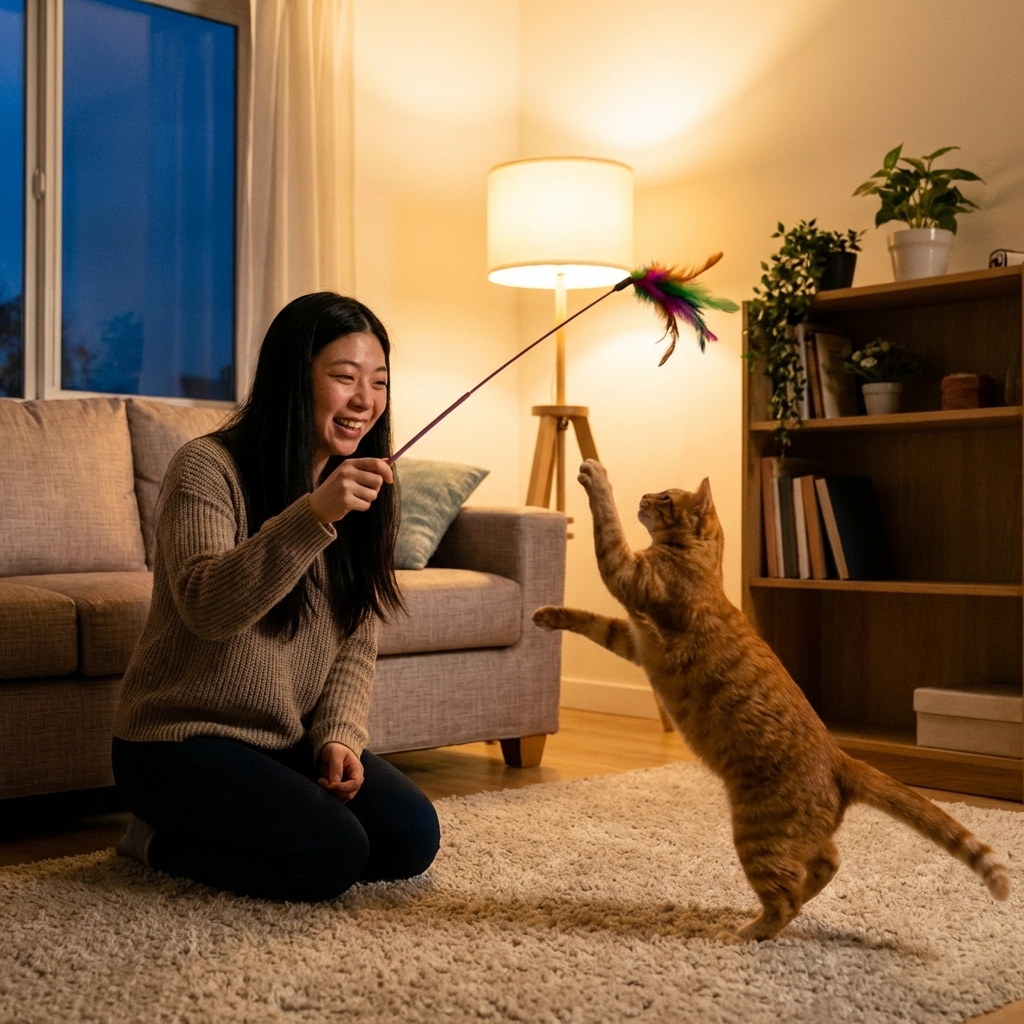
Try this simple nightly pattern about 30 to 60 minutes before bed:
- Play (5 to 15 minutes): wand toy, chase toy, or a toy that mimics prey movement
- Cool down (2 to 5 minutes): slower movement, let them “win” the toy
- Feed: a small meal or portion of their daily calories
This helps satisfy the predatory sequence and often leads to a longer post-meal rest.
2) Use enrichment that works overnight
- Food puzzles or treat balls (use part of their measured daily food, not extra treats)
- Window perch with a safe view
- Cat tree or shelving for climbing and surveying
- Rotating toys: put some away and swap every few days to keep novelty
3) Add tiny play breaks earlier
If possible, add short play sessions during the day. Even 3 to 5 minutes a few times daily can make a big difference, especially for kittens, single cats, and higher-energy cats.
4) Rethink late-night attention
If zoomies reliably bring attention, some cats learn to repeat them. Try to avoid reinforcing the behavior by:
- Not chasing your cat (it can become a game)
- Not offering food as a midnight “reward”
- Redirecting earlier with scheduled play instead
5) Skip punishment
Avoid scolding, spraying water, or startling your cat. It can increase stress and does not teach a clear alternative. If you use laser pointers, add a “catch” at the end (like a tossed treat or a toy they can grab) so the play session feels complete.
6) Make nighttime sprints safer
- Pick up slippery rugs or add non-slip pads
- Secure wobbly lamps and décor
- Trim nails as recommended by your vet team
- Provide a safe “track” such as a hallway runner
Zoomies by age
Kittens and teens
High-energy zoomies are extremely common. These cats need frequent play, climbing outlets, and predictable routines. If you are raising a kitten, daily interactive play is not optional, it is a sanity saver.
Adults
Adult cats still zoom, but it is often tied to routine, boredom, or feeding patterns. Enrichment and evening play usually help.
Seniors
Some senior cats get restlessness or night yowling rather than classic zoomies. Because older cats are more prone to pain and medical conditions, sudden nighttime behavior changes deserve a veterinary conversation.
Bottom line
Nighttime zoomies are often your cat doing exactly what nature designed them to do, just on a schedule that inconveniences humans. With a little strategy, especially an evening play session followed by a small meal, many cats settle more smoothly and you can protect your sleep without stressing your cat.
Quick checklist: try the evening “play then feed” routine consistently for 1 to 2 weeks, keep calories measured if you use puzzles, and reduce accidental rewards for midnight chaos. If the behavior is new, intense, or paired with signs of discomfort, trust your instincts and check in with your veterinarian. It is always better to rule out a medical issue early.