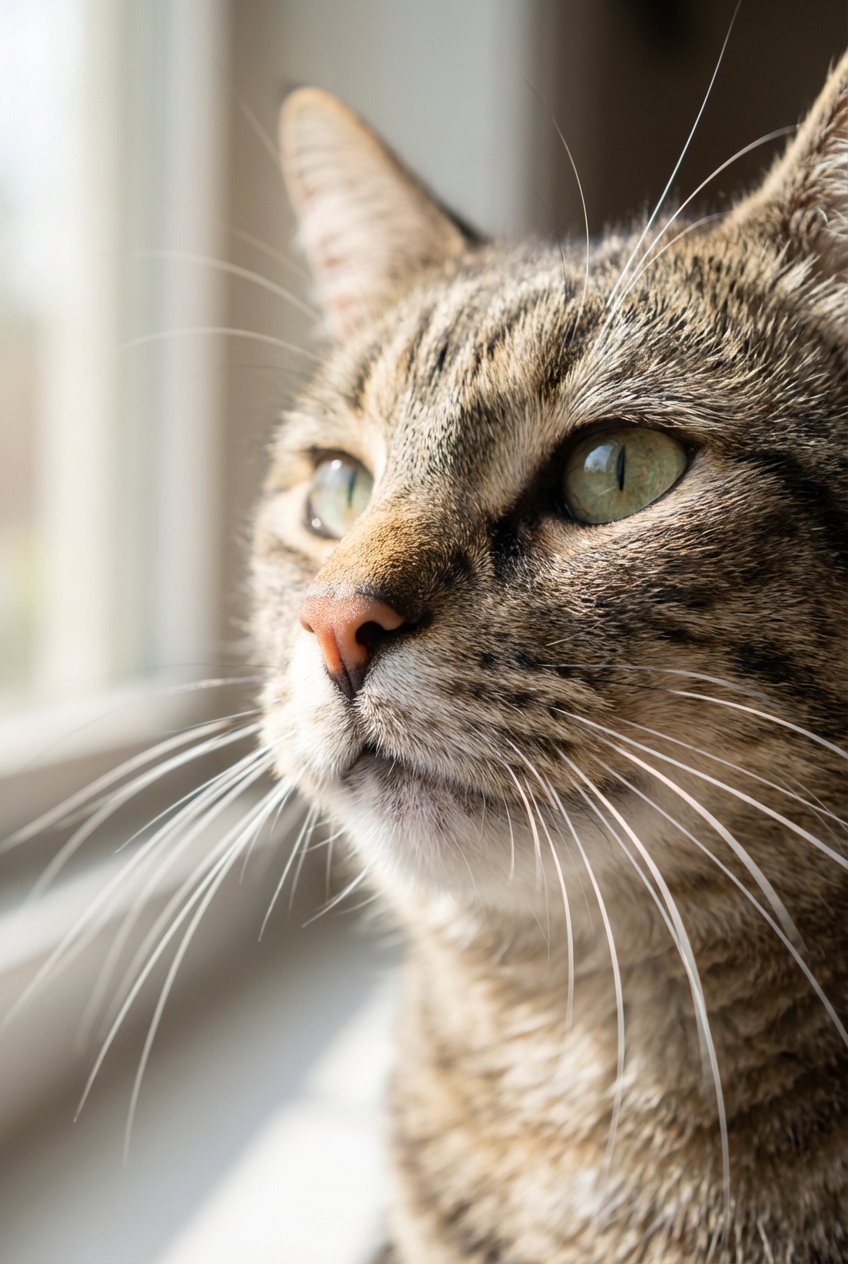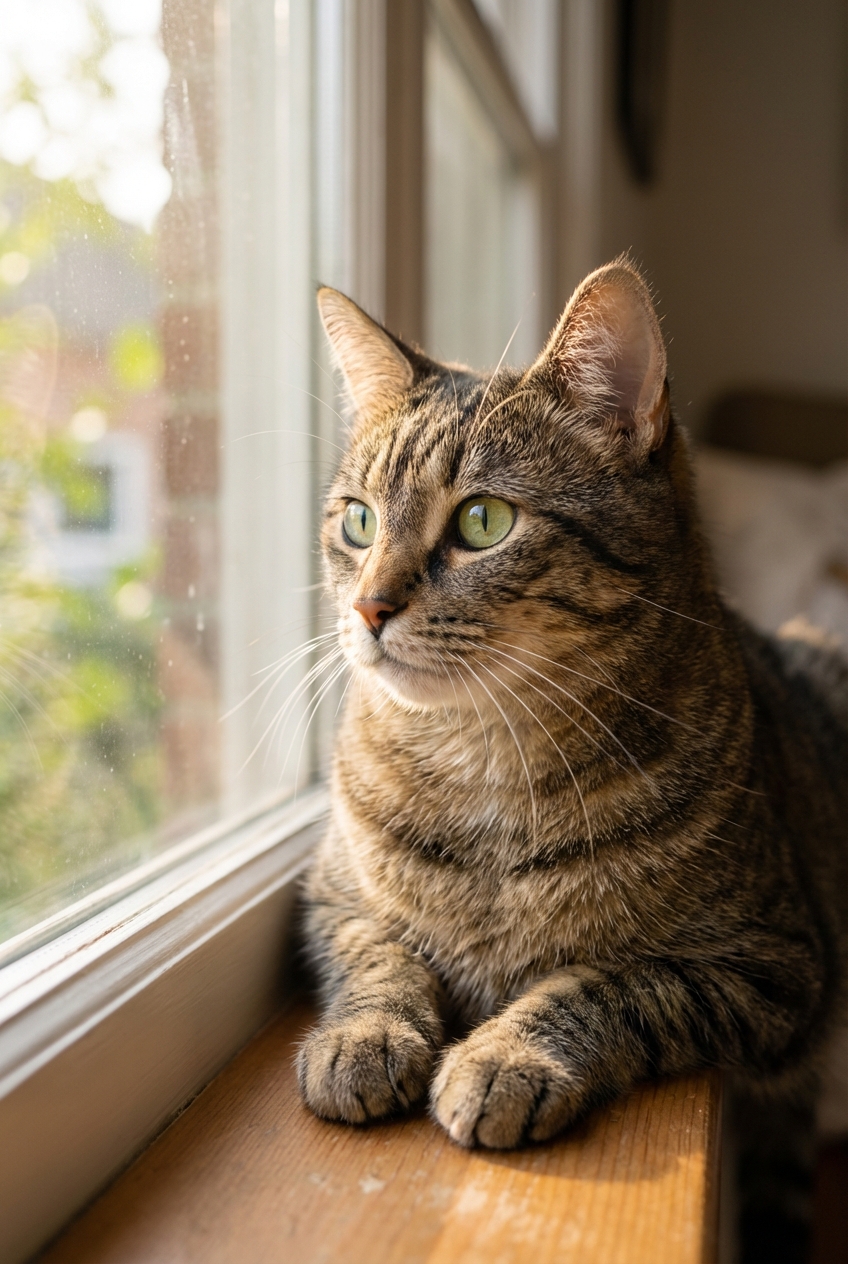
Cats aren’t fully colorblind. They see a limited range—mostly blues and yellow-greens—while reds look muted. Learn how feline vision favors low light, ...
Article
•
Designer Mixes
Night Vision: How Cats See in the Dark

Shari Shidate
Designer Mixes contributor
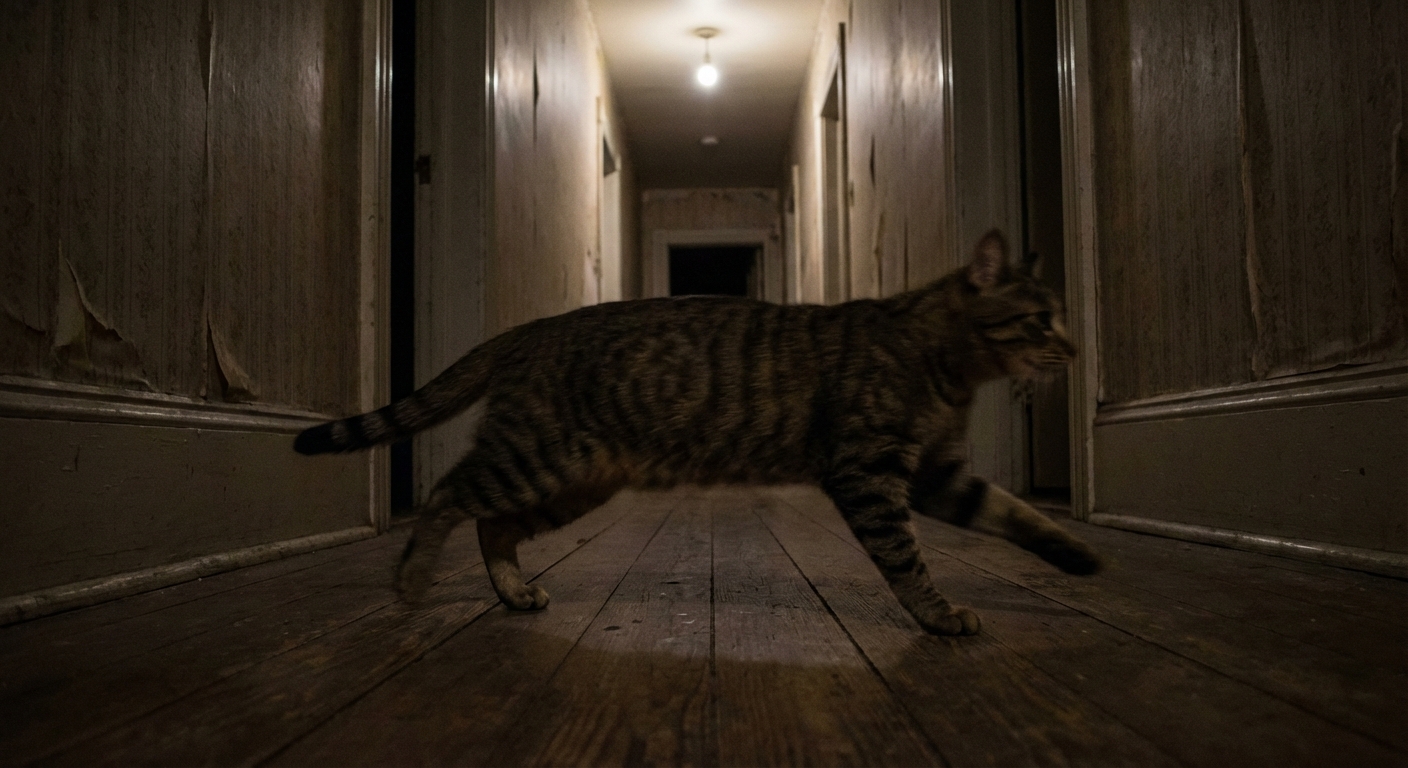
If you have ever watched your cat glide through a dim hallway like they own the place, you are not imagining things. Cats really do see better than we do in low light, but it is not “supernatural night vision.” It is a beautifully engineered set of eye and brain adaptations that squeeze every bit of information out of tiny amounts of light.
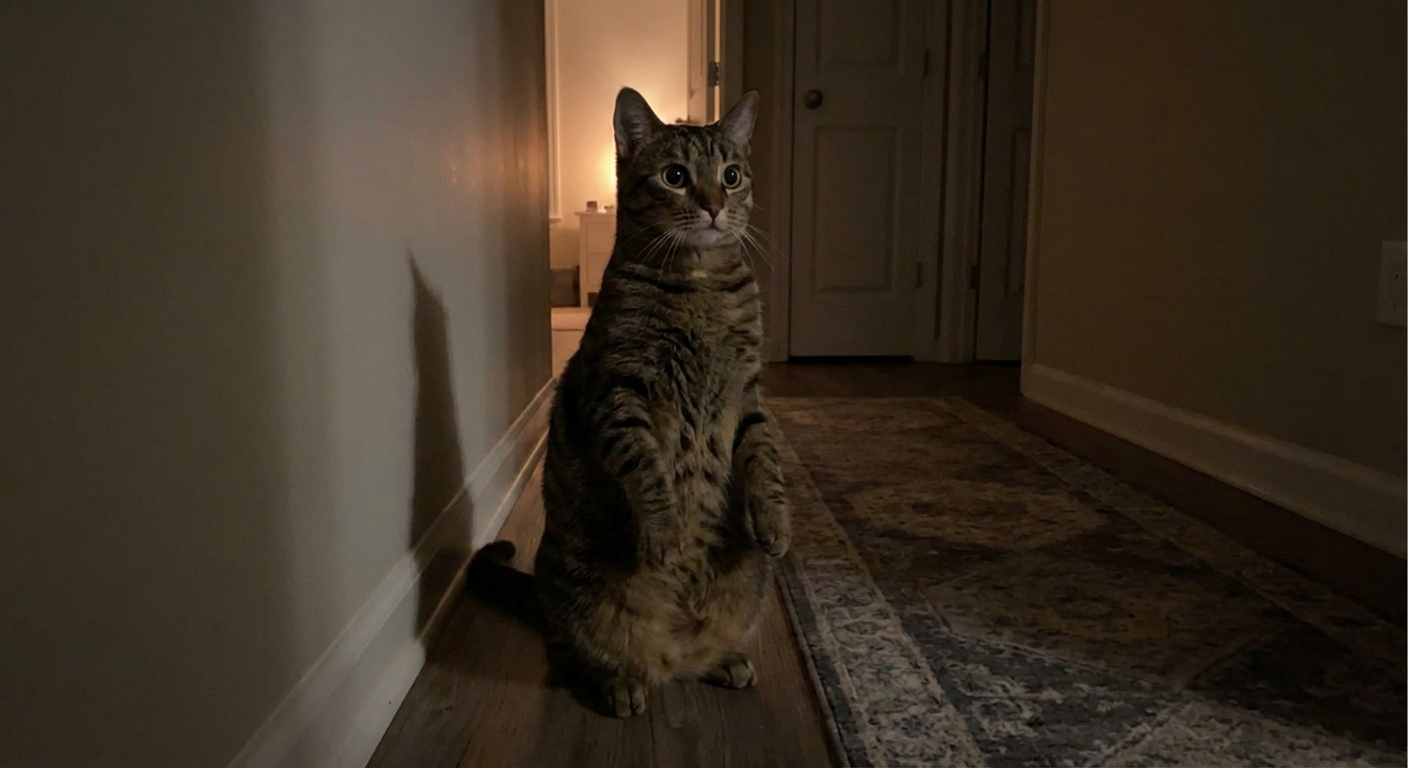
As a veterinary assistant, I love explaining this because once you understand how their eyes work, a lot of everyday cat behavior makes more sense, from late-night zoomies to why they may squint when you suddenly flip on a bright light.
Can cats see in complete darkness?
No. Cats cannot see in total darkness. Like us, they need some light. The key difference is how little light they require to form a useful picture of their environment.
In practical terms, a cat can often navigate and hunt in light levels that would feel almost pitch-black to a person, such as moonlight or faint indoor lighting. But if there is truly zero light, there is nothing for the eye to detect.
Why cats see well at night
1) Big pupils that open wide
Cat pupils can open dramatically, letting more light into the eye. More incoming light gives the retina more to work with, especially at dusk and dawn when cats are often most active.
2) A light-boosting mirror: the tapetum lucidum
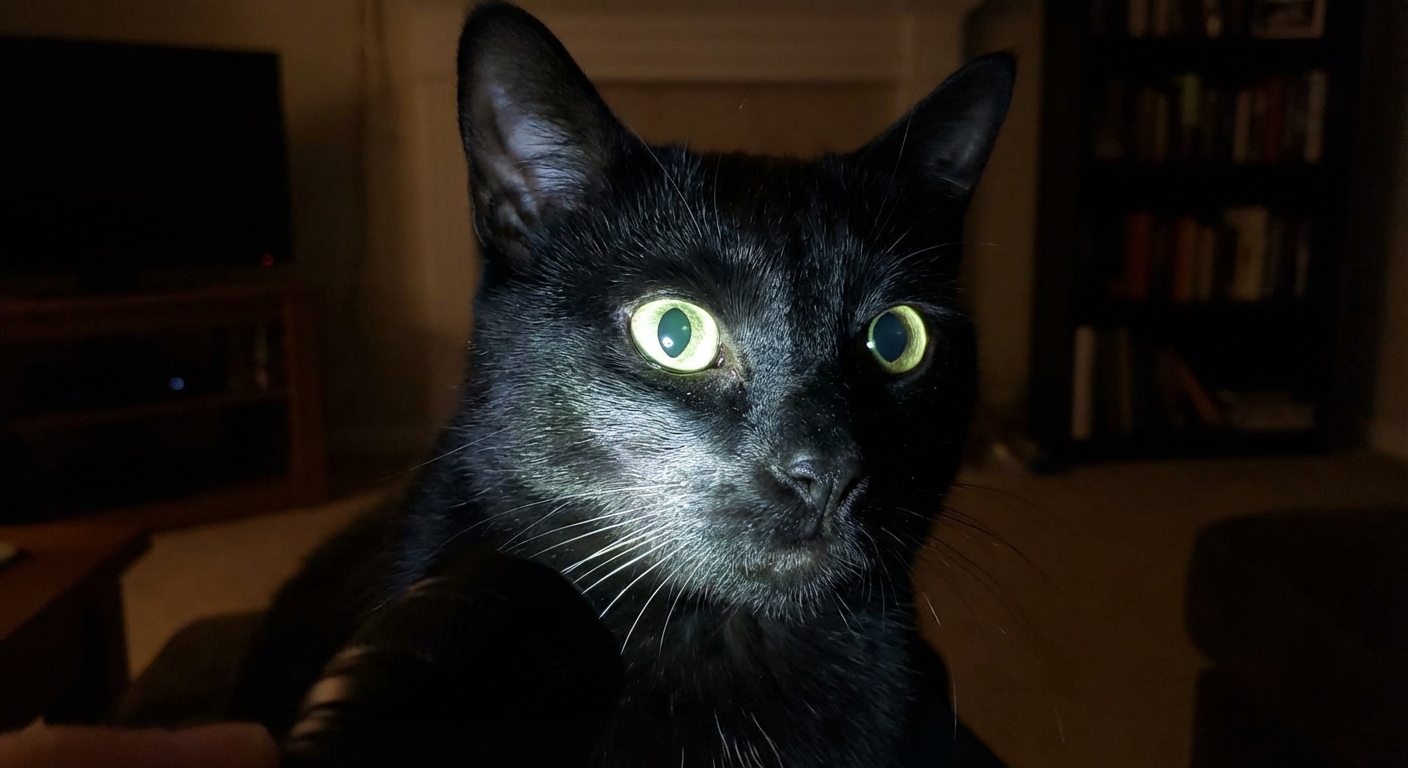
That eerie eye shine you see when a flashlight hits your cat’s eyes comes from a reflective layer behind the retina called the tapetum lucidum . It acts like a “second chance” for light. Instead of light passing through the retina once and being lost, the tapetum reflects it back through the retina so the light-sensitive cells can capture more of it.
3) More rods, fewer cones
The retina contains two main types of photoreceptors:
- Rods are excellent for low-light vision and motion detection.
- Cones help with color and fine detail in brighter light.
Cats have a rod-heavy retina, which is perfect for seeing movement in low light. The tradeoff is that their vision is generally not as sharp as ours, and they do not see color the same way people do.
4) Motion-first brain wiring
Cats are predators. Their eyes and brain are strongly tuned to notice movement, thanks to rod sensitivity and neural processing that prioritizes quick changes in the scene. In low light, that matters a lot. A mouse-sized motion can stand out even when the surroundings are hard to make out.
Cats vs humans
Think of cat vision as optimized for hunting at dawn and dusk, not for reading tiny print or distinguishing every shade on a paint sample.
- Low light: Cats outperform humans because they gather and recycle light more effectively. You will often see claims that cats can use about one-sixth the light humans need, but the exact number varies by source and conditions, so it is safest to treat it as a rough comparison rather than a fixed rule.
- Detail: Humans generally see fine detail better. Cats have lower overall visual acuity than we do, often cited around the 20/100 to 20/200 range compared with 20/20 for many people.
- Color: Cats likely see a more limited range of colors than humans, with blues and some greens being easier for them to detect.
- Motion: Cats are excellent at detecting motion, particularly in dim lighting.
- Focus: Many cats are better at distance vision than close-up detail, so very near objects may look a bit blurrier than you would expect.
- Field of view: Cats tend to have a wider field of view than humans, which helps them track what is happening around them.
Why their eyes “glow”
That glow is not the eye producing light. It is light reflecting back out of the eye after bouncing off the tapetum lucidum. The color can look green, yellow, or sometimes bluish depending on the cat, the angle, and the light source.
One note from the clinic side: if you ever notice uneven eye shine (one eye reflects differently than the other) or a white glow in photos, schedule a veterinary exam and talk to your vet. Sometimes it is harmless, but unusual reflection can be associated with issues like cataracts, retinal disease, inflammation, or, rarely, tumors. It is worth checking sooner rather than later.
One downside in bright light
Here is the key takeaway many people do not realize: the same features that help cats see in low light can make bright light uncomfortable.
Because their eyes are designed to grab light efficiently, sudden bright light can feel intense. That is one reason cats may squint in sunlight, prefer shaded hiding spots, or seem annoyed when a light flips on in a dark room.
Supporting eye health
You cannot improve your cat’s night vision beyond what nature gave them, but you can protect the eyesight they have.
- Schedule routine veterinary checkups so eye changes are caught early, especially as your cat ages.
- Watch for warning signs: squinting, redness, discharge, cloudiness, pawing at the eye, bumping into objects, or reluctance to jump.
- Keep hazards out of reach: stringy toys, harsh cleaners, and houseplants that can irritate eyes if rubbed.
- Feed a complete, balanced diet appropriate for your cat’s life stage. Vision depends on overall health, including nutrients that support the retina and nervous system.
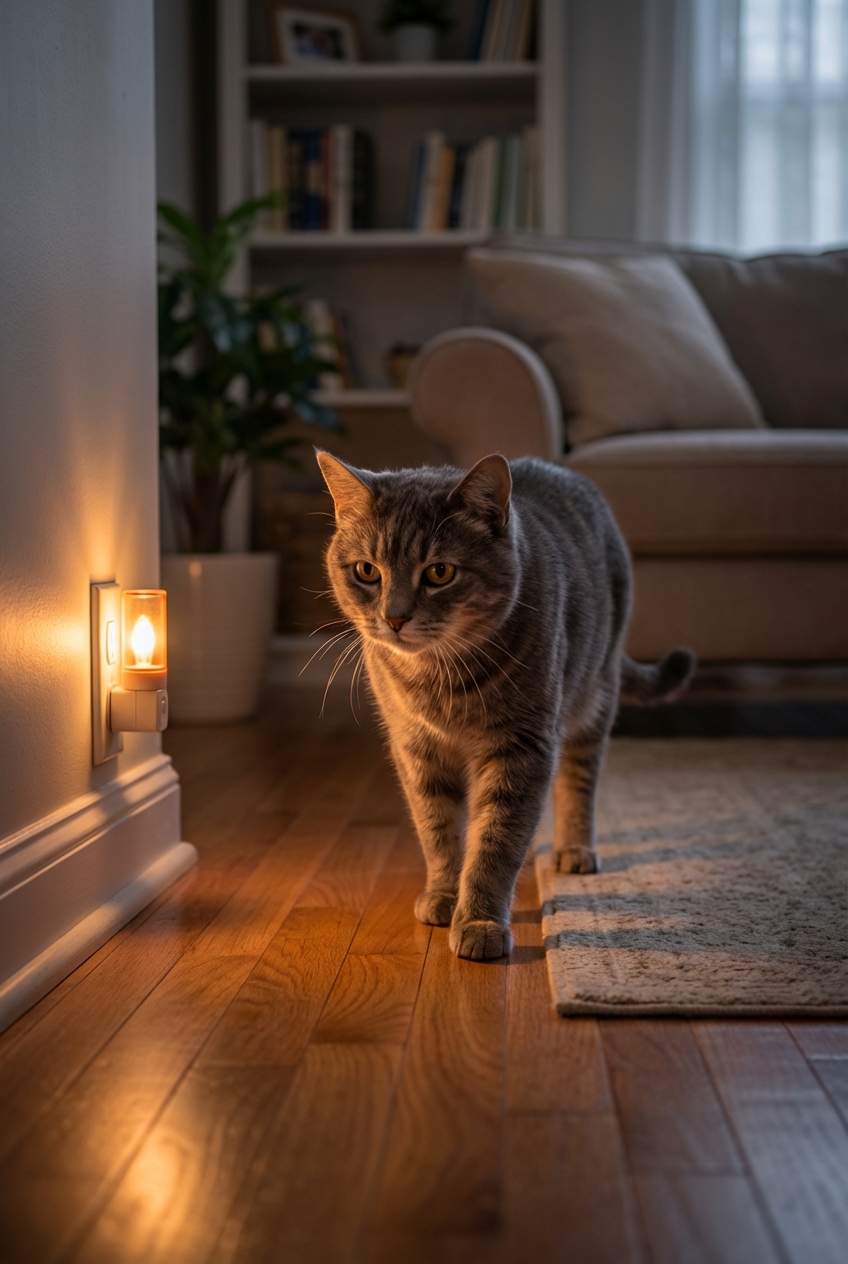
- Make your home senior-friendly: add soft night lights in hallways, keep furniture layout consistent, and use rugs for traction so pathways stay predictable.
Other nighttime helpers
Night navigation is not just about eyes. Cats also lean heavily on hearing, scent, and their whiskers for “close-range mapping,” especially when the light is poor. That is part of why they can move confidently through familiar spaces.
Myths, gently busted
Myth: Cats see perfectly in the dark
They see better than us in low light, but they still need some light.
Myth: The glow in their eyes is scary or unnatural
It is simply reflected light from the tapetum lucidum, a normal part of many animals’ eyes.
Myth: Great night vision means no lighting is needed
Cats can still trip, misjudge a jump, or get startled. Gentle lighting can reduce stress, especially for kittens and senior cats.
The bottom line
Cats do not have magical night vision, but they do have an incredible low-light system: wide pupils, a reflective tapetum lucidum, and a retina and brain built to pick up motion when light is scarce. The next time your cat confidently trots through the house at night, you can appreciate what is really happening: they are using every photon available, plus their whiskers and hearing, and doing it with impressive efficiency.