Thinking about a Double Doodle? Get realistic expectations on size and weight, coat types and shedding, temperament, exercise needs, grooming, health tests, ...
Article
•
Designer Mixes
Newfypoo (Newfoundland Poodle Mix): Personality, Size, and Grooming

Shari Shidate
Designer Mixes contributor
If you love the idea of a big, gentle family dog with that classic doodle look, the Newfypoo might be the mix you keep coming back to. A Newfypoo is a Newfoundland Poodle mix, often bred for a sweet temperament, a soft coat, and a go-with-the-flow attitude. But they are not a low-maintenance pet. Between their size, coat care, and health considerations, it helps to know what you are signing up for before you fall in love.
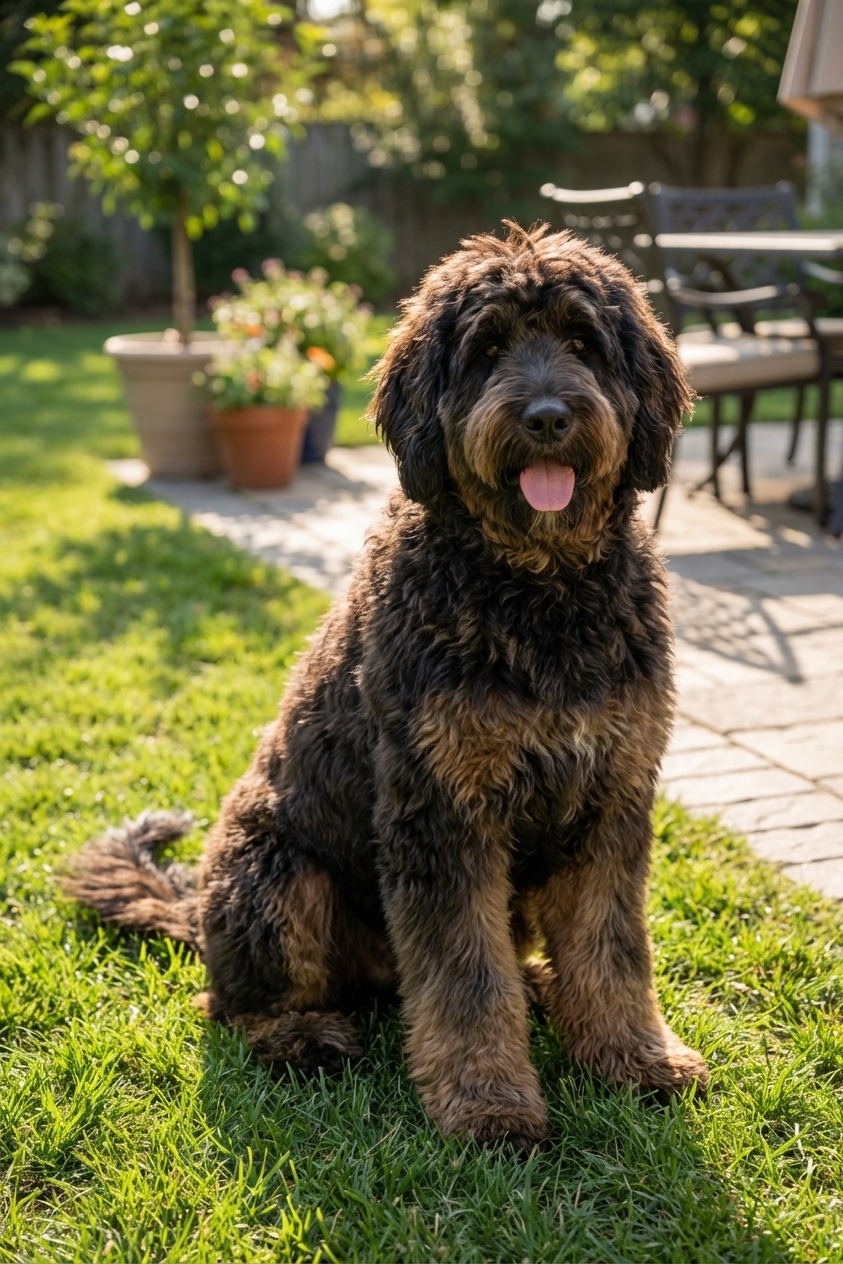
Below, I will walk you through Newfypoo personality, size, lifespan, grooming, exercise, swimming instincts, and the health issues you should discuss with your veterinarian and breeder.
Newfypoo personality
Many Newfypoos are described as calm, affectionate, and very people-oriented. This mix can inherit the Newfoundland’s gentle, steady vibe and the Poodle’s intelligence and responsiveness. In family homes, that can look like a dog who wants to be close, learns routines quickly, and generally prefers being part of whatever the household is doing.
- Sweet and social: Many are friendly with visitors and tend to bond closely with their family.
- Smart and trainable: Poodle genetics often bring quick learning, but some lines are higher energy and can get bored if training is repetitive.
- Gentle but big: Even a loving dog can accidentally knock over small kids or seniors if they are not taught polite greetings.
Temperament still varies widely by breeder, early socialization, and even generation (F1, F1b, multigen). Positive reinforcement training and choosing a responsible breeder who prioritizes stable behavior both matter.
Lifespan
Most Newfypoos fall into a typical giant-breed lifespan range of about 8 to 12 years. Individual longevity depends on genetics, size, joint and heart health, weight management, and overall care.
Size and what that means
Newfypoos are typically large to giant dogs. Exact adult size depends heavily on the parent dogs, especially the Poodle size used. Many Newfypoos are bred with a Standard Poodle, but there is still a wide range.
- Common adult weight: about 70 to 130+ pounds (some can be smaller or larger depending on parent sizes)
- Common adult height: roughly 22 to 30 inches at the shoulder
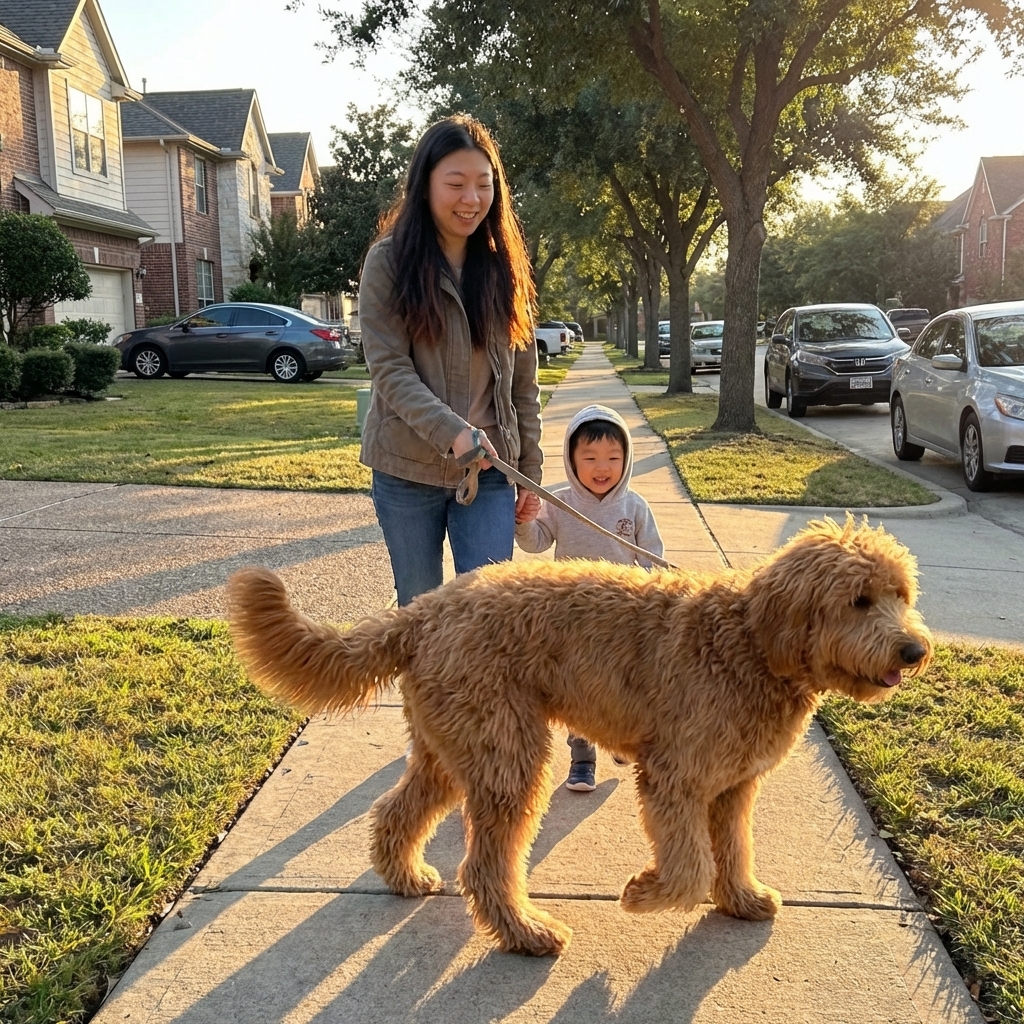
That size affects everything. You will need a sturdy leash and harness, enough space in your vehicle, an appropriately sized crate, and a realistic plan for vet visits if your dog cannot jump into the car when they are older. I always encourage families to think about the “lift test.” If your dog is injured, can you safely move them, or do you have a plan for help?
Coat and shedding
Newfypoos can have several coat textures, and the coat is not predictable from puppy to puppy. While many people hope for a low-shedding coat, Newfypoos can still shed, especially if they inherit more Newfoundland coat traits.
Common coat types
- Wavy fleece: often the most common look, soft waves, moderate matting risk.
- Curly: more like a Poodle, often lower shedding, higher grooming needs.
- Straighter or thick double coat: more Newfie-like, can shed more and may hold moisture longer.
Even “low shedding” does not mean “low grooming.” In practice, many Newfypoos trade shedding for brushing, clipping, and mat prevention.
Grooming
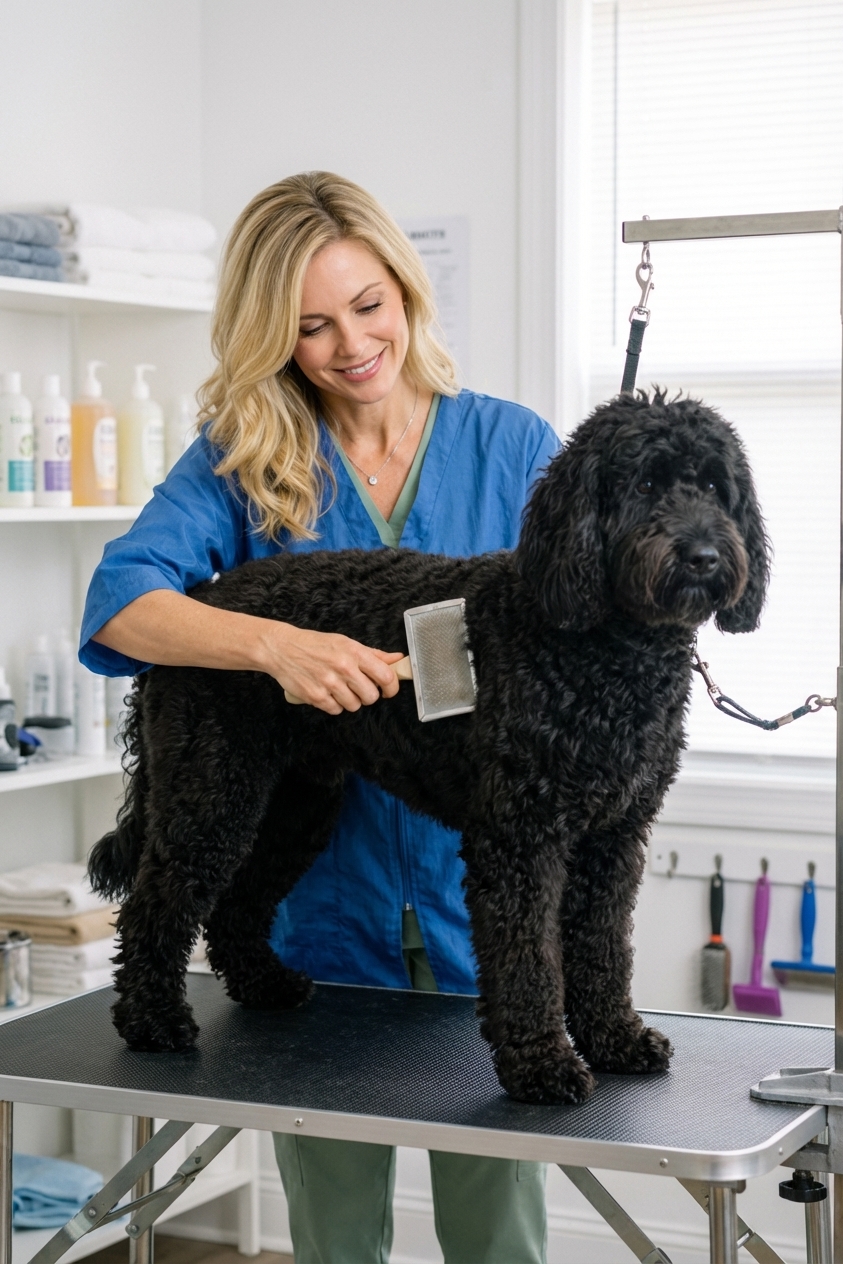
Newfypoos are high-maintenance in the grooming department, especially because they are large and often have fast-growing coats that easily trap debris. Grooming is not just cosmetic. It is a health issue. Mats can pull at the skin, trap moisture, and lead to irritation or infection.
At-home basics
- Brushing: typically 3 to 5 times per week, and daily for curlier coats or during seasonal coat changes.
- Line brushing: important for dense coats so you are brushing down to the skin, not just the top layer.
- Ear care: doodle ears can trap moisture. Ask your vet how often to clean and what cleaner to use.
- Feet and sanitary trims: help reduce slipping, tracking debris, and hygiene issues.
Professional schedule
Many families do best with a professional groom every 6 to 8 weeks. If you prefer a longer coat, you may need more frequent visits to keep matting under control.
Real life note: Some Newfypoos also inherit Newfoundland-style drool and heavy “wet dog” management. If your dog loves water (or just drinks enthusiastically), keep a towel plan and stay on top of drying, especially around ears, paws, and under the collar.
Exercise and training
Newfypoos are often calmer than many other doodle mixes, but they are still large dogs who benefit from consistent movement and training. Daily exercise supports joint health, weight management, and behavior.
- Daily walks: often around 45 to 75 minutes total for many adults, adjusted for age, health, weather, and temperament.
- Low-impact play: gentle fetch, sniff walks, and training games can be great.
- Mental work: puzzle feeders, basic obedience, and nose work-style games help prevent boredom.
Giant dogs also need “big dog manners.” Early work on polite leash walking, calm greetings, staying off people, and resisting counter surfing pays off fast once your dog is 100 pounds.
Puppies need a careful balance. Too much high-impact exercise while growing can stress developing joints. Your veterinarian can help you tailor activity to your puppy’s age and body condition.
Heat note: Large bodies and thicker coats can make some Newfypoos heat-sensitive. In hot weather, aim for early walks, shade breaks, and shorter sessions, and watch closely for overheating.
Swimming and water safety
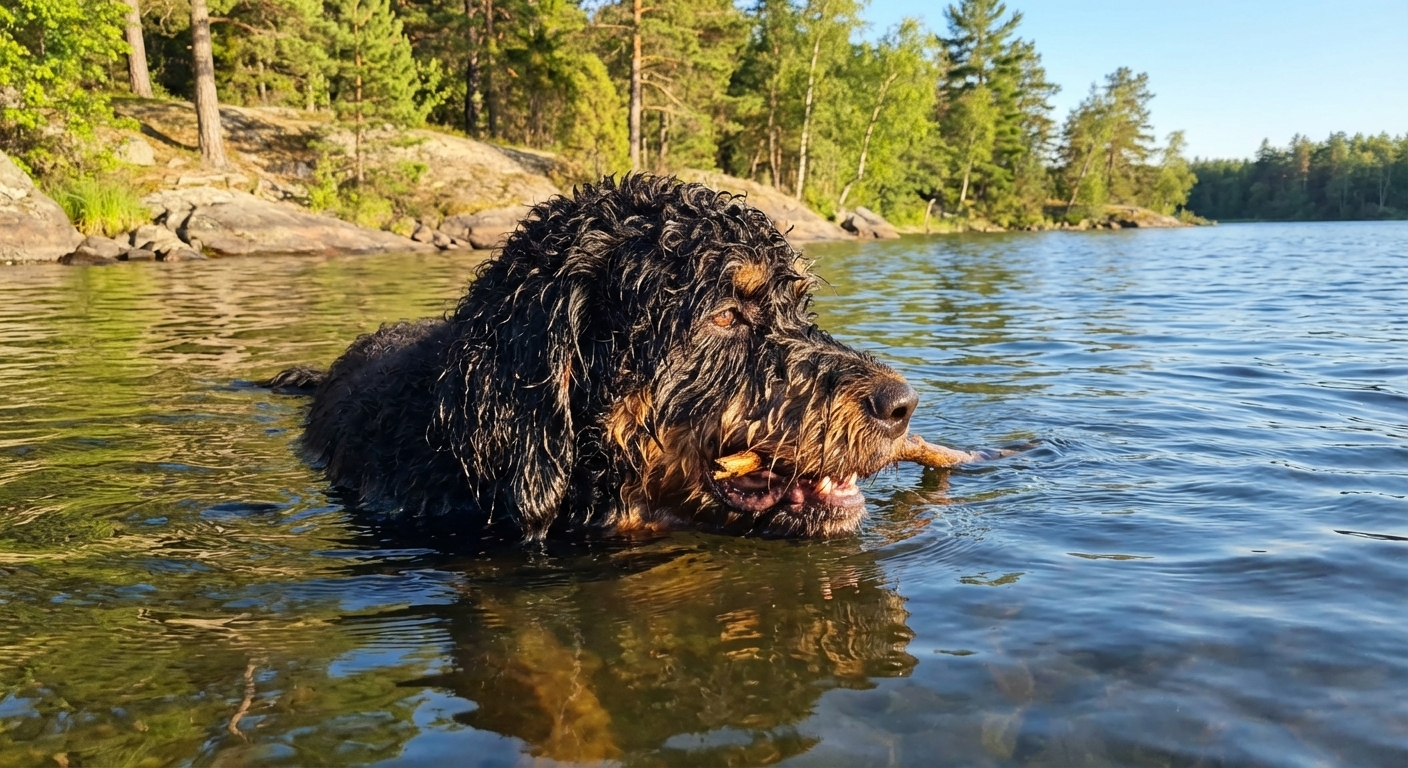
This is one of the most appealing parts of the Newfypoo for many families. Newfoundlands are famous water dogs, and some Newfypoos inherit that natural interest in swimming. If your dog loves water, swimming can be a wonderful low-impact exercise that is easier on joints than running.
A few safety notes I share with families:
- Start slowly: introduce shallow water first and never force it.
- Use a life jacket: especially in lakes, boats, or strong currents.
- Dry ears thoroughly: moisture can contribute to ear infections.
- Watch the coat: thick coats can stay damp near the skin, so towel dry well and consider a blow dryer on a cool setting.
Health considerations
No mix is automatically “health proof,” and hybrid vigor is not something you can count on. Newfypoos can inherit issues seen in both Newfoundlands and Poodles. The best prevention tools are careful breeding, appropriate growth management in puppyhood, healthy weight, and routine veterinary care.
Hip dysplasia and joints
Because Newfypoos are often large or giant, hip dysplasia and other orthopedic concerns are top considerations. Keeping your dog lean is one of the most helpful steps you can take. Ask breeders about orthopedic testing on the parent dogs (often through OFA or PennHIP) and discuss joint-support strategies with your veterinarian during growth and aging.
Cardiac screening
Newfoundlands have known heart risks in the breed population, including issues like subaortic stenosis (SAS) and dilated cardiomyopathy (DCM). Risk in a Newfypoo depends on lineage. Ask what cardiac screening is performed, such as a cardiologist evaluation, auscultation, and whether an echocardiogram has been done when appropriate.
Other issues to discuss with your vet
- Bloat (GDV): deep-chested large dogs can be at risk. Learn the signs and ask your vet about prevention options, including whether a preventative gastropexy makes sense.
- Ear infections: floppy, hairier ears plus swimming can be a perfect setup for yeast or bacteria.
- Skin hot spots: thick coats and trapped moisture can irritate skin.
- Eye issues: inherited conditions can include progressive retinal atrophy (PRA) and cataracts. Ask whether the parents have current eye screening (often a CAER-style exam) and what results were found.
If you are choosing a puppy, look for breeders who can clearly explain health testing, share documentation, and match puppies by temperament, not just by coat color. Ethical sourcing matters, and for some families, a large-breed rescue can be a great path too.
Why families love them
Families often fall in love with the Newfypoo because they can combine a gentle presence with a people-focused personality. When well trained and well cared for, they can be affectionate companions who thrive in a home where someone is around often and enjoys a dog that wants to be included.
- Calm, sweet temperament that often fits family life
- Big, huggable companion with a soft doodle look
- Intelligent and responsive with consistent, kind training
- May enjoy water, which can be a fun family activity
The tradeoff is clear: this is a large dog with significant grooming needs and real health considerations. If you can commit to coat care, training, and preventative vet care, the Newfypoo can be an incredibly rewarding addition to the family.
Quick tips before you bring one home
- Budget for grooming: plan for professional visits every 6 to 8 weeks plus quality tools at home.
- Plan for size: car space, crate size, and lifting help if needed.
- Budget for food: feeding a 70 to 130+ pound dog is an ongoing cost. Expect higher monthly food bills, especially if your vet recommends a quality large-breed formula.
- Prioritize health testing: ask about hips and elbows (OFA or PennHIP), cardiac screening, and eye testing on the parents.
- Support healthy growth: talk with your vet about large-breed puppy nutrition and avoiding rapid growth.
- Keep them lean: weight management is one of the best ways to support joints and heart health.
- Train early: polite leash walking and calm greetings matter more when your dog is 100 pounds.