Chicken and rice can soothe mild stomach upset and help dogs transition back to normal food. Learn safe recipes, portions, how long to feed it, and when to c...
Article
•
Designer Mixes
Newfoundland Dog Size and Drool Guide

Shari Shidate
Designer Mixes contributor
The Newfoundland is famous for two things that seem totally opposite at first: being a gentle, kid-loving “nanny dog,” and being a truly giant, drooly companion who can turn a tidy home into a towel-and-mop lifestyle. As a veterinary assistant, I love helping families set realistic expectations, because Newfies are wonderful dogs when their size, coat, and slobber are planned for ahead of time.
This guide breaks down Newfoundland size, growth, and drool levels, plus practical ways to live happily with all that love and all that… moisture.
Why They’re Called the “Nanny Dog”
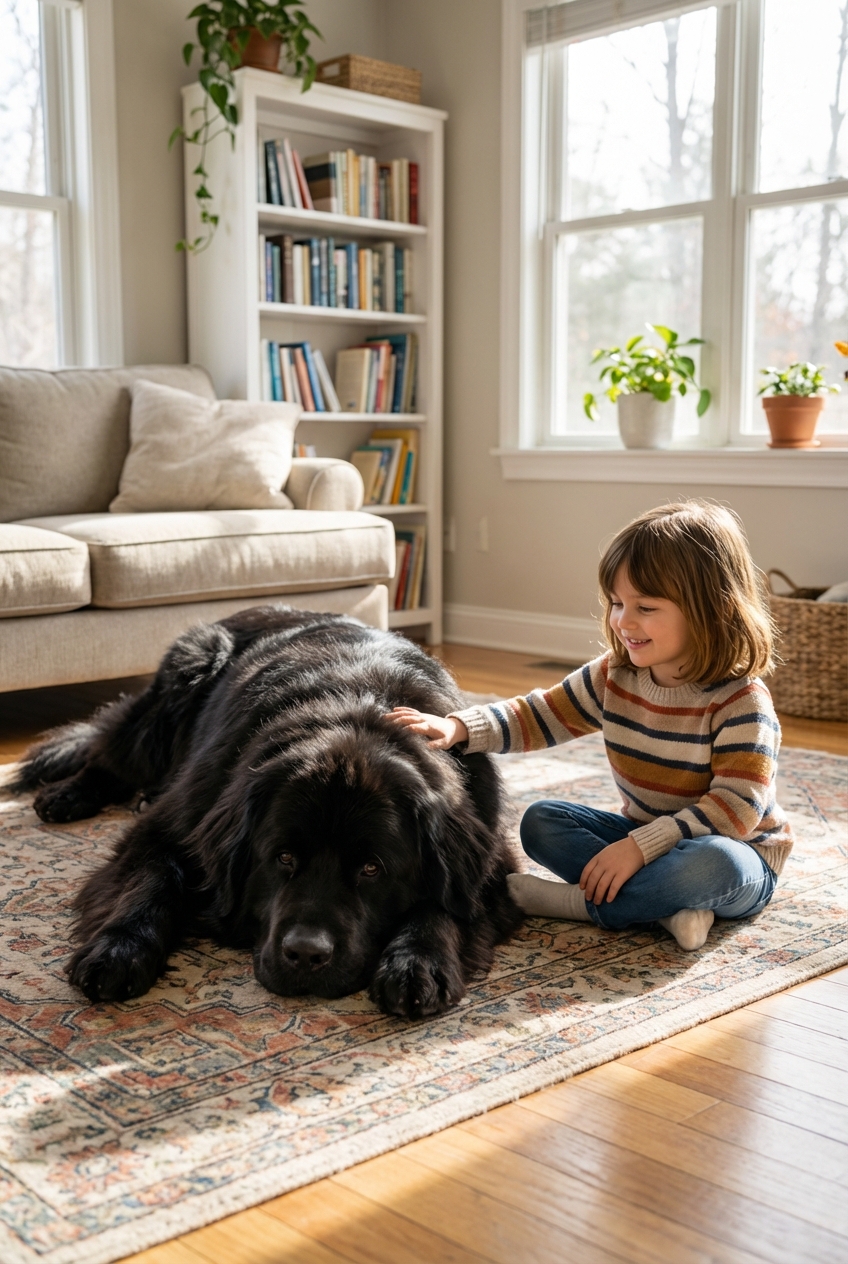
The Newfoundland’s “nanny dog” label is a long-standing reputation and bit of breed folklore, not a guarantee of child-safety. The reputation comes from generations of being selected for steady temperament, patience, and a protective, people-focused nature. Many Newfies are calm around children and will naturally position themselves close to the family, keeping an eye on activity without being pushy.
That said, no dog should be left unsupervised with infants or young children. With a giant breed, the most common risk is accidental knocks and bumps, not aggression. Good management and training matter just as much as genetics.
Family-friendly traits Newfie owners often love
- Gentle disposition: Typically tolerant and slow to escalate.
- Lower prey drive than many breeds: Often less “chasey,” though individuals vary.
- People-oriented: They often bond deeply and want to be near you.
- Natural water-dog instincts: Many love swimming, which can be a great family activity.
Action step: Teach kids “quiet hands,” no hugging around the neck, and no approaching a resting dog. Teach your Newfie a solid sit, stay, and place cue early so everyone feels safe and in control.
Newfoundland Size: What to Expect
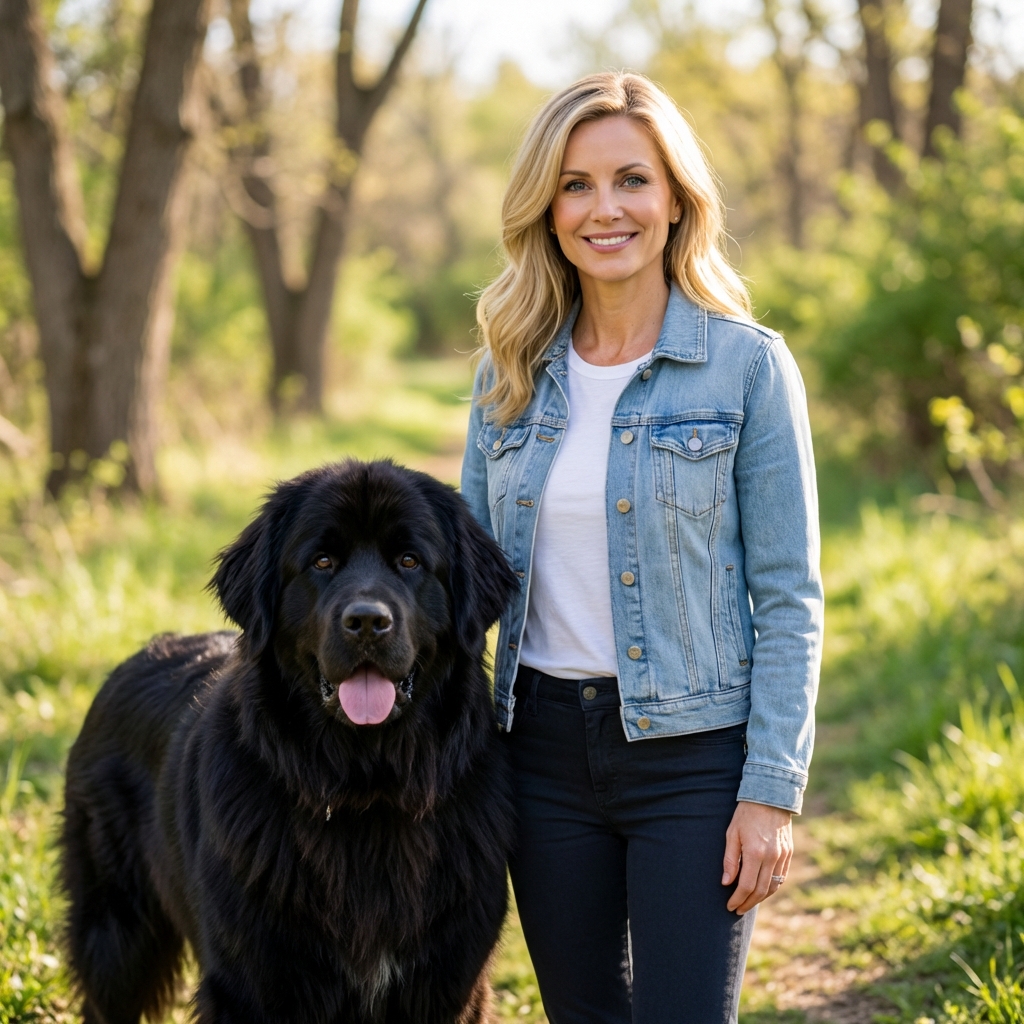
Newfoundlands are a giant breed, and their size is not just about weight. Their bone structure, broad chest, and thick coat make them feel even larger in daily life. If you have never stood next to an adult Newfie, it can be surprising how much dog there is.
Typical adult height and weight
- Males: Often in the range of about 27 to 29 inches at the shoulder, commonly around 130 to 150 pounds.
- Females: Often in the range of about 25 to 27 inches at the shoulder, commonly around 100 to 120 pounds.
Individuals can fall outside these ranges depending on lineage and body condition. From a health perspective, “bigger” is not always better. For giant breeds, carrying extra pounds increases stress on joints and the heart.
How fast do Newfoundlands grow?
Newfies grow quickly in the first year, but they keep filling out and maturing longer than many people expect. Many giant breeds continue developing until about 18 to 24 months, sometimes a bit longer in terms of muscle and body condition.
Action step: Ask your veterinarian about a giant-breed growth plan. Controlled growth with the right calories and mineral balance can help reduce orthopedic problems in fast-growing puppies.
Newfoundland Drool: What’s Normal
If you are drool-sensitive, this is the section that matters most. Many Newfies drool a lot, especially those with looser lips and heavier jowls. Drool is not a character flaw. It is anatomy and saliva doing what it does.
Why Newfies drool
- Jowl shape: Loose lips trap saliva and then release it when they move.
- Excitement: Greeting people, anticipating food, or playtime often increases drool.
- Heat: Panting increases saliva production and spread.
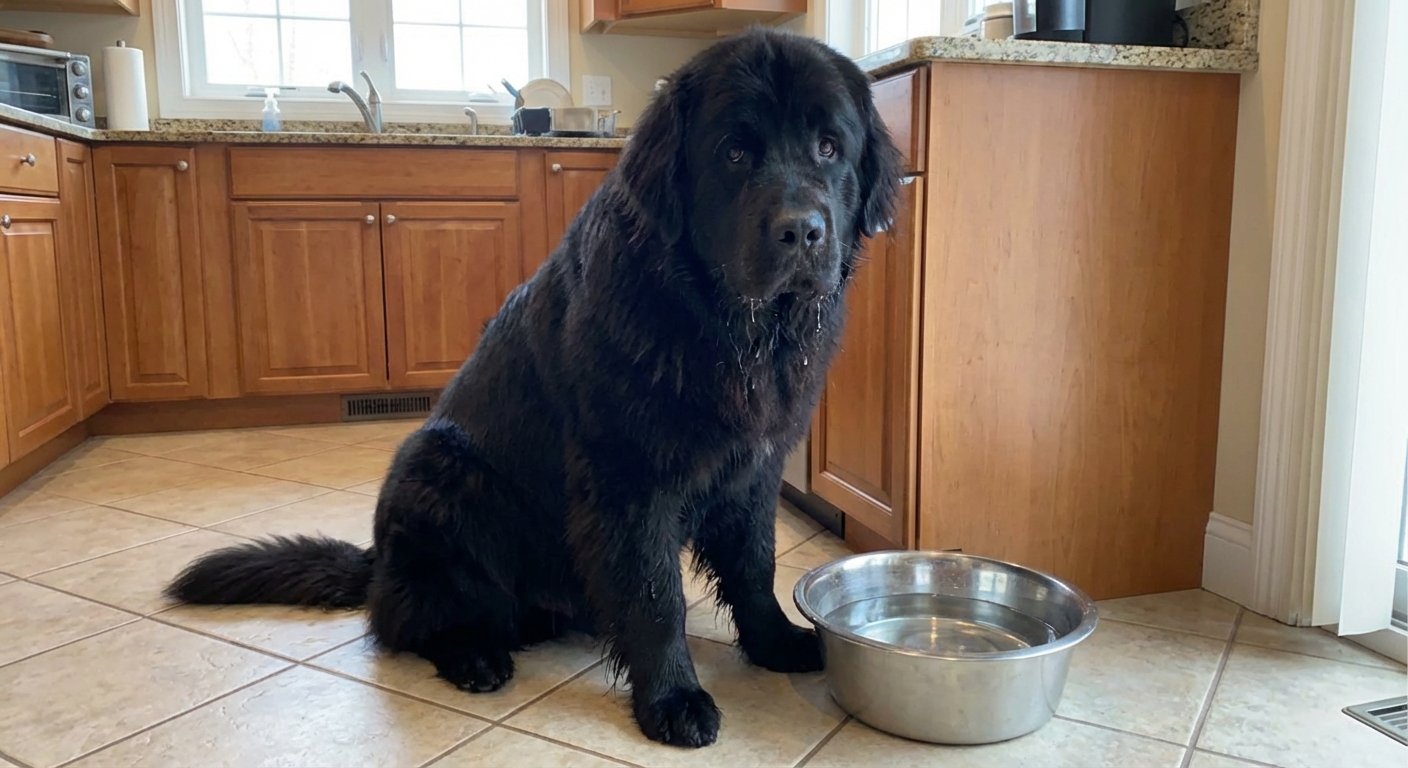
- After drinking: The “water beard” is real.
Everyday reality: Expect drool strings, wet spots on pants, and occasional “slinging” when they shake their head. If you can laugh at it and stay prepared, you will do great.
Drool level quick guide
- Low to moderate drool: Some individuals, especially with tighter mouths, drool mainly at meals and after drinking.
- Moderate to heavy drool: Many Newfies, especially in warm climates, drool throughout the day.
- Heavy drool plus head shaking: Expect “slobber decor” on walls if you do not manage it.
When drooling is not normal
Drooling can be a sign of a medical issue when it is sudden, excessive, or paired with other symptoms. Contact your veterinarian promptly if you notice any of the following:
- Sudden, heavy drooling in a dog who usually does not drool much
- Pawing at the mouth, gagging, retching, or swallowing repeatedly
- Swollen face, hives, or trouble breathing
- Vomiting, diarrhea, lethargy, or a painful abdomen
- Bleeding gums, broken teeth, or a strong foul odor from the mouth
Important giant-breed note: If your Newfoundland is retching without producing vomit, has a distended belly, or seems very restless, treat it as an emergency. Giant breeds are at higher risk for bloat and gastric dilatation-volvulus.
Living With the Mess
You do not have to choose between a clean home and a Newfoundland, but you do need systems. Newfie households tend to run smoother when they plan for coat, water, and mud early.
Home tips that actually help
- Keep “drool towels” in key spots: By the door, near the water bowl, and in the living room.
- Use washable throw blankets: Put them on favorite dog zones and rotate them.
- Choose easy-clean flooring in high-traffic areas: If you can, keep rugs minimal and washable.
- Food and water setup: Raised bowls are sometimes recommended for comfort, but for bloat-risk breeds, prevention strategies are individualized. Ask your vet what makes sense for your dog.
- Have a cleanup kit: Pet-safe cleaner, lint roller, microfiber cloths, and a small handheld vacuum.
Action step: Teach a “wipe” routine. Many Newfies will calmly let you dab the mouth after drinking if you make it part of daily life and reward it.
Heat Safety
Newfies are not built for heat. Their size and dense coat make them more prone to overheating, especially in humid weather or during hot afternoons.
Simple ways to prevent heat stress
- Plan exercise timing: Walk early in the morning or later in the evening.
- Use shade and AC: Fans help, but air conditioning is often the real difference-maker.
- Offer water breaks: And expect the “water beard” afterward.
- Watch for warning signs: Heavy panting, thick drool, bright red or pale gums, weakness, vomiting, or collapse.
Action step: If you suspect heat stroke, move your dog to a cooler area immediately and contact a veterinarian right away. Heat emergencies can escalate fast in giant breeds.
Grooming and Coat Care
Newfoundlands have a thick, water-resistant double coat. It is gorgeous and functional, and it also means shedding, mat risk, and a “wet dog” factor if you are not proactive.
Basic coat care schedule
- Brush 2 to 4 times per week: More during seasonal shedding.
- Line-brush and check friction areas: Behind ears, armpits, belly, and around the collar are common mat zones.
- Bath as needed: Use dog-safe products and dry thoroughly to help prevent hot spots.
- Keep nails and paw fur managed: This improves traction and reduces slipping risk.
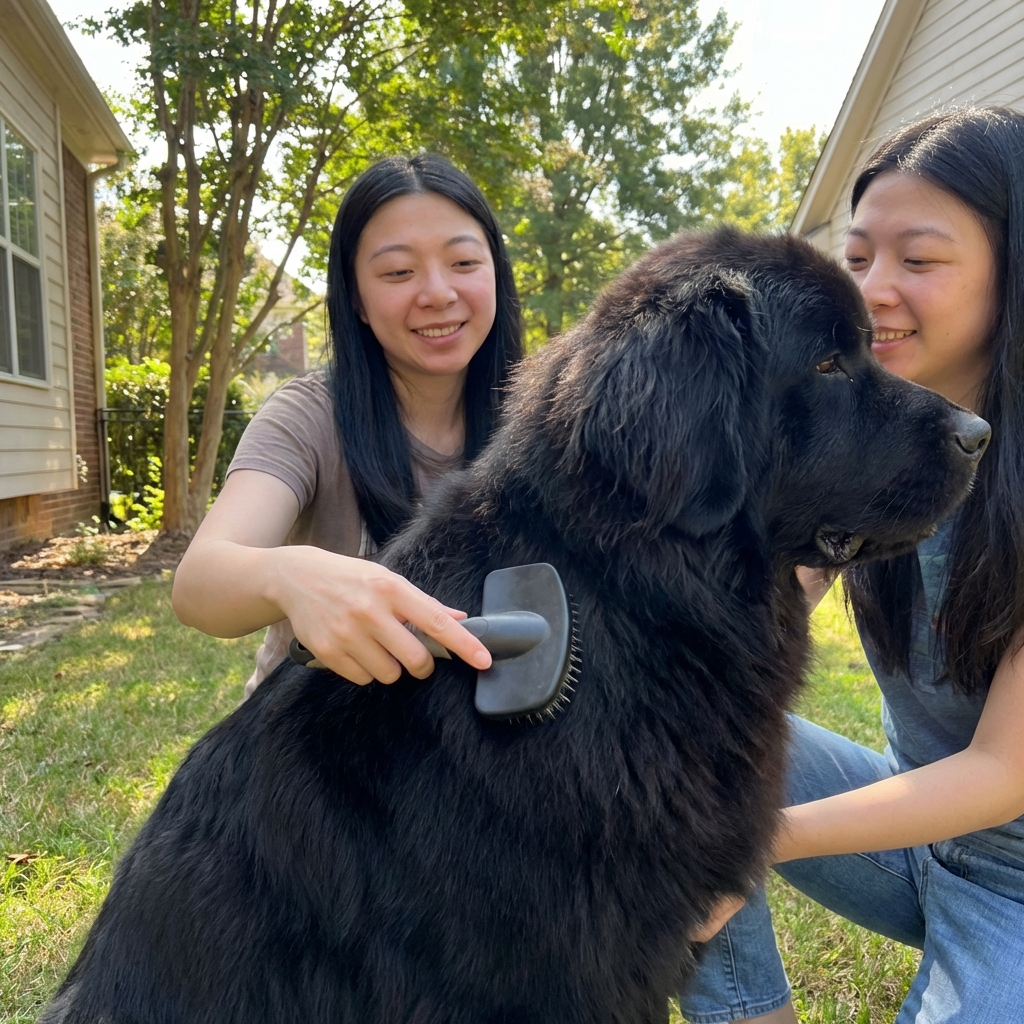
Action step: If your Newfie is drooly, keep the chin and neck area clean and dry. Chronic wetness can contribute to skin irritation. A quick wipe after drinking makes a surprising difference.
Training for Size
A well-trained Newfoundland is a joy. An untrained Newfoundland can accidentally knock over a toddler, pull an adult off balance, or barrel through a doorway because they are excited. Training is not about “being strict.” It is about safety and communication.
Top skills to teach early
- Loose-leash walking: Start small, reward frequently, and avoid letting pulling become a habit.
- Polite greetings: Four paws on the floor, no leaning, no jumping.
- Place cue: A mat or bed cue helps with guests, meals, and calm time.
- Handling tolerance: Ears, paws, mouth, and brushing, paired with rewards.
Action step: Sign up for a positive-reinforcement training class as soon as vaccines and your veterinarian allow. Giant breeds benefit from early, calm structure.
Health and Size
Newfoundlands are loving dogs, and like many giant breeds they are also prone to certain health issues. Knowing what to watch for helps you catch problems early and work closely with your veterinarian.
Common concerns to discuss with your vet
- Joint and mobility issues: Hip and elbow dysplasia, arthritis, and soft-tissue injuries.
- Heart disease: Congenital heart disease (including subaortic stenosis) and cardiomyopathy can occur in the breed.
- Bloat risk: Deep-chested dogs can be vulnerable.
- Skin and ear issues: Moisture plus heavy coat can contribute to infections.
- Urinary issues: Cystinuria and urinary stones are worth discussing if your dog has urinary symptoms or a known family history.
Action step: Keep your Newfoundland lean. From a veterinary standpoint, maintaining a healthy body condition is one of the best gifts you can give a giant breed for long-term comfort.
Is a Newfoundland Right for You?
If you want a warm, steady, family-centered dog and you are ready for the realities of giant-breed life, a Newfoundland can be an incredible match. The big-hearted reputation is real, and so is the drool.
You are a good fit if you can say yes to these
- You have space for a large dog to move comfortably
- You can budget for higher food, grooming, and veterinary costs
- You can commit to training and handling skills early
- You are okay with fur and drool being part of everyday life
And if you are still on the fence, my kindest advice is this: spend time with adult Newfies before you decide. Meet one after a drink of water. See how they do on a warm day. If you still feel your heart melt, you may have found your breed.
Quick drool-proofing checklist
- 3 to 5 absorbent towels placed around the house
- Washable bed covers and throws
- Non-slip mat under water bowl
- Pet-safe cleaner for walls and baseboards
- Brush, undercoat rake, and detangling spray
- Training treats for “wipe” and calm greetings