Vet-assistant tips to ease dog allergy itch safely at home: rinses, oatmeal baths, omega-3s, cool compresses, and lick prevention—plus remedies to avoid an...
Article
•
Designer Mixes
Natural Remedies for Dog Rash

Shari Shidate
Designer Mixes contributor
Dog rashes are a very common reason pet parents call a clinic and for good reason. A rash can look mild on day one and suddenly become angry, more inflamed, oozy, or painfully itchy by day three. The good news is that many simple, natural steps can calm small, mild skin irritation at home, especially when you catch it early and remove the trigger.
As a veterinary assistant in Frisco, Texas, I always tell families: your goal is to reduce inflammation, protect the skin barrier, and stop the itch cycle, while keeping an eye out for signs of infection or allergy flare-ups that need veterinary care. Home care is best for minor patches on otherwise healthy dogs. If you are unsure, call your vet first because many skin problems can look alike.
What a dog rash can mean
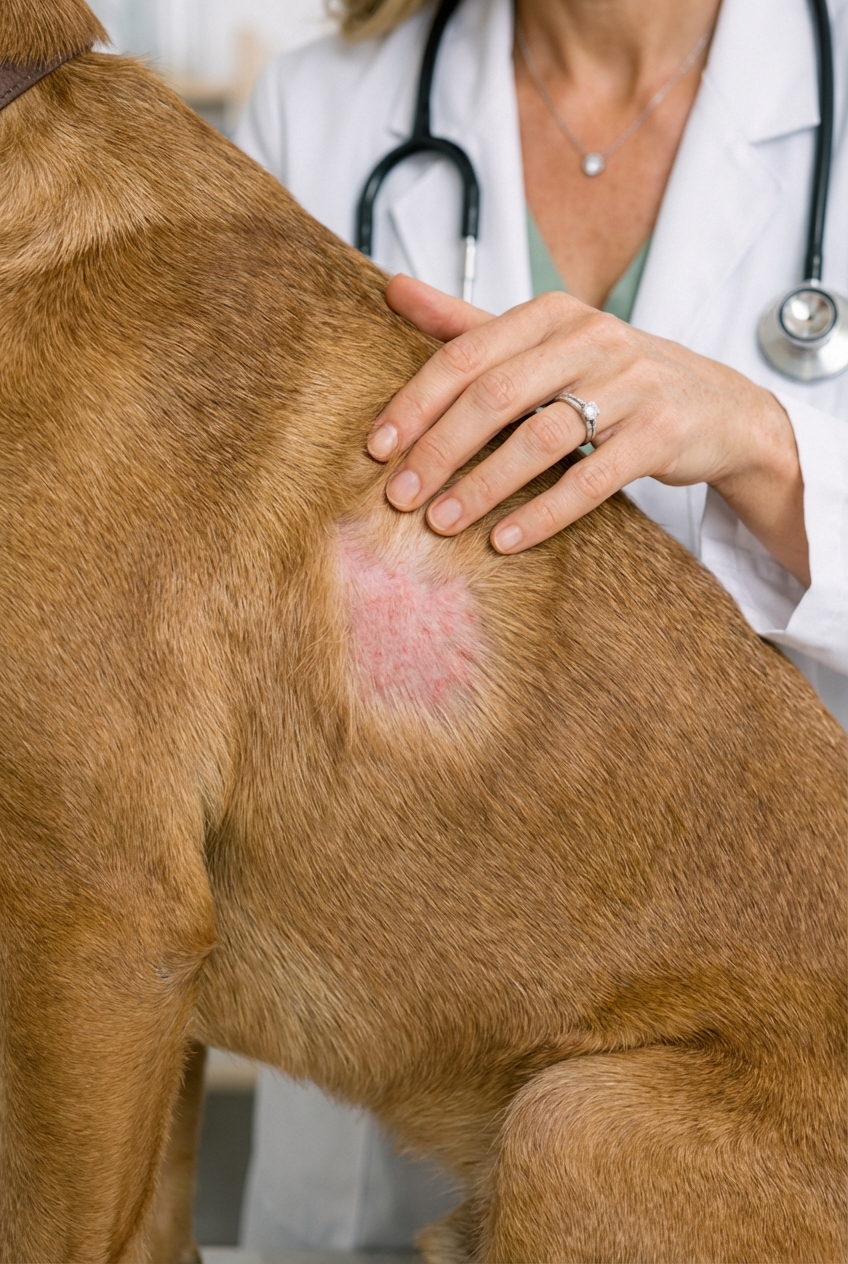
“Rash” is a broad word. It can mean redness, bumps, hives, flaky patches, moist sores, hair loss, or thickened dark skin. The cause matters because the best remedy for a hot spot is not the same as the best remedy for ringworm or fleas.
Common causes
- Allergies (environmental or food): itching, licking paws, recurring ear issues, seasonal flares.
- Fleas and other parasites: tiny scabs, intense itch at the tail base, hair thinning.
- Contact irritation: reactions to grass, cleaning products, fragrances, laundry detergent, grooming sprays, new shampoo.
- Hot spots (acute moist dermatitis): sudden, wet, red, painful patches often from licking or scratching.
- Skin infection: yeast or bacteria can cause odor, redness, crusting, tenderness, or greasy skin.
- Ringworm (fungus): circular hair loss, flaky skin, often mildly itchy and contagious to people and pets.
- Dry skin: winter air, frequent bathing, low dietary omega-3 intake.
Best first step: try to identify what changed in the past 7 to 14 days: new treats, new food, new yard, boarding, grooming, detergent, or a missed flea preventative.
When to see a vet now
Natural remedies are best for mild, early rashes. Please skip home care and call your veterinarian promptly if you notice any of the following:
- Facial swelling, widespread hives, vomiting, trouble breathing, or collapse.
- Pus, foul odor, expanding redness, heat, or significant pain.
- Open sores, bleeding, or a rapidly spreading hot spot.
- Rash near the eyes, genitals, or inside the ear canal.
- Fever, lethargy, poor appetite, or limping.
- Hair loss in circular patches (possible ringworm) or if humans in the home develop suspicious itchy lesions.
- Puppies, seniors, pregnant dogs, or immunocompromised dogs.
- No improvement within 48 to 72 hours of gentle home care.
Safety note: “Natural” is not automatically safe. Essential oils, human creams, and many OTC products can be toxic if licked or absorbed. When in doubt, check with your veterinarian.
Home assessment checklist
Before you apply anything, take 2 minutes to gather clues. This helps you choose the right approach and gives your vet great information if you need an appointment.
- Location: belly, paws, armpits, tail base, ears, face, back.
- Texture: dry and flaky vs moist and weeping.
- Smell: a musty or “corn chip” odor can be associated with yeast or bacterial overgrowth. Your vet can confirm with a quick skin or ear cytology.
- Itch level: mild licking vs nonstop scratching.
- Timing: sudden (contact or bite) vs chronic (allergy).
- Parasite check: look for flea dirt (black specks that turn reddish-brown when wet on a paper towel).

Natural remedies that help
1) Gentle cleansing (the foundation)
Most mild rashes improve when you remove irritants, allergens, and surface debris gently. Use lukewarm water and keep it simple.
- For small areas: rinse the area with lukewarm water, pat dry. Avoid vigorous rubbing.
- For muddy pollen belly: a quick rinse after walks can reduce seasonal belly rash dramatically.
- If you need shampoo: choose a pet-safe, fragrance-free, hypoallergenic shampoo. Medicated shampoos (like chlorhexidine or antifungal formulas) can be very helpful, but use them under veterinary direction so you do not accidentally worsen the problem.
- Do not over-bathe: frequent full baths can worsen dryness unless using a vet-approved soothing shampoo.
2) Oatmeal soaks for itch relief
Colloidal oatmeal has evidence for calming itchy, inflamed skin by supporting the skin barrier and reducing irritation.
- Bath method: use colloidal oatmeal powder made for bathing. Soak 10 minutes, rinse lightly, pat dry.
- Spot method: make a thin oatmeal paste with water, apply 5 to 10 minutes, then rinse and dry.
Tip: If your dog is prone to ear infections, keep water out of the ears and dry the ears well after any bath.
3) Cool compress for hot, puffy skin
A cool compress can reduce heat and swelling, especially after a bug bite or contact irritation.
- Use a clean cloth dampened with cool water.
- Apply for 5 minutes, 2 to 3 times daily.
- Do not use ice directly on skin.
4) Aloe vera (only if you can prevent licking)
Pet-safe aloe gel can soothe minor irritation, but choose carefully. Avoid products with alcohol, added fragrances, added anesthetics, and whole-leaf aloe or latex (aloin), which can be more irritating and may cause GI upset. Many dogs lick it, and ingestion can still cause stomach upset.
- Use a very thin layer on a small patch.
- Use an e-collar or a T-shirt to prevent licking.
- Stop if redness worsens.
5) Calendula rinse for mild irritation
Calendula is traditionally used as a gentle skin soother. Many pet parents do well with a light calendula tea rinse.
- Steep calendula tea, cool completely.
- Apply with a clean cloth to the area, then let air dry.
- Do not apply to deep open wounds or oozing hot spots without veterinary guidance.
6) Coconut oil (helpful sometimes, messy sometimes)
Coconut oil can reduce dryness and help some dogs with mild flaking. In dogs prone to greasy, yeasty skin, heavy oils can sometimes make things feel worse. Use it thoughtfully and stop if odor or itching increases.
- Best for: dry, flaky skin.
- Avoid if: skin is greasy, musty-smelling, or the rash is moist.
- Use: a pea-sized amount, warmed between fingers, thin layer.
7) Epsom salt soak (for paws only)
For itchy paws, a short soak can be soothing and may help rinse off outdoor allergens. Use it diluted and do not let your dog drink the water.
- Dissolve Epsom salt fully in warm water.
- Soak paws 5 minutes, then rinse and dry thoroughly between toes.
- Avoid if there are cracked, bleeding paw pads unless your veterinarian approves.
- Discontinue if redness increases or your dog seems more uncomfortable.

Stop licking first
If I could pick one home step that matters most, it is this: prevent self-trauma early. Licking and chewing can turn a mild rash into a hot spot fast.
- Use an e-collar at the first sign of persistent licking or chewing.
- A T-shirt can help for belly and side rashes.
- Keep nails trimmed to reduce damage from scratching.
Common patterns
These patterns are not diagnostic, but they can offer clues to discuss with your vet:
- Tail base and back: fleas are common suspects.
- Paws and ears: allergies are very common here.
- Belly and inner thighs: contact irritation, grass and pollen exposure, or insect bites.
- Round patches of hair loss: consider ringworm and get veterinary confirmation.
What not to use
These are common “natural” or household items that can make rashes worse or create new problems.
- Essential oils (tea tree, peppermint, eucalyptus, lavender): can be irritating and some are toxic, especially to cats but also to dogs.
- Apple cider vinegar on raw skin: can sting and increase inflammation. Never use on open sores.
- Hydrogen peroxide: delays healing and damages healthy tissue.
- Human anti-itch creams (especially with lidocaine, benzocaine, topical steroids, or zinc oxide): can be dangerous if licked and may mask a worsening infection.
- Diaper rash creams: many contain zinc oxide and are not safe for dogs to ingest.
- Human sunscreen: ingredients can be irritating or unsafe if licked. Use pet-safe sunscreen only if your vet recommends it.
- Powders with fragrance: can clog pores and irritate.
Rash-specific natural strategies
Seasonal and environmental allergies
If your dog’s rash flares after being outside, think pollen, grass, and mold spores. The goal is to reduce exposure.
- Rinse the belly and paws after walks, then dry well.
- Wash bedding weekly in fragrance-free detergent.
- Use a HEPA filter in the rooms where your dog sleeps most.
- Keep grass short and avoid freshly treated lawns.
Hot spots
Hot spots are common in heat and humidity, especially in thick-coated dogs or swimmers. Mild, early hot spots can sometimes be managed at home, but they can get infected quickly.
- Trim hair around the spot if your dog will tolerate it safely, or ask a groomer or vet.
- Clean gently and keep it dry.
- Use an e-collar immediately to stop licking and chewing.
- If it is spreading, oozing, or painful, see your veterinarian.
Flea allergy dermatitis
Some dogs are so allergic that one flea bite can trigger a rash. Natural soothing helps, but the true fix is consistent flea prevention.
- Comb daily with a flea comb.
- Wash bedding, vacuum floors, and treat the environment as recommended by your veterinarian.
- Talk to your vet about an effective flea product for your region. In areas like North Texas, flea pressure can be intense.
Suspected yeast or bacterial overgrowth
If the skin smells musty, looks greasy, or your dog is licking paws constantly, yeast or bacteria may be part of the picture. Natural steps can support comfort, but recurring infections often need targeted therapy.
- Keep skin folds and paws dry.
- Dry thoroughly after baths or swimming.
- Avoid heavy oils on affected areas.
- Schedule a vet exam if it keeps recurring. Chronic infections often ride along with allergies.
Possible ringworm
Ringworm is contagious and can spread to people and other pets. Skip home remedies and get veterinary confirmation.
- Limit close contact until you have answers, especially with children, seniors, and immunocompromised family members.
- Wash hands after handling your dog and do not share brushes, bedding, or towels between pets.
- Clean and vacuum frequently. Your vet can advise on safe disinfectants and a treatment plan.
Nutrition and supplements
Skin health is built from the inside out. If rashes are frequent, nutrition is a smart place to focus, especially because the skin barrier depends on healthy fats, adequate protein, and key micronutrients.
Omega-3 fatty acids (evidence-backed)
Fish oil (EPA and DHA) is one of the most researched supplements for canine skin and coat support. It may reduce inflammation associated with allergic skin disease over time.
- Choose a product formulated for pets or a high-quality, purified fish oil.
- Introduce slowly to avoid diarrhea.
- Ask your veterinarian for a dose based on your dog’s weight and diet.
Whole-food support
- Protein quality matters: dogs need adequate amino acids to maintain healthy skin.
- Vitamin E works alongside omega-3s and supports skin health. Do not megadose.
- Probiotics may support the gut-skin axis in some dogs, especially those with allergies.
If you are feeding homemade meals, make sure the diet is balanced for the long term. A shiny coat can hide mineral gaps for a while, but the skin often tells the truth eventually.
Simple 3-day home plan
If your dog’s rash is mild and your dog is acting normal, here is a gentle plan you can start today.
Day 1
- Rinse the affected area with lukewarm water, pat dry.
- Apply a cool compress for 5 minutes.
- Prevent licking with a T-shirt or e-collar if needed.
Day 2
- Colloidal oatmeal soak (spot or bath) for 10 minutes.
- Wash bedding with fragrance-free detergent.
- Do a flea comb check and note findings.
Day 3
- Repeat gentle cleansing and oatmeal if helpful.
- Reassess: is redness down, itch reduced, and skin drier and calmer?
If things are not clearly improving by day 3, or if they are getting worse at any point, it is time for a veterinary exam. Skin issues are much easier to treat early than after weeks of inflammation.
Prevention tips
- Flea prevention year-round as recommended for your area and your dog’s lifestyle.
- Rinse and dry after swimming and muddy play.
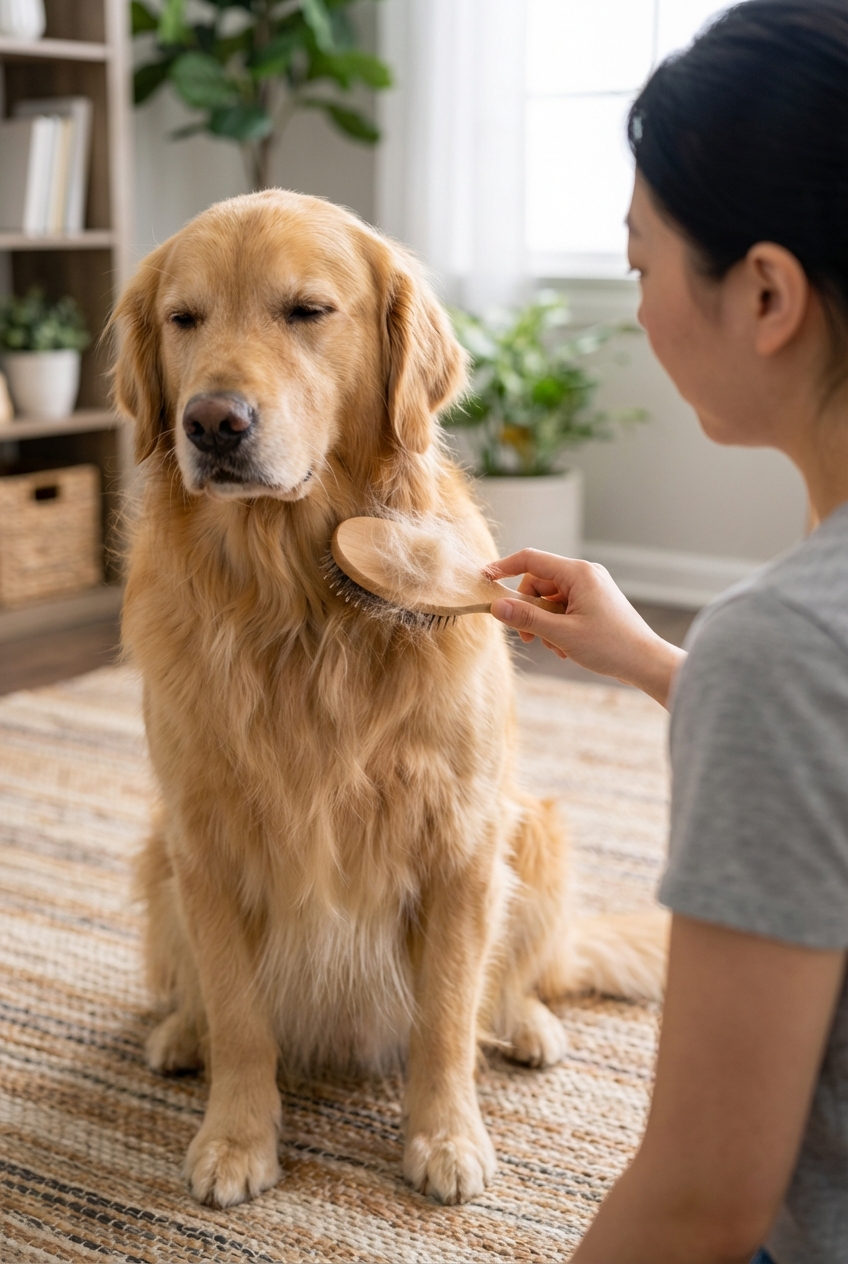
- Brush regularly to reduce matting and trapped moisture.
- Choose fragrance-free grooming products and avoid over-bathing.
- Keep nails trimmed so scratching causes less skin trauma.
- Address ear infections early because many itchy dogs have both ears and skin involved.

Frequently asked questions
Can I use Benadryl for a dog rash?
Some veterinarians do use diphenhydramine for mild allergic reactions, but dosing depends on your dog’s weight and medical history, and it may not help much for chronic allergy itch. It can also cause sleepiness, or occasionally excitement, and it is not appropriate for some dogs with certain medical conditions. Always confirm with your veterinarian first, especially if your dog takes other medications.
Is a rash always allergies?
No. Parasites, contact irritation, bacterial infection, yeast overgrowth, and ringworm can look similar at home. If your dog has recurrent rashes, a vet visit for skin cytology, parasite checks, or diet trials can save time and money.
Why does my dog’s belly get red after going outside?
Belly skin is thin and often reacts to grass, pollen, or lawn products. Rinsing the belly and paws right after outdoor time can reduce that reaction significantly.