Vet-informed guide to a short-term bland diet for dogs: chicken and rice 1:2 ratio, daily cup ranges by weight, how many meals to split into, and red flags t...
Article
•
Designer Mixes
Natural Remedies for Diarrhea in Dogs

Shari Shidate
Designer Mixes contributor
Diarrhea is one of the most common reasons pet parents panic, and I get it. When your dog is having loose stools, it can feel urgent and scary. The good news is that many mild, short-lived cases improve with simple home support.
That said, diarrhea is a symptom, not a diagnosis. Your job is to support your dog safely while you watch for red flags that mean it is time to call the vet right away.
First, is home care OK?
Home care is usually reasonable for an otherwise healthy adult dog who is bright, alert, drinking water, and has mild diarrhea for less than 24 to 48 hours.
A quick severity check: one or two loose stools with normal energy is very different from frequent, urgent watery diarrhea every hour. If your dog cannot settle, needs to go out constantly, or seems unwell, call your veterinarian sooner.
Call your veterinarian urgently if you see any of these
- Blood in the stool (bright red) or black, tarry stool
- Repeated vomiting, inability to keep water down, or signs of dehydration
- Common dehydration signs: tacky or dry gums, sunken-looking eyes, marked lethargy, skin that “tents” when gently lifted, or very dark yellow urine
- Weakness, collapse, pale gums, fever, or significant belly pain
- Diarrhea lasting more than 48 hours, or worsening quickly
- Very young puppies, senior dogs, or dogs who are pregnant
- Dogs with chronic disease (kidney disease, diabetes, Cushing’s, cancer, immune issues)
- Possible toxin exposure (xylitol, grapes or raisins, rodent poison, human medications)
- Suspected foreign body (chewing toys, socks, bones, corn cobs)
Important note on parasites and contagious illness: If your dog has frequent diarrhea, mucus in stool, a new puppy in the home, or you visit dog parks or daycare, parasites like giardia are common and need a stool test and targeted treatment.
Common causes
Most cases come from one of a few categories:
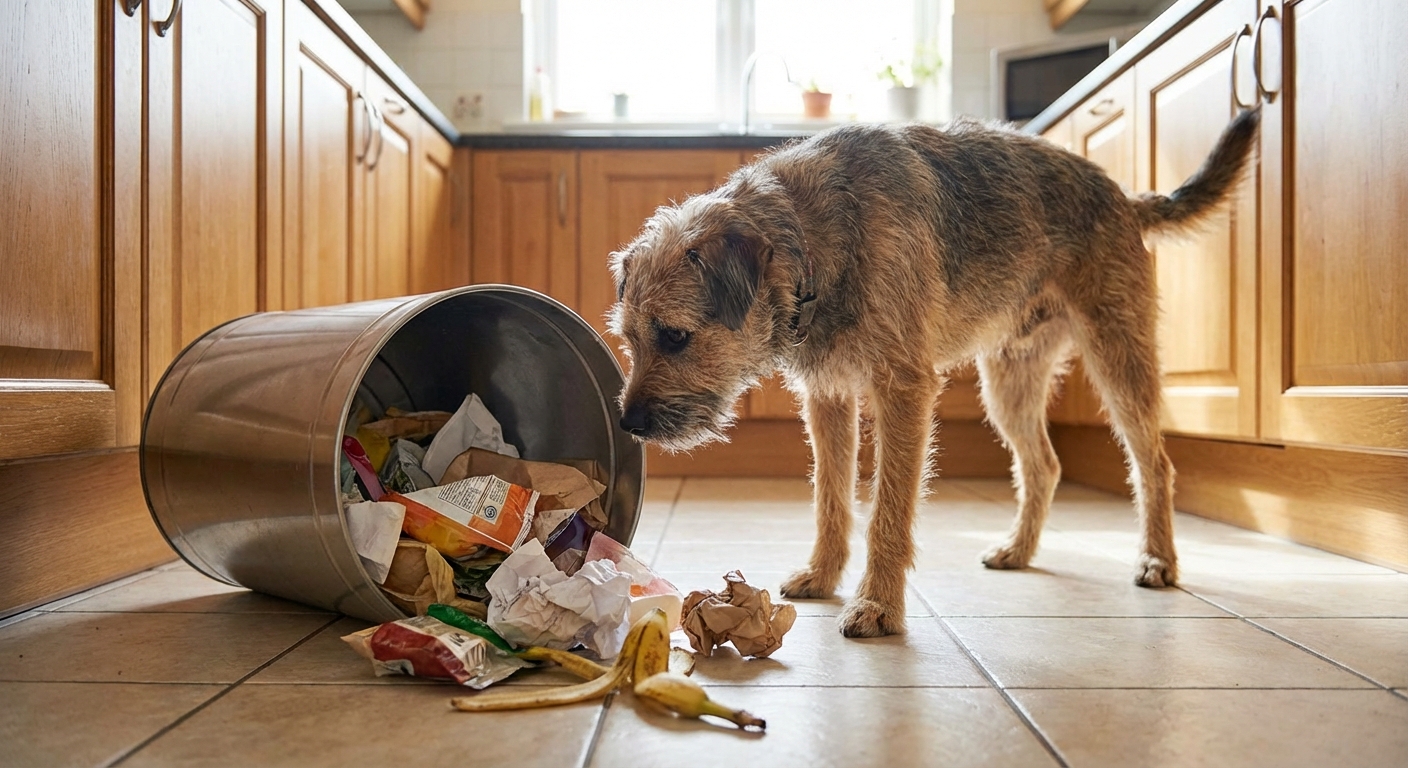
- Dietary indiscretion: trash, table scraps, rich foods, sudden diet changes
- Food intolerance: a specific ingredient does not agree with your dog
- Stress: travel, boarding, a new pet, fireworks
- Infections and parasites: giardia, hookworms, roundworms, viral or bacterial illness
- Medication side effects: antibiotics, NSAIDs, supplements given at high doses
- Underlying disease: pancreatitis, inflammatory bowel disease, endocrine issues
Helpful clue: large-bowel diarrhea often shows up as small amounts very frequently, straining, mucus, and sometimes bright red blood. Small-bowel diarrhea is more likely to be larger-volume stools (sometimes with weight loss or poor appetite). Either type can be serious if your dog seems ill, dehydrated, or you see blood.
Gentle home support
1) Prioritize hydration
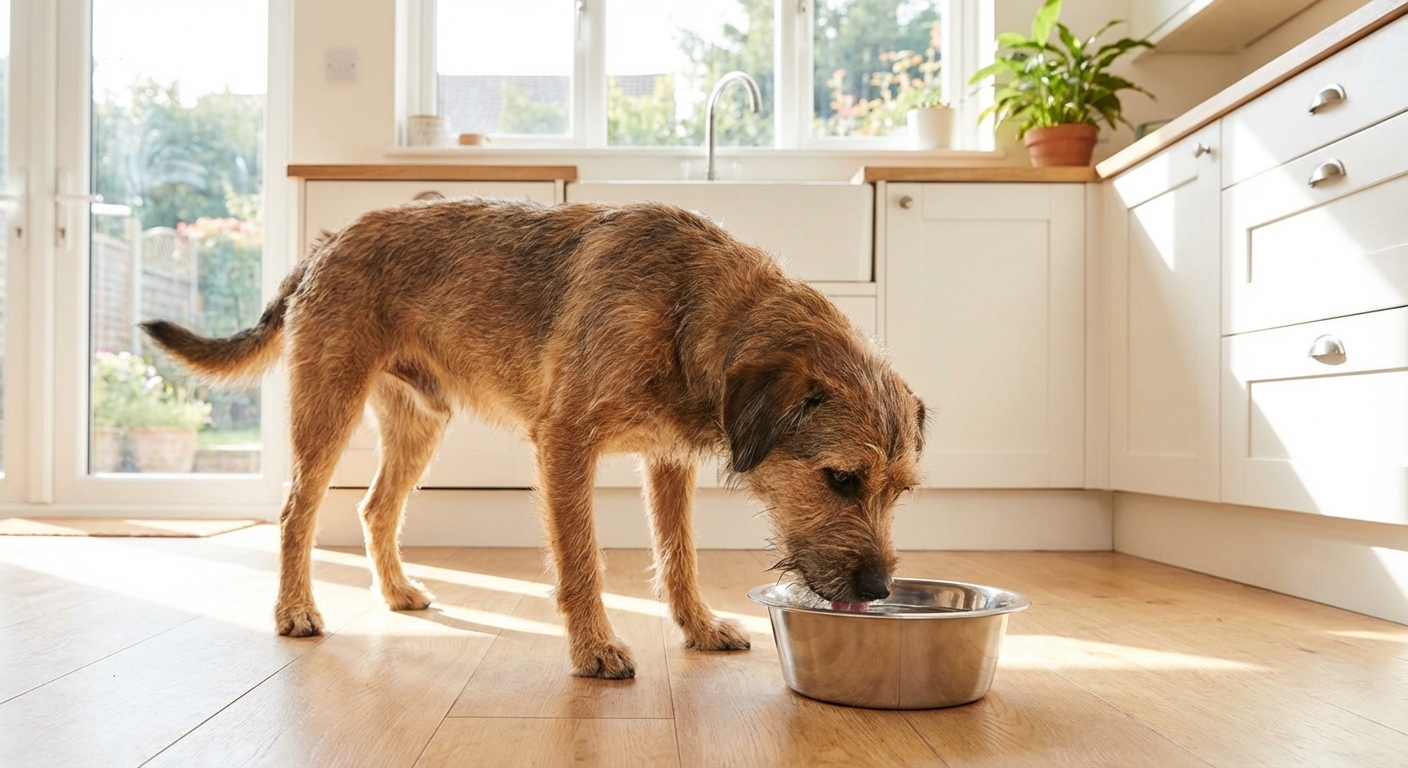
Diarrhea can lead to fluid and electrolyte loss. Fresh water should always be available.
- Encourage drinking with ice cubes, adding water to food, or offering a small amount of low-sodium broth (no onion or garlic powder).
- If your dog is not drinking, is drooling, or is vomiting water back up, that is a vet visit.
2) Food breaks are optional
For a healthy adult dog with mild diarrhea, some veterinarians may recommend a brief food break (often 8 to 12 hours) to rest the gut. Others prefer continuing small bland meals right away. Either approach can be reasonable depending on the dog and the situation.
Do not fast puppies, toy breeds prone to low blood sugar, seniors, or dogs with medical conditions unless your veterinarian specifically advises it.
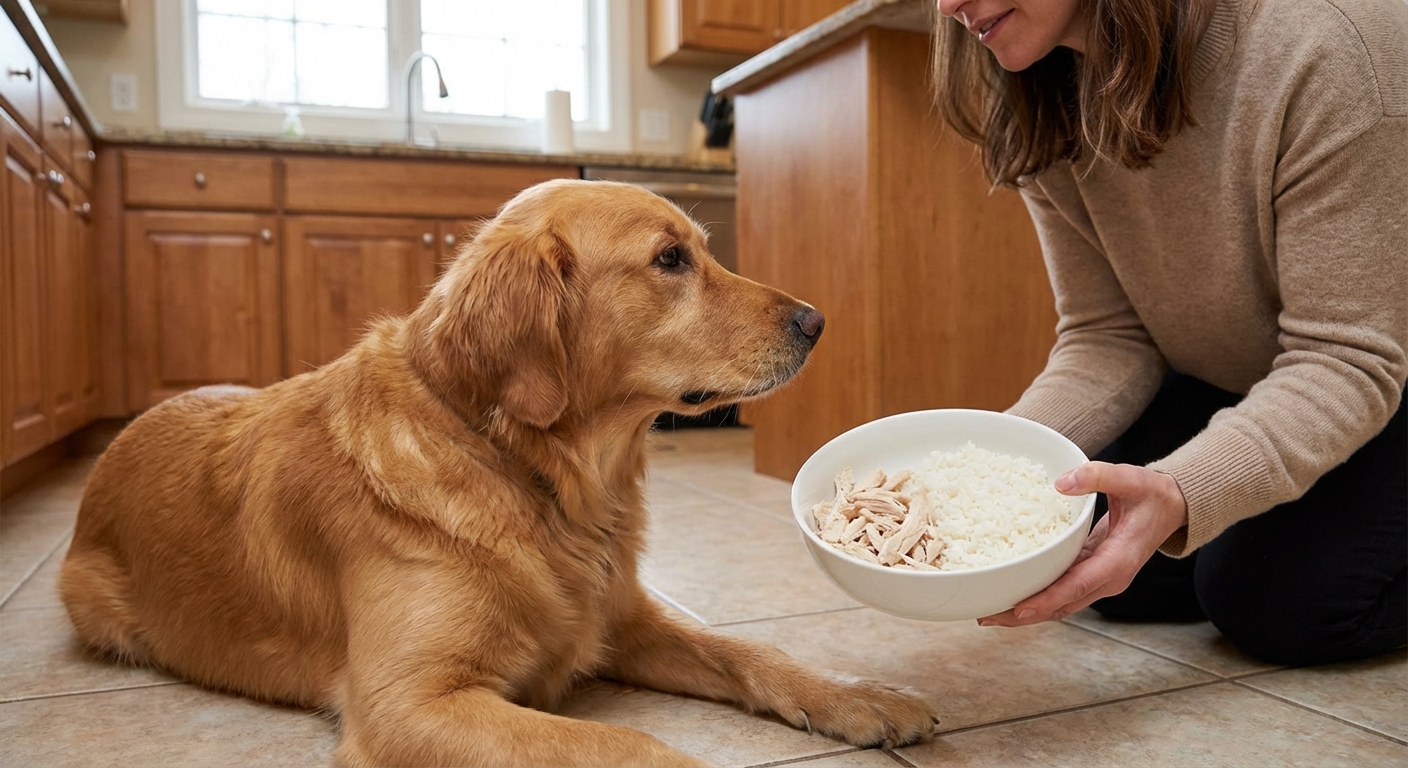
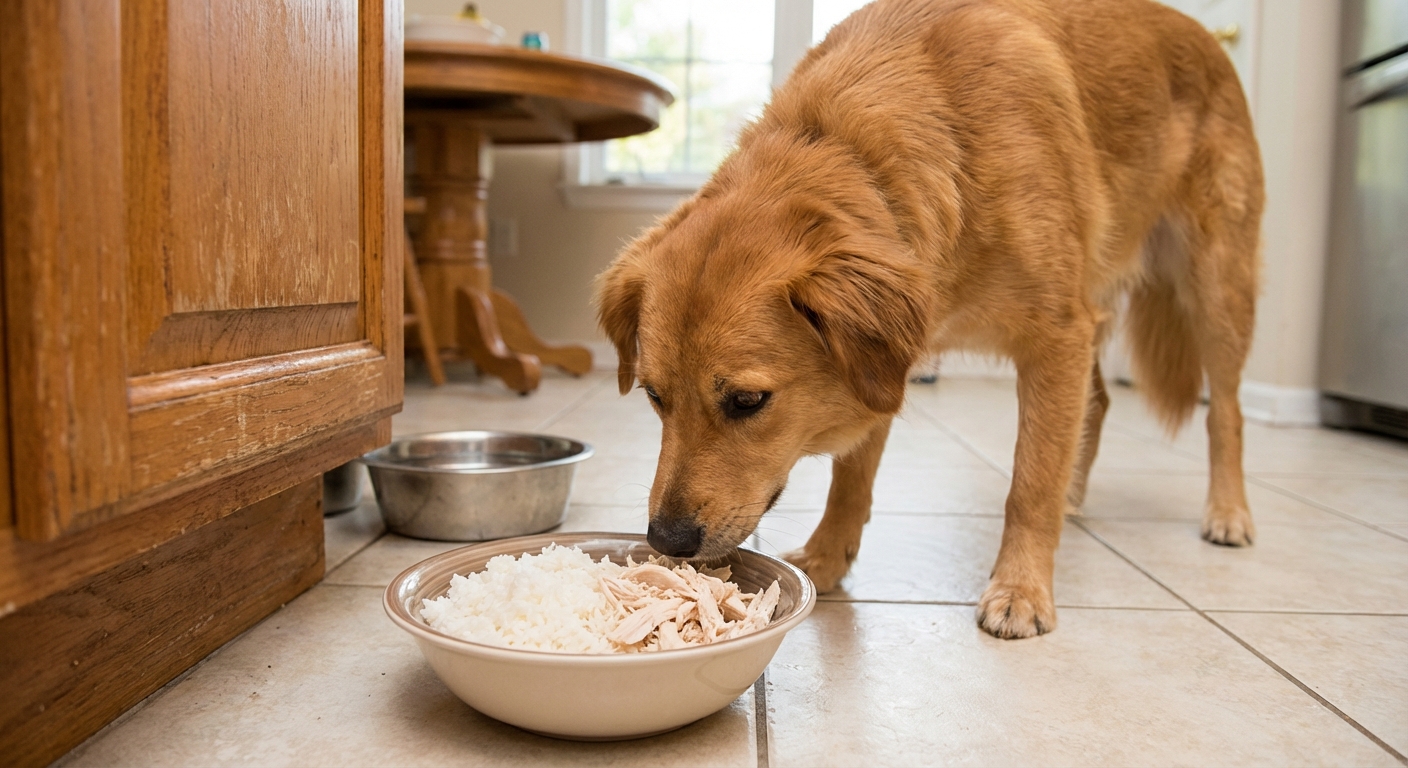
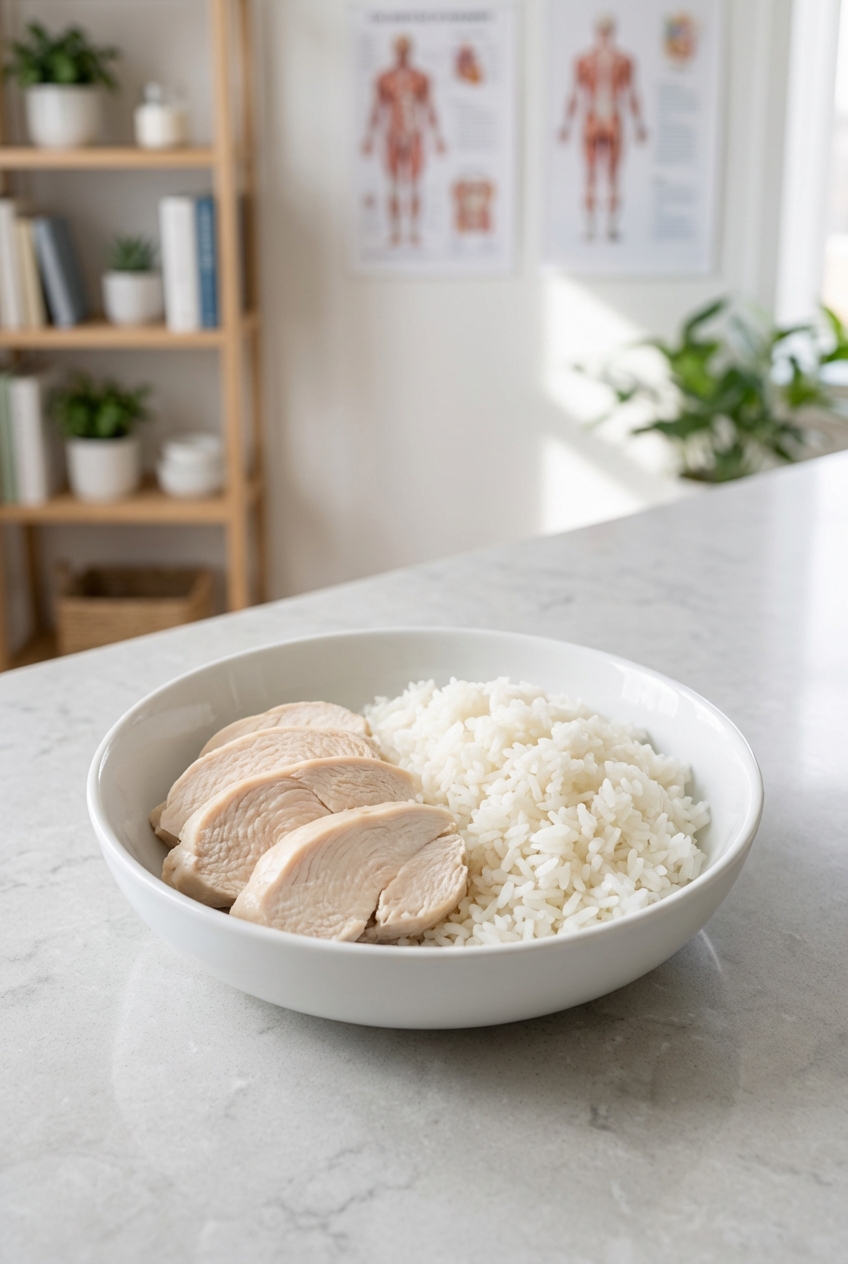
3) Feed a bland, low-fat diet for 2 to 3 days
A bland diet helps calm irritation and gives the intestines something easy to absorb. Keep portions small and frequent, like 3 to 4 mini meals a day.
- How much to feed: aim for roughly 50% to 75% of your dog’s usual daily calories at first, split into small meals. Overfeeding can worsen diarrhea, even with bland food.
- Option A: boiled skinless chicken breast + white rice
- Option B: very lean ground turkey (drained) + white rice
- Option C: cooked egg (scrambled or hard-boiled) + white rice
Low-fat is key. If diarrhea started after a rich treat, bacon, greasy leftovers, or a high-fat chew, pancreatitis is a concern and you should call your vet.
4) Add fiber: plain pumpkin
Plain canned pumpkin (100% pumpkin, not pie filling) is a gentle source of soluble fiber that may help firm stool in some dogs. It will not treat toxin exposure, foreign bodies, or infectious causes, so keep watching for red flags.
Typical starting amounts (start low):
- Small dogs: 1 to 2 teaspoons per meal
- Medium dogs: 1 to 2 tablespoons per meal
- Large dogs: 2 to 4 tablespoons per meal
If diarrhea is very watery and frequent, start at the smaller end. Too much fiber can backfire.
5) Consider a veterinary probiotic
Probiotics may help some dogs recover faster by supporting a healthier gut microbiome, but results are product-dependent. Choose a product made specifically for pets with clear strains and CFU counts, ideally one your veterinarian recommends.
- Use as directed on the label.
- Many dogs do best with 7 to 14 days of support, even after stool improves, unless your vet says otherwise.
6) Gentle “food as medicine” options
These can be helpful additions for mild cases:
- Rice water: simmer white rice in extra water, strain, cool, and offer small amounts to sip.
- Plain, unsweetened yogurt: only if your dog tolerates dairy and only in small amounts. Many dogs are lactose sensitive.
If you try one of these and stool worsens, stop and return to bland food only.
What to avoid
“Natural” does not always mean safe, especially for a sick gut. Avoid these unless your veterinarian specifically recommends them:
- Human anti-diarrheal meds (like loperamide) without veterinary guidance, especially if there is blood, fever, or suspected infection. Also use extreme caution in dogs with the MDR1 mutation, which is more common in herding breeds like Collies, Australian Shepherds, and Shetland Sheepdogs.
- Essential oils given orally
- Herbal blends with unclear dosing or multiple ingredients
- High-fat foods like coconut oil or fatty meats during an active diarrhea episode
- Bone broth that contains onion, garlic, or heavy seasoning
Back to normal food
Once your dog has had normal or mostly formed stools for 24 hours, transition back gradually to reduce the chance of another flare-up.
- Day 1: 75% bland diet, 25% regular food
- Day 2: 50% bland, 50% regular
- Day 3: 25% bland, 75% regular
- Day 4: back to normal food
If your dog has a very sensitive stomach, it is fine to slow this down and take 5 to 7 days.
If stool loosens again, step back to the previous ratio and slow down.
What to track
If you end up calling your veterinarian, these details are extremely useful:
- How long the diarrhea has been happening and how often
- Stool appearance (watery, pudding-like, mucus, blood)
- Vomiting, appetite changes, energy level
- Any diet change, new treats, chews (especially high-fat), or possible trash access
- Recent boarding, dog parks, grooming, new pets
- Current medications and supplements
Stool sample tip: If you can, bring a fresh stool sample to your appointment. Collect a small amount in a clean bag or container. If you cannot go right away, refrigerate it and bring it in within 24 hours (do not freeze unless your clinic tells you to).
Prevention that works
- Transition foods slowly over 7 to 10 days, even if the new food is high quality.
- Keep treats simple and limit them to about 10% of daily calories.
- Use consistent parasite prevention and ask your vet how often your dog should be tested.
- Support gut health with a quality diet and occasional probiotic support during stress or after antibiotics.
- Secure the trash and keep high-risk foods out of reach (fatty leftovers, grapes or raisins, sugar-free gum).
One of the kindest things you can do for a sensitive stomach is consistency. A steady routine, slow diet changes, and simple ingredients often prevent repeat episodes.
When in doubt, call
If your gut tells you something is off, trust that instinct. Diarrhea can be mild, but it can also become serious fast, especially in small dogs and puppies.
If you need to call your veterinarian, use the checklist above and share your dog’s age, weight, breed mix, symptoms, and what they ate in the last 48 hours. That information helps your vet triage quickly and decide whether home care is appropriate or if your dog needs to be seen.