Diarrhea in cats can turn serious fast. Learn red flags that need a vet today, plus gentle home care for mild cases: hydration, small frequent meals, probiot...
Article
•
Designer Mixes
Natural Remedies for Diarrhea in Cats

Shari Shidate
Designer Mixes contributor
As a veterinary assistant, I can tell you this with love: diarrhea is one of the most common reasons worried cat parents call the clinic, and it can go from “messy” to “serious” faster than many people realize. The good news is that many mild cases improve with simple, evidence-based supportive care at home. The key is knowing what is safe, what can help, and when to stop home care and see your vet.
Quick note: This is general guidance, not a diagnosis. If your cat seems unwell in any way, call your veterinarian.
Quick-start: next 12 to 24 hours
- Check for red flags (see the emergency section below). If any are present, call your vet today.
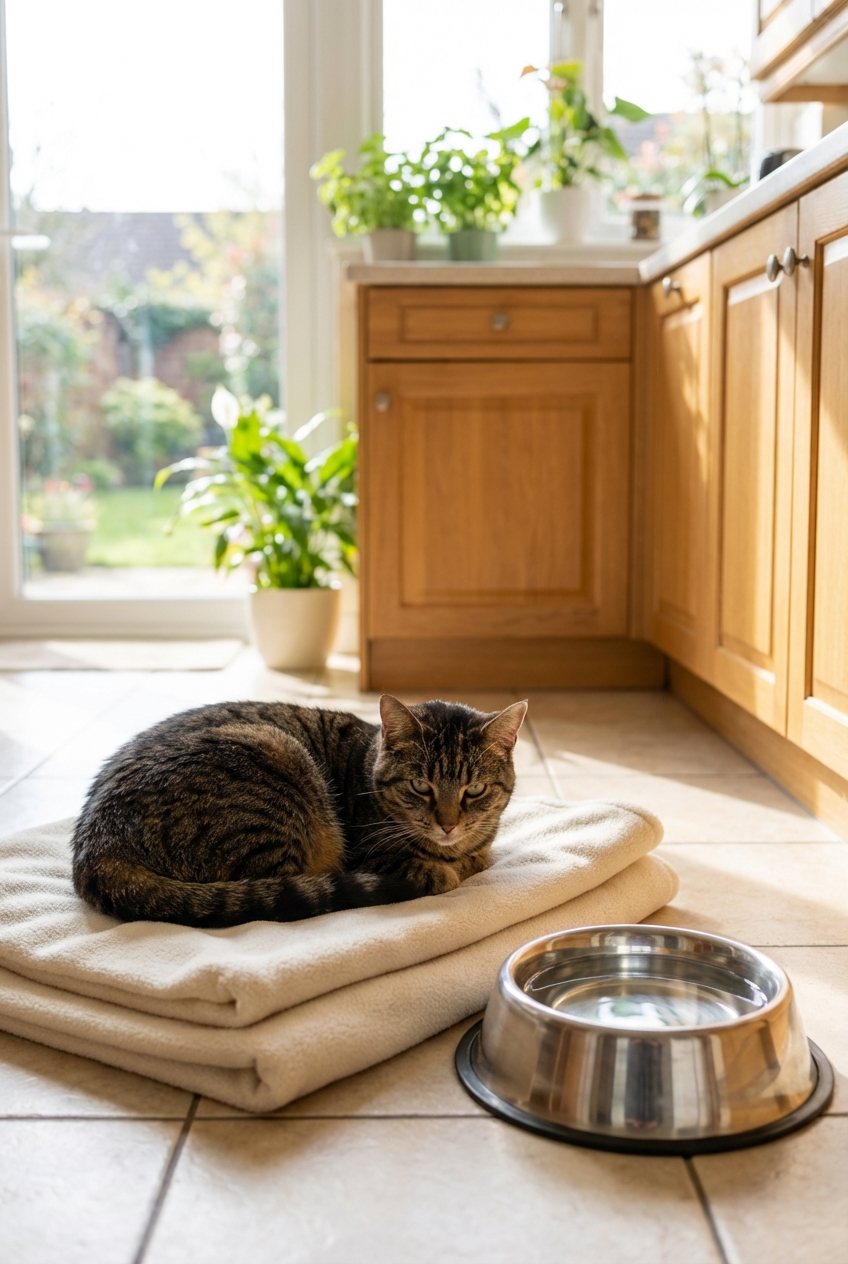
- Hydration first: offer fresh water in multiple spots and switch to wet food if possible.
- Feed small, easy meals (not a long fast): a veterinary GI canned diet, or plain cooked chicken or turkey short term.
- Add a cat-specific probiotic if you have one, used exactly as directed.
- Track stools: frequency, appearance, appetite, energy, vomiting, and urination.
What counts as diarrhea?
Diarrhea is stool that is looser or more frequent than normal. It can be:
- Small intestine diarrhea: large volume, watery stool, may include weight loss or vomiting.
- Large intestine diarrhea: small frequent stool, mucus, straining, urgency, and sometimes fresh red blood.
Causes range from diet changes and stress to parasites, infections, inflammatory bowel disease, pancreatitis, hyperthyroidism, toxins, and more. That is why “natural remedy” should really mean supportive care, not guessing when your cat needs medical help.
When to treat as urgent
Please do not try home remedies first if you notice any of the following. These are your “call the vet today” signs:
- Kitten, senior, pregnant cat, or any cat with chronic disease (kidney disease, diabetes, hyperthyroidism)
- Repeated vomiting, severe lethargy, hiding, or obvious abdominal pain
- Black, tarry stool (digested blood) or lots of fresh blood
- Dehydration signs: sticky gums, sunken eyes, weakness, or decreased urination
- Possible toxin exposure, foreign object risk, or recent access to trash, string, or human medications
- Fever, pale gums, or rapid breathing
Timing guidance: for a healthy adult cat with mild diarrhea who is bright and still eating, it is often reasonable to monitor closely for up to about 24 to 48 hours. For kittens, seniors, and cats with underlying conditions, do not wait. Many should be assessed the same day if diarrhea starts or if appetite dips.
If your cat looks “off” in any way, trust your instincts. It is always okay to call your veterinarian for guidance.
Best natural approach: fluids plus a gut reset
If your cat is bright, eating at least a little, and the diarrhea is mild and recent, the most effective natural approach is supportive care that protects hydration and calms the GI tract.
1) Hydration support
Diarrhea pulls water and electrolytes out of the body. Cats do not always compensate by drinking more, especially if they feel nauseated.
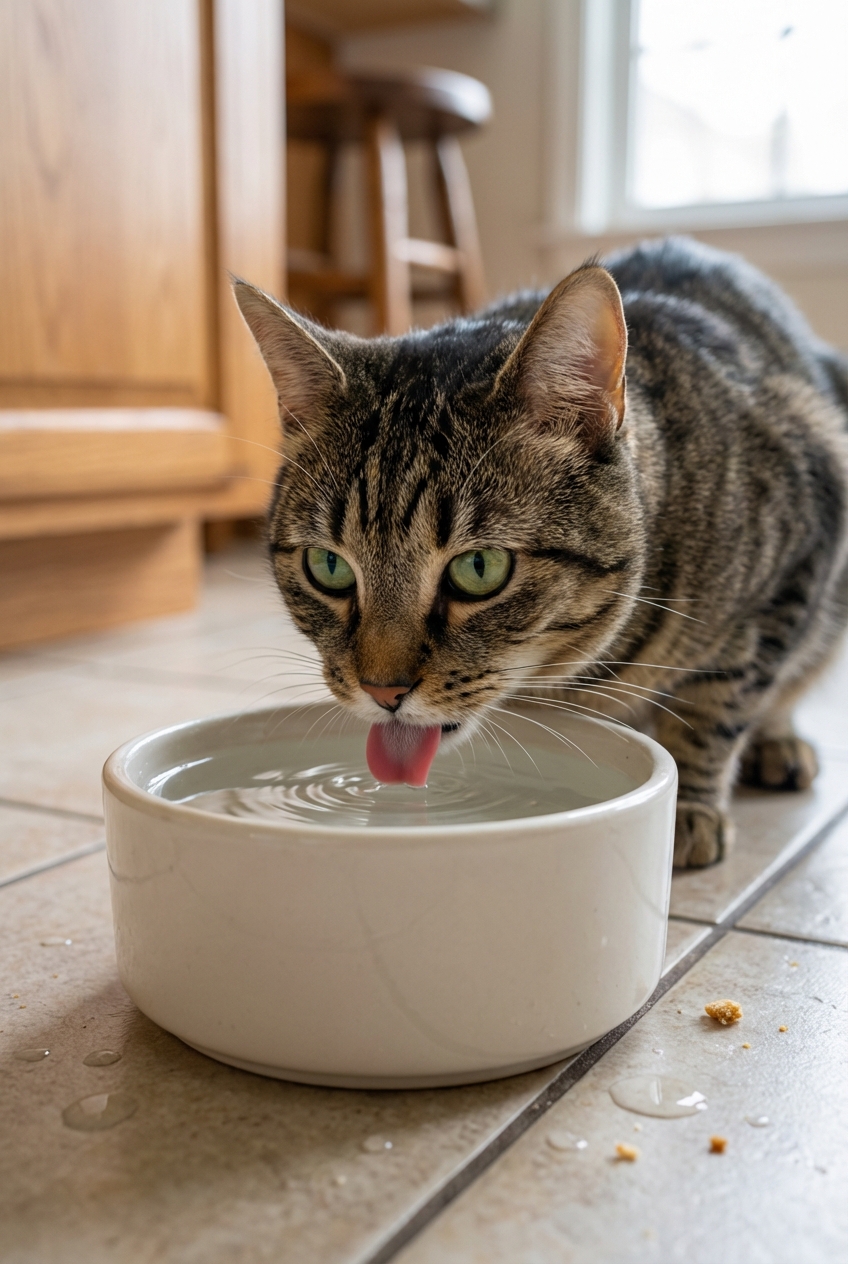
- Offer fresh water in multiple spots, and consider a pet fountain.
- Switch to wet food temporarily if your cat normally eats dry. The extra moisture can really help.
- Add water to wet food to boost fluid intake.
- If you use broth, choose one that is no onion, no garlic and low or no salt. Many store-bought broths contain hidden onion or garlic flavorings and can be too salty for cats.
- Avoid human electrolyte drinks unless your vet specifically recommends them. If your cat may need electrolyte support, ask your vet about a veterinary-appropriate option.
2) A bland, easy diet for 24 to 48 hours
This is the gentle reset that helps many uncomplicated cases. For cats, we keep it simple and protein-forward.
- Best option: a veterinarian-recommended GI diet (canned is ideal).
- At-home option (short term only): small meals of plain cooked chicken or turkey (no skin, no seasoning, no butter or oils).
Important: plain meat is not a complete balanced diet, so do not feed it long term. Think of it as a short bridge while the gut calms down.
Feed small portions every 4 to 6 hours instead of one big meal. If the stool starts to form up, gradually transition back to a complete balanced diet over 3 to 5 days, and avoid new treats or sudden food changes for about a week.
3) Cat-specific probiotics
Probiotics are a popular “natural” tool, and there is evidence they can help stool quality in some cases of diarrhea. In clinic, we often reach for products that are formulated for pets and have veterinary testing behind them.
- Choose a cat-specific probiotic from a reputable brand.
- Use it exactly as directed for several days, even if stools improve quickly.
Skip random human probiotic capsules unless your vet okays it. Cats can be sensitive, and some products are not well suited for them.
Other natural options
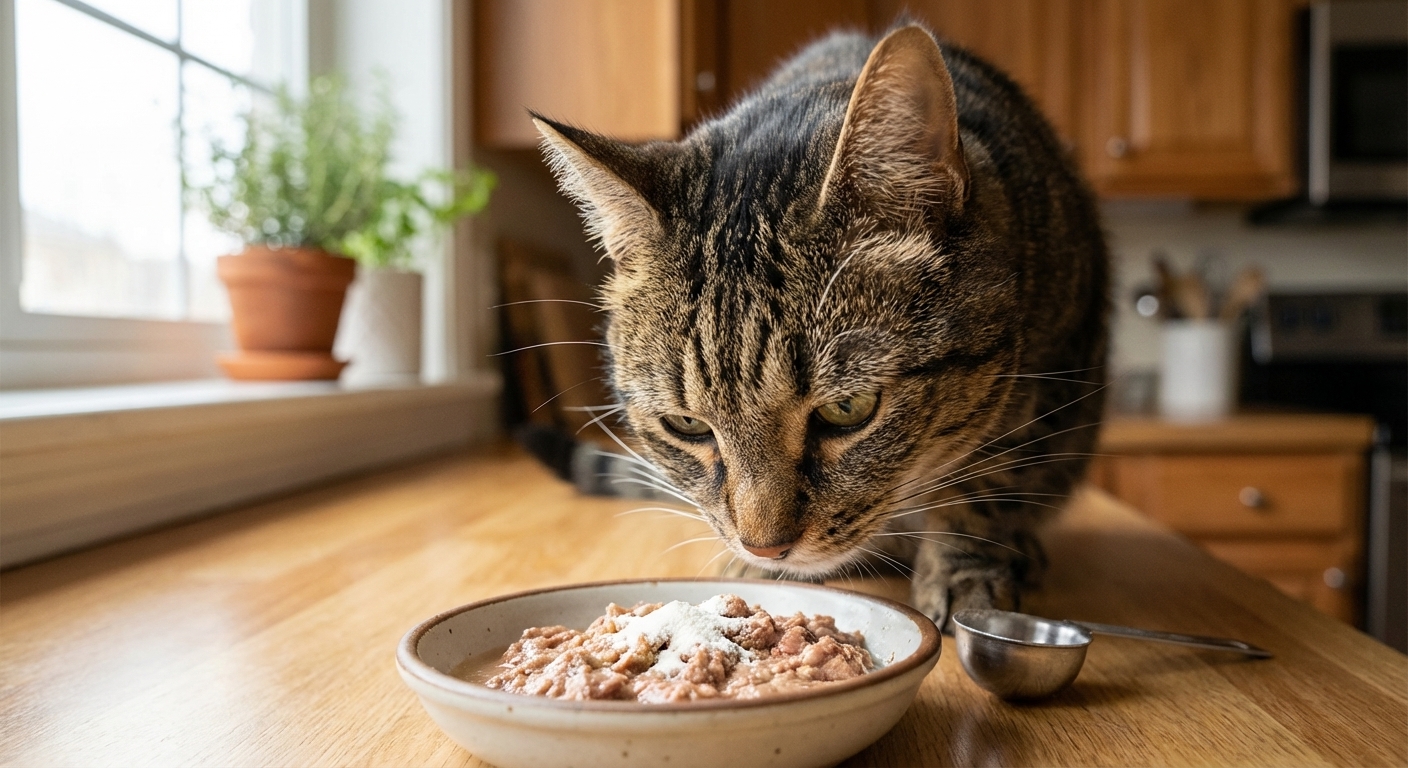
Plain canned pumpkin
Pumpkin is a gentle fiber source. Fiber can help absorb extra water and support more normal bowel movements. It does not work for every cat, and some cats do worse with added fiber.
- Use plain canned pumpkin, not pie filling.
- Typical amount is 1/2 to 1 teaspoon mixed into food for most cats, once or twice daily.
If your cat gets gassier or the diarrhea worsens, stop and call your vet.
Stress reduction
Stress diarrhea is common in cats. A move, visitors, new pets, schedule changes, construction noises, even a new litter brand can trigger GI upset.
- Keep routines consistent, especially feeding times.
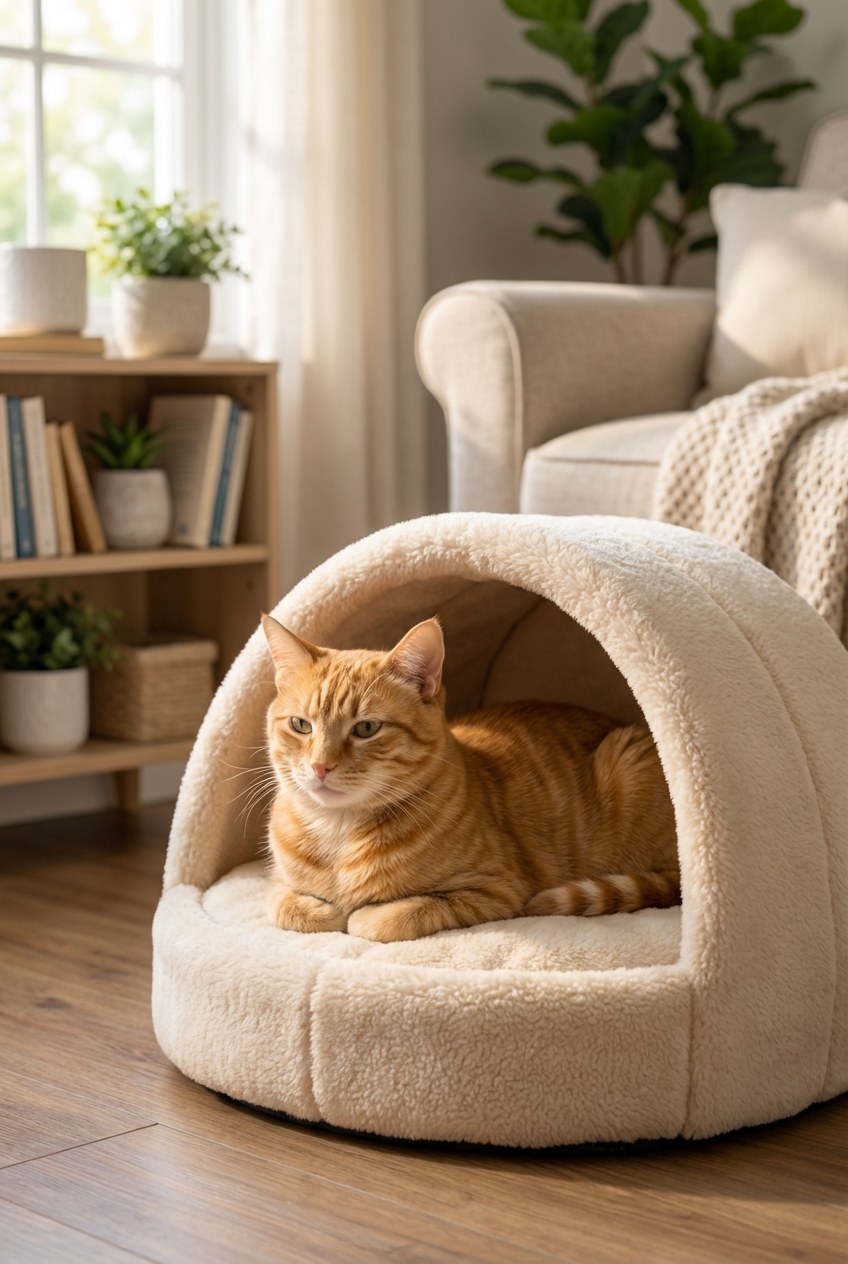
- Provide a quiet safe room with litter, water, and a hiding spot.
- Consider a feline pheromone diffuser in the main area.
Hygiene and contagion basics
Some causes of diarrhea are contagious to other pets (and occasionally people), especially parasites like Giardia or certain infections. A little extra hygiene goes a long way while you are figuring things out.
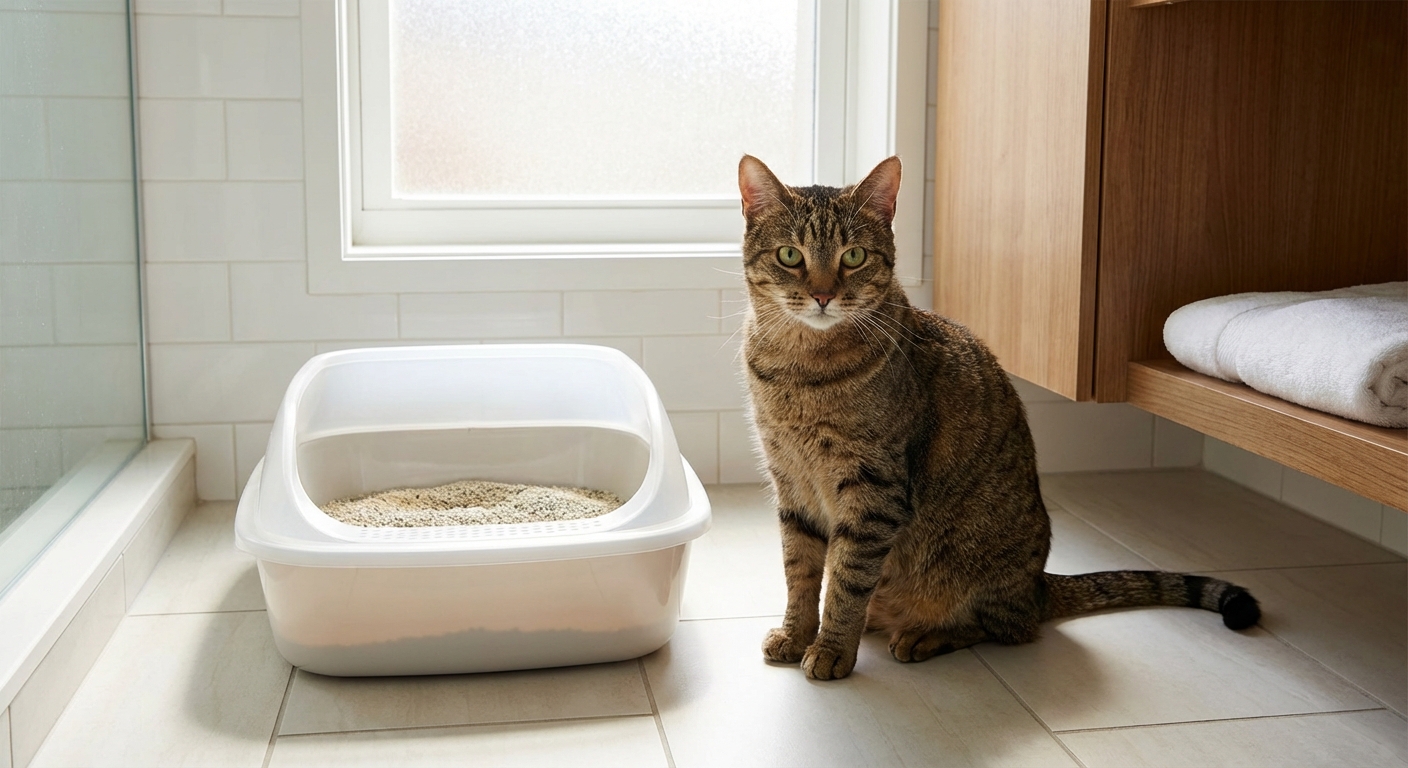
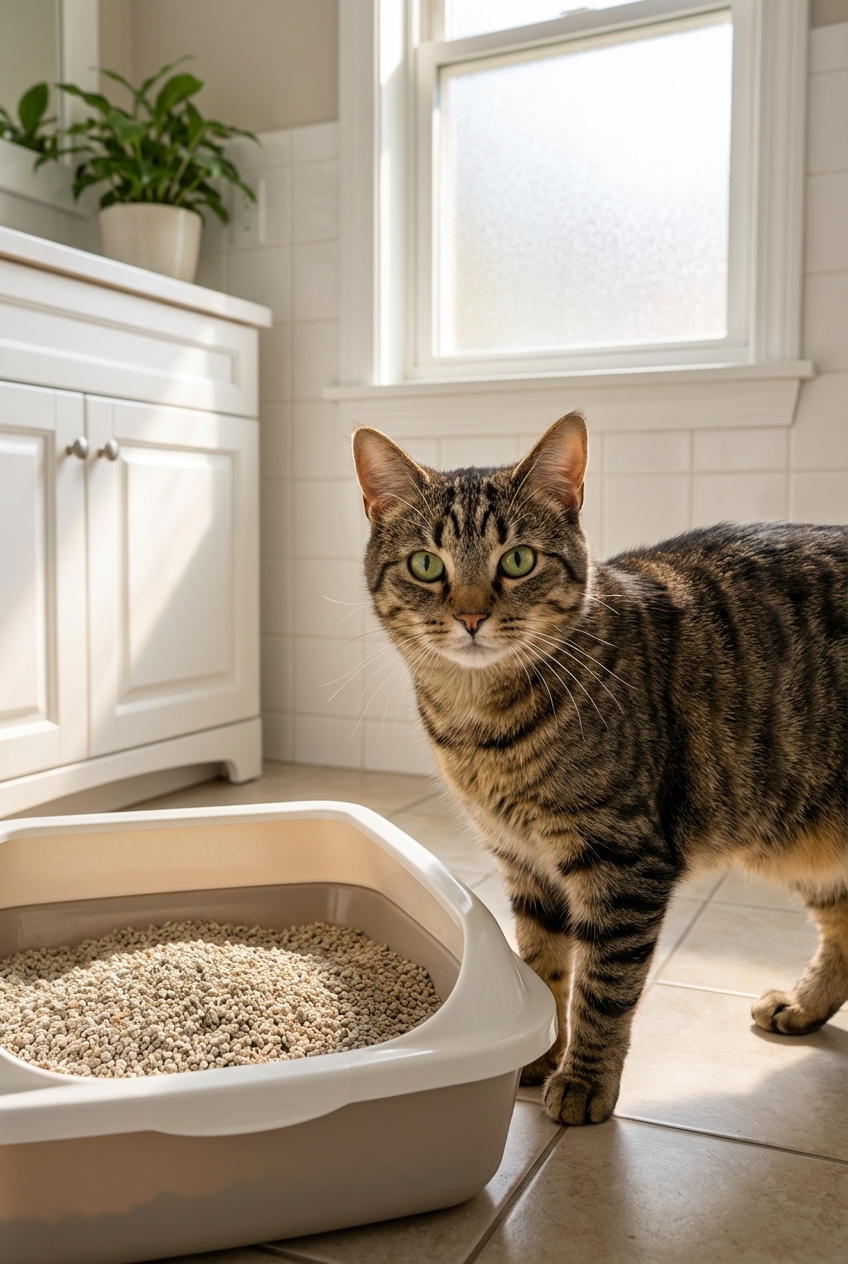
- Wash hands after scooping the litter box.
- Scoop promptly and clean the box more often than usual.
- If possible, separate litter boxes so you can track which cat has diarrhea in a multi-cat home.
- Keep kids and immunocompromised family members away from stool and litter dust.
What not to do
- Do not give human anti-diarrheal medications unless your vet specifically instructs you. Some are unsafe for cats and can cause serious complications.
- Do not fast cats for long periods. Cats are not small dogs. Prolonged fasting can contribute to hepatic lipidosis in susceptible cats.
- Avoid milk, greasy foods, and rich treats. These can worsen diarrhea.
- Do not add herbs or essential oils without veterinary direction. Many are toxic to cats, especially concentrated oils.
- Do not abruptly change foods repeatedly. Diet hopping can keep the gut irritated.
How to monitor at home
When I talk with cat parents, these are the details that help us decide if home care is reasonable or if we need diagnostics.
- Frequency: how many loose stools in 24 hours?
- Appearance: watery, pudding-like, mucus, blood, black color?
- Appetite: normal, reduced, or not eating?
- Energy: playing and social, or hiding and lethargic?
- Hydration: drinking, wet gums, normal urination, or decreased urine clumps?
- Any vomiting or weight loss?
If you can, take a photo of the stool and note the timing. It sounds gross, but it is incredibly useful.
When to see the vet
Natural support and veterinary medicine are not opposites. A quick exam and a fecal test can save your cat a lot of discomfort and can protect other pets in the home if parasites are involved.
Plan a vet visit if:
- A healthy adult cat has diarrhea that continues beyond about 48 hours
- A kitten, senior, or chronically ill cat has diarrhea lasting more than 24 hours, or sooner if appetite is reduced
- There is blood, worsening stool, or repeated vomiting
- Your cat is not eating, seems painful, or is acting unusually
- Diarrhea keeps returning (recurring episodes often need a deeper look)
Stool sample tip: if you are heading in, bring a fresh stool sample if you can. Ideally it is less than 12 hours old. Place it in a sealed bag or clean container and keep it cool (refrigerated) until your appointment. Do not freeze unless your clinic tells you to.
Your vet may recommend fecal testing, a dewormer, diet trial, probiotics, B12 support, or other targeted treatment depending on what is going on.
Bottom line
The most reliable natural remedy for mild diarrhea in cats is not a trendy supplement. It is hydration support, a short-term highly digestible diet, and a cat-appropriate probiotic, plus close monitoring. And if red flags show up, the kindest choice is prompt veterinary care.