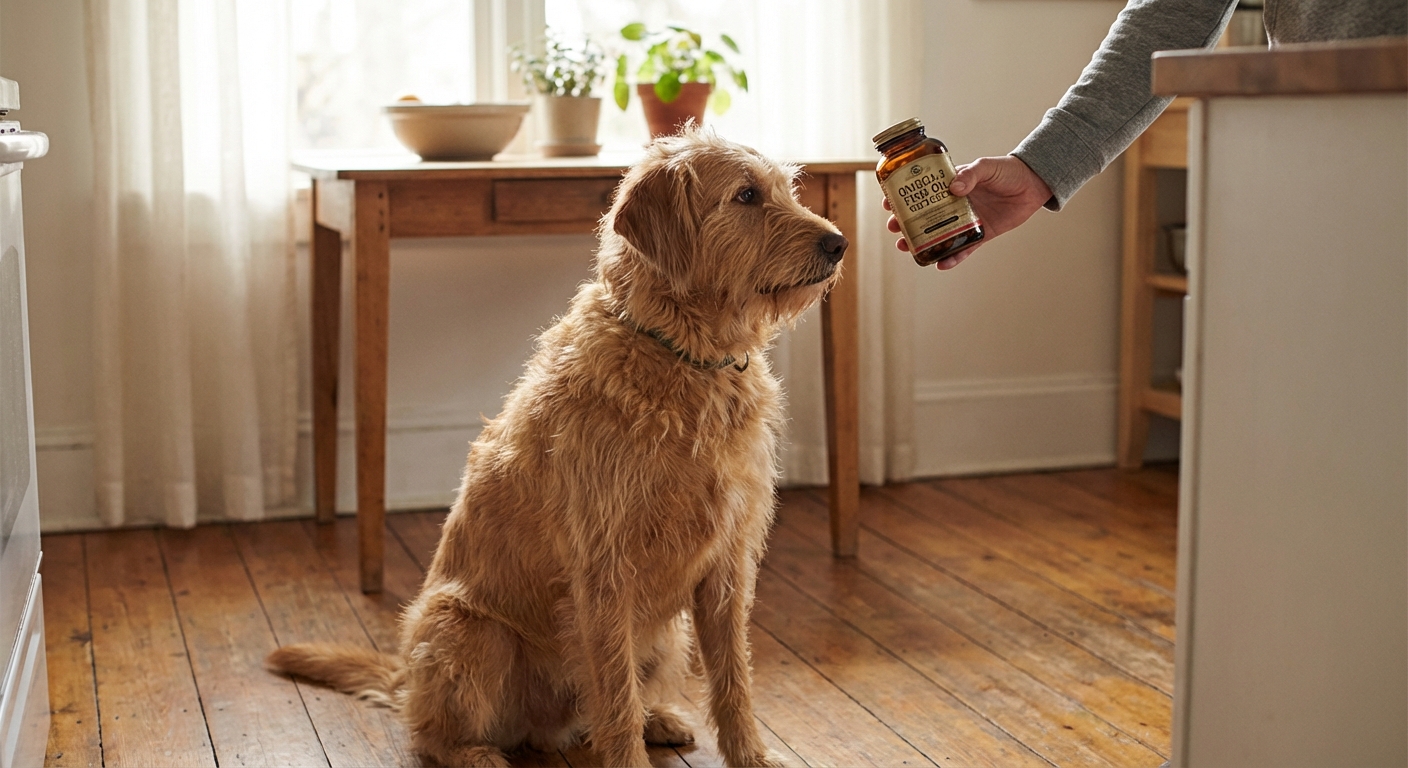
Itchy skin or a dull coat? Add fish safely with this vet-assistant guide: best low-mercury choices, cooked-only safety, calcium balancing, and two easy toppers.
Article
•
Designer Mixes
Natural Remedies for Common Dog Skin Issues

Shari Shidate
Designer Mixes contributor
Dog skin issues are incredibly common, and they can be frustrating for everyone involved. If your pup is itchy, flaky, smelly, or developing red patches, it is easy to feel overwhelmed by all the advice online. The good news is that many mild skin flare-ups can improve with simple, evidence-based home care, especially when you focus on the skin barrier, allergens, parasites, and diet.
As a veterinary assistant, I always tell pet parents this: skin problems are not one single diagnosis. “Itchy skin” can be allergies, parasites, infection, hormonal disease, or a mix. Natural remedies can be supportive, but they work best when you pair them with smart detective work and a vet visit when needed.
What dog skin problems look like
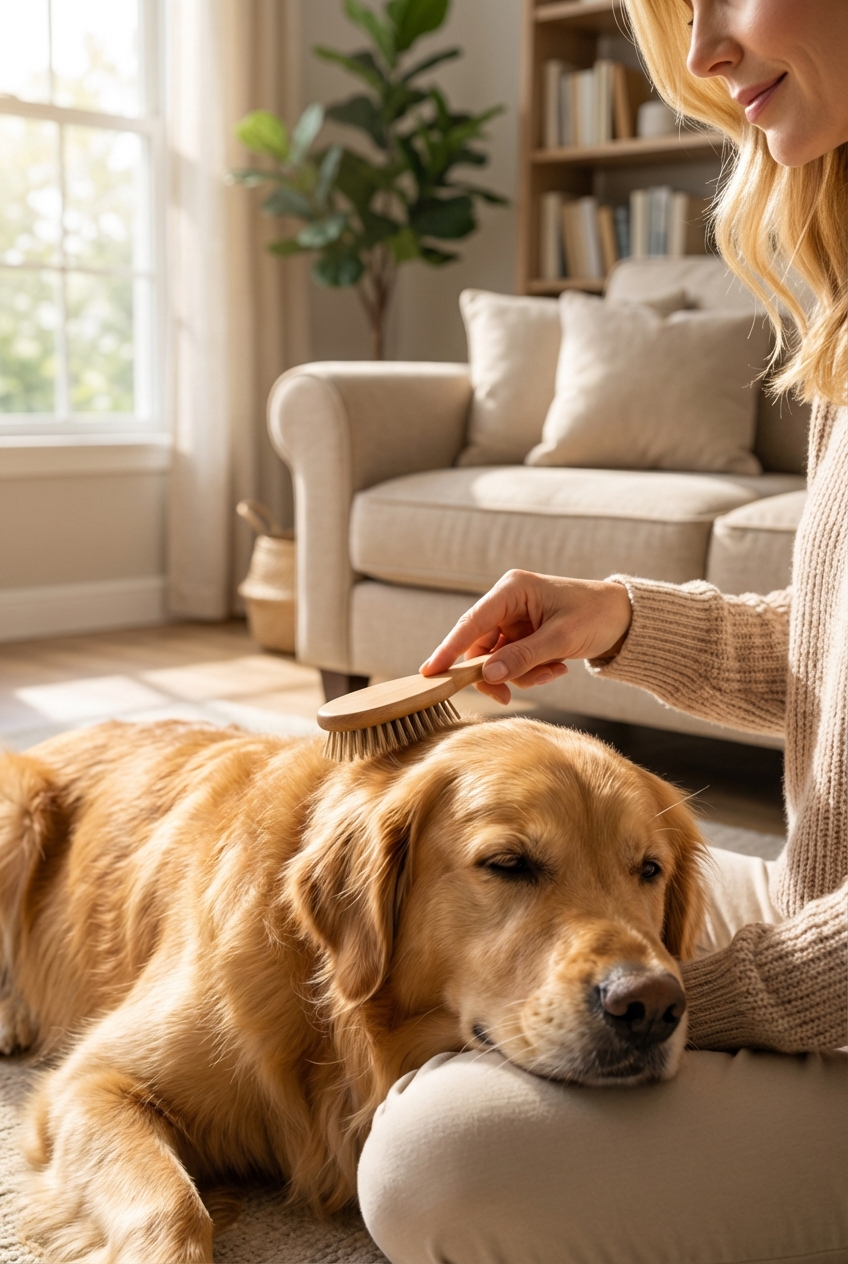
Dogs show skin discomfort in a few classic ways. Knowing what you are seeing helps you choose the safest next step.
- Itching and licking: paws, belly, groin, armpits, ears, or base of the tail
- Redness and bumps: small pimples, hives, or inflamed patches
- Flaking and dandruff: dry skin, dull coat, or greasy scaling
- Hair loss: thinning areas, bald spots, broken hairs from chewing
- Odor: a musty smell or a “corn chip” smell can be associated with yeast or bacterial overgrowth, but odor alone is not a diagnosis and can sometimes happen even without an active infection
- Oozing or crusts: hot spots, scabs, or moist lesions
If you are seeing open sores, spreading redness, significant odor with greasy skin, or your dog seems painful, skip the home remedies and call your veterinarian. Those signs often mean infection that needs prescription treatment.
Common causes of flare-ups
Allergies (environmental or food)
Allergies are one of the biggest drivers of chronic itch. Environmental allergies often look seasonal at first, while food allergies can be year-round. Many dogs also have a “stacking” effect, meaning pollen season plus fleas plus a new treat can push them over the edge.
Common pattern: paw licking, face rubbing, belly rash, and recurring ear irritation.
Fleas and other parasites
Even one flea bite can trigger intense itching in sensitive dogs. Mites, ticks, and lice can also irritate skin. You might not see fleas, especially in thick coats, so do not rule them out too quickly.
Common pattern: intense itch near the base of the tail, hind end, and along the back, plus tiny scabs or “flea dirt.”
Yeast or bacterial infection
Infections are often secondary, meaning the skin is already inflamed from allergies or licking, then yeast or bacteria takes advantage. These cases often smell stronger than usual, look shiny or greasy, and itch intensely.
Common pattern: greasy skin, redness between toes, darkened thickened patches, and a strong musty odor.
Dry skin and barrier damage
Overbathing, harsh shampoos, winter air, and inadequate essential fatty acids can contribute to a dry coat and weakened skin barrier. Once that barrier is compromised, allergens and microbes can cause bigger reactions.
Common pattern: flaking, dull coat, and mild itch without obvious sores.
Hormonal and internal conditions
Hypothyroidism, Cushing’s disease, and other internal issues can change the coat and skin. If your dog has symmetrical hair loss, recurrent infections, or a change in thirst, appetite, or energy, a vet workup is important.
Common pattern: thinning coat that is not just from chewing, recurring skin infections, and low energy or increased drinking depending on the condition.
Ringworm (fungal infection)
Ringworm can cause circular areas of hair loss and scaling, and it is contagious to people and other pets. If you suspect ringworm, wash hands after handling your dog, limit close contact, and schedule a veterinary visit promptly for diagnosis and treatment.
Natural remedies that can help
These options are supportive, gentle, and commonly recommended in veterinary settings for mild cases. Always introduce one change at a time so you can tell what is helping.
1) Gentle bathing and barrier care
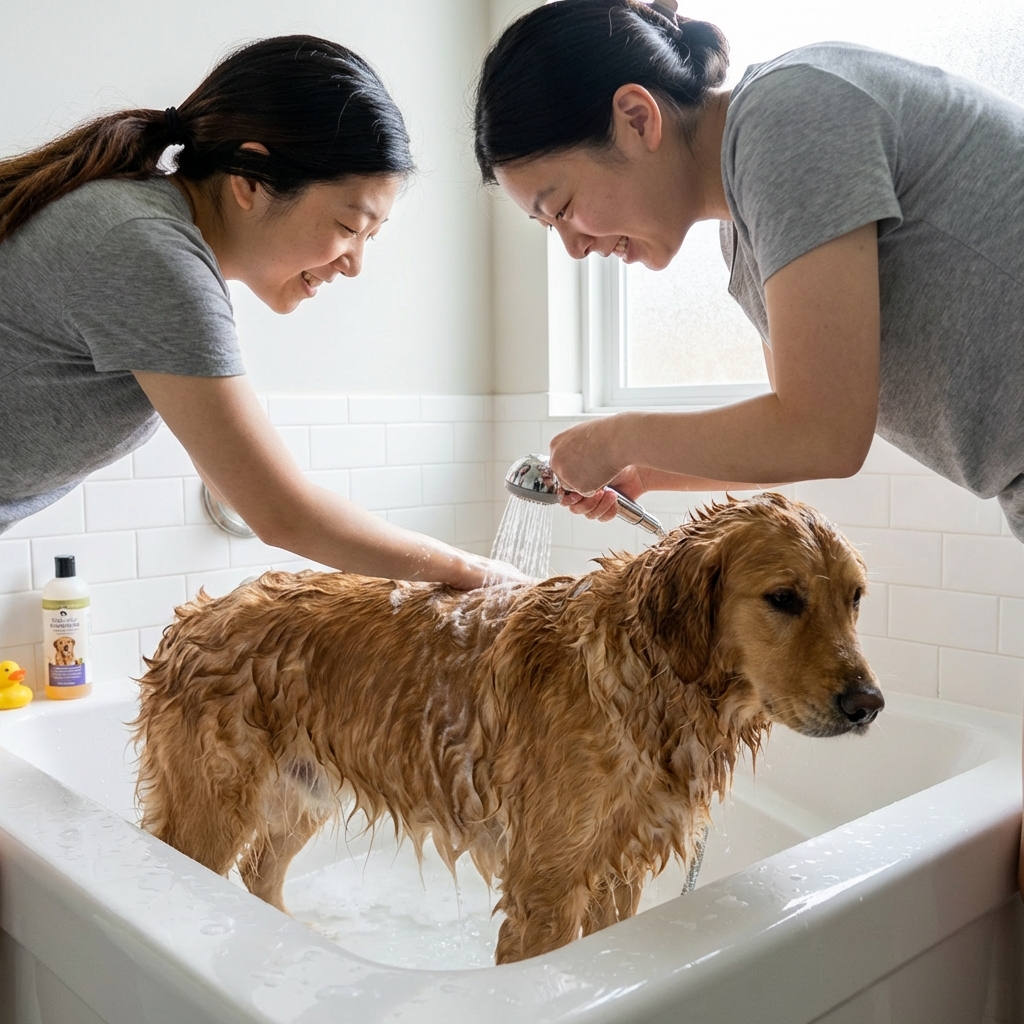
For many dogs, the biggest win is using a gentle, fragrance-free pet shampoo and bathing with a plan. If your dog has allergies, regular bathing can remove pollen and irritants, but the product and frequency matter.
- Choose an oatmeal-based or ceramide-support dog shampoo when the skin is dry or mildly itchy.
- Use lukewarm water, not hot.
- Rinse longer than you think you need to. Residue can worsen itching.
- For many allergy dogs, bathing about 1 to 2 times weekly during a flare can be helpful when you use the right product. If your dog gets drier after baths, space it out and talk with your vet.
- After bathing, consider a dog-specific moisturizing spray or conditioner if your veterinarian agrees.
Tip: If your dog is reacting to grass or pollen, wiping paws and belly with a damp cloth after walks can reduce flare-ups.
2) Colloidal oatmeal for itch
Colloidal oatmeal is well-studied for soothing itchy, inflamed skin in humans, and it is widely used in veterinary dermatology products too. It can calm irritation and support the skin barrier.
- Use a dog shampoo with colloidal oatmeal, or a veterinary-recommended oatmeal rinse.
- Let it sit on the coat for a few minutes before rinsing if your dog tolerates it.
Avoid DIY mixtures with essential oils. Dogs have much more sensitive skin and noses than we do, and concentrated oils can cause irritation or toxicity.
3) Coconut oil: use sparingly
Coconut oil is popular, but it is not perfect for every dog. Some dogs do fine with a tiny amount applied to a small dry patch, while others get greasier, itchier, or develop clogged follicles.
- Patch test first on a small area.
- Use the thinnest layer possible.
- Stop if you notice more redness, bumps, or licking.
If your dog already has oily skin, a strong odor, or a history of yeast trouble, skip heavy oils unless your veterinarian specifically recommends them. Occlusive products can make some dogs feel worse.
4) Omega-3 fatty acids
If I could pick one natural support that has a strong track record for itchy skin, it is omega-3s, especially EPA and DHA from fish oil. Studies support omega-3 supplementation for improving skin barrier function and reducing inflammatory itch in many dogs, particularly those with allergies.
- Look for a pet-specific fish oil with clear EPA and DHA amounts.
- Introduce gradually to reduce the chance of stomach upset.
- Use your veterinarian’s dosing guidance. Too much can cause diarrhea and, in some cases, affect clotting.
- Choose reputable brands and store oils properly (heat and light can oxidize oils and make them less useful).
- Check with your veterinarian if your dog is on blood-thinning medications or has a pancreatitis history.
5) Probiotics for skin and gut support
The gut-skin connection is real, but probiotic results are often strain and product specific. In some dogs with allergies, a veterinary-recommended probiotic may help support immune balance and reduce flare frequency. Think of this as an adjunct to a bigger plan, not a standalone fix.
- Choose a veterinary probiotic with a clear strain list and dosing.
- Give it consistently for several weeks before judging results.
6) Paw care for itchy feet
Paws are a common allergy hotspot. If your dog licks feet constantly, think pollen, lawn chemicals, or yeast.
- Rinse paws after walks and dry well between toes.
- Keep hair trimmed between paw pads to reduce trapped debris.
- Use a dog-safe paw balm if pads are cracked.

7) Diet support and smart trials
Skin is built from nutrients. A complete, balanced diet matters, and so does ingredient quality. If your dog is eating a highly processed diet and has chronic skin issues, talk with your veterinarian about options like:
- A limited-ingredient diet trial for suspected food allergies
- A hydrolyzed protein diet for dogs with stubborn itch
- Adding simple whole-food toppers carefully, focusing on omega-3 rich options and minimal ingredients
Important note: many over-the-counter “food allergy tests” (blood, saliva, hair) are not reliable for diagnosing food allergies in dogs. The gold standard is a properly run elimination diet trial guided by your veterinarian.
If you want to move toward homemade meals, do it thoughtfully. Homemade can be wonderful, but it must be nutritionally complete, especially for long-term feeding. Your vet or a board-certified veterinary nutritionist can help you avoid common deficiencies that show up as dull coat and skin problems.
Natural remedies to avoid
Some “natural” ideas are popular but risky. Here are the big ones I want you to be cautious with.
- Essential oils (tea tree, peppermint, eucalyptus): can irritate skin and may be toxic if licked.
- Apple cider vinegar on raw skin: may burn and worsen inflamed areas.
- Hydrogen peroxide: damages healing tissue and can delay recovery.
- Human steroid creams: risky when used without guidance, especially if licked. They can also mask infection and delay a correct diagnosis. (Veterinarians do prescribe specific pet-safe topical steroids in certain cases, so ask first.)
- Random supplement blends: “skin and coat” mixes can overlap ingredients and cause GI upset or overdosing.
When to see the vet
Home care is best for mild, early irritation. Please schedule a veterinary visit promptly if you notice:
- Hot spots that are spreading fast
- Pus, crusting, bleeding, or oozing
- Strong odor with greasy coat, or dark thickened skin
- Head shaking or ear pain (ear infections often accompany skin allergies)
- Hair loss in patches, ring-shaped lesions, or suspected mange
- Itching that disrupts sleep or daily life
- No improvement within 5 to 7 days of gentle home care
If your dog is itching nonstop, it is not “just a skin thing.” Chronic itch is a quality-of-life issue, and there are excellent treatments that can bring relief while you also support skin health naturally.
A simple plan to start today
- Confirm flea prevention is consistent and current, even for indoor dogs.
- Reduce exposure by wiping paws and belly after outdoor time.
- Use a gentle dog shampoo and rinse extremely well. During flares, many dogs do well with about 1 to 2 baths weekly, then less often once stable.
- Add omega-3s with your veterinarian’s dosing guidance.
- Track patterns: diet changes, new treats, seasonal spikes, new detergents, grooming products.
- Get help early if you see infection signs or circular hair loss that could be ringworm.
Skin issues can take time, but you can absolutely make progress by working from the outside in (skin barrier care) and the inside out (nutrition and inflammation support).