
Stop mice at the source with an entry-point plan: inspect doors, garages, vents, and utility lines, seal gaps with chew-resistant materials, and trap safely�...
Article
•
Designer Mixes
Natural Mouse Repellents That Work

Shari Shidate
Designer Mixes contributor
Mice are tiny, determined, and incredibly good at slipping into our homes through openings as small as about 1/4 inch (6 to 7 mm). If you have ever found droppings in a pantry, heard scratching in a wall, or noticed shredded paper in a cabinet, you know how unsettling it feels.
What research and pest-control best practices show is this: most “natural repellents” do not solve a mouse problem by themselves. The natural methods that work best are the ones that (1) remove food and nesting resources, (2) block entry points, and (3) use proven control tools like traps. Natural scents may provide short-term deterrence in specific, confined spots, but results vary and they are not a full solution.
Confirm it is mice
Before you spend money or start sprinkling herbs everywhere, make sure it is mice and not something else. Misidentifying the pest can lead to the wrong plan.
- Droppings: Mouse droppings are small, dark, and shaped like a grain of rice, typically about 1/8 to 1/4 inch long. Rat droppings are larger, and roach droppings look more like pepper or coffee grounds.
- Gnaw marks: Mice chew to keep their teeth trimmed. Look for fresh tooth marks on cardboard, plastic bags, or baseboards.
- Tracks: In dusty areas, you may see tiny footprints and tail drag marks.
- Smell: A light musky odor can build up in enclosed spaces.
If you see droppings, use gloves and disinfectant when cleaning. Avoid sweeping or vacuuming dry droppings, which can aerosolize particles. Instead, lightly mist with disinfectant and wipe up with paper towels. This “wet-clean” approach is recommended to reduce the risk of exposure to germs that rodents can carry, including hantavirus (risk varies by region, but the cleaning method is a smart default).
What works best: the natural big three
1) Exclusion
If mice can get in, they will keep coming. Exclusion is the most reliable, long-term, chemical-free control method.
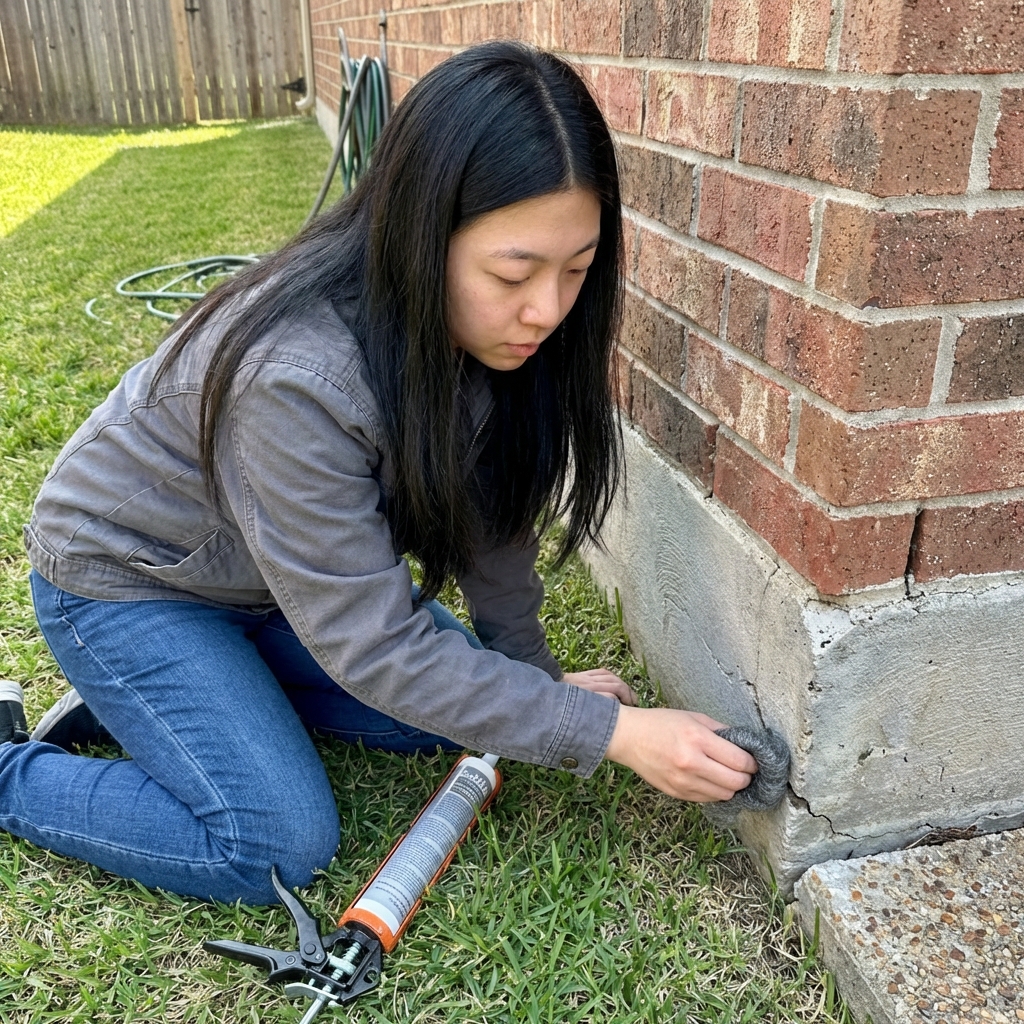
- Seal gaps about 1/4 inch and larger: Mice can squeeze through extremely small openings.
- Use chew-resistant materials: Steel wool (stuffed tightly) plus caulk, or hardware cloth for larger holes, works far better than foam alone.
- Check common entry areas: Where pipes enter walls, under sinks, around the garage door, soffit gaps, dryer vents, and weep holes around foundations.
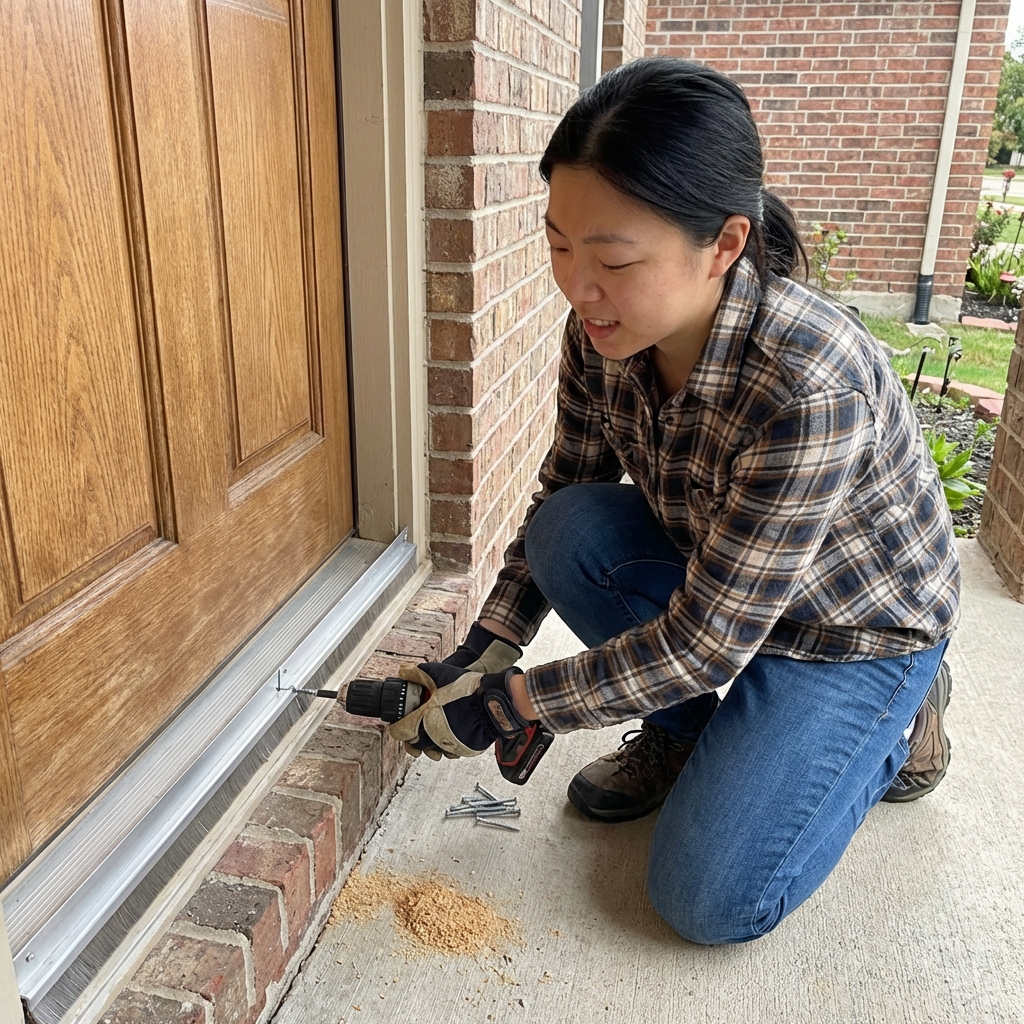
- Door sweeps: Install a tight sweep on exterior doors. Garage side doors are a common weak spot.
2) Sanitation
Repellents do not compete well with a pantry full of snacks. Mice are motivated by calories and a safe place to hide.
- Store food in hard containers: Use glass or thick plastic bins with tight lids for cereal, flour, pet food, bird seed, and treats.
- Reduce crumbs and grease: Clean under the toaster, stove, and around pet bowls.
- Secure trash: Use a lidded can and take it out regularly.
- Eliminate nesting materials: Declutter paper bags, cardboard, and fabric piles, especially in garages and utility rooms.
- Fix moisture: Leaky pipes and dripping outdoor faucets can support rodents.
3) Trapping
To get relief quickly, you need removal. Trapping is pesticide-free and effective when done correctly.
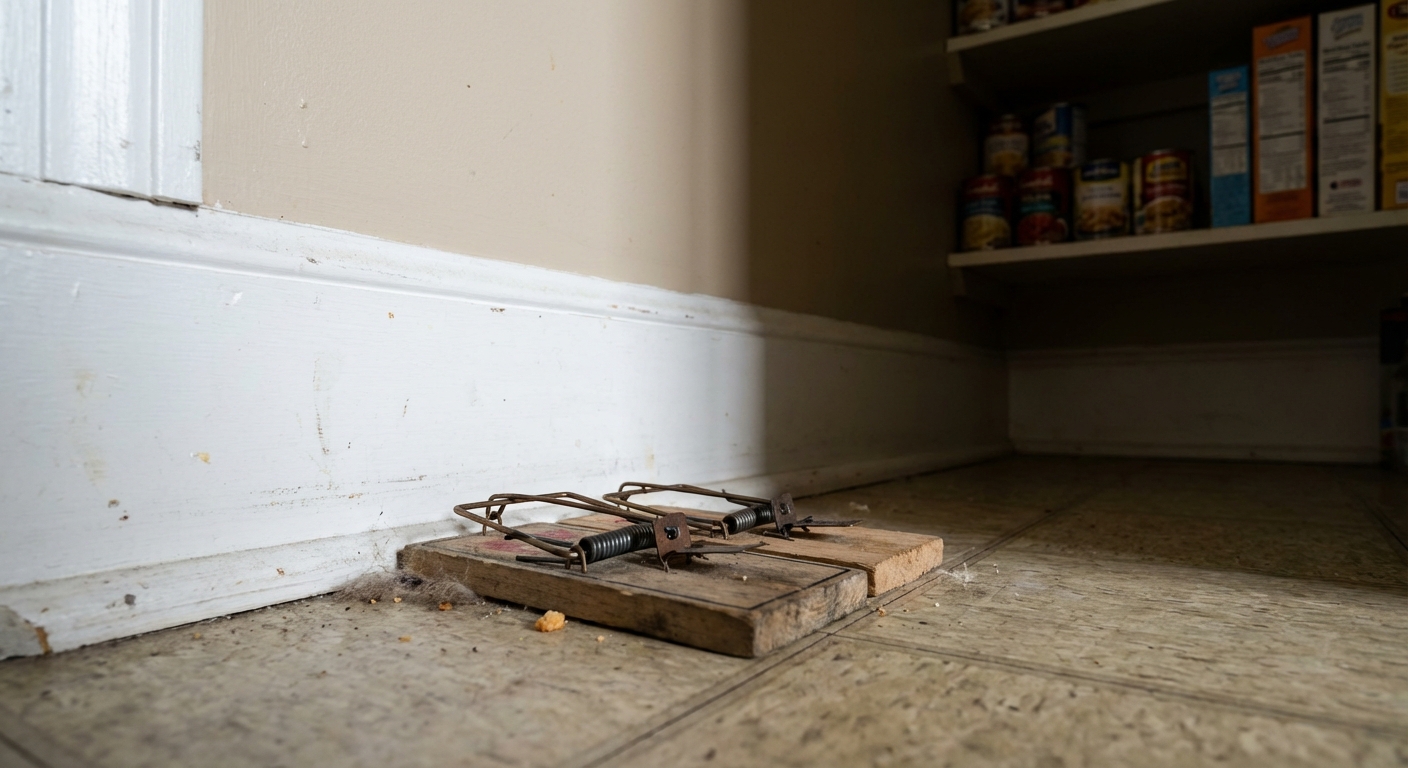
- Snap traps: Quick-kill and effective when placed properly. Choose a quality trap with a sensitive trigger.
- Electric traps: Effective and enclosed, which some households prefer.
- Live traps: Can work, but they require frequent checks and careful release practices. In many areas, releasing rodents is restricted or discouraged. Check local wildlife and pest rules before you try this.
Placement matters: Put traps along walls where mice travel. Place traps perpendicular to the wall with the trigger side closest to the wall. Use multiple traps, because mice are not usually a one-and-done situation.
How many traps: In active areas, set several at once rather than just one or two. If you have no activity after 2 to 3 nights, change placement or try a different bait.
Bait ideas that often outperform cheese: Peanut butter (pea-sized), oatmeal, chocolate, or a small piece of nut.
After a catch: Wear gloves. Place the mouse and trap into a plastic bag, seal it, then place that bag into a second bag and seal again. Dispose in an outdoor trash bin. Disinfect the area and wash hands thoroughly.
Natural scent repellents
Scent-based repellents can be a helpful add-on after you have started exclusion and trapping. Think of them as “traffic discouragers,” not a complete solution.
Peppermint oil
Peppermint oil may provide short-term deterrence in small, enclosed areas, but results vary. The biggest issue is that it fades quickly and does not stop an established infestation.
- How to use: Add several drops of peppermint essential oil to cotton balls and place them in areas you want to discourage, such as under a sink or near a known gap after sealing.
- Refresh often: Every few days at first, then weekly.
- Pet safety: Essential oils can irritate cats and dogs, especially in concentrated form or diffusers. Keep cotton balls out of reach and avoid using oils in a way that could be inhaled heavily by pets.
Clove or cinnamon oils
These can also be strong-smelling deterrents, but they are not a stand-alone fix. Use with the same caution as peppermint oil around pets.
Vinegar, ammonia, mothballs, ultrasonics
- Vinegar: Useful for cleaning and odor removal, but not proven to prevent mice on its own.
- Ammonia: Irritating to people and pets, and not a safe household “repellent strategy.”
- Mothballs: Not recommended. They are pesticides and can be toxic, especially to children and pets.
- Ultrasonic plug-ins: Mixed results at best and typically unreliable for real infestations.
Outdoor pressure control
Most mouse problems start outside. A few property changes can reduce the pressure on your home.
- Trim vegetation: Keep shrubs and tall grass away from the foundation.
- Move woodpiles: Store firewood at least 20 feet from the house and off the ground.
- Clean up fallen fruit: Fruit trees can feed rodents.
- Bird feeders: Spilled seed attracts mice. Use catch trays, clean regularly, and consider placing feeders away from the home.
- Seal garage food sources: Bird seed, grass seed, and pet food should be in sealed bins.

A simple 7-day plan
If you want a clear starting point, here is a practical plan that many households can follow.
Day 1: Identify and clean
- Look for droppings, gnaw marks, and rub marks along walls.
- Wet-clean droppings with disinfectant and paper towels while wearing gloves.
- Remove accessible food sources and put everything into sealed containers.
Day 2 to 3: Seal and block
- Seal gaps with steel wool plus caulk, or hardware cloth for bigger holes.
- Add door sweeps where light shows under doors.
- Repair screens on vents and check weather stripping.
Day 3 to 7: Trap strategically
- Set multiple traps along walls in problem areas. Place perpendicular to the wall with the trigger toward the wall.
- Check daily and reset as needed.
- If there are no catches after 2 to 3 days but you still see signs, adjust placement and try a different bait.
- Continue reducing clutter and nesting materials.
Add-on: Use scent deterrents
Once you have sealed openings, place peppermint oil cotton balls near the previous entry points or in enclosed hot spots. Refresh frequently, and keep them away from pets and children.
Homes with pets
As a veterinary assistant, I always encourage families to think through safety first. Rodent control can affect pets in a few ways.
- Essential oils: Use cautiously. Cats are especially sensitive to many essential oils. Avoid diffusing oils in shared air spaces.
- Trap placement: Place traps inside tamper-resistant boxes or behind appliances where pets cannot access them.
- Rodenticide risk: Even if you do not use poisons, pets can be exposed by eating a poisoned rodent from outdoors. If you suspect exposure, call your veterinarian or a pet poison hotline immediately.
When to call a pro
If you are seeing mice in daylight, finding droppings daily, or hearing activity in walls consistently, it is wise to bring in a licensed pest professional. Ask for an Integrated Pest Management (IPM) approach, which prioritizes exclusion, sanitation, and targeted control rather than routine indoor poison use.
Natural mouse control is not about one magic smell. It is about making your home boring to mice: no easy entry, no easy food, and no safe place to nest.