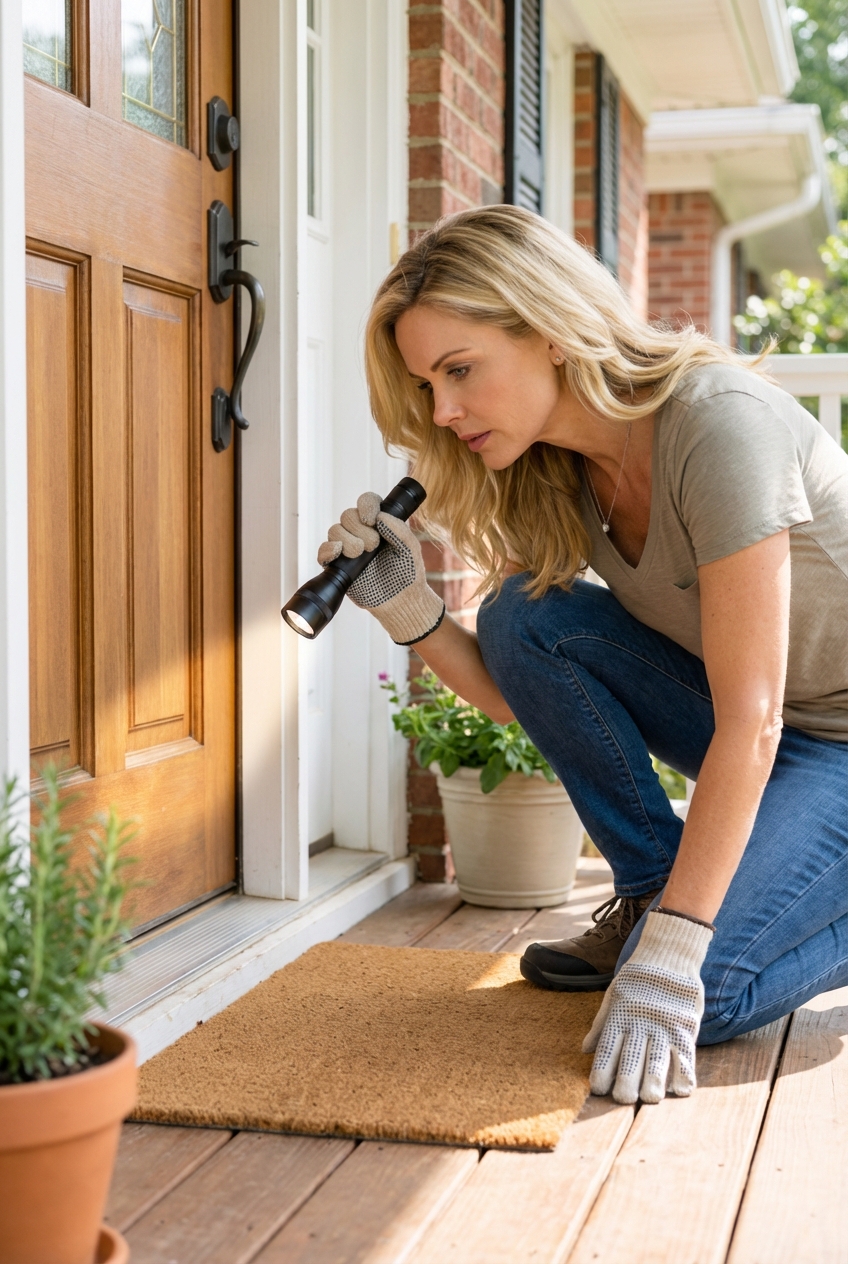
Stop mice fast with a room-by-room plan: find signs, seal 1/4-inch gaps, secure pantry foods, place snap traps correctly, and clean droppings safely—plus p...
Article
•
Designer Mixes
Natural Mouse Deterrents Safe for Pets

Shari Shidate
Designer Mixes contributor
If you share your home with pets, you already know the tricky part about mice is not just getting them out, it is doing it safely. Many common mouse control products can harm dogs and cats, even in small amounts. The good news is that you can make your home much less inviting to mice using humane, evidence-based steps that protect your pets at the same time.
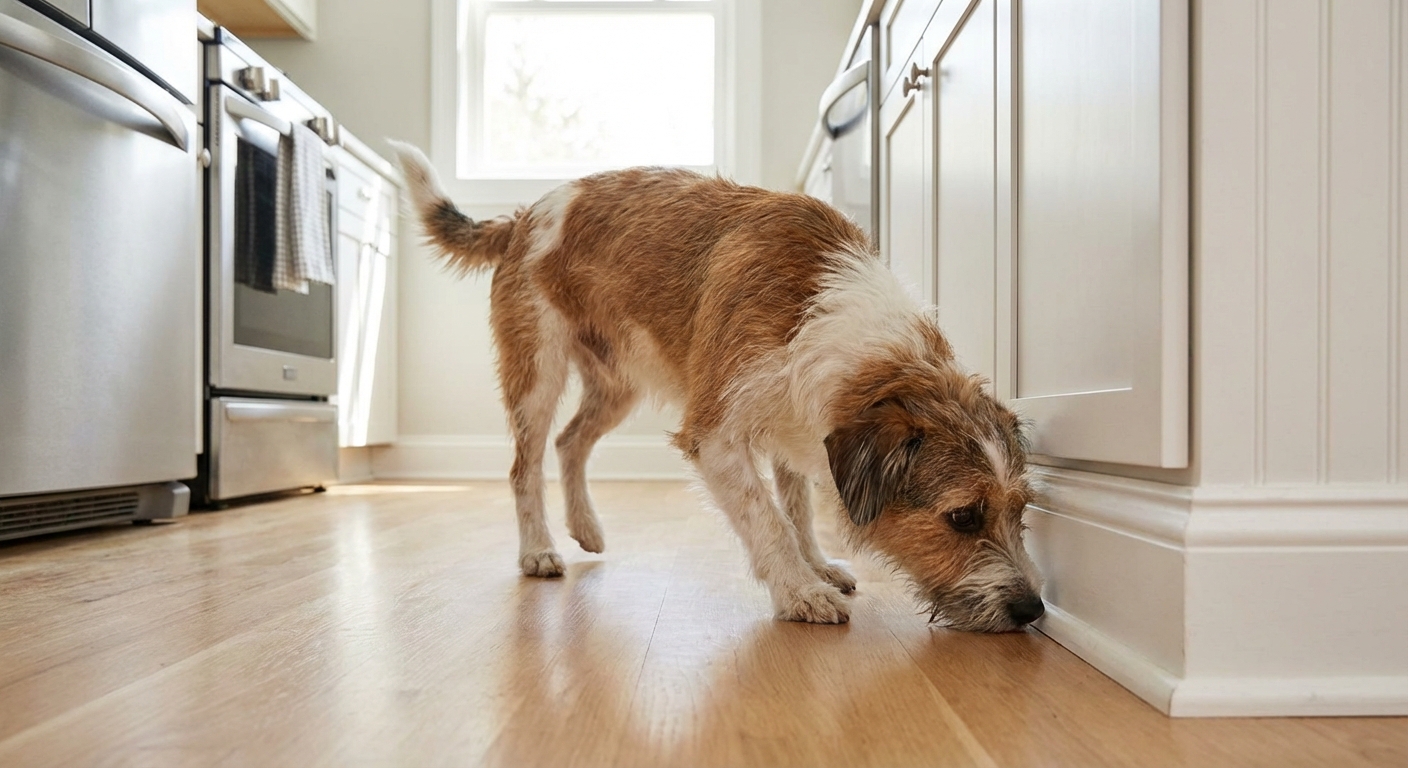
First, think like a mouse
Mice enter homes for three things: food, water, and shelter. If you remove those, your deterrents work better and you often need fewer products overall.
- They fit through tiny gaps. An opening as small as about 1/4 inch (6 mm) can be enough.
- They follow edges. They travel along walls, behind appliances, and inside cabinets.
- They love predictable food sources. Pet bowls, treat bins, bird seed, and crumbs are prime targets.
Deterrents help, but true prevention starts with making your home “boring” for mice.
Pet-safe prevention that actually works
1) Seal entry points (best ROI)
This is one of the most effective, long-term, pet-safe mouse control steps you can take.
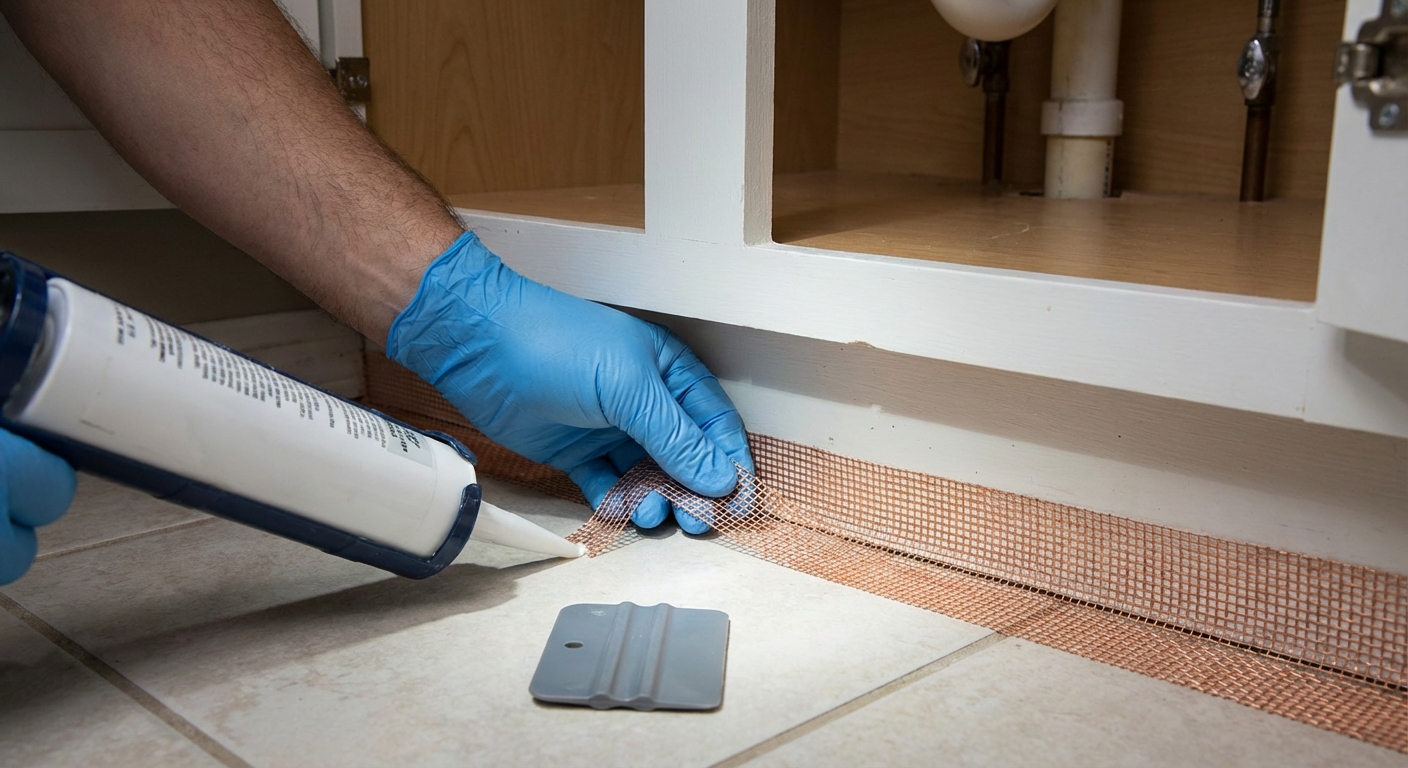
- Use steel wool or copper mesh to pack gaps, then seal with caulk or pest-rated expanding foam. (Foam alone can be chewed through, so back it with mesh.)
- Install door sweeps and repair torn weather stripping.
- Cover larger openings with hardware cloth (metal mesh), especially around attic and crawlspace vents.
2) Remove food temptations, including pet food
From a mouse’s perspective, a free buffet is a reason to move in.
- Store kibble, treats, and bird seed in hard plastic or metal containers with tight lids.
- Feed pets on a schedule, then pick up bowls, especially overnight.
- Vacuum under appliances and wipe up grease and crumbs along baseboards.
- Secure trash with a tight-fitting lid and rinse recyclables.
3) Reduce nesting spots
- Declutter garages, closets, and under-sink storage.
- Keep cardboard to a minimum. Mice love it for nesting.
- Trim vegetation away from the foundation and keep wood piles away from the house.
Natural scents and deterrents
Many “natural” mouse deterrents rely on strong odors. Some can be genuinely risky for pets, especially cats (who are more sensitive to many essential oils). Here is a practical way to think about it.
Use caution with essential oils
Peppermint oil is one of the most popular online suggestions for mice. It may act as a short-term irritant in some settings, but essential oils can be harmful to pets through licking, skin contact, and inhalation. Risk depends on the oil type, concentration, and exposure route. Peppermint specifically can cause gastrointestinal upset and airway irritation in some animals, and cats are particularly vulnerable because of how they metabolize certain compounds.
If you choose to use any essential oil:
- Do not apply it on floors, baseboards, pet bedding, toys, or anywhere your pet can lick.
- Avoid diffusers in homes with pets, especially in small spaces or poorly ventilated rooms.
- Keep products locked away and clean spills immediately.
Lower-risk options that focus on behavior
- Bright light and reduced cover: In pantries, garages, and sheds, mice prefer dim, hidden routes. Tidying and adding lighting can reduce activity.
- Ultrasonic devices: Evidence is mixed. Some pets, especially small mammals, may be more sensitive to high-frequency sound. Dogs and cats vary. If you try one, monitor your pet’s stress and appetite and discontinue if they seem anxious.
- Cleanliness and exclusion: Not glamorous, but the most consistent and pet-safe deterrent strategy.
Skip these “natural” ideas
- Mothballs: Toxic to pets and people and not appropriate for pest control inside living spaces.
- Cayenne or hot pepper powders: Can irritate your pet’s eyes, nose, skin, and airway. It also spreads easily.
- Glue traps: Not pet-safe and not humane. Pets can get stuck and injured.
Traps: safest pet-friendly approach
If you are seeing droppings or hearing scratching, you may need traps in addition to prevention. The goal is to control mice without exposing your pets to poison or injury.
Choose enclosed snap traps or covered stations
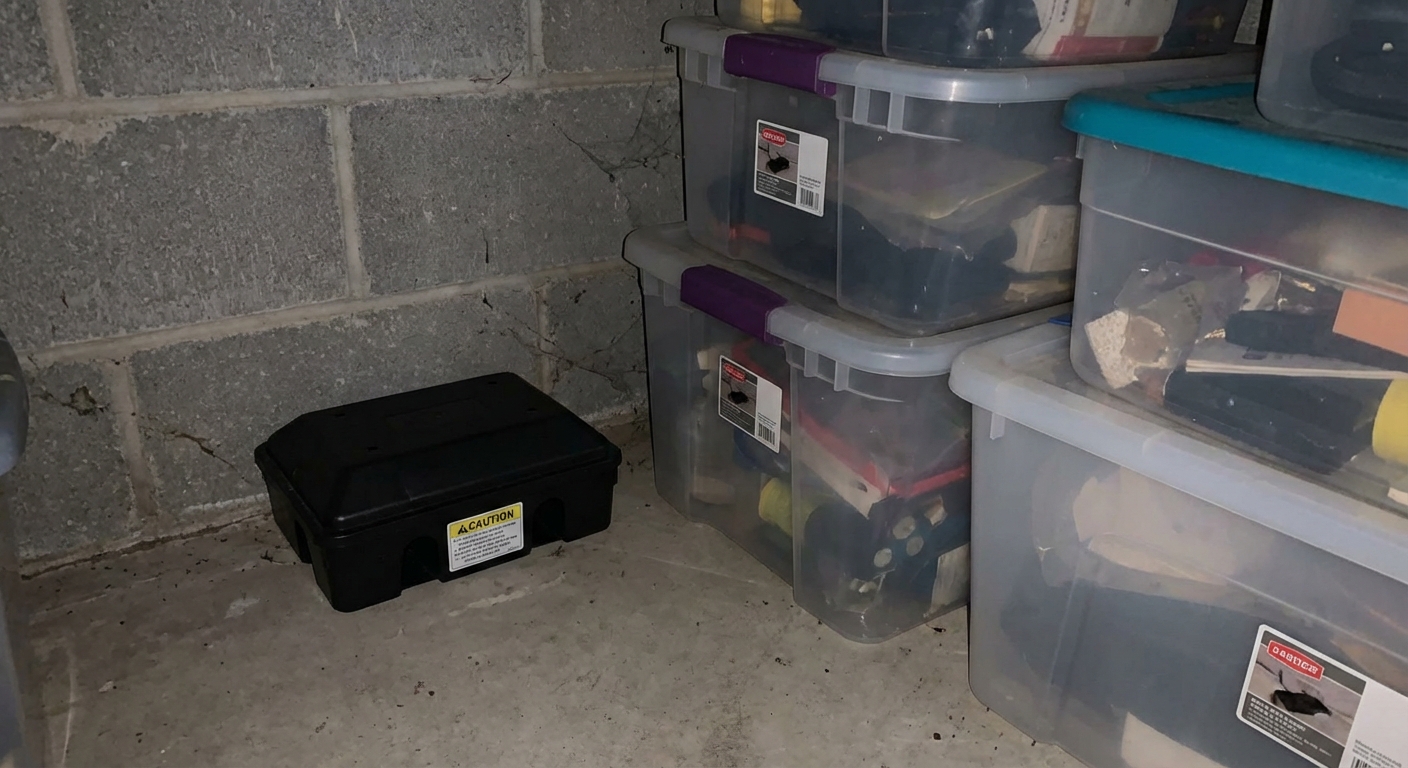
Traditional snap traps can work well, but they must be placed where pets cannot reach. For pet households, I prefer enclosed snap traps or snap traps used inside a tamper-resistant trap station. This reduces the risk of a curious nose or paw getting hurt.
- Place traps along walls where you see signs of activity, not in the middle of a room.
- Keep traps behind appliances, inside secured cabinets, or in areas blocked by a pet gate.
- Use enough traps. As a simple rule, start with several in the problem area, then add more if you keep seeing fresh signs.
- Bait smart. A pea-sized dab of peanut butter is a classic. You can also use oats or a tiny bit of chocolate, and tie dental floss to the trigger for a “grab-and-go” bait they cannot easily steal.
- Check daily so you can remove any mouse quickly and sanitize safely.
Humane live traps
Live traps can be an option, but they require commitment. A trapped mouse can suffer quickly from stress, dehydration, or temperature extremes.
- Check live traps at least once or twice daily.
- Follow local guidance on relocation. In some areas, releasing wildlife is regulated. Also, relocation can spread disease and often leads to high mortality.
- Wear gloves when handling traps and clean with appropriate disinfectant.
Avoid rodenticides in pet homes
Rodent poisons are a frequent reason for animal poison-control calls and urgent veterinary visits. Pets can be harmed by eating bait directly or by consuming a poisoned rodent. If a professional recommends rodenticide, ask about non-toxic alternatives first. If it must be used, ensure it is in locked, tamper-resistant stations placed where pets have absolutely no access, and stay vigilant about secondary poisoning risk.
Safe placement for traps and products
In my experience working in veterinary settings, most accidents happen because a product was left “just for tonight” within reach. A good rule is: if your pet can sniff it, lick it, or bat it around, it is not secured enough.
- Under-sink cabinets: Add child locks, then place traps at the back where pipes enter the wall.
- Behind the stove and fridge: Prime mouse highways. Keep cords tucked and clean crumbs regularly.
- Garage edges and storage walls: Use sealed bins, reduce clutter, and place traps along the perimeter.
Safe cleanup for droppings
Mouse droppings and urine can carry germs (for example, hantavirus in some regions and leptospirosis). If you find signs of mice, clean up in a way that limits dust and protects you and your pets.
- Keep kids and pets out of the area.
- Wear gloves. Consider a mask if the area is dusty or poorly ventilated.
- Do not sweep or vacuum dry droppings. Instead, ventilate the space, then spray droppings and nearby surfaces with disinfectant (or a bleach solution made according to the label) and let it sit for the recommended contact time.
- Wipe up with paper towels, bag the waste, and wash hands well.
- Wash pet bowls and nearby surfaces thoroughly if they were in the same area.
Pet safety notes
Watch for these signs of possible rodent poison exposure
If you suspect your pet got into rodent bait or ate a rodent and you are not sure what the rodent consumed, treat it as urgent.
- Unusual bruising or bleeding (including nosebleeds or bleeding gums)
- Weakness, collapse, pale gums
- Vomiting, diarrhea, abdominal pain
- Tremors or seizures
What to do right now
- Call your veterinarian or a 24-hour emergency clinic.
- If you can, bring the product packaging or a photo of it.
- Do not induce vomiting unless a professional tells you to.
When to call a pro
DIY steps go a long way, but some situations need professional help. A licensed pest professional can focus on exclusion-first control that is safer for pets.
- You see mice in daylight.
- You find droppings in multiple rooms or fresh droppings keep appearing.
- You hear activity in walls, ceilings, or other inaccessible voids.
- You have repeated activity even after sealing and trapping for 1 to 2 weeks.
A simple plan you can start today
If you want a starting point that does not require a big shopping list, here is a straightforward plan:
- Tonight: Put pet food away in a sealed container. Pick up bowls overnight. Wipe counters and sweep floors.
- This weekend: Do a 30-minute “gap check” around doors, under sinks, and where pipes enter walls. Seal what you find.
- If you have active signs: Add enclosed snap traps in secured locations along walls, check daily, and keep pets away.
- Keep it going: Reduce clutter, store food properly, and re-check entry points each season.
In most homes, the safest mouse deterrent is not a scent. It is a combination of sealing entry points and removing easy meals, especially pet food left out overnight.