Learn safe, vet-backed steps for mild dog constipation—hydration, pumpkin dosing, gentle diet changes, and walks—plus the red flags that mean you need a ...
Article
•
Designer Mixes
Natural Laxatives for Dogs: Safe Options and Dosages

Shari Shidate
Designer Mixes contributor
When your dog is constipated, it is stressful for both of you. As a veterinary assistant, I can tell you that mild constipation is common and often improves with simple, safe at-home steps. The key is to choose gentle options, use the right dose for your dog’s size, and know the red flags that mean it is time for a vet visit.
Important: If your dog might have swallowed a toy, bone, corn cob, sock, or anything that could block the intestines, skip home remedies and call your vet or an emergency clinic right away.
Is it really constipation?
Constipation usually looks like: straining to poop, passing small hard stools, going less often than normal, or producing only tiny dry pieces. Some dogs may seem uncomfortable, pace, or squat repeatedly without much output.
What I consider “mild” constipation: your dog is still bright and alert, eating and drinking, not vomiting, and either passing some stool (even if small and hard) or has only been “off schedule” for a short time.
It is easy to confuse constipation with other problems. Contact a vet promptly if you see:
- Diarrhea plus straining (can happen with colitis or an obstruction)
- Frequent squatting with little urine (a urinary blockage is less common than in cats, but it can still happen in dogs and it is an emergency, especially in males)
- Bright red blood or black tarry stool
- Vomiting, lethargy, swollen belly, or severe pain
If your dog is otherwise bright, eating, and only mildly constipated, these natural options are often reasonable to try for 12 to 24 hours.
Common causes
Constipation often involves inadequate hydration, but there are many possible causes. A few common ones I see include:
- Not enough water intake or dry food only
- Diet changes, very low fiber diets, or too many treats
- Bone chewing or swallowing indigestible items
- Pain or mobility issues (arthritis, back pain) that make squatting uncomfortable
- Medications (some pain meds, especially opioids, can slow gut movement)
- Prostate enlargement in intact males
- Neurologic issues affecting the colon
- Excess hair ingestion or poor hygiene in long-haired dogs
This is why I keep the home plan short. If your dog is not improving quickly, it is time for your vet to help you figure out the real cause.
When home care is not enough
Please do not wait it out at home if any of the following apply:
- Puppy, senior dog, or a dog with kidney disease, diabetes, Cushing’s disease, heart disease, or neurologic issues
- No stool for 48 hours, or repeated straining with no poop produced
- Vomiting, refusing food, marked lethargy, or abdominal bloating
- Known ingestion of bones, chew sticks, toys, cat litter, fabric, or corn cobs
- History of megacolon, pelvic injury, or chronic constipation
Vet constipation treatment can include safe prescription laxatives, enemas (never do human enemas at home unless your vet specifically directs you), fluids, pain control, and diagnostics to rule out obstruction.
Pumpkin puree: a go-to option
Plain canned pumpkin (100% pumpkin, not pumpkin pie filling) is one of my favorite first choices because it is a food-based source of a mix of soluble and insoluble fiber, plus moisture support. It can help soften stools in many dogs.
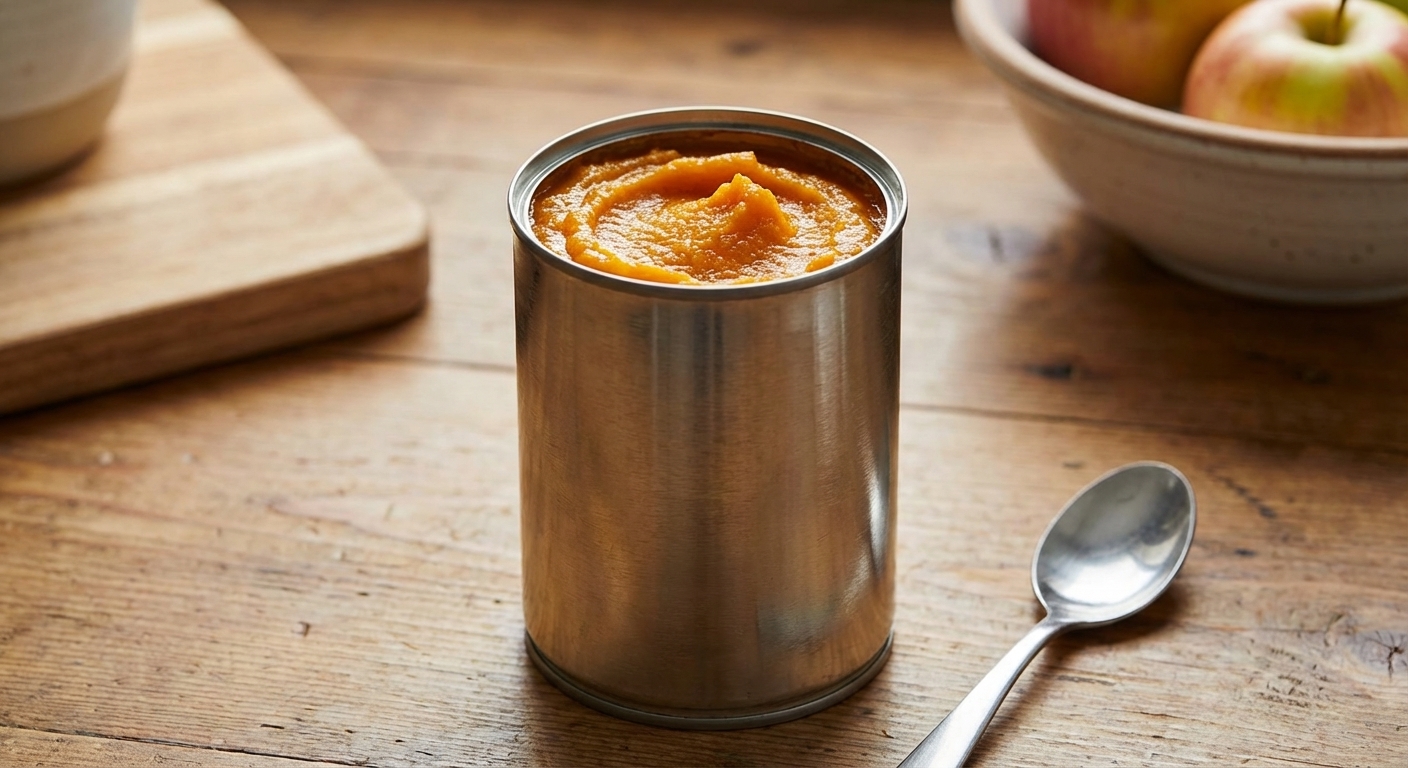
Pumpkin dosage by weight (lbs)
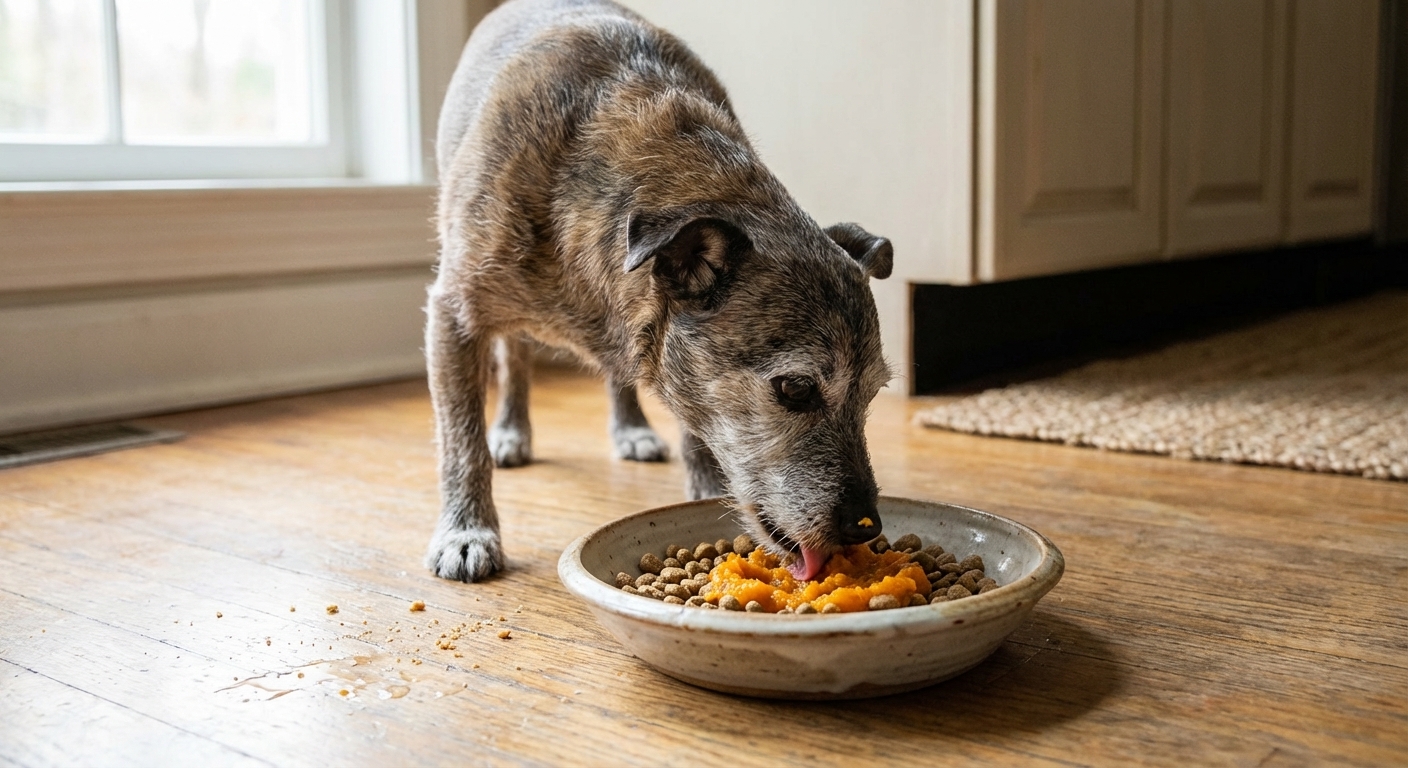
Start low and increase slowly. Mix into a meal. If your dog gets loose stool, back down or stop.
- Under 10 lb: 1 to 2 teaspoons once or twice daily
- 10 to 25 lb: 1 to 2 tablespoons once or twice daily
- 26 to 50 lb: 2 to 4 tablespoons once or twice daily
- Over 50 lb: 1/4 to 1/2 cup once or twice daily
Note: These are common starting ranges. If your dog has a medical condition, is on a prescription diet, or needs very specific calories, it is smart to confirm the best plan with your vet.
Tips for success
- Use plain pumpkin only.
- If your dog is not used to fiber, begin with the smallest dose to avoid gas.
- Give it with extra water added to food, or mix it with a little warm low sodium broth.
- Check mix-ins for safety. Avoid onion, garlic, and anything containing xylitol.
Hydration and movement
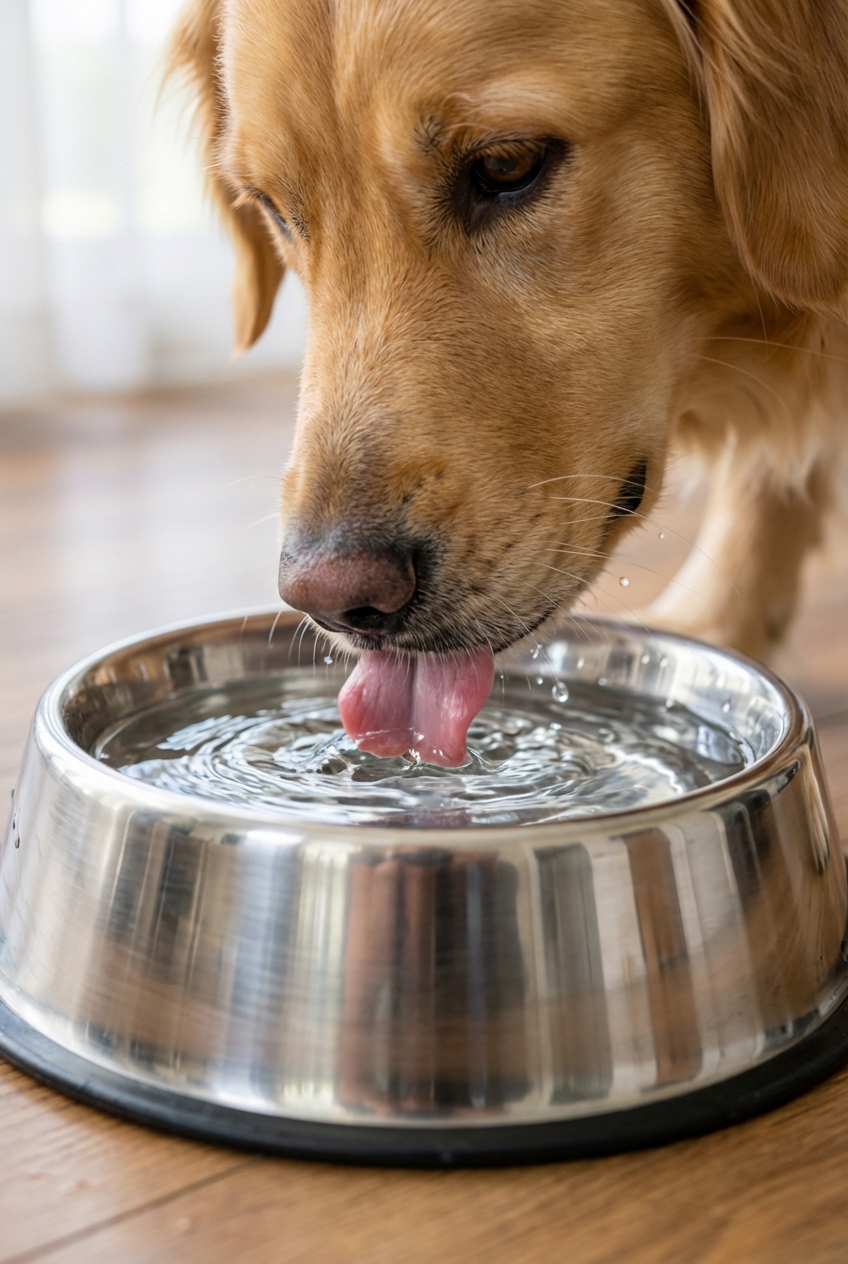
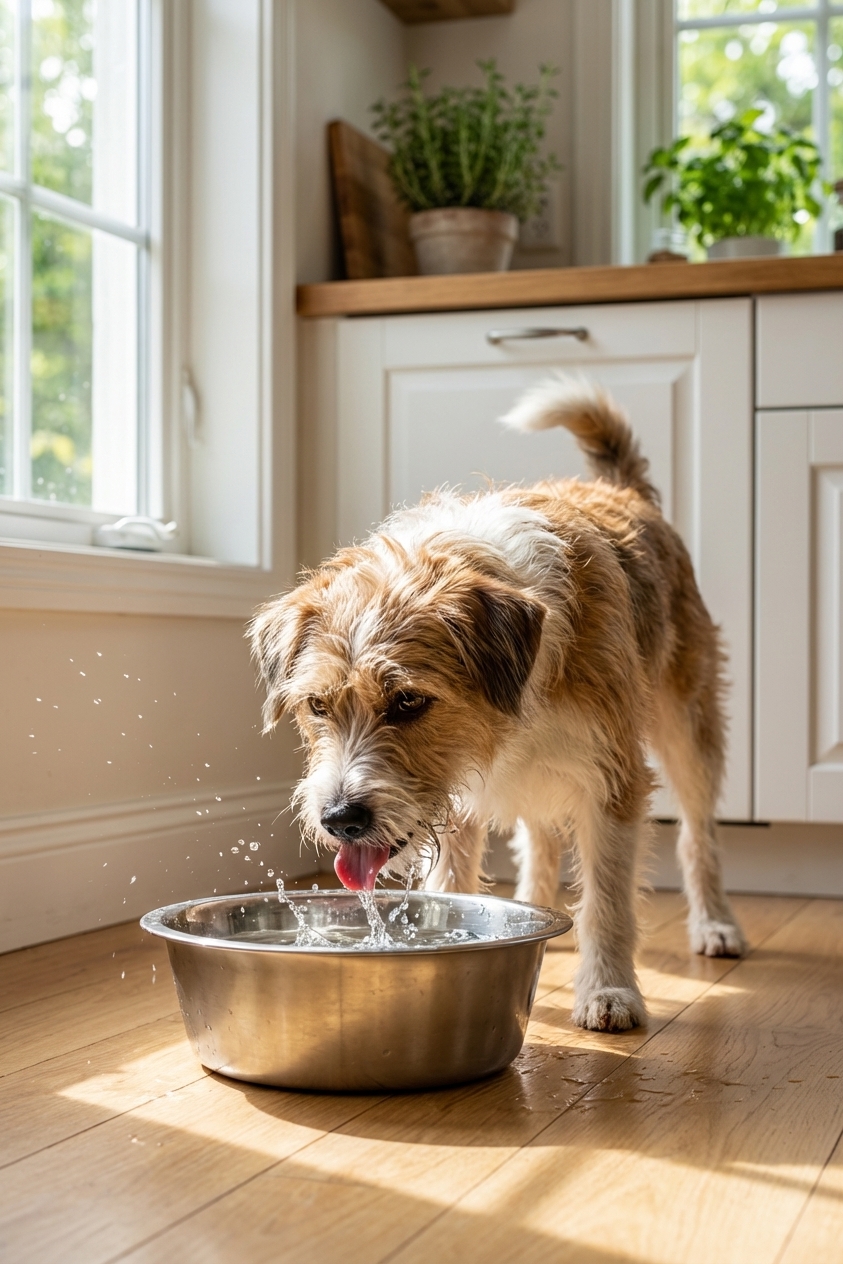
Constipation often involves dehydration or not enough moisture in the stool, but it is not the only cause. Still, hydration and movement are two of the most helpful first steps, and they make fiber work better.
- Add water to meals: Start with a few tablespoons and build up.
- Offer wet food temporarily: Even mixing wet and dry can help.
- Broth boost: Use low sodium bone broth or meat broth with no onion, garlic, or xylitol-containing ingredients.
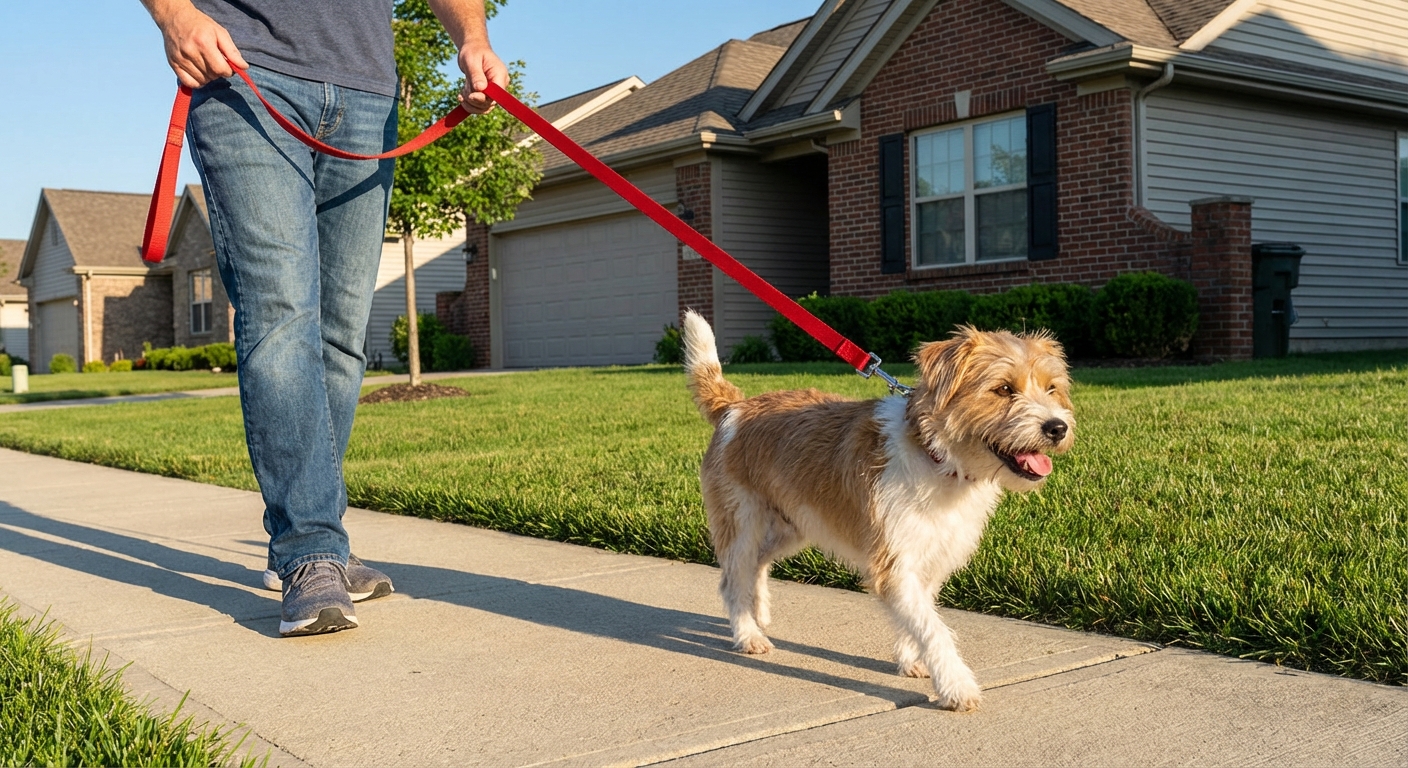
- Encourage movement: A couple of extra leash walks can stimulate normal motility.
Note: If your dog is not drinking and seems unwell, dehydration can become serious. That is a vet visit.
Olive oil and coconut oil
Oils can lubricate and may help some dogs pass stool, but they are not my first choice for dogs with sensitive stomachs. Too much can cause diarrhea, and in dogs that are predisposed, a high-fat add-on may increase pancreatitis risk.
Olive oil dosage
- Small dogs (under 20 lb): 1/2 teaspoon once daily
- Medium dogs (20 to 50 lb): 1 teaspoon once daily
- Large dogs (over 50 lb): 2 teaspoons once daily
Coconut oil dosage
Coconut oil can be more likely to cause loose stool in some dogs. Use a smaller starting dose.
- Under 20 lb: 1/4 to 1/2 teaspoon once daily
- 20 to 50 lb: 1/2 to 1 teaspoon once daily
- Over 50 lb: 1 to 2 teaspoons once daily
Safety notes: Avoid oils if your dog has a history of pancreatitis, is on a very low fat diet, is vomiting, or is painful. If you try oil, do it for only 1 to 2 days. If there is no improvement, call your vet.
Fiber foods (besides pumpkin)
Food-based fiber can be a gentle way to help stools hold water and move. A few safe options:
Cooked sweet potato
Plain, cooked, mashed sweet potato can work similarly to pumpkin. Start with:
- Small dogs: 1 teaspoon to 1 tablespoon daily
- Medium dogs: 1 to 2 tablespoons daily
- Large dogs: 2 to 4 tablespoons daily
Green beans
Plain cooked or canned no salt added green beans can add fiber without much fat.
- Small dogs: 1 to 2 teaspoons
- Medium dogs: 1 to 2 tablespoons
- Large dogs: 1/4 cup
Oatmeal
Plain cooked oatmeal in small amounts can help some dogs. Avoid flavored packets.
- Small dogs: 1 teaspoon to 1 tablespoon
- Medium dogs: 1 to 2 tablespoons
- Large dogs: 2 to 4 tablespoons
Gentle reminder: Too much fiber can backfire and cause gas, cramping, or bulky stool that is still hard to pass. If your dog is straining more after adding fiber, stop and call your vet.
Psyllium husk
Plain psyllium husk (the fiber used in many human products) can help constipation, but dosing matters and it must be given with adequate water. Psyllium products can vary in grind and concentration, so when in doubt, ask your vet.
- General starting dose: 1/4 teaspoon per 10 lb body weight once daily
- Mix into wet food plus extra water (at least a few tablespoons), and make sure your dog has free access to fresh water afterward
- Do not use if your dog might have an obstruction, is vomiting, or cannot keep water down
If you are unsure, call your vet before using psyllium. For some dogs, it is excellent. For others, it creates too much bulk.
Anal glands or constipation?
Owners sometimes assume anal gland discomfort is constipation. A dog with anal gland issues may scoot, lick under the tail, or sit suddenly. They may still poop normally.
If your dog is straining to poop, passing hard stool, or producing very little stool, think constipation. If you are seeing scooting and licking more than straining, your vet can check anal glands and look for skin irritation or infection.
What I do not recommend
- Human laxatives (like bisacodyl or magnesium products) unless your vet tells you to. Doses vary widely and can be dangerous.
- Castor oil: Too harsh and can cause significant GI upset.
- Mineral oil: Aspiration risk if inhaled, especially in older dogs or brachycephalic breeds.
- Human enemas: Some contain sodium phosphate and can be toxic to dogs.
A simple 24-hour plan
If your dog is acting normal, not vomiting, and you have no reason to suspect an obstruction, here is a gentle approach many families can follow:
- Step 1: Add water to meals and increase leash walks.
- Step 2: Choose one fiber option and start low. Pumpkin is usually my first pick if you have it.
- Step 3: If you do not have pumpkin, use sweet potato or green beans instead. Do not stack multiple fiber sources at once (for example, pumpkin plus sweet potato), since that can worsen gas and discomfort.
- Step 4: If there is no poop within 24 hours, or straining worsens, call your vet.
When to call the vet today
Please seek veterinary help the same day if your dog has any of the following:
- Vomiting, loss of appetite, weakness, or obvious abdominal pain
- Repeated unproductive straining or crying while trying to poop
- A firm, bloated abdomen
- Blood in stool, black stool, or mucus with frequent straining
- No bowel movement for 48 hours
- Recent bone chewing or possible foreign body ingestion
- Frequent squatting with little urine (possible urinary blockage)
Your goal is not just to “get a poop.” Your goal is to make sure there is not an obstruction, dehydration, or an underlying medical issue hiding behind the constipation.
Preventing constipation
Once your dog is back to normal, prevention usually comes down to a few simple habits:
- Consistent hydration: water added to meals helps many dogs.
- Right fiber level: some dogs do best with a little pumpkin a few times a week, others do better with fewer fillers.
- Regular exercise: movement supports healthy gut motility.
- Coat and hygiene care: long-haired dogs can get stool trapped, and some lick and swallow hair.
- Vet check for repeat issues: recurring constipation can be tied to pain, arthritis, anal gland issues, prostate enlargement in intact males, medications, or metabolic disease.

Quick FAQs
How fast does pumpkin work?
Many dogs improve within 12 to 24 hours, but it depends on hydration, activity, and the underlying cause.
Can I use pumpkin every day?
Some dogs can, but daily use is not always needed. If constipation is frequent, it is worth talking with your vet to find the real cause and the best long term plan.
What if my dog strains but nothing comes out?
If your dog strains repeatedly with no stool, call your vet. That can signal severe constipation or an obstruction. If the straining is actually urinary, that is an emergency.
Medical note: This article is educational and not a substitute for veterinary care. If you are unsure which option is safest for your dog’s age, health conditions, or medications, call your vet. We truly want you to ask.