Vet-assistant tips to ease dog allergy itch safely at home: rinses, oatmeal baths, omega-3s, cool compresses, and lick prevention—plus remedies to avoid an...
Article
•
Designer Mixes
Natural Itch Relief for Dogs

Shari Shidate
Designer Mixes contributor
When your dog is itchy, it can feel like everyone in the house is stressed out. The constant scratching, chewing, and rubbing are not only uncomfortable, they can also damage the skin and invite infection. The good news is that many itchy dogs can feel better with a thoughtful routine that supports the skin barrier and addresses the true trigger.
As a veterinary assistant in Frisco, Texas, I see itching most often tied to allergies, parasites, and skin infections. Natural options can absolutely help, but they work best when you pair them with smart basics like flea control, gentle bathing, and targeted nutrition. This article is not a diagnosis. If itching is persistent, worsening, or paired with red flags, a veterinary exam is the quickest path to real relief.
Why dogs get itchy
Itching is a symptom, not a diagnosis. Before you buy another spray or change foods again, it helps to understand the most common causes.
Top triggers
- Fleas and other parasites: Even one bite can cause intense itching in sensitive dogs. Mites can also be a culprit. Some mites, like sarcoptic mange (scabies), can be extremely itchy and may spread to other pets and people, so do not wait to get help if your dog suddenly becomes frantic with itching.
- Environmental allergies (atopy): Pollen, grasses, molds, and dust mites can cause seasonal or year-round itching.
- Food sensitivities: Some dogs react to specific proteins or ingredients, often showing itchy ears, paws, or chronic skin issues. True food allergy testing usually requires a veterinary-guided elimination diet trial, not frequent food switching.
- Dry skin and barrier damage: Over-bathing, harsh shampoos, or low humidity can leave skin flaky and reactive.
- Yeast or bacterial infection: These may have a musty odor, redness, greasy skin, or recurring ear issues. Odor alone is not diagnostic, but it is a clue to bring up with your vet.
- Hot spots: A fast-moving, moist, painful skin infection that often starts with itching and licking.
If your dog is itchy in just one area (like one ear, one paw, or one side), that can point to a localized infection, a foreign body, or a hot spot rather than a whole-body allergy.
Red flags that need a vet visit
Natural care is supportive, but some situations require medical treatment. Please reach out to your veterinarian promptly if you notice:
- Open sores, bleeding, or oozing skin
- Strong odor, greasy coat, or thickened “elephant skin”
- Hair loss in patches or widespread thinning
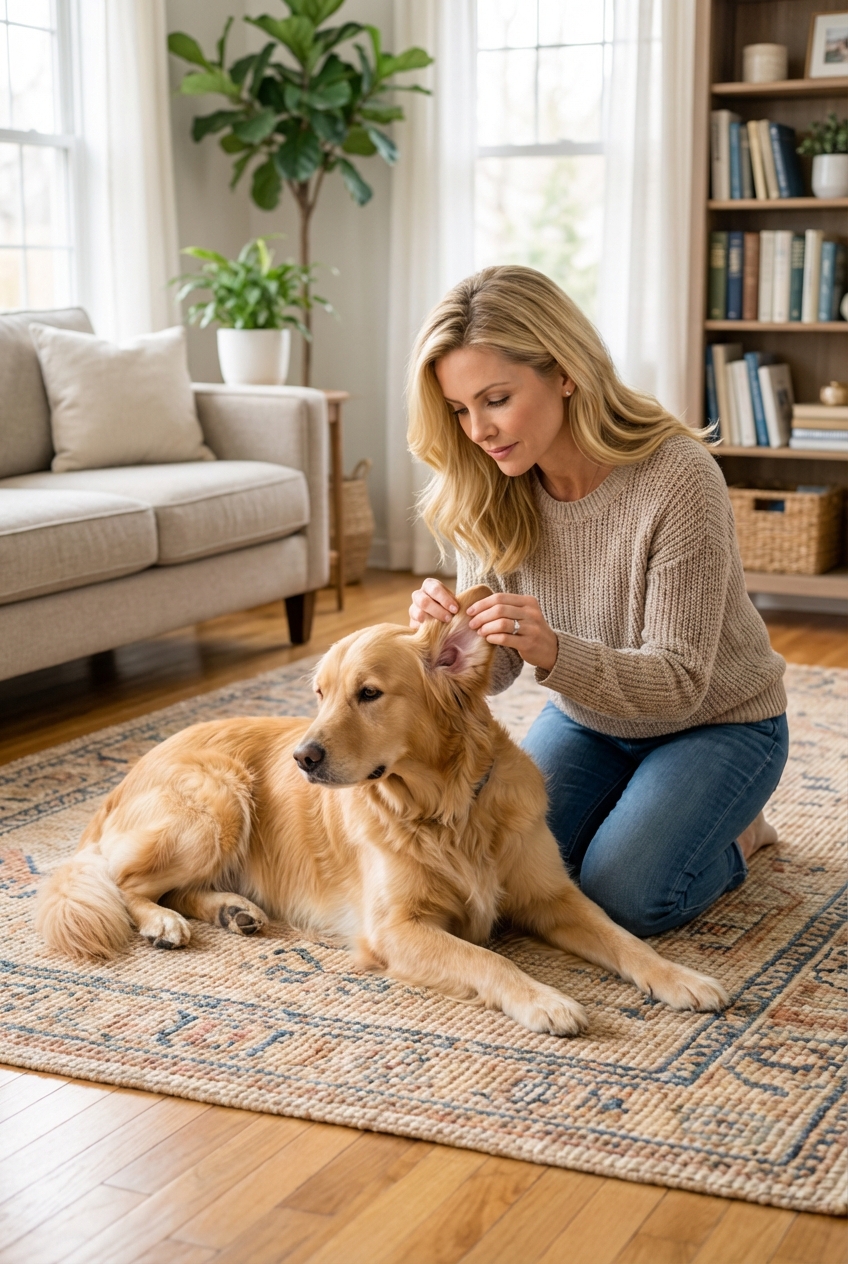
- Head shaking, painful ears, or dark ear debris (ear infections often need prescription treatment)
- Itching severe enough to disrupt sleep
- Fever, lethargy, loss of appetite
- Puppies, seniors, or immunocompromised dogs with new skin issues
Skin problems can escalate quickly. Early care often saves money and discomfort later.
Natural itch relief that helps
Think of itch relief in layers: soothe the skin, reduce exposure to triggers, and strengthen the barrier from the inside out.
1) Rinse first
For many dogs with environmental allergies, the itch is worse because allergens stick to the skin and fur.
- Wipe paws and belly after outdoor time with a damp cloth or fragrance-free pet wipes.
- Quick rinse baths on high-pollen days can reduce overall exposure without over-shampooing.
- Wash bedding weekly in hot water when possible to reduce dust mites and pollen.
2) Gentle bathing
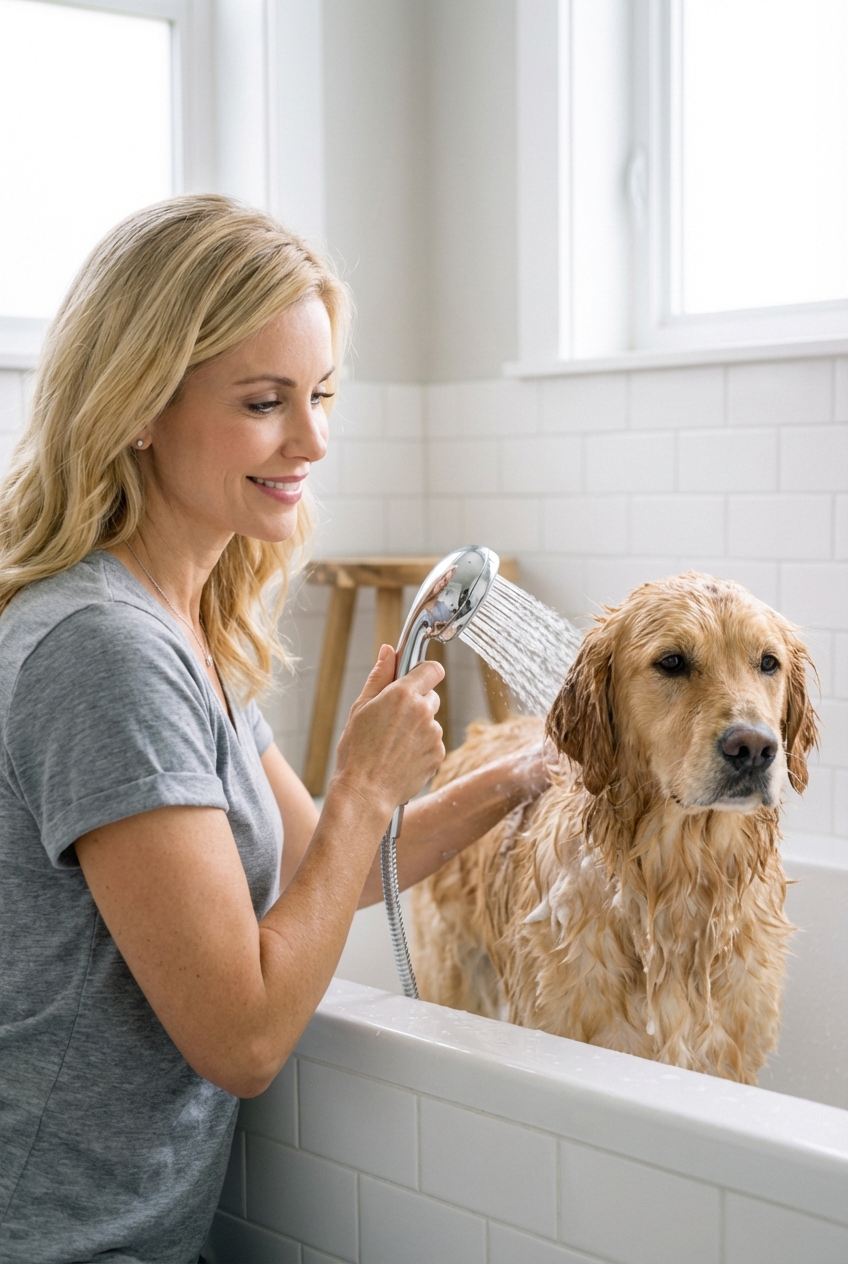
Bathing can be very natural and very effective, but only if it is gentle and purposeful. Look for dog shampoos that are fragrance-free or lightly scented and designed for sensitive skin.
- Colloidal oatmeal: Calms inflamed skin and can reduce itching temporarily. Great for mild to moderate itch.
- Aloe vera: Soothing when formulated correctly for pets.
- Chlorhexidine: Not an herb, but an evidence-based antiseptic that can be helpful when infection is part of the itch. Many vets recommend it.
- Miconazole or ketoconazole: Also not “natural,” but important if yeast is driving the problem. Yeast often does not fully resolve with soothing products alone.
How often? Many itchy dogs do well with bathing 1 to 2 times per week during flare-ups, then tapering as the skin improves. Frequency depends on your dog, the product, and your veterinarian’s guidance. For medicated shampoos, contact time matters, so many labels recommend lathering and letting it sit for about 5 to 10 minutes before rinsing.
Avoid human shampoos because they can be too harsh or irritating for canine skin and may worsen dryness.
3) Moisturize and protect
Healthy skin has a protective barrier made of fats and proteins. When that barrier breaks down, allergens and microbes get in more easily and the itch cycle intensifies.
- Conditioners and leave-on mousses made for dogs can help reduce dryness and improve coat comfort.
- Humidifier in dry months can help dogs with flaky, tight skin, especially indoors.
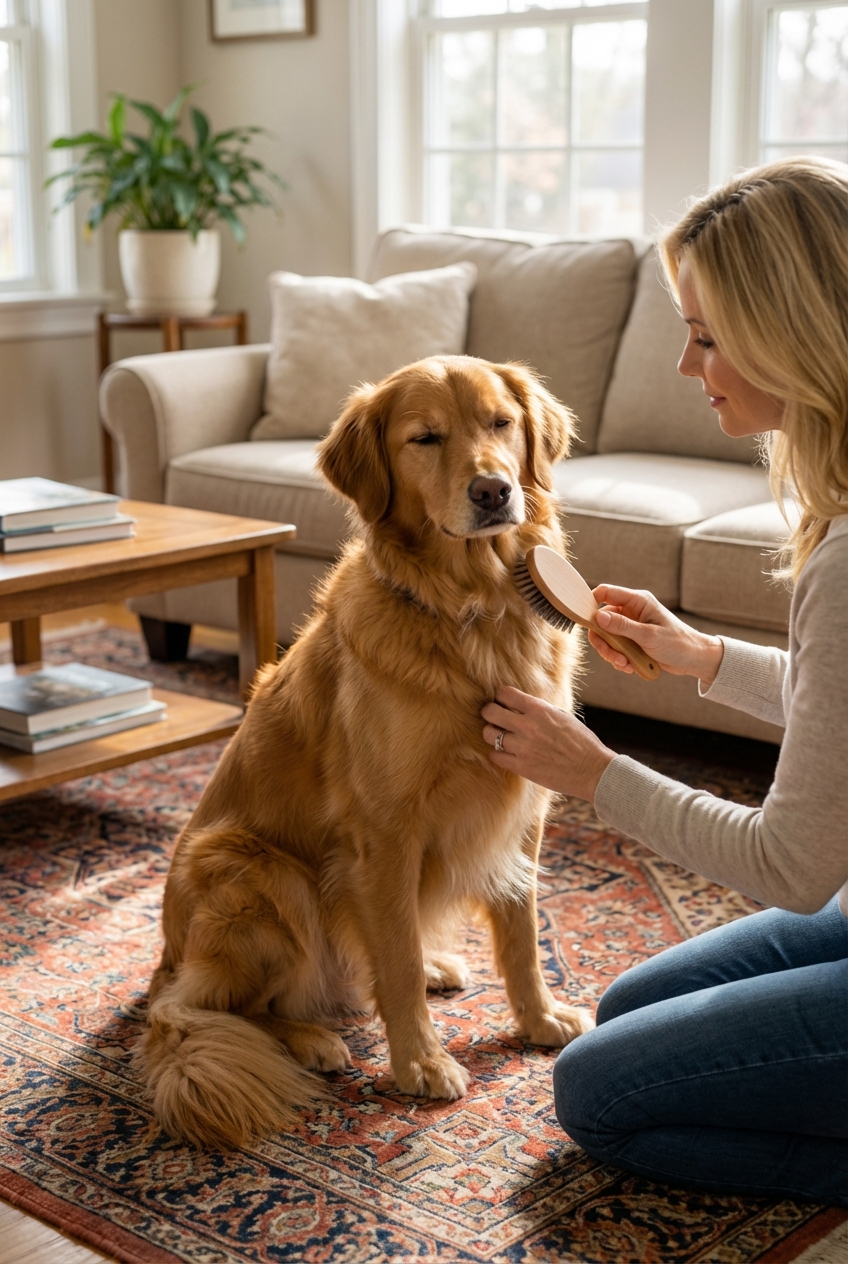
- Brush regularly to remove debris and distribute natural oils, especially for curly or double-coated mixes.
4) Nutrition support
Food is not the cause of every itch, but nutrition is still one of the most powerful tools for calmer skin.
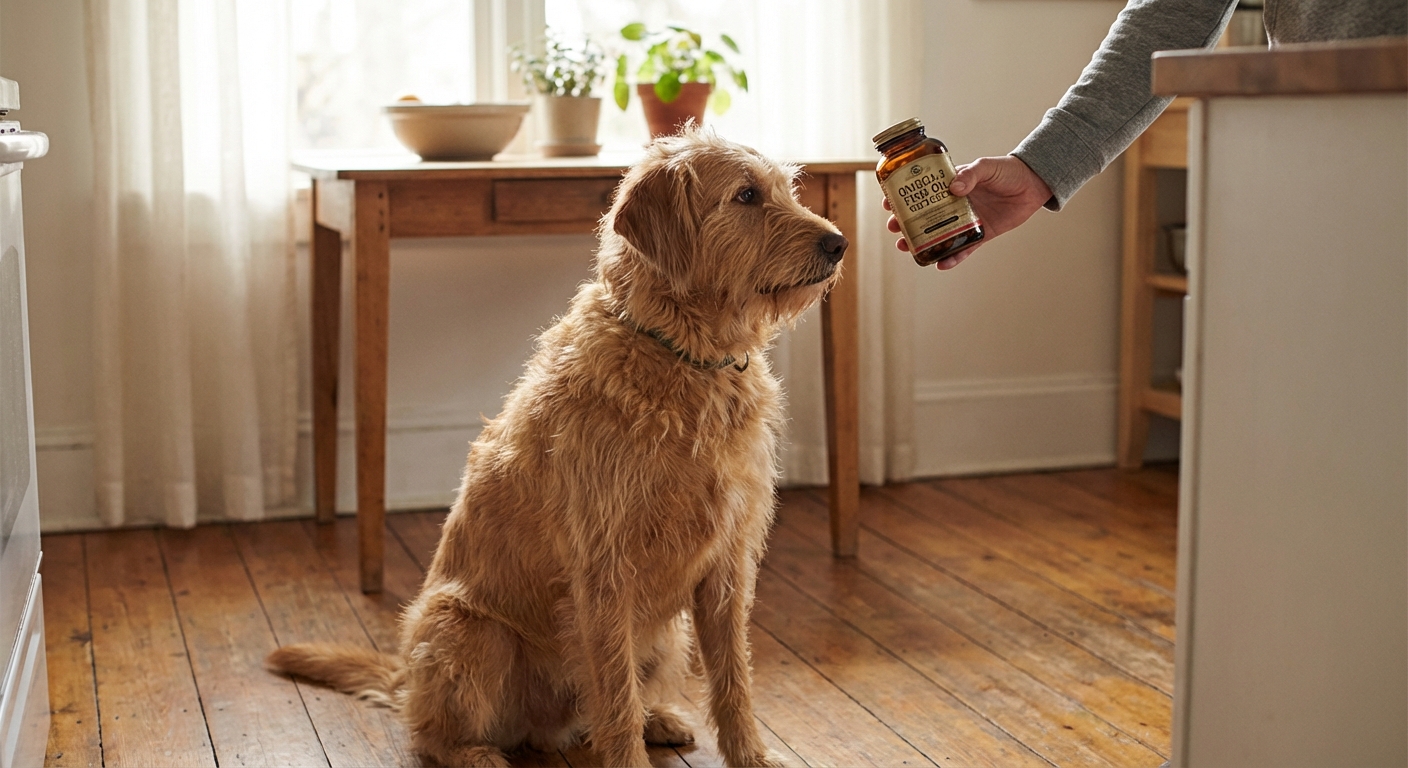
- Omega-3 fatty acids (EPA and DHA) from fish oil are among the best-studied supplements for reducing skin inflammation. Ask your vet for a dose based on your dog’s weight and any medical conditions.
- High-quality protein supports skin repair. If your dog is on a low-quality diet, upgrading can make a big difference.
- Probiotics may help some allergic dogs, but evidence varies by strain and product. Choose a veterinary-formulated option when possible and ask your vet what fits your dog.
If you suspect a food trigger, try not to rotate foods rapidly. True food allergy diagnosis is usually done with a strict elimination diet trial (often 8 to 12 weeks) using a veterinary prescription hydrolyzed diet or a truly novel protein, followed by a recheck and planned re-challenge.
If you are exploring homemade or fresh food, consistency and balance matter. A “clean” ingredient list is not the same as complete nutrition. When in doubt, work with your veterinarian or a board-certified veterinary nutritionist.
5) Simple home soothing
These can be helpful for short-term comfort, especially while you are waiting on an appointment or during mild flare-ups.
- Cool compress: Apply a clean, cool, damp cloth to itchy areas for 5 to 10 minutes.
- Oat soak: Colloidal oatmeal in warm bathwater can soothe irritated skin. Make sure the product is plain and made for bathing, not sweetened or fragranced.
- E-collar or inflatable collar: Not a treatment, but it can prevent self-trauma so the skin can heal.
A quick note about coconut oil: It can help some dogs with dry skin when used sparingly, but it can also worsen greasiness or yeast-prone skin. If your dog has a musty smell, greasy skin, or recurring ear infections, check with your vet before using oils topically.
What to avoid
Natural does not always mean safe for dogs. A few common pitfalls I see:
- Essential oils applied to the skin: Many can irritate skin or be toxic if licked, especially tea tree oil. If you use any product with essential oils, it should be specifically formulated for dogs and used as directed.
- Apple cider vinegar on raw or inflamed skin: This stings and can worsen barrier damage. It is not appropriate for open areas.
- Human hydrocortisone products without guidance: Some are safe in limited situations, but dogs lick. Ingestion and overuse can cause problems.
- Human antihistamines or pain relievers without veterinary direction: Some can be used safely in specific cases, but the wrong product or dose can be dangerous.
- Changing foods repeatedly: Frequent switches can upset the gut and make it harder to identify true triggers.
- Relying on “natural flea remedies” alone: Fleas are a top itch trigger, and many natural options are not strong enough. Vet-approved preventives are usually the most reliable foundation.
A simple routine
If you want a simple starting plan, here is a gentle routine many families can follow:
Week 1
- Confirm you have effective flea prevention on board for all pets in the household.
- Wipe paws and belly after outdoor time.
- Bathe once with a soothing oatmeal-based dog shampoo.
- Add an omega-3 supplement only if your vet approves.
Week 2 and beyond
- Keep rinsing or wiping after high-allergen exposure days.
- Repeat bathing weekly during flare-ups, then taper based on your dog’s skin and your vet’s guidance.
- Track itch level (1 to 10), stool quality, and any ear or paw changes.
- If no improvement in 10 to 14 days, schedule a vet visit to check for yeast, bacteria, mites, and allergy patterns.
Itchy skin is frustrating, but you are not stuck. With the right combination of environmental management, skin-friendly grooming, and evidence-based support, many dogs become noticeably more comfortable.