Fleas can make kittens sick fast. Learn how to confirm fleas, remove them safely with combing and gentle baths, choose vet-approved prevention, and clean you...
Article
•
Designer Mixes
Natural Flea Treatment for Kittens

Shari Shidate
Designer Mixes contributor
Fleas on a kitten can feel like an emergency, because in a way, it is. Kittens are small, their skin is delicate, and fleas can cause anemia in very young or tiny kittens faster than many people expect. The good news is there are safe, evidence-based ways to get relief using gentle, “natural-leaning” steps, plus the right vet-approved products when needed.
As a veterinary assistant here in Frisco, Texas, I have seen a lot of well-meaning pet parents try strong essential oils or DIY sprays and accidentally make a kitten sicker. Let’s walk through what actually works, what is safe for kittens, and how to stop the flea life cycle for good.
Quick action plan
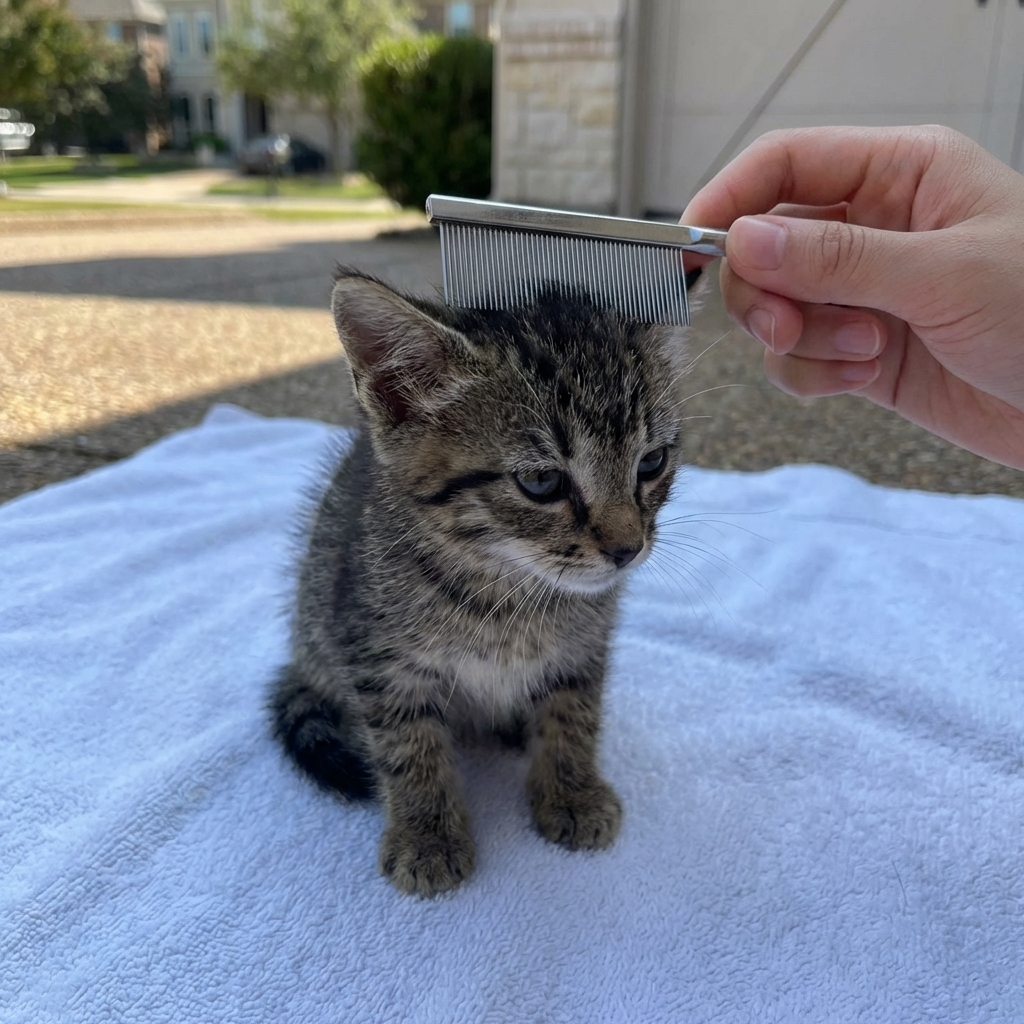
- Comb now: Use a flea comb over a towel and drop any fleas you catch into soapy water to kill them.
- Start cleanup today: Wash bedding and begin vacuuming where your kitten rests and plays.
- Protect all pets: Fleas bounce between animals. Treat every cat and dog with a species-appropriate preventive.
- Call a vet today if: your kitten has pale gums, lethargy, fast breathing, is not eating, is under 8 weeks, is very small, or you are seeing lots of fleas.
Why fleas hit kittens so hard
Adult fleas feed on blood, and a kitten does not have much to spare. The risk of serious anemia is highest in very young, small, or underweight kittens, especially with heavier infestations. Fleas can also cause:
- Anemia (pale gums, weakness, fast breathing, sleeping more than usual)
- Skin irritation (scratching, scabs, hair loss)
- Tapeworm exposure (kittens can swallow fleas while grooming)
- Infection risk from broken skin and constant scratching
If your kitten is very young, underweight, lethargic, or has pale gums, do not wait. Call a veterinarian the same day.
First: confirm it is fleas
Before treating, check for evidence. Fleas can be fast, but flea “dirt” is easier to spot.
Quick check
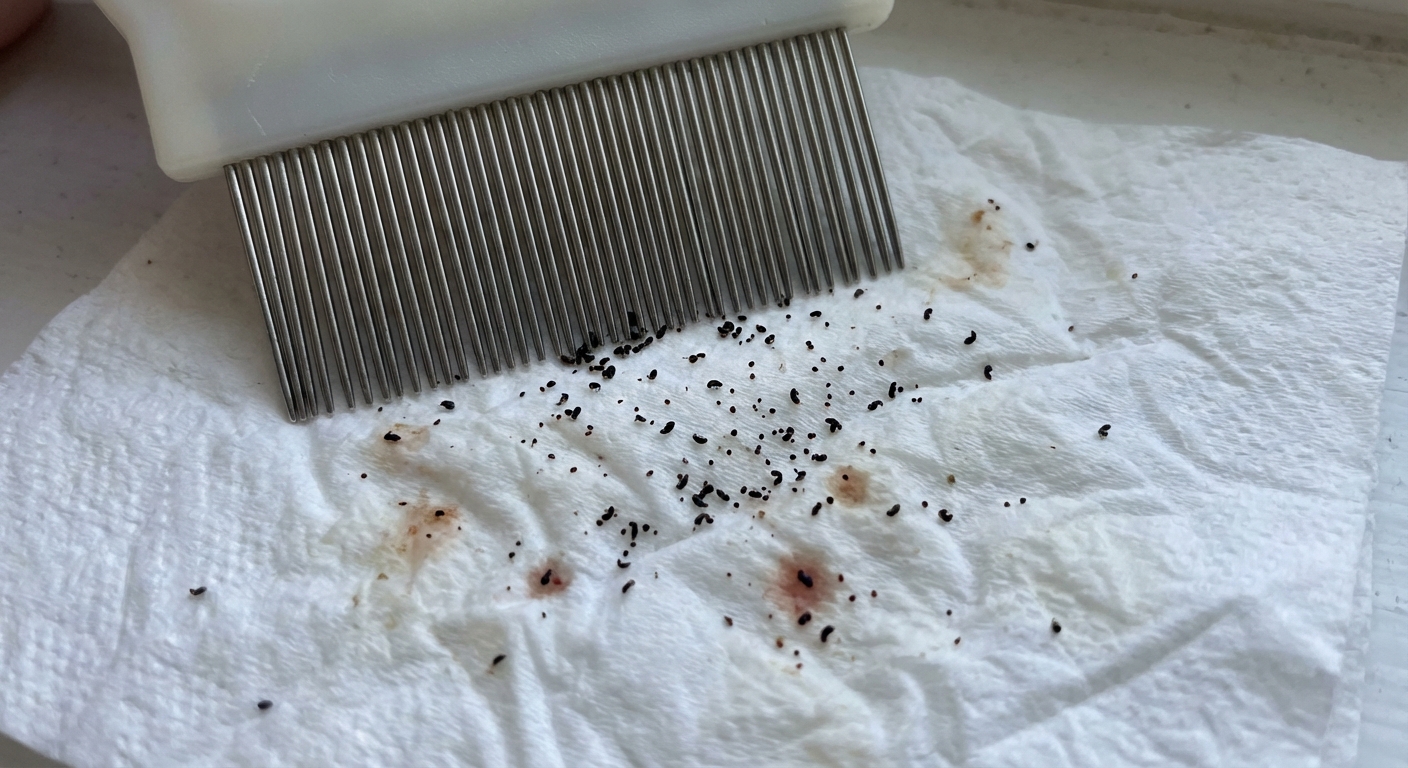
- Use a flea comb over a white paper towel.
- Look for tiny black specks (flea dirt) or small brown insects.
- Add a few drops of water to the specks. If they turn reddish-brown, that is digested blood, which strongly suggests fleas.
Safest natural steps
When people say “natural flea treatment,” what is safest for kittens usually means mechanical removal and environment control, not strong botanicals.
1) Flea combing
For many kittens, frequent combing is the best first step, especially if they are too young for many flea medications.
- Comb 1 to 2 times daily for several days.
- Focus on the neck, base of tail, and belly.
- Keep a cup of warm water with a small drop of dish soap nearby. Drop fleas into the soapy water so they cannot jump back out.
2) A gentle bath (when appropriate)
A bath can reduce flea numbers quickly, but it must be done carefully. Kittens get chilled easily.
- Use warm water in a draft-free room.
- Use a kitten-safe, fragrance-free shampoo or a mild soap recommended by your vet. Avoid harsh “flea shampoos” unless your veterinarian specifically approves them for your kitten’s age and weight.
- A thin “soap ring” around the neck can help reduce fleas running to the face.
- Dry thoroughly with a towel, and keep the kitten warm.
Important: Never use dog flea shampoos or adult cat products on kittens.
3) Wash and vacuum (this is where you win)
Most of the flea problem is not on your kitten. Flea eggs, larvae, and pupae live in bedding, carpets, and cracks in flooring.
- Wash bedding in hot water, then dry on high heat.
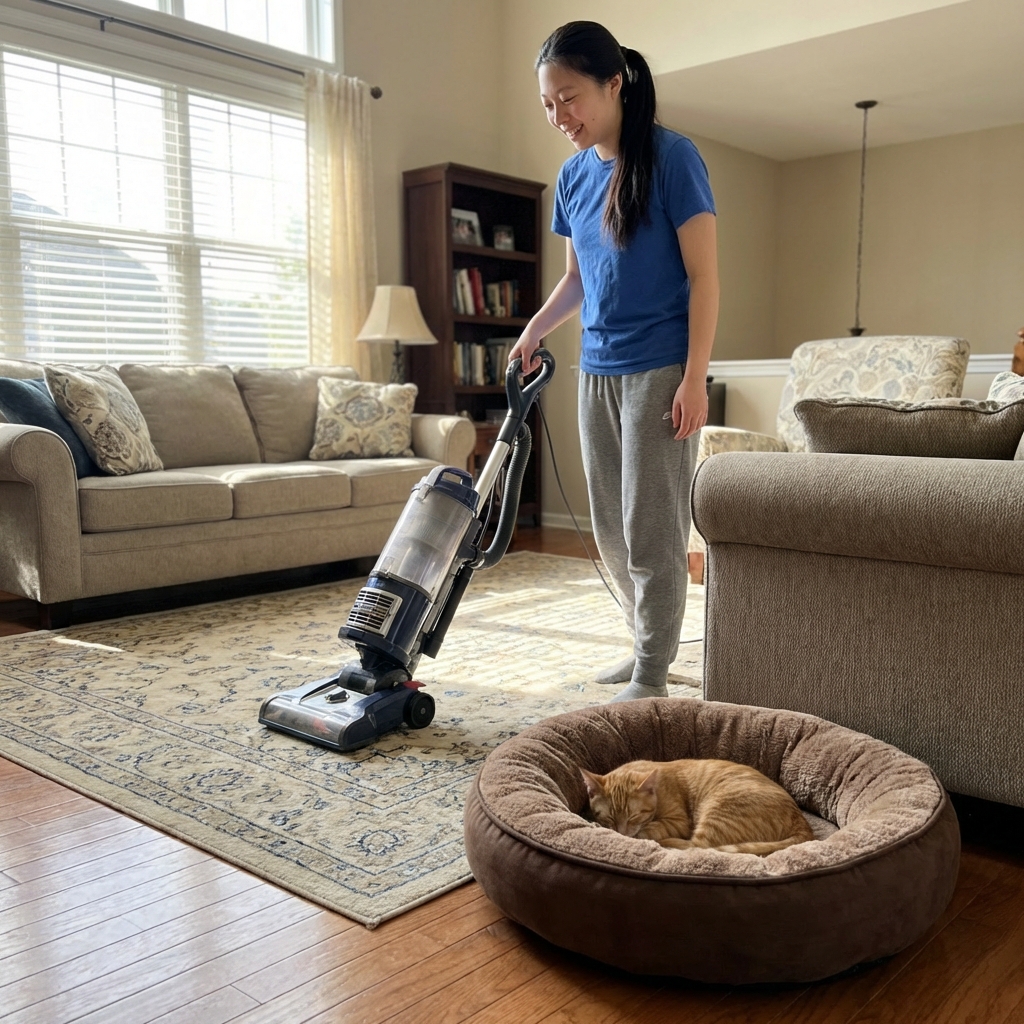
- Vacuum carpets, rugs, couch cushions, baseboards, and under furniture daily for at least 2 to 4 weeks for most homes. Some infestations take 6 to 8 weeks of consistent work because pupae can emerge later.
- Empty the vacuum canister outside right away, or seal the bag and dispose of it.
Natural options to avoid
Some popular “natural” flea remedies can be dangerous, especially for kittens whose livers and nervous systems are still developing.
- Essential oils (tea tree, pennyroyal, eucalyptus, peppermint, clove, citrus oils): cats are uniquely sensitive, and toxicity can occur from skin exposure, ingestion, or even heavy diffusion in small spaces.
- Garlic and many strong herbal concentrates: not appropriate as flea treatment for kittens.
- Apple cider vinegar sprays: can irritate skin and does not reliably kill fleas.
- “Natural” flea collars with strong botanicals: can cause skin burns or neurologic signs in sensitive pets.
Extra warning: Avoid any dog flea products or home sprays that contain permethrin (and be cautious with concentrated pyrethroid insecticides in general). Permethrin is highly toxic to cats and is a common, serious accident we see.
If a product does not clearly list kitten age and weight guidance and is not from a reputable veterinary brand, assume it is not kitten-safe until your vet confirms.
When natural is not enough
Here is the honest truth: if a kitten has an active infestation, the most humane and effective plan is usually a combination of gentle removal plus a vet-approved flea product that is correct for the kitten’s age and weight.
Key safety rules
- Never use dog flea products on cats.
- Never guess the dose. Weigh your kitten.
- Do not combine multiple flea products unless your veterinarian tells you to.
Product eligibility varies by brand and formulation, so always read the label and confirm with your veterinarian. Many common preventives have minimum age and weight cutoffs (for example, some start at 8 weeks and a minimum weight, while others may be labeled for younger kittens). Your veterinarian can recommend the safest option for your kitten’s exact stage of life and health status.
Treat the home and all pets
Fleas love a multi-pet household. If you treat only the kitten, fleas can keep hopping back from other animals or from the environment.
Do this for best results
- Treat every cat and dog in the home with a species-appropriate flea preventative.
- Keep your kitten’s bedding clean and easy to wash.
- Consider an environmental treatment recommended by your vet if fleas are severe, especially in carpeted homes.
Safety note: If you use any environmental products (sprays, foggers, powders, or professional treatments), follow the label exactly and ask your vet what is safest around kittens. Keep kittens away until fully dry and ventilated, and never apply home insecticides directly to a kitten unless the product is specifically labeled for that use.
Fleas have a life cycle, and pupae can “wait” and emerge later. It is common to see fleas for several weeks even after you start doing everything right. Consistency is what breaks the cycle.
Tapeworms and fleas
If you notice small rice-like segments near your kitten’s rear end or in bedding, that can be a sign of tapeworms. Fleas are a common source because kittens can swallow them while grooming. Flea control is step one, but many kittens also need a vet-directed dewormer to fully resolve it.
Urgent warning signs
Please seek veterinary care quickly if you notice any of the following:
- Pale or white gums
- Lethargy, weakness, refusing food
- Rapid breathing or collapse
- Severe itching with open sores, swelling, or signs of infection
- Fleas on a very young kitten (especially under 8 weeks) or a tiny kitten with a heavy infestation
In clinic, we can check for anemia, assess hydration, treat secondary skin issues, address tapeworm risk, and choose the safest parasite control for that kitten’s stage of life.
Prevention that feels doable
Once the infestation is under control, prevention becomes the easy part.
- Use a consistent vet-approved flea preventative during flea season, and year-round in many Texas homes.
- Vacuum weekly and wash pet bedding regularly.
- If your kitten goes outdoors, prevention is even more important. Outdoor cats are exposed constantly.
You do not have to choose between “natural” and “effective.” For kittens, the best plan is gentle, low-toxicity steps paired with truly kitten-safe veterinary guidance.