Keep your long-haired cat comfortable with a simple grooming routine: how often to brush, tools that work, mat safety, hairball prevention, coat nutrition, a...
Article
•
Designer Mixes
Napoleon Cat Breed Guide: Personality, Care, and Health

Shari Shidate
Designer Mixes contributor
Meet the Napoleon Cat
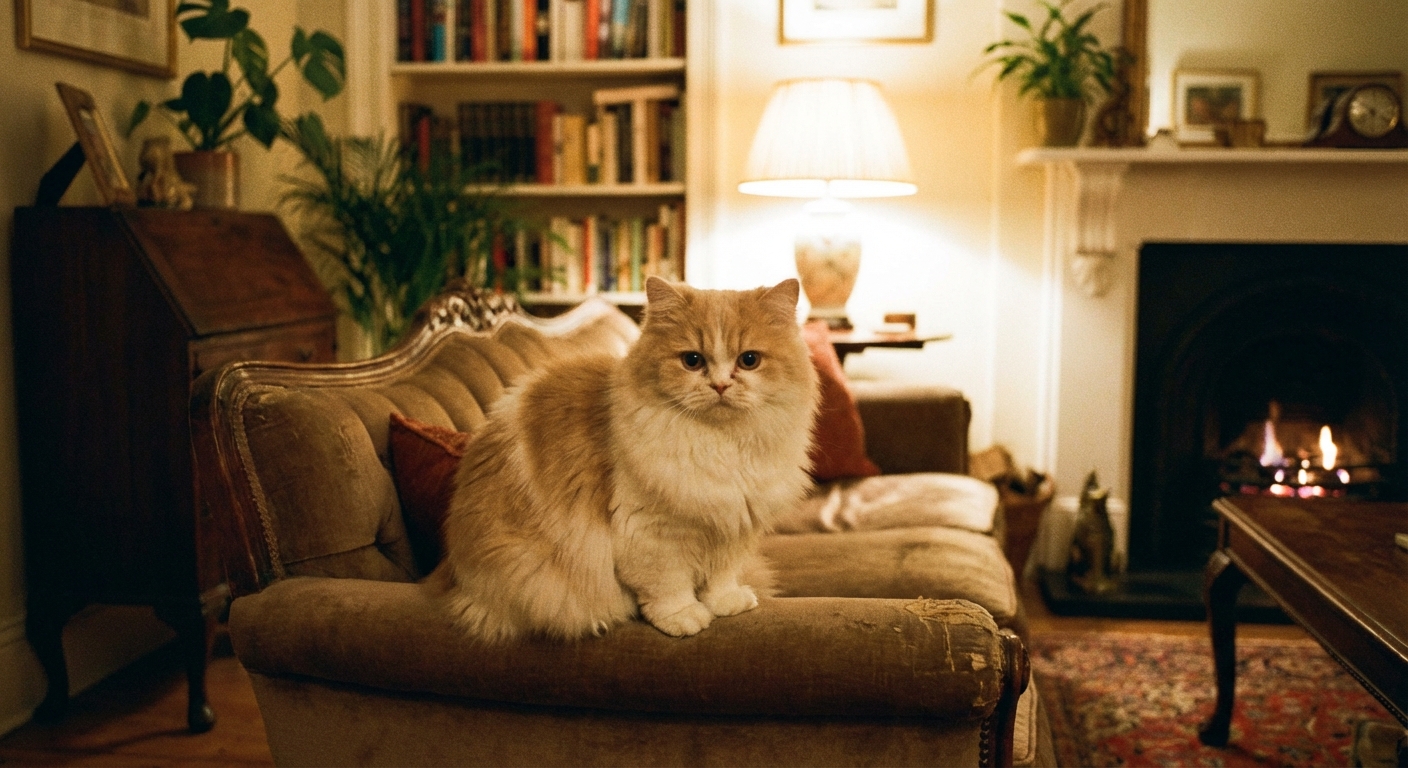
The Napoleon cat, now widely known in many registries as the Minuet , is a small, sweet-natured companion cat known for its round features and, in many cases, shorter legs. People are often drawn to the breed for its teddy-bear look and its affectionate, people-oriented temperament. If you are looking for a cat that enjoys being near you and fits well into a calm, loving home, the Napoleon can be a wonderful match.
As with any breed, there are a few important considerations. Potential owners should think about grooming needs, facial structure, and mobility, and should prioritize reputable breeding and veterinary care. A little planning up front goes a long way toward a healthy, comfortable life for your cat.
Origin and Breed History
The Napoleon cat was developed in the United States in the mid-1990s, aiming to blend the Persian’s gentle personality and plush coat with the Munchkin’s shorter-legged body type . Over time, some cat associations adopted the name Minuet for the breed, and you may see both terms used by breeders and owners.
Because the breed is relatively modern, standards can vary slightly by registry. You will also find that not all Napoleon cats have short legs. Many litters include both short-legged and standard-legged kittens.
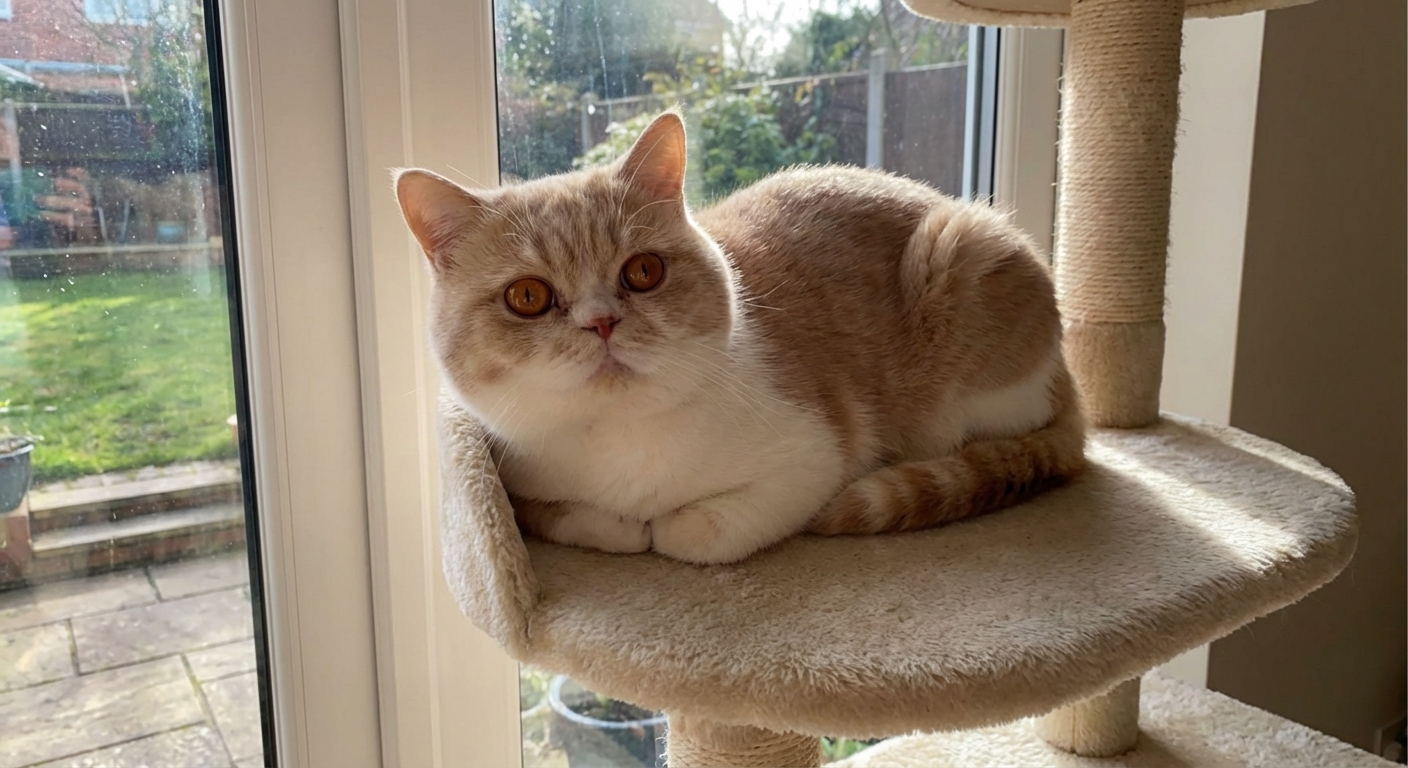
Appearance: Size, Coat, and Colors
Napoleon cats typically have a compact, rounded body, a plush coat, and a sweet expression. Many have shorter legs, though some have normal leg length. They are usually small to medium in size, with a sturdy feel rather than a delicate one.
Coat types
- Longhair: soft, flowing coat that benefits from frequent brushing to prevent tangles and mats.
- Shorthair: dense and plush, generally easier to maintain but still needs regular grooming.
Color and pattern
You can find a wide range of colors and patterns depending on lineage, including solid, tabby, bicolor, and pointed varieties.
Temperament and Personality
In many homes, Napoleon cats are known for being affectionate, calm, and social. They often enjoy sitting near their people, following them around the house, and settling in for quiet companionship. If you want a cat who feels like a gentle presence in the room, this breed often fits that picture.
What they are usually like
- People-oriented: tends to bond closely with family members.
- Gentle: often does well with respectful children and calm households.
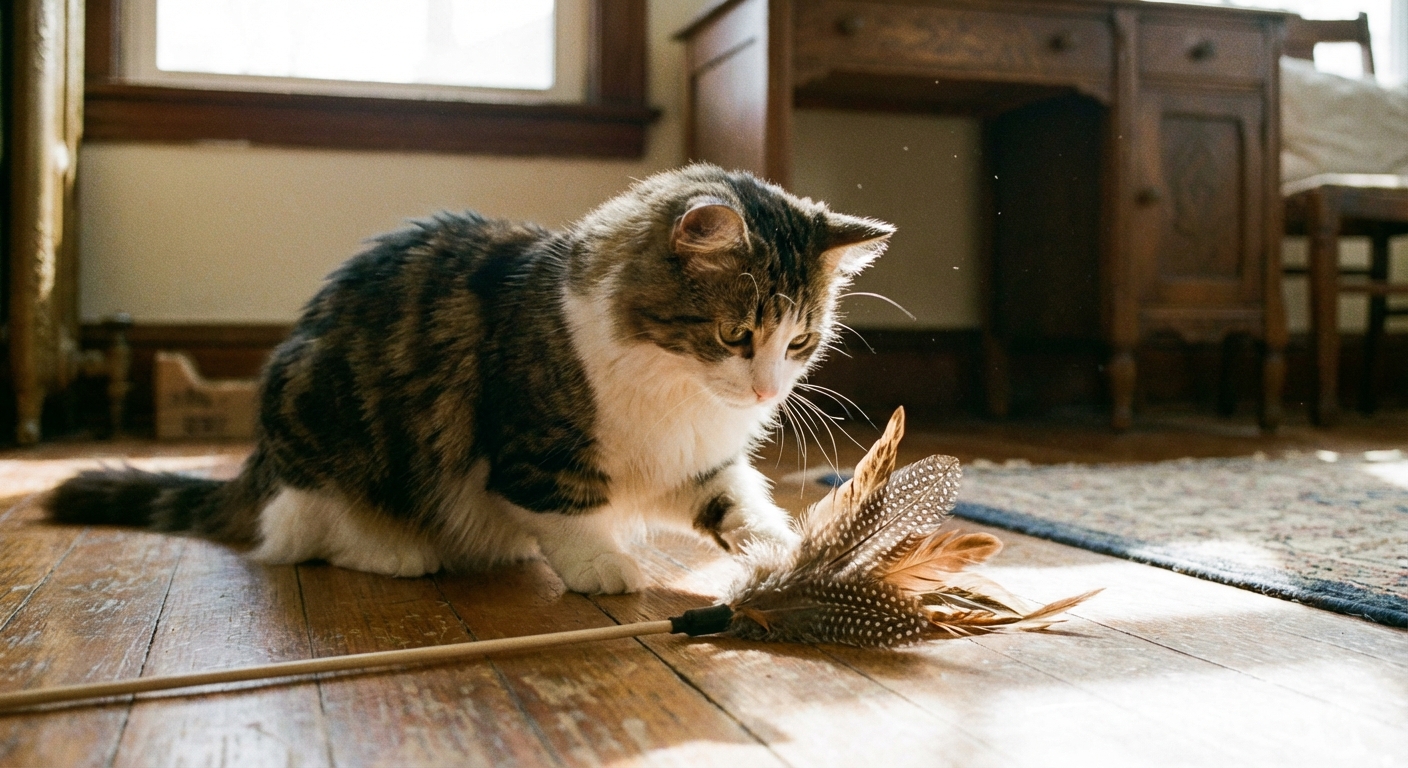
- Playful but not intense: enjoys interactive toys and short play sessions.
- Adaptable: commonly adjusts well to indoor living.
Personality can vary with individual genetics and early socialization, so meeting the kitten’s parents when possible and observing behavior is always a smart step.
Is a Napoleon Cat a Good Pet for You?
I often remind families that the best pet match is not about what looks cute in photos. It is about daily routines and realistic care. Napoleon cats can be excellent companions for people who want a friendly, indoor cat and who are comfortable with regular grooming and proactive health care.
Great fit for
- Singles, couples, and families who want an affectionate, calmer companion
- Homes where the cat is not left alone for very long stretches every day
- Owners willing to brush, check eyes and face, and stay on top of veterinary care
Consider another breed if
- You want a low-grooming cat with minimal coat upkeep
- You prefer a highly athletic, jump-anywhere type of cat
- You are not comfortable discussing breed-related health screening with a breeder
Health Considerations
Any purebred or mixed-origin breed can have inherited health risks. With Napoleon cats, the main considerations come from Persian-type facial structure and Munchkin-type limb genetics. The goal is not to assume the worst. The goal is to plan wisely and choose a breeder who prioritizes health, function, and quality of life.
Potential concerns to discuss with your veterinarian
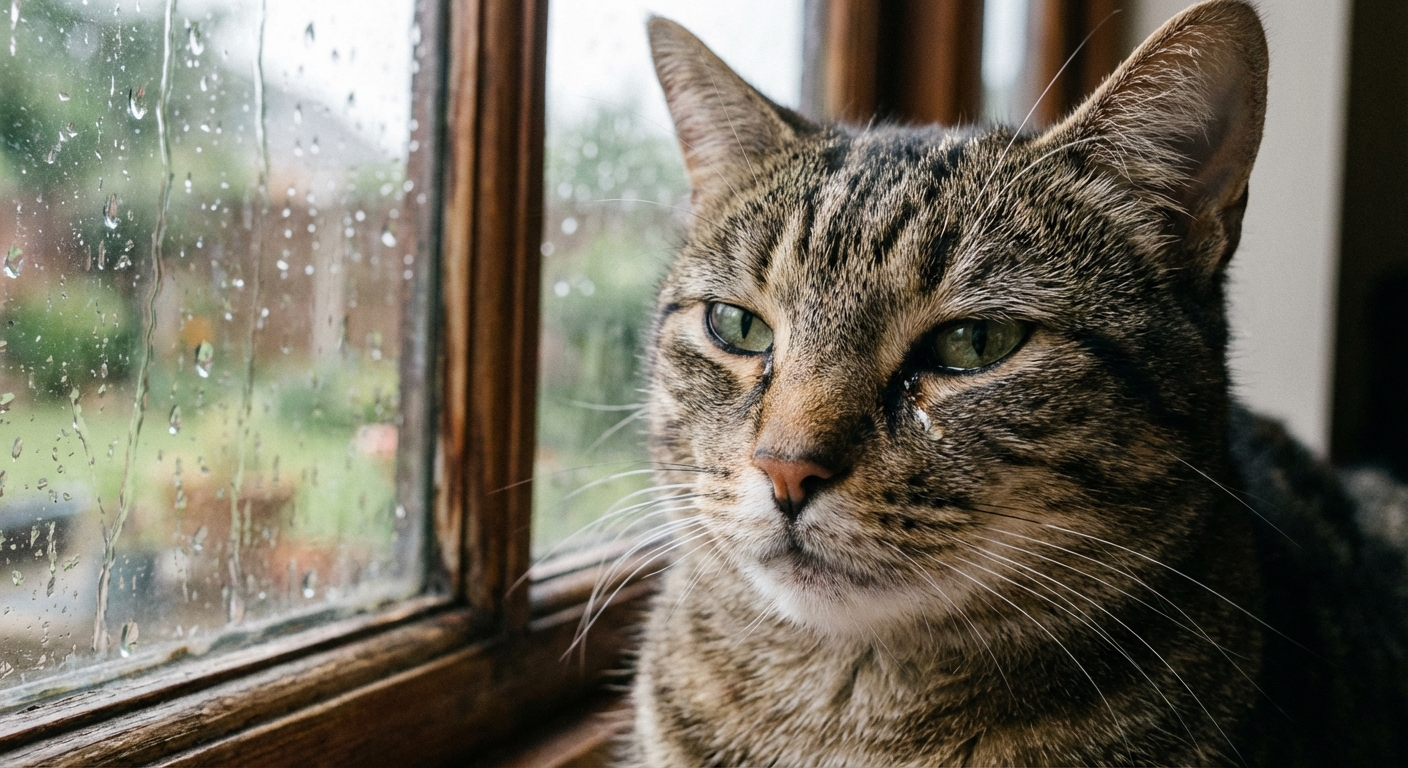
- Respiratory and eye issues: Cats with flatter faces may be more prone to watery eyes, tear staining, or breathing noise, especially in heat or stress.
- Dental crowding: Shorter facial structure can sometimes affect tooth alignment, making dental care important.
- Mobility and joint comfort: Short-legged cats may have different movement patterns. Many do very well, but it is wise to monitor weight closely and support joint health with appropriate play and nutrition.
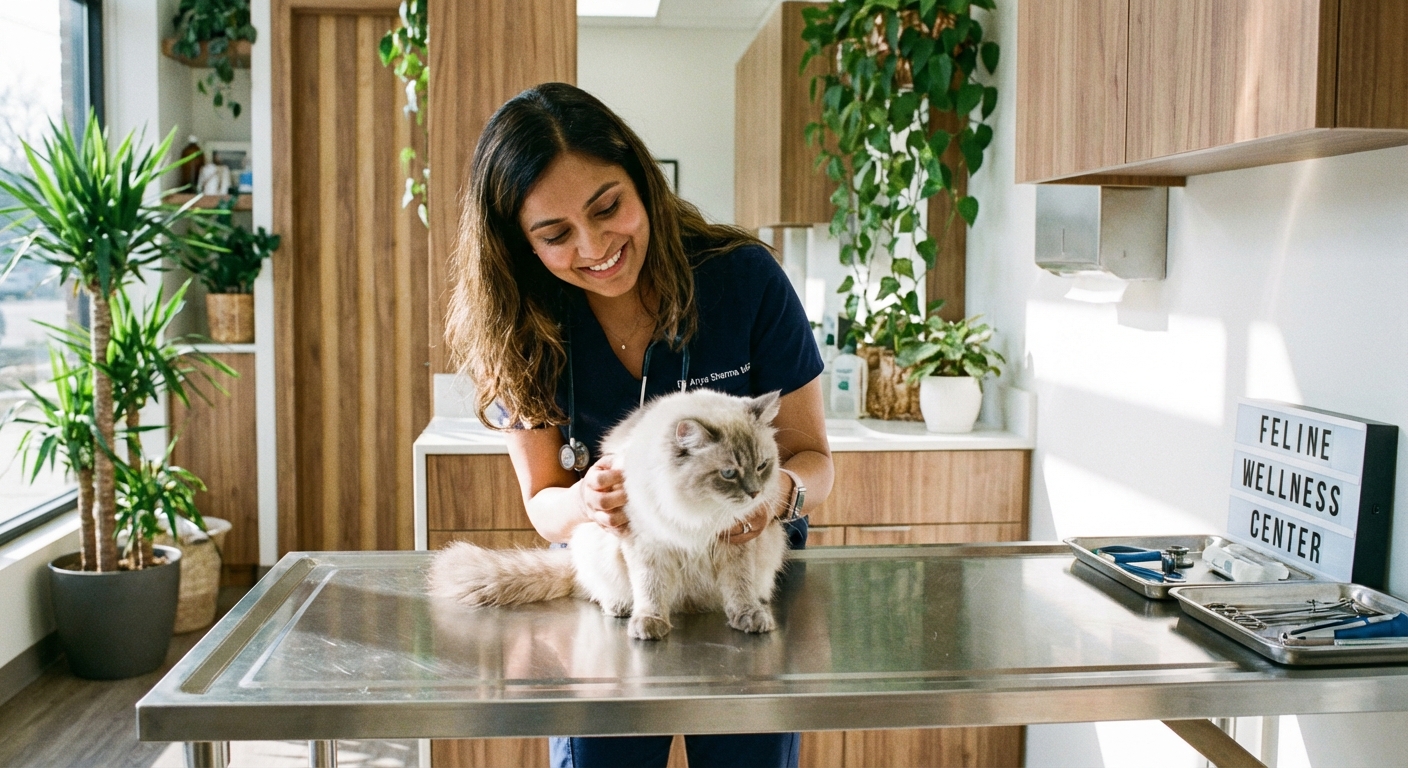
- Kidney and heart screening: Persian lines can carry risks for hereditary conditions, especially Polycystic Kidney Disease (PKD), in some families. Responsible breeders often screen breeding cats and can share results.
Practical tip: Ask breeders what health testing they do and request documentation. A reputable breeder will welcome these questions.
Daily Care: Grooming, Feeding, and Exercise
Grooming
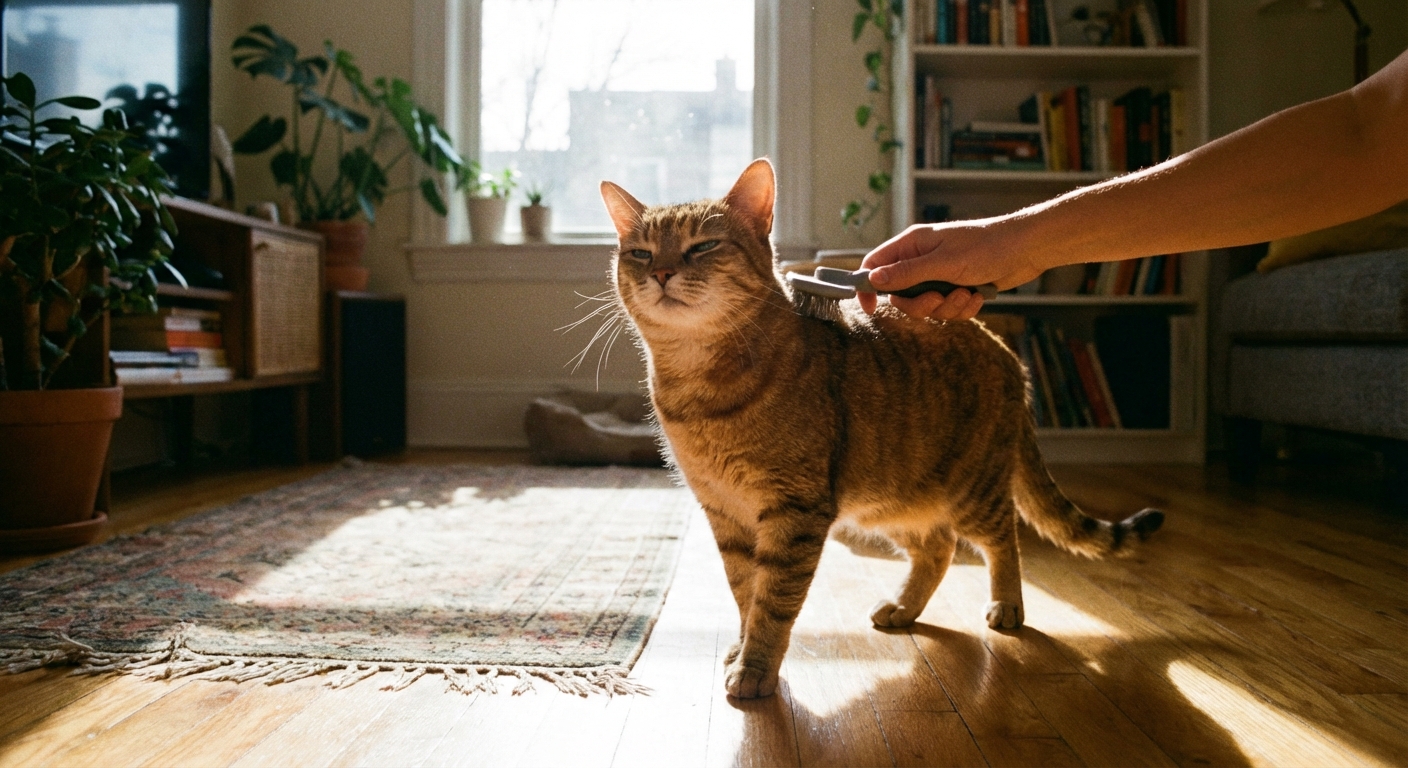
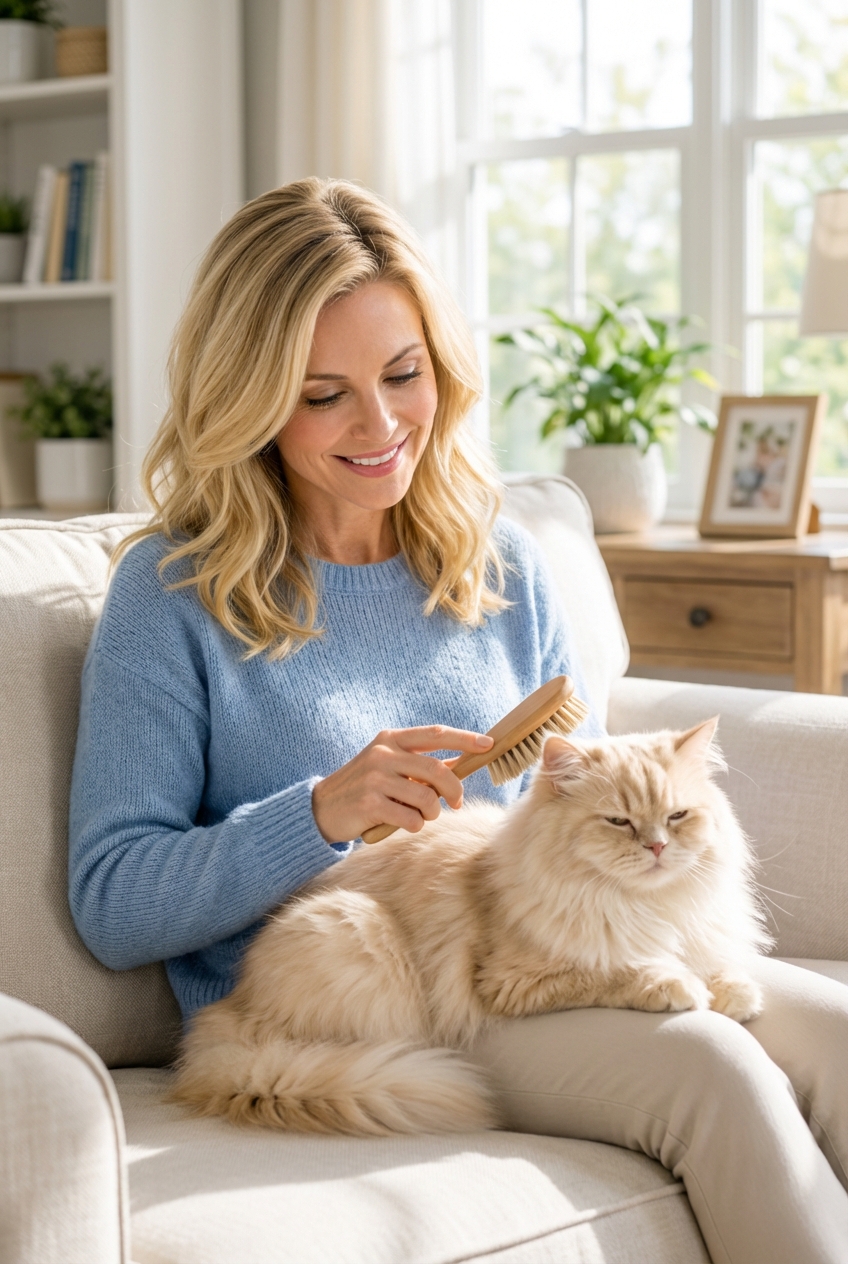
Coat care is a big part of Napoleon cat ownership, especially for longhaired cats. Consistent grooming is not just cosmetic. It helps prevent painful matting and reduces hairballs.
- Longhair: brush most days, focusing on the chest, belly, and behind the legs where tangles form easily.
- Shorthair: brush 1 to 2 times per week to remove loose hair.
- Face and eyes: if your cat has watery eyes, gently wipe with a soft, damp cloth as needed.
- Nails and ears: trim nails every few weeks and check ears regularly.
Nutrition and weight management
Because some Napoleon cats are compact and less inclined to high-impact jumping, keeping them at a healthy weight is especially important. Choose a complete and balanced diet, measure portions, and use treats strategically.
- Schedule regular weigh-ins at home or at your vet clinic.
- Use puzzle feeders to slow eating and add enrichment.
- Ask your veterinarian about calorie needs based on age, activity, and body condition.
Exercise and enrichment
Think low-stress, consistent play. Most Napoleon cats enjoy short bursts of interactive play and cozy environments.
- Offer wand toys, soft balls, and treat puzzles.
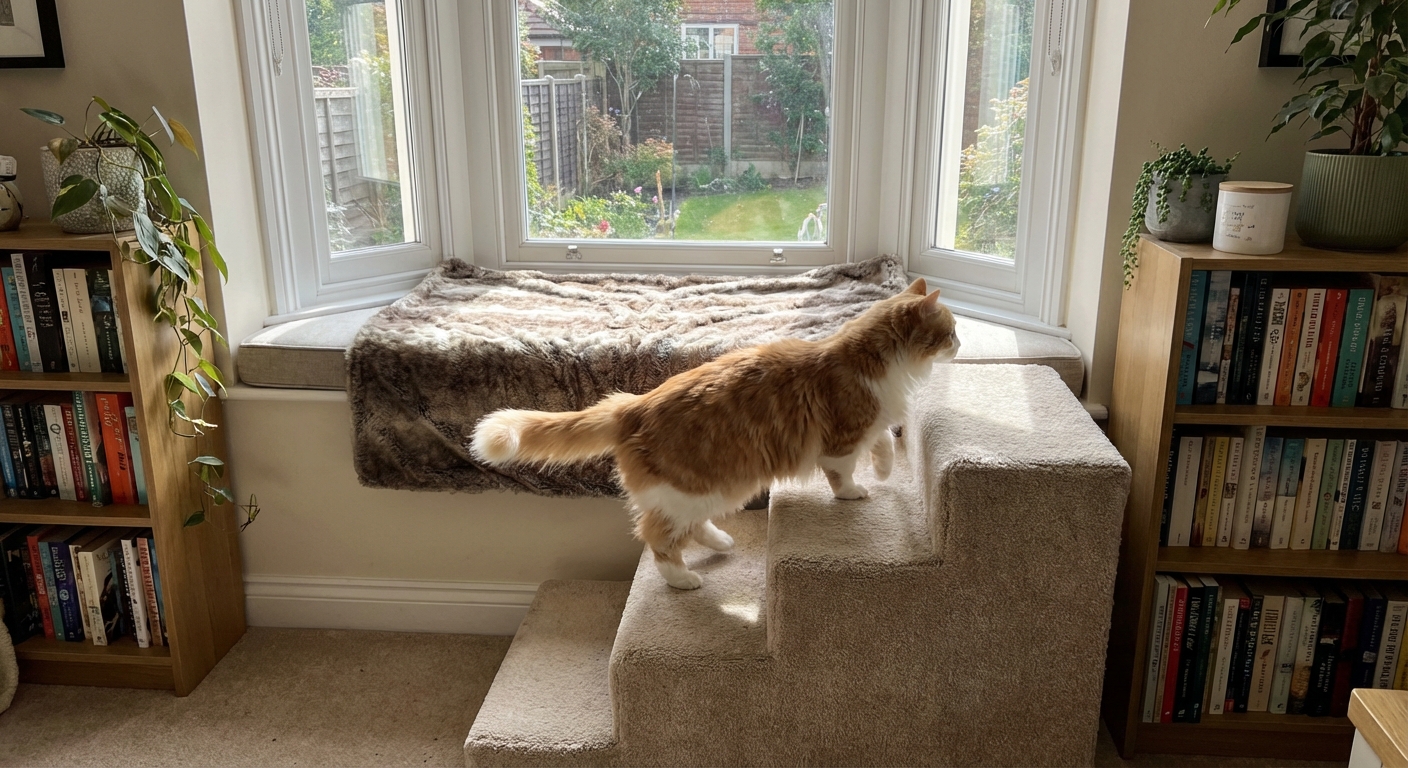
- Use ramps or pet steps to help them access favorite spots without repeated big jumps.
- Provide scratching posts and a stable cat tree with easy platforms.
Living Setup and Home Environment
Napoleon cats generally thrive indoors with a predictable routine. A comfortable, enriched environment keeps them emotionally balanced and physically active.
Home essentials
- A large, easy-to-clean litter box in a quiet location
- Multiple water stations or a cat water fountain
- Soft bedding in warm, low-traffic areas
- Window perches and gentle climbing options
- Regular playtime and calm social attention
Compatibility With Kids and Other Pets
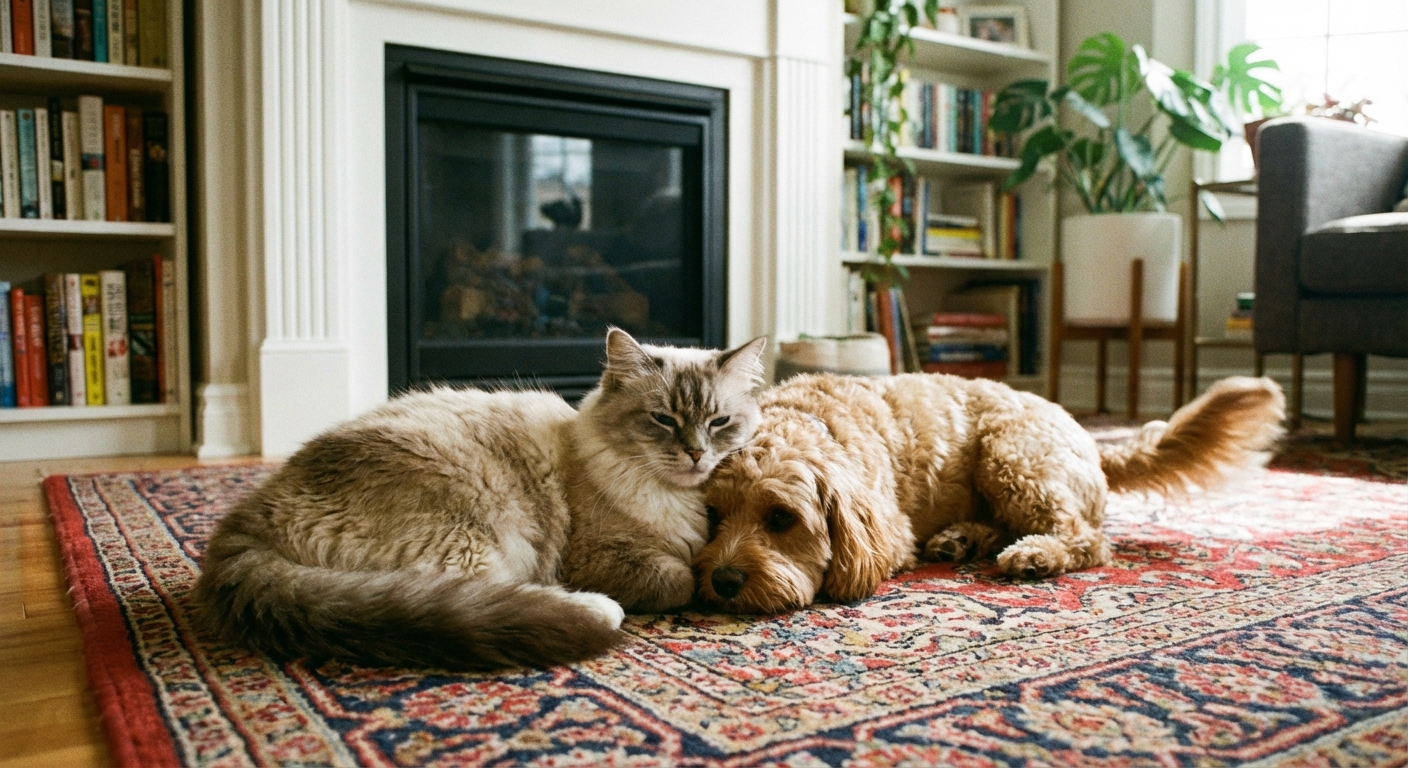
Many Napoleon cats do well with children who are taught to handle cats gently. They often enjoy a calm, respectful approach rather than rough play or loud chasing. With other pets, slow introductions matter. A confident, friendly Napoleon can coexist nicely with other cats and even cat-savvy dogs.
Best practice: Use gradual scent swapping and supervised meetings for at least one to two weeks when introducing a new pet.
Choosing a Responsible Breeder or Adoption Option
Because this breed combines specific physical traits, ethical breeding is essential. Look for transparency, health screening, and kittens raised in a home environment with early socialization.
Questions worth asking
- What health tests are performed on the parents, and can you share results?
- Can I meet at least one parent cat, or see videos of them in a home setting?
- How do you socialize kittens, and what is your policy if a health issue arises?
- At what age do kittens go home, and what veterinary care do they receive first?
You can also look for breed-specific rescues or general cat rescues that occasionally have Minuet or Napoleon mixes. Adoption can be a wonderful option if you are flexible about coat type and exact appearance.
Quick Summary: What to Expect
- Temperament: affectionate, gentle, social
- Grooming: moderate to high, especially for longhair
- Activity level: playful but typically not hyper
- Ideal home: indoor, calm, enriched environment with consistent companionship
- Key health focus: reputable breeding, screening, weight management, dental and eye care
Starting with small, consistent habits really does set the tone for long-term health. With routine grooming, smart nutrition, and regular veterinary visits, a Napoleon cat can be a loving companion who brings quiet joy to your everyday life.