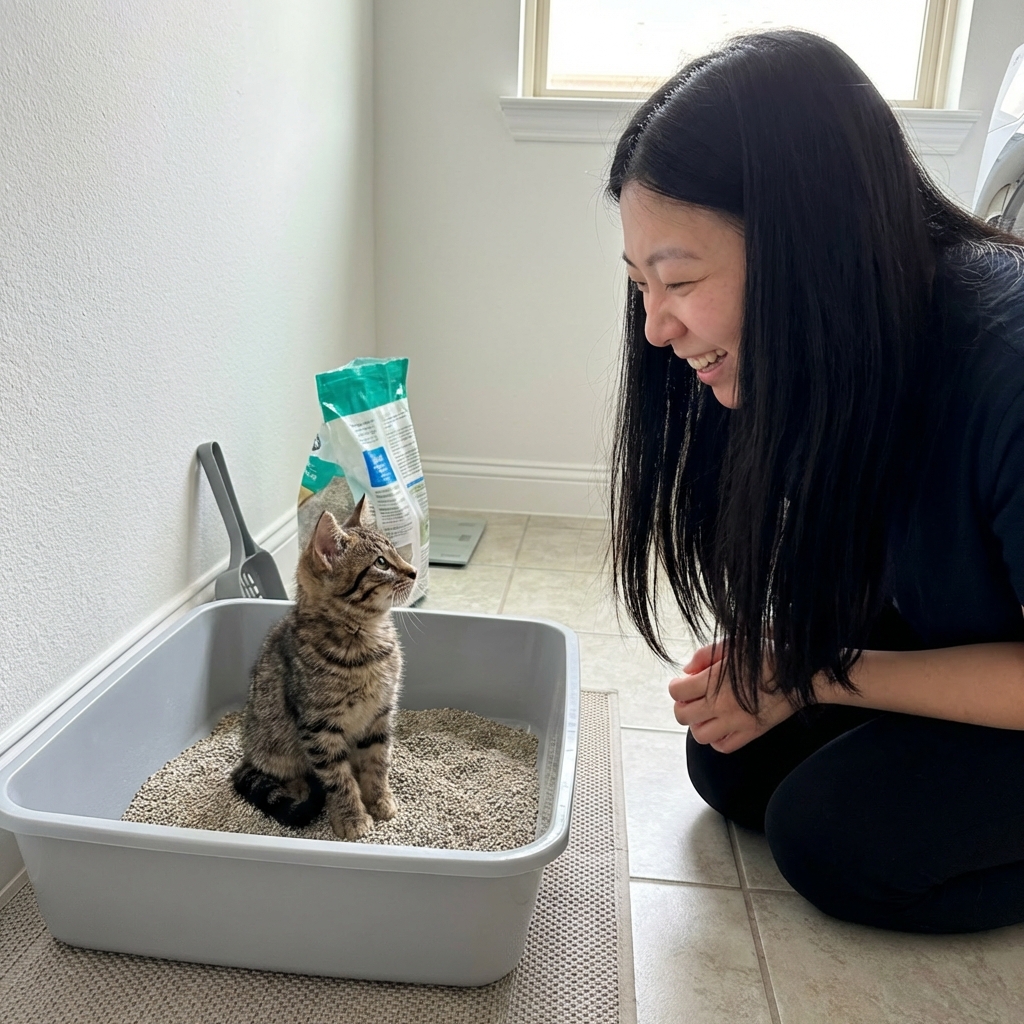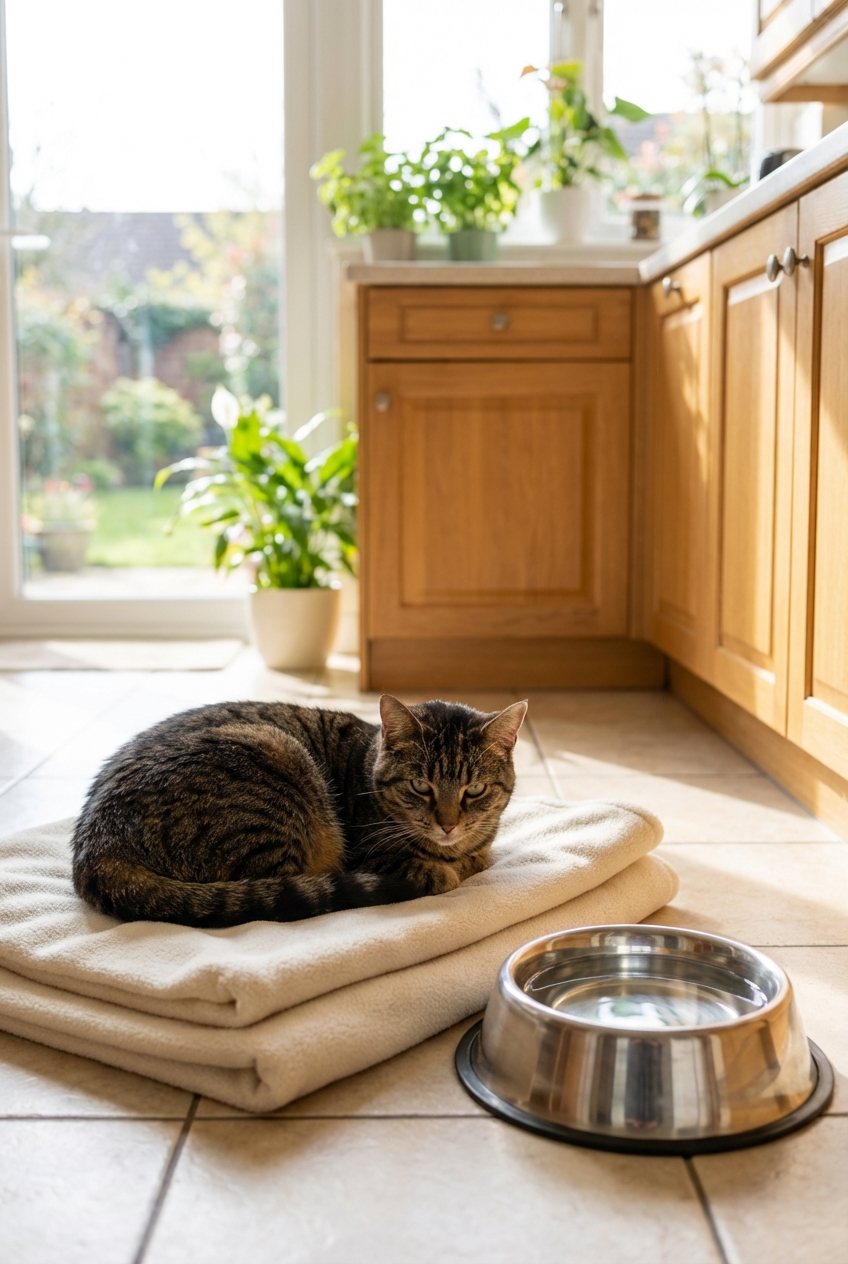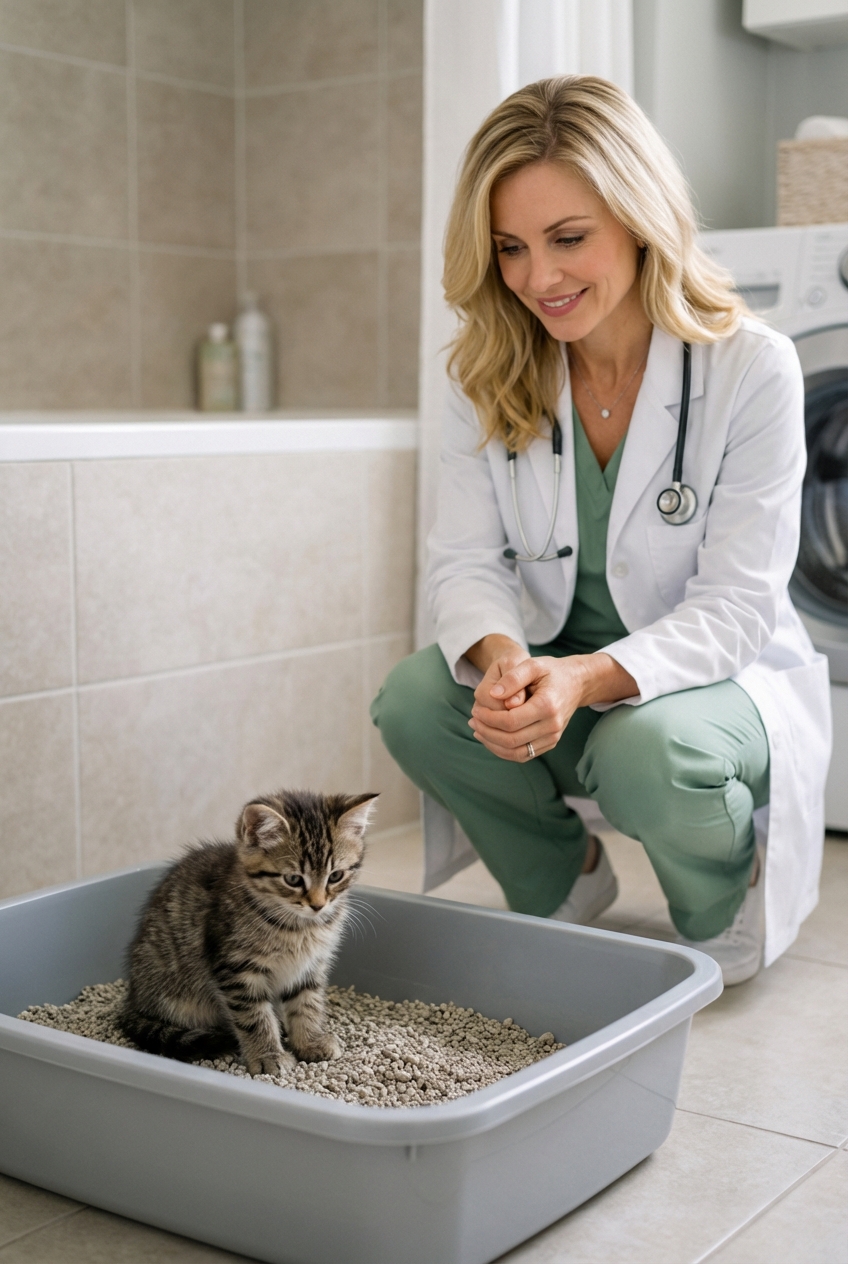
Worried about kitten diarrhea? Use behavior clues and stool signs to spot diet issues, parasites, stress, or infection. Includes safe home steps, red flags, ...
Article
•
Designer Mixes
My Kitten Has Diarrhea But Seems Fine

Shari Shidate
Designer Mixes contributor
Seeing diarrhea in a kitten can make your stomach drop, especially when they are still playing, purring, and acting totally normal. The truth is, kittens can look “fine” right up until they are not. Because their tiny bodies dehydrate quickly, diarrhea deserves attention even when your kitten seems bright-eyed and energetic.
This guide will help you sort out what is urgent, what you can safely do at home, and when it is time to call your veterinarian.
First, a quick safety check
If your kitten has diarrhea, start with these quick questions:
- How old is my kitten? Under 12 weeks is higher risk.
- How small is my kitten? Very small kittens (often under about 2 lb) can get into trouble faster.
- Is my kitten hydrated and acting normal? Energy can be misleading in young cats.
- Is my kitten vaccinated (or still in the series)? Unvaccinated kittens are at higher risk for serious contagious illness.
Call a veterinarian today (or go to urgent care) if you notice any of the following:
- Blood in the stool (bright red) or black, tarry stool
- Repeated vomiting, refusing food, or extreme lethargy
- Signs of dehydration: sticky gums, sunken eyes, weakness
- Straining with little stool, crying in the litter box, or a swollen belly
- Diarrhea in a very young kitten (especially under 8 to 10 weeks, or any neonatal kitten)
- Known toxin exposure (plants, human meds, essential oils, etc.) or possible foreign body (string, ribbon, toys)
- Unvaccinated kitten with diarrhea, especially if paired with vomiting or low energy (panleukopenia is a key concern and can be an emergency)
- Diarrhea that continues beyond 24 hours in a young or small kitten, even if playful
When in doubt, call. A quick phone conversation can prevent a scary midnight emergency.
Why a kitten can have diarrhea and still act normal
It is common for kittens to look surprisingly normal while their gut is irritated. They may keep playing and eating, then the fluid loss catches up with them quickly. Common causes include:
- Diet change (new food, new treats, cow’s milk, too many goodies)
- Stress (new home, new pets, travel, litter changes)
- Parasites like roundworms, hookworms, coccidia, or Giardia
- Viral illness (higher risk in unvaccinated kittens)
- Food intolerance or sensitivity
- Overeating or getting into the trash
- Antibiotic side effects (diarrhea after meds is common)
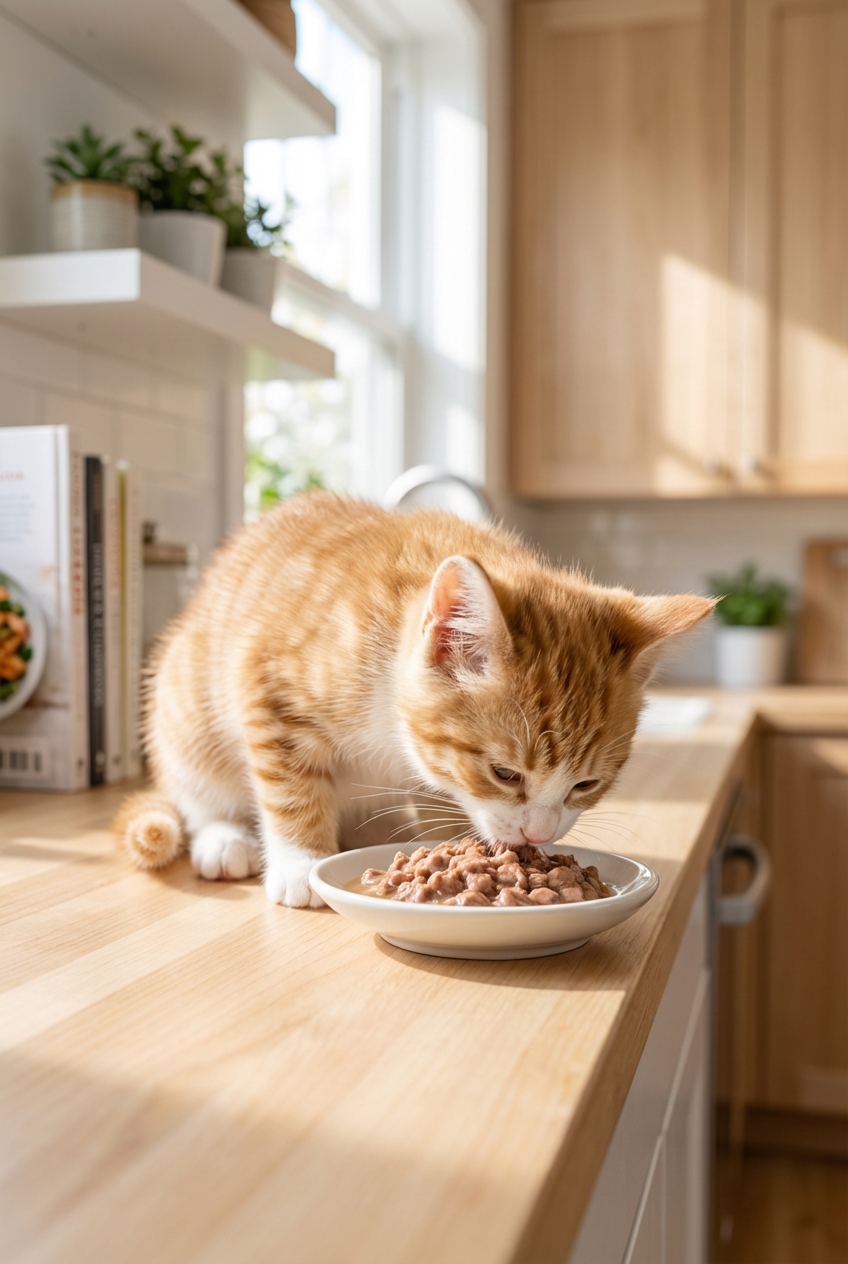
Because parasites are so common, veterinarians often request a stool sample from kittens with diarrhea, even if they look great otherwise.
What normal kitten poop looks like
A healthy kitten stool is usually:
- Formed, log-shaped, and easy to scoop
- Chocolate brown
- Not coated in mucus
- Not foul-smelling beyond the usual “litter box” smell
Diarrhea is any stool that is watery, pudding-like, or repeatedly unformed. If your kitten has one soft stool but the next is normal, that is often less concerning than continuous loose stool.
Safe at-home steps (stable kittens)
If your kitten is bright, eating, drinking, and has no red-flag symptoms, you can do a short, careful home plan while you monitor closely. If your kitten is very young, very small, or not fully vaccinated, lean toward calling your veterinarian sooner.
1) Hydration first
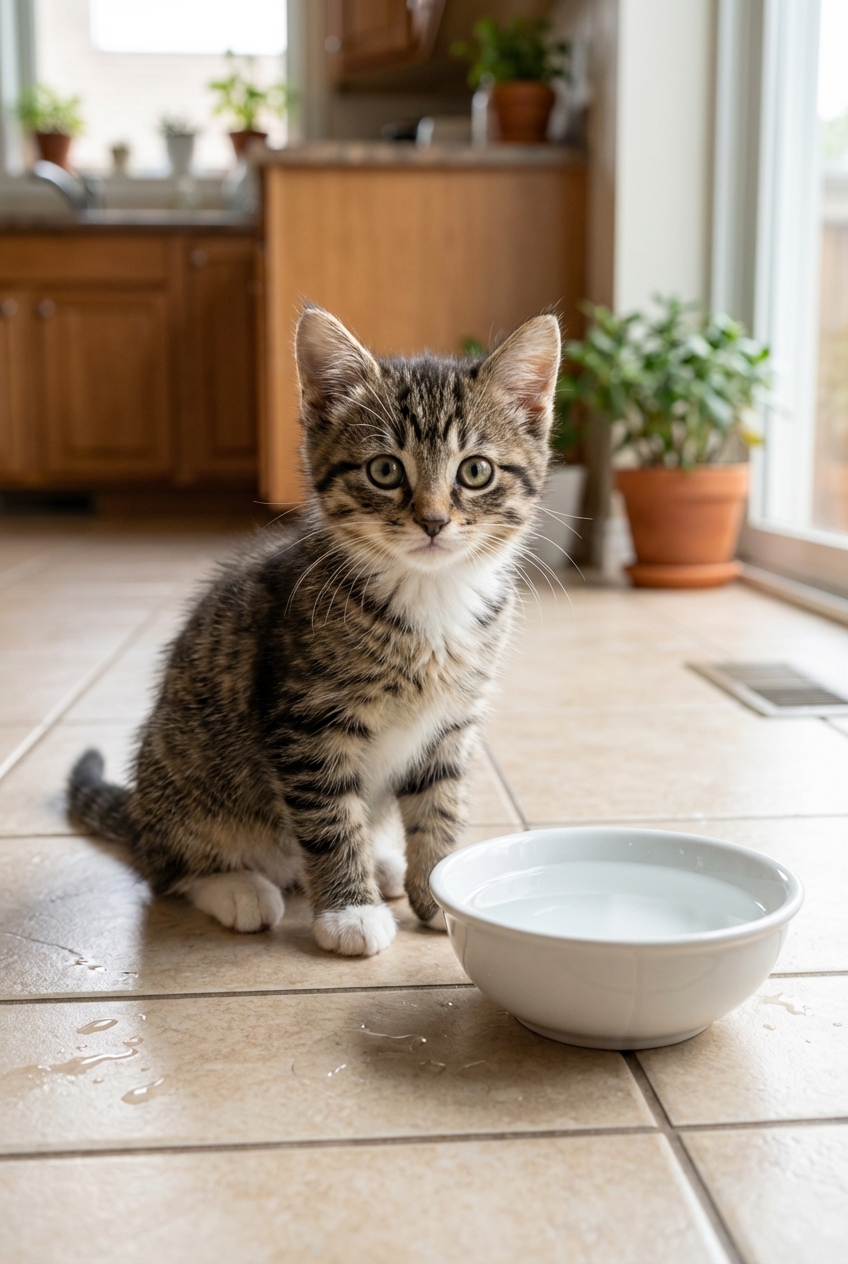
- Provide fresh water in more than one spot.
- Consider a pet fountain if your kitten likes running water.
- Offer wet food to increase fluid intake.
Avoid giving sports drinks, flavored electrolyte drinks, or anything with xylitol. If you are worried about dehydration, that is a veterinarian visit.
2) Keep food simple
Stick to your kitten’s regular diet if it was tolerated well before. If you recently switched foods, consider returning to the previous food and transition slowly later.
Do not abruptly fast very young kittens. Kittens need frequent calories, and fasting can be risky. If your kitten is older and your veterinarian specifically recommends a short fast, follow their guidance.
3) Use a kitten-safe GI diet if needed
Many veterinarians recommend a commercial, kitten-appropriate gastrointestinal diet for a few days.
Avoid DIY “bland diets” as your main plan (like plain chicken and rice) unless your veterinarian tells you exactly what to do. Those options are not complete nutrition for growing kittens and can create problems if used incorrectly or for too long.
If you do not have access to a GI diet immediately, call your clinic and ask what they prefer you use until you can be seen.
4) Clean up and protect the skin
Diarrhea can irritate the skin and spread infectious organisms. Scoop often, wipe dirty paws gently with warm water, and keep bedding clean.
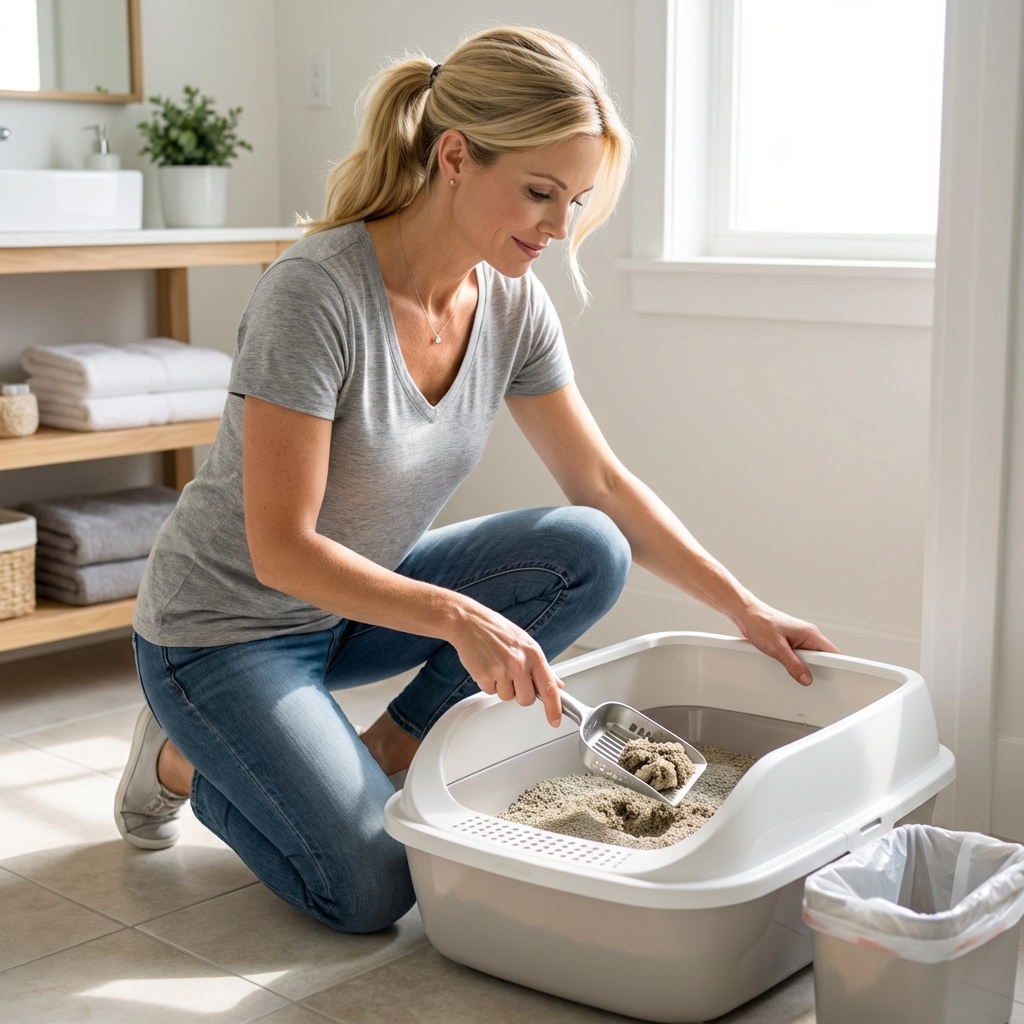
5) Track symptoms
Write down:
- How many loose stools per day
- Consistency (watery vs pudding-like)
- Any mucus or blood
- Appetite and water intake
- Vomiting, sneezing, coughing, or weight loss
This information helps your veterinarian narrow down causes quickly.
Hygiene and contagious risk
Some causes of diarrhea are contagious (especially parasites like Giardia or coccidia). Until you know what is going on:
- Wash hands after litter box cleaning.
- Keep the litter box very clean and avoid shared boxes if you have other cats.
- Consider separating your kitten from other pets if diarrhea is frequent, messy, or paired with sneezing, coughing, vomiting, or low energy.
Common mistakes to avoid
- Do not give human anti-diarrhea medications (like loperamide) unless your veterinarian explicitly tells you to. Some are dangerous for cats and can mask serious disease.
- Do not give cow’s milk. Many kittens cannot digest lactose well, and it can worsen diarrhea.
- Do not assume deworming “once” covers it. Many parasites require specific medications and repeat doses, and some (like Giardia or coccidia) need different treatment than roundworms.
- Do not wait too long. If diarrhea is continuing, getting a stool test early can save money and discomfort.
When to schedule a visit (even if fine)
Make an appointment soon if:
- Your kitten has more than a couple episodes of diarrhea in a day
- The diarrhea lasts longer than 24 hours in young or small kittens
- The diarrhea lasts longer than 48 hours in older, stable kittens
- Your kitten is newly adopted from a shelter, rescue, or breeder (higher parasite risk)
- There is mucus, a very strong odor, or accidents outside the litter box
- Your kitten is not gaining weight normally
Bring a fresh stool sample if you can. Ideally, collect a small amount that is less than 12 hours old. If you cannot get to the clinic right away, place it in a sealed bag or container and refrigerate it. Try to avoid mixing it with litter if possible, since litter can interfere with some tests. If your clinic has special instructions, follow them.
What your vet may recommend
Veterinary care for kitten diarrhea is often straightforward, but it should be tailored to the cause. Your veterinarian may suggest:
- Fecal testing (for worms, Giardia, coccidia, and other parasites)
- PCR testing in some cases to check for certain infectious causes, including select bacterial pathogens
- Deworming based on age, history, and results
- Probiotics formulated for cats
- A gastrointestinal diet (kitten-appropriate)
- Fluids if dehydration is suspected
- Additional testing if diarrhea is persistent or recurrent
If your kitten is still in the vaccination series, your veterinarian will also consider contagious diseases and may advise isolation from other cats until things settle.
A simple decision map
- One loose stool, otherwise normal: Monitor, keep diet consistent, ensure hydration.
- Multiple loose stools in a day, still playful: Call your veterinarian, plan a stool test, ask about a kitten-safe GI diet and cat-specific probiotic.
- Diarrhea plus vomiting, blood, lethargy, or not eating: Urgent veterinary care.
Kittens can compensate until they cannot. Trust your instincts and call your veterinarian if you are uneasy.
Bottom line
It is possible for a kitten to have diarrhea and still seem fine, especially early on. But because kittens are more vulnerable to dehydration and parasites are common, diarrhea is not something to ignore. Focus on hydration, avoid risky home medications, and loop your veterinarian in sooner rather than later. A simple stool test and the right treatment can get your little one back to perfect litter box habits quickly.