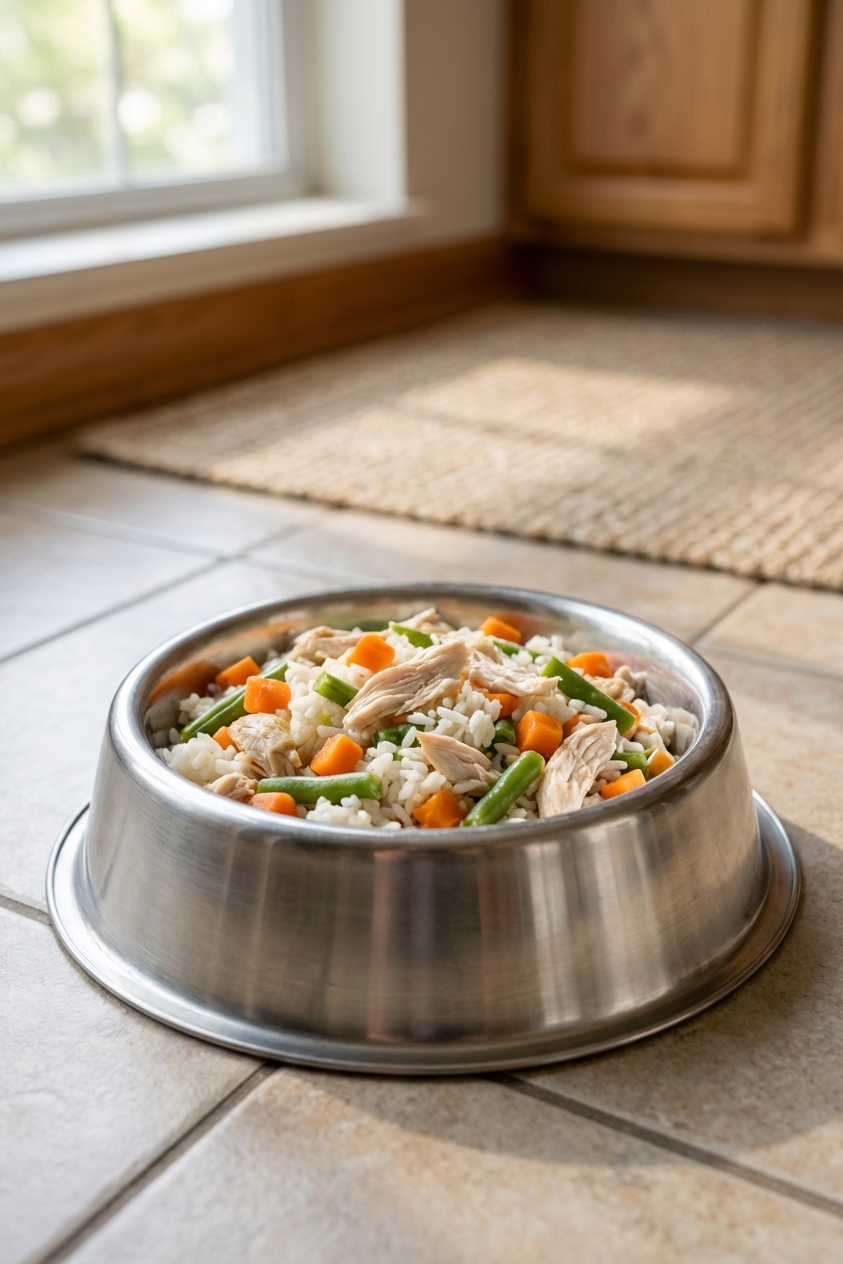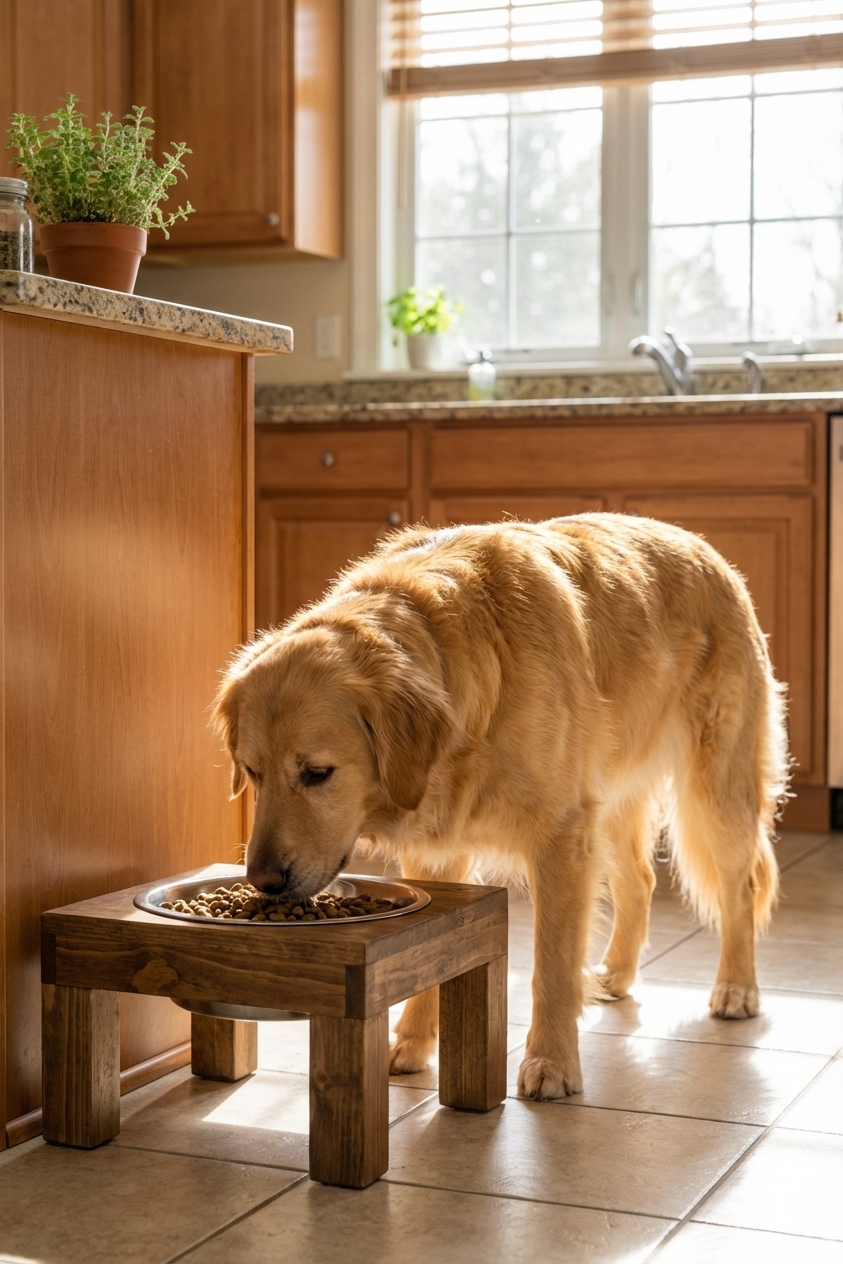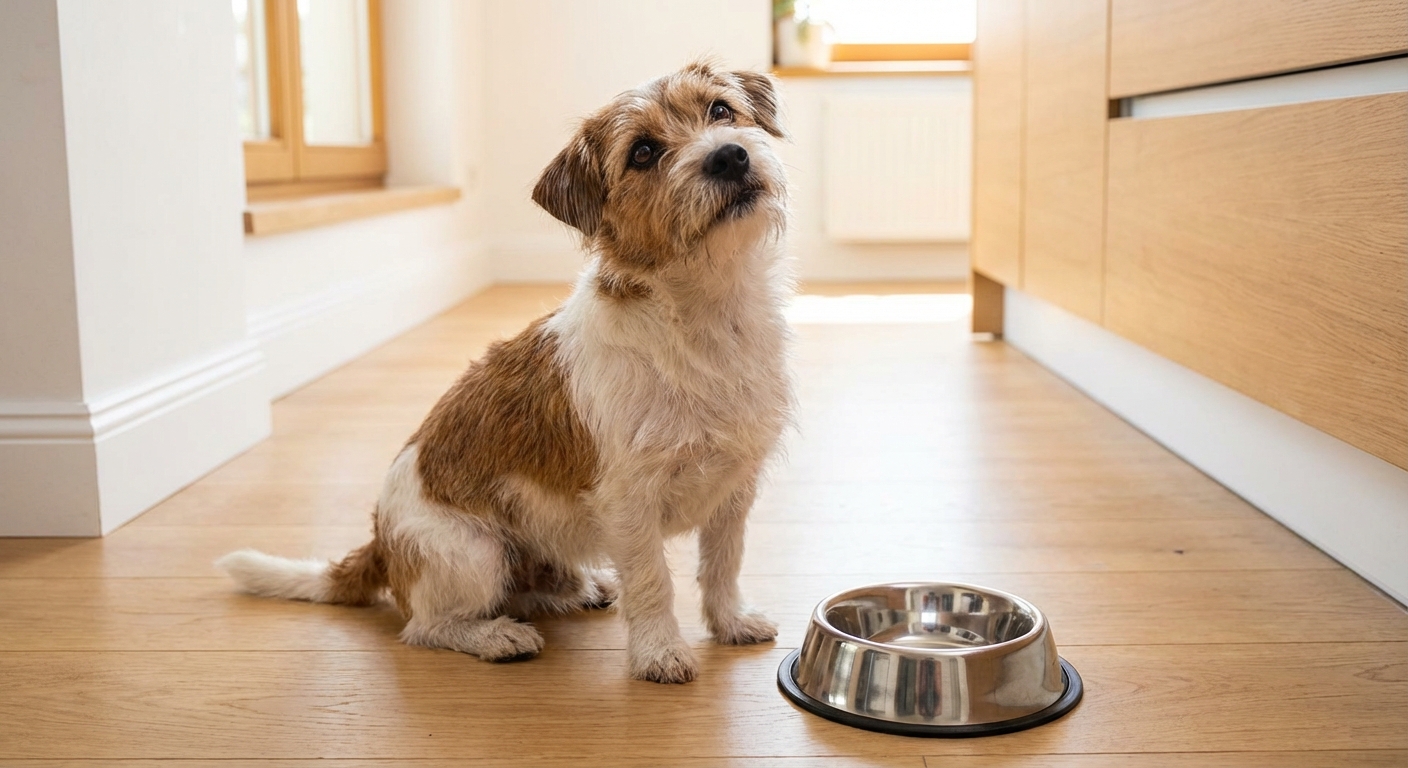
Help your dog feel better with gentle homemade meals for sensitive stomachs. Learn a 3-ingredient bland reset, easy recipes, transition steps, and what signs...
Article
•
Designer Mixes
My Dog’s Stomach Is Making Noises

Shari Shidate
Designer Mixes contributor
If you have ever been in a quiet room and suddenly heard your dog’s belly growl, gurgle, or squeak, you are not alone. As a veterinary assistant here in Frisco, Texas, I hear this concern all the time. The good news is that most tummy noises are normal digestion at work. The important part is knowing when it is just “borborygmi” (the medical term for gut sounds) and when it is a sign your dog needs help.

Why dogs’ stomachs make noise
Your dog’s gastrointestinal tract is constantly moving food, liquid, and gas forward through a process called peristalsis. When those contents shift around, they create audible sounds. Noise level can change based on:
- Hunger: An empty stomach and intestines can sound surprisingly loud.
- Normal digestion: After meals, you might hear gurgling as food mixes with digestive juices.
- Swallowed air: Fast eating, panting, or anxiety can increase air intake.
- Diet changes: New foods can temporarily alter the gut microbiome and gas production.
- Mild stomach upset: A “something didn’t agree with me” moment often comes with extra noise.
Normal noises vs. warning signs
Stomach noises by themselves are usually not an emergency. What matters is the whole picture: appetite, energy, hydration, and stool (poop).
Often normal
- Noises happen occasionally, especially before meals.
- Your dog is bright, playful, and acting like themselves.
- Normal appetite and normal stool.
- No vomiting and no visible abdominal discomfort.
Call your vet soon (same day if you can)
- Stomach noises plus vomiting or diarrhea that lasts more than 24 hours, or sooner if it is frequent, severe, or your dog is very young, very small, a senior, or has other medical conditions.
- Decreased appetite or refusing food.
- Lethargy, trembling, or hiding.
- Excessive gas with discomfort.
- Frequent lip licking, drooling, or repeated swallowing (can be nausea signs).
- Blood in vomit or stool, or black tar-like stool.
- Constipation signs such as straining, passing small hard stools, or no stool along with discomfort.
Go to an emergency vet now
These can be signs of bloat, obstruction, pancreatitis, toxic ingestion, or other serious problems:
- Unproductive retching or repeated attempts to vomit with little coming up.
- Swollen or tight abdomen, pacing, or obvious pain.
- Collapse, pale gums, or trouble breathing.
- Suspected foreign object swallowed (toy pieces, socks, corn cob, bones). Linear objects like string, ribbon, or fabric can be especially dangerous.
- Puppies, seniors, or dogs with chronic disease who suddenly worsen.
Common causes of loud gut sounds
1) Eating too fast
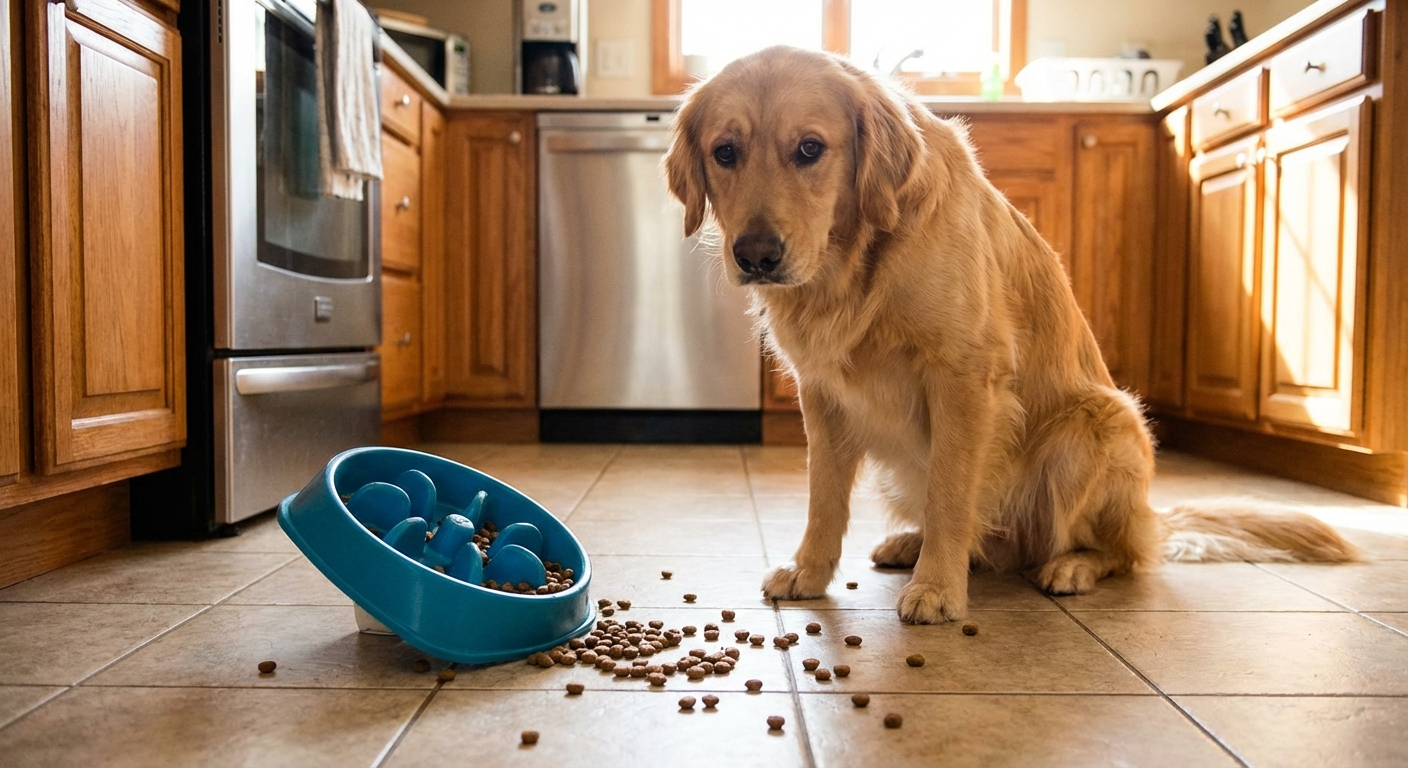
Fast eaters gulp air, which can lead to gurgling, burping, and discomfort. This is extra common in multi-dog homes where pets compete for food.
2) Sudden diet change
Even a high-quality new food can cause temporary rumbling if introduced too quickly. A slow transition helps the gut adjust.
3) Dietary indiscretion
Dogs are creative. Garbage snacks, greasy people food, too many treats, or getting into the cat food can all trigger noisy intestines.
4) Parasites, infection, or dysbiosis
Intestinal parasites, some infections, and gut bacterial imbalance (sometimes called dysbiosis) can cause gas and abnormal motility. This is more likely if there is diarrhea, weight loss, or a poor appetite, and it is something your vet should evaluate.
5) Food sensitivity
Some dogs develop sensitivities to certain proteins, dairy, or high-fat foods. Signs can include gassiness, intermittent loose stool, itchy skin, and recurring stomach upset.
6) Stress and anxiety
The gut and brain are closely linked. Stress can change motility and cause extra sounds, softer stool, and nausea.
7) Chronic GI disease
If rumbling is frequent or keeps coming back, especially with weight loss, chronic loose stool, vomiting, a poor coat, or appetite changes, your vet may want to rule out chronic enteropathy (including IBD) or other long-term GI problems.
What you can do at home
If your dog is otherwise acting normal and you are not seeing red-flag symptoms, these gentle steps can help. This article cannot diagnose your pet, so when in doubt, call your veterinarian. If you suspect toxin exposure, contact your vet or a pet poison hotline right away.
Step 1: Check the basics
- Appetite: Are they eating normally?
- Energy: Are they alert and interested in normal activities?
- Hydration: Are gums moist? Are they drinking?
- Stool: Normal color and firmness? Any straining or constipation?
Step 2: Offer small, frequent meals
For hunger-related rumbling, a small snack or dividing meals into 2 to 4 smaller feedings can help reduce empty-stomach noise.
Step 3: Slow down fast eaters
- Use a slow-feeder bowl or puzzle feeder.
- Spread kibble on a snuffle mat.
- Feed dogs separately if competition makes them rush.
Step 4: Keep treats simple for 48 hours
Skip rich chews and high-fat treats. Stick to small amounts of their regular diet, or ask your vet what is appropriate for your dog’s situation.
Step 5: Consider a short bland diet only with veterinary guidance
Many vets recommend a temporary bland diet for mild stomach upset, but the best choice depends on your dog’s age, medical history, and symptoms. If you are unsure, call your clinic first, especially for small dogs, puppies, diabetics, and dogs with pancreatitis history.
Step 6: Probiotics can be helpful
Some veterinary probiotics have evidence supporting use in certain cases of acute diarrhea and stress-related GI changes. Not all products are the same, so ask your vet for a reputable option with dog-specific research and dosing guidance.

Foods and habits that make noises worse
- High-fat foods: Bacon, greasy leftovers, fatty meat trimmings.
- Too many new treats at once: Even “healthy” ones can add up.
- Dairy: Some dogs are lactose intolerant.
- Table scraps: Seasonings and rich sauces can irritate the gut.
- Bone fragments: Cooked bones can splinter and cause serious injury.
- Eating on the run: Excitement plus fast eating often equals swallowed air.
When noises might mean bloat (GDV)
Large, deep-chested dogs are at higher risk for gastric dilatation-volvulus (GDV), but it can happen in other dogs too. Belly sounds are not the defining symptom, but some owners may notice restlessness or increased gut sounds before other signs appear.
Classic GDV warning signs include a distended abdomen, repeated unproductive retching, drooling, rapid breathing, and signs of shock. If you suspect bloat, do not wait. Go to the emergency vet immediately.
How to prevent frequent rumbling
- Transition foods slowly: Over 7 to 10 days when possible.
- Feed consistent, high-quality meals: Keep fat content appropriate for your dog.
- Use enrichment feeding: Slow feeders reduce air swallowing.
- Keep up with parasite prevention: Talk to your vet about a plan for your region and your dog’s lifestyle.
- Schedule regular wellness exams: Catch health issues early, including GI problems and weight changes.
- Practice safe chewing: Choose vet-recommended chews and supervise.
Quick “call the vet” checklist
If you contact your clinic, these details help your veterinary team triage faster:
- When the noises started and how often they happen
- Vomiting, diarrhea, constipation, or straining, including frequency
- Any blood in stool or vomit
- Appetite changes and water intake
- Potential access to trash, toys, bones, medications, string, ribbon, or toxins
- Your dog’s age, breed mix, weight, and current medications
Trust your instincts. If your dog’s stomach noises come with pain, repeated vomiting, a swollen belly, or a big change in behavior, it is always safer to get checked sooner rather than later.