A sudden fishy odor often points to anal sacs. Learn the top causes (impaction, infection, allergies, soft stool), red-flag symptoms, and safe at-home and ve...
Article
•
Designer Mixes
My Dog’s Butt Smells Like Fish: What It Means

Shari Shidate
Designer Mixes contributor
If you have ever leaned in to cuddle your dog and suddenly caught a strong, fishy odor, you are not imagining things. As a veterinary assistant here in Frisco, Texas, I hear this concern all the time, and it is often tied to one very common body part: the anal glands.
The good news is that this kind of odor is often fixable. The important part is knowing when it is a simple hygiene issue and when it is a sign your dog needs veterinary help.
Why the smell happens
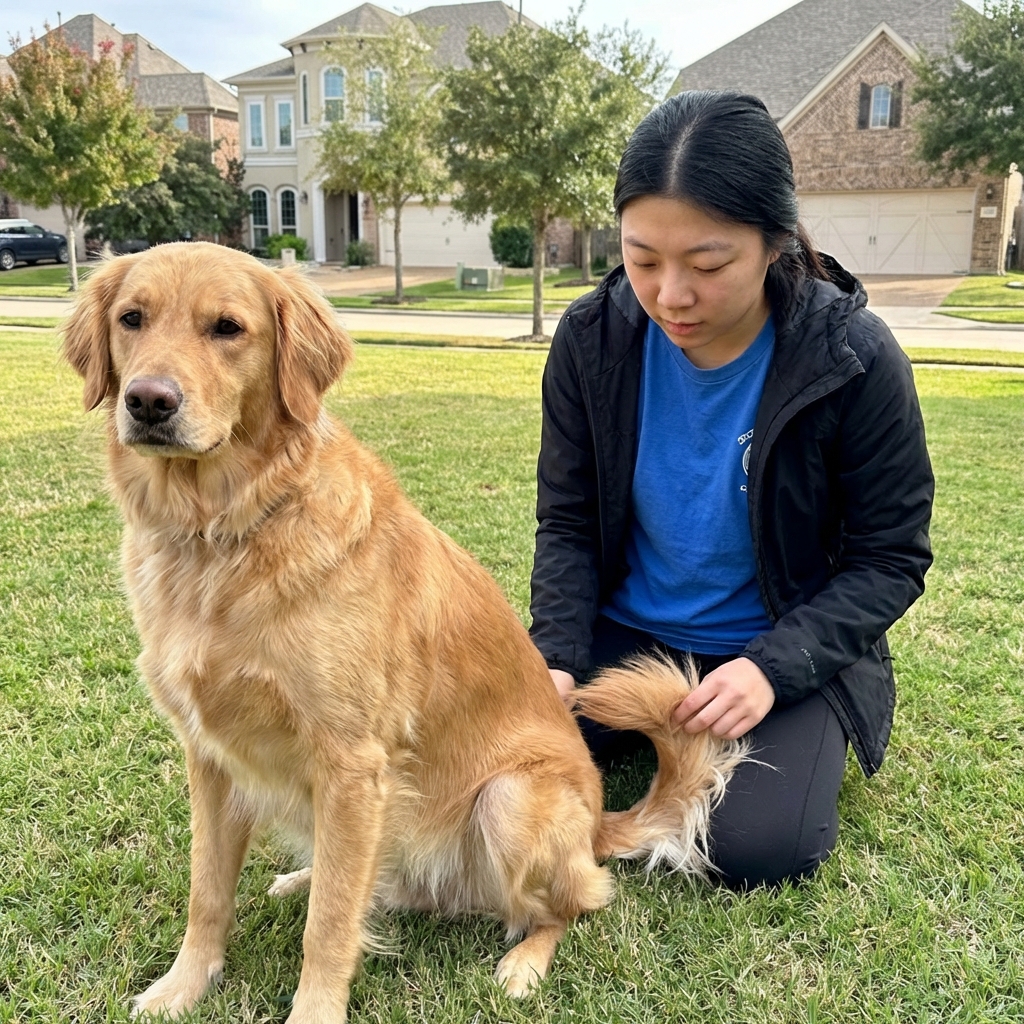
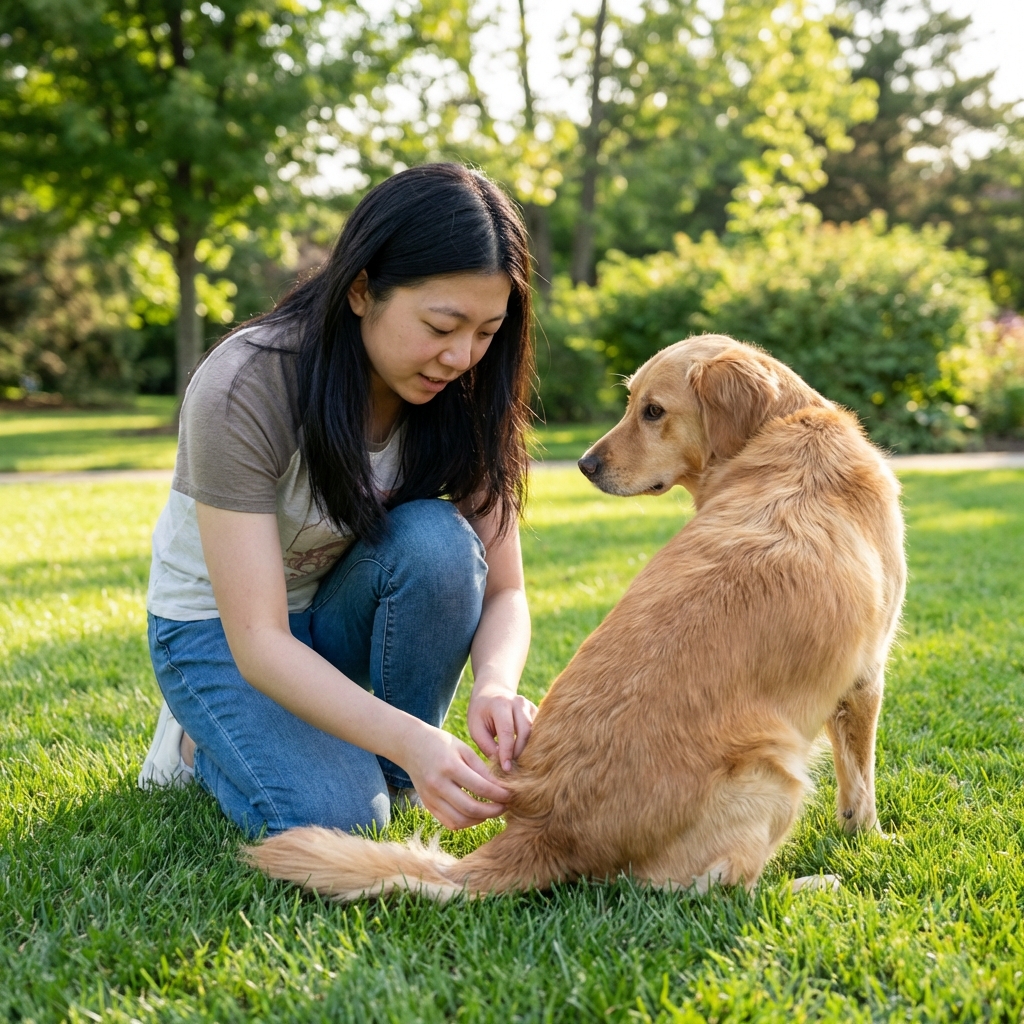
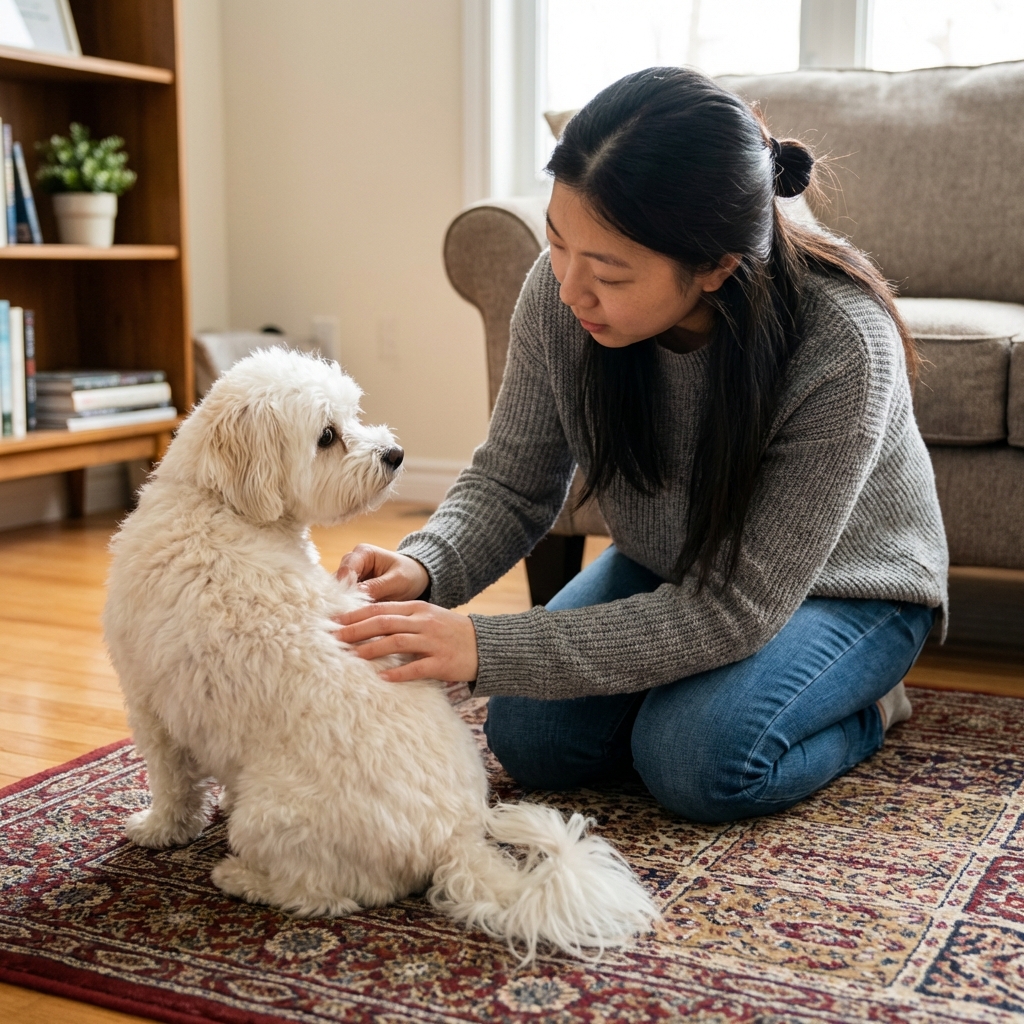
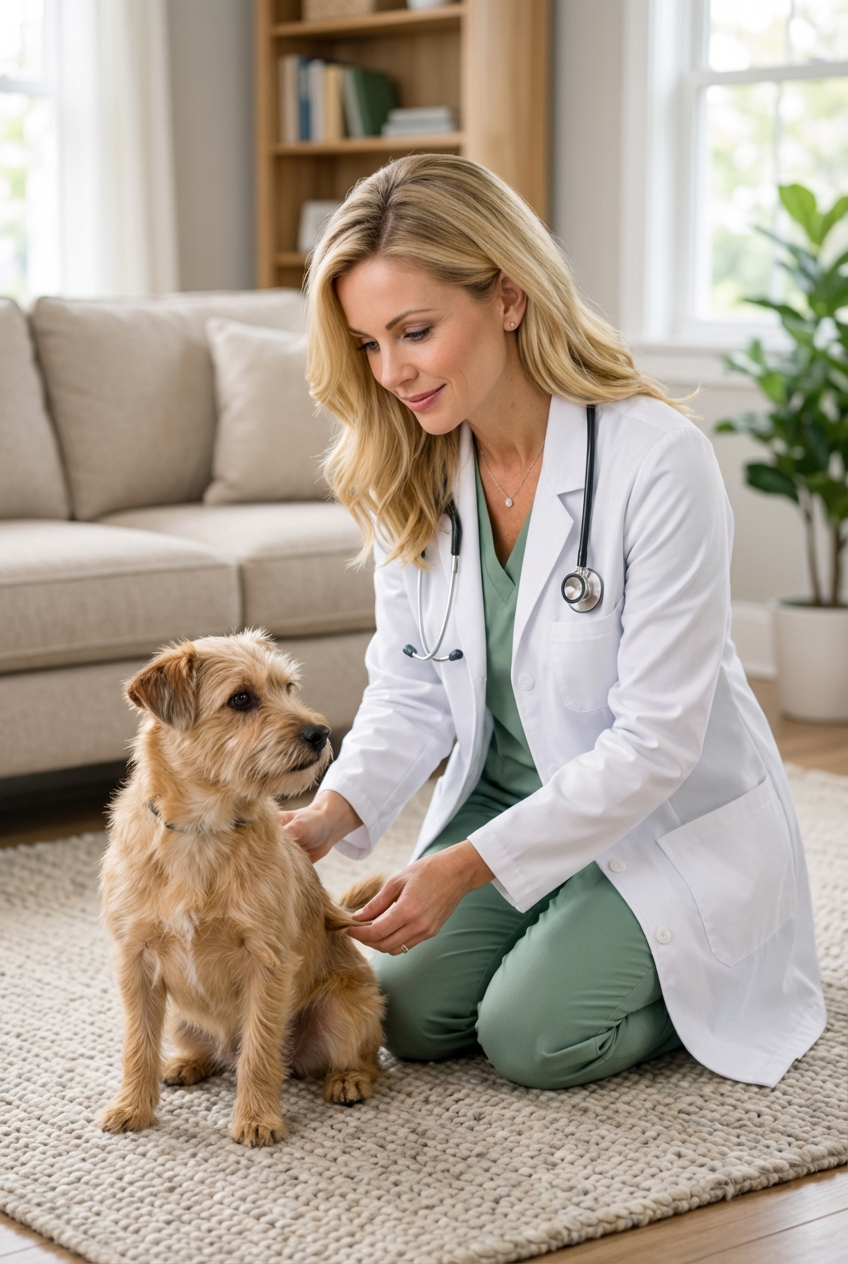
A very common cause of a fishy odor is fluid released by your dog’s anal sacs, also called anal glands. Dogs have two small glands located just inside the anus, roughly at the 4 o’clock and 8 o’clock positions relative to the anus (exact placement varies a bit by individual). These glands make a strong-smelling secretion that dogs normally express in tiny amounts when they poop. It is a form of scent communication.
When the sacs do not empty properly, that secretion can build up, leak, or become inflamed or infected. That is when owners notice the classic “fish” smell.
Common causes of a fishy butt smell
1) Full anal glands (impaction)
This is the most common reason I see. If your dog’s stool is too soft or they have chronic mild digestive upset, they may not generate enough pressure to naturally express the glands.
Clues you might see:
- Scooting (dragging the rear end on the floor)
- Licking or chewing at the rear end
- A sudden fishy odor that comes and goes
- A little dampness or odor on bedding
2) Anal gland infection or abscess
When impacted glands sit too long, bacteria can overgrow and cause infection. In more severe cases, an abscess can form and rupture.
Clues you might see:
- Swelling near the anus
- Redness, pain, or your dog not wanting to sit
- Blood or pus
- Fever, lethargy, decreased appetite
3) Diarrhea, food sensitivity, or chronic soft stools
Repeated loose stool is a major contributor to anal gland trouble. Allergies, sudden diet changes, rich treats, stress, parasites, or inflammatory bowel issues can all play a role.
4) Skin irritation, bacterial infection, or yeast around the rear
Some dogs develop irritated skin and yeast overgrowth around the tail base or perineal area, especially if they are licking a lot. Yeast is often described as musty, “corn chip,” or generally funky, but owners sometimes describe any strong rear-end odor as fishy. If the skin looks red, greasy, thickened, or very itchy, it is worth having it checked.
5) Parasites or other irritation
Even if stool looks fairly normal, parasites (or just irritation from frequent licking) can cause itching and scooting that makes people suspect anal glands. Your veterinarian may recommend a stool test if this is recurrent.
6) Less common but important: urinary, reproductive, or perianal disease
Urinary tract infections and urine scald usually smell more urine-like or ammonia-strong than fishy, and reproductive tract infections or discharge can smell foul. These can be mistaken for anal gland odor because the licking happens in the same general area. Also, chronic draining tracts, persistent ulcers, or a firm mass around the anus can point to rarer problems such as perianal fistulas (seen more in German Shepherds) or tumors. Any discharge, a new lump, or ongoing pain deserves a prompt veterinary exam.
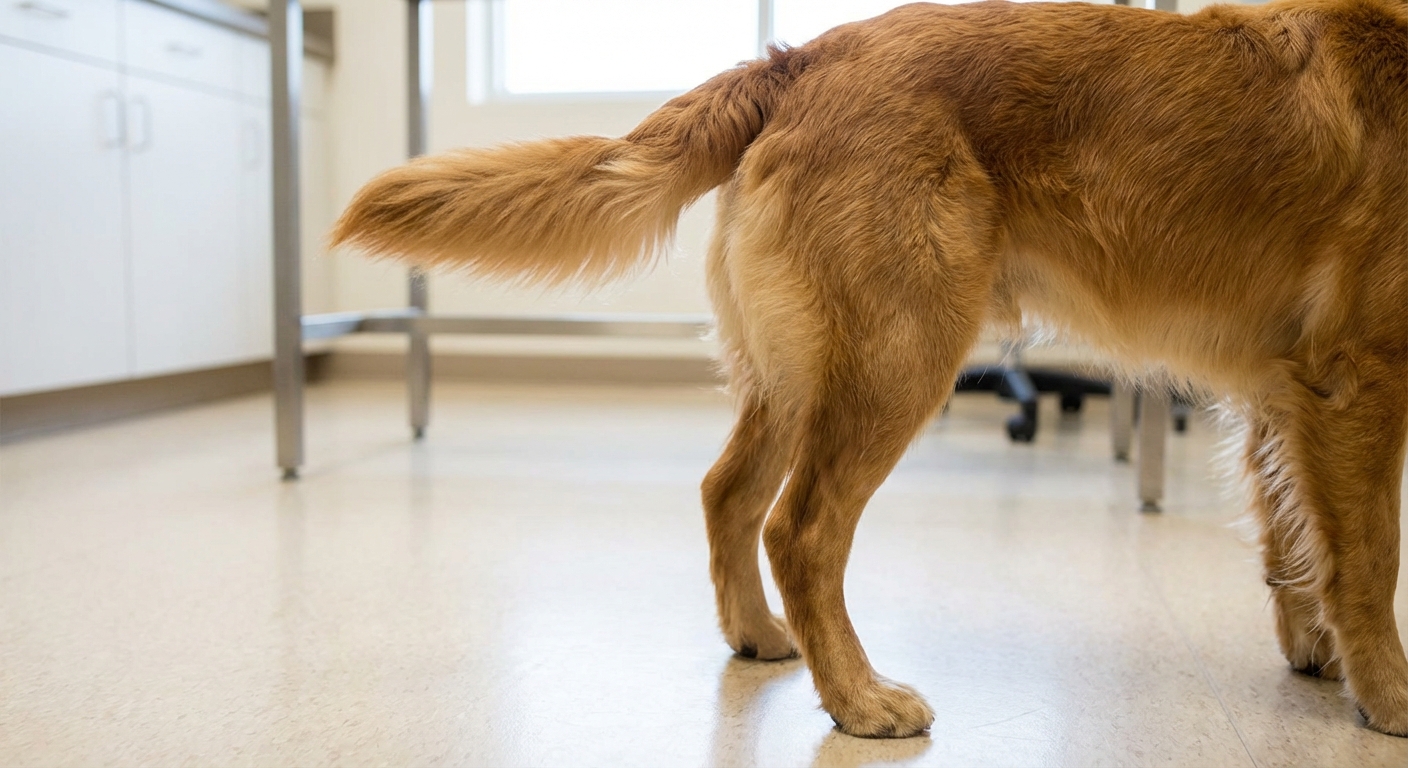
What to do at home (safe first steps)
If your dog is acting normal and you are only noticing odor or mild licking, these gentle steps can help while you decide if a visit is needed.
Check the basics
- Look for stuck feces or debris in the fur, especially in long-haired breeds and mixes.
- Wipe the area with a fragrance-free pet wipe or a damp cloth, then dry gently.
- Wash bedding if the odor has transferred.
Avoid: human wipes, essential oils, harsh soaps, or heavily scented products around the anus. Over-cleaning can irritate the skin and make licking worse.
Support firmer, well-formed stool
Healthy, formed stool is one of the best “natural” ways to help anal glands empty.
- Go slow with diet changes. Sudden switches often trigger loose stool.
- Ask your vet about fiber. In many dogs, a small amount of vet-approved fiber can help bulk stool. Options may include canned pumpkin (plain, not pie filling) or a specific fiber supplement. Your vet can guide amounts based on your dog’s size and health history.
- Hydration matters. Fresh water and moisture in meals can support digestive health, but the goal is still a formed stool.
Resist squeezing the glands yourself
I know it is tempting after watching a video, but DIY anal gland expression can cause trauma and worsen inflammation. If infection is present, it can be especially painful and may increase the risk of complications. If glands need expressing, a veterinarian or trained groomer is the safer choice. If your dog has a history of infection, recurrent problems, or painful glands, the vet is the better first stop.
When this is urgent
Please contact your veterinarian promptly if you notice any of the following:
- Swelling, a firm lump, or a wound near the anus
- Blood, pus, or a foul odor that is worsening quickly
- Your dog cries, snaps, or seems painful when sitting or when you touch the area
- Fever, lethargy, refusing food
- Repeated scooting and licking that does not improve within 24 to 48 hours
A fishy smell is common, but pain and swelling are not something to “wait out.” Anal gland abscesses can become serious quickly.
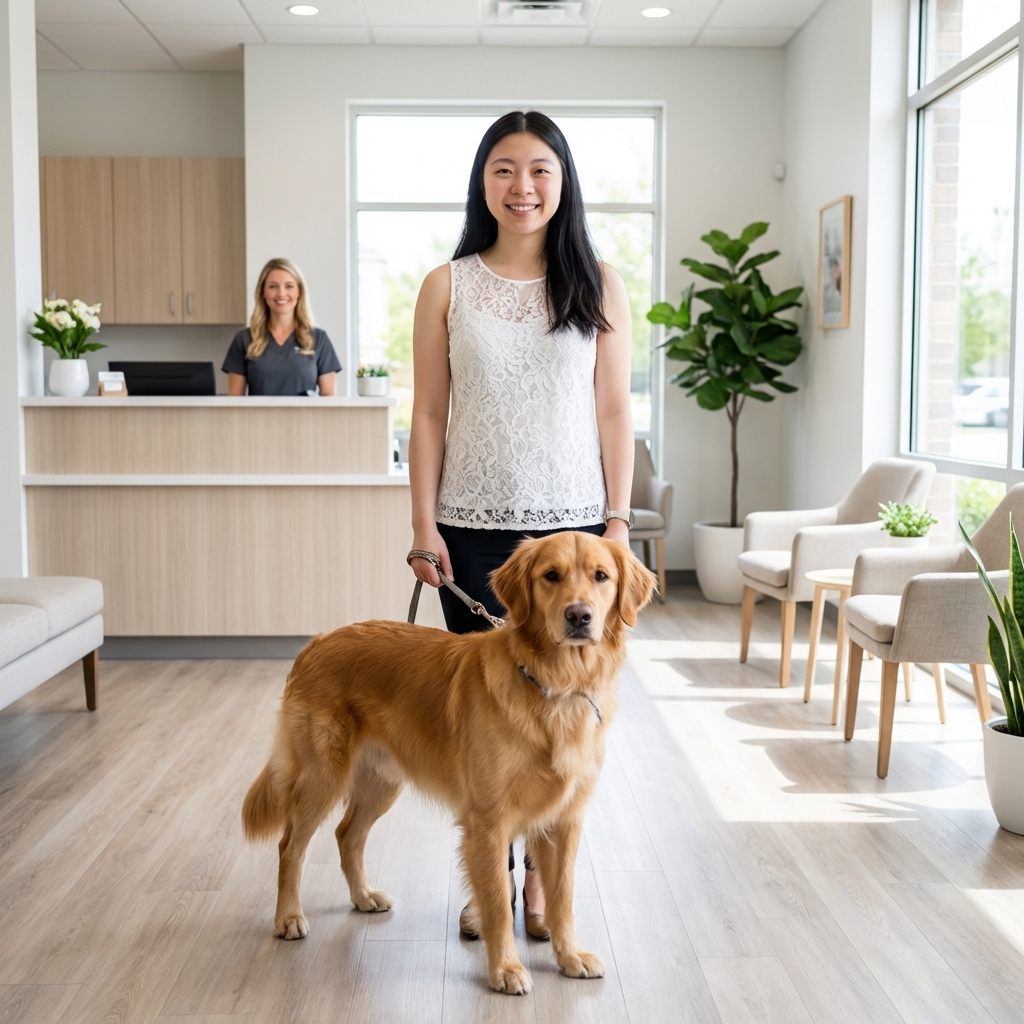
What your vet might do
Depending on the exam, your vet may:
- Express the anal glands and assess the fluid (normal fluid is often brownish and strong-smelling, while infected fluid may be thicker, yellow, green, or bloody)
- Recommend medication for infection or inflammation, which may include antibiotics and pain relief
- Flush the anal sacs if needed
- Recommend a fecal test and discuss diet adjustments to improve stool quality long-term
- In recurrent cases, recommend additional testing such as cytology, and sometimes culture, to guide treatment
If your dog has frequent recurrences, your vet may talk with you about contributing factors like allergies, chronic colitis, anatomy, or, in rare stubborn cases, surgical removal of the anal sacs (anal sacculectomy). That is not a first-line step, but it can be discussed when quality of life is affected.
Prevention: helping the problem stay gone
Prioritize stool quality
This is the big one. Many dogs with recurring odor episodes have one underlying theme: inconsistent poop.
- Feed a consistent, high-quality diet that agrees with your dog
- Limit rich treats and sudden food changes
- Work with your vet if allergies are suspected (ear infections, paw licking, itchy skin, and chronic soft stool can travel together)
Keep a simple “butt smell” log
It sounds funny, but it is genuinely helpful. Track:
- Date of odor episode
- Stool quality that week
- Diet changes or new treats
- Scooting or licking
Patterns often show up fast, and that makes your next vet visit much more productive.
Grooming helps
Dogs with thicker coats can trap odors near the tail. Keeping the sanitary area trimmed and clean can reduce lingering smell, even if the root cause is anal glands.
Bottom line
If your dog’s rear end smells like fish, anal glands are a very common reason, and many dogs improve with the right combination of gland care and better stool consistency. If you see pain, swelling, blood, a draining tract, or your dog seems unwell, do not wait. Those signs can point to infection, an abscess, or another issue that needs prompt treatment.
If you want, tell me your dog’s breed mix, age, and what their stool has been like lately, and I can help you think through questions and next steps to bring to your veterinarian. This is not a substitute for an in-person exam or diagnosis.