From allergies and yeast to injuries and anxiety, discover the most common reasons dogs lick their paws. Follow a quick paw-check routine, safe home tips, an...
Article
•
Designer Mixes
My Dog Won’t Stop Licking His Paws

Shari Shidate
Designer Mixes contributor
Why paw licking matters
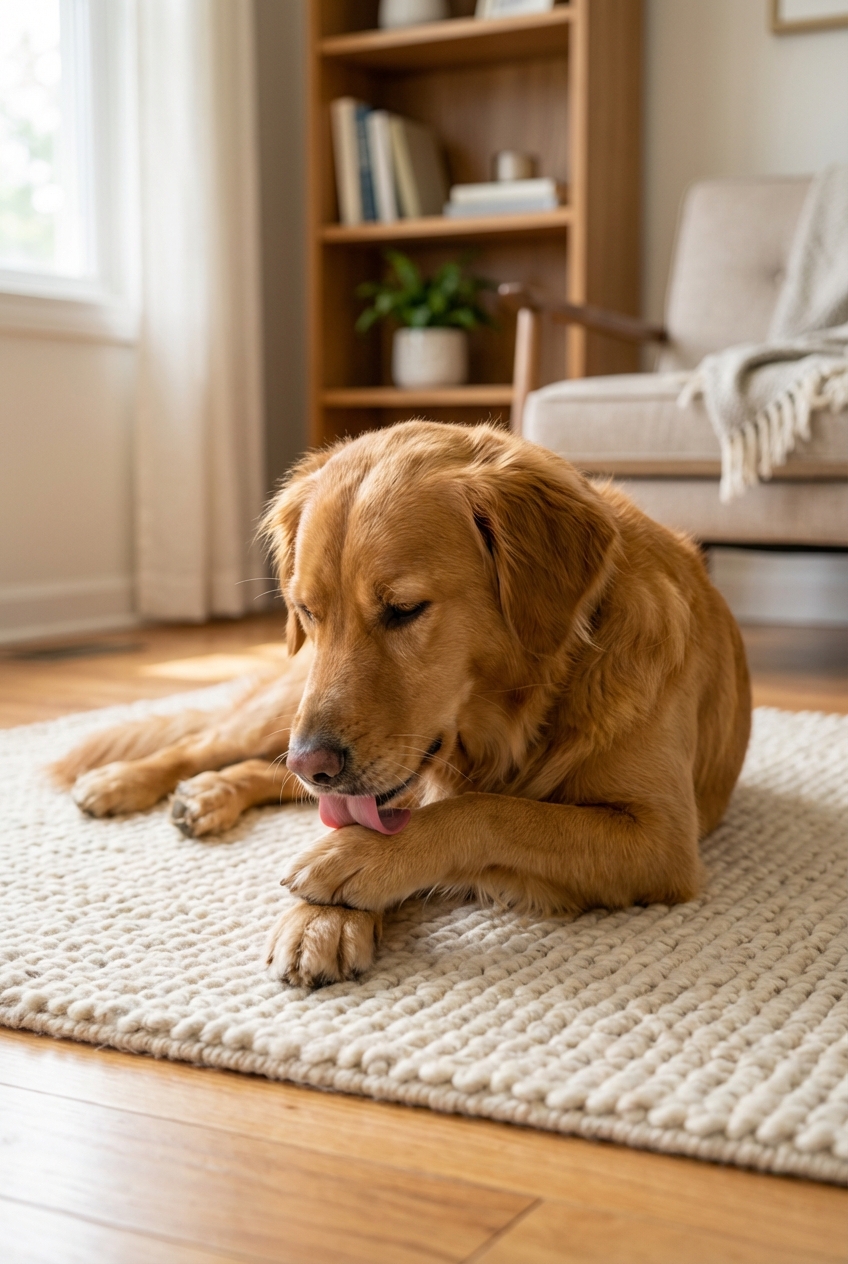
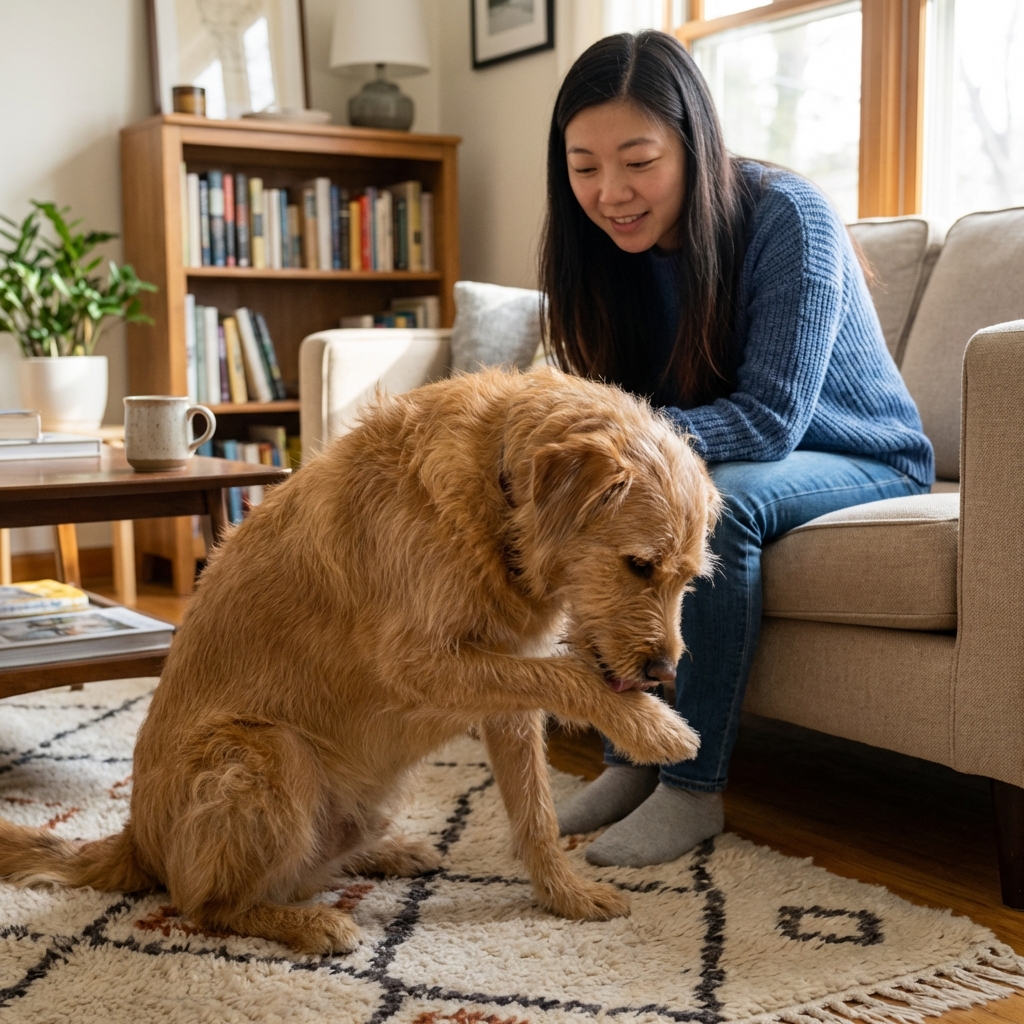
Paw licking is one of those habits that can look harmless at first, but it is often your dog’s way of saying, “Something is bothering me.” A little grooming is normal. Constant licking, chewing, or nibbling can be a sign of itch, pain, infection, stress, or even an allergy flare.
As a veterinary assistant, I like to remind families of this simple rule: if the licking is frequent enough that you notice it multiple times a day, or you see redness, odor, swelling, or hair loss, it deserves a closer look.
Quick triage: Is this an emergency?
Most paw licking issues are not life-threatening, but some need prompt care. Contact your veterinarian or an emergency clinic if you see any of the following:
- Severe swelling of a paw or toe, especially sudden or one-sided
- Bleeding that will not stop, or a deep cut
- A lodged object you cannot safely remove (thorn, nail, glass)
- Draining pus, open sores, or a strong foul odor
- Limping, yelping, or refusing to bear weight
- Hives, facial swelling, vomiting, or trouble breathing (possible allergic reaction)
The most common reasons dogs lick their paws
1) Allergies (environmental or food)
Allergies are one of the most common causes of paw licking. Dogs often show allergy itch on the paws, face, ears, belly, and armpits. Environmental allergies can be seasonal or year-round, and triggers include pollens, grasses, molds, and dust mites. Food allergies are less common than many people think, but they do happen.
Clues: licking multiple paws, recurrent ear infections, red skin between toes, rubbing the face on carpet.
2) Yeast or bacterial infection (pododermatitis)
Constant licking creates moisture and tiny breaks in the skin. That environment can allow yeast and bacteria to overgrow, especially if allergies are already in the background.
Clues: a “corn chip” or musty odor (often linked with yeast, but not diagnostic), greasy residue, redness between toes, brown staining on fur, thickened skin, tenderness when you spread the toes.
3) Something stuck or irritation from walks
Foxtails, burrs, tiny thorns, sand, road salt, hot pavement, and lawn chemicals can all irritate paws. Dogs may obsess over a single paw if one spot is painful.
Clues: sudden onset, mostly one paw, licking increases after walks, visible crack or raw spot on a pad.
4) Contact irritation (irritant or allergic)
Some dogs react to what their feet touch. This can include cleaners used on floors, detergents, de-icers, fertilizers, pesticides, and certain grasses.
Clues: licking that spikes after being on a specific surface, red or irritated skin on the tops of feet or between toes, symptoms that improve when exposure is avoided.
5) Pain or orthopedic issues
Dogs sometimes lick the area that hurts. A sore nail, sprain, arthritis in the toes, or an injured pad can trigger repetitive licking. In some cases, pain higher up the leg can cause paw-focused licking too.
Clues: limping, stiffness after rest, licking one paw repeatedly, sensitivity when you touch a toe or nail.
6) Nail injuries and nail bed problems
Broken nails, torn nail beds, ingrown nails, and infections around a nail can be extremely painful. Some dogs will not let you get a good look because it hurts. A vet exam is often needed, and occasionally sedation is the kindest way to fully assess and treat a nail injury.
Clues: sudden licking of one foot, spotting blood, a nail that looks split or lifted, swelling at the base of a nail, pain when walking on hard floors.
7) Interdigital cysts (furunculosis)
These are sore, inflamed bumps between the toes that can look like “just an infection,” but often have deeper inflammation and can take time to manage.
Clues: a firm or soft bump between toes, recurrent swelling in the same spot, draining tracts, pain when the paw is touched.
8) Anxiety, boredom, or compulsive behavior
Some dogs lick as a self-soothing behavior. If a dog is under-stimulated, stressed, or experiencing separation anxiety, paw licking can become a habit. Sometimes there is both a medical trigger and a behavioral loop that keeps it going.
Clues: licking mostly at night or when you leave, minimal redness or odor, other stress signs like pacing or whining.
9) Parasites (especially fleas)
Fleas, mites, and other parasites can cause intense itch. Even indoor dogs can get exposed, and some dogs are extremely sensitive to flea bites.
Clues: itching in multiple locations, tiny black specks in the coat (flea dirt), scabs, thinning hair, and chewing at the base of the tail (very common with flea allergy dermatitis).
At-home check: 5 minutes that can tell you a lot
If your dog will allow it, do a calm paw inspection. Use good lighting and go slowly. You are looking for patterns.
- Between the toes: redness, moisture, discharge, small bumps, or a stuck seed
- Paw pads: cracks, burns, blisters, or raw patches
- Nails: broken nail, bleeding at the base, swelling around one nail
- Odor: musty or “corn chip” smells are often associated with yeast or infection, but smell alone is not a diagnosis
- Symmetry: one paw suggests injury or a foreign body, multiple paws suggest allergies
Tip: Take a clear photo with your phone. It is incredibly helpful for tracking whether things are improving and for showing your vet what you are seeing at home.
What you can do today (safe first steps)
Clean and dry the paws
After walks, wipe paws with a clean damp cloth and then dry thoroughly, especially between toes. If your dog is allergy-prone, a quick rinse can remove pollen and grass particles.
Stop the licking long enough for skin to heal
Licking is like picking at a scab. If skin is already irritated, your dog may need a cone (E-collar) or soft recovery collar temporarily. Booties can help on walks, but many dogs will still lick at home unless the behavior is blocked.
Try a simple paw soak if your vet has okayed it
If your dog has mild irritation and no open wounds, your veterinarian may recommend a paw soak or medicated wipe routine. Avoid unverified home remedies that can sting or worsen inflammation.
Adjust walk routines during flare-ups
- Walk on grass-free routes when pollen is high.
- Avoid hot pavement and treated lawns.
- Rinse paws after outdoor time.
If you are starting at home and there are no open wounds or active bleeding, prioritize this: keep paws clean and truly dry. Moisture trapped between toes is a common trigger for ongoing yeast and irritation.
What not to do
When paws are itchy, it is tempting to try whatever is in the cabinet. A few common choices can backfire.
- Avoid hydrogen peroxide on skin. It can damage healthy tissue and delay healing.
- Avoid essential oils, including tea tree oil. They can be irritating and some are toxic if licked.
- Avoid human antibiotic or steroid creams unless your veterinarian specifically directs you. Many are unsafe if ingested, and greasy ointments can trap moisture and worsen yeast.
- Do not bandage tightly or leave a damp wrap on. It can restrict circulation and create the perfect environment for infection.
When to see the vet (and what they may do)
If licking has lasted more than a few days, keeps returning, or you see redness, odor, discharge, swelling, or sores, it is time for a veterinary visit. Chronic paw licking is usually not solved by guessing, because different causes require different treatments.
Your veterinarian may recommend:
- Skin cytology (a quick microscope check) to look for yeast and bacteria
- Ear exam, since ears and paws often flare together with allergies
- Prescription topical therapy (sprays, wipes, medicated shampoo)
- Oral meds for itch, infection, or pain when needed
- Foreign body search for foxtails or embedded debris, sometimes with sedation if the paw is too painful
- Allergy plan, which may include flea control, diet trial, or allergy testing and immunotherapy
Allergy season support
If your dog’s paw licking is allergy-driven, consistency usually matters more than perfection. Here are evidence-based, vet-friendly strategies that often help reduce flare-ups:
- Year-round flea control if your vet recommends it. Flea allergy dermatitis can look like “mystery itch.”
- Regular bathing with a veterinarian-recommended product to remove allergens from the coat.
- Paw rinses after walks, especially during high pollen days, followed by thorough drying.
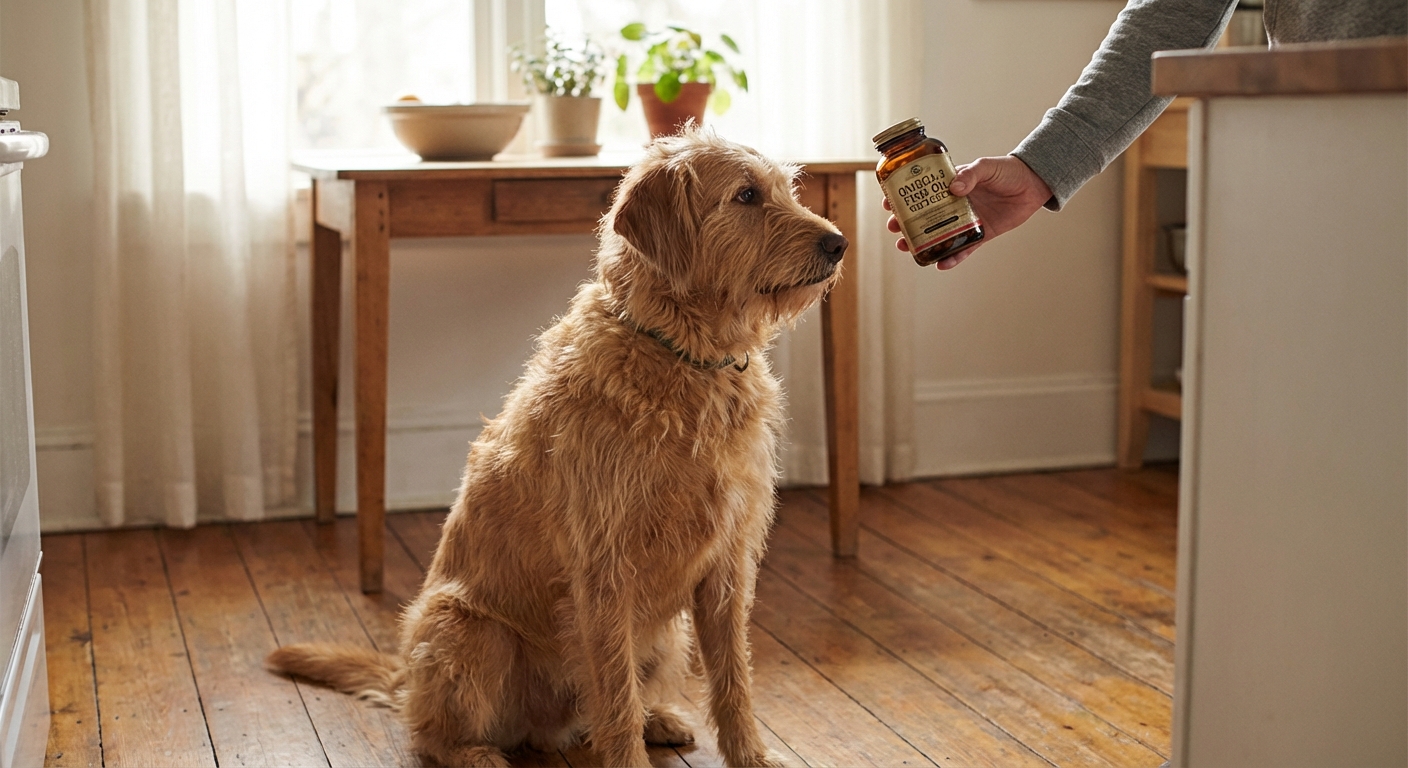
- Omega-3 fatty acids (EPA and DHA) can support skin barrier health. Ask your vet for dosing guidance for your dog’s weight.
- Environmental cleanup: wash bedding weekly, vacuum often, and consider a HEPA filter if allergies are significant.
Diet and paw licking
Nutrition absolutely influences skin and coat health, but it is important to be strategic. Randomly switching foods every few weeks can make it harder to identify triggers.
If you suspect food allergy
The gold standard is a veterinary-guided elimination diet trial using a prescription hydrolyzed diet or a truly novel protein diet for 8 to 12 weeks (sometimes longer). Treats, flavored medications, and table scraps can sabotage results, so this is a “do it once, do it right” situation.
If you want to add fresh food safely
Fresh, whole foods can be a wonderful complement for many dogs, especially for supporting overall health. If your dog is itchy, keep additions simple and consistent. Choose one new item at a time, and avoid introducing a long list of ingredients during an active flare.
Gentle additions many dogs tolerate well (ask your vet if your dog has any medical conditions):
- Plain cooked salmon or sardines in water (watch calories)
- Plain pumpkin (small amount for fiber)
- Lightly cooked green vegetables in small amounts
Preventing paw licking from coming back
Once you get the current flare under control, prevention is about protecting the skin barrier and reducing exposure to triggers.
- Keep nails trimmed to support a normal gait and reduce strain on toes and pads.
- Dry paws after baths and rainy walks, including between the toes.
- Use booties on hot pavement, icy roads, or chemically treated areas.
- Maintain a routine for allergy-prone dogs: rinses or wipes after walks, weekly bedding wash, and vet-approved skin support.
- Enrichment for stress-lickers: sniff walks, food puzzles, short training sessions, and calm alone-time practice.
FAQ
Is paw licking always allergies?
No. Allergies are common, but paw licking can also be pain, infection, a foreign body, parasites, contact irritation, or stress. The pattern and what you see between the toes helps narrow it down.
Why does my dog lick his paws more at night?
Nighttime is quieter, and itch or discomfort can feel more noticeable. Some dogs also lick more when bored or anxious. If the skin is red or smelly, an infection or allergy flare is still very possible.
Can licking turn into a bigger problem?
Yes. Repetitive licking can create a self-perpetuating sore, sometimes called a lick granuloma (acral lick dermatitis). These often have both a medical trigger (like allergies or pain) and a compulsive component, so treatment may involve both skin care and behavior support.
Can I use human creams on my dog’s paws?
Be careful. Many human products are not safe if licked and can trap moisture, which may worsen yeast. It is best to use products recommended by your veterinarian for paws.
The bottom line
If your dog will not stop licking his paws, trust your instincts. Start with a quick inspection, keep paws clean and dry, and block licking so the skin can recover. If you see redness, odor, discharge, swelling, limping, or the problem lasts more than a few days, schedule a veterinary visit. Once you know the cause, you can build a simple plan that keeps your dog comfortable long-term.