Worried about a vomiting dog? Learn when vomiting is an emergency, how to offer small sips safely, and the best bland foods (chicken/rice, turkey, pumpkin, e...
Article
•
Designer Mixes
My Dog Threw Up Yellow Foam

Shari Shidate
Designer Mixes contributor
Seeing yellow foam on the floor can be alarming, especially if your dog looks uncomfortable or keeps swallowing like they feel sick. The good news is that yellow, foamy vomit is common and often relates to stomach irritation or bile. The downside is that sometimes it can be a clue that something more serious is going on.
I am Shari Shidate, a veterinary assistant in Frisco, Texas (not a veterinarian), and I want to help you sort through what this usually means, what you can do at home, and when it is time to call your veterinarian right away.
What yellow foam vomit usually is
That bright yellow (or yellow-green) liquid is typically bile. Bile is made by the liver, stored in the gallbladder, and released into the small intestine to help digest fats. When the stomach is empty or irritated, bile can reflux from the small intestine back into the stomach (duodenogastric reflux) and come up as yellow foam.
The “foam” part often happens when bile mixes with stomach mucus and a little air from retching.
Vomiting vs. regurgitation
Owners sometimes call both of these “throwing up,” but they can mean different problems.
- Vomiting usually includes heaving or abdominal effort, and what comes up may look like food, liquid, mucus, or yellow bile.
- Regurgitation is often more sudden and effortless, and the material may look like undigested food or frothy saliva.
If you suspect regurgitation (especially if it happens repeatedly), call your veterinarian. It can point to esophagus-related issues that need a different workup than typical stomach upset.
Common causes
1) Empty stomach or long gaps between meals
This is one of the most frequent reasons. Dogs may vomit yellow foam early in the morning, late at night, or after a long gap between meals. Some dogs improve simply by eating smaller meals more often.
2) Mild stomach upset
Stress, eating something unusual, sudden food changes, rich treats, scavenging, or swallowing grass can irritate the stomach lining and trigger bile vomiting.
3) Bilious vomiting syndrome
This is a pattern where dogs vomit bile intermittently, often when the stomach is empty. Many dogs respond well to meal timing changes and, in some cases, veterinarian-recommended medications.
4) Gastroenteritis or intestinal infection
Parasites and infections (viral or bacterial) can cause nausea and vomiting. You may also see diarrhea, poor appetite, or weight loss. Some causes require specific testing and treatment through your veterinarian.
5) Pancreatitis
Pancreatitis can cause severe nausea and repeated vomiting. It is often associated with abdominal pain, a “praying” posture, lethargy, and refusing food. High-fat foods can be a trigger in some dogs, but pancreatitis is multifactorial and not always diet-related. This is a common reason dogs end up needing veterinary care.
6) Foreign body or blockage
If a dog swallows something that gets stuck, vomiting can start as food and progress to bile and foam. This can become an emergency, especially if vomiting is persistent, your dog cannot keep water down, or their belly looks painful or bloated. Items like toys, socks, corn cobs, and bones can all cause trouble. Cooked bones in particular can splinter, and any bone can contribute to obstruction or injury.
7) Toxins or medication side effects
Some human medications (like ibuprofen), household toxins, certain plants, or inappropriate dosing of pet medications can irritate the stomach or cause serious poisoning.
8) Addison’s disease (hypoadrenocorticism)
I included Addison’s on the higher-risk list because it can show up as waxing-and-waning gastrointestinal signs like vomiting, diarrhea, poor appetite, and lethargy. It is not the most common explanation for yellow foam, but it is important not to miss, especially when a dog seems unusually weak or the symptoms keep returning.
What to do now
If your dog vomited yellow foam once but is otherwise acting fairly normal, you can often start with supportive care. If your dog has underlying medical conditions (diabetes, kidney disease, Addison’s disease), is very young, or is a senior, call your veterinarian sooner rather than later.
Step 1: Check their overall status
- Energy: Are they alert or listless?
- Breathing: Normal and calm, or labored?
- Belly: Does your dog flinch, tense up, or seem painful when you gently touch the abdomen?
- Gums: Should be moist and pink (not pale, white, blue, or tacky).
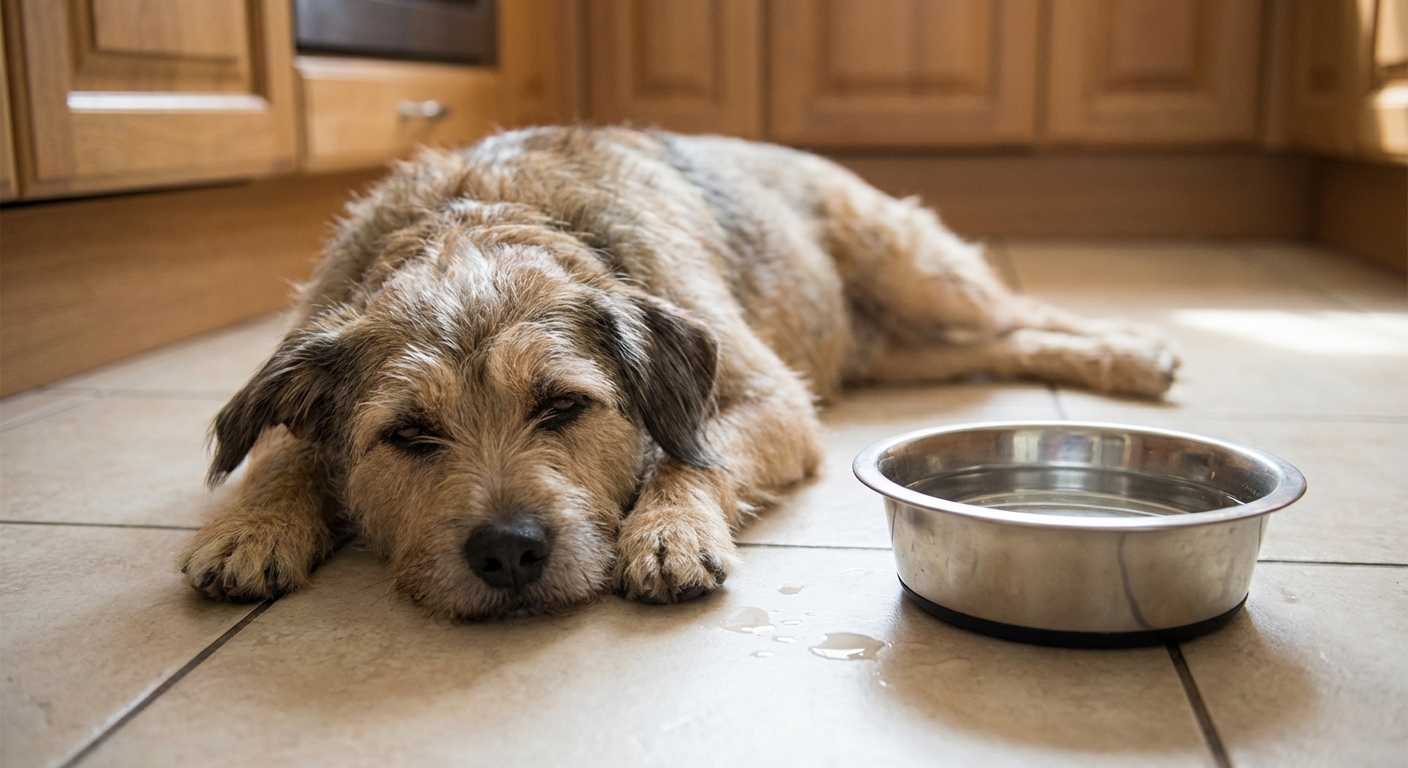
Step 2: Offer water in small amounts
Dehydration is a major concern with repeated vomiting. Offer small sips. If your dog gulps and immediately vomits again, that is a red flag.
Step 3: Consider a short stomach rest only if your vet agrees it is appropriate
For many healthy adult dogs, veterinarians sometimes recommend briefly holding food, then reintroducing a bland diet. But do not fast puppies, tiny breeds, or dogs with diabetes without veterinary direction because low blood sugar can happen quickly.
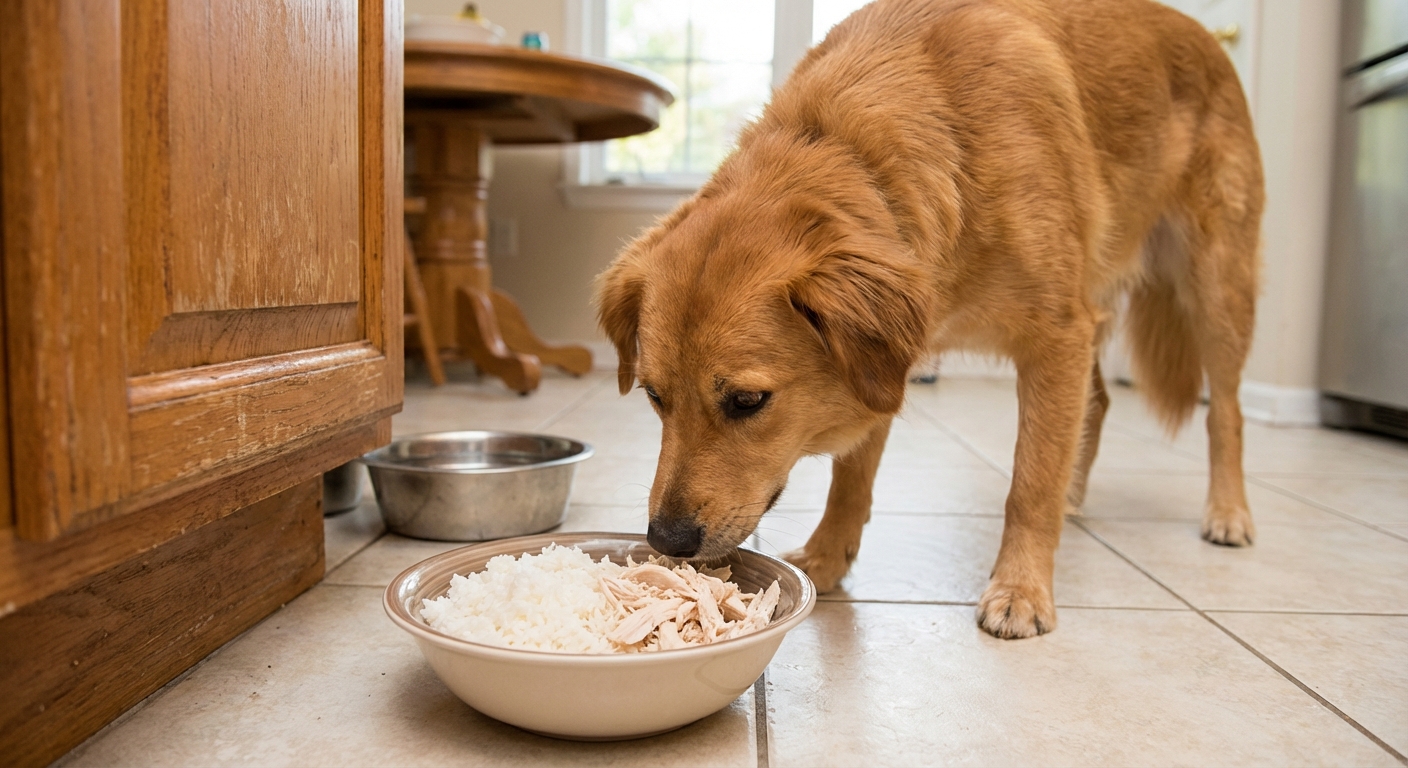
Step 4: Restart with a bland diet
If your dog keeps water down and is not vomiting again, feed small portions of:
- Boiled chicken breast and white rice, or
- Lean ground turkey (cooked, drained) and white rice, or
- A veterinarian-recommended gastrointestinal diet
Feed small amounts every few hours, then gradually transition back to the regular diet over several days.
Step 5: Adjust meal timing to prevent bile buildup
If the pattern is “morning yellow foam,” many dogs benefit from:
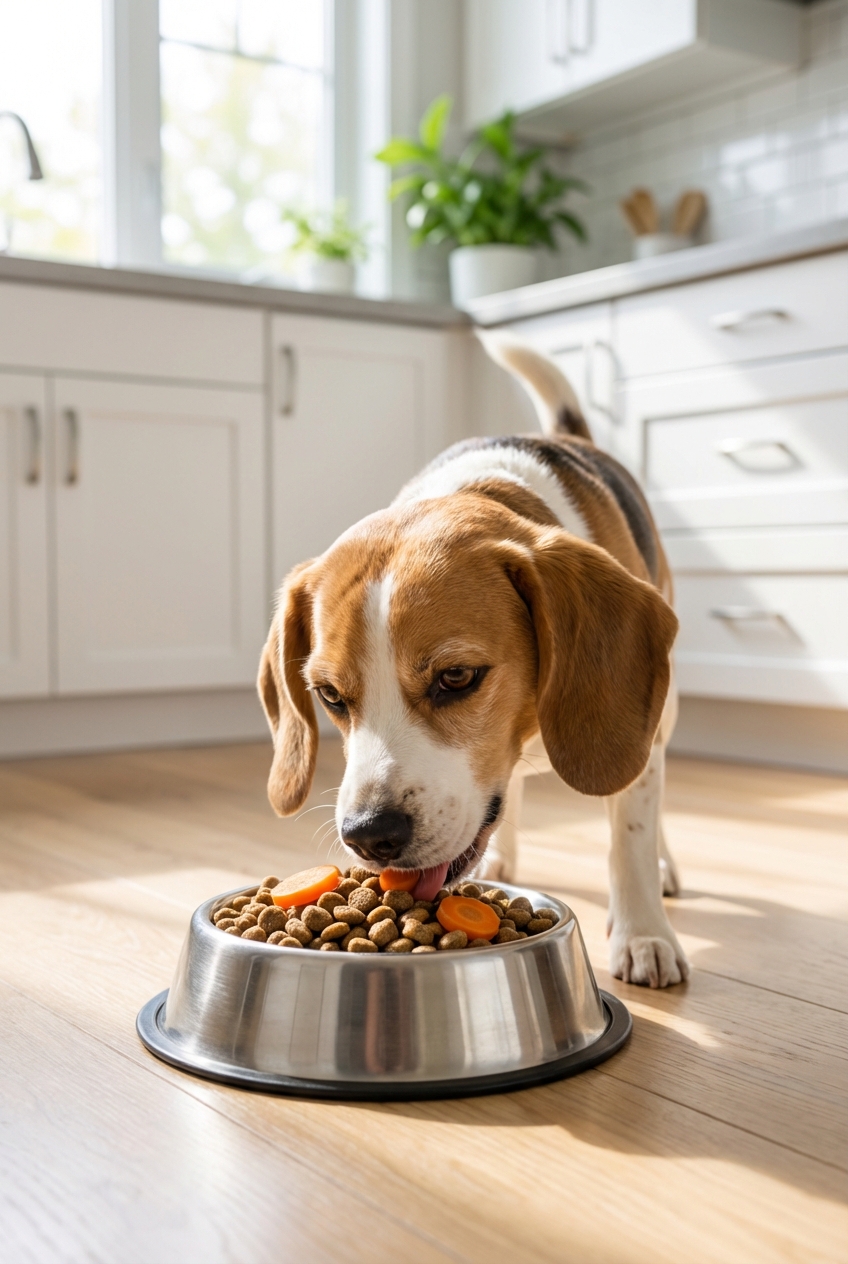
- Smaller meals more frequently (for example, 3 to 4 meals a day)
- A small bedtime snack to reduce overnight empty-stomach bile vomiting
If you try meal timing changes and your dog still vomits yellow foam on a recurrent schedule (for example, about monthly or more), it is worth a veterinary check. Chronic or recurring vomiting should be discussed with your vet, even when your dog seems fine between episodes.
When to call the vet urgently
Please call your veterinarian or an emergency clinic right away if any of the following are true:
- Vomiting is repeated, continuous, or your dog cannot keep water down
- There is blood (red streaks, clots, or coffee-ground-looking material)
- Severe lethargy, collapse, fever, or weakness
- Abdominal swelling, severe pain, or a hard, tense belly
- Suspected foreign object ingestion (toys, socks, corn cobs, bones)
- Suspected toxin exposure (human medications, xylitol, chocolate, grapes/raisins)
- Diarrhea that is profuse, bloody, or accompanied by dehydration
- Your dog is a puppy, senior, pregnant, or has chronic disease
Emergency note: bloat (GDV)
If your dog is retching but not producing vomit, drooling, restless, and their abdomen looks distended or tight, treat it like an emergency and go in immediately. This pattern can be seen with gastric dilatation-volvulus (bloat), which is time-sensitive.
What your vet may ask and test
If you call, your clinic may ask:
- How many times your dog vomited and over what time period
- Whether your dog can keep water down
- What the vomit looked like (yellow foam, food, mucus, blood)
- Diet, treats, new foods, garbage access, or possible foreign object ingestion
- Stool changes, appetite changes, and energy level
Depending on the situation, diagnostics may include a fecal test, bloodwork, X-rays, ultrasound, or a pancreatitis test. Treatment can range from diet changes to anti-nausea meds, fluids, parasite treatment, or surgery if there is a blockage.
Prevention tips
Keep meal routines steady
Dogs love consistency. Sudden schedule changes and long fasting windows can trigger bile vomiting in sensitive dogs.
Make food changes gradually
Transition over 7 to 10 days (or longer for sensitive stomachs). This reduces GI upset.
Limit rich treats and table scraps
High-fat foods can be a pancreatitis trigger for some dogs. Stick with simple treats, and keep portions small.
Reduce scavenging opportunities
Secure trash cans, watch outdoor time, and consider basket training or a well-fitted muzzle for dedicated scavengers (with a trainer’s help).
Ask your vet about parasite prevention
Year-round parasite prevention and periodic fecal testing can make a big difference, especially for dogs who visit parks or daycare.
Quick FAQ
Is yellow foam vomit always serious?
No. A single episode in an otherwise bright, comfortable dog can be mild stomach upset or an empty stomach. The concern rises quickly with repeated vomiting, pain, weakness, dehydration, blood, or nonproductive retching.
Can hunger cause yellow foam vomit?
Yes. Many dogs vomit bile when the stomach is empty for too long. A bedtime snack and smaller, more frequent meals can help.
Should I give Pepto-Bismol or human anti-nausea meds?
Do not give human medications unless your veterinarian specifically tells you to. Some products can be unsafe for dogs, interact with other meds, or hide symptoms that your vet needs to evaluate.
The bottom line
Yellow foam usually points to bile and stomach irritation, often from an empty stomach or mild upset. If it is one episode and your dog is otherwise okay, supportive care and meal timing changes often help. If vomiting is repeated, your dog seems painful or weak, they cannot keep water down, you see blood, you suspect toxins or a blockage, or they are retching without producing vomit, it is time to call your veterinarian promptly.
If you want, tell me your dog’s age, breed mix, how often this happens, and whether it is mainly morning or random, and I can help you think through the most likely causes to discuss with your vet.