Worried about a vomiting dog? Learn when vomiting is an emergency, how to offer small sips safely, and the best bland foods (chicken/rice, turkey, pumpkin, e...
Article
•
Designer Mixes
My Dog Threw Up Clear Liquid

Shari Shidate
Designer Mixes contributor
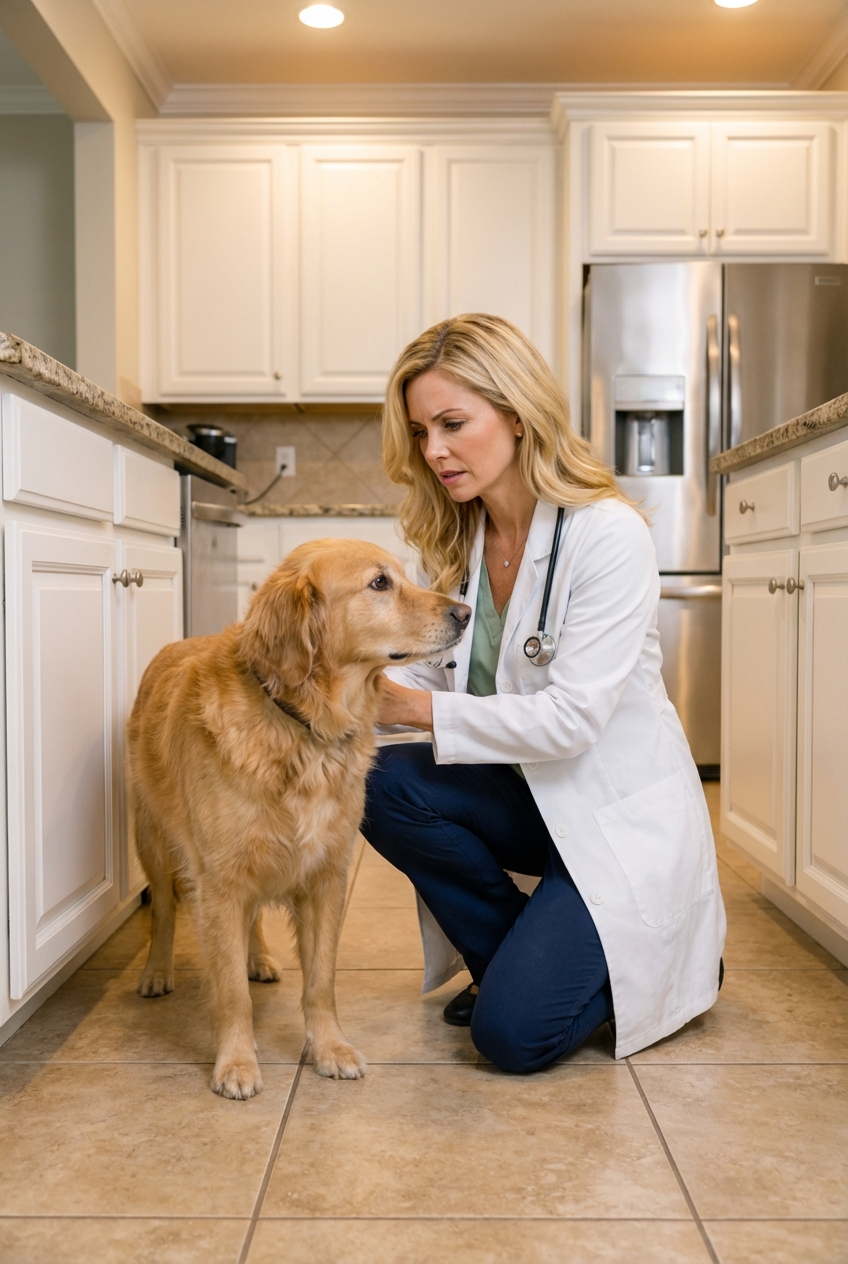
Seeing your dog throw up clear liquid can be scary, especially when it seems to come out of nowhere. The good news is that clear vomit is often caused by something simple like drinking too fast, an empty stomach, or mild stomach upset. The downside is that, in some cases, it can signal a bigger problem that needs veterinary care.
Let’s walk through what clear liquid vomit usually means, what you can do at home, and when it’s time to call your vet or head to an emergency clinic.
A quick calming rule of thumb: one mild episode in an otherwise normal-acting dog is often less urgent. Repeated vomiting, retching, rapid worsening, or not being able to keep water down is a much bigger concern.
What “clear liquid” usually is
Most of the time, clear liquid vomit is made up of one or more of the following:
- Water swallowed too quickly.
- Saliva and foamy fluid from nausea.
- Stomach fluid when the stomach is empty (often clear to slightly yellow).
- Mucus from mild irritation in the stomach or upper GI tract.
Worth noting: “clear” vomit is often mostly water and saliva. True stomach fluid can look clear, white-foamy, or slightly yellow (bile-tinged), and owners often describe all of these as “clear.”
If your dog vomits once and then acts normal, this is often a short-lived irritation. If it keeps happening, or your dog seems “off,” take it as a clue that your dog needs help.
Common causes
1) Empty stomach and bilious vomiting
Many dogs vomit clear liquid (sometimes yellow-tinged bile) early in the morning or late at night. This is often called bilious vomiting syndrome and is often related to an empty stomach. Reflux of bile and normal GI motility patterns may play a role, and some dogs may also have excess stomach acidity.
What you might notice: it happens on a schedule, your dog eats afterward, and then seems fine.
2) Drinking too fast
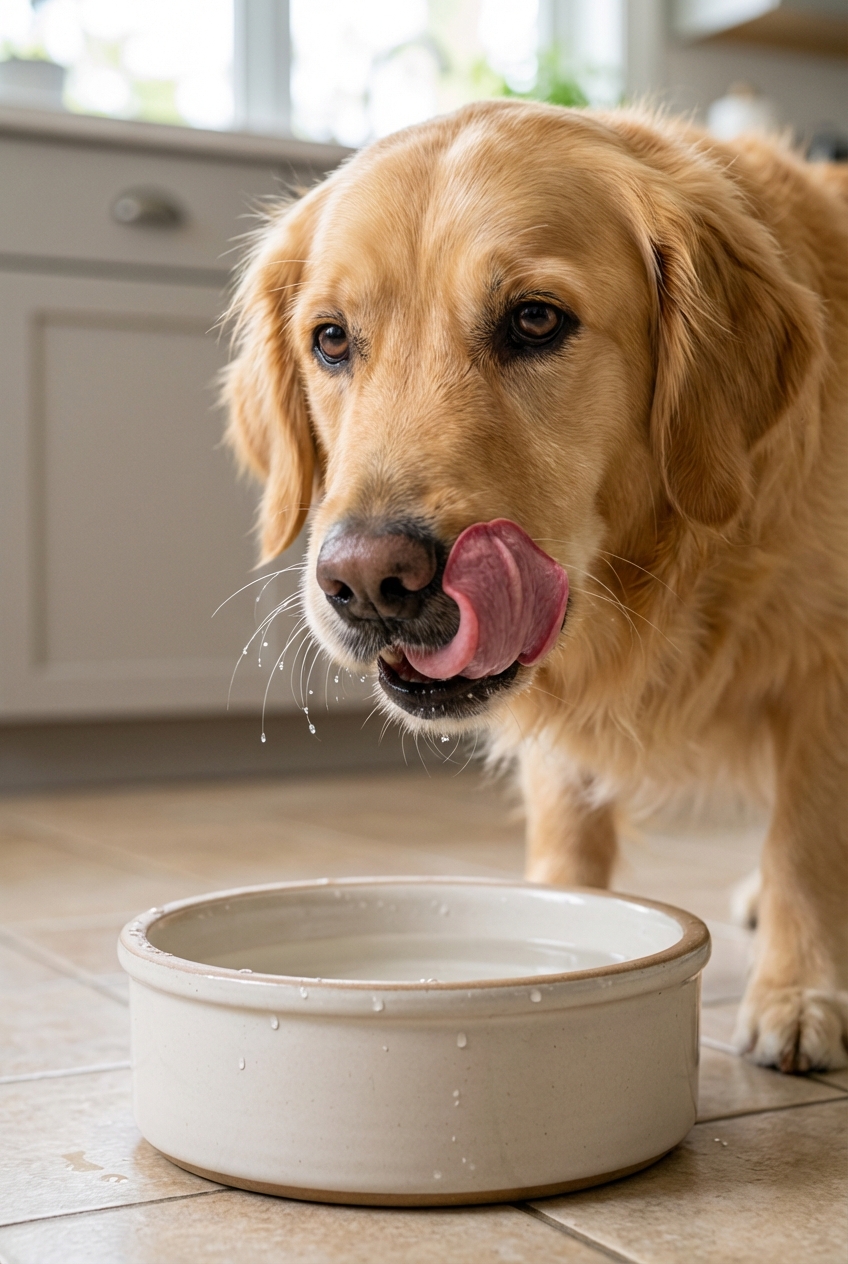
After exercise, excitement, or a long nap, some dogs gulp water and promptly bring up clear fluid. This can look dramatic, but it is often a volume and speed issue rather than a serious illness.
3) Mild gastritis from food or treats
New chews, rich table scraps, sudden food switches, or raiding the trash can irritate the stomach lining. Sometimes the first vomit is food, and later it becomes clear liquid as the stomach empties.
4) Stress or motion sickness
Car rides, boarding, storms, visitors, or routine changes can trigger nausea. Some dogs vomit clear foam when they are anxious.
5) Reflux or esophagus irritation
Dogs can regurgitate or vomit small amounts of clear fluid if they have reflux or irritation in the esophagus. This may happen after eating, during sleep, or when getting up.
6) Parasites or infection
Intestinal parasites can cause vomiting that starts as clear liquid and progresses to foam, bile, or repeated bouts. Infectious causes are especially important to consider in puppies, unvaccinated dogs, or dogs with known exposure risk (for example, parvovirus in puppies).
7) Pancreatitis
Pancreatitis is a serious cause of vomiting and can start with clear fluid. It is commonly associated with fatty foods, but it can also happen without an obvious cause.
Common signs: repeated vomiting, painful belly, hunched posture, refusing food, lethargy.
8) Foreign body or obstruction
If your dog swallowed a toy, sock, corn cob, bone fragments, or part of a chew, vomiting may start as clear liquid and become frequent. Obstructions are emergencies.
9) Bloat (GDV)
Some dogs with bloat will retch and bring up only small amounts of foam or clear fluid, or nothing at all. This is life-threatening and needs immediate emergency treatment.
Vomit vs. regurgitation
Owners often say “vomit” when it is actually regurgitation, and the difference helps your vet narrow down causes.
- Vomiting: usually involves nausea signs (drooling, lip licking), abdominal heaving, and then fluid comes up.
- Regurgitation: more passive, often soon after eating or drinking, and the material may look tubular or like it never reached the stomach.
If your dog is frequently regurgitating clear fluid, especially with coughing or trouble swallowing, your vet will likely want to evaluate the esophagus.
When it is an emergency
Please seek urgent veterinary care if any of these are happening:
- Repeated vomiting (for example, more than 2 to 3 times in a day), vomiting that will not stop, or vomiting that is getting worse quickly.
- Retching with little or no vomit, especially in large or deep-chested dogs.
- Bloated or tight abdomen, pacing, restlessness, or obvious belly pain.
- Weakness, collapse, pale gums, or trouble breathing.
- Blood in vomit, or vomit that looks like coffee grounds.
- Possible toxin exposure (xylitol, grapes or raisins, chocolate, rodent bait, human medications, certain mushrooms, antifreeze, etc.).
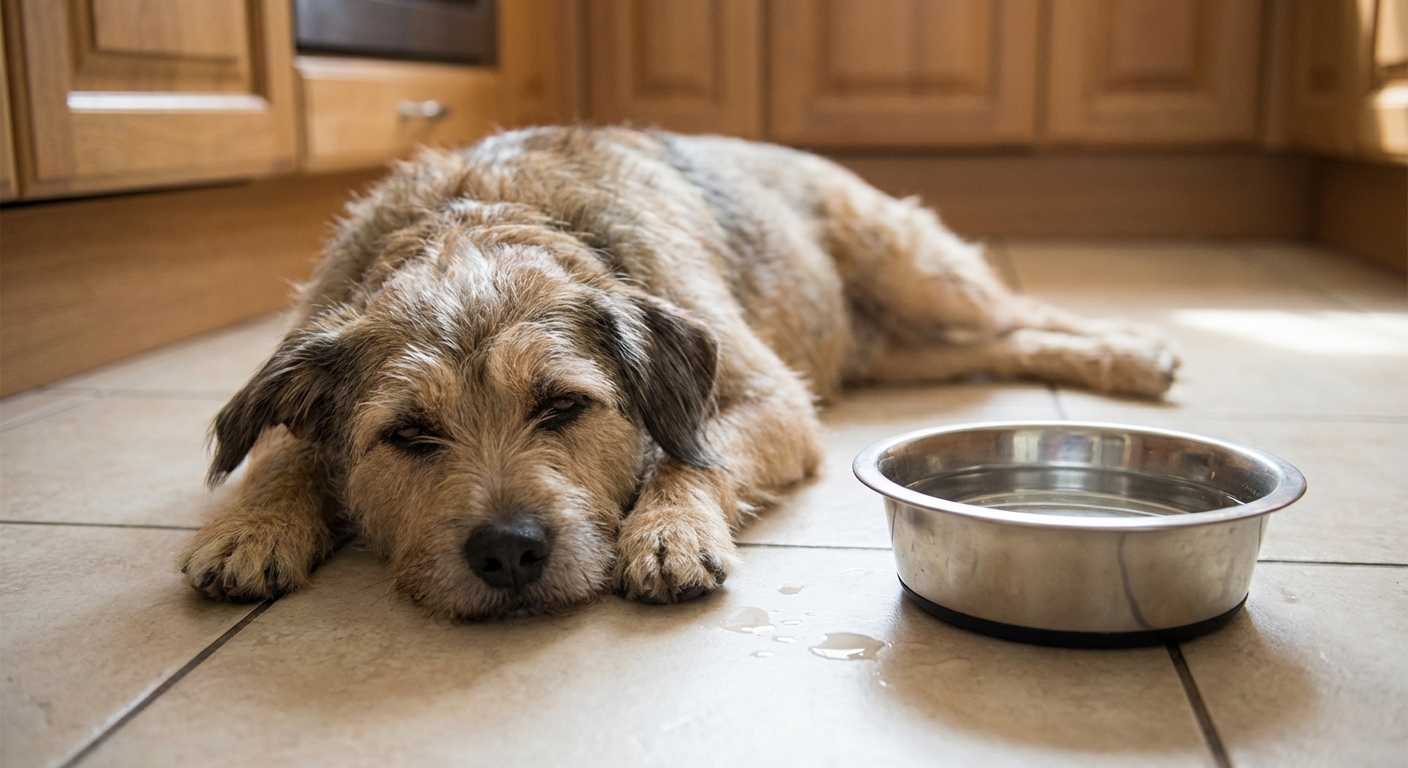
- Cannot keep water down or signs of dehydration (sticky gums, sunken eyes, lethargy).
- Puppies, seniors, or dogs with chronic disease (kidney disease, diabetes, Addison’s disease, etc.).
- Known or suspected foreign body ingestion (missing toy, chewed sock, swallowed bones or chews).
If you are unsure, call your veterinarian or an emergency hospital. It is always better to call and be told it can wait than to miss a true emergency.
What to do at home
If your dog vomited clear liquid once and is otherwise bright, alert, and acting normal, here are gentle, evidence-based steps many veterinarians recommend. If your dog has a medical condition or is very young or old, call your vet first.
Do not attempt home care if your dog is repeatedly retching, has a swollen belly, seems very weak or painful, may have eaten something they should not, or cannot keep water down.
Step 1: Pause food briefly (adult dogs only)
For many healthy adult dogs, a short break from food can let the stomach settle. This is often 6 to 12 hours, although some veterinarians may recommend a shorter pause or even skipping fasting and moving straight to small bland meals.
Important: do not fast puppies, toy breeds, or dogs with conditions like diabetes unless your veterinarian tells you to.
Step 2: Offer small amounts of water
Do not allow gulping. Offer a few tablespoons at a time, or provide ice chips if your dog tends to drink fast. If your dog vomits water repeatedly, stop and call your vet.
Step 3: Try a small bland meal
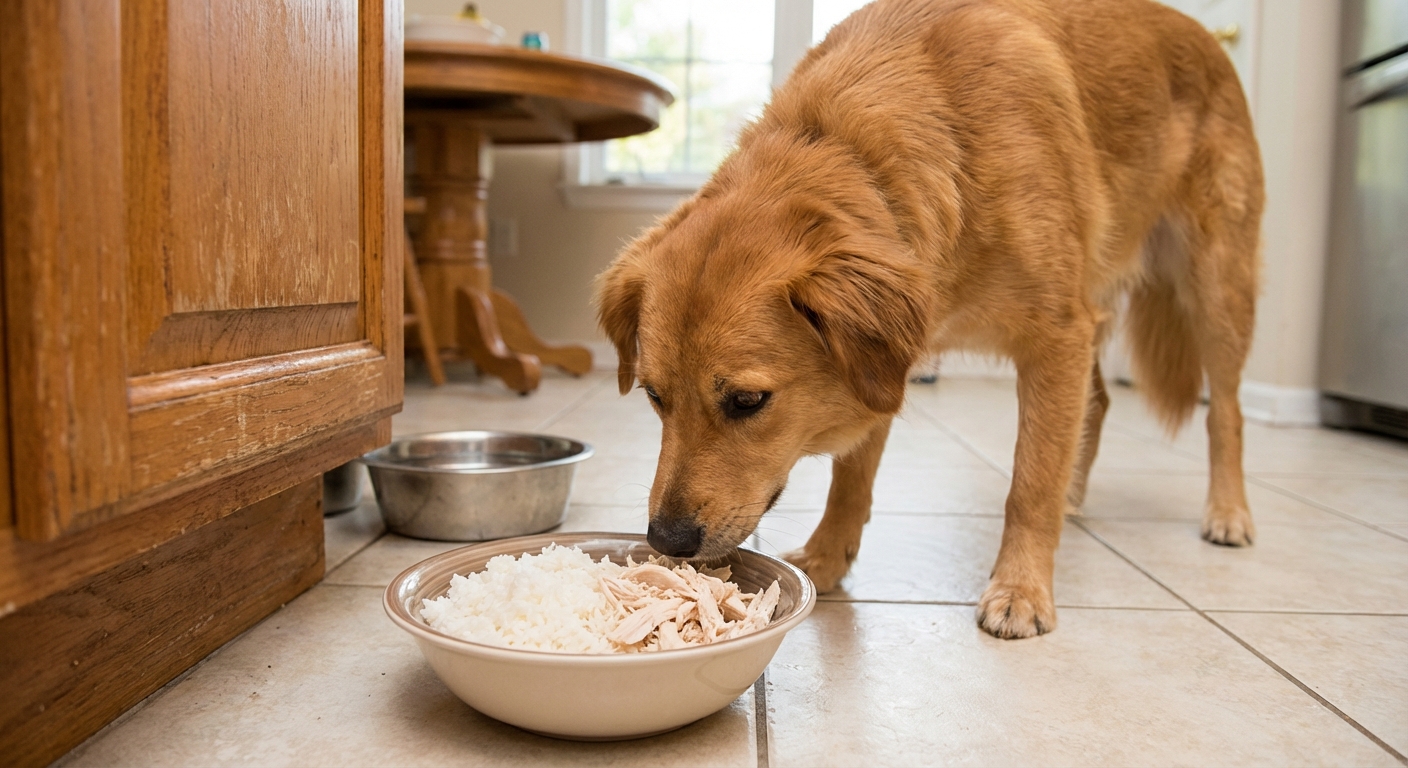
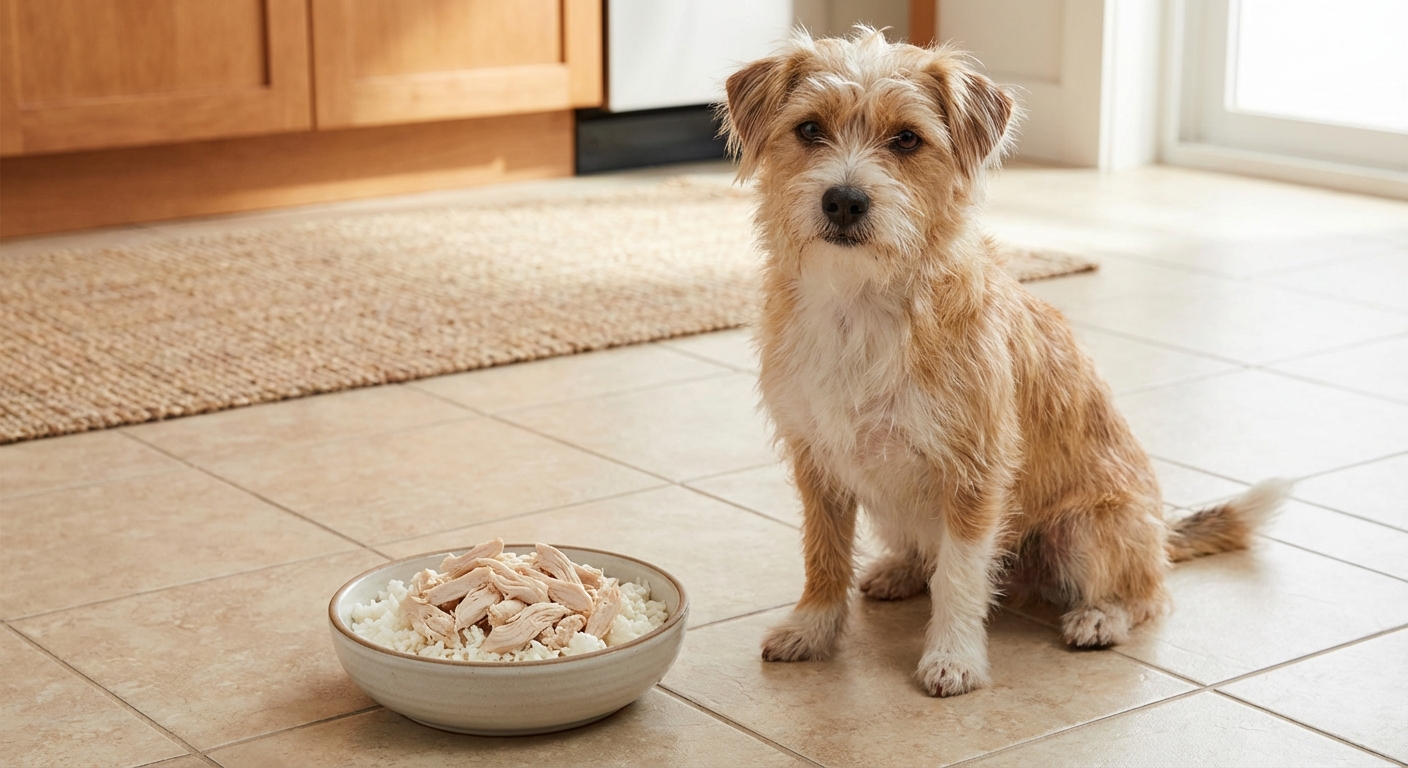
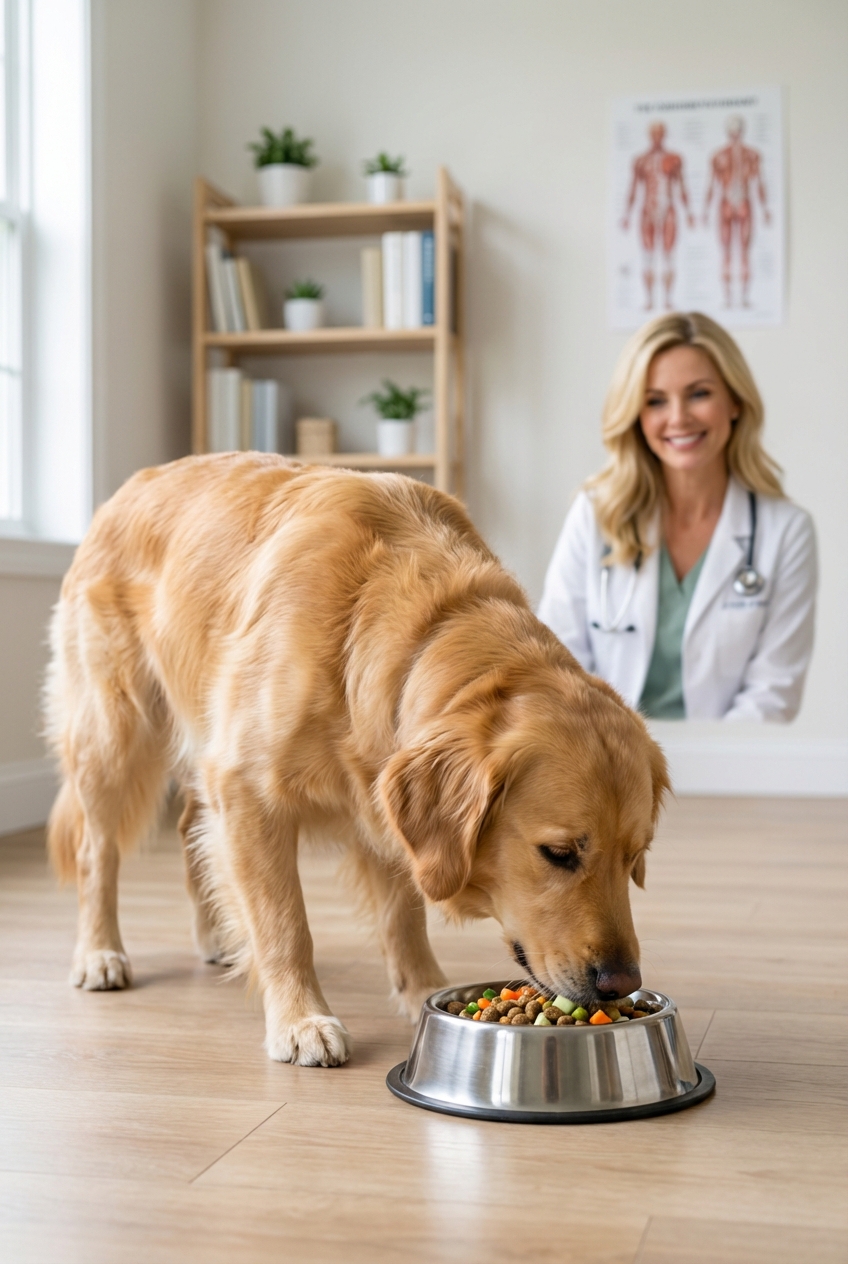
If your dog keeps water down and seems comfortable, offer a small bland meal such as boiled chicken (or turkey) with white rice. Keep portions small and feed several mini-meals through the day.
This is meant as a short-term option (often 24 to 48 hours) unless your vet directs otherwise, since chicken and rice is not balanced for long-term feeding.
Step 4: Watch closely for 24 hours
Monitor appetite, energy, stools, and any repeat vomiting. If vomiting returns, if diarrhea becomes significant, or your dog seems painful or lethargic, schedule a vet visit.
If clear vomiting happens mainly early morning, a small bedtime snack often helps by preventing an empty stomach.
A quick medication warning
Do not give human over-the-counter medications (such as ibuprofen, naproxen, Pepto-Bismol, or cold medications) unless your veterinarian specifically tells you to. Some can be dangerous for dogs or interfere with diagnosis.
How to prevent it
Adjust meal timing
- Feed smaller meals more often.
- Add a small bedtime snack for early-morning vomiters.
Slow water intake
- Use a slow-water bowl insert if your dog gulps.
- Offer water in smaller amounts after heavy play.
Go slow with diet changes
Any food change should be gradual, ideally over 7 to 10 days. Sudden switches are a very common cause of stomach upset.
Use safer chews and toys
Foreign bodies are one of the most preventable emergencies. If your dog is a power chewer, ask your vet what is safest for your dog’s size and chewing style.
What your vet may do
If you bring your dog in for repeated clear vomiting, your vet will typically start with a history and exam, then choose tests based on risk factors and symptoms.
- Fecal test to check for parasites.
- Bloodwork to evaluate dehydration, infection, kidney and liver values, blood sugar, and inflammation.
- X-rays to look for obstruction or abnormal gas patterns.
- Ultrasound for pancreatitis, intestinal issues, and organ assessment.
- Supportive care such as anti-nausea medication, fluids, and stomach protectants, depending on the case.
Bring a list of any medications, supplements, and recent food or treat changes. If you can safely take a quick photo of the vomit, it can help your vet too.
Helpful details to track: when it happened, how many times, whether your dog can keep water down, what the vomit looked like (clear, white foam, yellow bile), any diarrhea, recent diet changes, and any possible chewed or missing objects.
Quick checklist
Often less concerning: one episode of clear vomit, normal energy, normal gums, no belly pain, wants to eat and drink, no repeat vomiting.
More concerning: repeated episodes, repeated retching, cannot keep water down, lethargy, diarrhea, refusing food, painful belly, distended abdomen, possible toxin exposure, or your dog is a puppy or senior.
When in doubt, call your vet. Clear liquid vomiting is common, but it is not something you have to guess about alone.