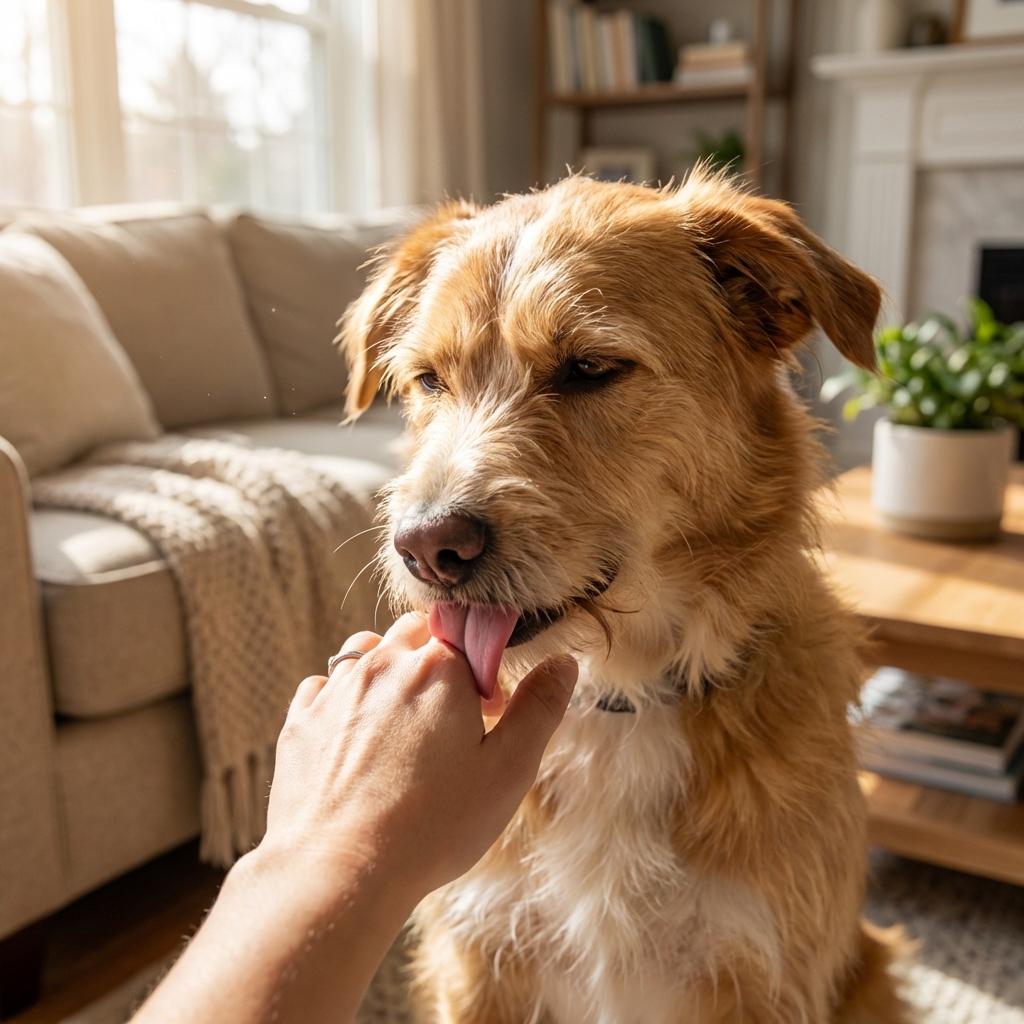
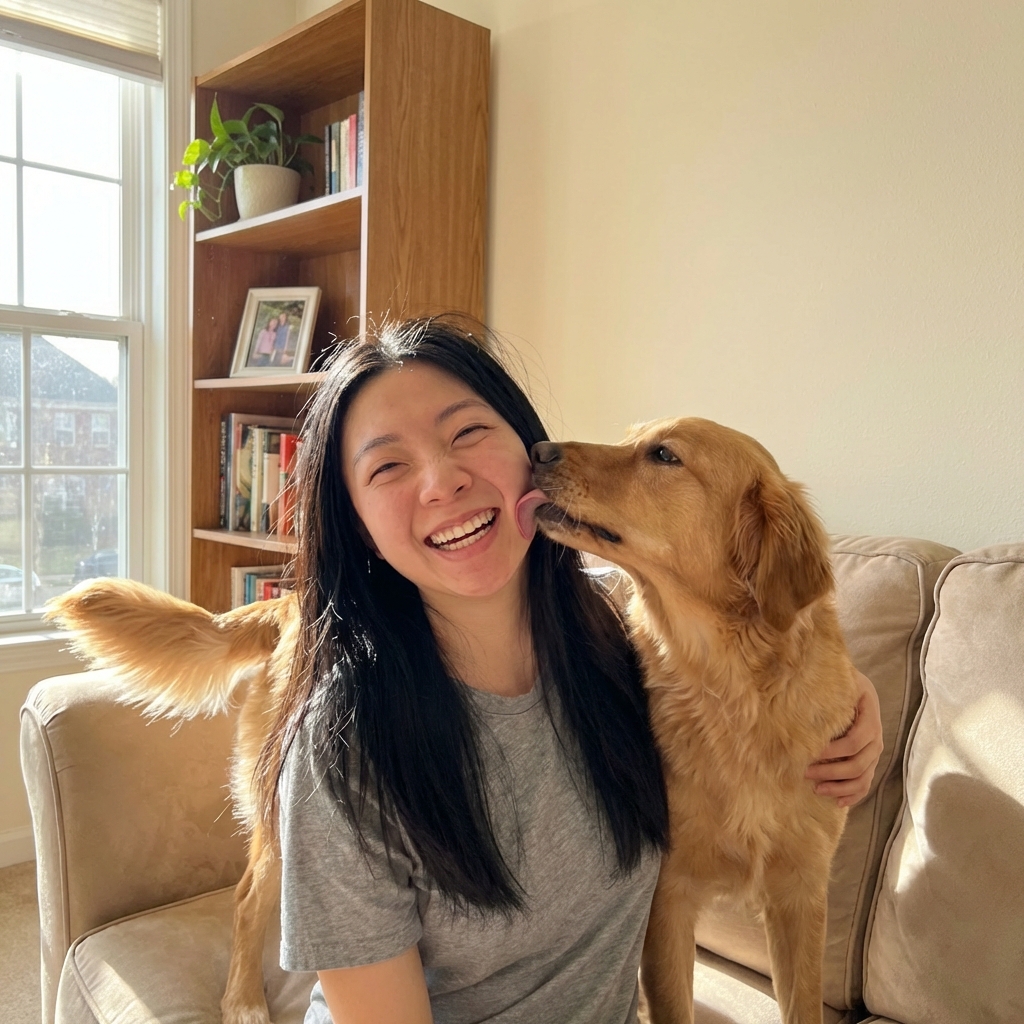
Tired of nonstop dog kisses? Learn why dogs lick, when it’s risky, and how to stop licking kindly with simple house rules, reward-based training, and kid-s...
Article
•
Designer Mixes
My Dog Licks Me All the Time: Must-Know Care Tips

Shari Shidate
Designer Mixes contributor
If your dog licks you all the time, you are not imagining it. Some dogs are natural “kissers,” but constant licking can also be your dog’s way of asking for comfort, attention, or help with an underlying issue. As a veterinary assistant here in Frisco, Texas, I see this question come up a lot, especially with popular companion breeds and mixes like Goldendoodles, Cavapoos, and Labradoodles.
The goal is not to punish licking. It is to understand what your dog is communicating, then gently shape the behavior into something that works for both of you.
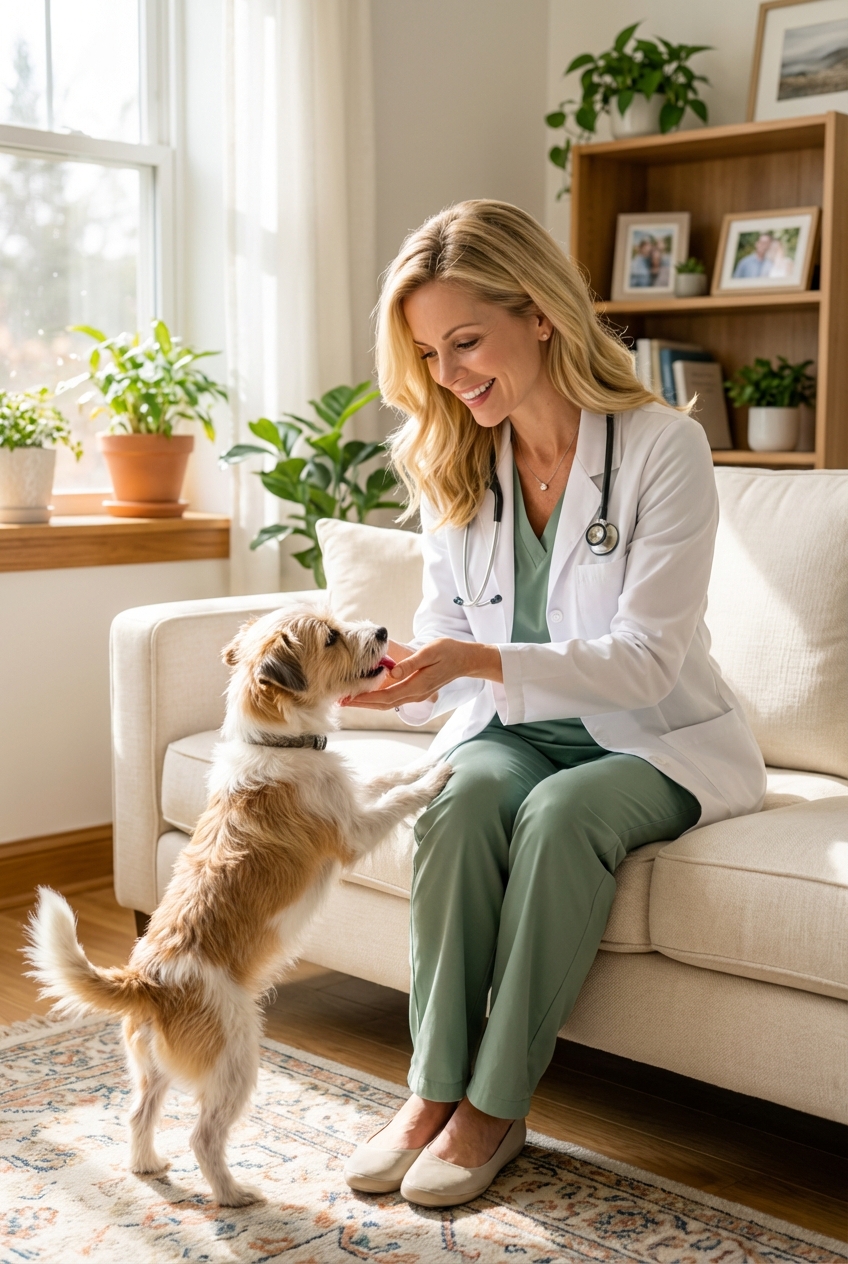
Why dogs lick so much
Licking is normal canine behavior. Puppies lick their mother, dogs lick each other during social bonding, and many dogs lick us because we are part of their “family group.” But frequency matters. When licking becomes constant, intense, or hard to interrupt, it is worth looking deeper.
Common reasons (and what they look like)
- Affection and bonding: relaxed body, soft eyes, gentle licking, often during cuddle time.
- Attention-seeking: licking starts when you are on your phone, working, or talking, and it escalates if you react.
- “Tastes good”: dogs like the salt on skin, lotion residue, or food smells on hands.
- Soothing and stress relief: licking increases during storms, visitors, schedule changes, after being left alone, or when your dog seems restless.
- Submission or appeasement: quick, repeated licks with a slightly lowered head or cautious posture.
- Medical discomfort: licking is paired with other signs like drooling, lip smacking, gulping, grass-eating, changes in appetite, bad breath, or paw licking.
One important note: for some dogs, licking becomes a strong habit because it can be self-soothing and tap into the brain’s reward pathways. In those cases, the licking can look almost compulsive. That does not mean your dog is “bad.” It means your dog has learned licking works to feel better.
Also, licking can show up when a dog is uncomfortable in ways that are easy to miss, including arthritis or other orthopedic pain, dental pain, itchy skin, ear infections, and even anal gland discomfort. It is one reason a sudden behavior change is worth taking seriously.
When licking is a red flag
Occasional licking is normal. Licking that is new, escalating, persistent, or paired with other symptoms deserves attention. This is not a diagnosis, but it can help you decide when to call your vet.
Call your vet soon if you notice:
- New or increased licking plus vomiting, diarrhea, or appetite changes
- Frequent lip licking, swallowing, burping, or drooling (can be associated with nausea or reflux)
- Bad breath, red gums, pawing at the mouth, or dropping food (can be associated with dental pain)
- Licking paired with pacing, panting, hiding, or clinginess (stress or discomfort)
- Licking that is difficult to interrupt, keeps escalating, or interferes with rest (especially if it wakes your dog up)
Dogs can also lick more when they have allergies, ear infections, skin infections, gastrointestinal upset, or pain. If your dog is licking you and also licking paws, rubbing their face, or scratching, allergies move higher on the list.
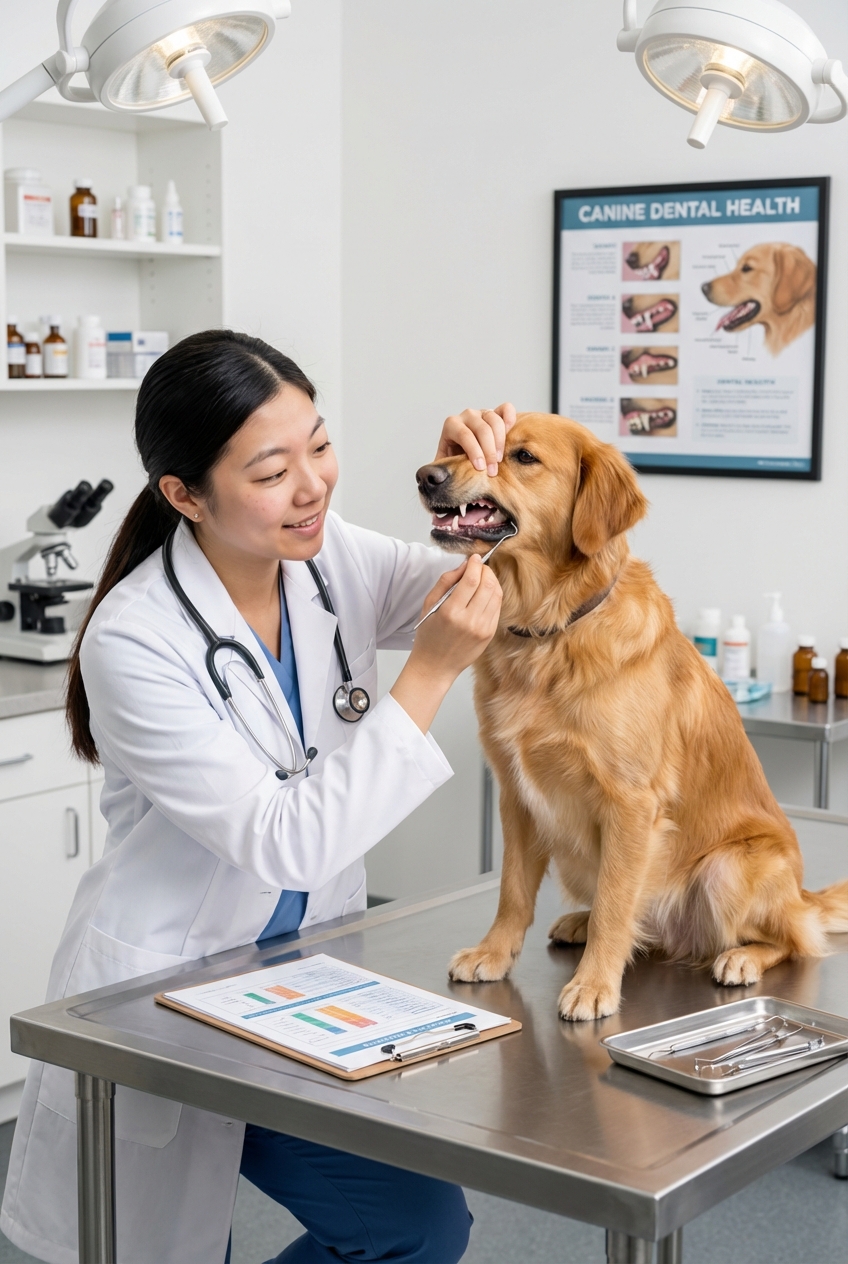
Is it safe to let my dog lick me?
For most healthy adults, occasional licking on intact skin is low risk, but it is not risk-free. Dogs carry normal bacteria in their mouths, and licking can spread germs, especially if you have cuts.
Use extra caution if:
- You have an open wound, fresh tattoo, or healing surgical site
- You are immunocompromised, undergoing chemotherapy, or taking immune-suppressing medications
- You are pregnant and want to be extra cautious about infection risk (if you are concerned, check with your healthcare provider)
- You have a baby or a medically fragile family member in the home
A simple rule: avoid face licking (especially lips, nose, and eyes), wash hands after heavy licking, and do not allow licking on broken skin. If you use topical medications or strong skincare products, do not let your dog lick those areas either. If your dog licks your face, washing your face afterward is a simple extra layer of hygiene.
It also helps to keep your dog’s parasite prevention and routine veterinary care up to date, since overall health and parasite control reduce household risk.
How to reduce licking kindly
You can absolutely teach a dog to stop excessive licking while keeping your relationship warm and trusting. The key is consistency and giving your dog a different way to get what they want.
Step 1: Decide what you will allow
Pick a clear household rule, for example: “Licking is okay for 3 seconds, then we switch to cuddling,” or “Licking is not allowed, but nose boops are.” Mixed messages create more licking, not less.
Step 2: Remove the payoff
- Stay calm and neutral. Big reactions can be rewarding.
- Gently move your hand away or stand up and turn your body sideways.
- Pause attention for 5 to 10 seconds.
Step 3: Reward a replacement
The moment your dog stops licking, reward the behavior you want instead.
- For calm dogs: petting and soft praise when they sit quietly.
- For busy dogs: a toy, chew, or a small treat for sitting, lying on a mat, offering a “touch” (hand target), or bringing a toy.
Step 4: Teach “All done”
Say “All done,” gently remove the licking target, then immediately cue an easy behavior like “sit,” “touch,” or “go to mat.” Reward that behavior. Over time, “All done” becomes a clear, kind boundary.
Step 5: Meet the need underneath
If licking is driven by stress, boredom, or a need for closeness, training alone is not enough. You also need to meet the emotional and physical need in a healthier way.
If you suspect separation anxiety or truly compulsive behavior (your dog cannot settle, seems frantic, or the behavior takes over daily life), it is worth involving your veterinarian and a credentialed trainer or veterinary behaviorist. Many dogs improve with a structured plan, and some need medical support too.
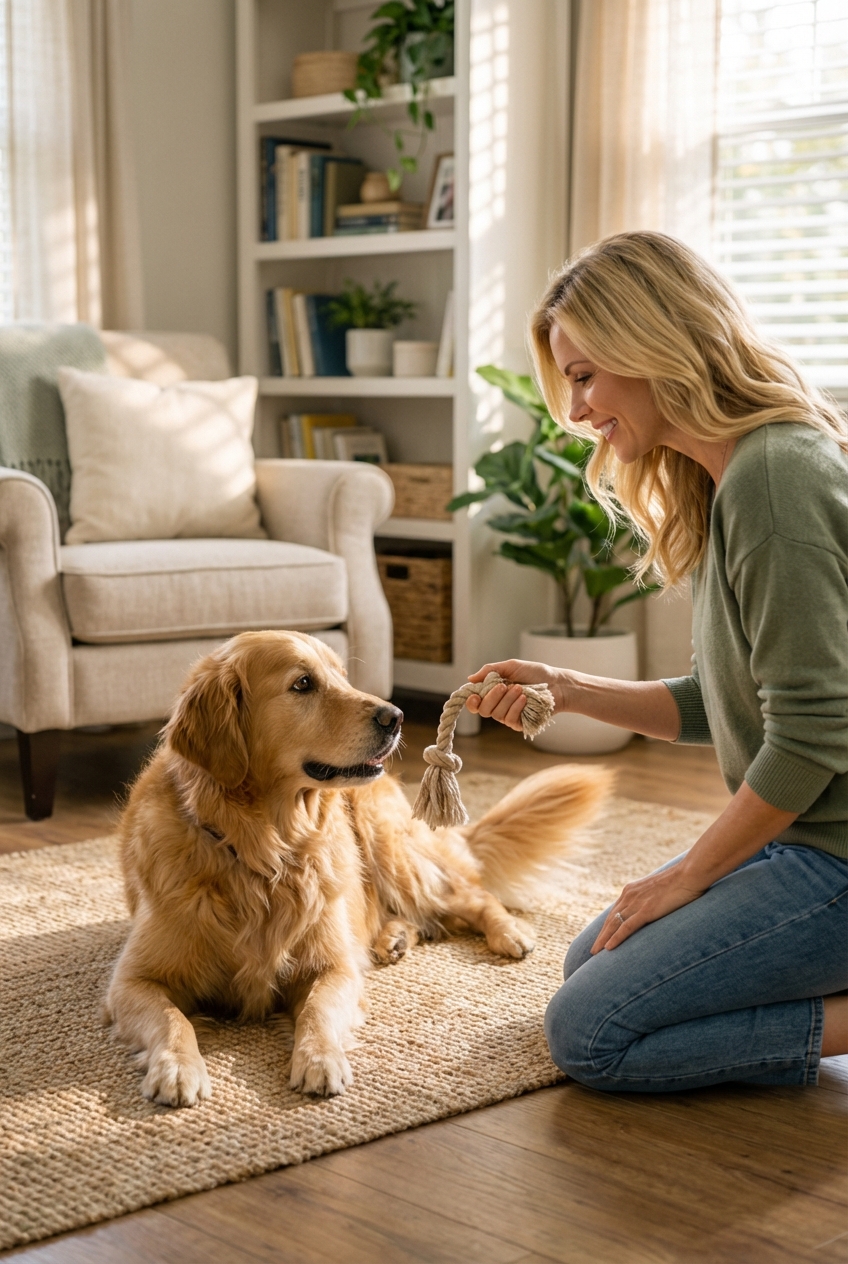
Enrichment that helps
Many dogs lick more when their day is missing outlets for sniffing, chewing, and mental work. Think of enrichment as preventive care for the brain.
Simple, high-impact options
- Sniff walks: 15 to 30 minutes where your dog sets the pace and explores smells.
- Lick mats and food puzzles: use dog-safe wet food, plain yogurt, or soaked kibble. Freeze for longer sessions.
- Chewing: veterinarian-approved chews (size appropriate) can be very soothing.
- Short training bursts: 3 to 5 minutes, 1 to 3 times per day. Sit, touch, down, stay, place.
- Calm time routine: same evening rhythm nightly, such as potty break, chew time, lights down.
If your dog is licking you the moment you sit down each night, that is often a sign they have not fully decompressed during the day. A sniff walk and a frozen lick mat can make a noticeable difference.
Could stomach upset be part of it?
Yes. In practice, I often see increased licking alongside signs that can be associated with nausea or reflux, such as lip smacking, swallowing, or wanting to eat grass. Food sensitivities can also show up as skin and ear issues that make a dog generally itchier and more “busy,” which can include licking people.
What you can do at home
- Track patterns: Does licking spike after meals, after certain treats, or late at night?
- Check stool quality and frequency.
- Bring a short log to your vet: food brand, treats, table scraps, supplements, and timing of symptoms.
If you are considering a diet change, go slowly and talk with your veterinarian, especially if your dog is a puppy, a senior, or has ongoing GI issues. Sudden changes can make licking worse if they trigger tummy upset.
Quick checklist
- Set a clear boundary (for example: no face licking, and “All done” after 3 seconds).
- Reward calm the instant licking stops.
- Add one enrichment activity daily (sniff walk or frozen lick mat).
- Look for medical clues (bad breath, paw licking, vomiting, scratching, ear redness).
- Book a vet visit if licking is new, sudden, persistent, or paired with other symptoms.
Most dogs are not trying to be “gross” or “pushy” when they lick constantly. They are communicating. When we listen first and train second, we get better results and a happier dog.
Frequently asked questions
Why does my dog lick me and not my spouse?
Dogs often choose the person who reacts most, smells like food or skincare products, provides the most comfort, or has the strongest bond with them. It can also be a learned habit if licking reliably leads to attention from one person.
Is licking a sign of anxiety?
It can be. If licking increases during triggers like visitors, storms, car rides, or when you are about to leave, anxiety is possible. If your dog struggles to settle, talk with your veterinarian about behavior support options.
Should I let my dog lick my feet?
Feet are salty, so many dogs love them. If your skin is intact and you do not mind, it is usually fine. If you have cracks, irritation, or an infection like athlete’s foot, the main concern is worsening your skin or inviting secondary infection. In those cases, redirect to a chew or lick mat.
Any tips for kids and licking?
Yes. Teach kids to avoid face licking and to stand still “like a tree” if a dog gets too mouthy. Adults can reward the dog for calm behaviors like “touch,” “chin rest,” or “go to mat” so the dog learns a polite way to ask for attention.