Turn chicken and rice into a more balanced homemade dog meal with veggies, calcium carbonate, and omega-3s. Includes gram weights, portion guidance, swaps, a...
Article
•
Designer Mixes
My Dog Is Vomiting Yellow Bile: Facts Every Owner Should Know

Shari Shidate
Designer Mixes contributor
If you have ever woken up to the sound of retching and found a puddle of yellow foam, you are not alone. As a veterinary assistant, I hear this concern all the time. The good news is that yellow bile vomit is often explainable, and many causes are manageable with the right plan. The important part is knowing when it is a minor stomach upset and when it is a sign you need help right away.
What “yellow bile” is
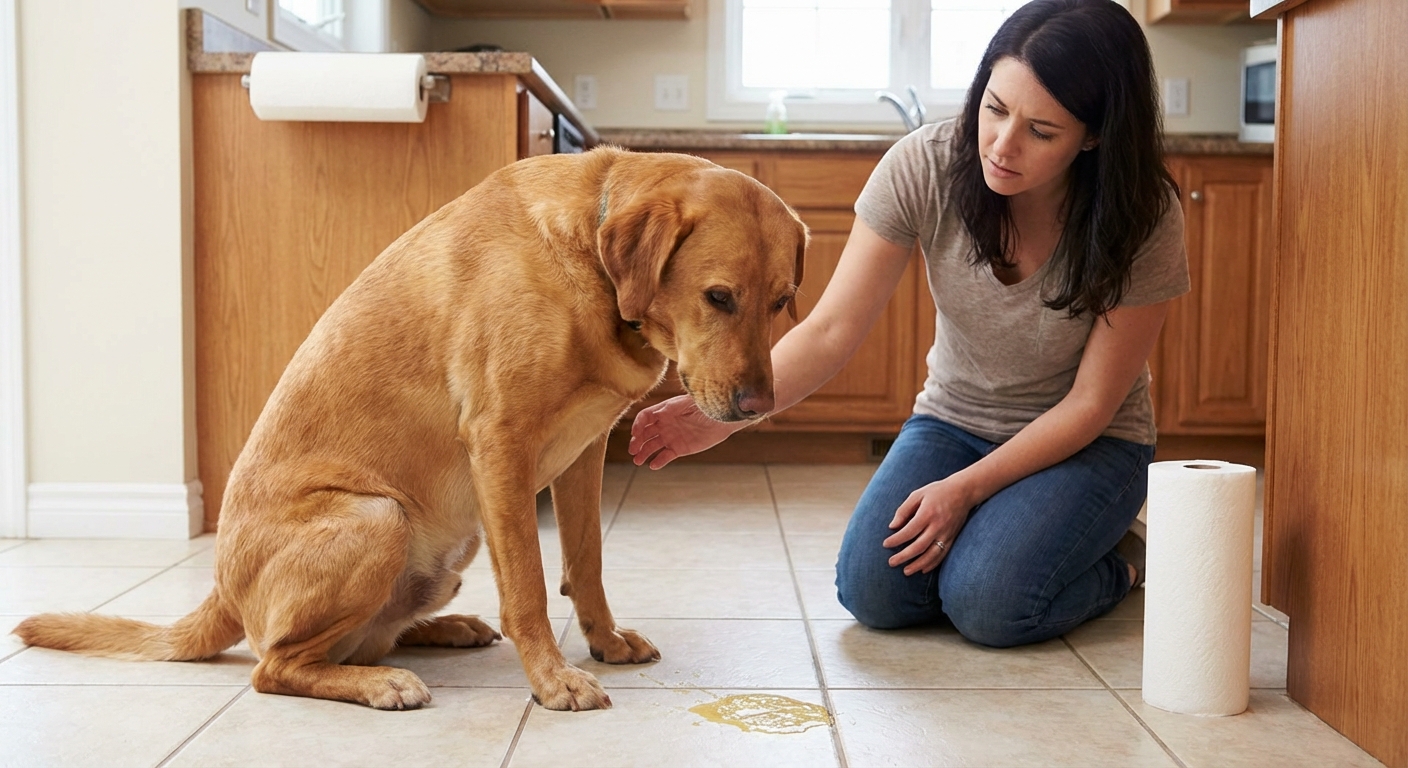
Bile is a yellow to yellow-green digestive fluid made by the liver and stored in the gallbladder. It is released into the small intestine to help digest fats. When a dog vomits and you see yellow liquid or foam, that color is usually bile mixed with stomach fluid.
Most owners describe it as:
- Bright yellow liquid
- Yellow, foamy vomit (often when the stomach is relatively empty)
- Sometimes with a little clear mucus
Common reasons dogs vomit bile
Yellow bile vomiting is a symptom, not a diagnosis. Here are common causes we see.
1) Empty stomach (bilious vomiting syndrome)
This is a common scenario: a dog goes a long stretch without food (overnight, or while you are at work), stomach acid builds up, and then the dog vomits bile early in the morning or late afternoon.
Clues that point this direction:
- Vomiting happens on a fairly predictable schedule (often early morning)
- Your dog otherwise seems normal after vomiting
- Appetite is usually good
2) Eating too fast or mild stomach irritation
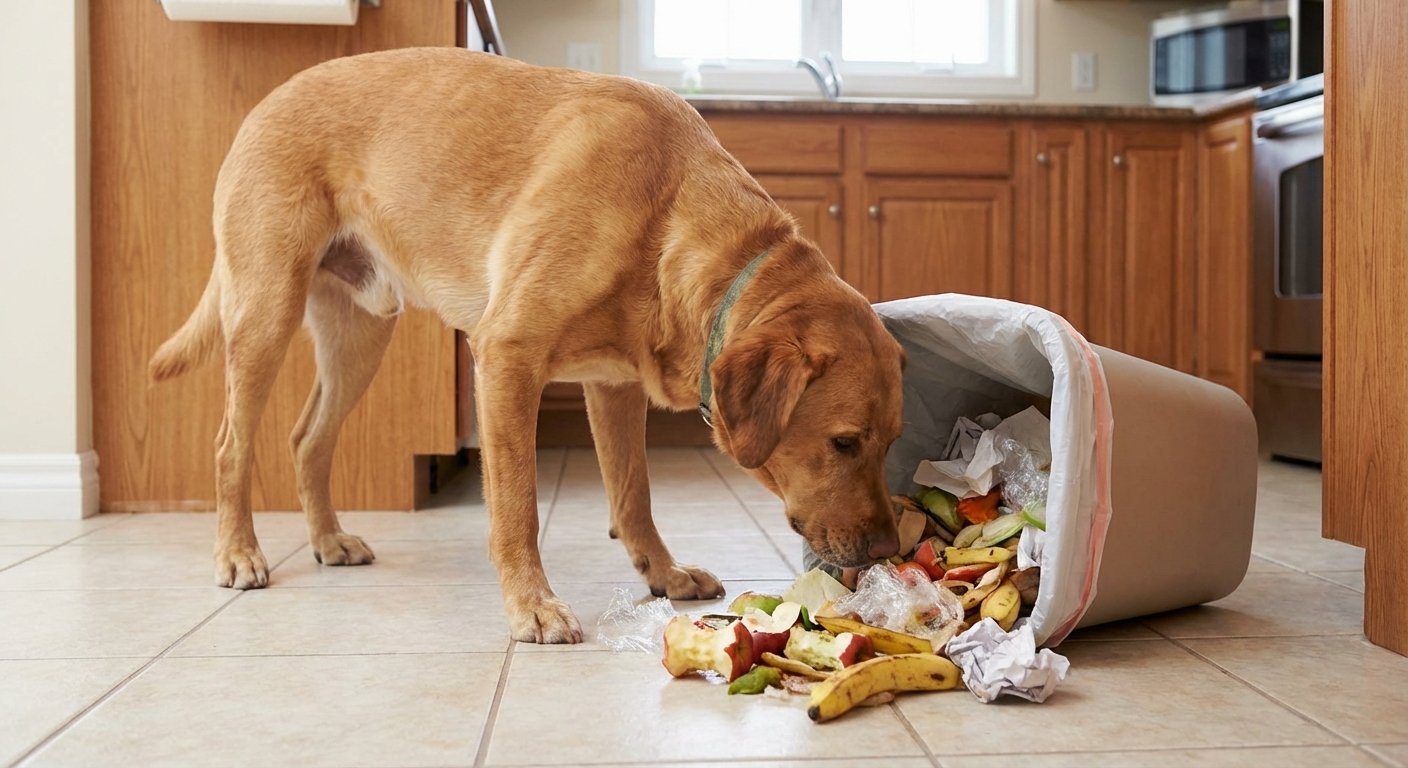
Fast eating, gulping water, getting into the trash, new treats, or richer foods can irritate the stomach lining and trigger bile vomiting.
3) Diet change or food sensitivity
Sudden diet switches can cause stomach upset. Some dogs also develop sensitivities to certain proteins, high-fat foods, or heavily processed ingredients. If vomiting becomes frequent, it is worth looking closely at the ingredient list and your dog’s treat routine.
4) Parasites, infections, or inflammation
Intestinal parasites, viral or bacterial GI infections, and inflammatory bowel disease can all cause vomiting that sometimes includes bile, especially when the gut is irritated.
5) Pancreatitis (often linked to fatty foods)
Pancreatitis is inflammation of the pancreas and can be serious. It often causes vomiting, decreased appetite, abdominal pain, and lethargy. Dogs may vomit yellow fluid when they cannot keep food down.
6) Other possible causes
Less common, but important, possibilities include reflux, gastritis (including irritation from certain medications like NSAIDs), and liver or gallbladder disease. Hormonal conditions can also play a role, including Addison’s disease, which is one reason we take repeat vomiting seriously.
7) Something more urgent: blockage or toxin exposure
Foreign objects (toy pieces, socks, corn cobs) can block the stomach or intestines. Some dogs also vomit bile after exposure to toxins or human medications. These situations can be emergencies, so it is safest to seek urgent veterinary guidance if you suspect either one, even if your dog seems only mildly uncomfortable at first.
When it is an emergency
If you remember only one section, make it this one. Call your veterinarian or an emergency clinic right away if you notice any of the following:
- Repeated vomiting (more than 2 to 3 episodes in a day, or ongoing retching)
- Can’t keep water down or vomits right after drinking
- Blood in vomit (red streaks or coffee-ground appearance)
- Abdominal pain (tense belly, prayer position, whining when picked up)
- Lethargy, weakness, collapse, or pale gums
- Bloated abdomen, unproductive retching, or restlessness (concern for bloat or torsion)
- Diarrhea that is severe or contains blood
- Suspected toxin exposure (xylitol, grapes or raisins, rodent bait, chocolate, meds)
- Puppies, seniors, or dogs with diabetes, kidney disease, Addison’s disease or other chronic conditions
Trust your instincts. If your dog looks “off,” it is always okay to call.
What you can do at home
If your dog vomits yellow bile once, then returns to normal energy and interest in food, your vet may recommend simple supportive care. Always follow your own veterinarian’s advice, especially if your dog has any health conditions.
Do not attempt home care if there is repeated vomiting, suspected foreign body or toxin exposure, significant lethargy, abdominal pain, blood in vomit, or if your dog is a puppy or very small toy breed. Those situations need a call to your vet.
Step 1: Pause and observe
- Note time of day, what your dog ate, and if there was trash access
- Check hydration: gums should be moist, not tacky
- Watch for repeat vomiting or new symptoms
Step 2: Offer small, frequent meals
If the pattern is early-morning bile vomit, many dogs improve with:
- A small bedtime snack
- Or splitting daily food into 3 to 4 smaller meals
This helps prevent an empty, acidic stomach.
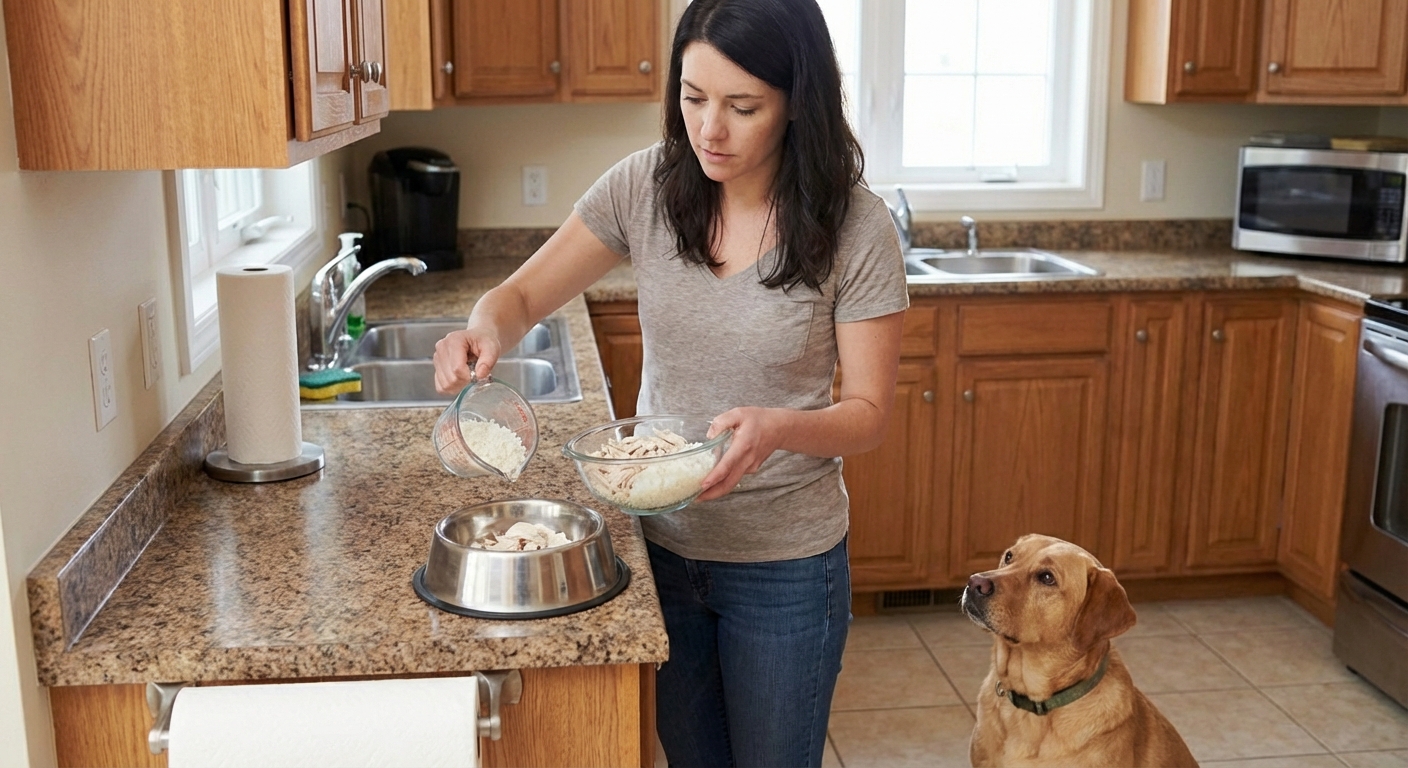
Step 3: Choose gentle food for 24 to 48 hours
Common vet-approved bland options include:
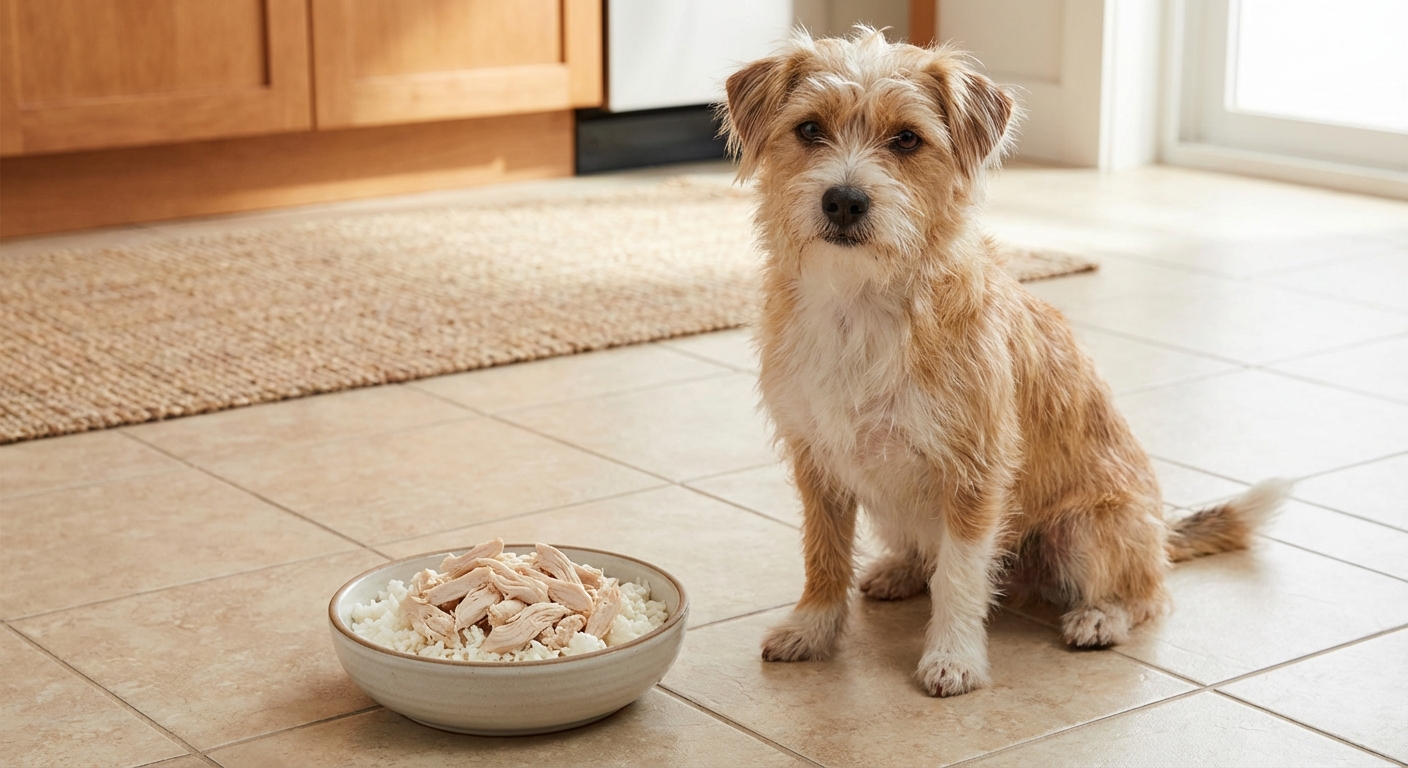
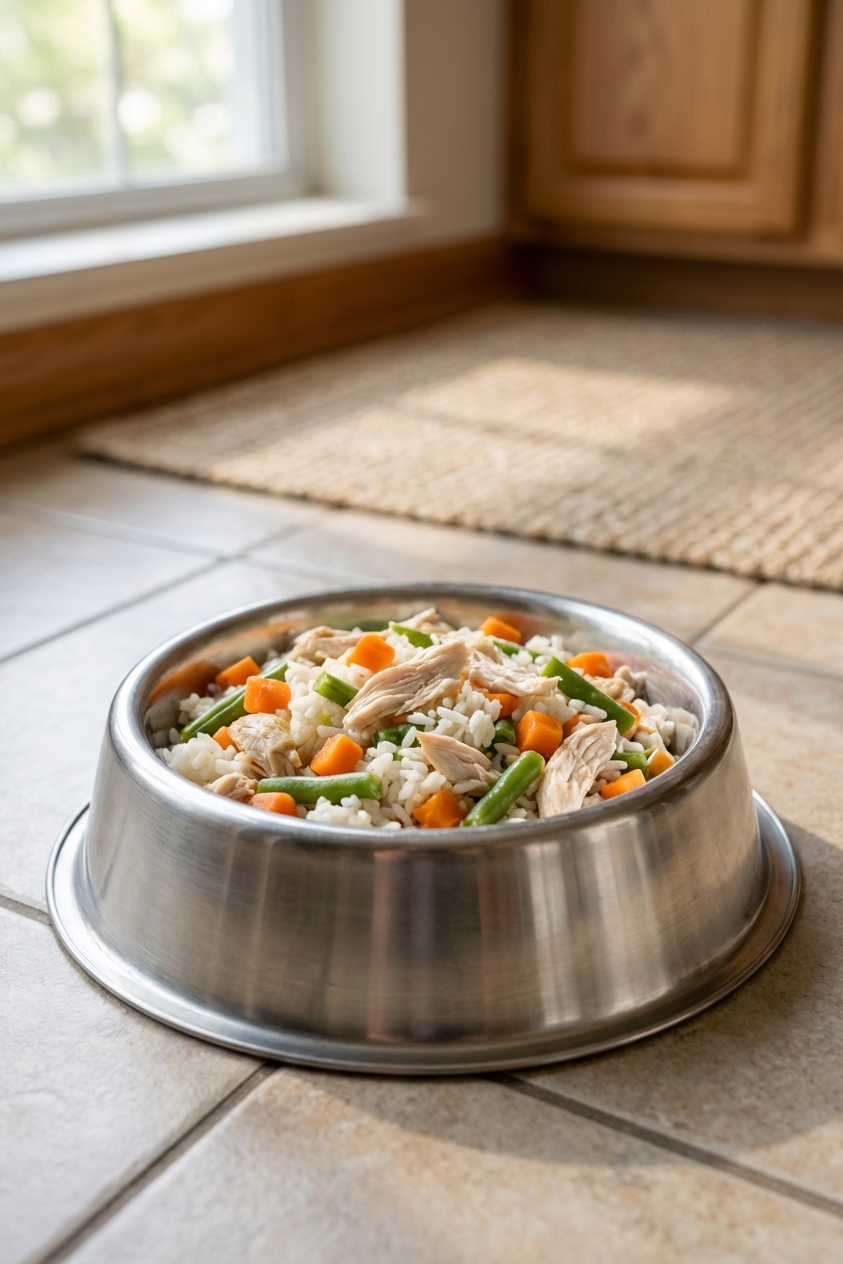
- Boiled chicken breast (no skin, no seasoning) with white rice
- Low-fat cottage cheese in small amounts (if your dog tolerates dairy)
- A veterinarian-recommended GI diet
Keep portions small. The goal is to calm the stomach, not fill it quickly.
Step 4: Hydration matters
Provide fresh water. If your dog gulps and then vomits, offer small sips more often instead of a big bowl.
When to stop watching and call
- If vomiting continues or returns within 24 hours
- If it happens more than once in a week, even if your dog seems fine after
- If any red-flag signs show up at any point
What not to do
- Do not give human medications like Pepto-Bismol, ibuprofen, acetaminophen, or aspirin unless your veterinarian directs you. Some products can be unsafe in certain conditions, interfere with other medications, or mask symptoms your vet needs to see.
- Do not fast puppies without veterinary guidance. Small dogs and puppies can become dehydrated or hypoglycemic faster.
- Do not ignore repeat episodes, even if the vomit is “just bile.” Frequent vomiting can lead to dehydration and can signal a bigger issue.
How vets find the cause
If vomiting is persistent or your dog seems unwell, your veterinarian will likely ask questions and may recommend tests. Common steps include:
- History (diet, treats, trash access, timing, parasite prevention, medications)
- Physical exam (hydration, abdominal pain, temperature)
- Fecal test for parasites
- Bloodwork to assess hydration, electrolytes, liver and kidney values, and inflammation
- X-rays or ultrasound if a blockage, pancreatitis, or organ disease is suspected
If your dog has a chronic “empty stomach” pattern, your vet may also discuss diet adjustments and, in some cases, medications like anti-nausea or acid-reducing support. The goal is not just to stop today’s vomit, but to prevent it from becoming a repeat problem.
Prevention tips
- Keep a consistent feeding schedule and consider a small bedtime snack for “morning bile” dogs.
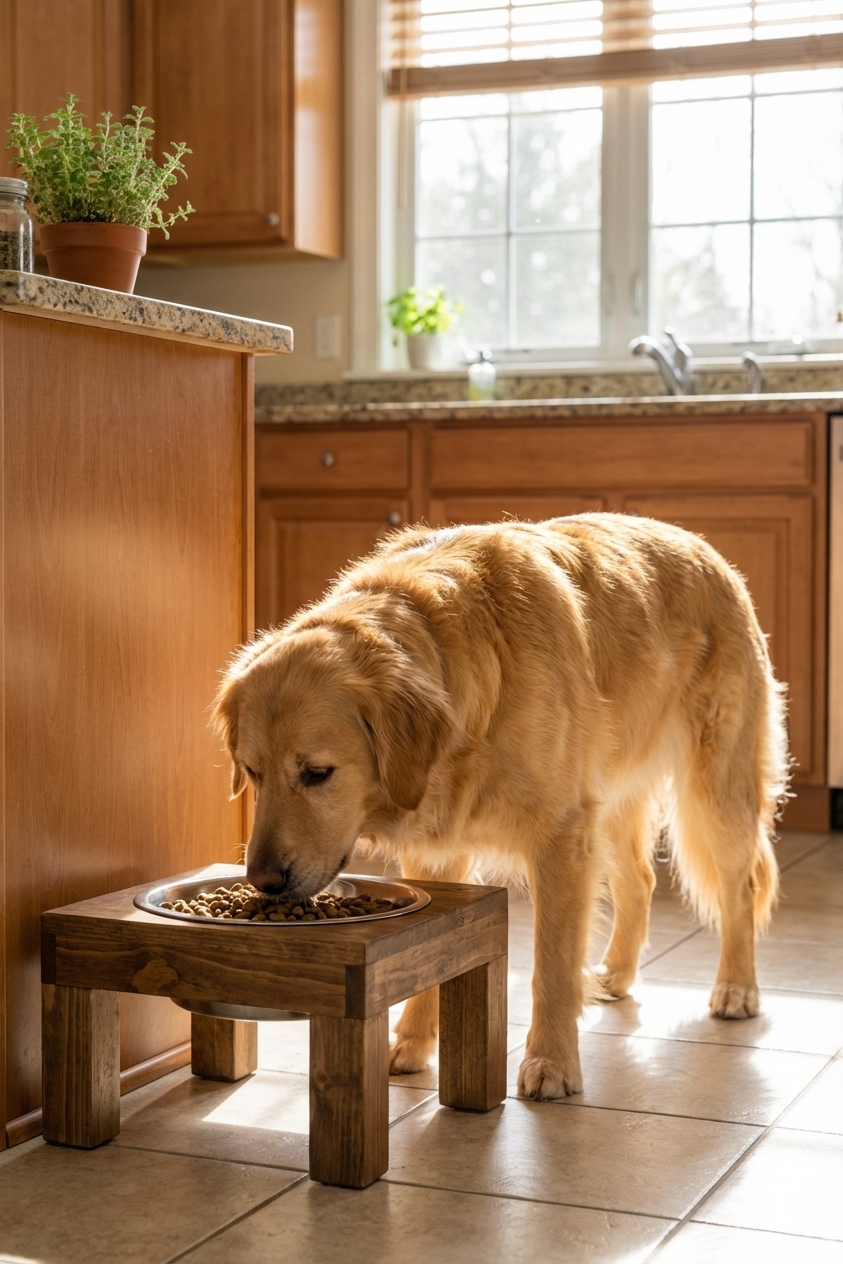
- Slow down fast eaters with a slow feeder bowl or puzzle feeder.
- Limit high-fat foods and sudden diet changes. Transition foods over 7 to 10 days when possible.
- Use parasite prevention as recommended by your veterinarian.
- Trash proof your home. A surprising number of bile vomiting cases start with scavenging.
A gentle reminder
Yellow bile vomit can be as simple as an empty stomach, but it can also be your dog’s early warning sign that something is not right. If vomiting repeats, your dog seems painful or lethargic, or you see blood, please call your veterinarian promptly.
When in doubt, take a short video of the episode and snap a photo of the vomit. It sounds gross, but it can genuinely help your vet narrow down the cause faster.