Learn what to feed your dog for diarrhea: small bland meals (boiled chicken, rice, pumpkin), hydration tips, probiotics, foods to avoid, and red flags to cal...
Article
•
Designer Mixes
My Dog Is Pooping Mucus: Handy Advice You Need

Shari Shidate
Designer Mixes contributor
If you have ever picked up your dog’s poop and noticed a clear, white, yellow, or jelly-like coating, you are not alone. Mucus in stool is one of the more common “wait, what is that?” concerns I hear about as a veterinary assistant in clinic.
A little mucus can be normal, especially after a mild tummy upset. But frequent or heavy mucus can also be your dog’s way of saying, “My gut is irritated.” The good news is that many causes are manageable, and there are clear signs that tell you when it is time to call your vet.
What mucus in dog poop means
Your dog’s intestines naturally produce mucus. It is a slippery protective layer that helps stool move along and protects the intestinal lining.
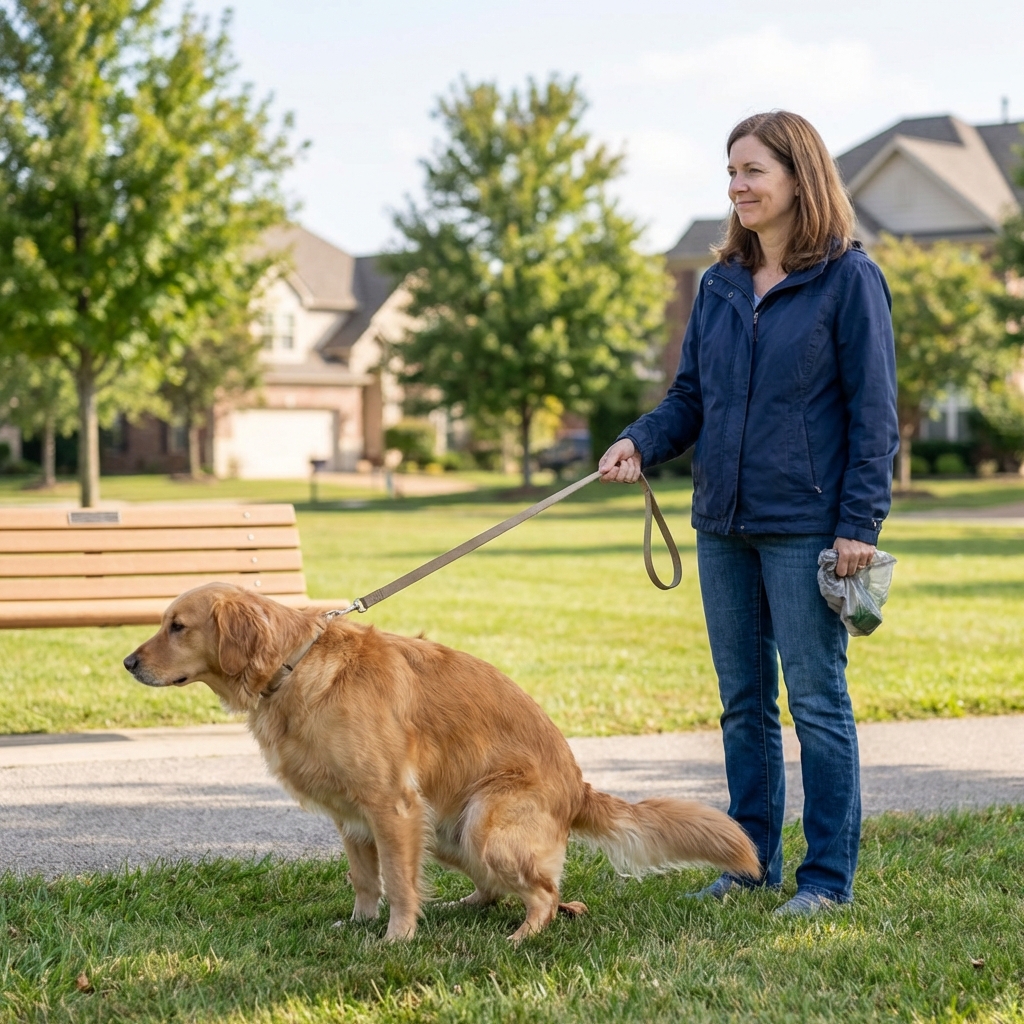
You might see more mucus when the colon or rectum is inflamed or irritated. This is often associated with large-bowel diarrhea (colitis), where dogs may strain, produce small amounts of stool, or need to go more frequently. Mucus can also show up with constipation or “stuck stool,” because straining alone can irritate the lower gut.
What it can look like
Stool appearance is only one clue. Color and texture are not very specific on their own, so it helps to look at the whole picture (energy, appetite, vomiting, frequency, and whether there is blood).
- Clear or white jelly: commonly irritation or mild colitis.
- Yellow mucus: can happen with inflammation, diet changes, or some infections.
- Mucus with bright red blood: often lower intestinal or rectal irritation (colitis, constipation/straining, or anal and rectal irritation including anal sacs). This is not always an emergency, but it is a big clue.
- Black, tarry stool (with or without mucus): can indicate digested blood from higher up in the GI tract and needs prompt veterinary guidance.
Common causes
Mucus is a symptom, not a diagnosis. Several different problems can look the same at home, so context matters. Here are some common reasons dogs pass mucus, from common to more serious.
1) Diet change or rich snacks
A sudden switch in food, a new chew, table scraps, or raiding the trash can irritate the colon quickly. Many dogs recover in 24 to 72 hours with supportive care.
2) Stress colitis
Boarding, visitors, travel, moving, thunderstorms, and even a new schedule can trigger mucus and frequent small stools. Some dogs are very sensitive to stress, and their gut shows it first.
3) Parasites
Giardia, hookworms, whipworms, and other intestinal parasites can cause mucus, soft stool, and urgency. Fecal testing is often the fastest way to check, and many dogs also need specific Giardia testing (such as antigen or PCR) and sometimes repeat tests. Treatment is usually straightforward once you know what you are dealing with.
4) Food sensitivity or intolerance
Some dogs do not do well with certain proteins, high-fat foods, or specific ingredients. Mucus can be part of a chronic pattern along with gas, itchy skin, recurrent ear issues, or on-and-off diarrhea.
5) Infection or gut dysbiosis
Sometimes an infection is involved, or the gut microbiome gets out of balance (dysbiosis). Your vet may recommend testing and targeted treatment. Antibiotics are not always needed, which is one reason a good exam and diagnostics matter.
6) IBD or chronic colitis
If mucus is frequent, recurring, or tied to weight loss, vomiting, or appetite changes, your veterinarian may consider chronic GI conditions that require a longer-term plan.
7) Hemorrhagic diarrhea syndrome (HDS)
This can start suddenly with large amounts of watery, often bloody diarrhea and can become serious quickly due to dehydration. Vomiting may or may not be present. If you see a lot of blood, your dog is weak, or your dog cannot keep water down, call your vet urgently.
8) Foreign material or toxin exposure
Dogs who chew toys, swallow fabric, eat bones, or get into toxins may show mucus along with vomiting, pain, or refusal to eat. This can become an emergency.
When to call the vet
You do not need to panic over a single mucus moment, but you do want to be smart and timely.
Call within 24 hours if:
- Mucus continues longer than 48 hours.
- Your dog has repeated urgency, straining, constipation, or frequent trips outside.
- There is blood in the stool, even a small amount, especially if it repeats.
- Your dog is a puppy, senior, pregnant, or has a chronic condition.
- You suspect parasites or your dog has not had a recent fecal test.
Go now if:
- Your dog is lethargic, weak, or seems painful.
- There is profuse blood, or diarrhea is watery and nonstop.
- Vomiting is repeated or your dog cannot keep water down.
- Gums look pale or sticky, or you notice signs of dehydration (sunken eyes, tacky gums).
- Bloated belly, repeated unsuccessful retching, or severe abdominal discomfort.
- You suspect a toxin or foreign body was eaten (socks, rocks, corn cobs, bones, medication).
Trust your instincts. If your dog is not acting like themselves, it is always okay to call your veterinarian or emergency clinic for guidance.
Safe at-home steps
If your dog is otherwise bright, eating, and acting normal, and the mucus is mild, these steps often help while you monitor closely.
1) Pause the extras
Stop all treats, chews, table food, and rich add-ons for a few days. Keep things simple.
2) Use a simple diet briefly
Many dogs do well with a short reset using a bland, low-fat option. Common choices include:
- Boiled skinless chicken breast with white rice
- Lean turkey with white rice
- A veterinary-recommended GI diet
Offer small meals, 3 to 4 times a day. If your dog has pancreatitis history, needs a prescription diet, or has other medical conditions, call your vet first.
3) Add fiber carefully
Fiber can help the colon settle, especially with large-bowel diarrhea or straining. Plain canned pumpkin (not pie filling) is a common option, but too much can worsen stool in some dogs. If you are not sure how much to give, ask your vet or your clinic team for dosing based on your dog’s size and symptoms.
4) Consider a vet probiotic
Some probiotics have evidence for helping acute diarrhea and restoring healthy gut bacteria. Choose a product made for pets and follow label directions, or ask your clinic for a favorite and for dosing guidance.
5) Protect hydration
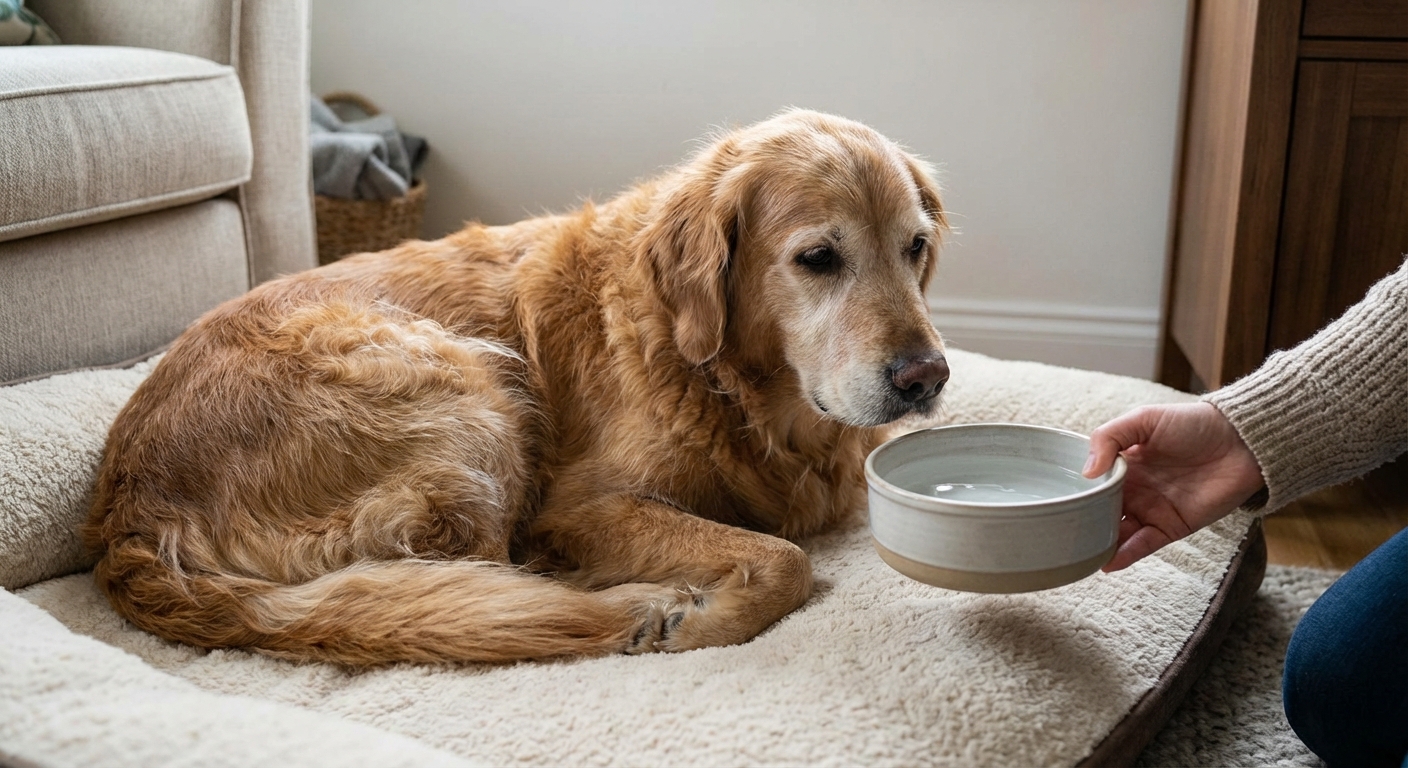
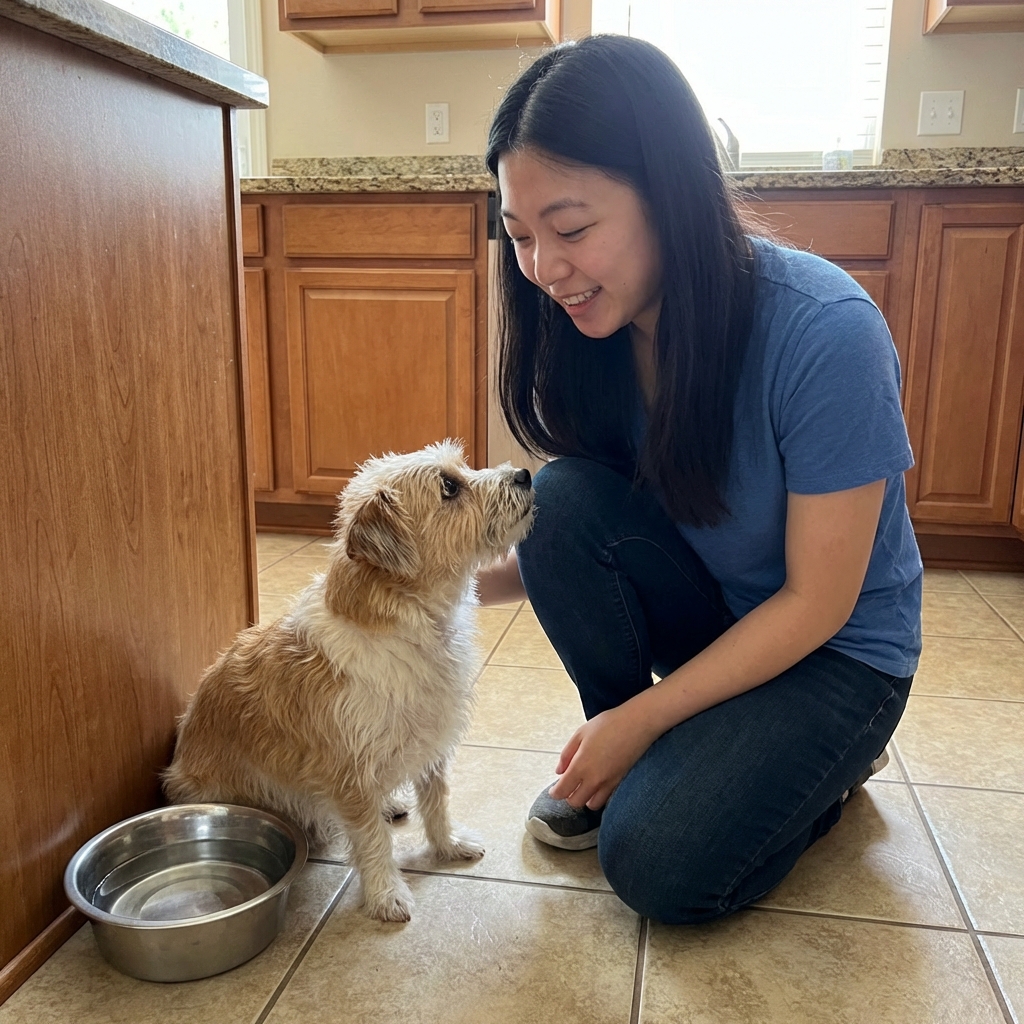
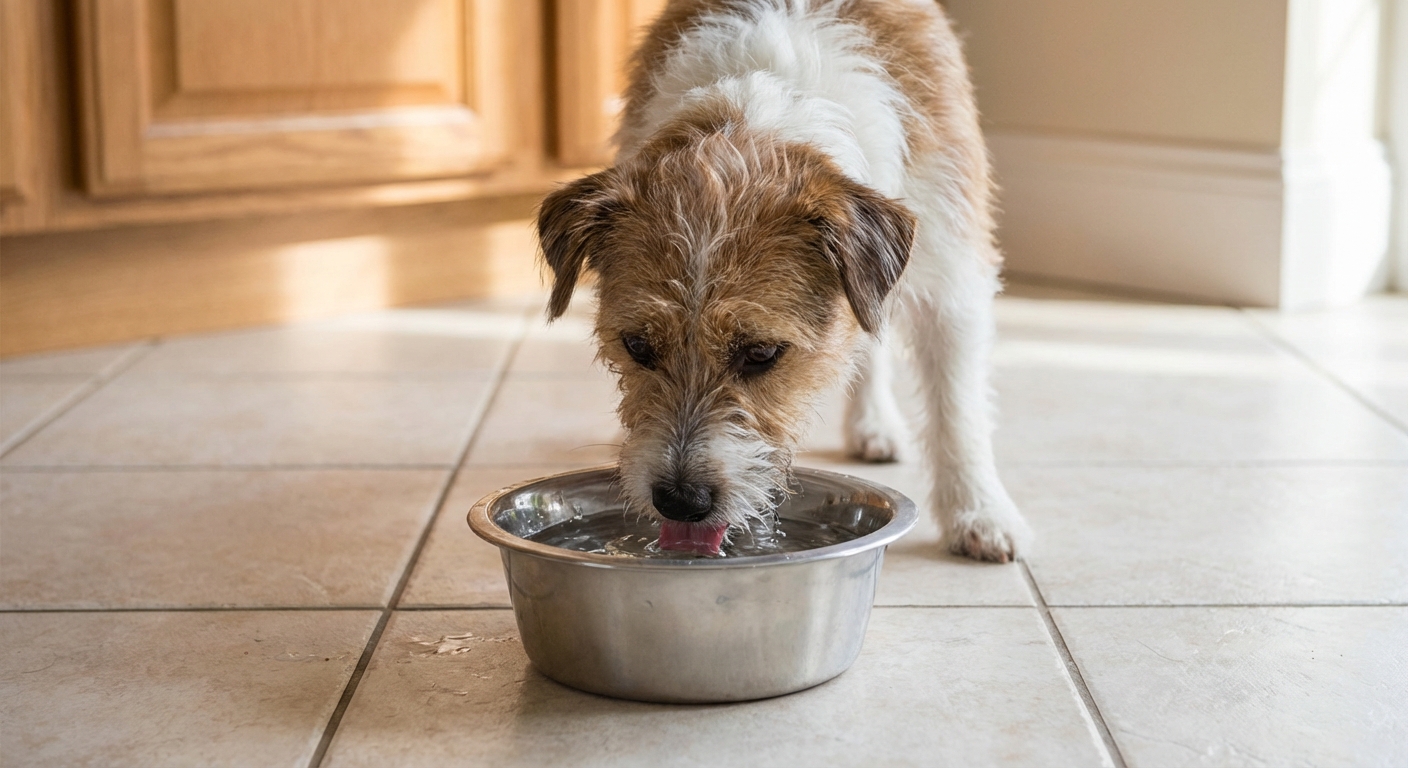
Make sure fresh water is always available. If stools are loose, dehydration can sneak up quickly, especially in small dogs.
6) Handle stool safely
If diarrhea is present or parasites are a possibility (especially Giardia), pick up stool promptly, wash hands well after cleanup, and consider keeping your dog away from shared water bowls and high-traffic dog areas until things are back to normal.
What not to do
- Do not give human anti-diarrheal medications unless your veterinarian specifically instructs you. Some are unsafe for dogs or unsafe with certain infections.
- Do not jump between multiple foods trying to fix it quickly. Too many rapid changes can worsen irritation.
- Do not ignore recurring mucus. Repeated bouts are a pattern worth investigating.
What to track
Veterinary teams love details because they help us narrow down the cause faster. If you can, note:
- When the mucus started and how often it is happening
- Stool consistency (formed, soft, watery) and volume (small frequent vs large)
- Any blood (bright red vs dark)
- Vomiting, appetite changes, energy level
- New foods, treats, chews, bones, or trash snacks
- Recent stressors (travel, boarding, guests)
- Exposure risks (dog parks, puddles, daycare)
- Parasite prevention status (heartworm and intestinal parasite coverage varies by product)
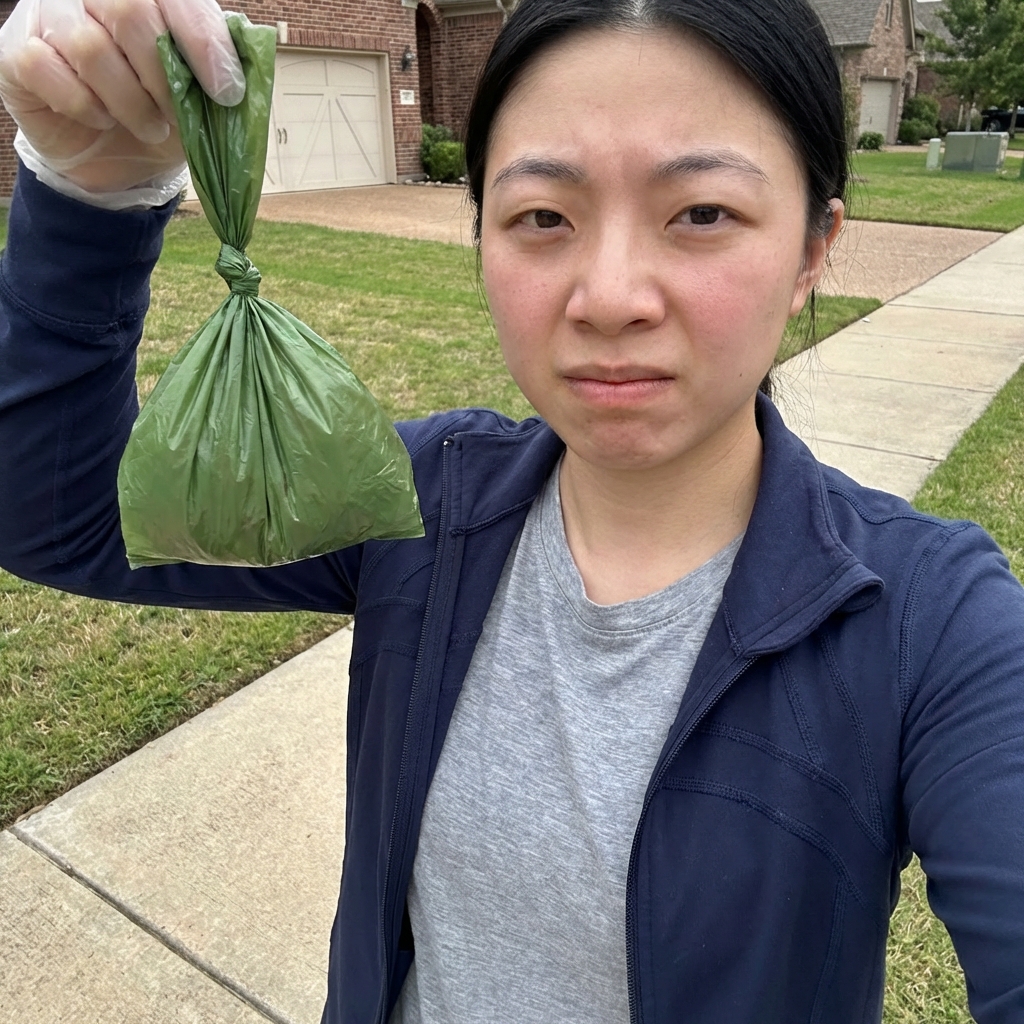
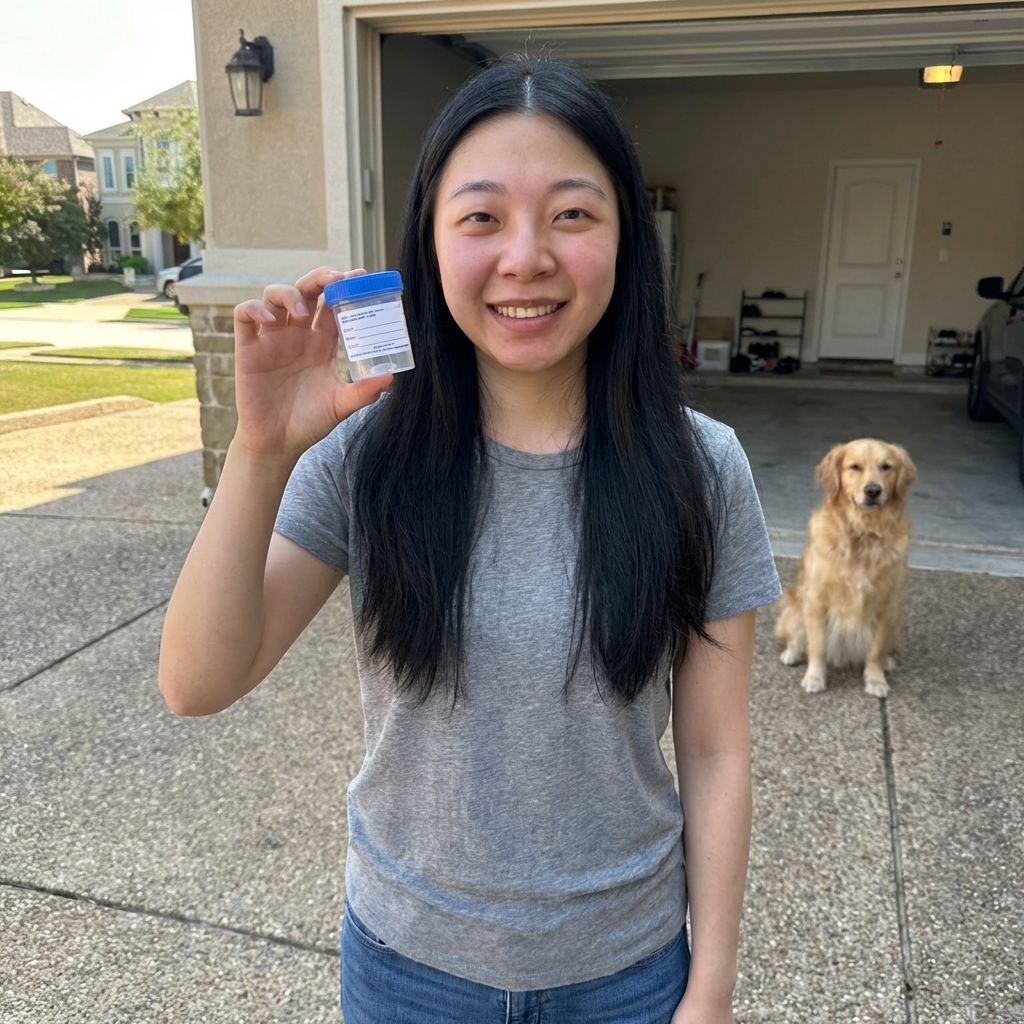
If possible, take a clear photo of the stool and bring a fresh stool sample to your clinic. That one step can speed up diagnosis significantly.
Prevention
Some dogs never see mucus again after a minor upset. Others have a sensitive gut and benefit from consistent routines.
- Go slow with diet changes: transition over 7 to 10 days when switching foods.
- Use reliable parasite prevention: ask your vet what covers which parasites in your area.
- Limit rich treats: especially fatty table scraps, greasy foods, and heavy chew binges.
- Support the gut: some dogs do well with long-term probiotic support or a sensitive-skin-stomach diet.
- Reduce stress: predictable potty breaks, exercise, and quiet decompression time after big events can help stress-prone dogs.
The bottom line: mucus is your dog’s early warning light. When you respond early with simple, gentle care and the right veterinary support, most dogs recover well and feel better fast.