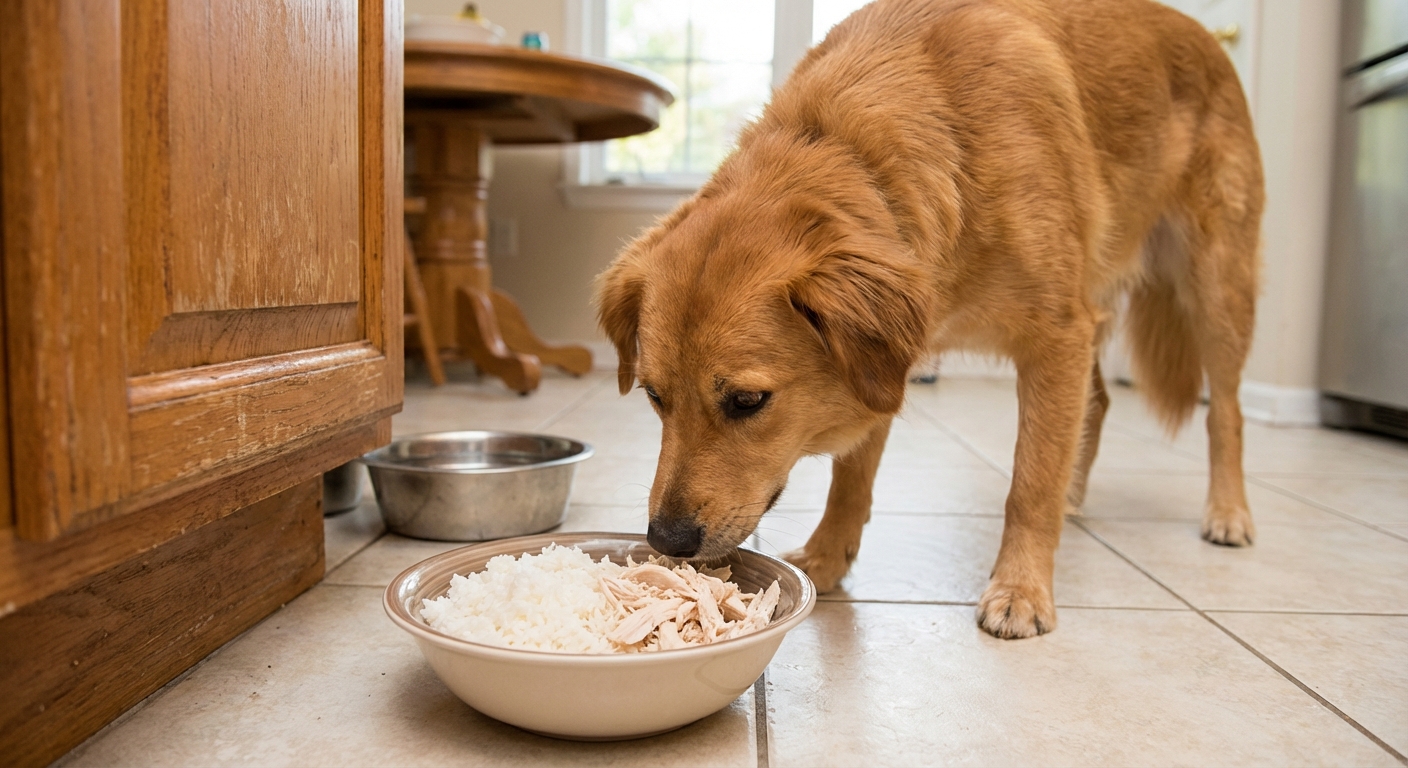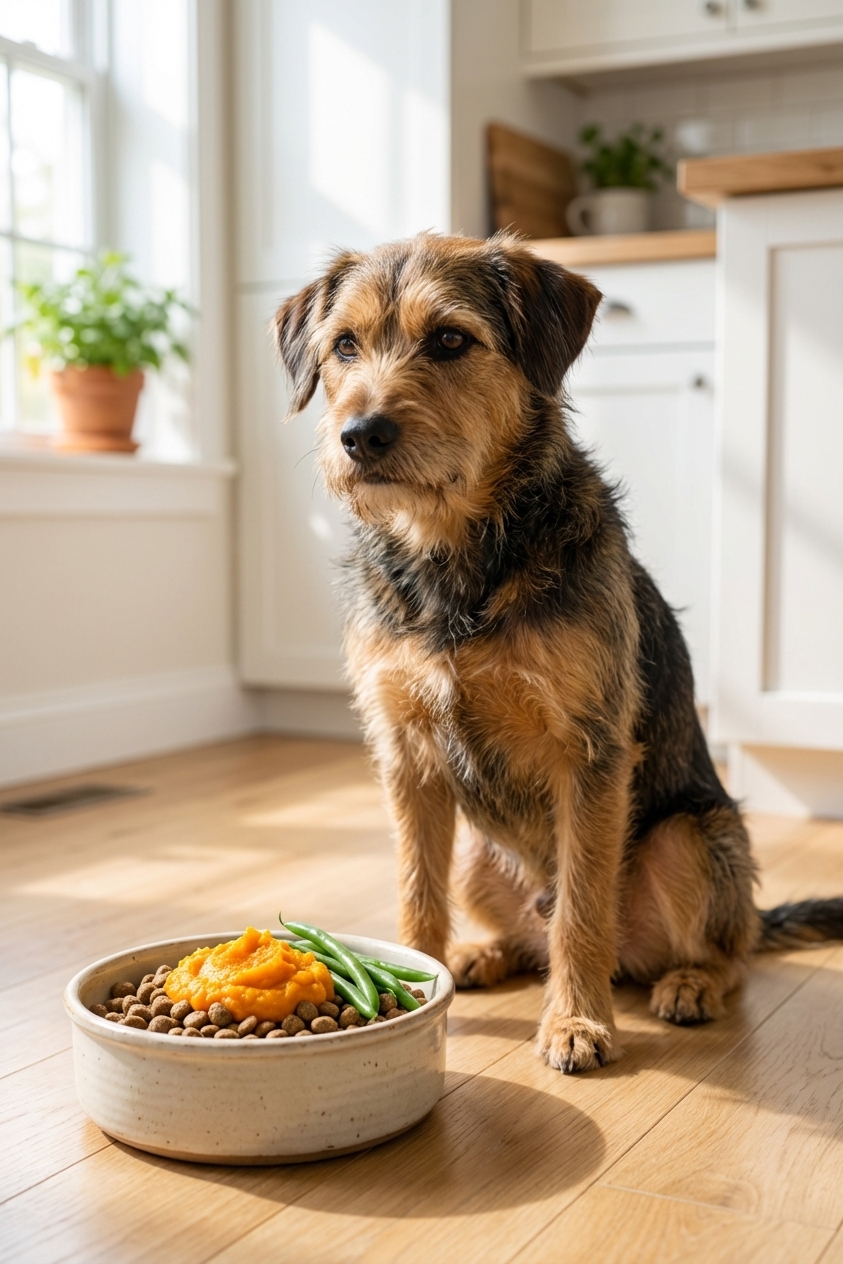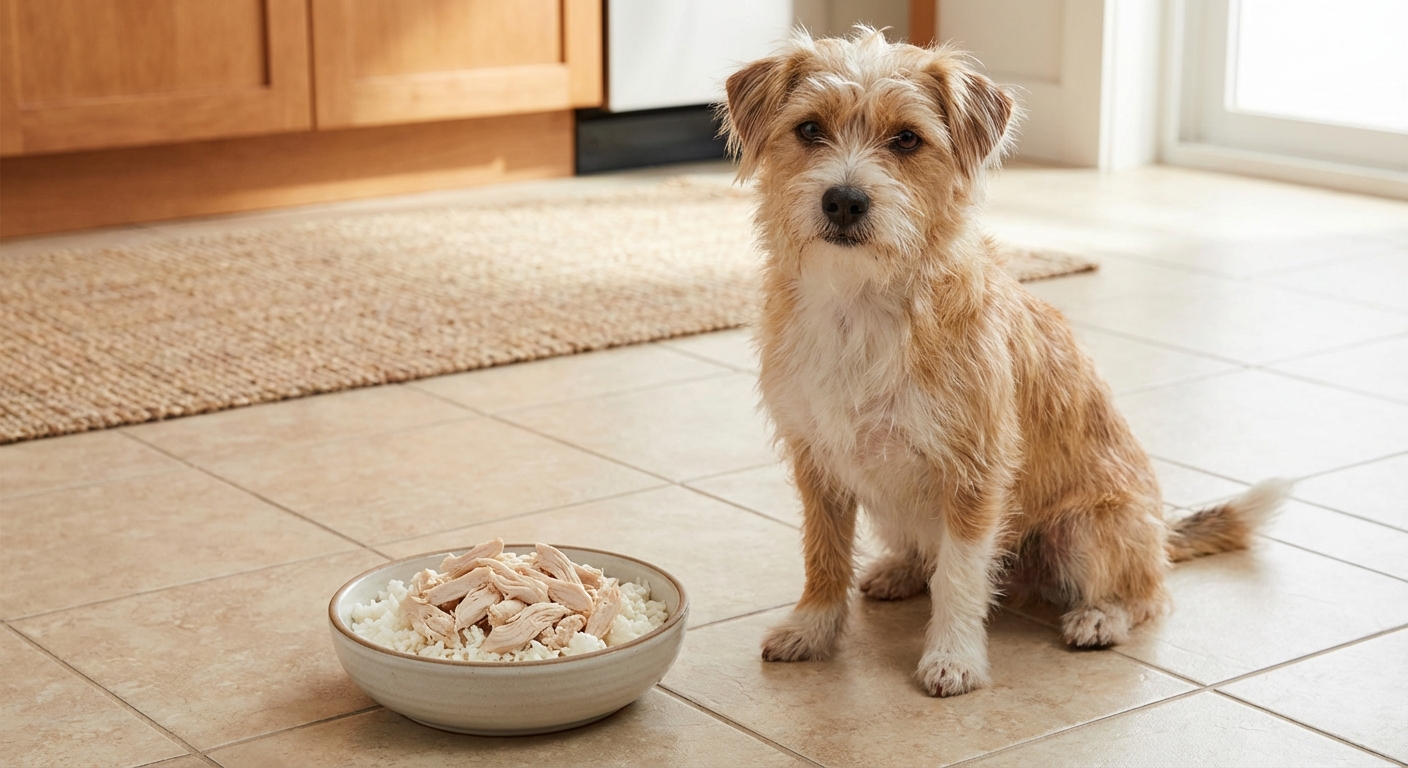
Chicken and rice can soothe mild stomach upset and help dogs transition back to normal food. Learn safe recipes, portions, how long to feed it, and when to c...
Article
•
Designer Mixes
My Dog Is Limping on a Front Leg: Causes and Solutions

Shari Shidate
Designer Mixes contributor
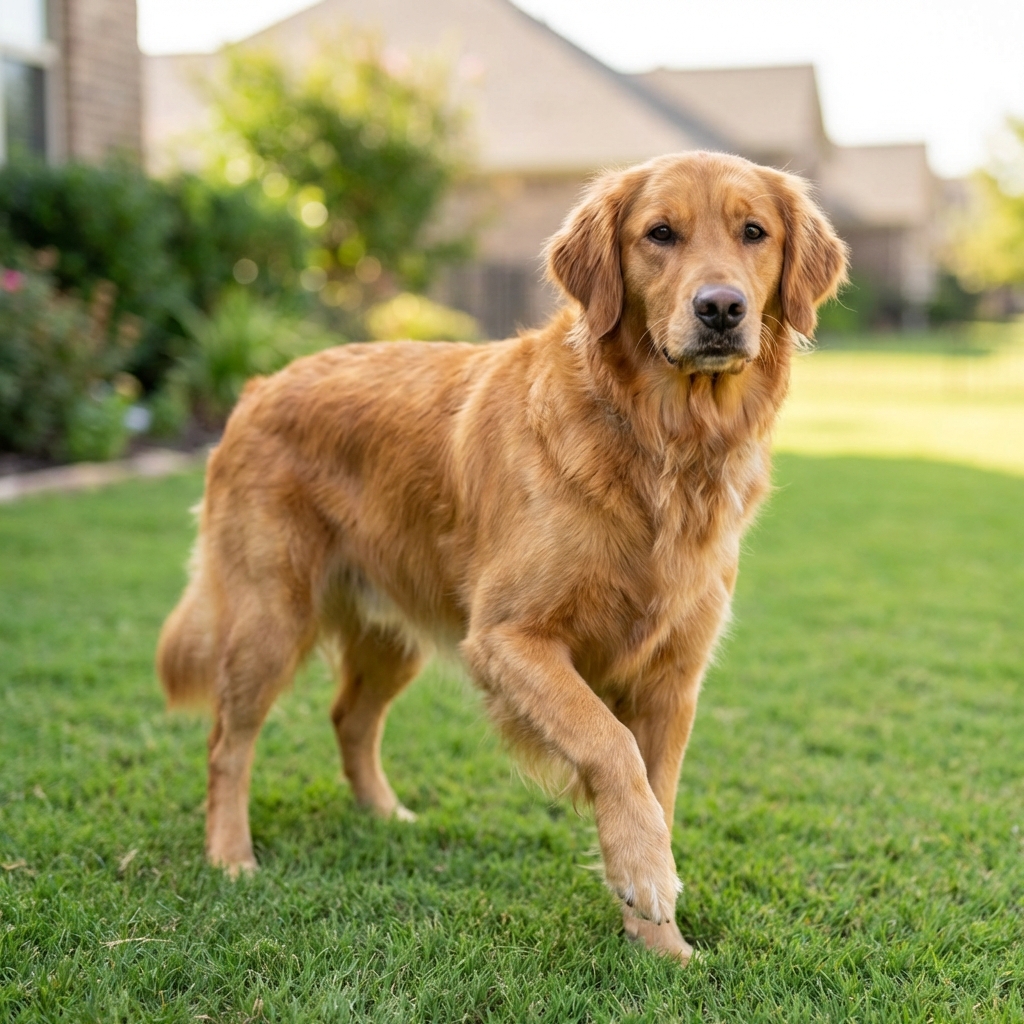
If your dog is limping on a front leg, it is scary, frustrating, and honestly a little heartbreaking to watch. The good news is that many front-leg limps are caused by treatable issues like a nail injury, a strained muscle, or a sore paw pad. The not-so-good news is that some limps can signal a fracture, tendon or ligament injury, nerve pain, or a painful joint problem that needs veterinary care.
As a veterinary assistant in Frisco, Texas, I have seen limps that looked mild on day one become much more painful by day three, mainly because dogs are experts at pushing through discomfort. This guide will help you understand what to look for, what you can safely do at home, and when it is time to get to the vet.
First, decide: emergency or not?
Use this quick checklist. If any of these are true, please contact an emergency clinic or your veterinarian right away.
Go to urgent care now if you notice:
- Non-weight-bearing lameness (your dog will not put the paw down at all)
- Sudden severe pain, yelping, or your dog will not let you touch the leg
- Visible deformity (leg looks bent, twisted, or “not right”)
- Rapid swelling, an open wound, or active bleeding
- Toenail torn off with ongoing bleeding or the nail bed exposed
- Cold paw with concerning changes (cold plus marked swelling, severe pain, pale or blue toes, or a paw that looks a different color than the other side)
- Signs of shock or severe illness (pale or blue gums, collapse, extreme lethargy, trouble breathing)
- Known trauma (hit by car, fall, rough collision)
- Fever or your dog seems very unwell (not eating, repeated vomiting, profound weakness), especially along with significant pain or swelling
If your dog is still walking on the leg but limping, is otherwise bright and eating, and you do not see a major wound or deformity, you can often do a short period of careful home monitoring while you book a vet visit if it does not improve.
Common reasons dogs limp on a front leg
Front-leg limps can start in the paw, the wrist (carpus), elbow, shoulder, or neck. Sometimes what looks like a “leg” problem is actually nerve-related pain from the neck or a different area of the body.
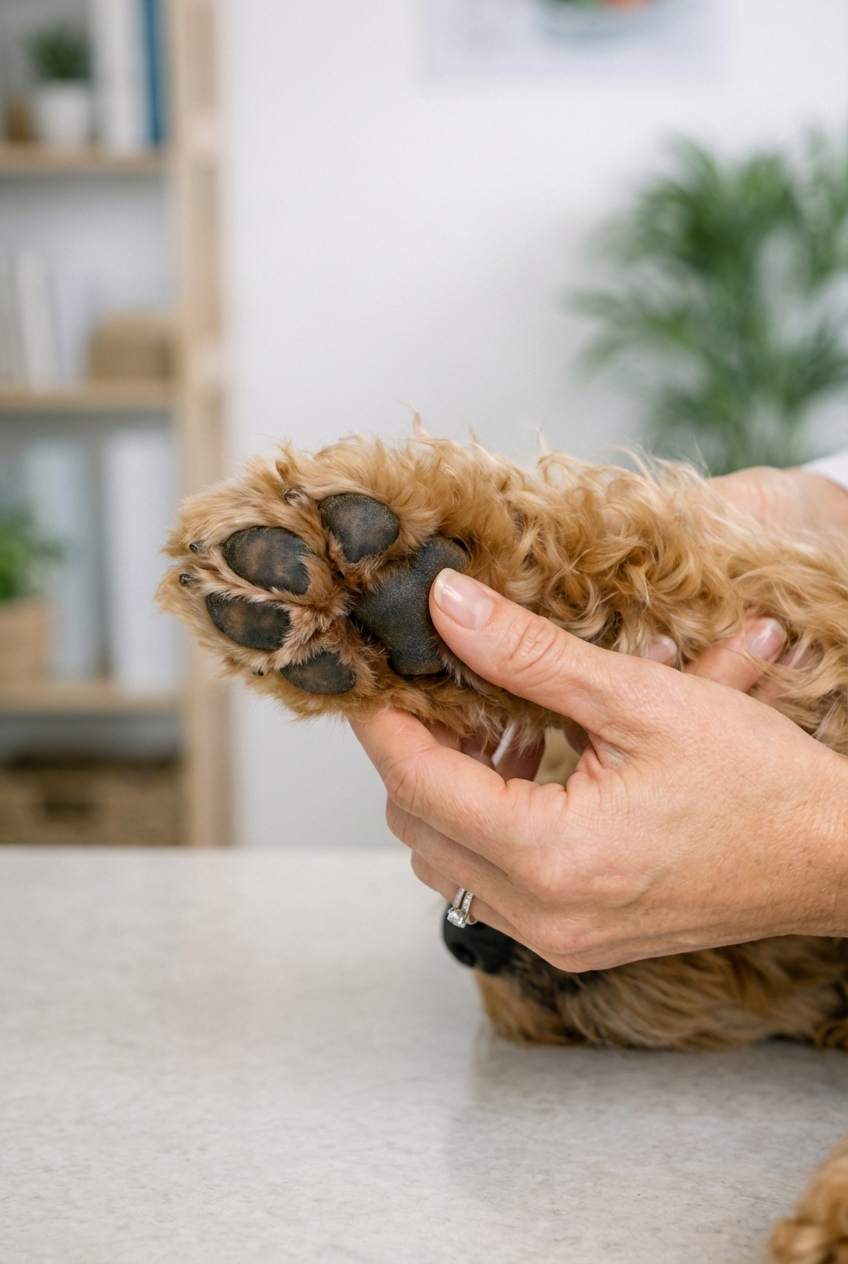
1) Paw problems (very common and easy to miss)
- Foreign body: a thorn, foxtail, splinter, burr, or glass between toes
- Pad injury: burns from hot pavement, ice melt irritation, rough surfaces, torn pad
- Nail injury: cracked nail, broken quick, nail growing into the pad
- Allergy or infection: itchy, red paws and licking can lead to soreness
Tip: many dogs limp worse on hard flooring but “look fine” outside on grass, which can still point to a sore pad or nail.
2) Sprain or strain (soft tissue injury)
Zoomies, jumping off the couch, slipping on tile, rough play, or an athletic weekend can strain muscles and tendons. This can cause a mild-to-moderate limp that is worse after activity and better after rest.
One caution: early fractures, tendon tears, and some ligament injuries can look like a simple strain at first. If the limp is not clearly improving with rest, get it checked.
3) Shoulder issues
Shoulder injuries can be sneaky. Dogs may have a shortened stride, reluctance to extend the leg forward, or pain when the shoulder is moved.
Common diagnoses include biceps tendon inflammation (biceps tenosynovitis), supraspinatus tendinopathy, and in some young large-breed dogs, osteochondritis dissecans (OCD) of the shoulder.
4) Elbow dysplasia or arthritis
Especially common in medium to large dogs, elbow dysplasia and arthritis can cause a chronic limp that flares after exercise or after resting. You may notice stiffness when getting up, decreased willingness to play, or a “warming out” pattern where they improve after a few minutes of movement.
5) Fracture or dislocation
These usually follow a clear incident, but not always. A small fracture or chip can still look like “just a limp.” X-rays are often needed to rule this out.
6) Neck pain (yes, it can look like a front leg limp)
Neck pain from disc disease or muscle spasm can cause limping in a front leg. Dogs may also hold their head low, resist looking up, cry when picked up, or move stiffly.
7) Growth-related pain in puppies
In young, fast-growing dogs, conditions like panosteitis (bone inflammation) can cause shifting leg lameness. Other young-dog causes include hypertrophic osteodystrophy (HOD) and OCD. If your puppy has a limp, please do not assume they “just played too hard.” Puppies deserve prompt evaluation.
8) Systemic illness (less common, but important)
Sudden lameness can also come from whole-body problems, such as tick-borne disease, immune-mediated joint inflammation, or infection. In North Texas, we do see tick exposure. If your dog has a limp plus fever, lethargy, poor appetite, or multiple sore joints, your vet may recommend bloodwork.
At-home check: what you can do safely in 5 to 10 minutes
If your dog is calm and will allow handling, you can do a gentle check. If your dog is painful or tries to bite, stop and call your veterinarian. Pain can make even sweet dogs react defensively.
Step-by-step
- Watch them walk on a flat surface. Is it a toe-touch limp (they lightly tap the toes down but do not fully bear weight), or are they holding the leg up completely?
- Check the nails for cracks, bleeding, or a nail that looks shorter than the others.
- Spread the toes and look between them for debris, swelling, redness, or discharge.
- Inspect the pads for cuts, burns, or a torn flap of skin.
- Check collar, harness, and armpit area for rubbing, pinching, or anything stuck in the fur that could be causing pain with movement.
- Feel for swelling up the leg, comparing side-to-side. Warmth and puffiness can signal inflammation.
- Gently flex and extend the wrist, elbow, and shoulder only if your dog tolerates it. Stop if there is pain.
If you find a stuck burr or small debris, you can try removing it with clean tweezers. If you see a deep puncture, significant bleeding, a draining wound, or swelling between toes that seems infected, it is best to have your vet take over.
Rule of thumb: if you cannot clearly see the problem, it is time to stop guessing and book an exam. Limping is a symptom, not a diagnosis.
What to do at home (and what not to do)
Do: rest and protect
- Strict rest for 24 to 48 hours for mild limps: leash walks only for potty, no running, jumping, stairs, or rough play.
- Use a short leash to prevent sudden lunges.
- Consider booties or a clean sock for a short time if the paw pad is irritated (remove if it gets wet or your dog chews it).
- Cold pack (wrapped in a towel) on a swollen area for 10 minutes, 2 to 3 times daily for the first 24 to 48 hours.
Do not: give human pain meds
Please do not give ibuprofen (Advil) or naproxen (Aleve). These are common causes of serious toxicity in dogs. Aspirin and acetaminophen (Tylenol) are more nuanced and are sometimes used under veterinary direction, but they can still be risky and dosing mistakes are easy to make. Even “baby aspirin” is not automatically safe.
The safest pain plan is one prescribed for your dog’s size, age, and medical history.
Do not: “stretch it out”
Forceful stretching and deep massage can worsen a tear or make pain flare. Gentle handling is fine, but if your dog is guarding the leg, respect that.
Do not: let them self-rehab too soon
Many injuries feel better before they are fully healed. If you return to normal activity too quickly, mild strains can become chronic tendon issues that take weeks to settle.
When to see the vet (even if it seems mild)
Book an exam within 24 to 72 hours if:
- The limp lasts more than 24 hours with no improvement
- Your dog is limping off and on for a week or more
- You see swelling, repeated licking, heat in the limb, or new bruising
- Your dog seems stiff after resting or has trouble on stairs
- Your dog is a puppy, a senior, or has a history of joint disease
- The limp returns after rest, which can suggest joint, tendon, or ligament problems
- Your dog cannot settle comfortably or seems to be losing sleep due to pain
- The limp is getting worse instead of better, even if they still “tough it out”
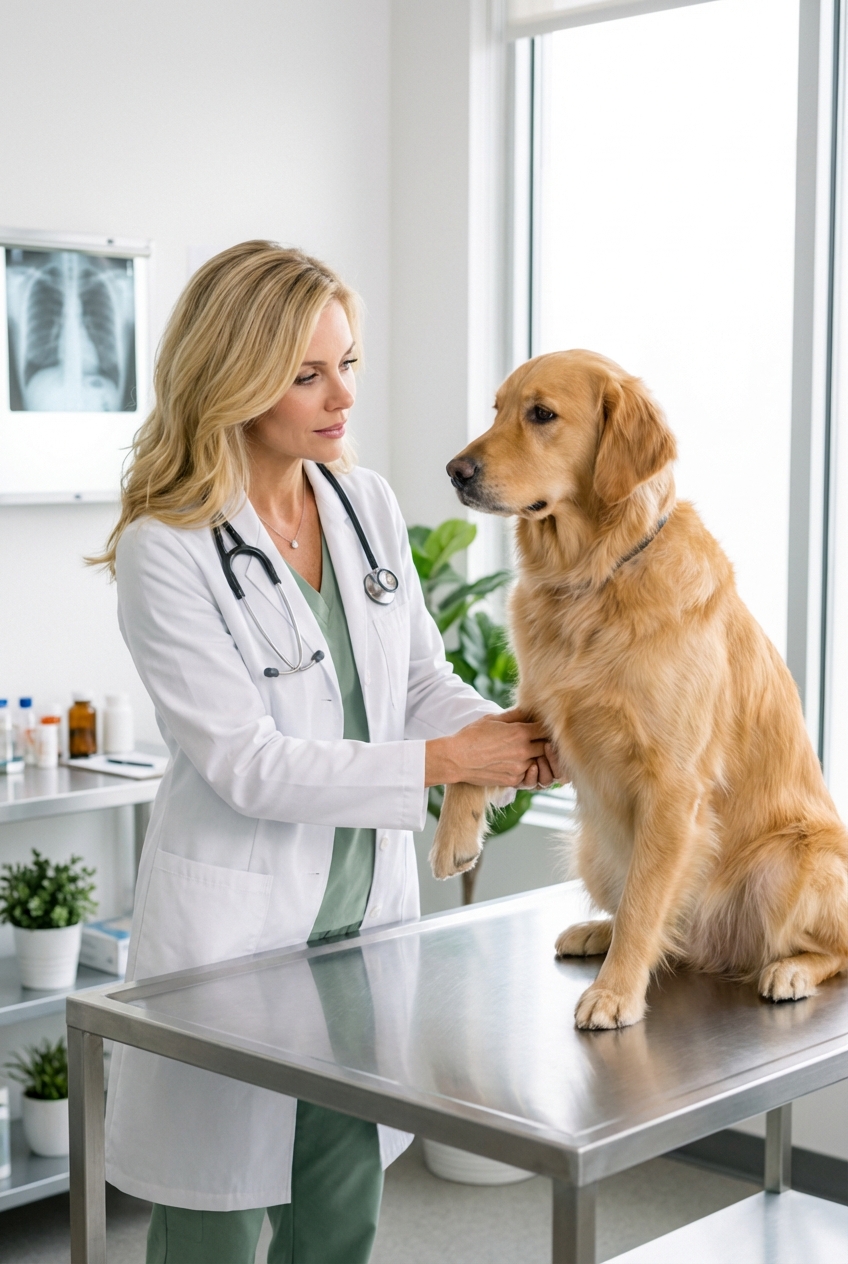
Your veterinarian may recommend a physical exam, x-rays, joint evaluation, or sometimes sedation for pain-free imaging. In some cases, referral to an orthopedic specialist is the fastest route to answers.
What your vet may recommend
Every dog is different, but here are common evidence-based tools used to diagnose and treat a front-leg limp.
Diagnostics
- Orthopedic exam to localize pain (paw, wrist, elbow, shoulder, neck)
- X-rays to evaluate bones and joints
- Bloodwork if fever, systemic illness, or tick-borne disease is a concern
- Joint tap or lab work if infection or immune disease is suspected
- Advanced imaging (CT or MRI) for complex elbow, shoulder, or neck issues
Treatment options
- Prescription anti-inflammatory medication and pain control when appropriate
- Activity restriction plus a structured return-to-activity plan
- Bandage or splint for certain injuries (only when applied correctly)
- Physical rehabilitation (targeted exercises, underwater treadmill, laser therapy)
- Weight management to reduce load on painful joints
- Supplements like omega-3 fatty acids, which have evidence for supporting joint health in many dogs
- Surgery when there is a fracture, severe dysplasia, or a repairable tendon or ligament injury
Helping your dog heal
Healing is not just about medication. It is also about keeping inflammation down and preventing re-injury.
Set up a recovery-friendly home
- Use rugs or yoga mats on slippery floors
- Block stairs temporarily if your dog is enthusiastic and forgetful
- Use a harness for better control on walks
- Keep nails trimmed to improve traction and reduce toe strain
Nutrition that supports joints and tissue repair
Food will not fix a fracture, but nutrition can influence inflammation, body weight, and recovery. Aim for:
- Lean, high-quality protein to support tissue repair
- Omega-3s (EPA and DHA) from fish oil with your vet’s dosing guidance
- Healthy weight, because even a few extra pounds can worsen limping over time
If you want to add “real food” toppers, keep it conservative and make sure you are not unbalancing the diet. A simple, safer rule is to keep extras to about 10 percent or less of daily calories, unless your veterinarian recommends something different. This is especially important for puppies and large-breed dogs.
Quick FAQ
My dog is limping but still running. Is it serious?
It can be. Many dogs will run on pain, especially high-drive dogs. If the limp is new, rest them and monitor closely. If it persists beyond 24 hours, gets worse, or becomes non-weight-bearing, have your vet assess it.
My dog limps after sleep but improves after walking. What does that mean?
That “stiff then better” pattern often suggests joint inflammation such as arthritis or elbow dysplasia, but it can also occur with muscle tightness. A vet exam and likely x-rays can help clarify.
Should I wrap my dog’s leg?
Only if your veterinarian instructs you. Incorrect wrapping can reduce circulation and cause more harm than good. If you need temporary protection for a minor paw cut, a light sock and supervised time can be safer than a tight wrap.
Bottom line
A front-leg limp is your dog’s way of saying, “Something hurts.” Start by checking the paw, then commit to rest, and do not use human medications. If the limp is severe, sudden, or not improving within a day or two, your veterinarian can help you pinpoint the cause and get your dog comfortable quickly.
You are doing the right thing by paying attention early. Early care usually means faster healing and fewer long-term problems.