Help your dog feel better with gentle homemade meals for sensitive stomachs. Learn a 3-ingredient bland reset, easy recipes, transition steps, and what signs...
Article
•
Designer Mixes
My Dog Is Eating Her Poop

Shari Shidate
Designer Mixes contributor
If you have caught your dog eating poop, please take a deep breath. As a veterinary assistant here in Frisco, Texas, I can tell you this is one of the most common and most upsetting dog behaviors I hear about. The medical term is coprophagia, and while it is definitely gross, it is not automatically a sign that you are doing anything wrong.
The key is to approach it in a calm, evidence-based way: rule out health causes first, reduce the opportunity to practice the behavior, and then train a reliable “leave it” and “come” so you can interrupt it safely.
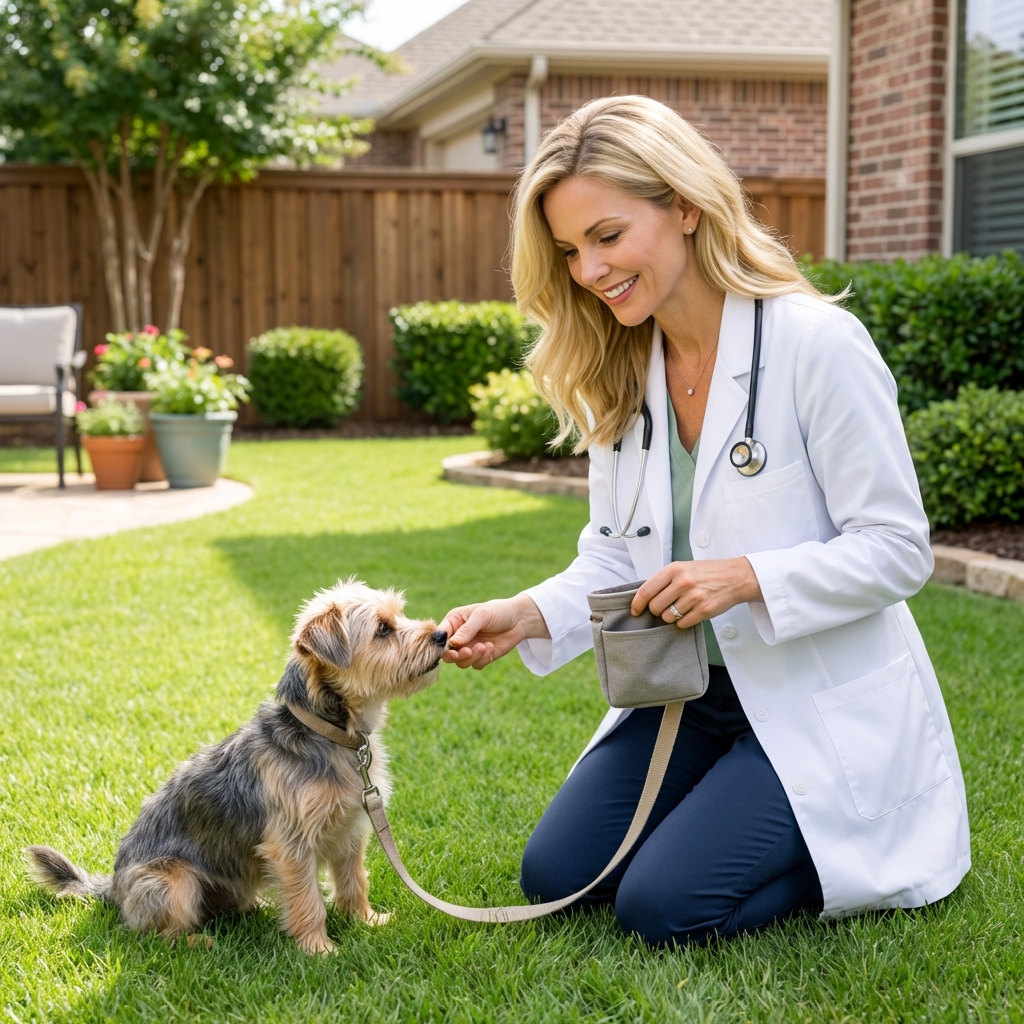
Why dogs eat poop
Dogs eat poop for a handful of reasons, and sometimes more than one is happening at the same time.
Normal canine instincts
- Mothering behavior: Nursing moms naturally clean up puppies’ stool to keep the nest area sanitary. Some dogs keep the habit longer than we would like.
- Scavenging: Dogs are opportunistic eaters. Stool can smell like undigested food, especially if another pet eats a different diet.
Behavior and environment
- Boredom or lack of enrichment: Dogs left alone in a yard may start “foraging” for stimulation.
- Stress or anxiety: Changes at home, conflict with other pets, or separation stress can increase odd behaviors.
- Learned behavior: If a dog discovers poop is “rewarding” even once, they may repeat it. Chasing or yelling can accidentally turn it into a game.
- Fear from punishment: Dogs that have been punished for accidents or for pooping in the past may try to “hide the evidence” by eating stool.
- Access: The more often poop is available, the more practice your dog gets.
Diet-related reasons
- Tempting stool from other animals: Stool from another pet on a rich, high-fat or highly palatable diet can be more tempting and smell more like food.
- Hunger or underfeeding: Less common, but possible if calories are too low or meals are not satisfying.
- Rapid eating: Dogs who inhale meals may act “food-seeking” outdoors too. Slow feeders can help.
Medical causes to take seriously
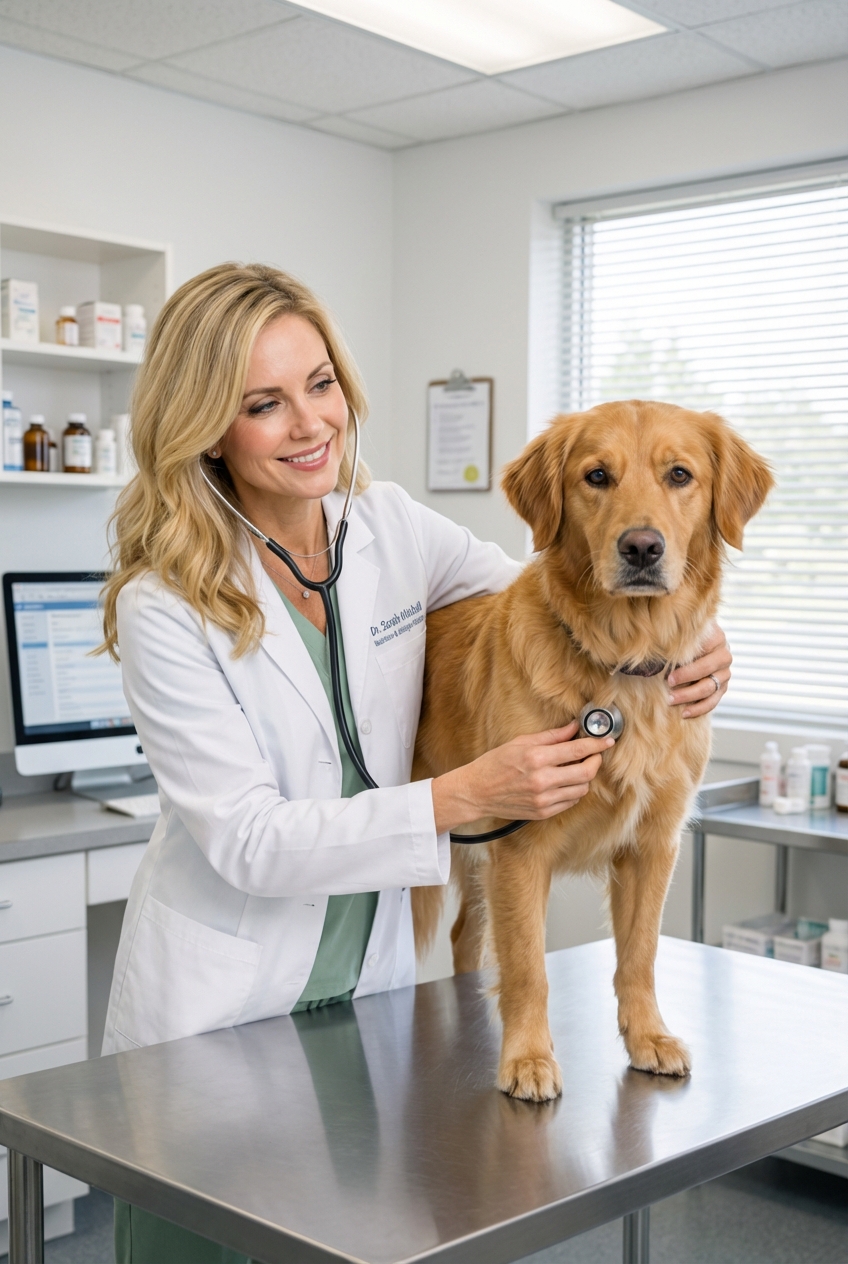
Coprophagia can also be linked to underlying health issues. It is smart to check in with your veterinarian if the behavior is new, escalating, or paired with other symptoms.
- Intestinal parasites (like roundworms or hookworms)
- Giardia or other intestinal infections
- Malabsorption or digestive disorders
- Exocrine pancreatic insufficiency (EPI) (dogs may be ravenous and lose weight)
- Diabetes or Cushing’s disease (often increased hunger and thirst)
- Medication side effects (especially steroids that increase appetite)
Is it dangerous?
Now for the big question: sometimes it is just disgusting, but not immediately dangerous. Other times it can carry real risk, especially if the stool came from an unknown animal or your dog has a sensitive stomach.
- Parasites and protozoa: Eating stool can spread worms and Giardia.
- Bacteria: Dogs can pick up harmful bacteria from feces, especially from unknown animals.
- Toxins: Wildlife stool can sometimes contain toxins (for example, if the animal was exposed to rodenticides). Also, if anyone in the household is on chemotherapy or other potent medications, ask your veterinarian about safety and cleanup practices.
- Foreign material: Poop can hide sticks, rocks, grass awns, or wrappers.
If your dog eats poop and then vomits repeatedly, becomes lethargic, has bloody diarrhea, or stops eating, call your veterinarian.
When to call the vet
Schedule an appointment if any of these apply:
- The behavior started suddenly in an adult dog
- There is weight loss, increased hunger, increased thirst, vomiting, or diarrhea
- Your dog is eating cat poop from the litter box regularly
- You see worms, mucus, or blood in stool
- You recently adopted your dog and do not know their deworming history
What your vet may recommend
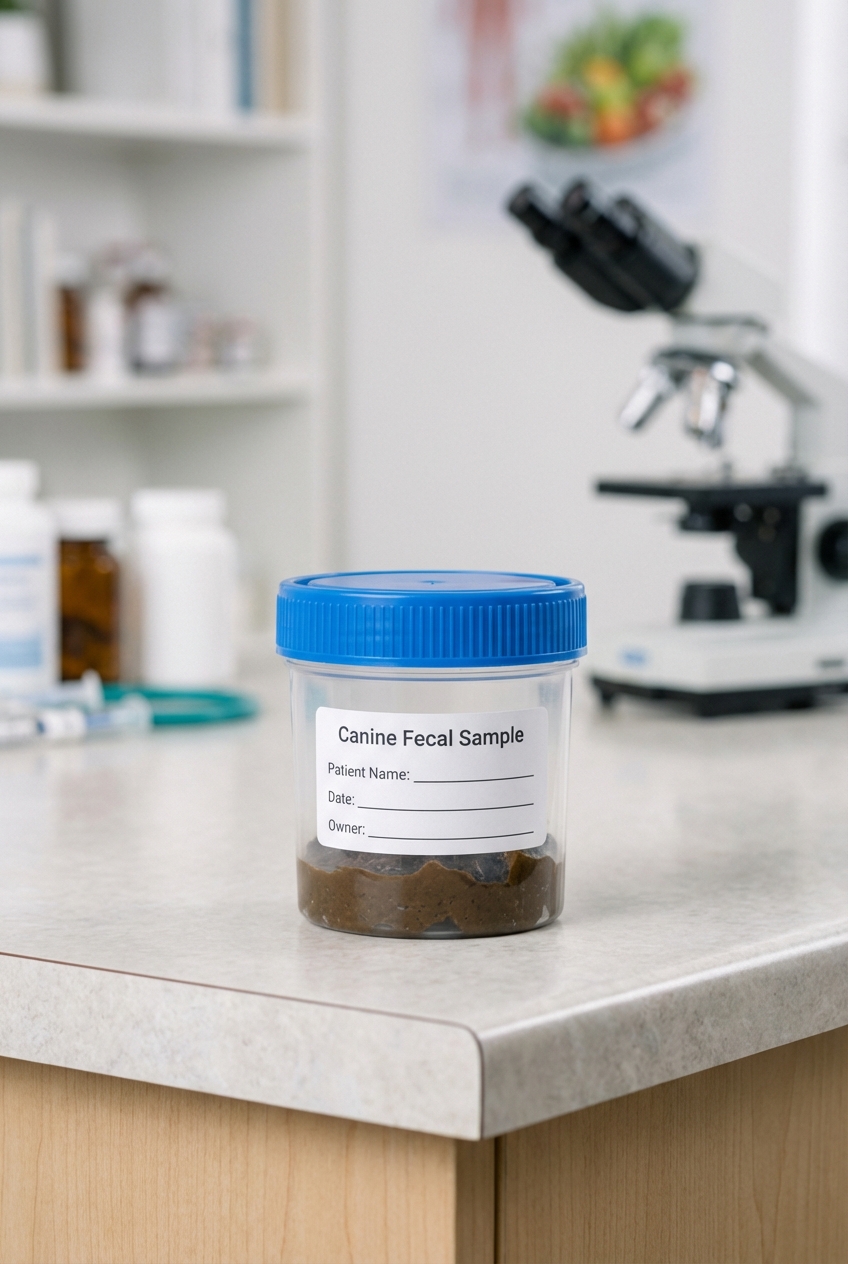
- Fecal testing (often more than once, because parasites can be intermittent)
- Deworming even if you do not see visible worms
- Bloodwork if appetite changes, weight loss, or hormonal disease is suspected
- Diet review to ensure calories, protein, fiber, and feeding schedule are appropriate
Step-by-step: how to stop poop eating
Here is the approach I recommend most often because it is practical, kind, and works for many families.
1) Remove the opportunity
This is the fastest way to reduce the habit. Every time your dog eats poop, the behavior gets rehearsed and reinforced.
- Pick up immediately in your yard. If possible, do a quick “poop patrol” twice daily.
- Leash walks for potty breaks for a couple of weeks, even in your own yard, so you can guide them away from stool.
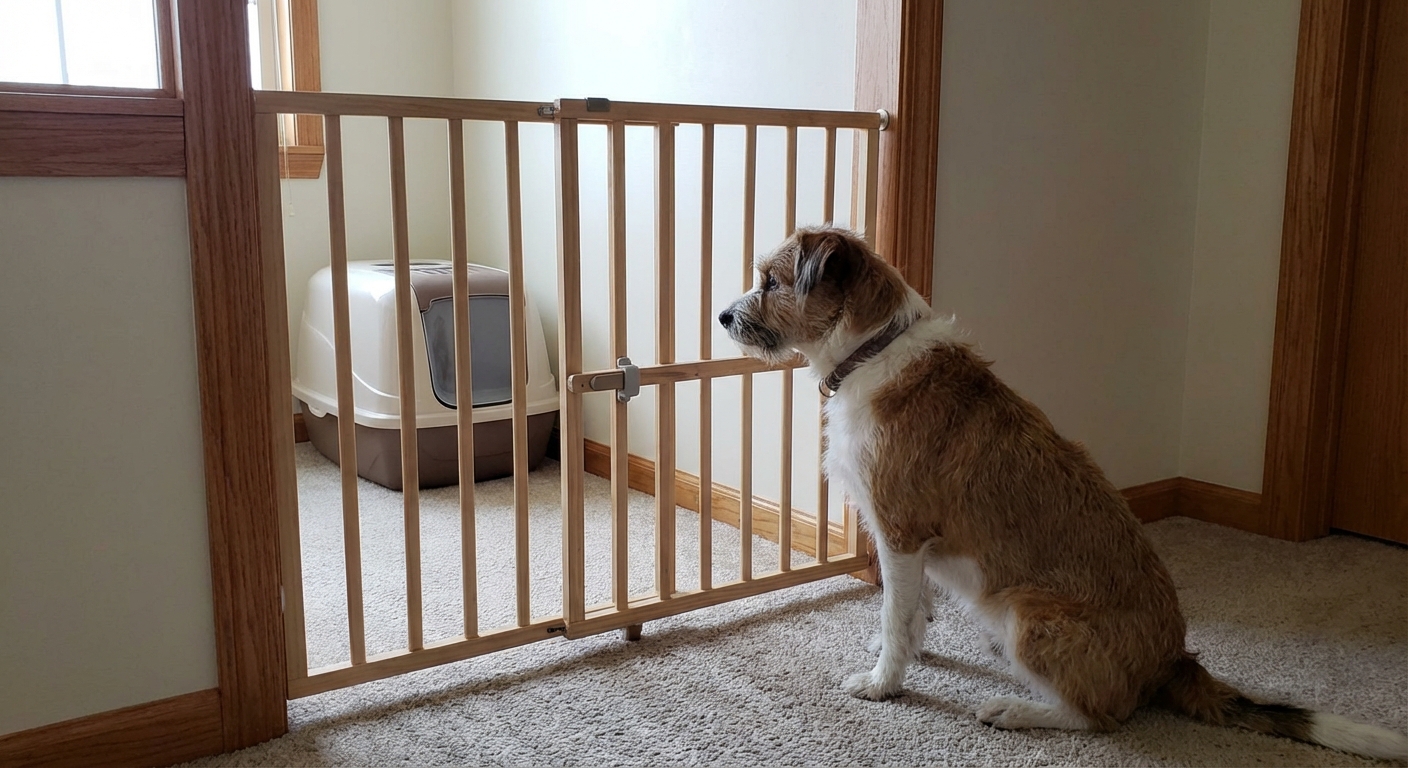
- Block access to the litter box if cat poop is the favorite. Use a baby gate, a top-entry box, or place the box in a cat-only room.
- Plan ahead on walks and at parks: Stay alert in high-traffic potty areas, keep your dog close enough to redirect, and practice “leave it” with safe decoys (like a boring object) so the cue is strong when you need it.
- Muzzle training can be a temporary safety tool for determined poop-eaters. Use a properly fitted basket muzzle that allows panting and drinking, introduce it gradually and positively, and do not leave it on unsupervised. Avoid tight, closed, or fabric muzzles for this purpose.
2) Train a reliable “leave it”
Training is your long-term solution. You are teaching your dog what to do instead.
- Start indoors with low-value items and high-value treats.
- Reward the moment they turn away from the item.
- Practice daily, then move outdoors on leash.
- Pair it with a cheerful “come” so you can call them away quickly.
3) Reinforce a strong potty routine
- Take your dog out on a schedule.
- When they poop, calmly praise and then lead them away right after.
- Give a treat after they leave the area. You are rewarding “poop and move on.”
4) Increase enrichment (especially for backyard dogs)
A tired brain and body makes better choices.
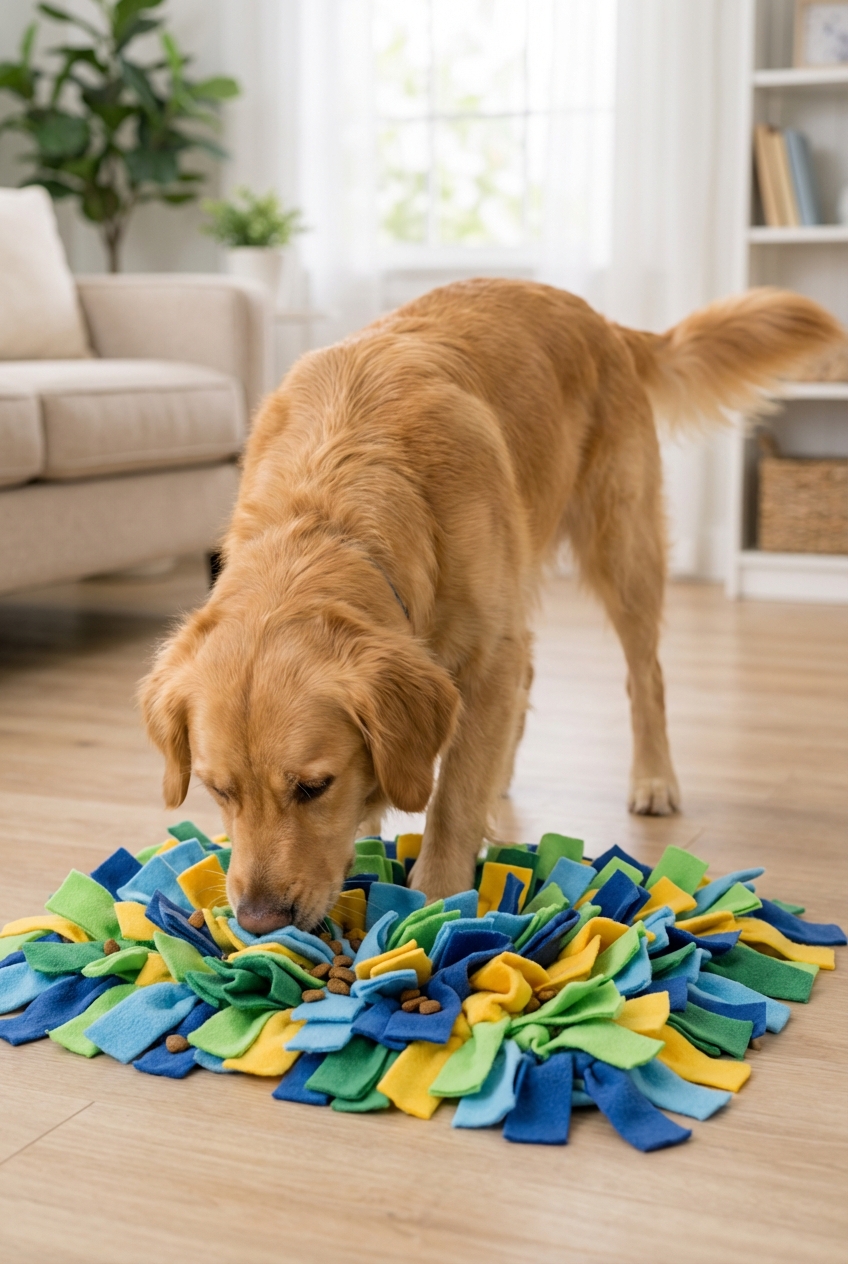
- Food puzzles and snuffle mats
- Short training sessions (3 to 5 minutes) a few times a day
- Decompression walks where your dog can sniff
- Appropriate chew items (ask your vet for safe options for your dog’s chewing style)
5) Review diet and feeding habits
If your dog always seems hungry, talk to your veterinarian about adjusting calories, protein, and fiber. Some dogs do better with:
- Two to three meals daily instead of one
- Slower feeding using a slow feeder bowl
- Higher-fiber options if recommended, which can increase satiety
Do deterrents work?
Deterrents can help some dogs, but they are rarely a stand-alone fix. Many products work by changing the taste or smell of your dog’s stool after they take the supplement with meals, so the next time they encounter stool it is less appealing. If you use one, use it alongside cleanup, leash management, and training.
Deterrent options
- Vet-recommended coprophagia supplements (added to food)
- Digestive support if your vet suspects maldigestion
- Rule out parasites first, because deterrents will not address the underlying cause if Giardia or worms are present
Important note: please do not use punishment-based methods, hot sauce, or harsh home remedies. They can create anxiety around potty time and may make the problem worse.
Special situations
Puppies
Puppies explore with their mouths. If a puppy has started snacking on stool, the best plan is supervision, immediate cleanup, and lots of reinforcement for coming to you after pottying.
Rescue dogs
Some dogs learn to eat feces in crowded or stressful environments. With consistency and a predictable routine, many improve significantly within a few weeks.
Cat poop cravings
Cat stool is often more protein and fat dense than dog stool, and it can smell like food to dogs. That is why so many dogs find the litter box irresistible. Management is your friend here. Make the litter box inaccessible, and you remove the biggest temptation.
What not to do
- Do not chase your dog when they find stool. Many dogs turn it into a keep-away game.
- Do not yell or punish during potty time. This can cause some dogs to hide when they poop, which makes cleanup and training harder.
- Do not ignore sudden changes in appetite, weight, stool quality, or energy.
A simple action plan
If you want a clear starting point, here is a gentle plan that works for many families:
- Book a vet check and bring a fresh stool sample for fecal testing.
- Leash all potty breaks for 2 weeks and pick up immediately.
- Practice “leave it” for 3 minutes daily indoors, then outdoors.
- Add enrichment with a puzzle feeder or snuffle mat once a day.
- Reassess in 14 days. If it is improving, keep going. If not, ask your vet about additional testing or behavior support.
Progress can be surprisingly quick once your dog stops getting opportunities to practice the behavior and starts getting rewarded for better choices.
Frequently asked questions
Can I get sick if my dog kisses me after eating poop?
It is possible for bacteria and parasites to spread to people, especially if the stool contained Giardia or worms. If you know your dog ate poop, avoid face kisses for the moment and wash your hands after handling your dog, cleaning up stool, or picking up toys they mouthed. If you have young children, are pregnant, or are immunocompromised, it is worth being extra cautious and checking in with your physician if you have specific concerns. Most importantly, schedule a fecal test if this is a recurring habit.
Does it mean my dog is missing nutrients?
Not necessarily. Sometimes it is behavioral, sometimes it is access, and sometimes it is a medical issue like malabsorption. That is why fecal testing and a diet review are so helpful.
How long does it take to stop?
Many dogs improve within 2 to 4 weeks with strict management and training. If the behavior is long-standing or tied to anxiety, it can take longer, and that is okay.