Chicken and rice can soothe mild stomach upset and help dogs transition back to normal food. Learn safe recipes, portions, how long to feed it, and when to c...
Article
•
Designer Mixes
My Dog Is Eating Dirt

Shari Shidate
Designer Mixes contributor
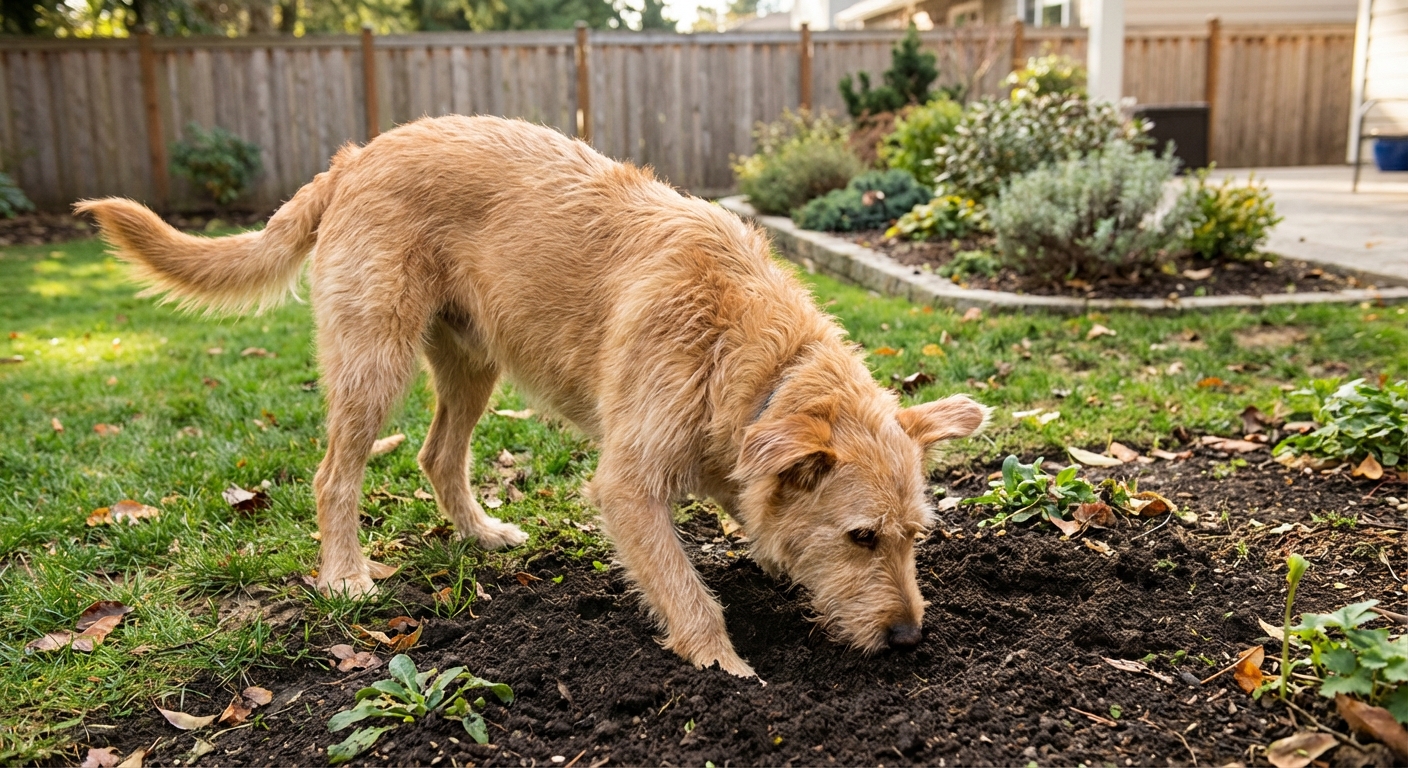
When a dog eats dirt, what does it mean?
If you have caught your dog snacking on dirt, you are not alone. In veterinary clinics, we see this all the time, and most dogs are not trying to drive you crazy. Dirt eating can be a form of pica, especially when it is repeated, which means eating non-food items. Sometimes it is a simple curiosity or a one-time behavior. Other times it can be your dog’s way of saying, “Something is off,” whether that is in the diet, the stomach, the routine, or the environment.
The good news is that you can usually narrow down the cause with a little detective work and a few practical changes. The important part is knowing when it is harmless and when it is a red flag.
Quick note: Sniffing soil, digging, or a tiny “taste” once in a while is common. What we worry about is repeated dirt eating, large mouthfuls, or dirt eating paired with vomiting, diarrhea, or other symptoms.
Common reasons dogs eat dirt
1) Boredom, stress, or attention-seeking
Dogs who do not get enough mental stimulation may create their own “activities,” and digging plus dirt tasting can become a habit. Stress can do it too, especially after changes like a move, a new pet, or a new schedule.
2) Hunger or diet imbalance
Some dogs eat dirt when their diet is not meeting their needs. This is more common when a dog is underfed, on a very low-calorie plan without veterinary guidance, or eating a diet that is not complete and balanced for their life stage.
Conditions like iron deficiency anemia, low trace minerals, and chronic gastrointestinal issues may be associated with unusual cravings in some dogs. That is one reason a veterinary visit matters if the behavior is frequent, new, or escalating.
3) Upset stomach or nausea
Dogs may eat grass, plants, or dirt when they feel nauseated. Dirt is not a “cure,” but the behavior can show up alongside lip licking, drooling, gulping, smacking, or decreased appetite. New medications can also cause nausea in some dogs, so it is worth noting if the timing lines up.
4) Smells in the soil
Dirt can smell like compost, fertilizer, wildlife droppings, dead insects, or spilled food. To a dog, that can be very interesting. Unfortunately, that curiosity can expose them to parasites, bacteria, and toxins.
5) Parasites or digestive disease
Intestinal parasites, inflammatory bowel disease, food sensitivities, and other gut issues can increase appetite changes and weird eating behaviors. If your dog is eating dirt plus having diarrhea, vomiting, weight loss, or a dull coat, it is time to check in with your veterinarian.
6) Oral discomfort (less common)
Occasionally, dogs mouth dirt when they have dental disease, oral pain, or something irritating in the mouth. If you notice bad breath, pawing at the mouth, drooling, or trouble chewing, mention it to your veterinarian.

Is eating dirt dangerous?
It can be. The risk depends on what is in the soil and how much your dog is eating.
- Intestinal blockage: Large amounts of dirt, sand, rocks, mulch, sticks, or other debris can clump and cause a blockage, especially when dogs swallow non-food items along with the soil. This can be an emergency.
- Pesticides and fertilizers: Lawn treatments, herbicides, compost additives, and slug bait can be toxic.
- Moldy compost and yard toxins: Compost can grow molds that cause tremors and other serious signs if ingested. Cocoa mulch is also a risk because it can contain theobromine, which is toxic to dogs.
- Parasites and bacteria: Contaminated soil and feces can carry roundworms, hookworms, Giardia, and harmful bacteria, especially in areas where wildlife or other pets eliminate.
- Foreign bodies: Dirt is often mixed with sharp debris, bone fragments, or landscaping materials.
- Heavy metals: In rare cases, contaminated soil can expose dogs to lead or other metals.
When to call the vet right away
Please contact your veterinarian or an emergency clinic if any of the following are happening:
- Vomiting repeatedly or unable to keep water down
- Bloated or painful abdomen
- Straining to poop, not pooping, or black tarry stool
- Lethargy, weakness, pale gums, or collapse
- Eating dirt plus rocks, mulch, socks, toys, or bones
- Known exposure to fertilizer, pesticides, compost, or slug bait
- A puppy is doing it frequently (puppies get into trouble fast)
What you can do at home
Step 1: Manage access
Start with prevention because it is the fastest win.
- Supervise yard time until the habit is under control.
- Use a leash in tempting areas like garden beds.
- Block off the spots with fencing, raised borders, or temporary barriers.
- Cover exposed soil with pet-safe ground cover or larger river stones that cannot be swallowed.
Step 2: Teach a reliable “leave it”
Practice indoors first with low-value items, then graduate to the yard. Reward immediately with a high-value treat. The goal is not to punish your dog. The goal is to make turning away from dirt worth it.
Step 3: Add enrichment and routine
A tired dog is less likely to snack on dirt. Try:
- Two daily sniff walks (even 15 minutes helps)
- Food puzzles, snuffle mats, and frozen lick mats
- Short training sessions for mental work (sit, stay, touch, recall)
- Appropriate chewing outlets (vet-approved chews)
Step 4: Review nutrition
Make sure your dog is eating a complete and balanced diet for their age and size. If you feed homemade meals, it is especially important to ensure the recipe is balanced with the right calcium-to-phosphorus ratio, essential fatty acids, and key vitamins and minerals.
As a veterinary assistant, I have seen well-meaning homemade diets cause deficiencies simply because they are missing a few critical pieces. If dirt eating started after a diet change, that is a strong clue to discuss with your veterinarian or a board-certified veterinary nutritionist.
What not to do
- Do not punish: Scolding can increase stress and make sneaky pica behaviors worse.
- Do not add iron or mineral supplements unless your veterinarian recommends them. Too much can be harmful.
- Do not induce vomiting unless a veterinarian tells you to, especially if rocks, sticks, chemicals, or sharp debris might be involved.

What your vet may check
If dirt eating is frequent, your veterinarian may recommend:
- Physical exam: checking mouth, abdomen, hydration, and overall body condition
- Fecal testing: to look for intestinal parasites
- Bloodwork: to screen for anemia, organ function concerns, and signs of inflammation or infection
- Diet review: including treats, chews, supplements, and human foods
- X-rays or ultrasound: if there is concern for blockage or foreign material
Bring details if you can, such as how often it happens, what area of the yard, and whether your dog vomited or had diarrhea afterward. Those little notes truly help.
Special situations
Puppies
Puppies explore with their mouths, and dirt eating can escalate into swallowing rocks or mulch. Keep puppy play areas clean and supervised, and ask your veterinarian about an age-appropriate deworming plan.
Senior dogs
In older dogs, new pica can sometimes be linked to chronic GI disease, pain, or cognitive changes. If this behavior is new in a senior, I recommend a medical workup sooner rather than later.
Dogs with anxiety
If the behavior shows up during storms, fireworks, or when left alone, treat it like an anxiety signal. Environmental management plus behavioral support can make a big difference.
A simple checklist to start today
- Pick up or block access to the dirt spot and reassess over the next 1 to 2 weeks.
- Add one enrichment activity daily (snuffle mat, puzzle feeder, training game).
- Confirm your dog’s food is complete and balanced, and measure portions.
- Schedule a fecal test if your dog is not current or if stool has changed.
- Call your veterinarian immediately if vomiting, lethargy, belly pain, or no poop appears.
Dirt eating is not a “bad dog” problem. It is a clue. When you treat it like information, you can usually solve it.