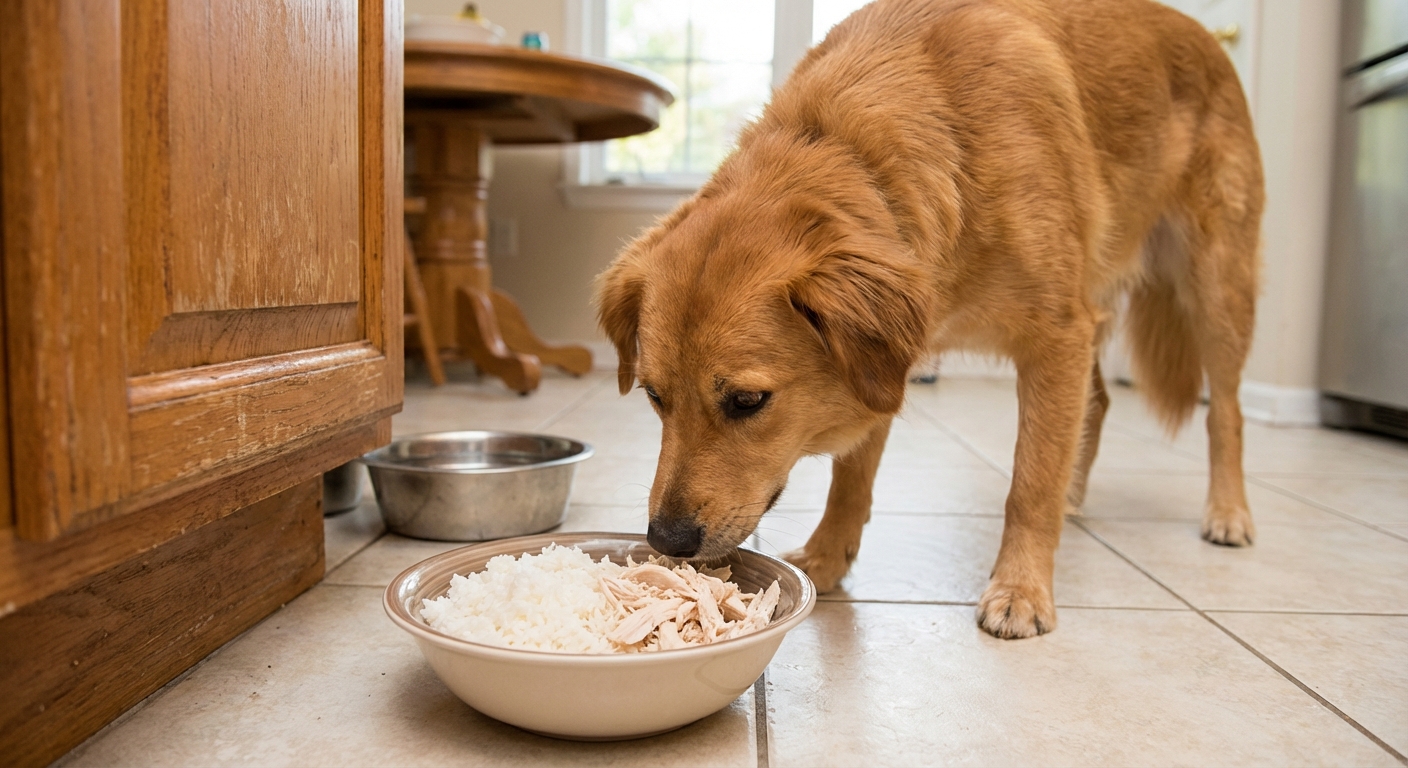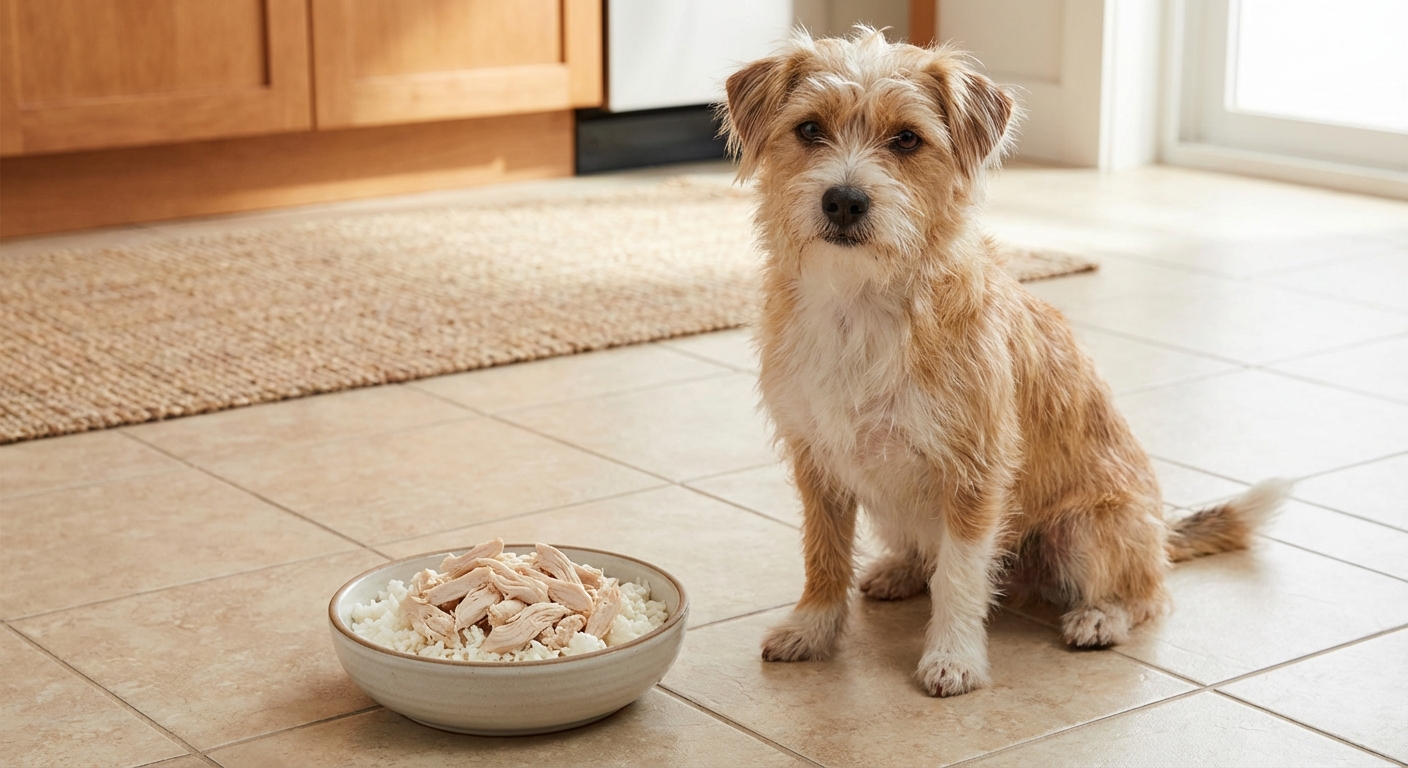
Chicken and rice can soothe mild stomach upset and help dogs transition back to normal food. Learn safe recipes, portions, how long to feed it, and when to c...
Article
•
Designer Mixes
My Dog Has Hiccups

Shari Shidate
Designer Mixes contributor
Hiccups in dogs are usually harmless and short-lived, but I know they can look strange, especially in puppies or after drinking quickly. As a veterinary assistant, I see this a lot: a dog eats fast, swallows some extra air, and suddenly you notice a quick body jerk and that little hic sound.
One helpful note up front: what owners call “hiccups” can sometimes be reverse sneezing or coughing. I will show you how to tell the difference below.
This handbook will help you understand why hiccups happen, what you can do at home, and when it is time to call your veterinarian.
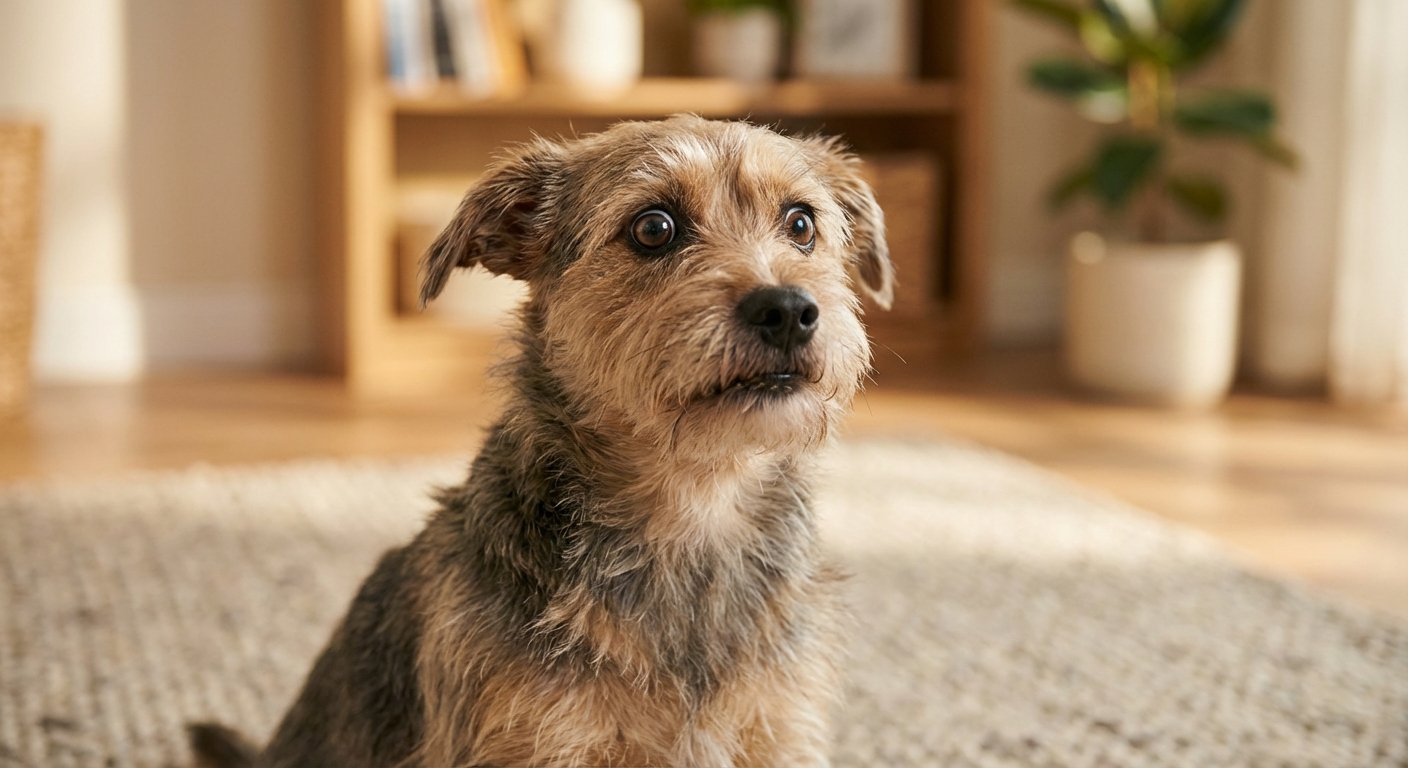
What hiccups are (and why they happen)
Hiccups are caused by an involuntary spasm of the diaphragm, the muscle that helps your dog breathe. When the diaphragm spasms, the glottis (the opening to the airway) closes quickly, which creates that familiar hic sound.
In dogs, hiccups are most often linked to temporary irritation or air in the stomach. They are common in puppies because their nervous system is still maturing, and they tend to eat, drink, and play at full speed.
Common triggers
- Eating too fast or swallowing air (aerophagia)
- Drinking water quickly, especially after exercise
- Excitement or stress (new visitors, car rides, training sessions)
- Overeating or gulping treats
- Heavy play right after eating
- Temperature changes (some owners notice hiccups after going from warm outdoors to cool AC, but this is more of a “may contribute” factor than a primary cause)
Occasionally, hiccups can be associated with underlying medical issues, but that is much less common than simple “too fast, too excited, too much air.”
Are hiccups normal in puppies?
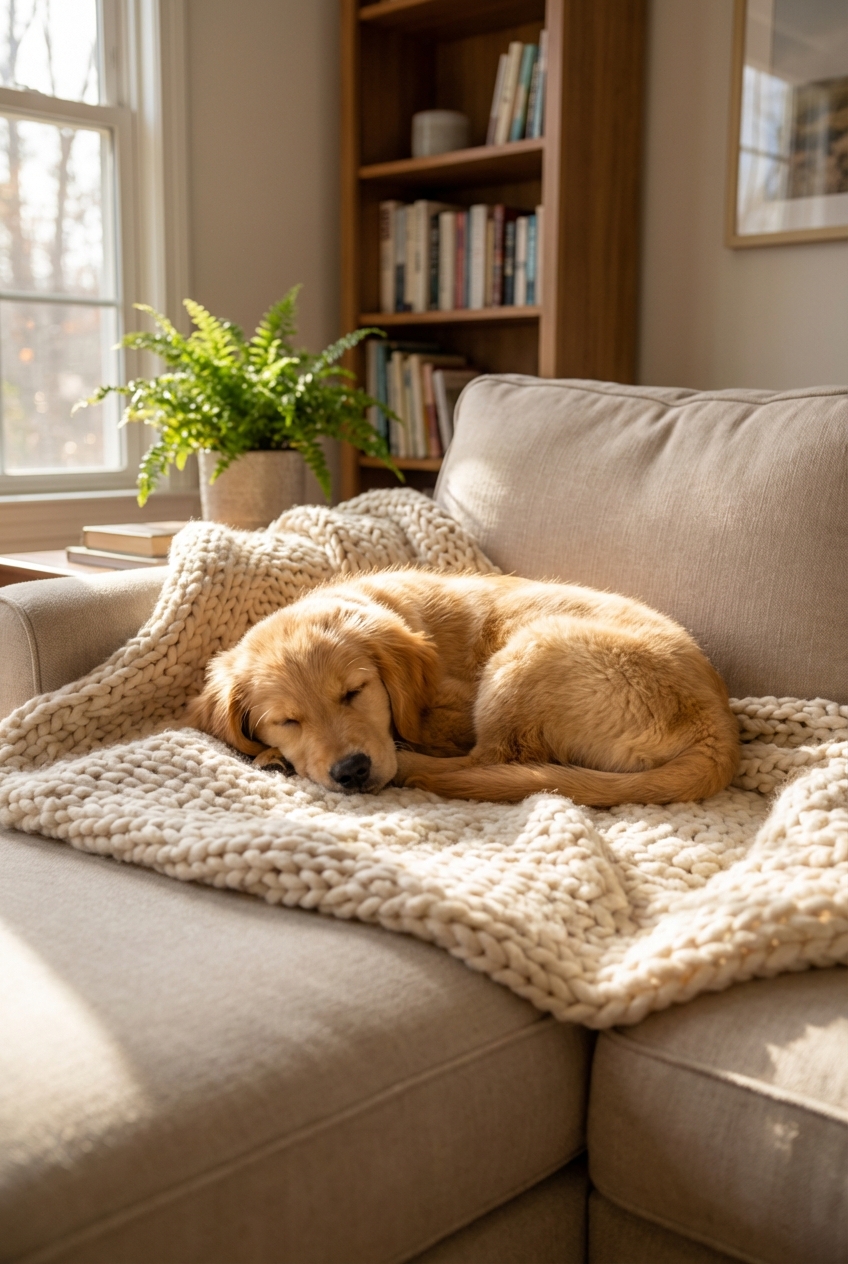
Yes. Puppies get hiccups frequently, sometimes daily. It is often just part of growing up. A puppy’s diaphragm and the nerves that control it can be more reactive. Most puppies outgrow frequent hiccups as they mature.
That said, even in puppies, hiccups should still be brief and your pup should otherwise look comfortable and act normal.
Hiccups vs. something else
One reason people worry is that hiccups can look like other problems. Here are a few common look-alikes and the quick differences.
Hiccups vs. reverse sneezing
Reverse sneezing often sounds like loud snorting or repeated gasping through the nose. Dogs usually stand still with their neck extended. It can look dramatic, but it is typically benign.
Hiccups are usually quieter, rhythmic, and come from the chest or belly area.
Hiccups vs. coughing
Coughing tends to be harsher and may come with gagging, retching, or discharge. If your dog has persistent coughing, that warrants a call to your veterinarian.
Hiccups vs. bloat (GDV)
This is important. Hiccups are not usually an emergency. Bloat is an emergency.
Signs that are not typical hiccups and require urgent care include:
- Unproductive retching or trying to vomit but nothing comes up
- Swollen or tight abdomen
- Restlessness, pacing, unable to get comfortable
- Excessive drooling
- Weakness or collapse
If you see those signs, do not wait. Go to an emergency veterinarian immediately.
Rare but serious look-alikes
It is uncommon, but rhythmic body movements can also be confused with neurologic events. Seek urgent veterinary care if an “episode” comes with loss of awareness, stiffening, paddling, involuntary urination, or confusion after it ends.
How long do dog hiccups last?
Most hiccup episodes last a few seconds to a few minutes. Some may last longer, especially if your dog is excited, gulping water, or moving around right after eating.
If hiccups are prolonged (for example, approaching an hour), happening very frequently, or paired with other symptoms, that is the point where I recommend checking in with your veterinarian.
Safe at-home ways to help
The goal is simple: help your dog relax the diaphragm and reduce swallowed air. You do not need scary tricks, and you never want to startle your dog.
1) Slow things down
- Encourage calm breathing. Sit with your dog and speak softly.
- Pause play for a few minutes, especially if hiccups started right after zoomies.
2) Offer small sips of water
For many dogs, a little water helps settle the spasm. The key is small amounts. If your dog tends to gulp, offer water in a smaller bowl or use a slow-water bowl.
Use extra caution with flat-faced (brachycephalic) dogs or any dog that coughs while drinking, since gulping can increase the risk of choking or aspiration.
3) Offer a tiny bite of food (optional)
Sometimes swallowing helps reset the breathing rhythm. A small portion of their regular food can help, but it is not required.
Skip this if your dog is nauseated, has been vomiting, is acting painful, is prone to gulping, or has bloat risk factors where your veterinarian has advised strict meal routines. When in doubt, stick with calm rest and small sips of water.
4) Gentle chest rubs
Some dogs respond well to calm petting or a gentle massage along the chest and shoulders. Keep it soothing, not vigorous.
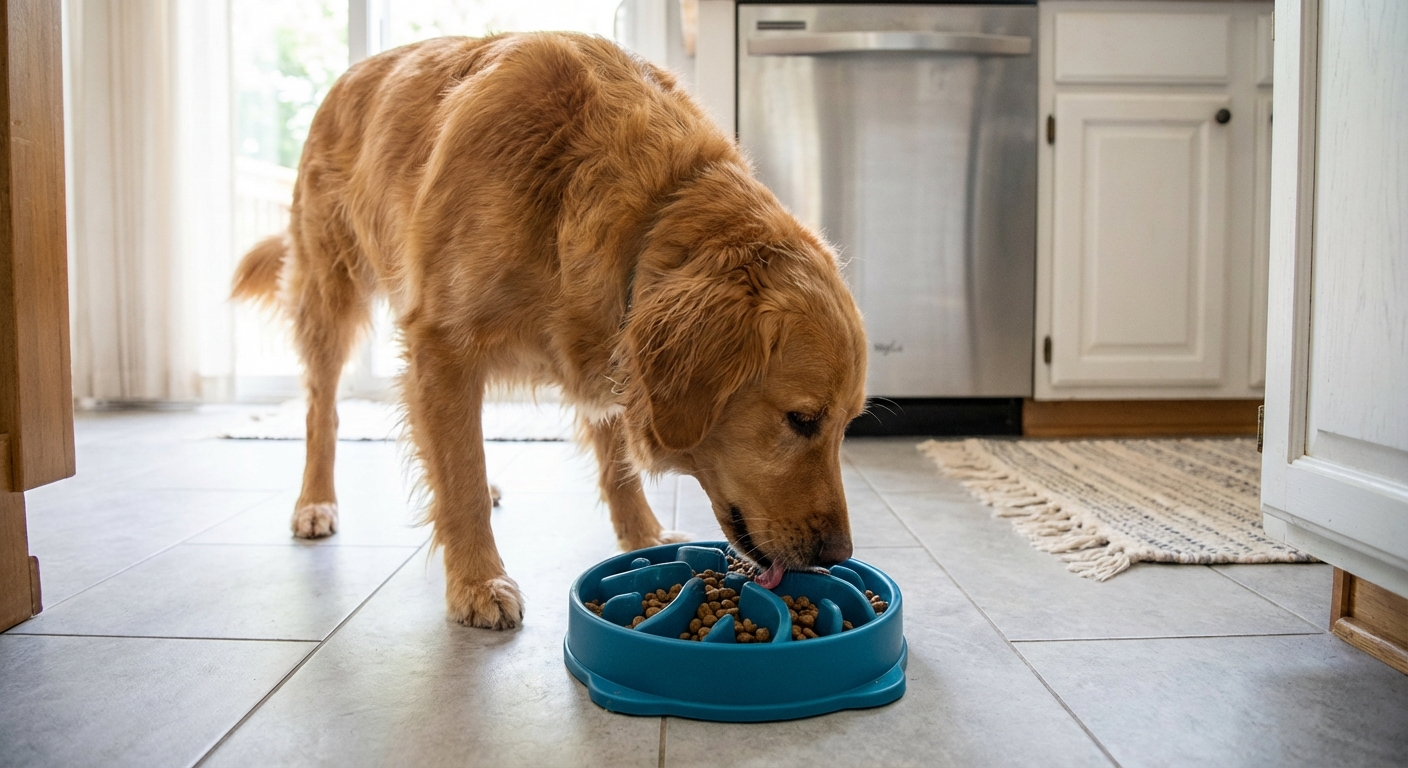
5) Prevent the next episode with slower meals
If hiccups happen after meals, slowing down feeding can make a huge difference.
- Use a slow feeder bowl or a puzzle feeder
- Split meals into 2 to 3 smaller meals instead of one large meal
- Add a little warm water or broth to kibble (if your veterinarian approves) to reduce gulping and encourage licking instead of inhaling
When hiccups can mean something else
Most of the time, hiccups are just hiccups. But if they become persistent, recurrent, or show up with other symptoms, your veterinarian may consider possibilities like:
- Gastrointestinal irritation (reflux, gastritis, parasites, dietary intolerance)
- Respiratory disease (less common for true hiccups, but some conditions can mimic the look)
- Foreign material irritating the throat or esophagus
- Pain or inflammation in the chest or abdomen
- Medication side effects (varies by medication)
This does not mean you should panic. It simply means that if hiccups stop being “an occasional quirky thing,” it is worth a proper exam.
Call your veterinarian for red flags
Please reach out to your veterinarian promptly if your dog’s hiccups:
- Are prolonged (for example, approaching an hour) or do not seem to stop
- Happen multiple times a day for several days in a row
- Are accompanied by vomiting, repeated gagging, or loss of appetite
- Come with lethargy, weakness, or collapse
- Include labored breathing, wheezing, or blue-tinged gums
- Start after a possible toxin exposure or after chewing something that could lodge in the throat
- Seem painful, with whining, hunched posture, or a tight belly
- Look like a spell, with loss of awareness, stiffening, paddling, or confusion afterward
If you are ever unsure, it is always okay to call and describe what you are seeing. A quick conversation can save a lot of worry.
What to track before your visit
If hiccups are frequent and you are planning a veterinarian visit, a few details can really help your care team.
- Timing: When do hiccups happen (after meals, after water, at night)?
- Duration: About how long do they last?
- Triggers: Eating fast, excitement, car rides, play?
- Diet: Any new foods, treats, chews, supplements?
- Other symptoms: Coughing, reverse sneezing, vomiting, diarrhea, decreased appetite?
If possible, take a short video. It is often extremely helpful because hiccups can stop right before you get to the clinic.
What your veterinarian may do
Most visits start with a history, a quick exam, and reviewing your video. Depending on what your dog is doing and any other symptoms, your veterinarian may recommend a GI workup, a respiratory evaluation, or basic lab work to rule out underlying issues.
Prevention basics
You cannot prevent every hiccup, but you can reduce the most common triggers.
Feeding habits
- Use slow feeders for fast eaters
- Keep mealtime calm, especially in multi-pet households
- Choose appropriately sized kibble or food texture for your dog
- Avoid intense play right after meals, especially for deep-chested breeds
Water habits
- Offer water breaks during play so your dog does not chug a full bowl at once
- Consider a slow-water bowl if your dog gulps
Stress and excitement
- Build in decompression time after exciting events
- Use gentle training and predictable routines
FAQs
Can dogs get hiccups while sleeping?
Yes. Puppies especially may hiccup while drowsy or sleeping. If they wake up bright and normal, it is usually nothing to worry about.
Do certain breeds get hiccups more?
Any dog can get hiccups. In practice, we notice them more often in puppies and in dogs that eat quickly.
Flat-faced (brachycephalic) breeds like Pugs and Bulldogs may have more noisy breathing or look-alike events (like reverse sneezing), which can make it easier to mistake those episodes for hiccups. It does not necessarily mean they get hiccups more often.
Should I give my dog human hiccup remedies?
No. Avoid “scare” tactics and do not give medications unless your veterinarian directs you. Simple, gentle strategies are safest.
Take-home message
If your dog has hiccups, the odds are very good that it is a normal, temporary reflex. Slow down meals, offer small sips of water, keep things calm, and watch for red flags. When something feels off, trust that instinct and call your veterinarian.
Warm reminder: You know your dog best. If the hiccups look different, last too long, or come with other symptoms, it is always worth a professional check.