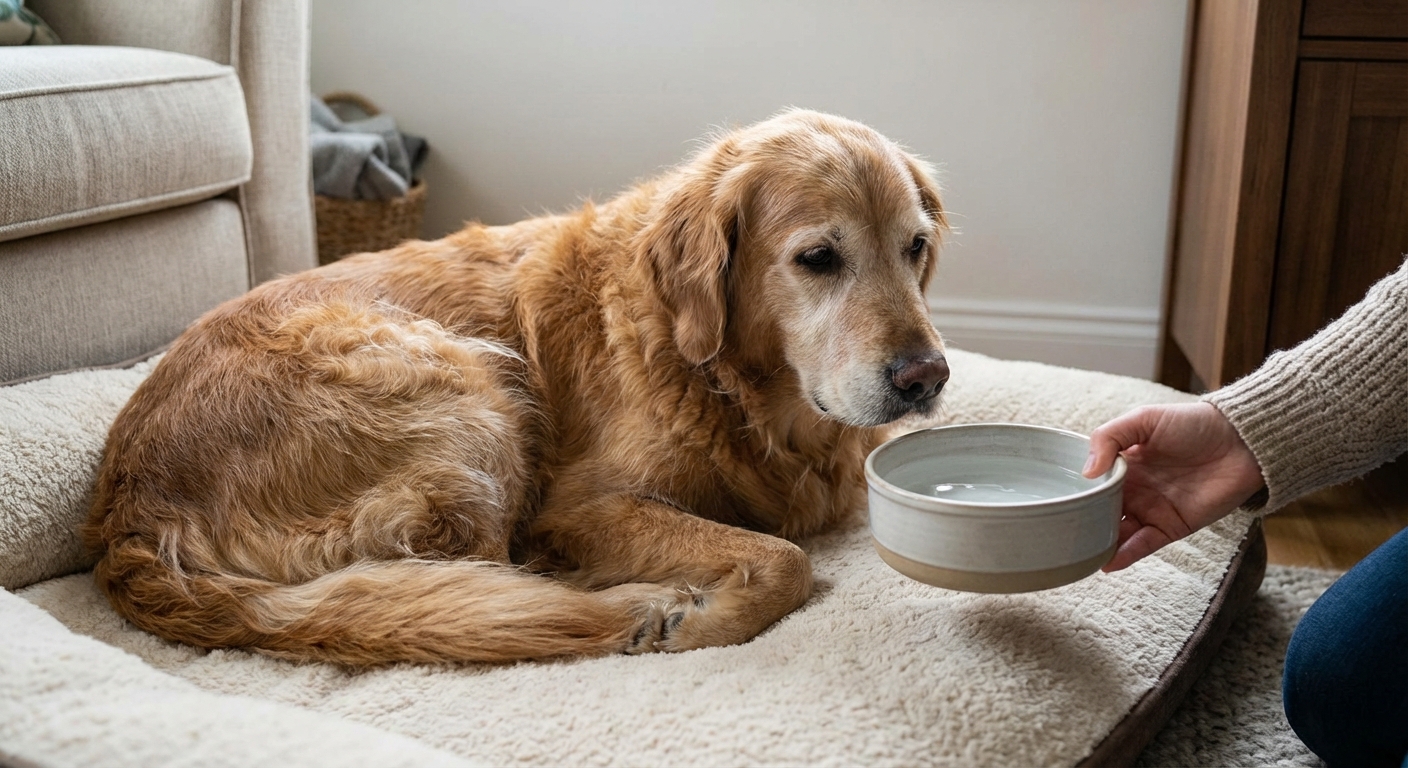
A practical 24–72 hour diet and hydration plan for mild dog diarrhea, with bland food options, safe add-ons like probiotics, foods to avoid, and clear red ...
Article
•
Designer Mixes
My Dog Has Diarrhea for 5 Days

Shari Shidate
Designer Mixes contributor
When a dog has diarrhea for five days, it is more than a “tummy upset.” At that point, dehydration, electrolyte imbalance, gut inflammation, parasites, diet intolerance, medication side effects, or an underlying disease can be in the mix. The good news is that you can take smart, step-by-step action today and work with your veterinarian to get answers quickly.
As a veterinary assistant in Frisco, Texas, I have seen many cases resolve fast once we combine home support, good notes from the pet parent, and the right testing.
Quick note: This article is for education and triage support. It is not a substitute for an exam or diagnosis from your veterinarian.
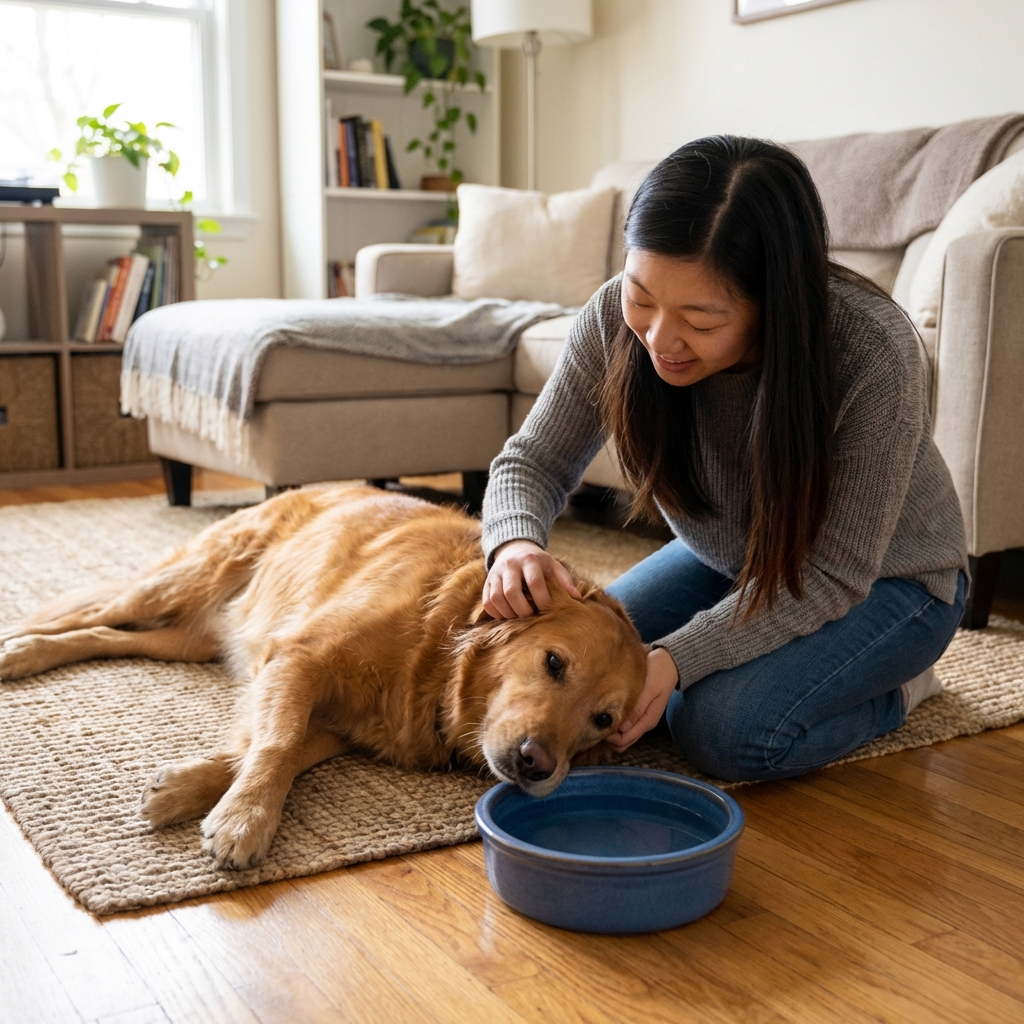
First, what 5 days means
Diarrhea is the passage of loose or watery stools. A single day can happen after a food change or a sneaky trash snack. Five days is different because:
- Dehydration risk rises, especially in puppies, seniors, and small dogs.
- Gut lining inflammation can worsen, making it harder for your dog to absorb water and nutrients.
- Persistent diarrhea increases the chance there is an underlying cause that needs testing, such as parasites, dietary intolerance, pancreatitis, endocrine disease, or other GI conditions.
- Some illnesses can start as “just diarrhea” and become more serious without treatment.
Emergency signs
If you see any of the following, skip home care and head to an emergency vet or urgent care today.
- Repeated vomiting, inability to keep water down, or retching
- Black, tarry stool or large amounts of bright red blood
- Severe lethargy, collapse, weakness, pale gums, or trouble breathing
- Bloated, painful abdomen, crying out, or a persistent praying position
- Signs of dehydration: tacky gums, sunken eyes, sticky saliva, very little urine
- Puppies, unvaccinated dogs, or seniors with ongoing diarrhea
- Known or suspected ingestion of toxins (xylitol, rat poison, grapes, raisins, antifreeze, medications)
- Diarrhea plus fever or neurologic signs (tremors, seizures)
If you are unsure, call your vet and describe stool frequency, energy level, vomiting status, and hydration. Those details matter.
Step-by-step at home (while you call your vet)
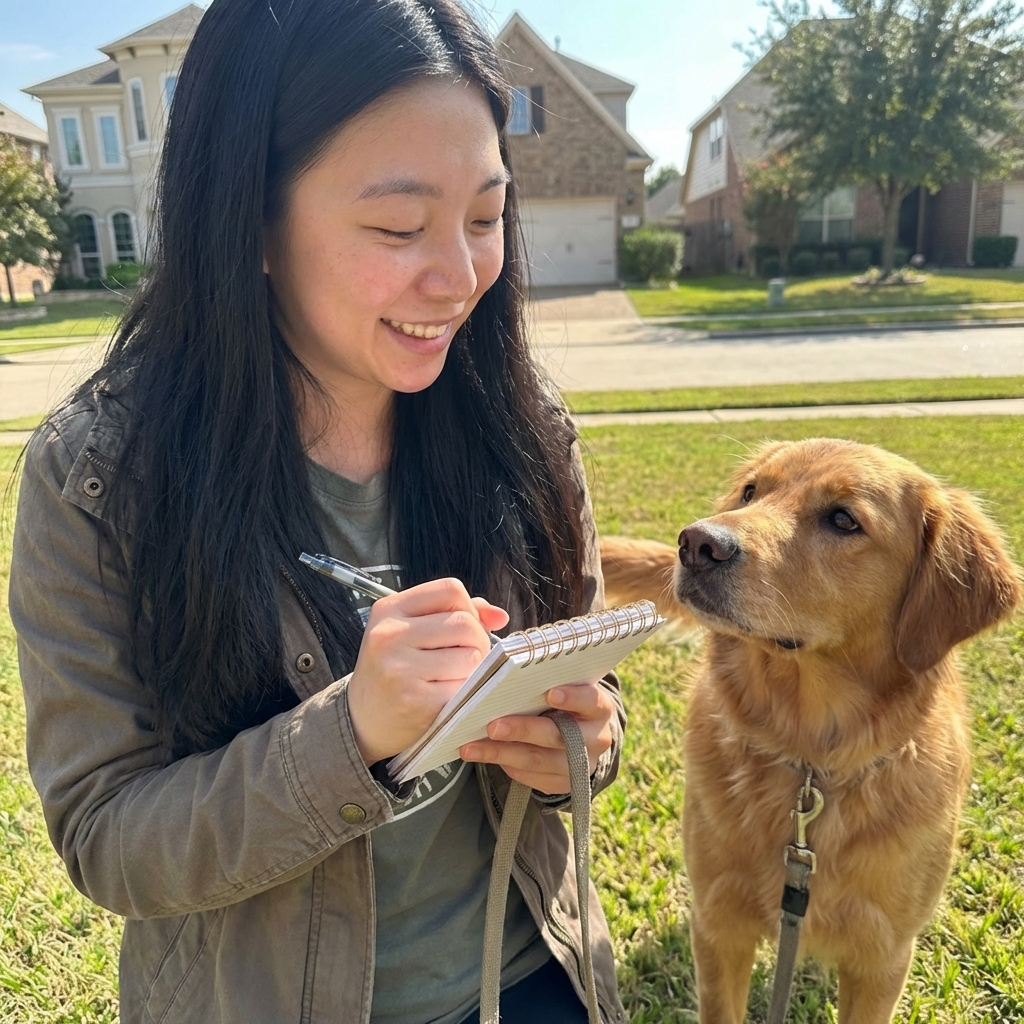
Step 1: Track frequency and history
Track the last 24 hours in simple terms:
- How many diarrhea episodes?
- Any vomiting? How many times?
- Is your dog drinking normally?
- Any accidents in the house or urgent straining?
- Appetite: normal, reduced, or none?
Also note possible exposures. These clues can change what your vet tests for:
- Recent diet change, new treats/chews, or scavenging (trash, compost, carcasses)
- Dog park, daycare, boarding, grooming, new pets in the home
- Travel, hiking, drinking from puddles/creeks, stagnant water
- Recent medications or supplements (especially NSAIDs like carprofen, antibiotics, or any new supplement)
This helps your vet triage your dog correctly.
Step 2: Look at the stool
It is not glamorous, but it is incredibly useful. Note:
- Watery versus pudding-like
- Mucus (often looks like jelly)
- Fresh red blood (colon irritation is common) versus black/tarry (more urgent)
- Color changes (very pale, orange, or green can be clues)
- Foreign material (plastic, toys, grass, fabric)
- Odor or greasiness (can happen with several GI problems and is not specific, so testing still matters)
Step 3: Hydration check (rough screen)
Two quick checks you can do safely:
- Gum check: gums should be moist, not sticky.
- Skin tent: gently lift the skin over the shoulder blades and release. It should snap back quickly.
These are quick screening tools, not definitive. Skin tenting can be less reliable in overweight dogs, seniors, and some chronically ill pets. If your dog seems dehydrated or weak, that is a same-day vet visit.
Step 4: Support hydration safely
Make sure fresh water is always available. Encourage small, frequent drinks.
- Avoid human electrolyte drinks unless your vet directs you. Some products contain ingredients that are not safe for dogs (including xylitol in certain “sugar-free” options).
Step 5: Pause rich foods and stop new treats
Until your dog is improving, avoid:
- High-fat foods (bacon, greasy meat, cheese-heavy snacks)
- New chews, rawhides, pig ears, bully sticks
- Table scraps
- Sudden diet changes
Many 5-day diarrhea cases involve ongoing triggers that are still being fed without realizing it.
Step 6: Ask your vet if a short bland diet trial is appropriate
For otherwise stable adult dogs, veterinarians often recommend a bland diet for a short period. Common options include:
- Boiled skinless chicken breast with white rice
- Lean ground turkey with white rice
- Prescription gastrointestinal diets if your vet recommends them
Feed small, frequent meals and keep portions modest. If your dog worsens, stops eating, starts vomiting, or seems painful, stop and call your vet.
Important: Do not start a long-term homemade diet for diarrhea without guidance. Short-term bland diets can help, but long-term nutrition requires balance. Also, fasting or restrictive feeding is not appropriate for many puppies, small dogs, diabetics, or some seniors.
Step 7: Consider veterinarian-approved probiotics
There is decent evidence that certain veterinary probiotics can shorten diarrhea duration in some dogs by supporting the gut microbiome. Ask your veterinarian which product and dose fits your dog, especially if your dog is on other medications.
Step 8: Avoid common at-home medication mistakes
- Do not give human anti-diarrhea meds (like loperamide/Imodium) unless your vet explicitly approves. It can be dangerous in some breeds, especially herding breeds that may have the MDR1 gene mutation (Collies, Australian Shepherds, Shelties, and related mixes), and it is not appropriate for certain conditions.
- Do not use Pepto-Bismol without vet direction. It contains salicylates (aspirin-like compounds) and can be risky with bleeding disorders, stomach ulcers, or if your dog is taking NSAIDs or steroids. It can also turn stool black, which can mask a serious problem.
- Do not give antibiotics you have at home. Many diarrhea cases do not need antibiotics, and the wrong antibiotic can worsen diarrhea and delay diagnosis.
Why diarrhea lasts 5 days
Your vet is thinking about patterns, exposures, and whether the diarrhea is small-bowel, large-bowel, or mixed. Here are common reasons diarrhea hangs on:
- Dietary indiscretion (trash, greasy foods, too many treats)
- Sudden diet change
- Intestinal parasites (Giardia is common, but stool smell or mucus is not diagnostic. Testing is needed.)
- Stress colitis (boarding, visitors, schedule changes)
- Medication-related GI upset (NSAIDs, some antibiotics, new supplements)
- Infectious causes (your vet may consider organisms like Campylobacter, Salmonella, or toxin-producing Clostridium in the right situation, especially with exposure history or blood)
- Food intolerance or food allergy
- Pancreatitis (often vomiting, abdominal pain, lethargy)
- Addison’s disease (can look like intermittent GI upset and can become an emergency)
- Foreign body (partial obstruction can cause diarrhea with or without vomiting)
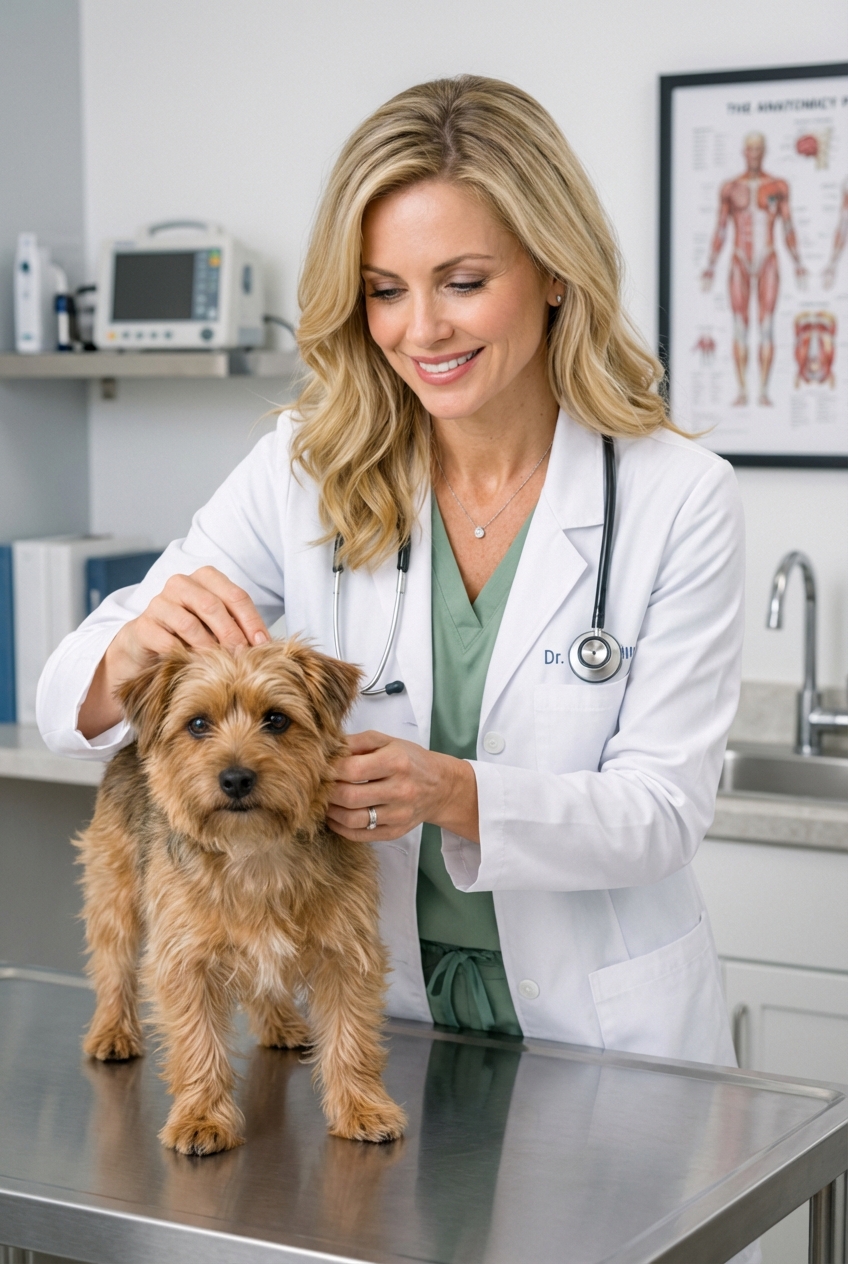
What your vet may recommend
With five days of diarrhea, many veterinarians will suggest testing sooner rather than later. Common next steps include:
Fecal testing
- Fecal flotation for common parasites
- Giardia test (often missed if not specifically checked)
- Fecal PCR panel in more complex cases
Parvo testing
Especially in puppies, unvaccinated dogs, or dogs with vomiting and lethargy.
Bloodwork
Helps assess dehydration, infection or inflammation, kidney values, electrolyte changes, pancreatitis indicators, and hints of endocrine disease.
X-rays or ultrasound
Used if your vet suspects a foreign body, obstruction, or organ inflammation.
Targeted treatment
This may include fluids, anti-nausea medication, deworming, gut-protectants, diet therapy, and sometimes antibiotics if there is a clear indication. Your vet will base treatment on the exam, risk factors, and test results.
Bring this to your appointment
You can speed up the diagnosis by walking in prepared.
- A fresh stool sample (same day is best, in a sealed bag or container)
- A list of all foods, treats, chews, supplements, and any people food
- Any medications given recently (including flea and tick products, NSAIDs, antibiotics)
- Photos of stool if you cannot bring a sample
- Timeline of symptoms: when it started, changes over time
Household safety
Some causes of diarrhea can spread to other pets or even people (for example, Giardia, Campylobacter, Salmonella). While you are sorting this out:
- Wash hands after cleanup and before handling food.
- Pick up stool promptly and disinfect soiled areas.
- Use extra caution if someone in the home is immunocompromised, very young, or elderly.
Prevent the next round
Change diets slowly
Most dogs do best when new foods are introduced over 7 to 10 days, gradually increasing the new diet while decreasing the old.
Keep treats consistent
Too many different proteins and rich treats can trigger gut upset. Choose a few dependable options and rotate less.
Parasite prevention
Ask your vet which parasite preventives fit your dog’s lifestyle, especially if your dog visits dog parks, daycare, boarding, or drinks from puddles and creeks.
Support the gut after antibiotics
If your dog needs antibiotics, talk with your vet about probiotic support and diet adjustments during and after the course.
Quick FAQ
Is a little blood always an emergency?
Small streaks of bright red blood can happen with colon irritation, but with five days of diarrhea, it still warrants a veterinary call and often a same-day visit. Large amounts of blood or black tarry stool is urgent.
Should I withhold food for 24 hours?
In adult dogs, some veterinarians may recommend a brief fast in select cases, but it is not appropriate for puppies, small dogs, diabetics, or many seniors. Call your vet before fasting.
My dog seems fine but still has diarrhea. Can I wait?
Five days is the point where I strongly encourage a vet visit or at least a vet-guided plan. Dogs can act fairly normal while quietly getting dehydrated.
Bottom line
If your dog has had diarrhea for five days, you are right to take it seriously. Keep your dog hydrated, stop rich extras, and collect good notes and a stool sample. Then partner with your veterinarian for testing and targeted treatment. Most dogs feel better quickly once the cause is identified and the gut has a chance to heal.
If you want, tell me your dog’s age, weight, diet, and whether there is vomiting or blood, and I can help you list the most useful questions to ask your vet.