Learn how to support dogs with bladder stones using hydration-first homemade meals, low-purine protein options, urine pH basics, treat pitfalls, and foods to...
Article
•
Designer Mixes
My Dog Has Blood in His Urine: Loving Answers

Shari Shidate
Designer Mixes contributor
If you are seeing blood in your dog’s urine, I know how scary that feels. As a veterinary assistant here in Frisco, Texas, I have seen this go from “probably a simple bladder infection” to “this needs emergency care right now.” The loving thing to do is to treat it as a real medical sign, even if your dog seems mostly normal.
Blood in urine is called hematuria. Sometimes the urine looks pink, red, rust-colored, or like weak tea. Other times, it looks normal but blood shows up on a urinalysis at the vet. Either way, you deserve clear answers and a calm plan.
Quick note: This article is educational and cannot diagnose your dog. If you are worried about what you are seeing, your veterinarian is the best next step.

When it is an emergency
Please seek emergency veterinary care now if you notice any of the following:
- Straining to pee with little or no urine produced
- Crying out, severe discomfort, or a hard, painful belly
- Lethargy, collapse, pale gums, weakness, or fast breathing
- Vomiting with urinary signs
- Recent trauma such as being hit by a car, falling, or rough impact
- Possible toxin exposure (rat poison, human medications, certain plants)
- Large blood clots or steady dripping blood
- Male dogs with trouble urinating: complete blockage is less common in dogs than in male cats, but it can still happen and it is an emergency when it does
If your dog cannot pass urine, do not wait. A urinary blockage can become critical quickly and may damage the bladder and kidneys.
Common causes
There is no single cause, which is why a vet exam and urine testing are so important. These are some of the most common reasons:
UTI or bladder infection
UTIs can inflame the bladder lining and cause bleeding. You might also see frequent small pees, accidents, licking the genital area, or discomfort.
Bladder stones or crystals
Stones can irritate the bladder and urethra like tiny rocks. Some stones increase blockage risk, especially in male dogs. These cases often need X-rays or ultrasound, not just a urine test.
Prostate issues (intact male dogs)
Prostatitis (infection) or benign enlargement can cause blood, straining, and sometimes constipation. This is one reason we ask if a male dog is neutered.
Kidney disease or kidney infection
Bleeding may come from higher in the urinary tract. Signs can include increased thirst, increased urination, decreased appetite, weight loss, or nausea.
Trauma
Injuries to the bladder, kidneys, or urinary tract can cause bleeding. Even if your dog “seems fine,” internal bruising is possible.
Toxins and clotting disorders
Some toxins, including anticoagulant rodenticides, can cause internal bleeding. Immune-mediated conditions and some infections can also affect clotting.
Tumors or polyps
Growths in the bladder or urinary tract can cause intermittent blood. In older dogs, this becomes more important to rule out.
Bleeding that is not from urine
Sometimes blood is not actually coming from the urinary tract. Vaginal bleeding (heat cycle or other reproductive tract issues), skin irritation around the vulva or prepuce, and anal gland or rectal bleeding can be mistaken for “bloody urine.” A urinalysis helps sort this out quickly.
Clues to note at home
You do not need to diagnose this at home, but these details help your veterinarian narrow down the cause:
- Is your dog peeing more often or having accidents?
- Is your dog straining or taking a long time to pee?
- Any vomiting, fever, low appetite, or low energy?
- Any new supplements, medications, or human meds exposure?
- Any history of stones or UTIs?
- Male dog: neutered or intact?
- Any recent falls, rough play, or trauma?
Bring a urine sample if you can
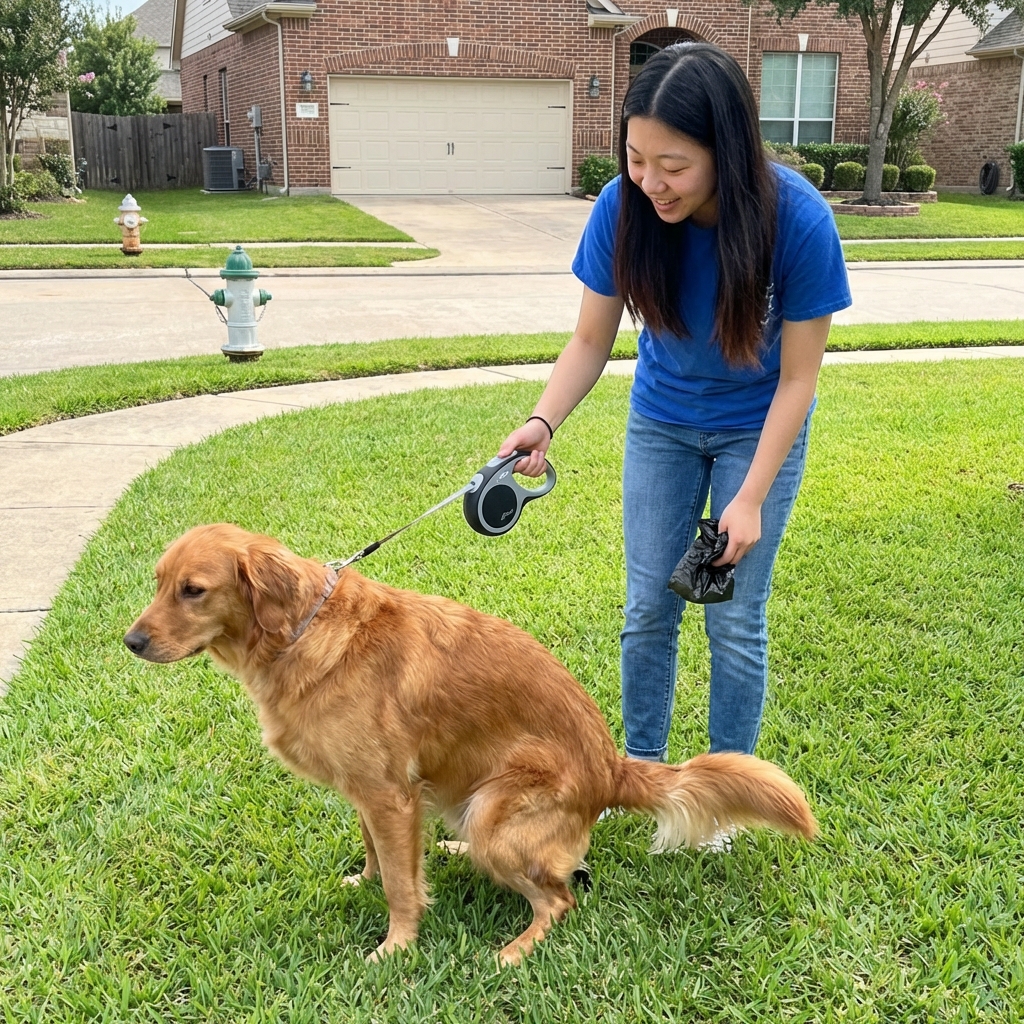
If your dog will urinate, you can collect a fresh sample in a clean container and bring it to the appointment within 1 to 2 hours (refrigerate if needed). If you are outside, a clean ladle, disposable cup, or a shallow container can help you catch a midstream sample. Try to avoid grass, dirt, or floor cleaner residue contaminating the sample.
That said, the most accurate sample often comes from the clinic (a sterile cystocentesis sample), especially if we are doing a culture. It is not the right choice for every dog (for example, some dogs are too stressed, the bladder is too small, or there are clotting concerns), so your vet will recommend the safest option.
Do not give leftover antibiotics. The wrong medication, wrong dose, or partial treatment can make infections harder to detect and treat.
What the vet may test
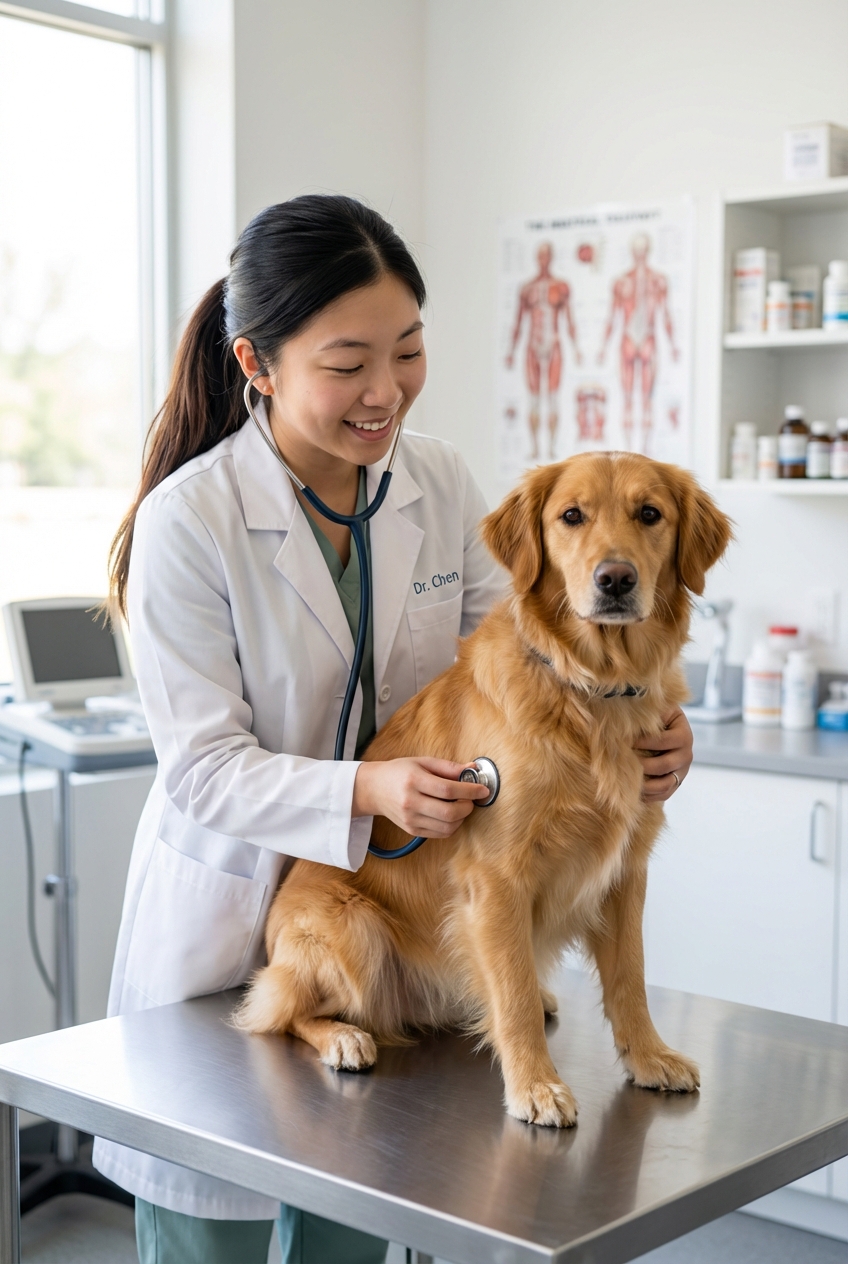
Most cases start with a focused physical exam and then a few key tests:
- Urinalysis: checks for blood, white cells, bacteria, crystals, protein, and urine concentration.
- Urine culture and sensitivity: confirms infection and identifies the best antibiotic.
- Bloodwork: evaluates kidney function, hydration status, anemia, and infection or inflammation markers.
- X-rays: can detect many bladder stones and look for other abdominal clues.
- Ultrasound: helpful for stones that do not show on X-ray, bladder wall changes, prostate size, kidney issues, and masses.
- Blood pressure and clotting tests: if there is concern for systemic disease or toxin exposure.
How it is treated
Treatment depends on the cause, and that is why the diagnostic plan matters. Common treatment paths include:
- UTI: antibiotics selected by culture when possible, plus pain relief if needed, and follow-up testing.
- Stones or crystals: diet change, increased water intake strategies, medications, and sometimes surgery or other procedures.
- Prostate infection: longer antibiotic courses and follow-up exams; neutering may be recommended depending on the diagnosis.
- Kidney infection: antibiotics and supportive care, sometimes hospitalization for fluids and monitoring.
- Toxin or clotting disorder: emergency stabilization and targeted antidotes or medications.
- Tumors: treatment may include surgery, oncology consult, or comfort-focused care depending on type and location.
Will it go away on its own?
Sometimes mild bleeding can appear and then fade, but that does not mean the underlying problem is gone. UTIs, stones, and tumors can all cause on-and-off bleeding. If you can see blood, a veterinary visit is the safest choice. Many urinary problems also need a recheck urinalysis or culture to confirm resolution and reduce recurrence.
What you can do today
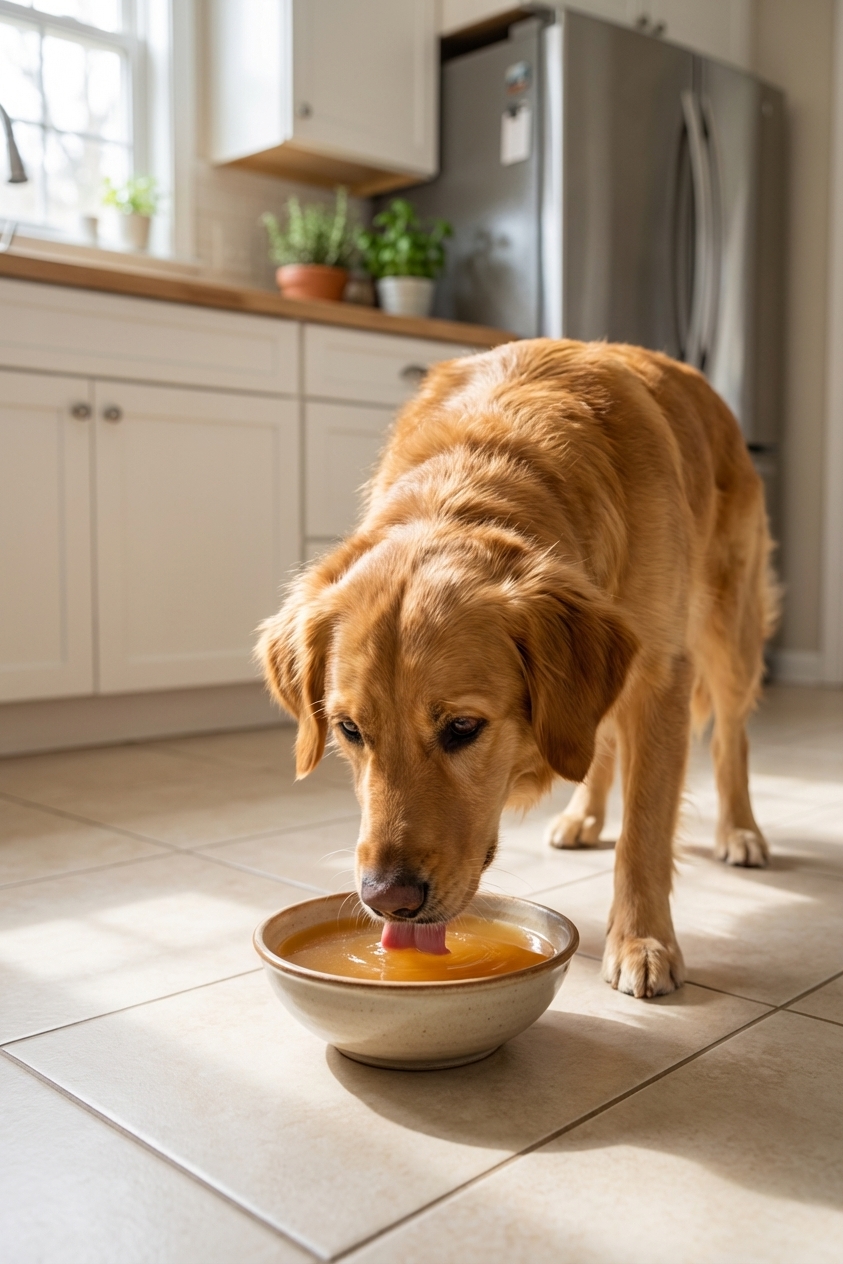
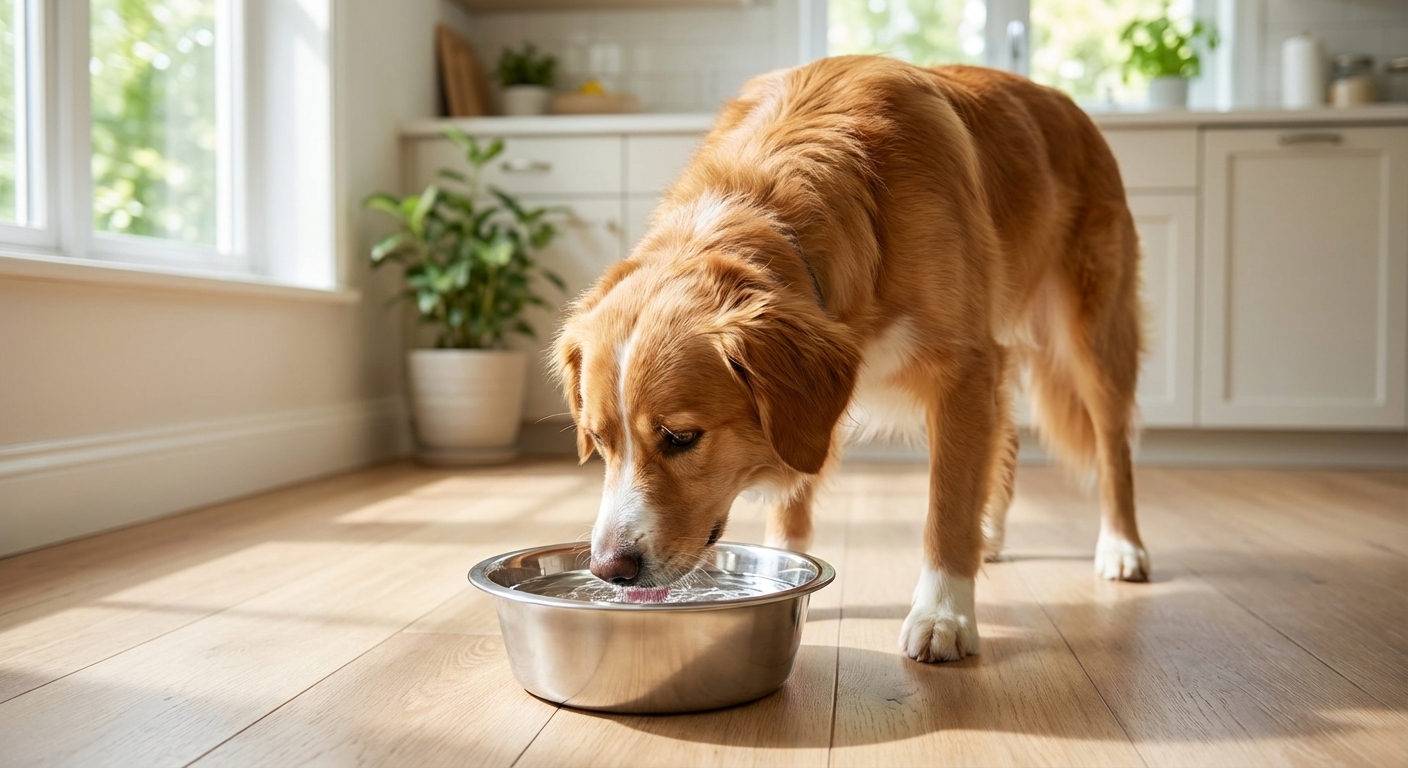
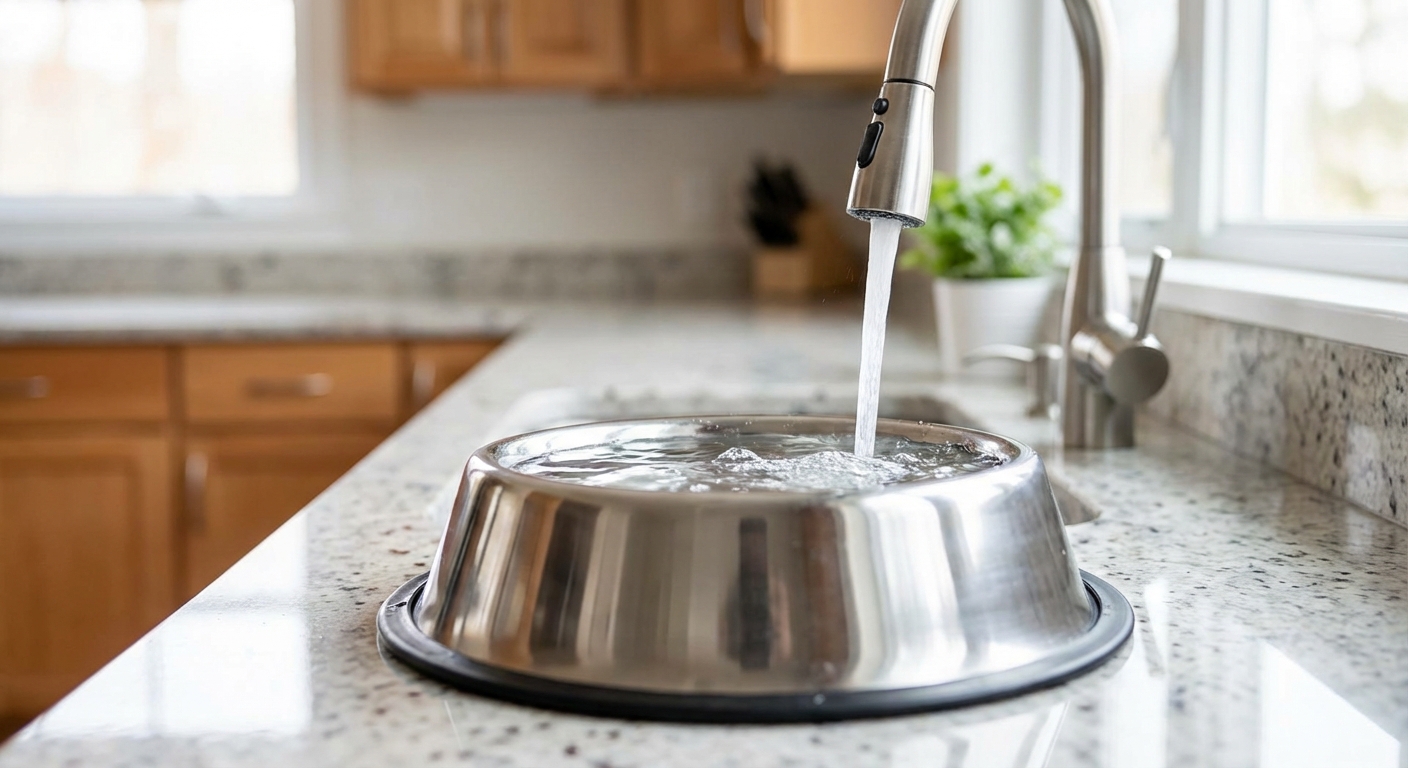
- Encourage water intake: add water to meals, offer fresh bowls, or ask your vet about low-sodium broth options.
- Take more potty breaks so your dog does not have to “hold it.”
- Keep activity gentle until you know the cause, especially if trauma is possible.
- Do not give human pain meds like ibuprofen, naproxen, or acetaminophen unless your veterinarian specifically instructs you. These can be dangerous for dogs.
- Track symptoms: take a photo of the urine color, note frequency, and write down any changes.
If your dog is eating and drinking, urinating normally (not straining), and acting okay, it is still wise to schedule a same-day or next-day appointment. If your dog cannot pee or seems painful or weak, go in urgently.
Prevention tips
Not all causes are preventable, but these habits can lower risk and help catch problems early:
- Hydration first: many urinary issues improve when dogs drink more.
- Regular potty breaks: holding urine for long periods may contribute to urinary irritation in some dogs, but it is not the only cause of UTIs.
- Weight management: obesity is linked with inflammation and can complicate many conditions.
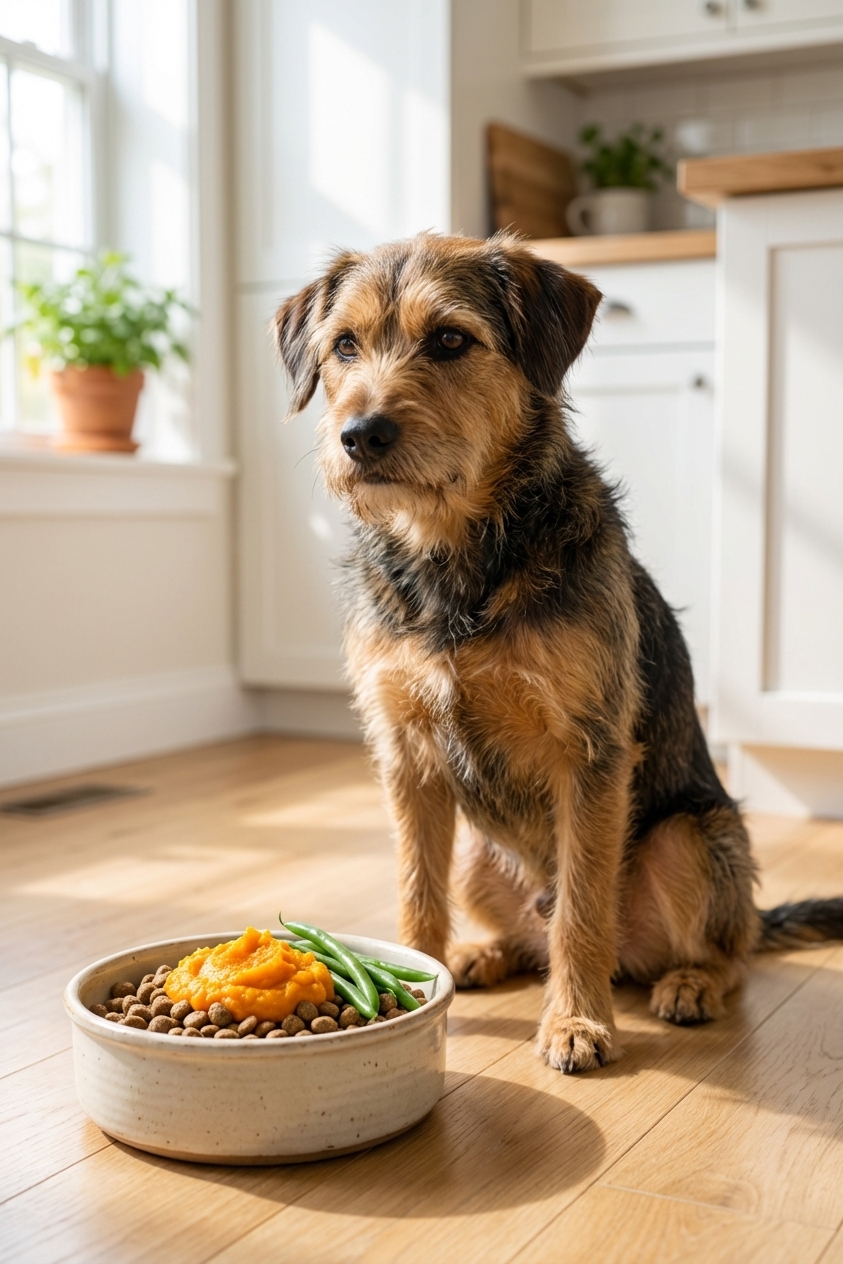
- Vet-guided nutrition: especially if your dog has had stones or crystals. The right diet depends on the stone type.
- Recheck testing: follow-up urinalysis or culture after treatment is often what helps prevent repeat infections.
FAQ
My dog has blood in his urine but is acting normal. Is it still serious?
It can be. Dogs often hide discomfort. A mild UTI may be the cause, but stones and tumors can also look mild at first. If you see visible blood, schedule a veterinary visit promptly.
Can food cause blood in urine?
Food can contribute indirectly if it promotes certain crystals or stones in a susceptible dog. But food alone is not a common direct cause of bleeding. If your dog has urinary issues, your vet may recommend a specific diet based on urine results and imaging.
Is blood in urine always a UTI?
No. UTIs are common, but stones, kidney problems, prostate issues, toxins, trauma, and other conditions are also on the list. Testing is how we avoid guessing.
What if the blood is coming from the penis area?
That can still be urinary tract related, but it may also point toward prostate, urethral, or skin issues. It is especially important to mention whether your dog is intact and whether there is licking, swelling, or discharge.
A gentle next step
If you are reading this because you are worried, you are doing the right thing by looking for answers. Take a breath, note your dog’s symptoms, and call your veterinary clinic. With a urinalysis and the right follow-up tests, we can usually find the cause and get your pup feeling comfortable again.