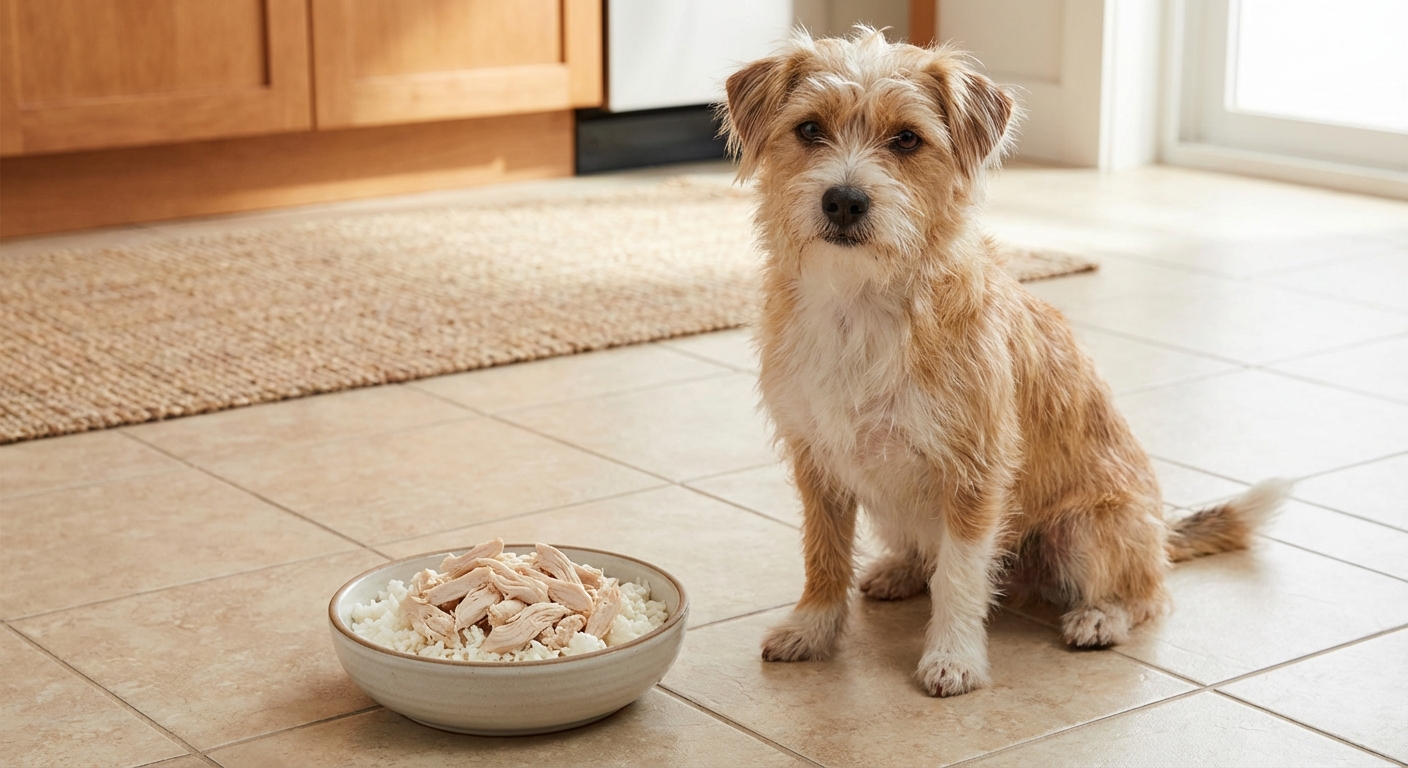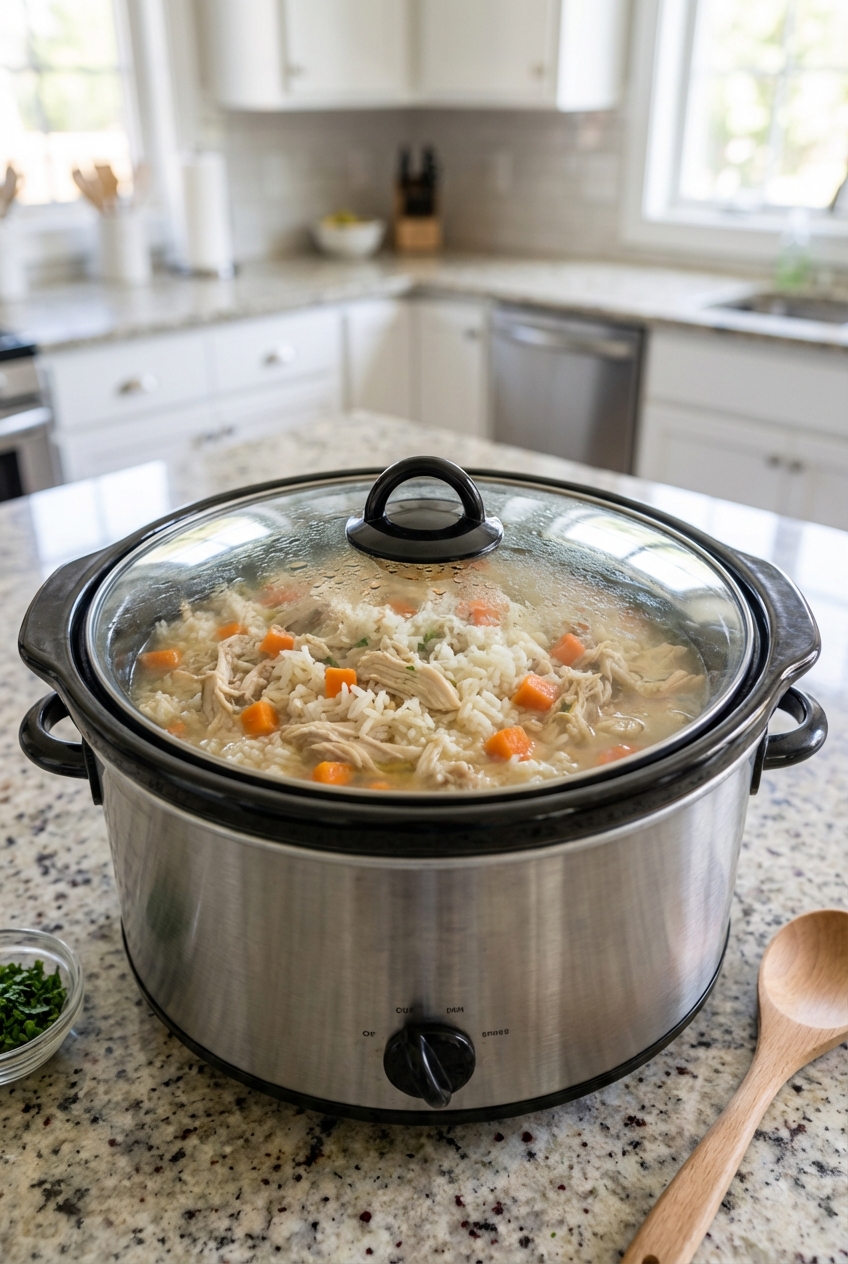
Help your dog feel better with gentle homemade meals for sensitive stomachs. Learn a 3-ingredient bland reset, easy recipes, transition steps, and what signs...
Article
•
Designer Mixes
My Dog Gets the Hiccups a Lot

Shari Shidate
Designer Mixes contributor
Hiccups can look funny at first, but if your dog gets them a lot, it is normal to wonder if something else is going on. In most dogs, hiccups are harmless and short-lived. But recurrent hiccups can also be a clue that your pup is eating too fast, feeling stressed, dealing with mild tummy irritation, or (less commonly) has an underlying airway or digestive issue.
As a veterinary assistant, I like to keep this evidence-based and practical: I will cover what hiccups are, common causes, what you can do at home, and when it is time to call your veterinarian.
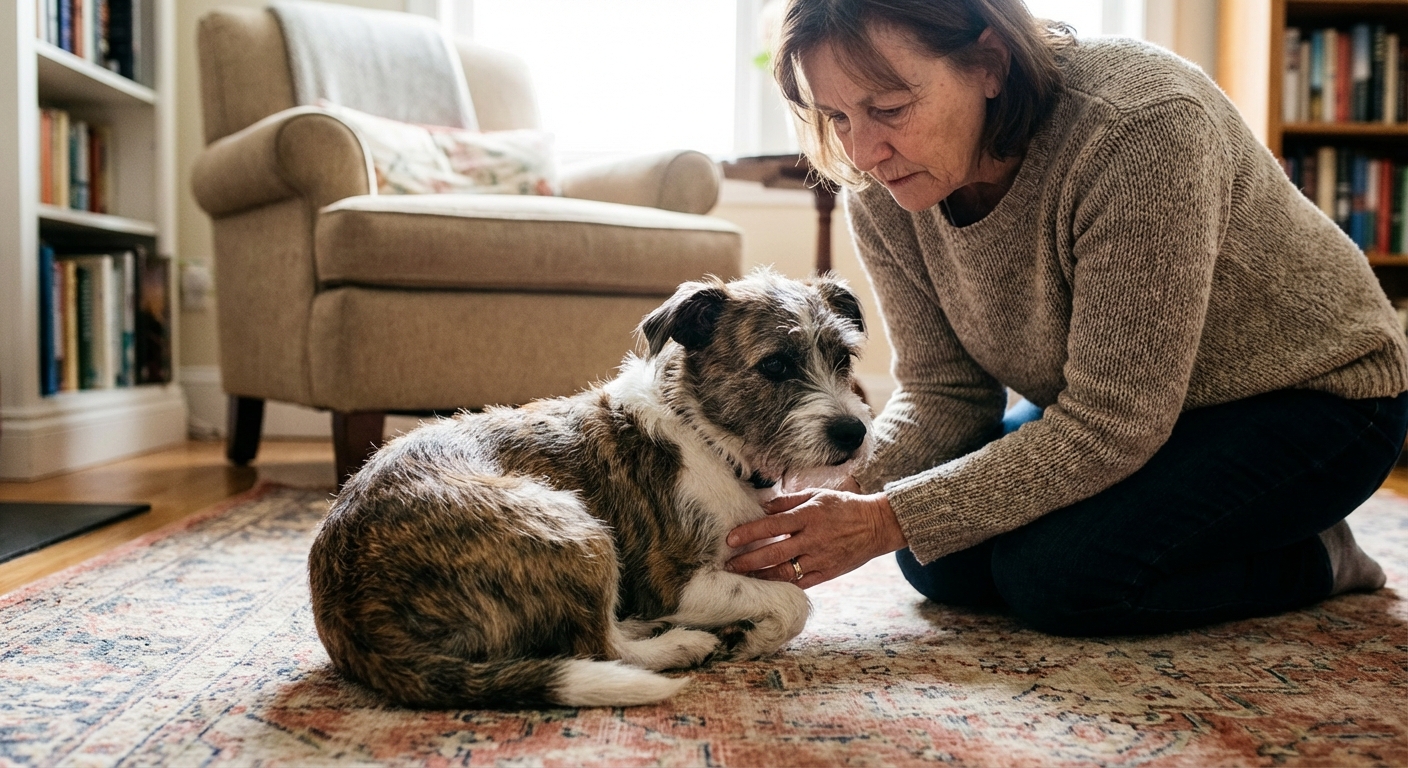
What hiccups are in dogs
Hiccups typically involve an involuntary spasm of the diaphragm, the big breathing muscle under the lungs. That spasm can trigger a sudden intake of air, and the glottis (the opening at the top of the airway) briefly closes. The result is the familiar hiccup sound or a quick body jerk.
Dogs can hiccup at any age, but it is especially common in puppies. Puppies tend to swallow more air when they eat, play hard, or get excited, and many owners notice hiccups lessen as their puppy grows.
Common reasons dogs get hiccups a lot
1) Eating or drinking too fast
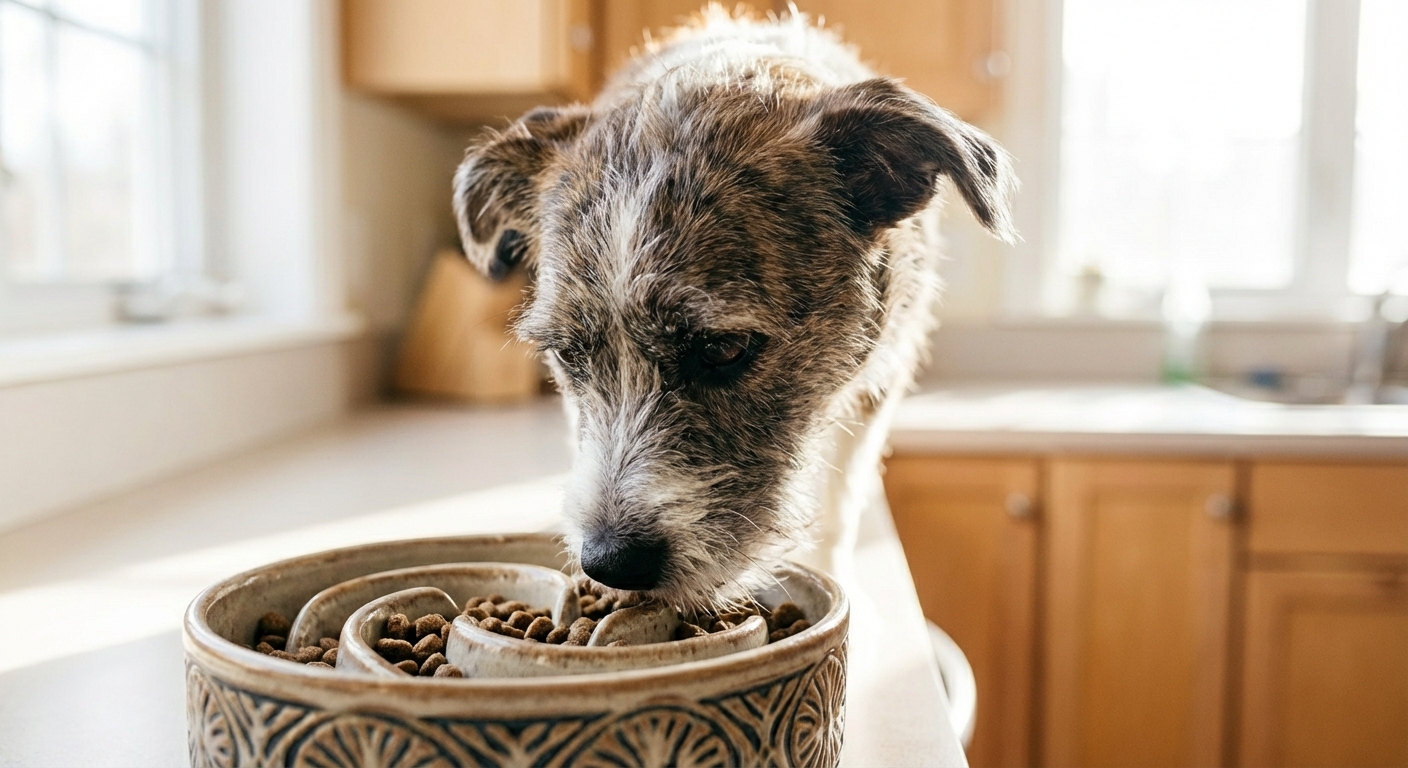
This is one of the biggest reasons I see in clinics and shelters. When a dog gulps food or water, they also swallow extra air, which can trigger hiccups and sometimes burping.
2) Excitement and fast breathing
Zoomies, rough play, barking at the window, or a high-energy training session can all change breathing patterns and irritate the diaphragm for a moment.
3) Mild stomach irritation
Hiccups can show up with simple stomach upset, especially if your dog ate something fatty, grabbed table scraps, or switched foods too quickly. Some dogs also hiccup with acid reflux.
4) Stress or anxiety
Stress affects breathing, swallowing, and the gut. A move, a new pet, fireworks, or separation can all show up as subtle physical signs like hiccups, lip licking, yawning, or pacing.
5) Airway irritation
Air irritants like smoke, dust, or strong fragrances can bother the airway in some dogs and may contribute to episodes. Owners also often mistake reverse sneezing for hiccups. Reverse sneezing is a loud snorting inhalation episode that can look dramatic but is often benign.
Quick tip: Hiccups tend to look like small, rhythmic body “pops” with a soft hic sound. Reverse sneezing usually looks like repeated snorts while your dog pulls air in, often with the neck stretched and elbows held out.
6) Medical causes to keep on the radar
Frequent hiccups are usually not an emergency, but if they are persistent or paired with other symptoms, your veterinarian may consider issues like gastroesophageal reflux, gastritis, respiratory disease, medication side effects, pain, or (more rarely) parasites causing GI irritation. Parasites are not a common, direct cause of hiccups, but they can contribute if your dog also has vomiting, diarrhea, weight loss, or a poor appetite.
Brachycephalic dogs, like French Bulldogs and Pugs, can have more airway-related concerns, so I encourage a lower threshold for checking in with your vet, especially if you notice noisy breathing or changes in breathing effort.
What you can do at home
For occasional hiccups that last a few minutes, the goal is simply to help your dog relax and reduce air swallowing. Skip folk remedies that involve forcing water, startling your dog, or holding their mouth shut. Those can backfire and are not safe.
- Slow down meals. Use a slow feeder bowl, puzzle feeder, or scatter feeding on a clean mat.
- Offer smaller, more frequent meals. This can help dogs prone to gulping or reflux.
- Keep activity calm right after meals. Give 20 to 30 minutes of quiet time after eating.
- Check treats and table scraps. Fatty foods can trigger GI upset. Stick to simple, dog-safe options.
- Support hydration. Provide fresh water, but do not encourage gulping. If your dog drinks too fast, offer smaller amounts more frequently.
- Create a low-stress routine. Predictable potty breaks, feeding times, and calming enrichment can reduce stress-related episodes.
What not to do: Do not give human antacids or other over-the-counter medications unless your veterinarian recommends them. If you suspect reflux, talk with your veterinarian before making major diet changes or adding supplements. Some dogs do well with a veterinary-guided food plan, especially if there is vomiting, burping, or lip smacking along with the hiccups.
When hiccups are a red flag
Call your veterinarian if you notice any of the following:
- Hiccups that persist longer than 2 to 3 hours, or episodes that keep returning multiple times a day for 2 to 3 days
- Repeated gagging, retching, or unproductive vomiting
- Bloated or tight abdomen, restlessness, drooling, or signs of pain
- Coughing, wheezing, labored breathing, or blue or pale gums
- Vomiting, diarrhea, black stools, or refusal to eat
- Lethargy or behavior that is not normal for your dog
- A risk of foreign body, meaning your dog may have swallowed a toy, bone, sock, or corn cob
One important note: if your dog is trying to vomit but cannot, looks swollen in the belly, and seems panicky, treat that as an emergency. That combination can be consistent with bloat, also called GDV, which requires immediate veterinary care.
How your vet may evaluate frequent hiccups
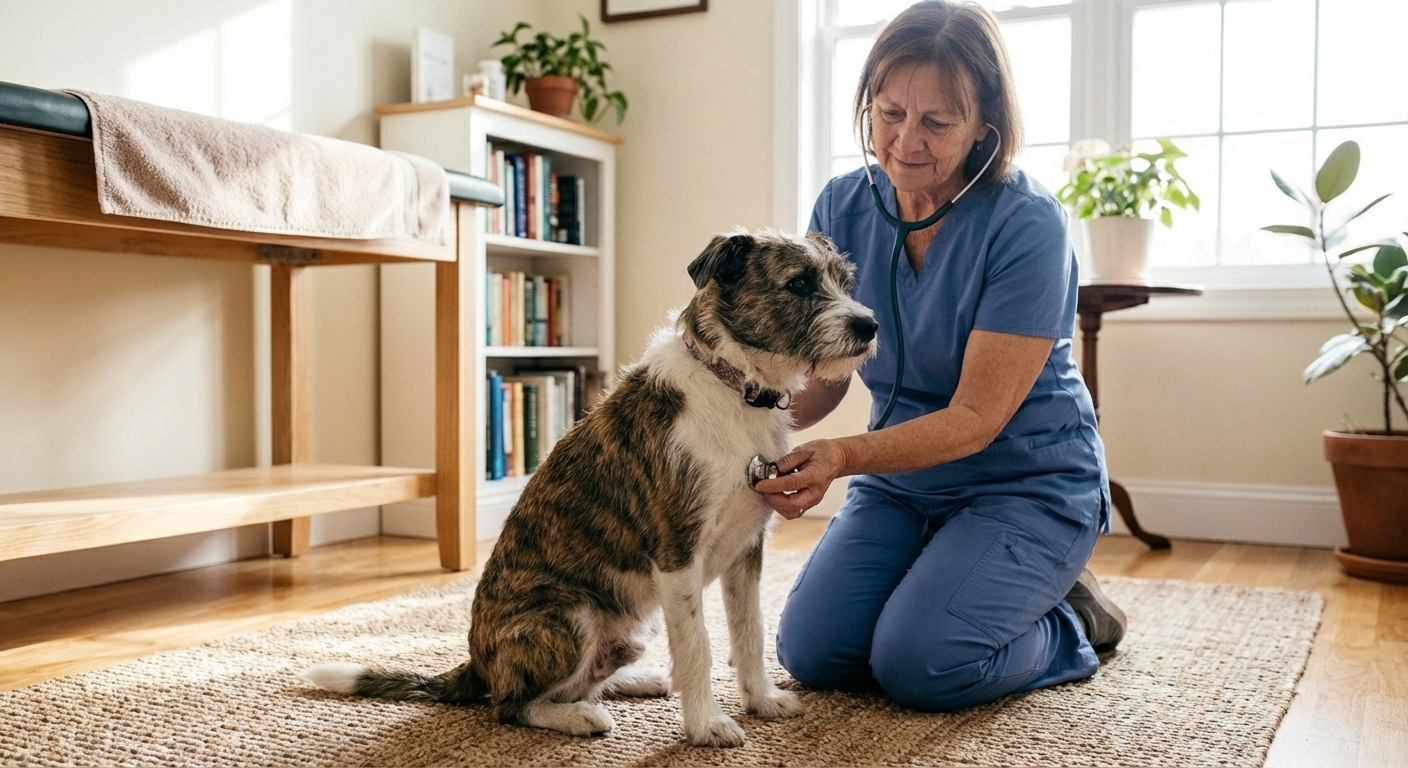
Most of the time, your vet will start with a history and physical exam, then decide if testing is needed. Helpful details you can bring include:
- When hiccups happen: after meals, after play, at night, or randomly
- Duration and frequency
- Diet details and any recent changes
- Treats, chews, or known scavenging
- Any vomiting, coughing, reverse sneezing, or appetite changes
If there are other symptoms, your vet might recommend fecal testing, X-rays, bloodwork, or a diet trial. Sometimes the best next step is as simple as slowing meals and monitoring, and sometimes it is worth digging deeper.
This article is for general education and is not a substitute for veterinary diagnosis or treatment.
Quick hiccup log
Recurrent hiccups are easier to solve when we can spot patterns. For one week, jot down:
- Time of day
- What your dog ate and how fast
- Activity level before and after
- Any coughing, burping, lip licking, or vomiting
- How long the hiccups lasted
This kind of simple log can be incredibly useful for your veterinarian, and it can save you money by helping pinpoint the most likely cause sooner.