Worried your dog ate a chicken bone? Follow the first-5-minutes checklist, avoid unsafe home tricks, know cooked vs raw risks, and spot red-flag symptoms tha...
Article
•
Designer Mixes
My Dog Ate Chicken Bones

Shari Shidate
Designer Mixes contributor
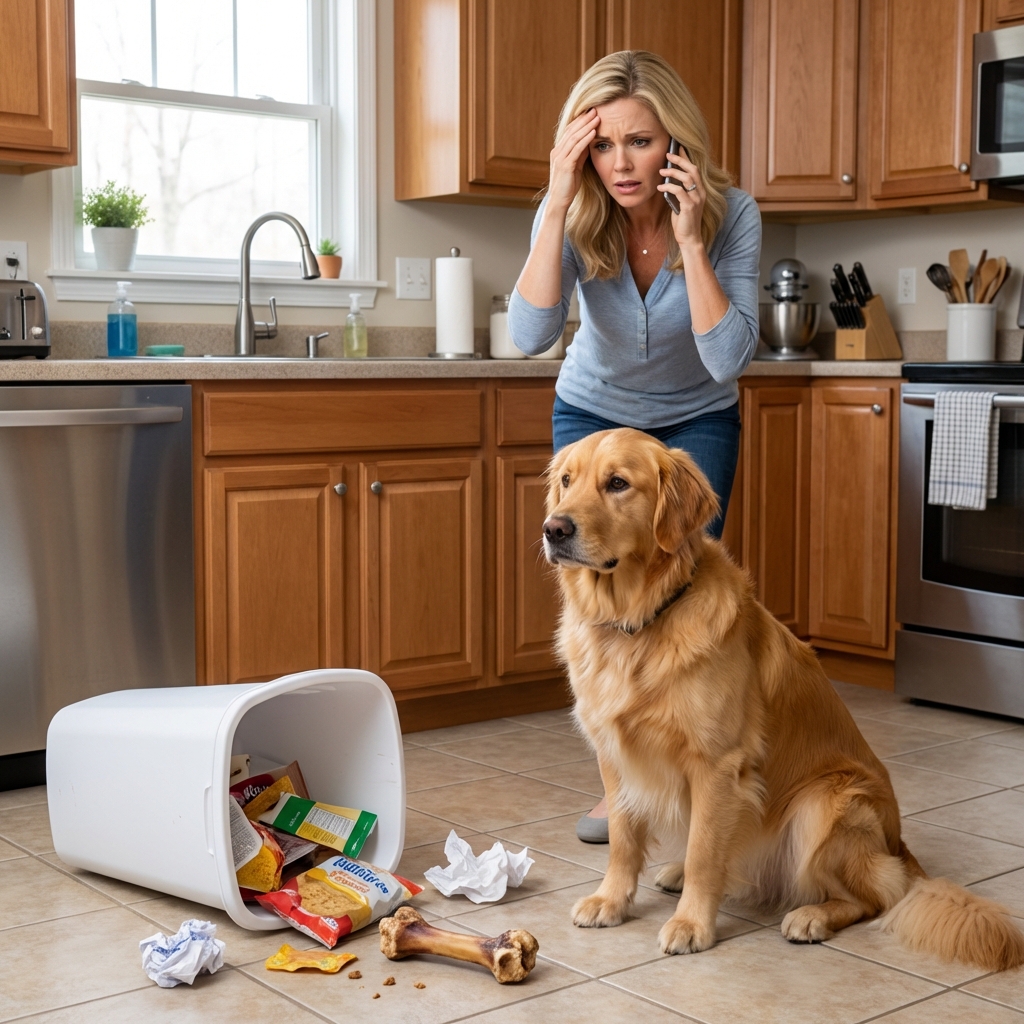
If you are here because your dog just grabbed a chicken bone, take a breath. You are not the first pet parent this has happened to, and many dogs do just fine. The key is to respond calmly and safely, because cooked chicken bones can splinter and cause problems in the mouth, throat, stomach, or intestines.
Quick note from a veterinary assistant in Frisco, Texas: This article is educational and not a substitute for your veterinarian’s advice. When in doubt, call your vet or an emergency clinic. If your dog is struggling to breathe, go now.

Why chicken bones can be risky
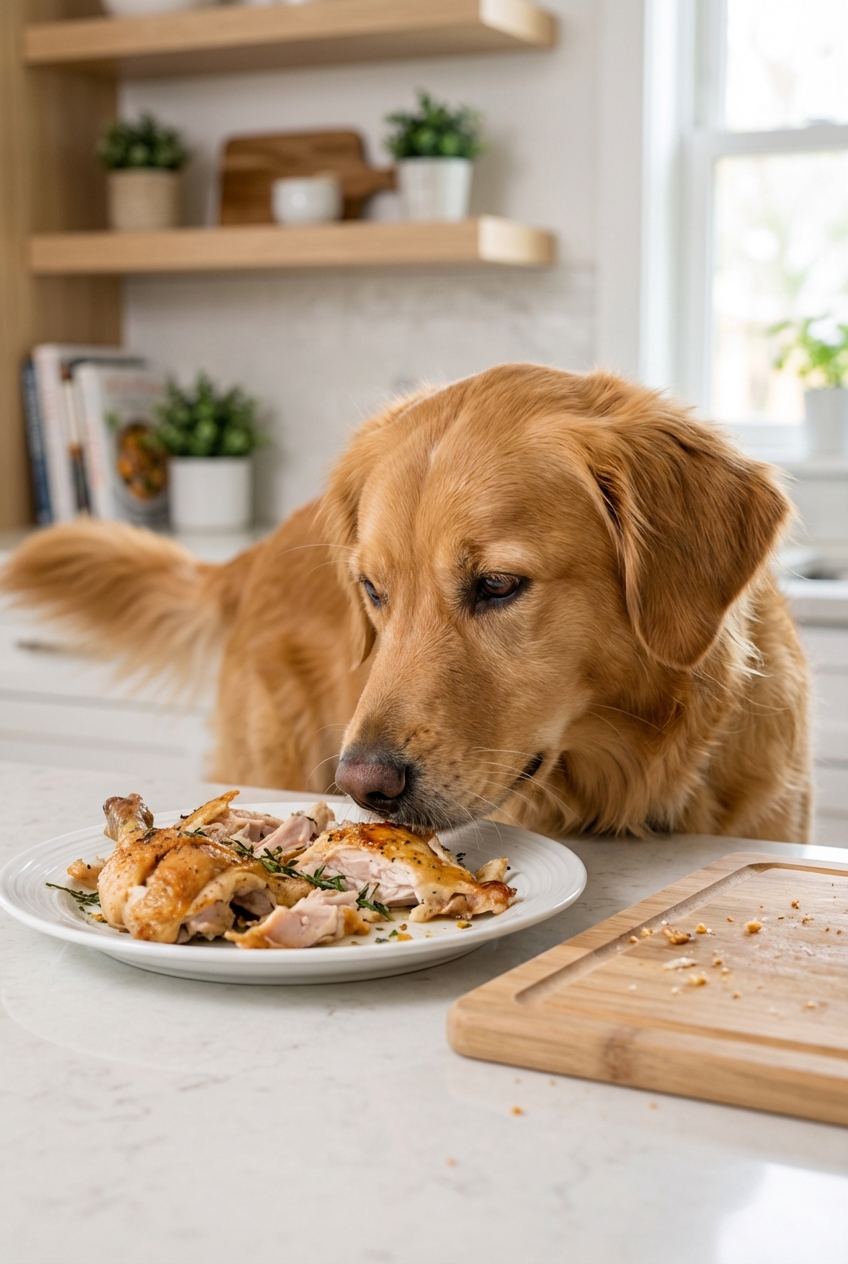
There are two common scenarios: your dog ate a cooked poultry bone or a raw one. Either way, the risk changes a lot based on the bone’s size and shape (wing vs drumstick vs rib), whether your dog chewed it into fragments or swallowed it whole, and how brittle it is.
- Cooked chicken bones (fried, baked, rotisserie, smoked, grilled): More likely to splinter into sharp shards. These can cause choking, mouth injuries, or internal damage.
- Raw chicken bones: Often softer than cooked bones, but still not safe or risk-free. Raw bones can still fracture, cause choking or constipation, and raw poultry can carry bacteria. Some dogs also crack teeth on bones.
In general, the smaller the dog and the sharper the bone, the higher the danger. Wing bones and rib bones are frequent troublemakers. This guidance also applies to other cooked poultry bones, like turkey.
What to do right now
1) Remove access and check the mouth if it is safe
Pick up any remaining bones so your dog cannot get more. If your dog will allow it without stress or risk of a bite, you can gently look for bone fragments lodged between teeth or at the back of the tongue.
Safety note: Do not put your fingers in the mouth of a distressed dog. A painful, panicked dog can bite even a trusted person. If your dog is snapping, the bone is stuck deep, or you cannot see it clearly, stop and call a professional.
2) Do not induce vomiting unless a vet tells you to
Vomiting sharp bone pieces can injure the esophagus and throat on the way back up. This is one of the biggest well-meaning mistakes I see. Do not give hydrogen peroxide unless your veterinarian specifically instructs you to.
3) Do not try risky home removal tricks
Avoid trying to pull out a bone you cannot easily grasp, and do not push food, treats, or other bones to “force it down.” That can make splintering, choking, or a blockage more likely.
4) Call your vet with specifics
When you call, be ready to share:
- Your dog’s weight, age, and breed
- Raw vs cooked
- What was eaten (one wing tip vs a whole drumstick)
- Chewed vs swallowed whole (if you know)
- Time since ingestion
- Any symptoms right now
If your vet is closed, contact an emergency clinic for triage guidance. A pet poison hotline can help direct you too, but this is usually a foreign-body issue more than a toxin issue, so an ER vet is often the fastest route for practical next steps.
Red flags that need emergency care
Go to an emergency veterinarian right away if you notice any of the following:
- Choking or trouble breathing
- Repeated gagging, retching, or drooling
- Pale gums, weakness, collapse
- Distended or painful abdomen
- Vomiting (especially repeated)
- Blood in vomit or stool
- Black, tarry stool (possible digested blood)
- Hunched posture, trembling, or obvious pain
- Not eating or acting “off” for more than a meal
- Straining to poop or crying while defecating
Sharp bones can lead to a blockage or even a perforation, and those are time-sensitive emergencies.
What your vet may recommend
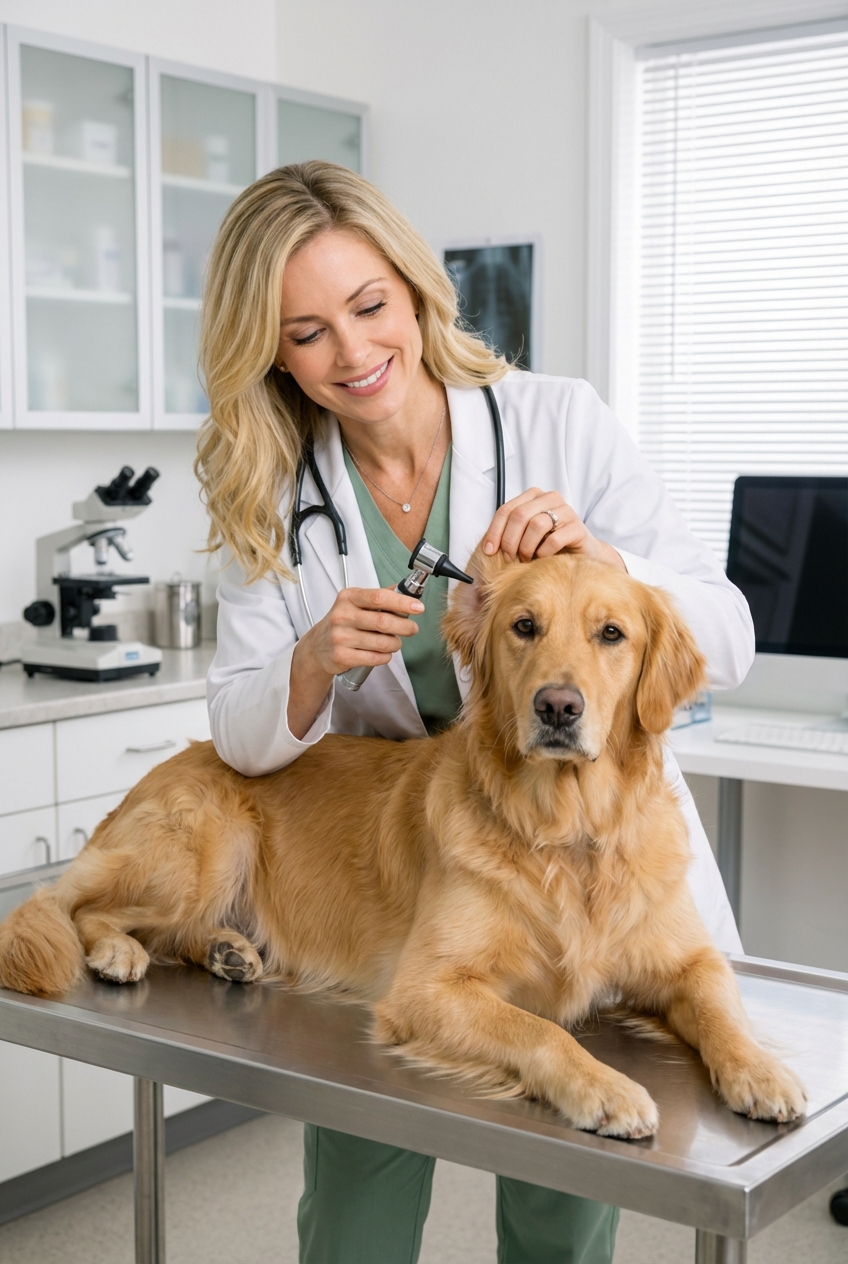
Your veterinarian’s plan depends on your dog’s size, what type of bone was eaten, how long ago it happened, and whether symptoms are present. Timing matters because if a bone is still in the stomach and the ingestion was recent, removal options may be simpler than if it has moved into the intestines.
Monitoring at home
If the amount was small and your dog is acting normal, your vet may advise careful monitoring. You will usually be asked to watch appetite, energy, vomiting, and stool closely for the next 48 to 72 hours.
X-rays or other imaging
Some bones show up on X-rays, but not always clearly. Chicken bones can be variably visible, and a normal X-ray does not always rule out a problem. Imaging helps assess for obstruction, abnormal gas patterns, or signs that something is not moving through.
Endoscopy
If a bone is likely still in the stomach and the timing is right, some clinics can remove it with a camera and retrieval tool. This is less invasive than surgery.
Surgery
If there is an obstruction or perforation, surgery may be necessary. This is why early evaluation matters when symptoms appear.
Common questions
“My dog ate a cooked chicken bone and seems fine. Can I just wait?”
Sometimes dogs act totally normal at first. Problems can develop later as fragments move through the digestive tract. If your dog ate cooked bones, it is still wise to contact your veterinarian and get personalized guidance. If your vet recommends monitoring, stick to it closely and do not ignore subtle changes.
“Should I feed bread, rice, or pumpkin to cushion the bone?”
This is a popular internet suggestion, but it is not one-size-fits-all. Some vets may suggest a soft, bulky meal for a stable dog, while others may want a different approach based on your dog’s risk factors. Because the wrong choice can worsen a blockage risk, the safest move is to ask your vet before you try home strategies.
“How long until the bone passes?”
Many foreign objects pass within a couple of days, but timing varies widely by dog and by what was swallowed. What matters more than the clock is your dog’s comfort, appetite, and bowel movements. If you see straining, constipation, vomiting, or pain, your dog needs veterinary attention.
“Is it safer if my dog is a big chewer?”
Big dogs can still get into trouble, especially with splintery cooked bones. Strong jaws can break bones into sharper pieces. Chewing ability does not remove the risk.
“Are some dogs higher risk?”
Yes. Very small dogs, brachycephalic breeds (short-nosed dogs), seniors, dogs with a history of GI disease or prior abdominal surgery, and dogs on medications like NSAIDs or steroids may need a lower threshold for an exam. When in doubt, it is reasonable to be more cautious.
How to monitor at home
If your veterinarian has cleared your dog for home monitoring, here is a practical checklist:
- Check stool: watch for blood, black tarry stool, sharp fragments, constipation, or straining.
- Track appetite and water intake: skipping meals can be an early sign of a problem.
- Watch energy: lethargy, restlessness, or a tucked-up belly can signal discomfort.
- Limit high-intensity play: keep things calm until you are confident everything is normal.
If anything changes, contact your vet again. It is always better to be overcautious than late.
Prevention that works
Chicken bone incidents are usually a management issue, not a “bad dog” issue. A few simple habits can lower your risk a lot.
- Secure the trash: use a locking-lid can or keep it behind a closed door.
- Clear plates quickly: do not leave wings on coffee tables, couches, or low counters.
- Teach “leave it” and “drop it”: reward-based training can be a lifesaver.
- Offer safe chew alternatives: ask your vet what chews fit your dog’s size and chewing style.

The bottom line
If your dog ate chicken bones, the safest next step is a quick call to your veterinarian with details. Cooked bones are the biggest concern because they splinter, and symptoms like vomiting, pain, drooling, choking, or bloody stool should always be treated as urgent.
You are doing the right thing by getting informed. With calm monitoring and timely veterinary guidance, many dogs recover without complications.