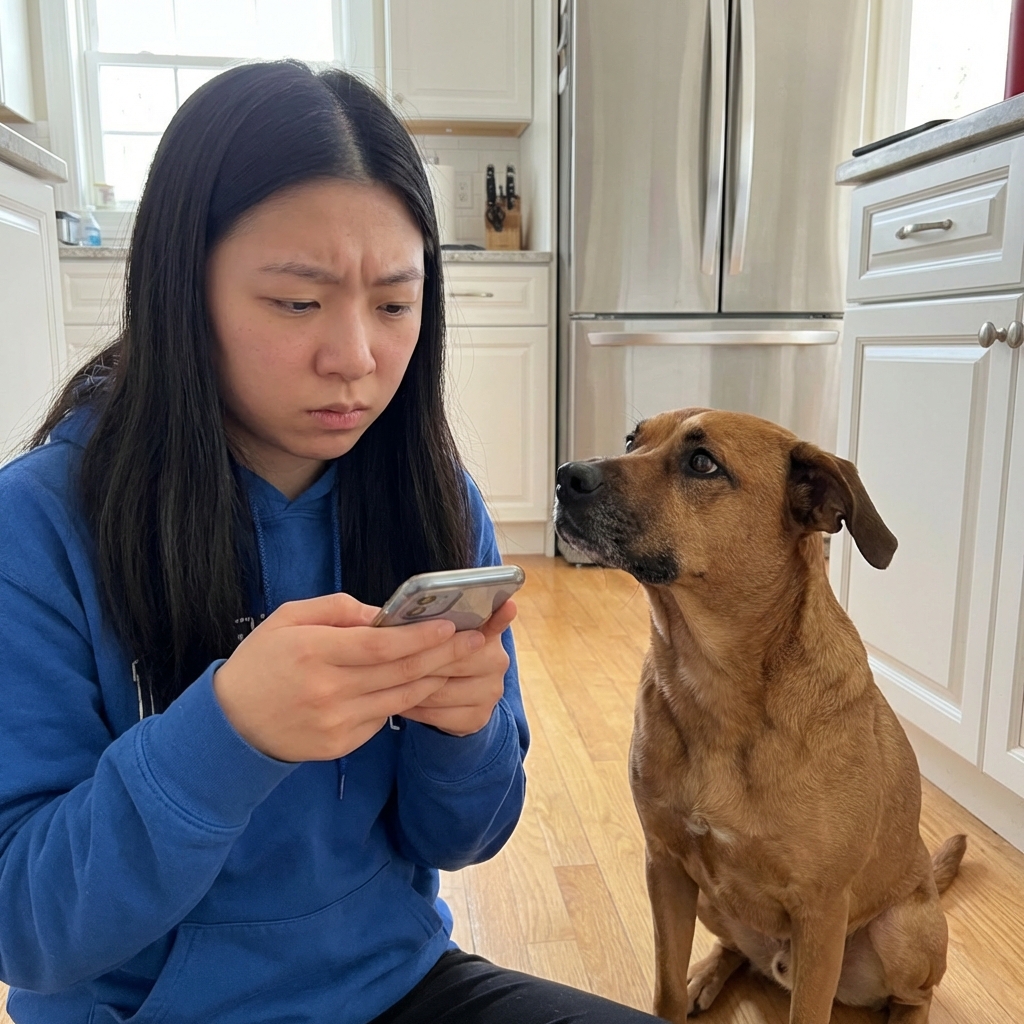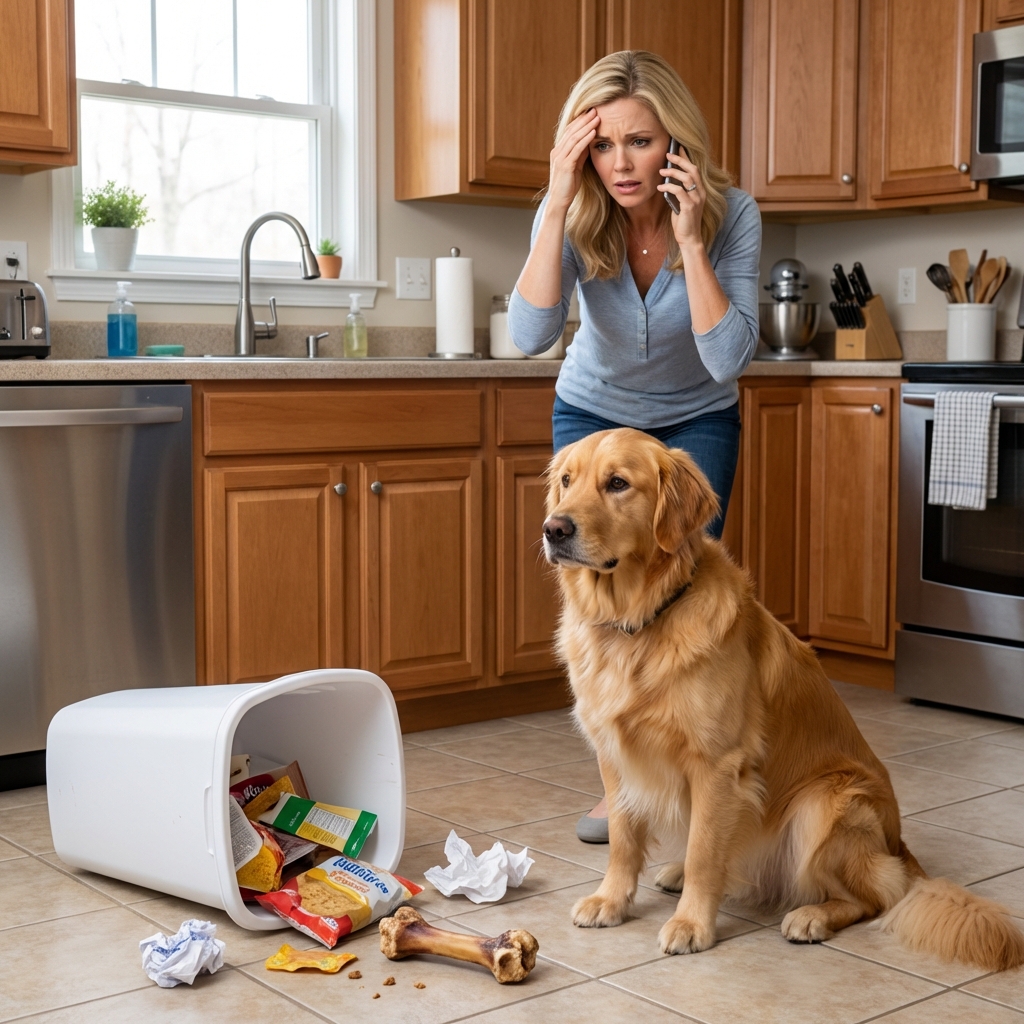
Step-by-step guidance if your dog ate chicken bones: cooked vs. raw risks, what to do immediately, what to avoid, ER red flags, monitoring timeline, and vet ...
Article
•
Designer Mixes
My Dog Ate a Chicken Bone: Help & Care

Shari Shidate
Designer Mixes contributor
If your dog just ate a chicken bone, take a breath. This is a common scare, and many dogs do end up okay. But chicken bones can be dangerous because they can splinter, irritate the stomach and intestines, or (less commonly) cause an obstruction or puncture. The safest approach is to assess your dog’s risk, monitor closely, and call your veterinarian when the situation suggests higher danger.
Note: This article is general education and does not replace veterinary care. If you are worried or your dog is showing symptoms, contact your veterinarian or an emergency clinic.

First, what to do now
Do these steps in order
- Remove any remaining bones so your dog cannot eat more.
- Check your dog’s mouth only if it is safe to do so. Look for visible bone pieces wedged across the palate or between teeth. If your dog is painful, guarding, or snapping, do not force it.
- Call your veterinarian or an ER clinic for personalized guidance. If available, you can also call ASPCA Animal Poison Control (888-426-4435) or Pet Poison Helpline (855-764-7661). Fees may apply. Verify current numbers and hours before publishing, as availability can change.
- Do not induce vomiting unless a veterinarian instructs you to. Bone shards can injure the throat on the way back up. Vomiting is especially risky if your dog is gagging, choking, very lethargic, or already vomiting.
- Do not give mineral oil, bread “boluses,” or bulky home remedies without vet direction. They can complicate things if an obstruction is forming.
- Offer water. If your dog is drinking normally and acting comfortable, that is a good sign, but it does not override other red flags.
Helpful to note before you call: your dog’s weight and breed, whether the bone was cooked or raw, the size of the piece (wing tip vs drumstick vs a whole carcass), when it happened, and whether your dog chewed it or swallowed it whole.
Quick risk factors
These details help your vet judge how aggressive to be:
- Cooked bones usually carry higher splinter risk than raw bones.
- Bigger pieces and swallowed whole increase obstruction risk.
- Small dogs can obstruct on pieces a large dog might pass.
- Sharp, jagged fragments raise concern for scraping and puncture.
- Repeat offenders (dogs that gulp food) are more likely to swallow dangerous sizes.
When it’s an emergency
Go to an emergency veterinarian now if you notice any of the following:
- Choking, repeated gagging, or trouble breathing
- Continuous vomiting or vomiting with blood
- Bloated or painful abdomen, hunched posture, or crying out
- Lethargy that is unusual for your dog
- Refusing water or being unable to keep water down
- Missing more than one meal or refusing treats in a food-motivated dog
- Drooling heavily, pawing at the mouth, or signs of mouth pain
- Black, tarry stool or bright red blood in stool
- Straining to poop, producing only small amounts, crying while pooping, or no stool at all
These signs can indicate mouth injury, gastrointestinal irritation, a blockage, or rarely a perforation. It is always better to be “too cautious” with sharp bone ingestion.
Cooked vs. raw bones
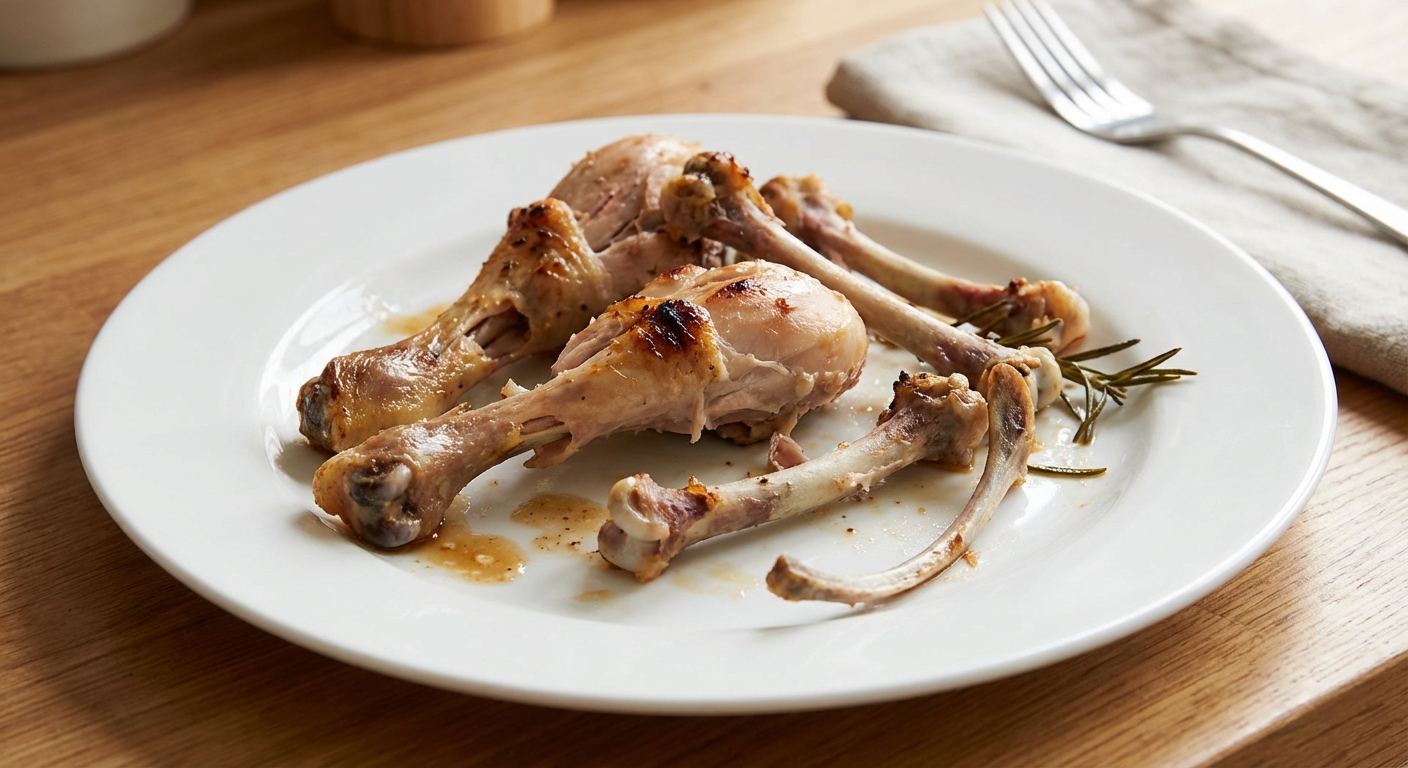
Cooked chicken bones are higher risk. Cooking makes bones more brittle, so they splinter more easily into sharp pieces that can scrape or puncture tissue.
Raw chicken bones are not risk-free. They tend to be softer and may splinter less, but they can still cause choking or obstruction. Raw poultry can also carry bacteria (like Salmonella or Campylobacter). Some dogs get sick, and even when they do not, they may shed germs in stool or saliva, which can pose a risk to people in the household, especially kids, seniors, and immunocompromised family members.
What your vet may do
Your veterinarian will tailor the plan to your dog’s size, the type of bone, and symptoms. Common options include:
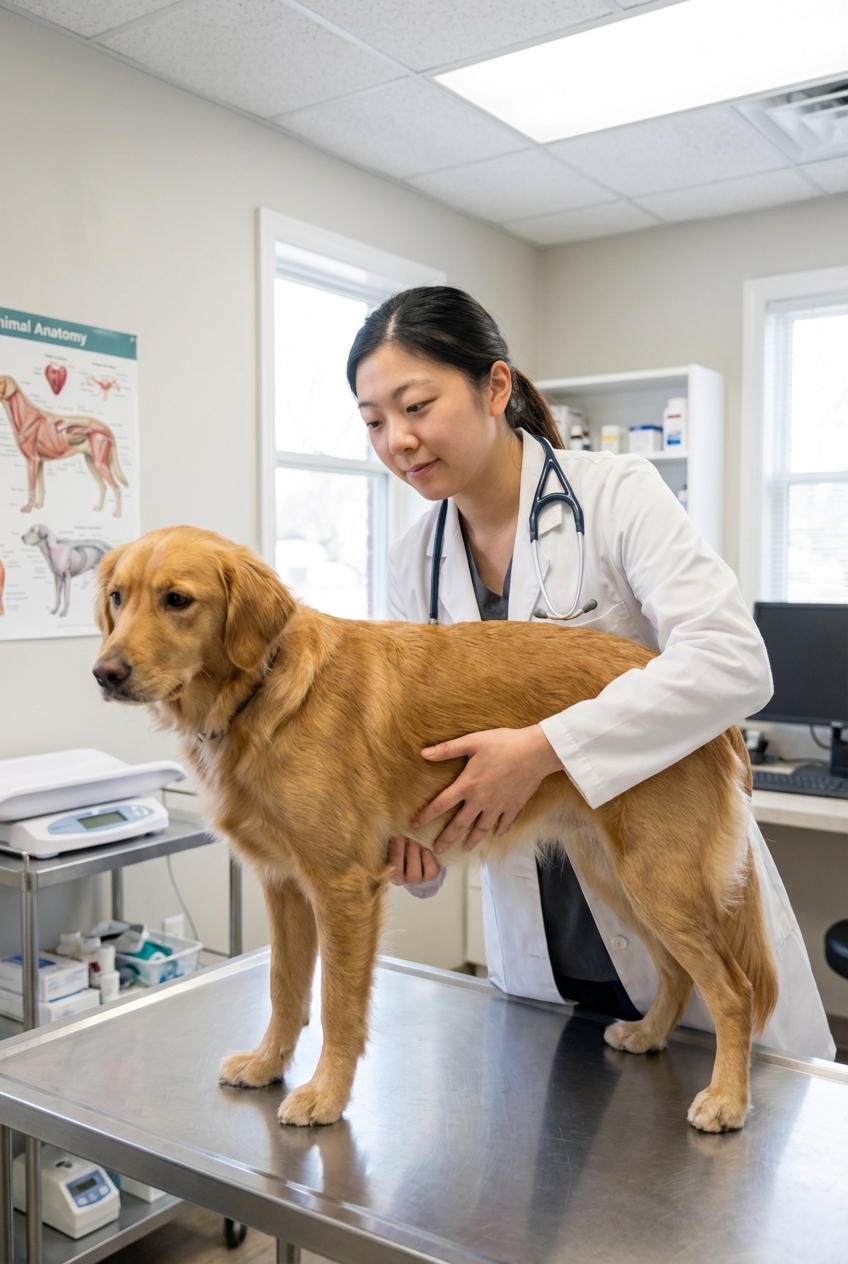
- Oral exam to check for bone fragments stuck in the mouth or throat, gum injury, or broken teeth
- X-rays to look for bone material and check for obstruction signs (not all bones or small fragments show clearly, but X-rays can still reveal gas patterns or intestinal changes)
- Supportive care such as nausea medication, pain control, or stomach protectants if irritation is suspected
- Endoscopy to retrieve bone pieces from the stomach (often preferred early when appropriate)
- Surgery if there is a blockage or perforation concern
Timing matters. If your dog swallowed a larger piece whole and you catch it early, your vet may be able to intervene before it travels farther into the intestines.
Home monitoring (next few days)
If your veterinarian advises home monitoring, keep your dog calm and observe closely. Many GI issues show up within 24 to 72 hours, but problems can sometimes appear later, especially if a piece gets stuck farther down the line.
Track these basics
- Appetite: is your dog interested in food?
- Energy: normal play and responsiveness, or unusually quiet?
- Poop: frequency, straining, hard or crumbly stool, and any blood or black stool
- Vomiting: especially repeated episodes or any blood
Tip: Check stools with a flashlight when you can. If small bone fragments pass, that is not uncommon. If you must pick up stool, use gloves or a bag. Do not “dig” through stool with bare hands. If you see blood, call your vet.
Food and care at home
Only do this if your vet approves. Some veterinarians recommend a temporary bland, easy-to-digest diet for a day or two if the dog is comfortable and not vomiting. Follow your clinic’s guidance first, especially if your dog has a history of pancreatitis, food allergies, or a sensitive stomach.
Gentle options
- Boiled skinless chicken with white rice (skip this if your dog has a chicken sensitivity)
- Boiled lean turkey with white rice as an alternative
- Plain scrambled egg (no butter, no seasoning), if tolerated
- Prescription GI diet if your dog already uses one
Avoid: fatty treats, rich foods, heavy chew items, and anything that could further irritate the gut.
And yes, you will see advice online about feeding bread or bulky fiber to “cushion” bones. Sometimes vets do use carefully chosen dietary strategies, but it is not one-size-fits-all. If a blockage is developing, adding bulk can make things worse. Let your veterinarian make that call.
Common questions
My dog ate a chicken wing bone. Should I panic?
Chicken wing bones are small but can splinter. If your dog is acting normal, you still want to call your veterinarian and monitor for vomiting, abdominal pain, mouth pain, or stool changes. Small dogs are at higher risk for obstruction from even “small” pieces.
My dog swallowed it whole. Is that worse?
It can be. Swallowing whole increases the risk of obstruction and decreases the chance the bone was crushed into smaller, less sharp pieces. Your vet may recommend imaging or close monitoring depending on size and symptoms.
How long until symptoms show up?
Mouth or throat discomfort can show up immediately. Stomach and intestinal problems often show up within 24 to 72 hours, but symptoms can occur sooner or later depending on the size and where the bone travels.
Can chicken bones kill a dog?
Severe complications are uncommon, but they are possible. That is why it is smart to treat chicken bone ingestion as a medical risk, not just a messy snack.
Prevention
Accidents happen, especially during holidays, cookouts, and busy family dinners. A few simple habits help a lot:
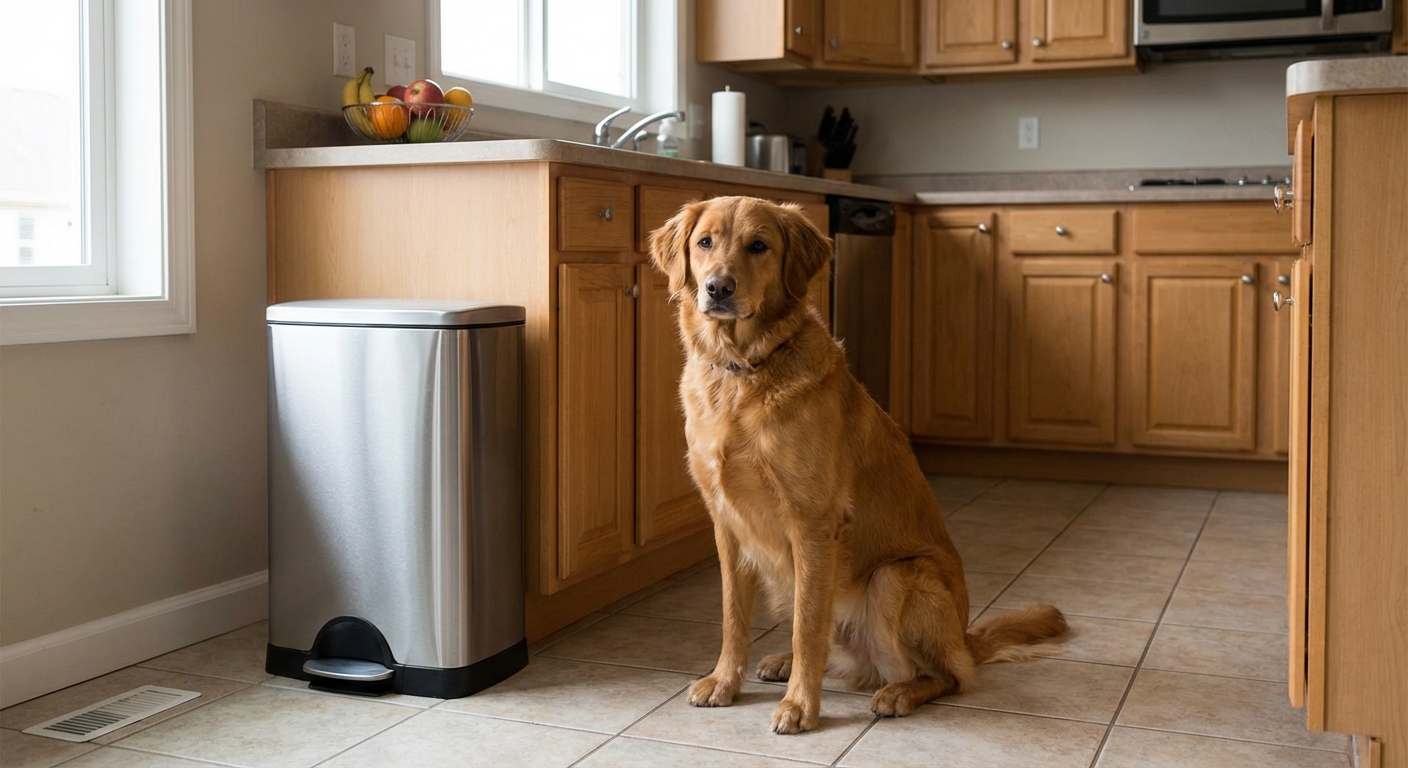
- Trash security: use a lidded can, add a baby lock if needed, and take food trash out promptly.
- Kitchen boundaries: use gates or teach a “place” cue during cooking and meals.
- Safe chews: choose vet-approved dental chews or durable toys sized for your dog.
- Train “leave it” and “drop it” using positive reinforcement. These commands can prevent emergencies.
Bottom line
Chicken bones are risky because they can splinter and cause injury. If your dog ate one, do not induce vomiting unless a veterinarian tells you to, call your veterinarian, and watch closely for red-flag symptoms for the next few days. With quick action and good monitoring, many dogs recover just fine.
If you are unsure, that is your sign to call. Your veterinarian would much rather reassure you early than treat a problem late.