Veterinary assistant advice for dogs who ate chicken bones: cooked vs raw risks, what not to do, symptoms that need an ER visit, vet treatments, and 72-hour ...
Article
•
Designer Mixes
My Dog Ate a Chicken Bone

Shari Shidate
Designer Mixes contributor
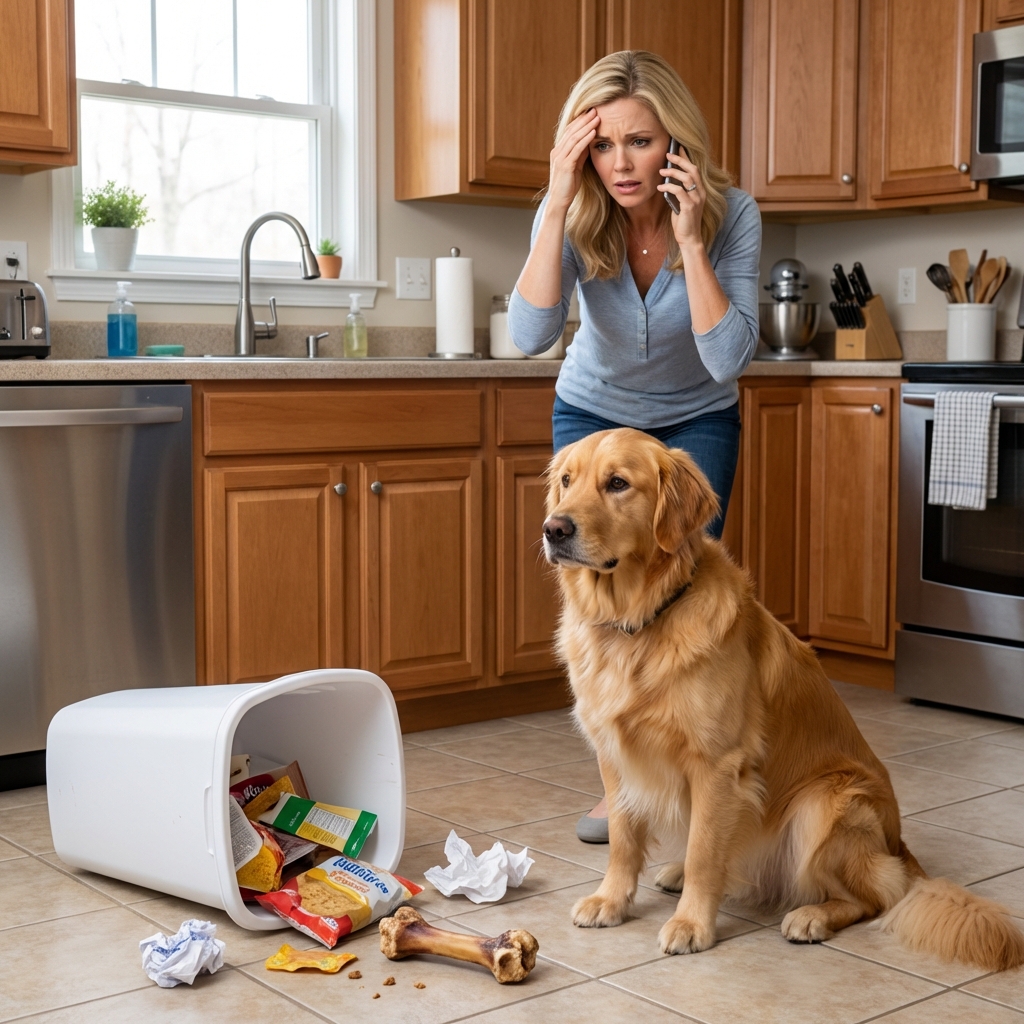
If your dog just ate a chicken bone, take a breath. I know it is scary. In many cases, dogs do pass small pieces without a problem, but chicken bones can splinter and cause choking, mouth injuries, or damage to the stomach and intestines. The safest move is to act calmly, assess risk, and call your veterinarian or an emergency clinic for guidance.
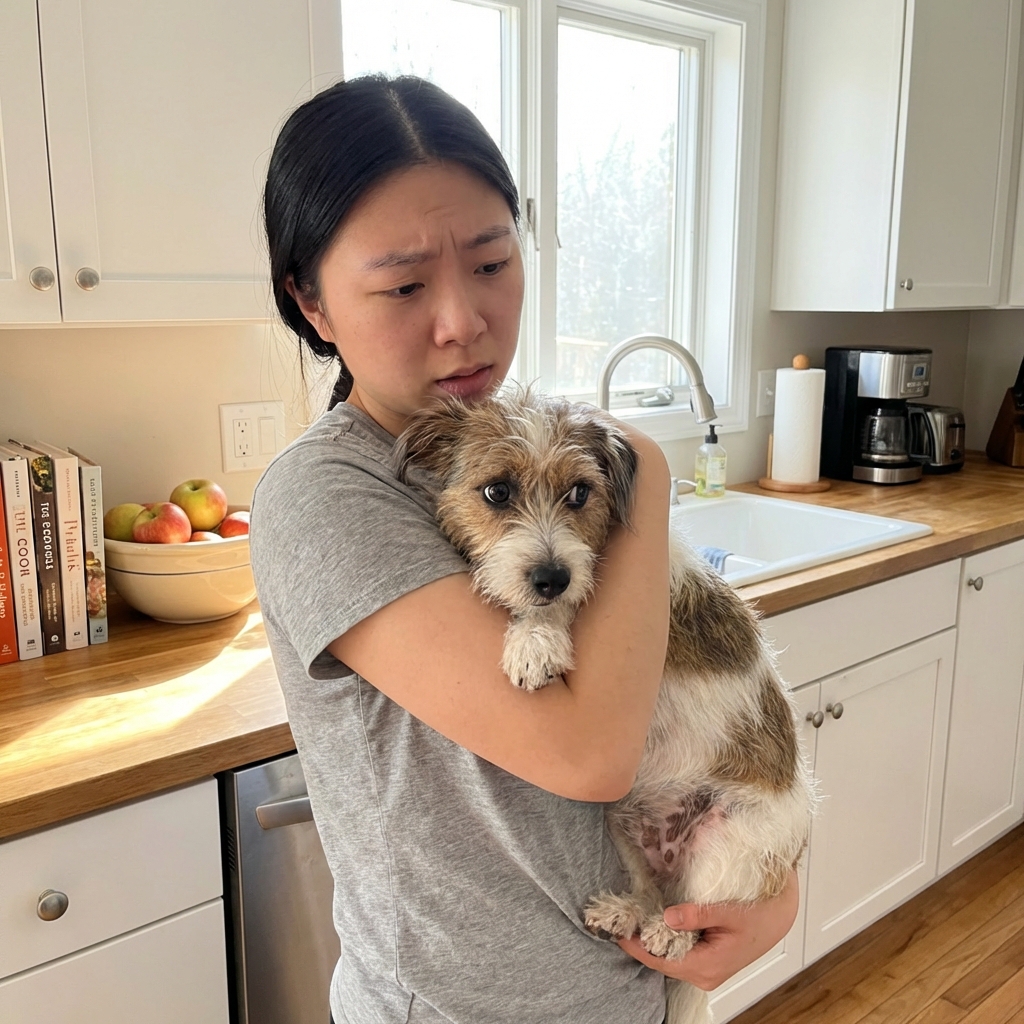
First 5 minutes: what to do
1) Keep your dog calm and stop scavenging
Leash your dog or place them in a quiet room so they cannot find more bones, wrappers, or trash. Stress and excitement can increase gagging or vomiting, which is not what we want right now.
2) Do not induce vomiting unless a vet tells you
With sharp objects like bones, bringing material back up can injure the throat or get fragments lodged. There are situations where a veterinarian may recommend vomiting under specific conditions, timing, and supervision. Do not attempt it at home unless your vet specifically instructs you.
3) Do not give bread “to cushion it” unless your vet instructs you
This is a popular tip online, but it is not a one-size-fits-all fix. Bulking foods can worsen vomiting or constipation in some dogs. Also, pairing bread with high-fat foods (like butter or oils) to “help it slide” can trigger pancreatitis in susceptible dogs and may worsen GI upset. Your veterinarian will tell you if a bland, bulky meal is appropriate based on what was eaten and your dog’s health history.
4) Call your vet with a clear description
Be ready to answer:
- Was the bone cooked or raw?
- What kind of bone: wing, rib, drumstick, or a small piece?
- About how much was swallowed and how long ago?
- Any symptoms: coughing, gagging, drooling, pawing at the mouth, vomiting, lethargy?
- Your dog’s size, age, and any health issues (especially GI disease, prior surgery, or clotting disorders).
- Your dog’s weight, current medications, and any known conditions like pancreatitis.
5) Do not “fish” in the throat
Do not reach into your dog’s mouth or throat unless you can clearly see a loose piece that can be safely removed. Blindly grabbing can push a bone deeper or injure you or your dog. If your dog is choking or struggling to breathe, head to an emergency clinic immediately.
Cooked vs. raw: why cooked is riskier
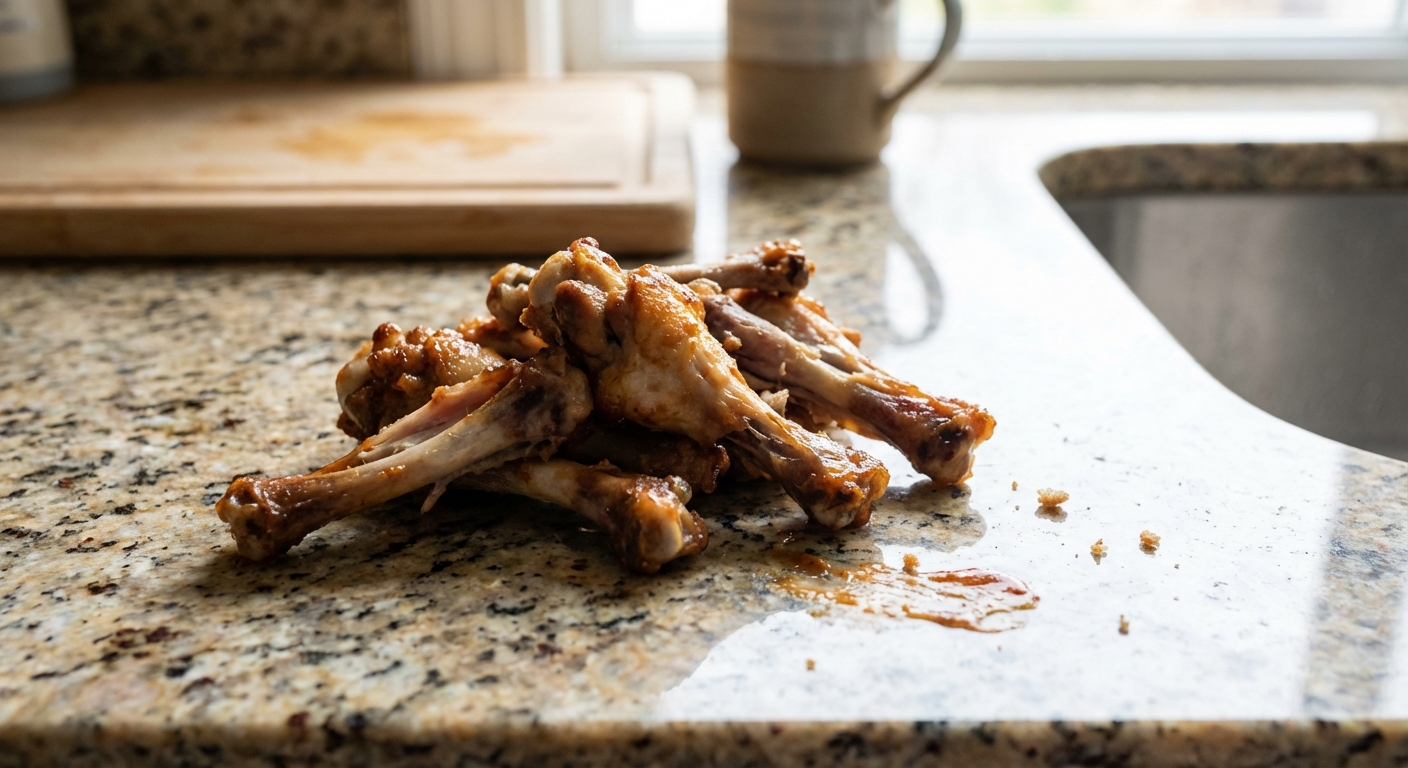
Cooked chicken bones are more likely to splinter into sharp shards. That increases the risk of:
- Choking or bone stuck in the throat
- Mouth or esophagus injury
- Stomach or intestinal perforation
- Obstruction (a blockage)
Raw chicken bones tend to be softer, but they still can cause obstruction, constipation, or irritation, and they can still splinter. Raw bones also carry bacterial risk, especially to people handling the food and to pets with weakened immune systems. They are not “safe,” just generally less brittle than cooked.
Red flags: go now
If you notice any of the signs below, do not wait. Seek urgent veterinary care.
- Choking signs: trouble breathing, blue or pale gums, repeated gagging with little coming up
- Something stuck: constant swallowing, drooling, pawing at mouth, distress
- Repeated vomiting or vomiting blood
- Bloated or painful abdomen, “praying position,” or crying when picked up
- Weakness, collapse, fever, or extreme lethargy
- Black, tarry stool or bright red blood in stool
Also call your vet promptly if your dog skips a meal, seems “off,” or has mild vomiting even once. If appetite loss is paired with pain, repeated vomiting, lethargy, or abnormal stool, treat it as urgent.
These symptoms can suggest obstruction, internal injury, or significant inflammation, all of which are time-sensitive.
When you can monitor at home
If your dog swallowed a small amount, is acting totally normal, and your veterinarian agrees that home monitoring is reasonable, here is what I recommend watching closely for the next 72 hours.
Dogs at higher risk (very small breeds, flat-faced dogs, puppies, seniors, dogs with prior GI surgery, or dogs with chronic GI disease) often need a lower threshold for an exam.
What to monitor
- Appetite: eating and drinking normally?
- Energy: normal interest in walks, toys, and family?
- Vomiting: any episodes, especially repeated or with blood?
- Stool: normal frequency and consistency, or constipation/straining?
- Abdominal comfort: any tenderness, hunching, or restlessness?
Check the poop safely
Yes, it is gross, but it is helpful. Use a bag and look for bone fragments. If you see a lot of sharp pieces, or your dog seems painful or constipated, call your vet.
What your vet may do
Veterinary care depends on your dog’s symptoms and what was eaten. Your vet may recommend:
- Oral exam to look for bone stuck in the mouth or throat
- X-rays to check for bone location, obstruction, or gas patterns
- Endoscopy to retrieve a bone still in the esophagus or stomach (often less invasive than surgery)
- Supportive care such as anti-nausea meds, pain control, fluids, and diet changes
- Surgery if there is an obstruction or perforation risk
One nuance: X-rays do not catch every fragment or every early injury. Your veterinarian will interpret imaging alongside your dog’s symptoms, exam findings, and how the situation is evolving.
It is completely normal for your vet to ask you to monitor closely if your dog is stable. But it is also normal to be advised to come in quickly if the bone was large, cooked, or your dog is a small breed.
Common questions
“My dog swallowed it whole. Is that worse?”
Often yes. Swallowing without chewing increases obstruction risk. Size matters too. A bone that might pass in a Labrador could obstruct a Yorkie.
“Should I give olive oil, butter, or milk?”
Please do not do this without veterinary guidance. High-fat foods can trigger pancreatitis in susceptible dogs and can worsen GI upset.
“How long until I know we are in the clear?”
Many dogs pass ingested material within 1 to 3 days, but it can vary by dog size, diet, GI motility, and what was swallowed. Complications can occur earlier or later. If anything changes, call your vet right away.
Prevention that works
- Secure the trash: use a lidded, heavy can or keep it behind a closed door.
- Be careful with plates: chicken bones left on coffee tables and outdoor patios are a top culprit.
- Teach “leave it” and “drop it”: these cues save lives.
- Choose safer chews: ask your veterinarian for chews that fit your dog’s size and chewing style.
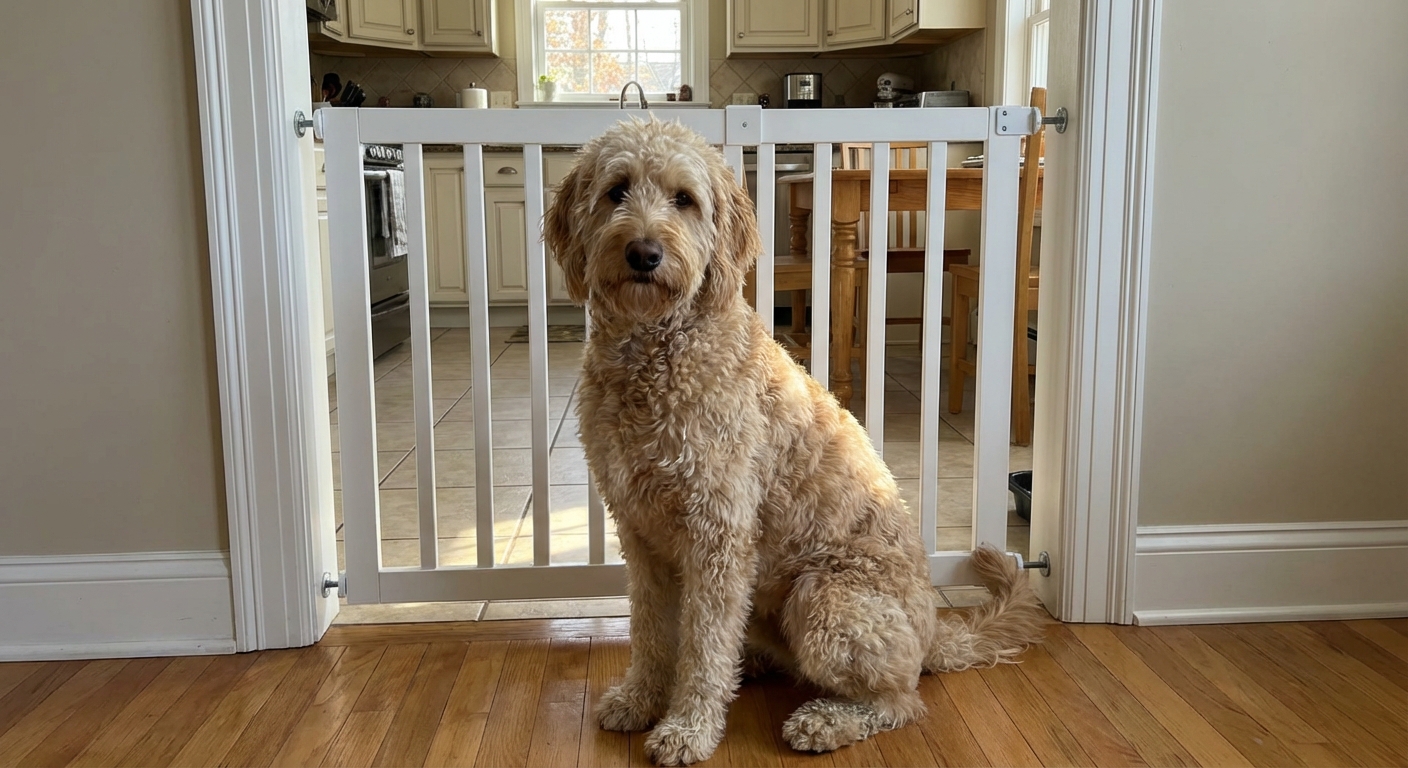
And if your dog is a determined counter-surfer, management is kindness. Baby gates, closed doors, and crate time during meals are not punishment, they are prevention.
Quick takeaway
Chicken bones, especially cooked ones, can be dangerous. If your dog ate one, do not induce vomiting unless a veterinarian tells you to, call your veterinarian, and watch closely for choking, vomiting, pain, or abnormal stools.
If you are ever unsure, trust your gut and call an emergency clinic. It is always better to ask early than to wait until your dog is uncomfortable.