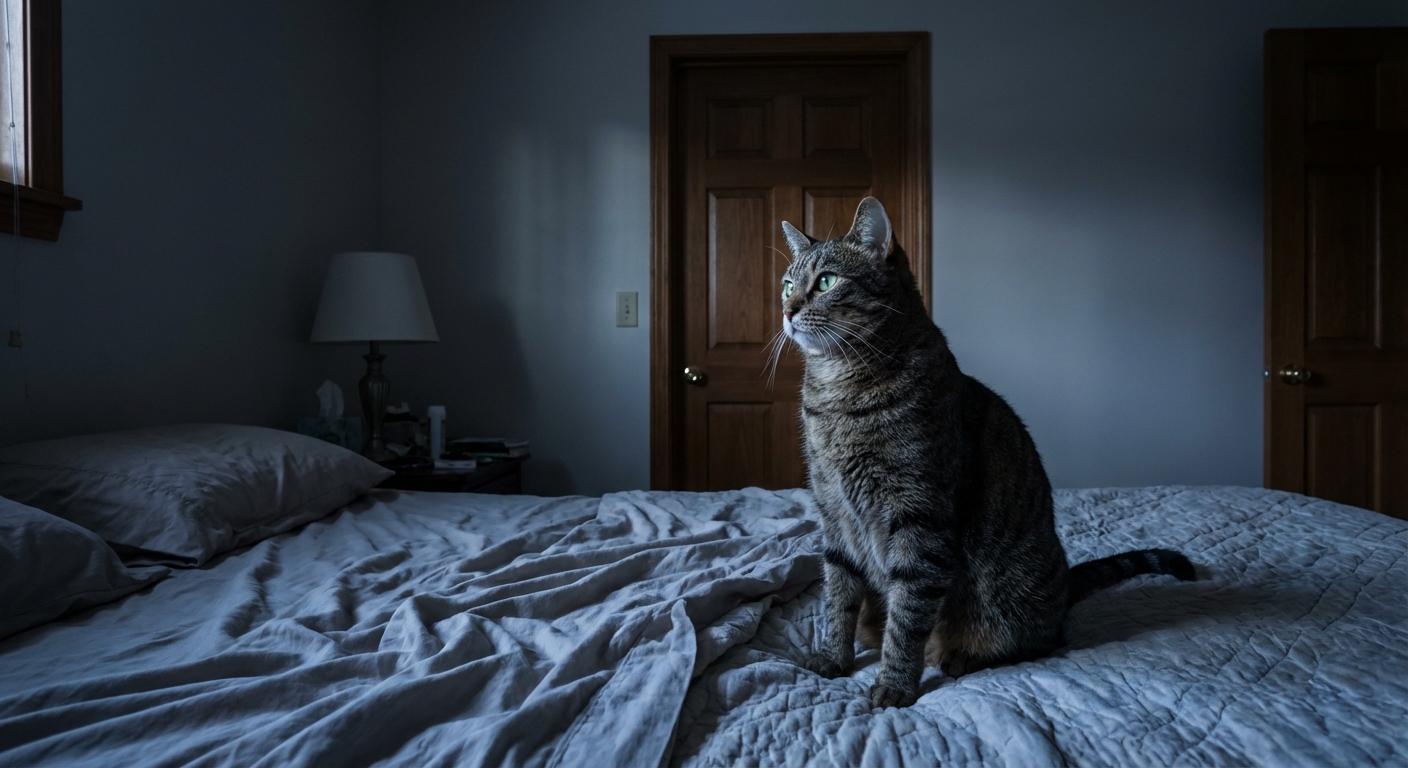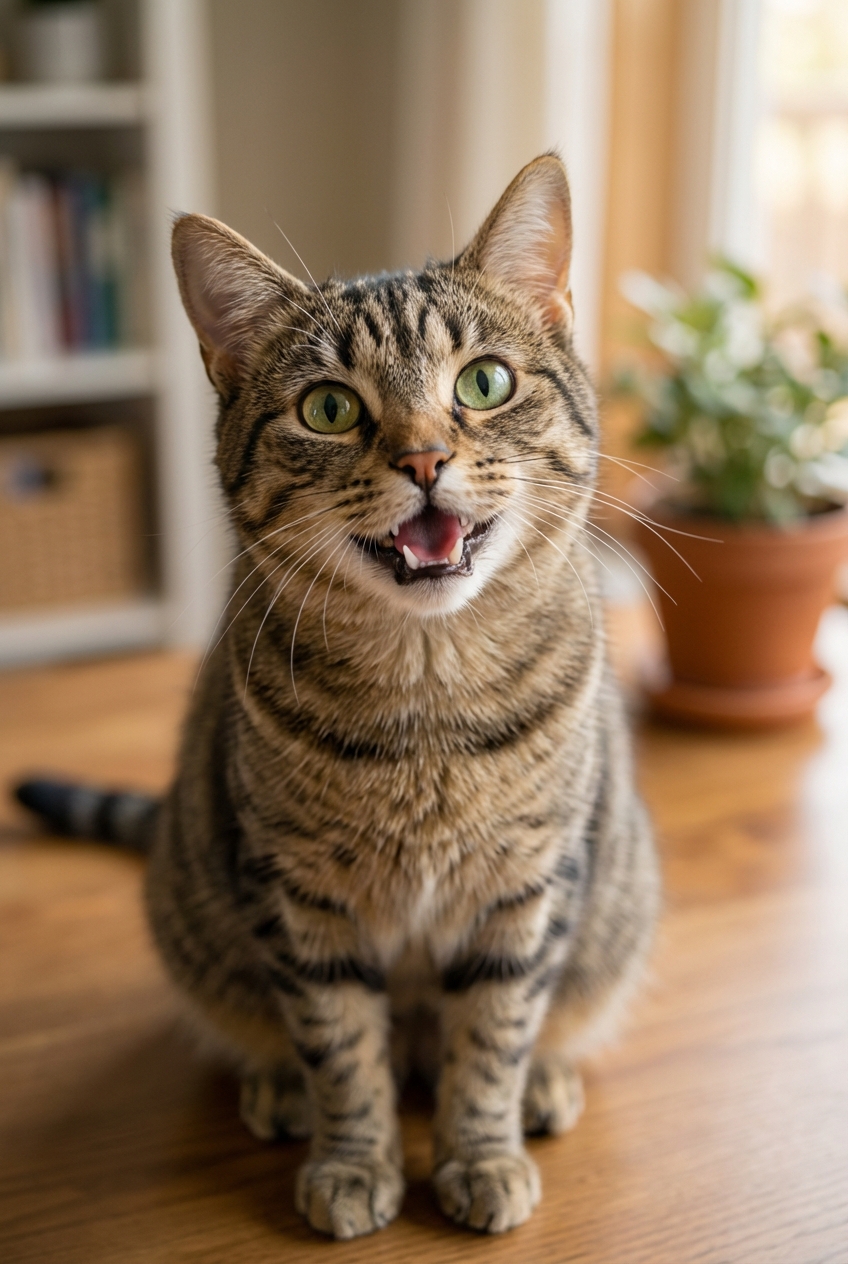
From food demands and boredom to stress, heat cycles, senior confusion, and medical problems like hyperthyroidism or UTIs—learn what constant meowing means...
Article
•
Designer Mixes
My Cat Will Not Stop Meowing

Shari Shidate
Designer Mixes contributor
As a veterinary assistant here in Frisco, Texas, I hear this one all the time: “My cat will not stop meowing.” And I get it. Constant vocalizing can be stressful, disrupt sleep, and make you worry something is wrong.
The good news is that most nonstop meowing has a reason you can uncover. This guide walks you through the most common causes, what to try at home (by age), and the red flags that mean it is time to call your veterinarian. Wherever you live, these steps still apply.
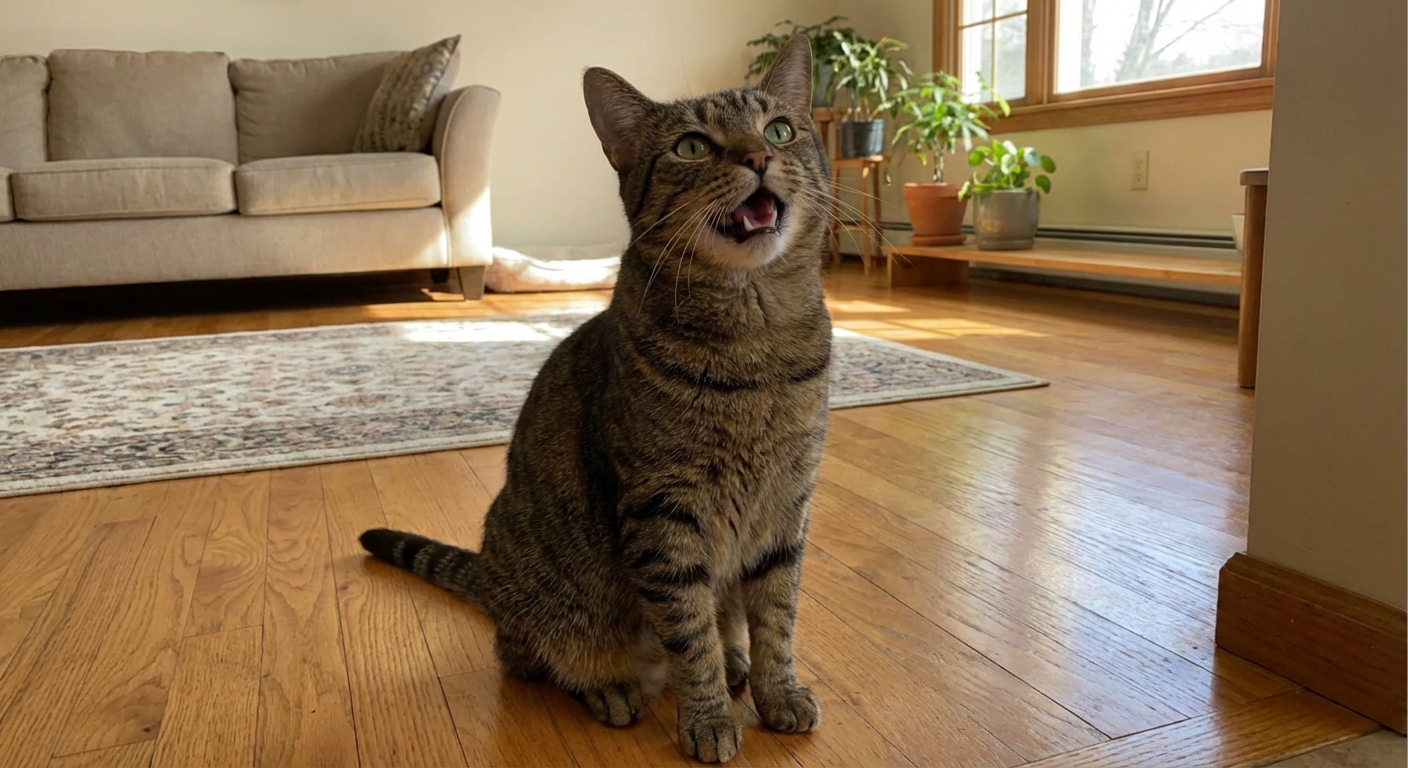
First, what is “normal” meowing?
Meowing is one of the main ways cats communicate with people. Adult cats usually rely more on body language, scent, and subtle sounds with other cats, although cats can still vocalize with each other in certain situations (like moms and kittens or tense encounters).
Some breeds and personalities are naturally talkative, and some cats learn that meowing works because it gets attention, food, or a door opened.
What is not normal is a sudden change, especially if it is loud, frequent, happening at odd hours, or paired with behavior changes like hiding, appetite changes, litter box issues, or aggression.
Quick triage: the 60-second check
Before you assume it is “just attitude,” take one minute to look for clues. This can help you decide whether to troubleshoot at home or call your vet today.
- Food and water: Are the bowls full and fresh? Any sudden increase in thirst?
- Litter box: Any straining, frequent trips, blood, crying in the box, or accidents?
- Body language: Is your cat hunched, tense, hiding, or unusually clingy?
- Mobility: Any limping, reluctance to jump, or stiffness?
- Breathing: Any open-mouth breathing, rapid breathing at rest, or wheezing? This is urgent.
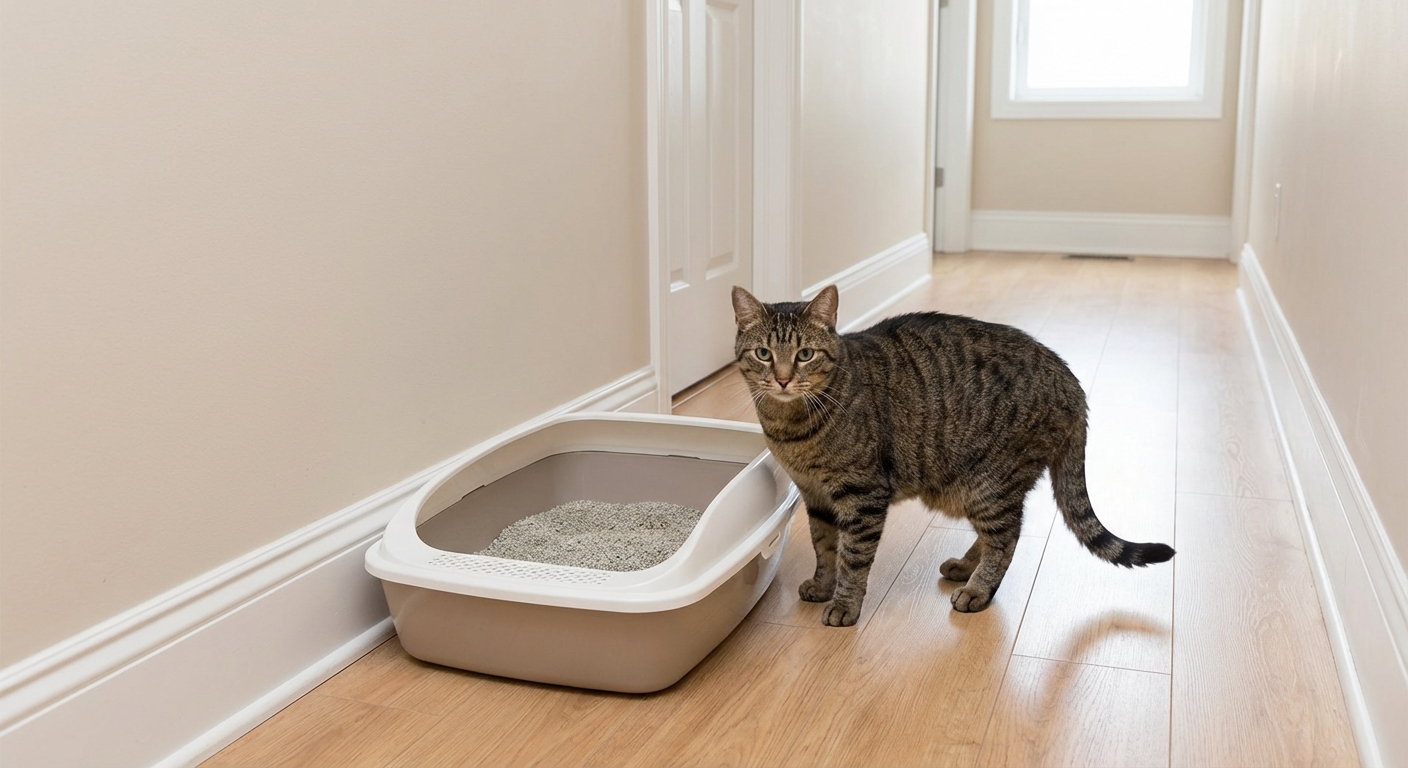
If your cat is crying in the litter box, straining to urinate, or producing little to no urine, treat it as an emergency. This is especially common and especially dangerous in male cats, but females can still have serious urinary problems too.
Fast decision guide
- ER now: straining with little to no urine, repeated unproductive litter box trips, crying in the box, a painful belly, collapse, or vomiting plus urinary signs.
- Same-day vet visit: sudden nonstop meowing plus appetite changes, lethargy, hiding, vomiting, diarrhea, constipation, limping, or weight loss.
- Try home steps first: your cat is otherwise acting normal, eating and drinking normally, using the litter box normally, and this seems routine-related.
Common reasons cats meow nonstop
1) Hunger, routine, or “you trained me” meowing
Often sounds like: persistent meows that happen near the kitchen, at your usual feeding time, or whenever you walk toward the food container.
Many cats vocalize most around meal times. If meowing reliably results in food, treats, or attention, the behavior gets stronger.
What to try:
- Feed on a consistent schedule.
- Use a measured portion plan recommended by your veterinarian.
- Try a puzzle feeder or timed feeder so the cat stops seeing you as the food dispenser.
- Do not “pay” the meow with treats. Wait for a brief pause, then reward calm behavior.
2) Stress, boredom, or extra energy
Often sounds like: frequent, restless meowing paired with pacing, getting into things, or demanding play.
Indoor cats can get under-stimulated, especially if they are young, in a single-cat household, or have limited play and window time. Stress can also trigger vocalizing, including after a move, schedule change, new baby, visitors, construction noise, or a new pet.
What to try:
- Two play sessions daily (5 to 15 minutes) using wand toys to mimic hunting.
- Finish play with a small meal. This often helps mimic the hunt then eat routine and can make settling easier.
- Add vertical space: a cat tree, shelves, or a window perch.
- Provide “legal” scratching options in multiple rooms.
3) Attention-seeking or separation-related vocalizing
Often sounds like: meowing that starts when you stop petting, move rooms, get on a call, or close a door.
Some cats meow when you move from room to room, when you get on a call, or when you stop petting. This can be habit, anxiety, or simply a social cat that wants interaction.
What to try:
- Schedule attention on your terms: short, predictable cuddle and play times.
- Ignore demanding meows only when it is safe to do so, and only if your cat seems otherwise well. Never ignore vocalizing paired with signs of pain or illness.
- Reward quiet moments.
- Leave enrichment when you are busy: treat balls, lick mats, or a calm nature video at low volume.
4) Pain or illness
Often sounds like: a new, louder, more urgent meow or yowl, sometimes paired with hiding, irritability, or changes in eating, drinking, or litter box habits.
Vocalizing can be a sign of discomfort. Cats are masters at hiding pain, so meowing may be one of the only clues. If your cat’s meowing is new or out of character, it is worth taking seriously.
Health issues that can increase meowing include:
- Dental disease
- Arthritis or back pain
- Urinary tract disease (including blockage)
- Hyperthyroidism (common in seniors)
- High blood pressure
- Kidney disease
- Gastrointestinal upset or constipation
- Vision or hearing decline
5) Heat cycle or mating behavior
Often sounds like: intense yowling, especially at night, plus restlessness, rolling, or trying to escape outdoors.
Unspayed females can yowl intensely when in heat. Unneutered males may vocalize and roam.
What to try: Schedule a spay or neuter consultation. It can reduce vocalizing and roaming, and it can reduce important health risks (like pyometra and mammary cancer risk when spayed early).
By age: what nonstop meowing often means
Kittens
Kittens meow for warmth, food, and reassurance. They may also meow more during teething or when learning the household routine.
- Check basics: Frequent meals, cozy sleep spots, and plenty of play.
- Build routine: Same feeding times and bedtime rhythm.
- Vet check: Rule out parasites or illness if energy or appetite is off.
Adult cats (about 1 to 10 years)
In healthy adults, nonstop meowing is often routine-driven, boredom-related, stress-related, or linked to social dynamics in the home.
- Increase enrichment: Climbing, scratching, hunting play, and puzzle feeders.
- Reduce stress triggers: Moves, new schedules, guest traffic, new pets, noise, or litter box location changes.
- Watch multi-cat dynamics: Tension and resource guarding can cause vocalizing. Add more litter boxes, water stations, feeding stations, and resting spots. If conflict is ongoing, separate key resources and consider a slower reintroduction plan.
Senior cats (about 10+ years)
Older cats may vocalize due to medical issues or feline cognitive dysfunction (FCD), which is similar to dementia. Nighttime yowling is a common complaint. Sensory decline (hearing or vision loss) can also make seniors louder or more easily startled, especially in the dark.
- Schedule an exam: Bloodwork and blood pressure checks are especially helpful for seniors.
- Support comfort: Heated bed, ramps to favorite spots, and easy-access litter boxes.
- Nighttime help: A bedtime play session and snack can reduce night waking.
- Help with orientation: A soft night light can be reassuring for seniors.
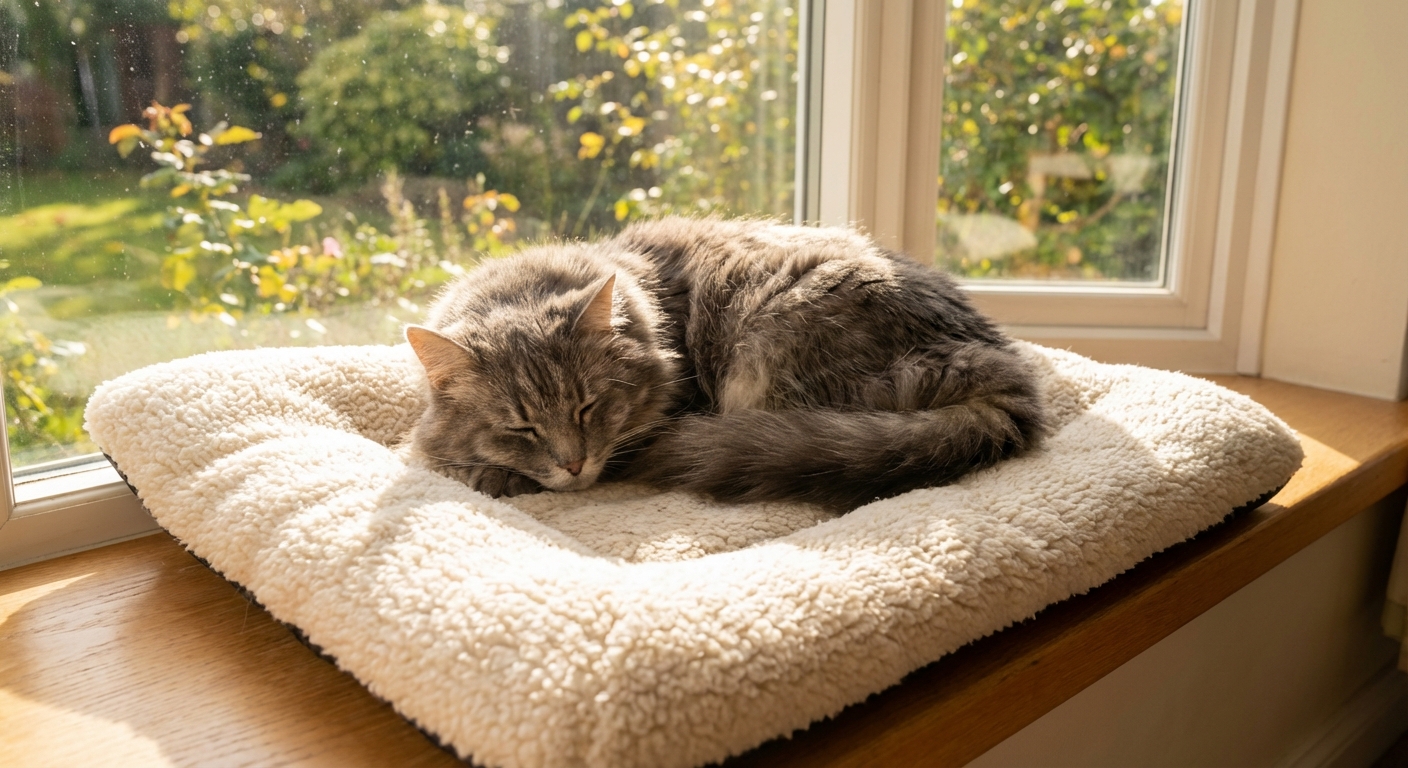
Nighttime meowing
If your cat meows at night, the cause is usually one of these: learned behavior (it worked before), boredom and reversed sleep cycles, hunger, sensory decline, or a senior health issue.
What to do tonight
- Do a play session in the evening, then offer a small meal.
- Keep the bedroom response boring: no feeding, no big attention, minimal talking.
- Use a timed feeder for an early-morning portion if the meowing is predictably “breakfast demand.”
- Make sure your cat has water, a clean litter box, and a comfortable sleep spot outside your room.
If nighttime yowling starts suddenly in a senior cat, prioritize a veterinary visit to check thyroid, kidneys, pain, and blood pressure. Ask your vet about FCD if disorientation, staring, or sleep-wake changes are also showing up.
Litter box meowing: when to worry
Meowing around the litter box is one of the biggest red flags because it can signal urinary pain or obstruction.
Call your vet urgently if you notice:
- Straining to urinate or repeated trips with little output
- Crying while urinating
- Blood in urine
- Urinating outside the box suddenly
- Vomiting, lethargy, or hiding along with urinary signs
Male cats can block quickly, and a blockage is life-threatening. Females can also have serious urinary disease and, more rarely, obstruction. If you are not sure, it is safer to be seen.
Reduce meowing without punishment
Cats do not respond well to punishment. It tends to increase stress, which can increase meowing. Instead, use a calm, consistent approach.
A simple 2-week plan
- Rule out medical causes first if the meowing is new, intense, or paired with other symptoms.
- Meet needs on a schedule: meals, play, and attention at predictable times.
- Reward quiet: when your cat is calm, offer praise, gentle petting, or a treat.
- Do not reward demand meowing (when safe): do not feed or engage until there is a pause. If you suspect pain, illness, or litter box trouble, do not wait. Call your vet.
- Increase enrichment: rotate toys weekly, add foraging opportunities, and provide window time.
Helpful tools
- Timed feeder
- Puzzle feeders and treat balls
- Cat tree and window perch
- Soft night light for seniors who may feel disoriented
- Pheromone diffuser in high-stress households
When to see a veterinarian
Please schedule a vet visit if any of the following apply:
- The meowing is sudden and out of character
- There are appetite, thirst, weight, or activity changes
- Your cat is a senior and is yowling at night
- You see vomiting, diarrhea, constipation, or hiding
- There are any urinary signs
At the clinic, we often recommend a physical exam plus targeted testing like bloodwork, urinalysis, and sometimes blood pressure measurement. These checks can catch common culprits like hyperthyroidism, kidney disease, pain, or urinary problems.
Bring this info to your appointment
A little detective work helps your veterinarian a lot. Here is what to track for 3 to 5 days:
- When the meowing happens (after meals, at night, near the litter box)
- Any changes in food, treats, or household routine
- Water intake changes
- Litter box output and behavior
- Short video of the vocalizing, if possible
Most of the time, nonstop meowing is solvable once you identify the pattern. You are not “failing” as a cat parent. You are learning your cat’s language and responding in a way that supports long-term health and calm.