Cat throwing up after meals? Learn the difference between vomiting and regurgitation, common causes (fast eating, hairballs, diet issues, illness), home step...
Article
•
Designer Mixes
My Cat Throws Up After Eating

Shari Shidate
Designer Mixes contributor
Watching your cat eat and then throw up right after can be upsetting and confusing. In clinics, this is one of the most common concerns I hear, and there is a big range from “fixable at home” to “needs urgent care.” The key is noticing patterns and knowing what signs are truly red flags.
Quick note: This article is for general education and is not a substitute for veterinary care. If your cat seems very sick, call your veterinarian or an emergency clinic.
First, what did you see?
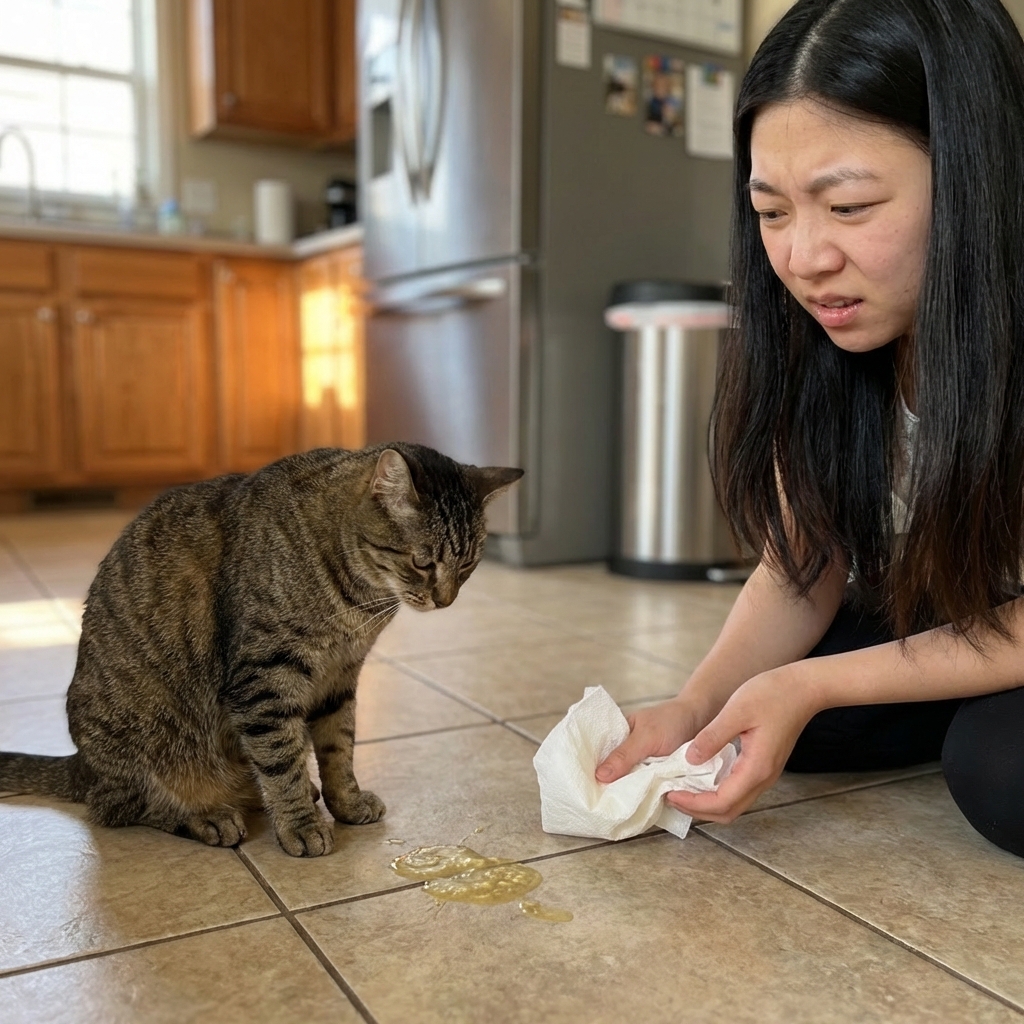
People often say “vomiting,” but sometimes it is actually regurgitation or a hairball episode. These details help you and your vet narrow down the cause.
- Vomiting: active heaving with abdominal effort. Often liquid or partially digested food. Can happen minutes to hours after eating.
- Regurgitation: food comes back up with little effort, often looks like a tube or pile of undigested kibble. Usually soon after eating.
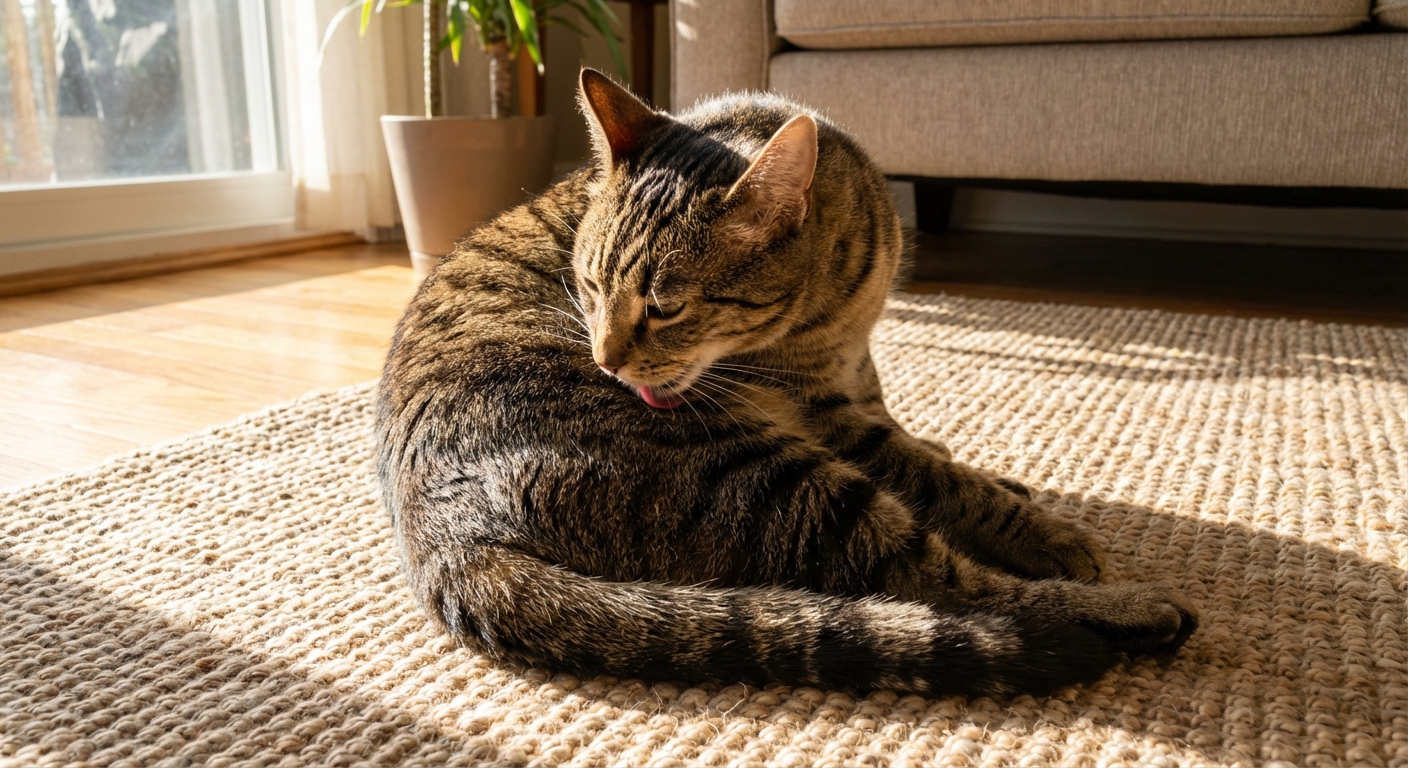
- Hairball episode: repeated gagging or retching, then a cylindrical wad of hair may come up (sometimes with foamy fluid).
Note: If you are seeing true coughing (not gagging or retching), that can also point to respiratory disease like asthma. That is worth a vet call, especially if breathing looks hard or fast.
If you can safely take a quick photo of what your cat brings up, it can be surprisingly helpful at the appointment.
How often is too often?
A single vomit, then normal behavior, is often mild. But vomiting that is more than once in 24 hours, becomes a weekly pattern, or is increasing in frequency should be discussed with your vet. Chronic vomiting is not something to write off as “just hairballs,” even in long-haired cats.
Common causes
Eating too fast
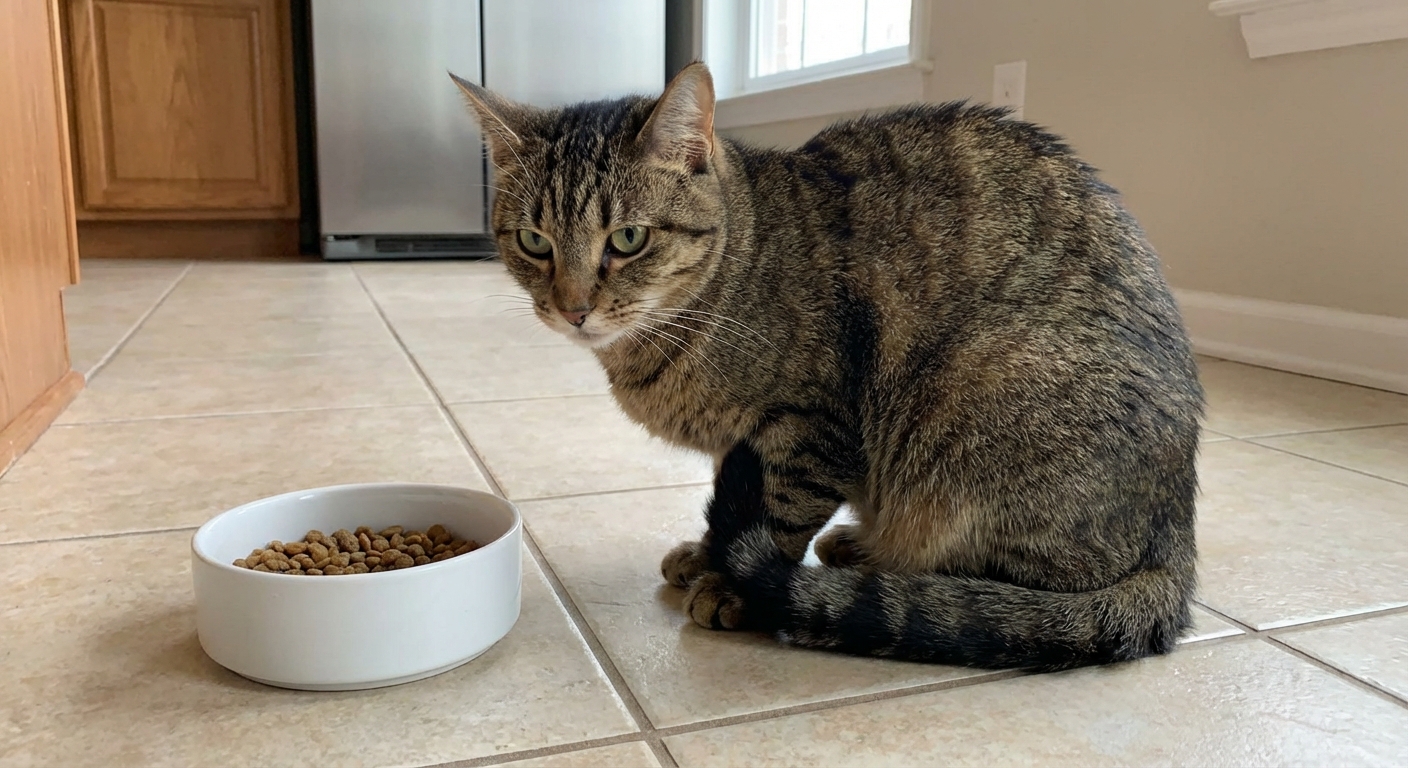
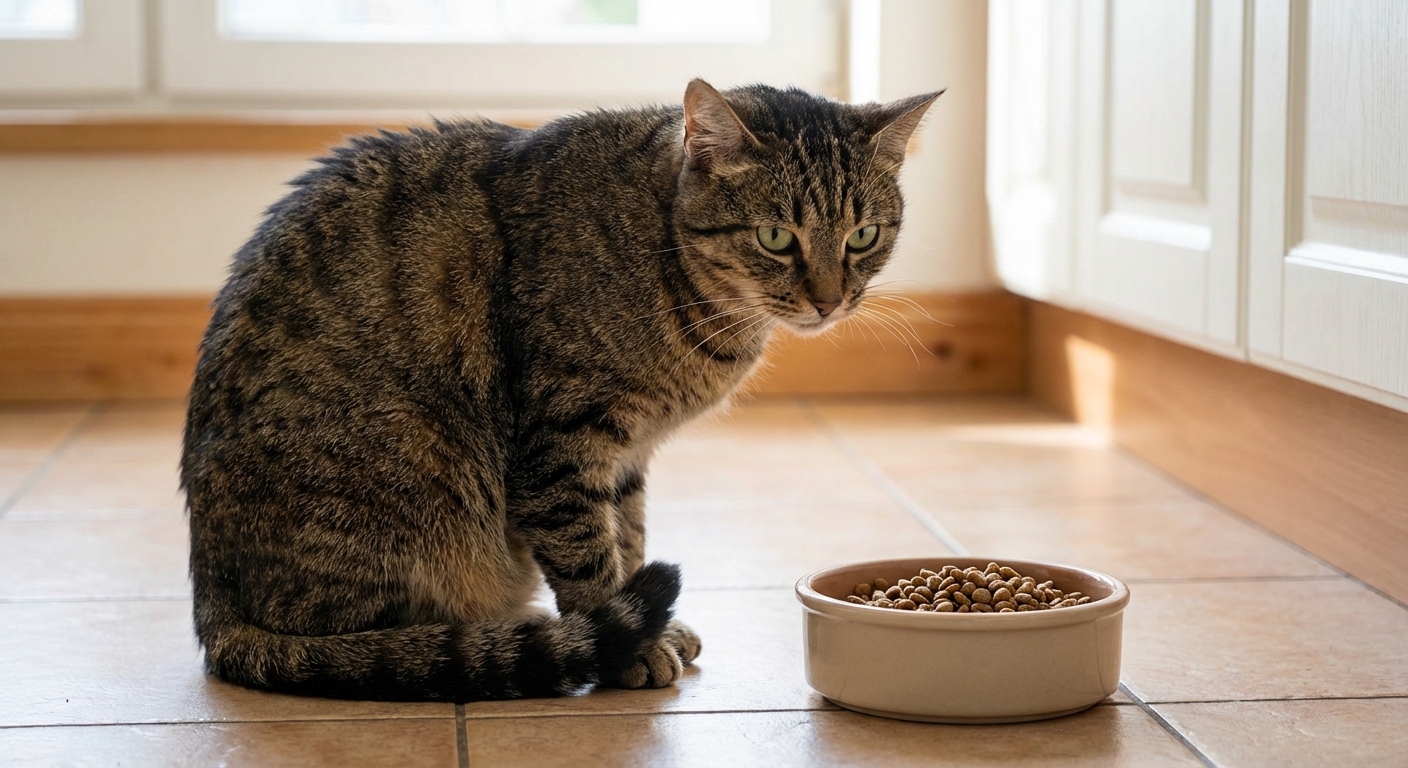
Fast eaters swallow air and overfill their stomach, which can trigger vomiting or regurgitation right after meals. This is especially common in multi-cat homes or with cats who feel they need to compete for food.
Diet change
Cats tend to have sensitive digestive systems. Switching foods too quickly can cause vomiting, soft stool, gas, or refusal to eat. A gradual transition is usually easier on the stomach.
Food sensitivity or allergy
Some cats react poorly to certain ingredients or proteins. True food allergy is less common than general food sensitivity or intolerance, and vomiting alone is not very specific. If food is a concern, diagnosis usually requires a strict elimination diet trial (often a hydrolyzed or novel protein diet) with no extra treats or flavored medications unless your vet approves.
Food-related issues are more suspicious if vomiting comes with itchy skin, excessive grooming, ear debris, or chronic loose stool.
Hairballs and heavy grooming
Cats swallow hair while grooming. If hair does not pass through the intestines well, it can trigger repeated vomiting. Long-haired cats, senior cats, and cats with skin allergies may struggle more.
Empty stomach bile vomiting
Some cats vomit yellow foam or bile, especially early morning. Small, frequent meals sometimes help. Still, frequent bile vomiting can also signal reflux, motility problems, or underlying GI disease, so it is worth discussing with your vet if it keeps happening.
Dietary indiscretion
Garbage raiding, rich people food, sudden new treats, or getting into another pet’s food can irritate the stomach and trigger vomiting.
Parasites or infectious GI disease
Intestinal parasites are less common in strictly indoor adult cats, but they still happen. Vomiting can also occur with infectious gastroenteritis.
Medication or supplement side effects
Some medications and supplements can upset the stomach. If vomiting started right after a new prescription, chewable, oil, vitamin, or dewormer, let your vet know. Never give human pain medications to cats.
More serious causes to rule out
If vomiting is frequent or your cat seems unwell, your veterinarian may consider inflammatory bowel disease (IBD), pancreatitis, kidney disease, hyperthyroidism, food-responsive enteropathy, toxin exposure, or gastrointestinal blockage (foreign body). These require proper testing and treatment.

When it is an emergency
Please seek urgent veterinary care (same day or emergency clinic) if you notice any of the following:
- Repeated vomiting or inability to keep water down
- Blood in vomit (red or coffee-ground appearance)
- Severe lethargy, collapse, or painful belly
- Swollen abdomen, unproductive retching, or signs of distress
- Possible foreign body ingestion: string, thread, ribbon, tinsel, hair ties, rubber bands, foam earplugs, toys
- Vomiting plus diarrhea with weakness or dehydration
- Known toxin exposure (medications, cleaners, essential oils)
- Any lily exposure: treat this as an emergency for cats, even if your cat seems fine right now
- Kittens, seniors, or cats with chronic illness (they can decline faster)
If you are unsure, call your vet or an emergency clinic and describe what you are seeing.
At-home care for mild, one-time vomiting
If your cat vomits once, then acts normal, and there are no red flags, simple supportive steps often help. The goal is to reduce stomach stress and prevent dehydration.
1) Brief food pause, then small meals
For many adult cats, you can withhold food for a short period (often 2 to 4 hours), then offer a small portion. Avoid long fasting in cats, especially overweight cats, because it can increase the risk of hepatic lipidosis (fatty liver). If your cat is a kitten or has diabetes or other medical issues, ask your veterinarian before restricting food.
2) Hydration
Offer fresh water. Some cats do better with a fountain or multiple bowls. If your cat vomits water immediately, that is a reason to call the vet.
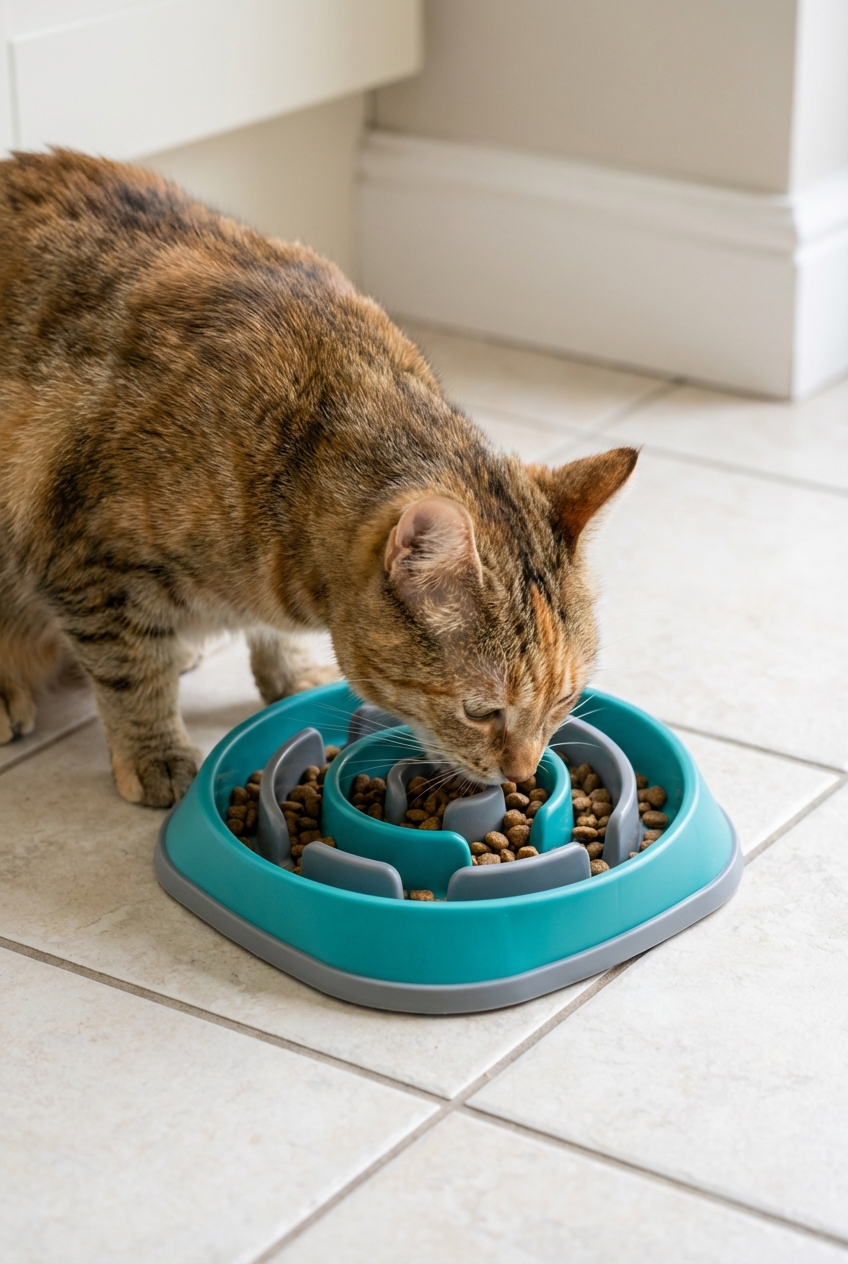
3) Slow down eating
- Use a puzzle feeder or slow-feed bowl designed for cats.
- Spread kibble on a large plate or baking sheet instead of a deep bowl.
- Feed smaller meals more often (for example, 3 to 5 mini meals).
- In multi-cat homes, feed cats separately so there is no competition.
4) Gentle diet plan with your vet
Many cats do well with a highly digestible veterinary diet during tummy upset, then a slow transition back to their regular food. Avoid giving human medications like Pepto-Bismol, ibuprofen, or acetaminophen. Some common products are dangerous to cats.
5) Hairball support
If hairballs seem likely, gentle daily brushing can make a big difference. Your vet may also recommend a hairball gel or a diet formulated to help hair pass through the GI tract more easily, especially for long-haired cats.
Tracking helps your vet
When vomiting becomes “a thing,” good notes speed up answers. Here is what to track for 7 to 14 days:
- Timing: right after eating or hours later
- Frequency: once a week, daily, multiple times a day
- Appearance: undigested food, foam, bile, hair, blood
- Food details: brand, flavor, treats, table scraps, new items
- Behavior changes: hiding, crying, appetite change, weight loss
- Litter box: diarrhea, constipation, straining, stool frequency
- Possible exposures: plants, strings, hair ties, medications, cleaners
What your vet may do
If vomiting is ongoing or your cat has other symptoms, your veterinarian may recommend:
- Physical exam: checks hydration, abdominal discomfort, weight and body condition
- Fecal testing: looks for parasites or other GI issues
- Bloodwork and urinalysis: screens for kidney disease, hyperthyroidism, infection, dehydration, pancreatitis clues
- X-rays or ultrasound: assesses for foreign bodies, constipation, organ changes, masses
- Diet trial: a structured plan to test for food sensitivity, often with a hydrolyzed or novel protein diet
The goal is not to run every test. It is to rule out urgent causes first, then build a realistic plan your cat will actually tolerate.
Prevention tips
- Transition foods slowly: over 7 to 10 days, mixing increasing amounts of the new food.
- Keep treats simple: too many rich treats can trigger vomiting.
- Measure portions: overeating can cause stomach upset and weight gain.
- Reduce stress: changes in the home can affect digestion. Provide quiet feeding spots, routine, and enrichment.
- Grooming support: regular brushing, especially during seasonal shedding.
The bottom line
One episode of vomiting after eating can be as simple as “too fast, too much.” But repeated vomiting, weight loss, lethargy, or any red-flag signs deserve a veterinarian visit. With the right observations and a step-by-step plan, most cats can feel better quickly and get back to enjoying meals without the drama.
Special note on regurgitation
If you are consistently seeing regurgitation (effortless return of undigested food), call your vet. Persistent regurgitation can be linked to esophageal issues (such as inflammation, stricture, or rarely megaesophagus) and deserves prompt evaluation.