Cat throwing up after meals? Learn the difference between vomiting and regurgitation, common causes (fast eating, hairballs, diet issues, illness), home step...
Article
•
Designer Mixes
My Cat Threw Up His Food: Help & Care

Shari Shidate
Designer Mixes contributor
If your cat just threw up their food, it is scary and frustrating. The good news is that many causes are mild and fixable. The important part is knowing what you are seeing, what to do next, and when vomiting is a true emergency.
As a veterinary assistant, I always tell families this: a single vomiting episode in an otherwise normal, bright cat can often be monitored at home. That is a guideline, not a rule. If your cat is very young, a senior, has a chronic condition, has a history of GI disease, or could have gotten into a toxin or string-like object, it is safer to call your veterinarian sooner.
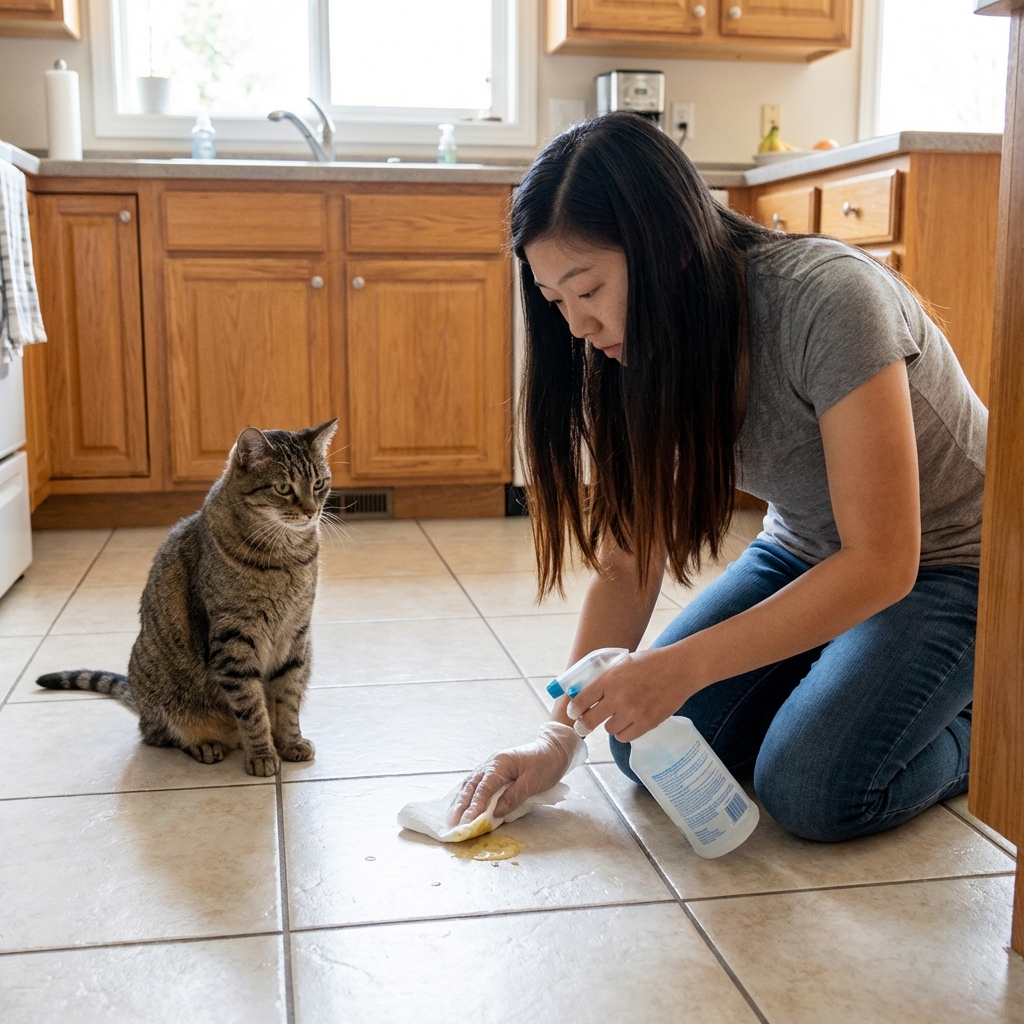
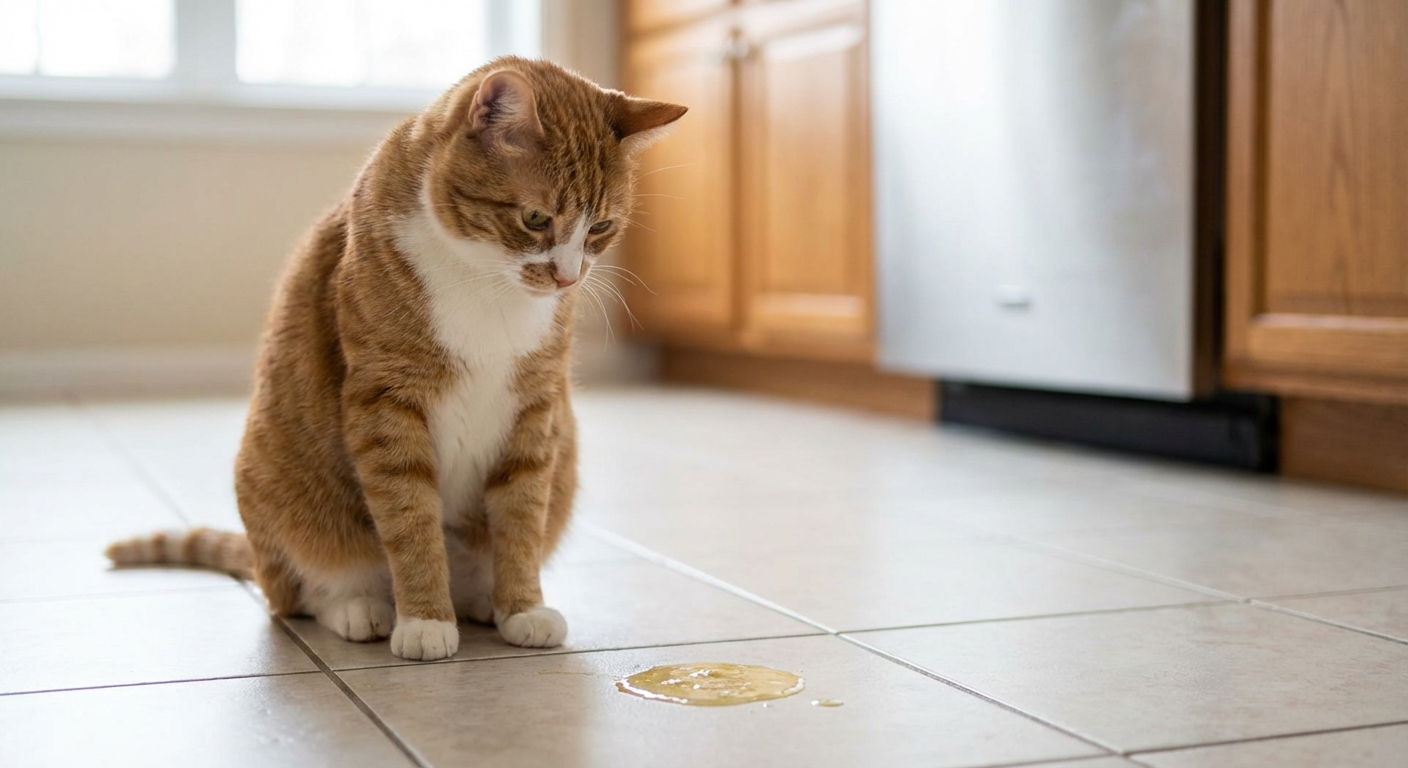
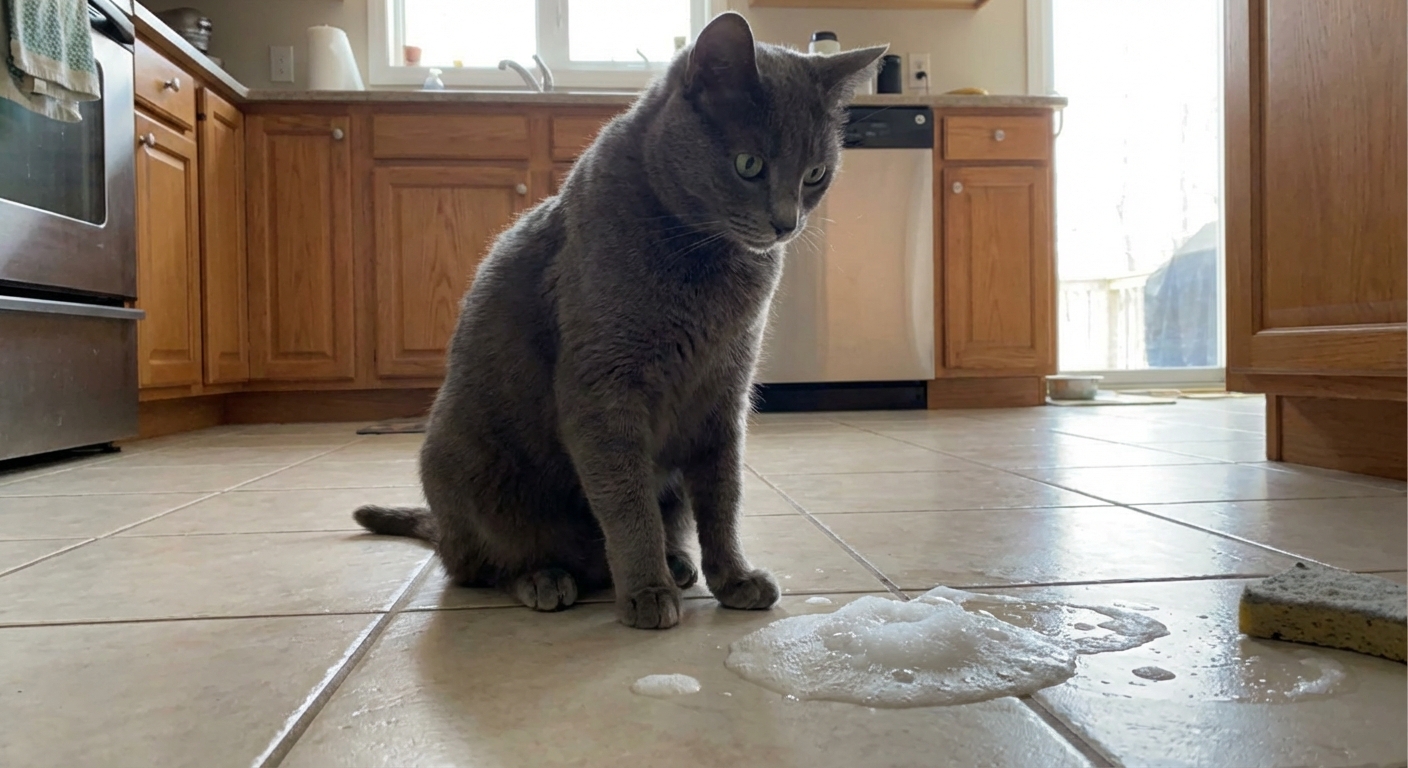
First, what did you see?
People say “vomit” for a few different things, and the differences matter.
Vomiting vs. regurgitation
- Regurgitation usually happens right after eating. Food comes up with little effort, often in a tube or pile shape, and may look like it was barely swallowed. Cats often act fairly normal right afterward.
- Vomiting tends to involve heaving or abdominal contractions. The material can be partially digested, foamy, yellow, or mixed with hair or liquid.
If it looks like effortless “food came back up” shortly after eating, you may be dealing with regurgitation from eating too fast, gulping, stress, or an esophageal issue. True vomiting has a broader list of causes.
Vomiting vs. coughing or hacking
Some cats who are coughing, gagging, or having an asthma flare look like they are “trying to vomit” (especially with a low stance and neck stretched out). A few clues:
- Coughing is often loud, repetitive, and can end with swallowing, retching, or spitting up a little foam, but not a true food pile.
- Vomiting usually produces stomach contents (food, liquid, bile), often after clear nausea signs (lip smacking, drooling, hiding).
If you are unsure, take a short video for your vet. It helps more than you would think.
Quick vomit appearance guide
Appearance alone cannot diagnose the cause, but it can help you and your vet triage what is going on when you pair it with timing and symptoms.
- Undigested kibble or wet food: often eating too fast, sudden diet change, stress, or mild stomach upset.
- Hair in a tubular clump: hairball or hair-related irritation.
- Yellow foam or liquid: often bile or stomach fluid. Sometimes this happens on an empty stomach, but it can also happen with reflux or GI irritation.
- Clear or white foam: nonspecific stomach fluid or foam, often seen with nausea or mild irritation.
- Dark brown, granular “coffee grounds”: can indicate digested blood in vomit. Seek urgent veterinary care.
- Bright red blood: can be from irritation, but still needs prompt vet guidance, especially if more than a small streak.
Note: “Black and tarry” most often describes stool (melena), not vomit. If your cat has black, tar-like stool, that is also urgent.
Why cats throw up food
Here are the most common reasons I see in practice. Some are mild, and some are serious, so the pattern is important.
- Eating too fast (scarf and barf): very common in multi-cat homes or anxious cats.
- Sudden food changes: switching brands, flavors, treats, or introducing rich foods can trigger vomiting.
- Hairballs and grooming: more common in long-haired cats and heavy shedders.
- Food sensitivity or intolerance: can cause vomiting or soft stools. Some cats also have skin or ear issues, but those signs can have multiple causes (allergies, infections), so it is not diagnostic on its own.
- Diet texture issues: some cats do better with smaller kibble, a different wet food texture, or added water.
- Parasites: especially in kittens, outdoor cats, or newly adopted cats.
- Inflammatory bowel disease (IBD): can cause chronic vomiting, weight loss, appetite changes, or diarrhea.
- Pancreatitis: can cause nausea, reduced appetite, and pain.
- Kidney disease, liver disease, hyperthyroidism: common in older cats and can cause vomiting and weight changes.
- Foreign body or obstruction: string, ribbon, toy pieces, hair ties. This is an emergency risk.
- Toxins: lilies, certain essential oils, human meds, rodent bait, and many household items.
What to do right now
1) Check your cat’s overall condition
Ask these quick questions:
- Is your cat bright, responsive, and walking normally?
- Are they breathing comfortably?
- Do they seem painful (hunched posture, hiding, growling when touched)?
- Have they vomited more than once today?
- Are they able to keep water down?
- Any diarrhea or straining in the litter box?
- Any subtle changes like hiding, not greeting you, or skipping meals?
If your cat seems normal otherwise and this was a single episode, home monitoring is often reasonable.
2) Consider a short food pause (adults only)
- Adult cats: If vomiting just happened, you can remove food for 2 to 4 hours to let the stomach settle. Some cats do better with a shorter pause, so use this as a cautious option, not a strict rule. Always provide access to fresh water.
- Kittens (under 6 months), diabetics, and frail seniors: do not withhold food without veterinary guidance. They can get into trouble quickly.
- Overweight cats or cats who stop eating: call your vet if your cat will not eat for 24 hours, or sooner if they are overweight. Cats can develop hepatic lipidosis (fatty liver) if they go too long without food.
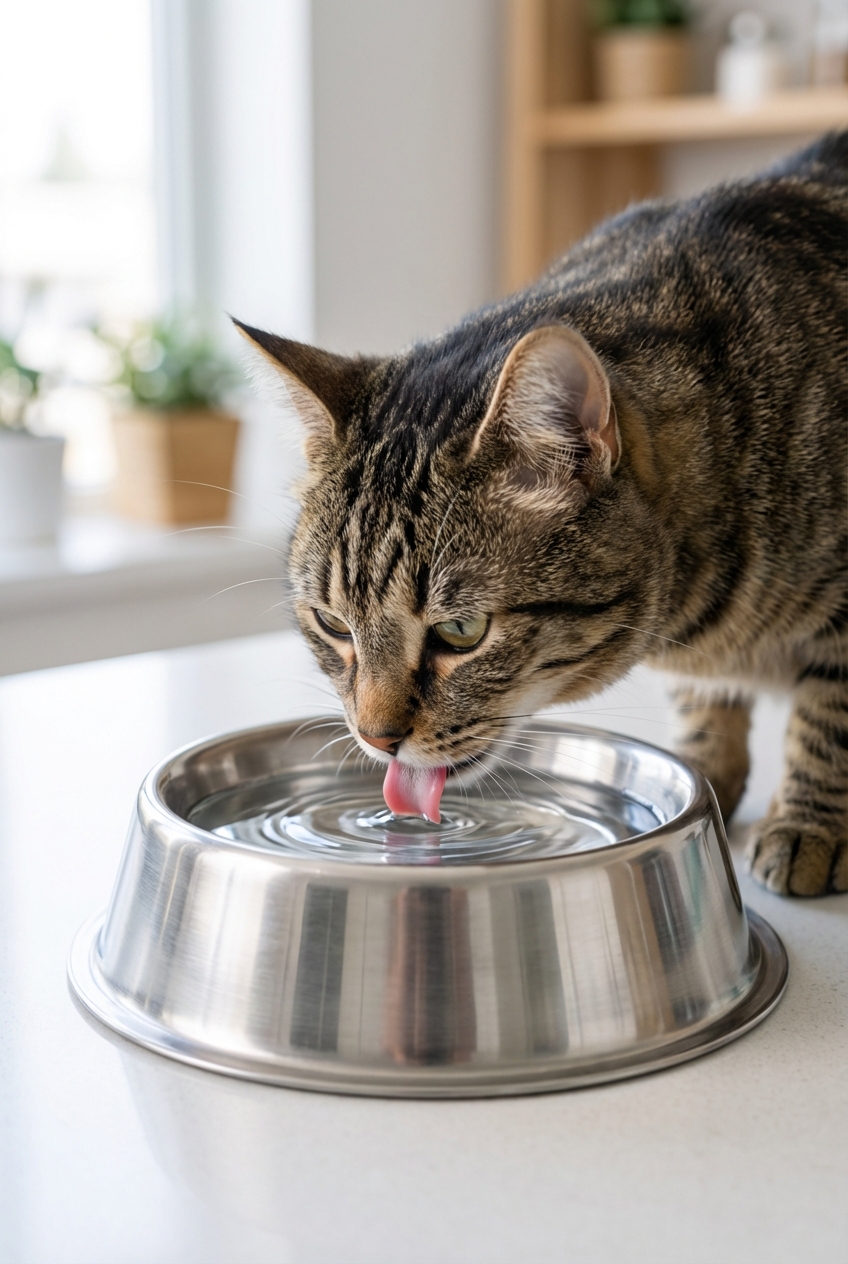
3) Offer small amounts of water
If your cat gulps water and vomits again, offer smaller sips more frequently. Dehydration can sneak up fast with repeated vomiting.
4) Reintroduce food slowly
If there is no more vomiting after a few hours, offer a small meal, not a full portion.
- For many cats, a gentle option is their usual food in smaller portions, warmed slightly, with a bit of added water for hydration.
- Avoid rich treats, dairy, and sudden “new” foods unless your vet has recommended them.
If vomiting returns after you feed, stop home care and call your veterinarian.
5) Start a simple log
This helps you and your vet spot patterns:
- Time of vomiting and how many times
- What it looked like (undigested, hair, foam, yellow fluid)
- Food type and amount
- Any new treats, plants, meds, or stressors
- Appetite, thirst, stool, and energy level
When to call the vet
Please trust your instincts. If something feels off, call your veterinarian or an emergency clinic. This article is educational and not a substitute for an exam and diagnosis.
Go to an emergency vet now
- Repeated vomiting (especially more than 2 to 3 times in 24 hours)
- Blood in vomit (more than a small streak) or dark, granular “coffee grounds” material
- Lethargy, collapse, weakness, or acting “not themselves”
- Signs of pain (hunched, crying, tense belly)
- Suspected string ingestion or foreign body (do not pull any string you see)
- Swollen or tight abdomen
- Unable to keep water down
- Vomiting plus no urination, straining, or crying in the litter box
- Known or possible exposure to lilies, toxins, human medication, or chemicals
Call your vet within 24 hours
- Vomiting returns after you reintroduce food
- Vomiting happens weekly or more (chronic vomiting is not “normal”)
- Weight loss, increased thirst, increased appetite, or poor coat quality
- Vomiting plus diarrhea lasting more than a day
- Your cat is a senior, has kidney disease, diabetes, or other chronic conditions
- Your cat is not eating normally for a full day, or sooner if overweight
If toxins are possible
If you suspect your cat got into something toxic, call your vet or an animal poison hotline right away. These services may charge a fee:
- ASPCA Animal Poison Control
- Pet Poison Helpline
How to prevent scarf and barf
If your cat tends to throw up right after meals, slow feeding is often a game changer.
- Smaller, more frequent meals: divide daily food into 3 to 6 feedings if possible.
- Use a puzzle feeder: encourages natural foraging and slows intake.
- Spread kibble out: a large shallow plate can work for some cats.
- Separate cats at mealtimes: reduces competition anxiety.
- Consider wet food or add water: can reduce rapid gulping and support hydration.
Hairballs: what helps
Hairballs are common, but frequent vomiting is still worth discussing with your veterinarian. Sometimes “hairball vomiting” is actually underlying nausea or inflammation.
Helpful options
- Brush routinely: daily for long-haired cats, a few times weekly for short-haired cats.
- Hydration: wet food, water fountains, and adding water to meals can help move hair through the GI tract.
- Fiber support: some cats benefit from a veterinarian-approved hairball diet or fiber supplement.
- Hairball gels: can help in some cases, but use as directed and ask your vet if your cat has other medical issues.
What to be careful with
- Oils and “home remedies” can cause diarrhea and may not be appropriate for cats with a sensitive stomach or a history of pancreatitis.
- Frequent vomiting should not be dismissed as just hairballs, especially if there is weight loss or appetite changes.
What your vet may recommend
Depending on your cat’s age, symptoms, and exam findings, your veterinarian may suggest:
- Fecal testing and deworming
- Bloodwork to check kidneys, liver, thyroid, electrolytes
- Urinalysis to assess hydration and kidney function
- X-rays or ultrasound if obstruction, pancreatitis, or IBD is suspected
- Prescription GI diet trial (often 2 to 8 weeks)
- Anti-nausea medication (never use human meds unless your vet instructs)
- Probiotics specific to cats
Home monitoring checklist
If your cat vomited once and seems normal: consider a short food pause (adult cats), offer small water sips, then feed a small meal. Monitor closely for 24 hours. If vomiting repeats, or your cat seems unwell, call your vet.
- Energy level normal
- Gums moist, not tacky
- No repeated vomiting
- Normal urination and stool
- Eating and drinking normally within 12 to 24 hours
Bottom line
Most single episodes of “threw up food” are related to speed eating, hair, or a mild stomach upset. The red flags are repeated vomiting, blood, pain, inability to keep water down, not urinating, and any suspicion of toxins or foreign objects. When in doubt, call your veterinarian. Early intervention is often simpler, less stressful, and less expensive.