A vet assistant explains common reasons cats sneeze—URIs, irritants, dental disease, allergies, foreign objects—and how to triage symptoms, try safe home...
Article
•
Designer Mixes
My Cat Sneezes a Lot

Shari Shidate
Designer Mixes contributor
As a veterinary assistant here in Frisco, Texas, I hear this question all the time: “My cat sneezes a lot, is that normal?” A sneeze here and there can be totally harmless. But frequent sneezing, especially with eye or nose discharge, can be your cat’s way of saying “something is irritating my airways” or simply “I don’t feel great.”
This guide walks you through the most common causes, what you can safely do at home, and when it’s time to call your veterinarian.
What counts as “a lot” of sneezing?
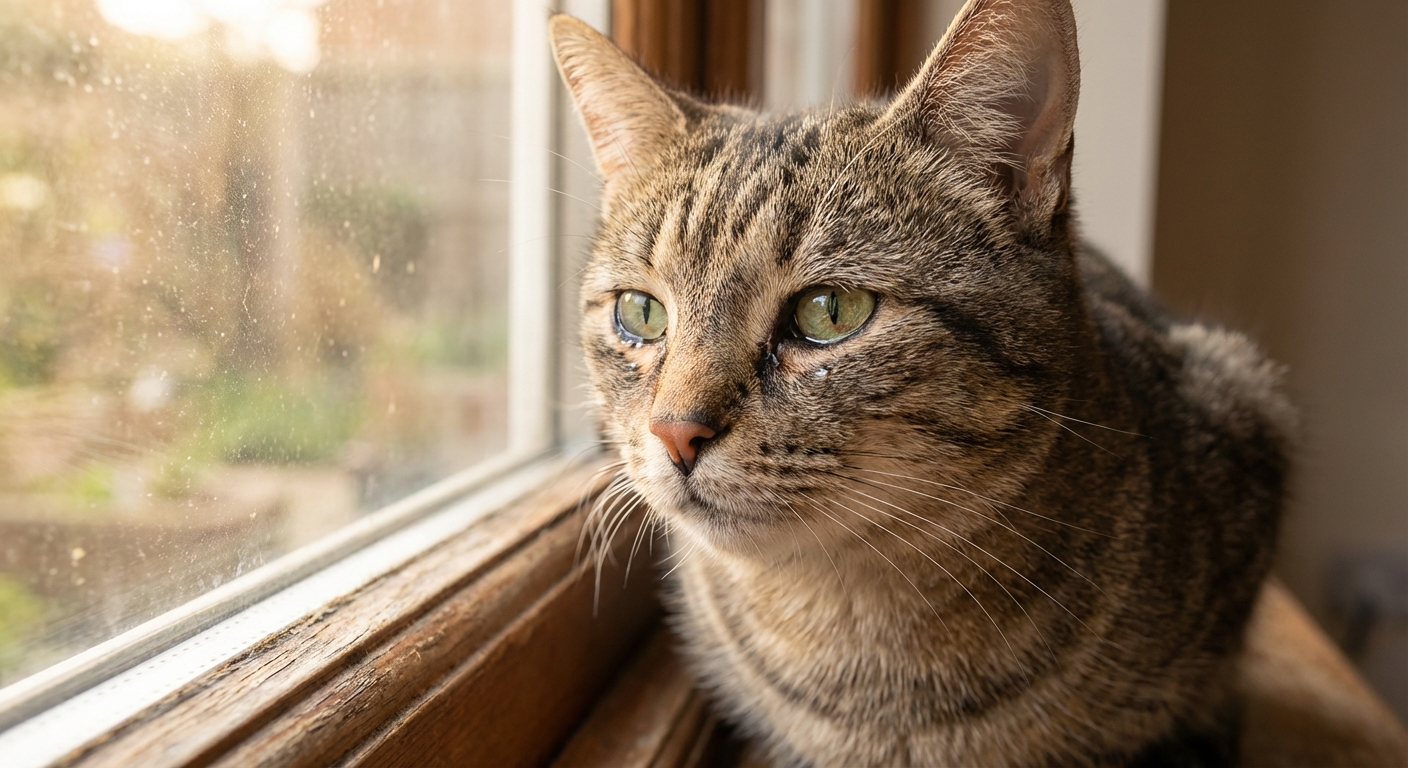
Occasional sneezing can happen after your cat sniffs dusty corners or gets into something with a strong scent. I start paying closer attention when sneezing is:
- Frequent (multiple times a day for more than 1 to 2 days)
- In fits (several sneezes in a row, repeatedly)
- Paired with symptoms like runny nose, watery eyes, squinting, coughing, noisy breathing, or decreased appetite
- New or worsening in a kitten, senior cat, or any cat with other health conditions
Common reasons cats sneeze a lot
1) Upper respiratory infection (URI)
This is one of the most common reasons for repeated sneezing. Many URIs are caused by viruses such as feline herpesvirus (FHV-1) or calicivirus. These can flare up again during stress, moving, boarding, or a new pet in the home.
- What you might see: sneezing, watery eyes, squinting, clear to colored nasal discharge, congestion, decreased appetite (often because they can’t smell well)
- Typical course: mild cases often improve over about 7 to 10 days, but kittens and fragile cats can worsen faster
- Why it matters: some cats develop secondary bacterial infections or eye ulcers that need treatment
2) Allergies or environmental irritants
Cats can react to dust, pollen, smoke, strong fragrances, cleaning sprays, incense, essential oil diffusers, and certain types of litter. Even “natural” products can be irritating to feline airways.
- Clues: sneezing that’s worse after cleaning, changing litter, burning candles, or during seasonal changes
3) Dental disease or tooth root issues
It surprises many cat parents, but infected teeth and inflamed gums can affect the nasal passages. Cats may sneeze, have nasal discharge, or show bad breath.
- Clues: drooling, pawing at the mouth, reluctance to eat crunchy food, bad breath, facial sensitivity
4) Foreign material in the nose
Grass blades, plant debris, or tiny particles can get lodged in the nasal passages. This often causes sudden, intense sneezing.
- Clues: sudden onset, one-sided discharge, repeated sneezing fits
5) Chronic inflammation, polyps, or less commonly tumors
Chronic sneezing that doesn’t improve, especially in older cats, can sometimes be linked to growths or ongoing inflammation in the nasal passages.
- Clues: long-term sneezing, noisy breathing, blood-tinged discharge, one-sided symptoms, weight loss
6) Other issues to keep in mind
Not all “sneezing and noise” is just a simple cold. Coughing or wheezing can point to lower airway disease (like asthma or bronchitis) and is a good reason to schedule a vet visit.
Also, in chronic or unusual cases, veterinarians may consider less common causes such as fungal infections (for example, cryptococcosis) or other nasal conditions, especially if symptoms are persistent or one-sided.
7) Vaccines and multi-cat history
Kittens, newly adopted cats, and cats from multi-cat environments are more likely to have viral respiratory infections. Vaccines can reduce severity and complications, but vaccinated cats can still become infected and show signs.
Quick guide to nasal discharge
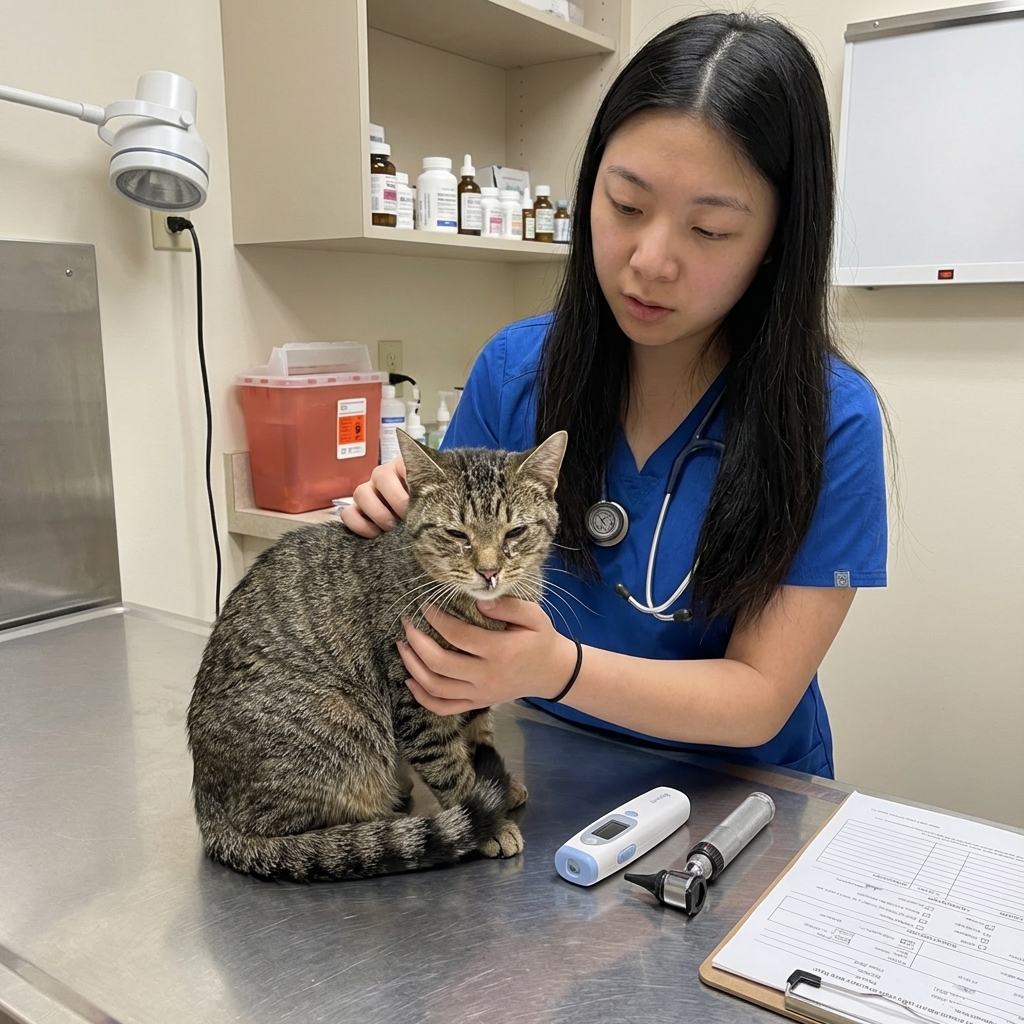
This isn’t a diagnosis, but it can help you decide how urgent things are. Keep in mind that discharge color alone doesn’t confirm a cause. Viruses can produce colored mucus too, and inflammation can change what you see.
- Clear, watery discharge: often viral infection or irritation
- Thick yellow or green discharge: can suggest secondary bacterial infection or significant inflammation
- Bloody discharge: can happen with severe inflammation, trauma, foreign material, dental disease, or other causes and should be checked promptly
- One-sided discharge: raises suspicion for a foreign body, dental root issue, polyp, or localized problem
What you can do at home
Support breathing and comfort
- Humidity helps: run a humidifier, or let your cat sit with you in a steamy bathroom for 10 to 15 minutes (don’t put your cat in the shower). Supervise closely, keep the room comfortable (not hot), and stop if your cat seems stressed.
- Wipe the nose and eyes: use a warm, damp cotton pad to gently remove crusting so your cat can breathe more easily.
- Encourage eating: warm wet food slightly to boost aroma. Good nutrition matters, especially during a URI.
- Reduce irritants: avoid smoke, aerosols, heavy fragrances, and essential oil diffusers. Switch to a low-dust, unscented litter if needed.
Limit spread in multi-cat homes
Many URIs are contagious between cats. If you have multiple cats, it’s smart to take simple precautions until your sneezing cat is improving.
- Separate food and water bowls if you can.
- Use a separate litter box for the sick cat when possible.
- Wash your hands after wiping eyes or nose, and clean shared surfaces.
Monitor the basics
- Track sneezing frequency, appetite, energy, and litter box habits.
- Note whether discharge is clear or colored and if symptoms are one-sided or on both sides.
- If you can, take a short video of the sneezing or noisy breathing for your vet.
What to avoid
- Don’t give human cold medicines (many are toxic to cats).
- Don’t use essential oils as a “natural decongestant.” Many oils can be irritating or harmful to cats.
- Don’t force-feed or force water if your cat is struggling to breathe or seems stressed. Call your vet instead.
When to call the vet
It’s always okay to call your veterinary clinic for guidance, especially if you’re noticing changes that feel off for your cat.
Call within 24 to 48 hours if:
- Sneezing lasts more than 2 to 3 days
- Your cat has thick yellow or green discharge
- There is squinting, eye redness, or eye discharge (eye ulcers can happen with herpesvirus)
- Your cat is eating less or seems lethargic
- You have a kitten, senior cat, or immunocompromised cat
- You notice coughing or wheezing (this can be lower airway disease, not just nasal irritation)
Seek urgent care now if:
- Your cat is open-mouth breathing, breathing fast, or seems to be struggling for air (even if it started after play or stress, cats can go downhill quickly)
- Gums look pale, blue, or gray
- There is significant bleeding from the nose
- Your cat isn’t eating for 12 to 24 hours (sooner for kittens)
- You suspect a toxin exposure (including essential oils, strong cleaners, or smoke inhalation)
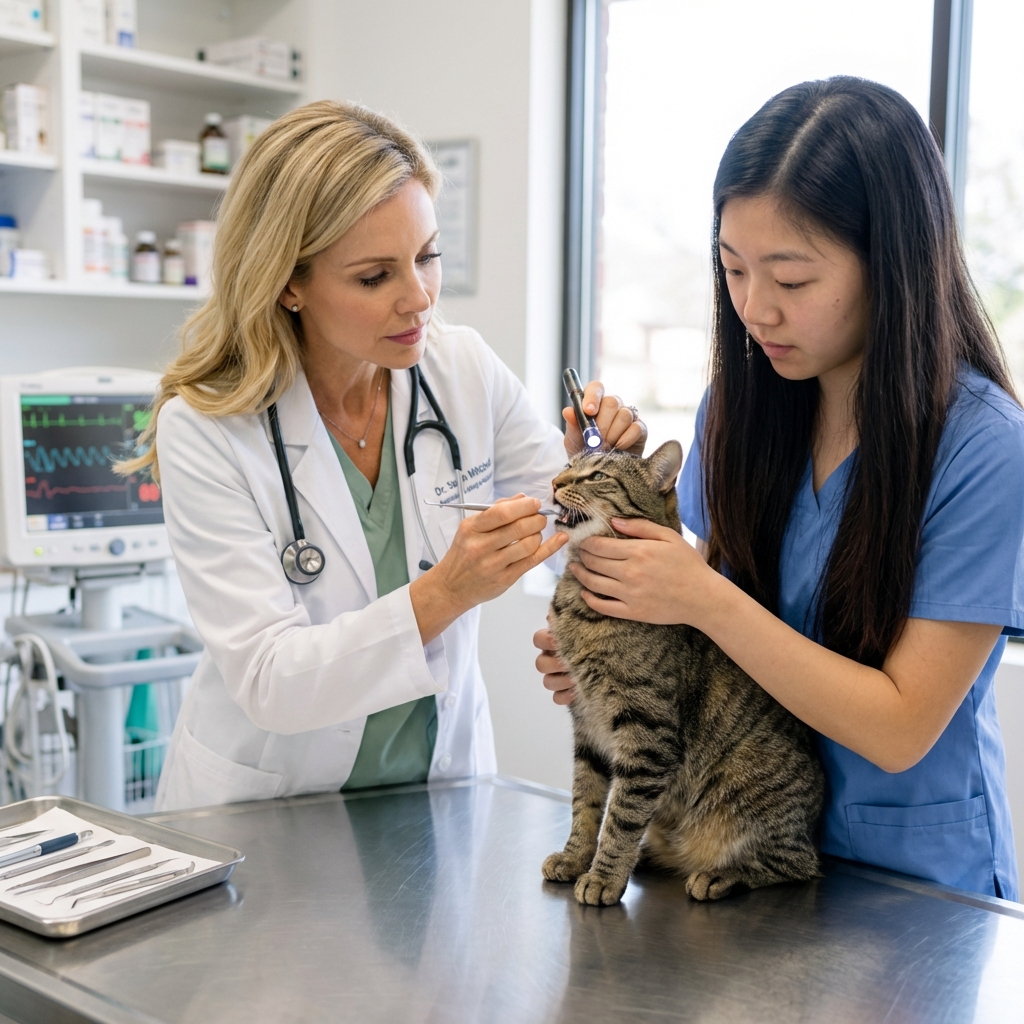
What your vet may recommend
Depending on symptoms and exam findings, your vet may suggest:
- Physical exam of nose, throat, and eyes, plus listening to the lungs
- Eye stain test if squinting or eye pain is present
- Supportive medications for comfort and hydration
- Antibiotics if there is concern for a secondary bacterial infection (antibiotics don’t treat viruses, but they can help complications)
- Testing or imaging for chronic cases, one-sided discharge, or blood-tinged discharge
- Dental evaluation if oral disease is suspected
Preventing future episodes
- Keep vaccines current to reduce severity and complications of respiratory viruses.
- Minimize stress with predictable routines, quiet resting spots, and slow introductions to new pets.
- Improve air quality by avoiding smoke and strong scents, and using a HEPA air purifier if your home is dusty.
- Choose low-dust litter and pour it slowly to reduce airborne particles.
- Schedule dental checkups especially for adult and senior cats.
Bottom line
A cat who sneezes a lot isn’t always an emergency, but it is a meaningful symptom. Most cases are tied to upper respiratory infections or environmental irritation, and supportive care plus a timely vet visit can make a big difference. If your cat’s sneezing is new, frequent, or paired with discharge or appetite changes, it’s worth getting checked.