Learn what to give a vomiting cat: short food rest, small sips of water, bland meals, hairball support, what to avoid, and emergency signs that mean vet care...
Article
•
Designer Mixes
My Cat Is Throwing Up

Shari Shidate
Designer Mixes contributor
If your cat is throwing up, you are not alone. I see this worry all the time, and it can feel extra scary because cats are so good at hiding when they do not feel well. The good news is that many causes are mild and fixable. The important thing is knowing when you can safely monitor at home and when vomiting is a true emergency.
First: what “throwing up” can mean
Pet parents often describe a few different things as “throwing up.” Separating them helps you and your veterinarian get to the right answer faster.
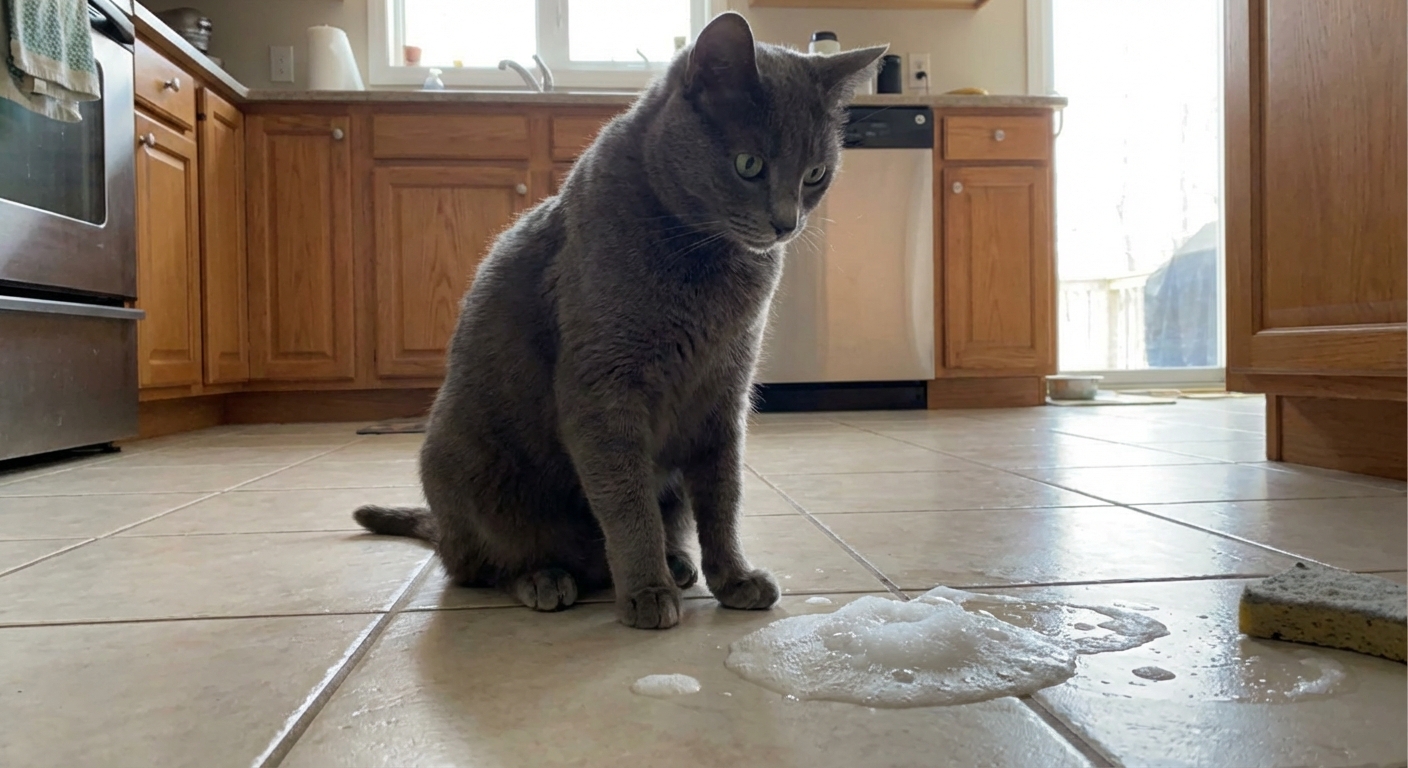
- Vomiting: active heaving and abdominal effort. You may see partially digested food, foam, liquid, bile, or hair. Some cats drool or lick their lips beforehand (nausea signs).
- Regurgitation: food comes up effortlessly, often right after eating, and looks tubular or undigested. This can point to esophagus issues.
- Coughing or hacking: often comes with a honking cough, rapid breathing, or a “throat clearing” sound, and may end with swallowing instead of producing vomit. This is more likely respiratory or hair irritation than true vomiting.
If you can, take a quick video on your phone. It is one of the most helpful things you can bring to a vet visit.
How often is “normal”?
Occasional vomiting happens, especially with hairballs. But routine vomiting is not something you should accept as normal, even if you have heard “cats just do that.” If your cat vomits weekly or more often, it often warrants a closer look. Frequent vomiting can signal inflammation in the stomach or intestines, food sensitivity, parasites, metabolic disease, constipation, or an obstruction.
Common reasons cats vomit
Hairballs and grooming
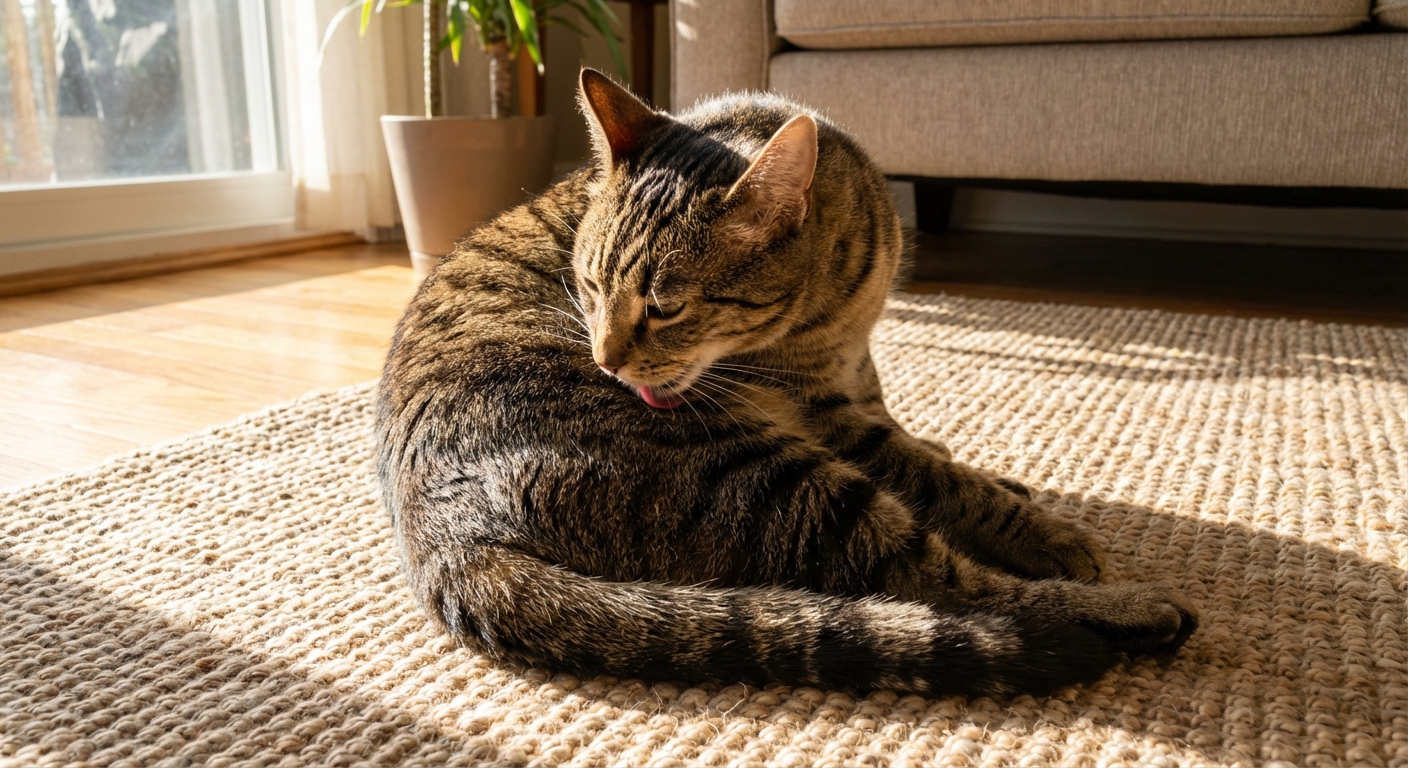
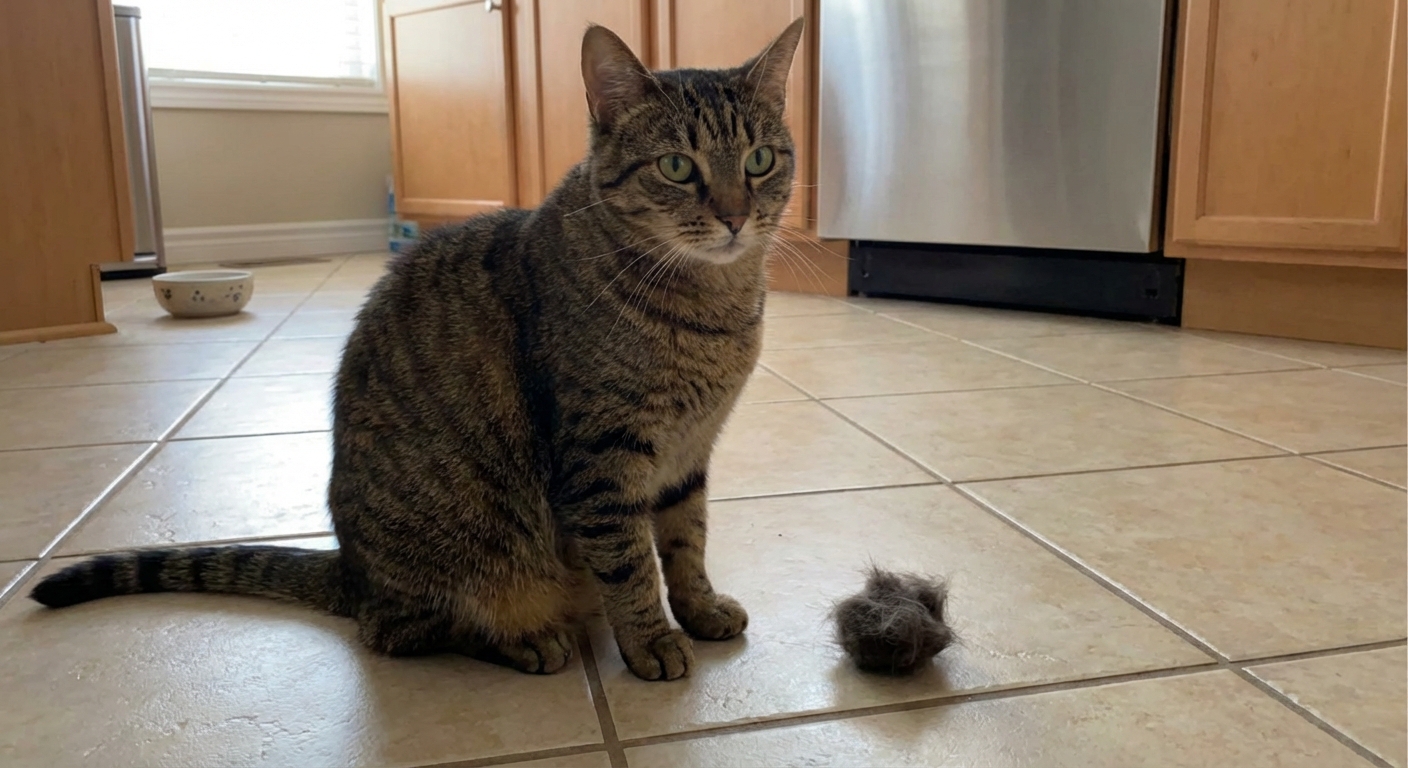
Hairballs are common in cats that groom heavily, shed a lot, or have long coats. Sometimes the “hairball vomit” is just foamy liquid with a little hair. Sometimes a full hairball comes up. If hairballs are frequent, that can still be a red flag for underlying issues like skin allergies, parasites, stress overgrooming, or gastrointestinal inflammation.
Eating too fast or eating too much
Some cats inhale meals and then vomit soon after. This is especially common with multi-cat households where cats feel like they have to compete. Puzzle feeders, slow-feed bowls, and smaller, more frequent meals can help.
Diet changes or food intolerance
A sudden switch in diet can upset the stomach. Some cats also develop sensitivities to certain proteins or ingredients. Vomiting plus diarrhea, gas, or itchy skin can point toward diet-related issues. Your vet may recommend a slow transition, a limited-ingredient diet, or a prescription hydrolyzed diet trial.
Foreign material or toxins
Cats may chew string, ribbon, hair ties, plants, or plastic. Linear objects like string can be especially dangerous. Some common household toxins include lilies, essential oils, certain cleaning products, and human medications.
Medication side effects
Vomiting can also be triggered by medications or accidental exposure. Antibiotics, dewormers, and some supplements can upset the stomach. And if a cat gets into human medications like NSAIDs, acetaminophen, or antidepressants, vomiting may be an early sign of a serious problem. When in doubt, call your veterinarian or a pet poison hotline.
Parasites
Intestinal parasites can cause vomiting, diarrhea, weight loss, or a pot-bellied look. Even indoor cats can get parasites from fleas or tracking microscopic eggs inside.
Constipation
Constipation can cause nausea, decreased appetite, and vomiting. Some cats strain in the litter box, pass small hard stools, or stop producing stools altogether. Hair ingestion and dehydration can make constipation worse, so this can overlap with “hairball” complaints.
Inflammatory bowel disease (IBD) and chronic enteropathy
Chronic vomiting with or without diarrhea, appetite changes, and weight loss can be related to inflammation in the GI tract. Diagnosis often involves lab work, fecal testing, ultrasound, and sometimes biopsies.
Pancreatitis
Pancreatitis can cause vomiting, nausea, lethargy, hiding, and decreased appetite. Cats can be subtle, and sometimes the biggest clue is that they just “aren’t themselves.”
Kidney disease, liver disease, thyroid disease
Metabolic causes are common in adult and senior cats. Vomiting may come along with increased thirst, changes in urination, weight loss, or poor coat quality. Basic bloodwork and a urine test are often the fastest way to screen for these conditions.
Dental or mouth pain
Severe dental disease, mouth ulcers, or a foreign object stuck in the mouth can cause gagging, drooling, pawing at the face, and repeated swallowing. Some owners describe this as “vomiting” even though the stomach is not the source.
Kittens vs seniors
Age matters, and it changes how quickly I want you to call the vet.
- Kittens: dehydration happens fast. Parasites, infections, and foreign body ingestion are more common. If a kitten is vomiting, has diarrhea, or stops eating, call your vet sooner rather than later.
- Senior cats: kidney disease, hyperthyroidism, diabetes, cancer, and chronic GI disease are more common. Subtle vomiting with weight loss or increased thirst deserves prompt evaluation.
When vomiting is an emergency
Please seek urgent veterinary care if you notice any of the following. These are the situations where waiting it out can be risky.
- Repeated vomiting over several hours, or your cat cannot keep water down
- Blood in vomit (bright red or coffee-ground appearance)
- Severe lethargy, weakness, collapse, or pale gums
- Bloated or painful belly, crying, or “praying position”
- Suspected string ingestion or you see string from the mouth or rectum (do not pull it)
- Known exposure to toxins, especially lilies or human medications
- Vomiting plus no appetite for 24 hours, or any time in kittens
- Signs of dehydration (tacky gums, sunken eyes, skin staying tented)
If your gut says your cat looks “off,” trust that instinct. Cats can deteriorate quickly once they stop eating and drinking.
How long is too long?
If your cat has mild vomiting but otherwise seems normal, a single episode may be reasonable to monitor. If vomiting continues beyond 24 hours, keeps happening again and again over several days, or becomes a recurring pattern, call your veterinarian to talk through next steps. Chronic intermittent vomiting is still worth evaluating, even if your cat looks okay between episodes.
What you can do at home
1) Gather helpful info
- How many times has your cat vomited in 24 hours?
- What did it look like: food, foam, bile, hair, foreign material, blood?
- Timing: right after eating, overnight, random?
- Appetite, water intake, energy, stool quality, urination?
- Any new foods, treats, plants, medications, supplements, flea products, or stress?
2) Offer water, but do not force it
Hydration matters. Offer fresh water and consider a cat fountain. If your cat vomits water repeatedly, that is a reason to call your veterinarian promptly.
3) Be cautious with withholding food
Unlike many dogs, cats are more vulnerable to complications if they go too long without eating, especially overweight cats (hepatic lipidosis, also called fatty liver disease). For mild, single-episode vomiting in an otherwise bright cat, your vet may suggest a short break and then a bland, easily digestible meal in small portions. But do not fast a cat for long periods unless your veterinarian specifically instructs you.
4) Feed small, frequent meals
If your cat is acting normal and your veterinarian agrees home monitoring is appropriate, smaller portions can reduce stomach overload. Slow feeders help cats that eat too fast.
5) Hairball support and grooming
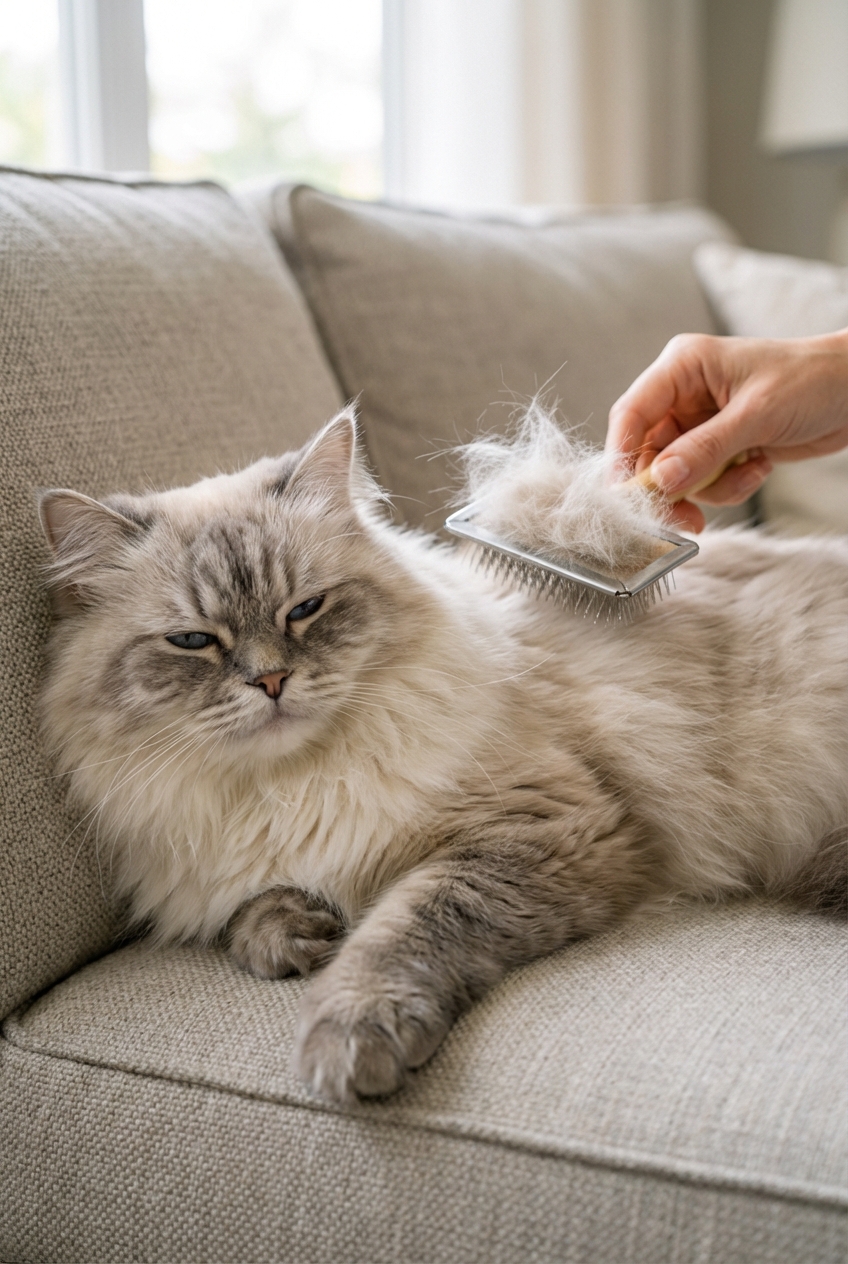
Daily brushing during shedding seasons is one of the most effective, low-cost steps you can take. Your vet may recommend a hairball diet, fiber support, or a cat-safe lubricant gel. If hairballs are frequent, do not just treat the symptom. Ask why your cat is grooming so much.
6) Avoid home medications unless prescribed
Many human medications are dangerous for cats. Never give Pepto-Bismol (salicylate risk), ibuprofen, acetaminophen, or essential oils. If nausea control is needed, your vet can prescribe cat-safe options such as maropitant or ondansetron when appropriate.
What your veterinarian may do
Vomiting is a symptom, not a diagnosis. Your veterinarian will tailor testing based on your cat’s age, history, and exam.
- Physical exam: hydration, abdominal pain, fever, oral exam, weight check
- Fecal testing: parasites and protozoa
- Bloodwork and urinalysis: kidney, liver, thyroid, electrolytes, infection, inflammation
- X-rays: foreign bodies, obstruction, constipation, masses
- Ultrasound: GI thickness, pancreas, liver, gallbladder, lymph nodes
- Diet trial: especially for suspected food sensitivity or chronic GI disease

Preventing future vomiting
- Transition diets slowly: over 7 to 10 days when possible.
- Use slow feeding strategies: puzzle feeders, multiple small meals, separate feeding stations for multi-cat homes.
- Reduce hair ingestion: consistent brushing, address fleas and skin irritation, ask about allergy support if overgrooming is present.
- Limit access to risky items: string, ribbon, rubber bands, hair ties, tinsel, houseplants that are toxic to cats.
- Review medications: if vomiting starts after a new medication or supplement, call your veterinarian before you stop or change it.
- Routine wellness visits: especially for cats over 7 years old where kidney and thyroid disease become more common.
Quick reference: vomit clues
These clues are not a diagnosis. Many causes overlap, so treat them as context, not proof.
- Undigested food right after eating: eating too fast, regurgitation, food intolerance
- Foamy white vomit: often shows up with nausea or an empty stomach, but it is nonspecific and can occur with many conditions
- Yellow liquid (bile): can happen on an empty stomach, but it is also nonspecific and may occur with GI irritation, pancreatitis, toxins, and more
- Hairball present: grooming, shedding, underlying GI or skin issues if frequent
- Green material: may be bile or something ingested; prompt vet advice is recommended, especially if repeated or paired with lethargy
- Black or coffee-ground material: can indicate digested blood; urgent evaluation is recommended
- Bright red blood: fresh bleeding; prompt evaluation is recommended
Bottom line
A single vomit episode in a bright, otherwise normal cat may be mild, but repeated vomiting, vomiting with lethargy, dehydration, pain, blood, or appetite loss deserves prompt veterinary attention. You know your cat best. If something feels different, it is worth a call.
If you are ever unsure, bring a photo of the vomit, a list of foods and treats, and a timeline of symptoms. That little bit of detective work can make a big difference in getting your cat feeling better quickly.