A complete guide to cat sneezing: common causes (URIs, irritants, dental issues), safe home care steps, what not to do, and clear red flags for urgent vet care.
Article
•
Designer Mixes
My Cat Is Sneezing: Need-to-Know Tips

Shari Shidate
Designer Mixes contributor
If your cat is sneezing, you are not alone. In my work as a veterinary assistant, I see this concern all the time. The good news is that some causes are mild and you can take a few safe steps at home.
Quick safety note: Home care is only appropriate for short-term, mild sneezing in a cat who is eating, bright, and breathing normally. Cats can deteriorate quickly, so when in doubt, call your veterinarian.
What sneezing can mean
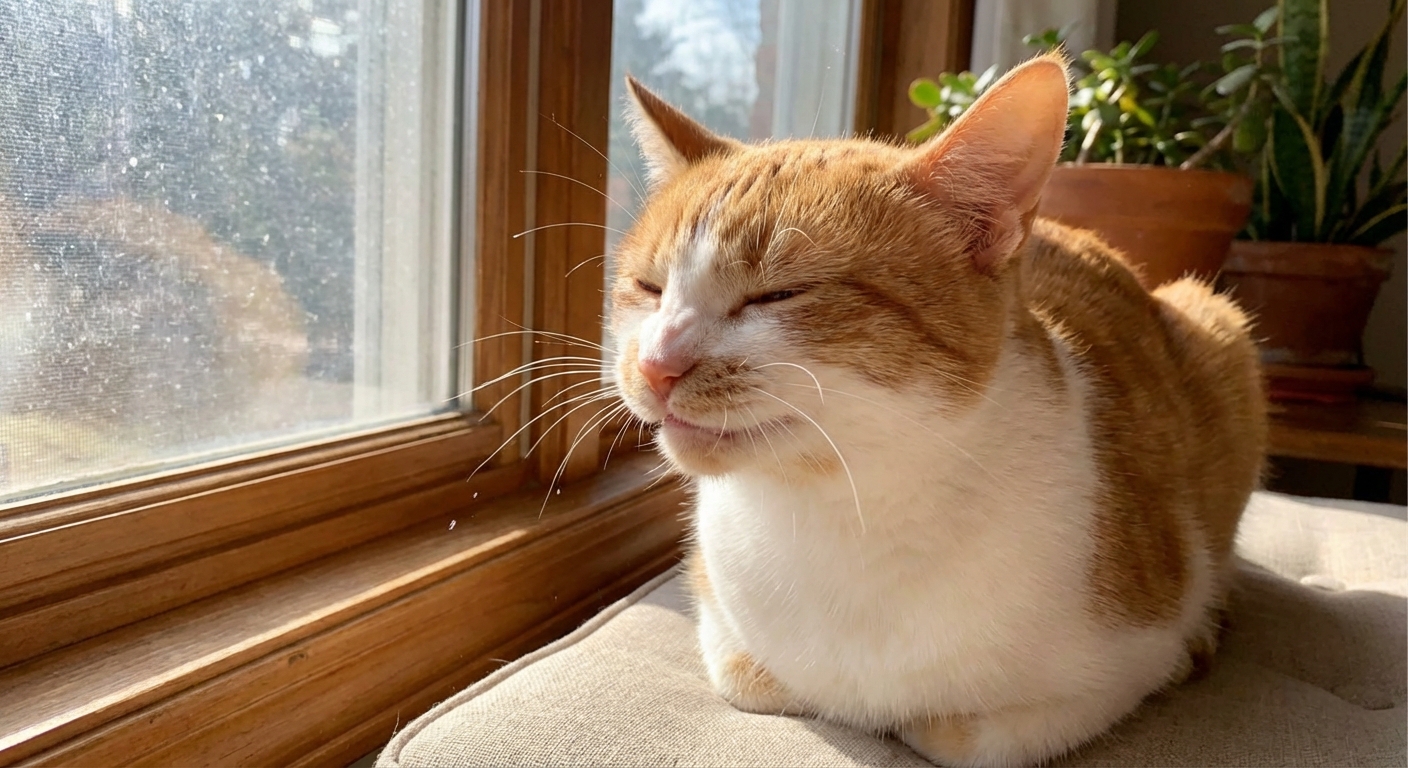
A sneeze is your cat’s way of clearing irritation from the nasal passages. An occasional sneeze or two can happen from something as simple as dust. Repeated sneezing, ongoing congestion, or discharge can point to infection, irritants, dental disease, or other issues.
Think of sneezing as a symptom, not a diagnosis. Your job is to notice patterns and any other changes that show up alongside it.
Common reasons cats sneeze
1) Upper respiratory infections
Viral upper respiratory infections are very common, especially in kittens, newly adopted cats, shelter cats, or multi-cat homes. The usual culprits include feline herpesvirus (FHV-1) and calicivirus. These viruses can irritate the nose and eyes, causing sneezing and watery discharge.
Some cats also develop secondary bacterial infections, which can make nasal discharge thicker, cloudy, or yellow-green. If you have multiple cats, it is smart to reduce close contact, avoid sharing food and water bowls, and wash hands between cats while you arrange care.
2) Irritants in the home
Cats have sensitive noses. Sneezing can flare up after exposure to:
- Dusty litter or litter dust when you pour a new box
- Smoke, vaping, candles, incense, or fireplaces
- Strong cleaners, bleach, or ammonia
- Perfumes, air fresheners, essential oil diffusers
- Pollen tracked inside or blowing in through open doors and windows
3) Allergies (less common than many assume)
Some cats do have allergies, but respiratory allergies are generally less common than infections and irritants. Also, many cats with allergies show skin or stomach and intestinal signs more than sneezing alone. Still, seasonal patterns or sneezing that worsens after cleaning, new fragrance products, or new litter can be a clue.
4) Dental disease
This one surprises many pet parents. Infection in an upper (maxillary) tooth root can affect nearby tissues and, in some cases, communicate with the nasal cavity. This can cause sneezing, nasal discharge, or a bad odor from the mouth. Dental pain signs like drooling, pawing at the mouth, or dropping food are also important clues.
5) Foreign material in the nose
A blade of grass or small piece of plant material can trigger sudden, repetitive sneezing. You might see your cat pawing at their face or sneezing in intense bursts.
6) Chronic nasal disease and other less common causes
Nasal polyps, chronic inflammation, and tumors are less common, but they matter because they often cause persistent symptoms, noisy breathing, or one-sided discharge.
There are also rarer infectious causes that a veterinarian may consider in chronic cases, depending on your location and your cat’s history, including fungal disease such as cryptococcosis.
At-home checklist
Before you panic, take a calm, quick inventory. These details help you decide what to do next and they help your veterinarian tremendously.
- How long has it been going on? A day is different than two weeks.
- How frequent are the sneezes? Occasional versus frequent daily spells.
- Any nasal discharge? Clear and watery, thick and cloudy, or bloody.
- Any eye discharge or squinting? Often seen with respiratory infections.
- Appetite and energy? Cats that cannot smell well often stop eating.
- Breathing effort? Open-mouth breathing is always urgent.
- Any cough, gag, or odd “snorting” episodes? Note what you see and when (some people call this reverse sneezing).
- Any recent changes? New litter, cleaning products, smoke exposure, new cat, boarding, grooming, or moving.
Safe things to do at home
For mild sneezing with normal energy, appetite, and breathing, these steps can make your cat more comfortable while you monitor closely for the next 24 to 48 hours.
Reduce nasal irritants
- Switch to a low-dust, unscented litter.
- Skip candles, incense, plug-ins, sprays, and essential oil diffusers.
- Use fragrance-free cleaners when possible, and keep cats out of the room until fumes clear.
- Vacuum and dust more frequently if your cat is sensitive.
Support hydration and appetite
- Offer wet food or add a little warm water to meals for extra moisture.
- Warm food slightly to boost aroma if your cat seems congested.
- Provide a fresh water station, and consider a cat fountain if your kitty likes running water.
Gentle humidity help
Moist air can loosen congestion. You can run a humidifier in the room where your cat rests. Another option is sitting with your cat in a steamy bathroom for 10 to 15 minutes while a hot shower runs (do not put your cat in the shower). Always keep it calm and low-stress.
Keep eyes and nose clean
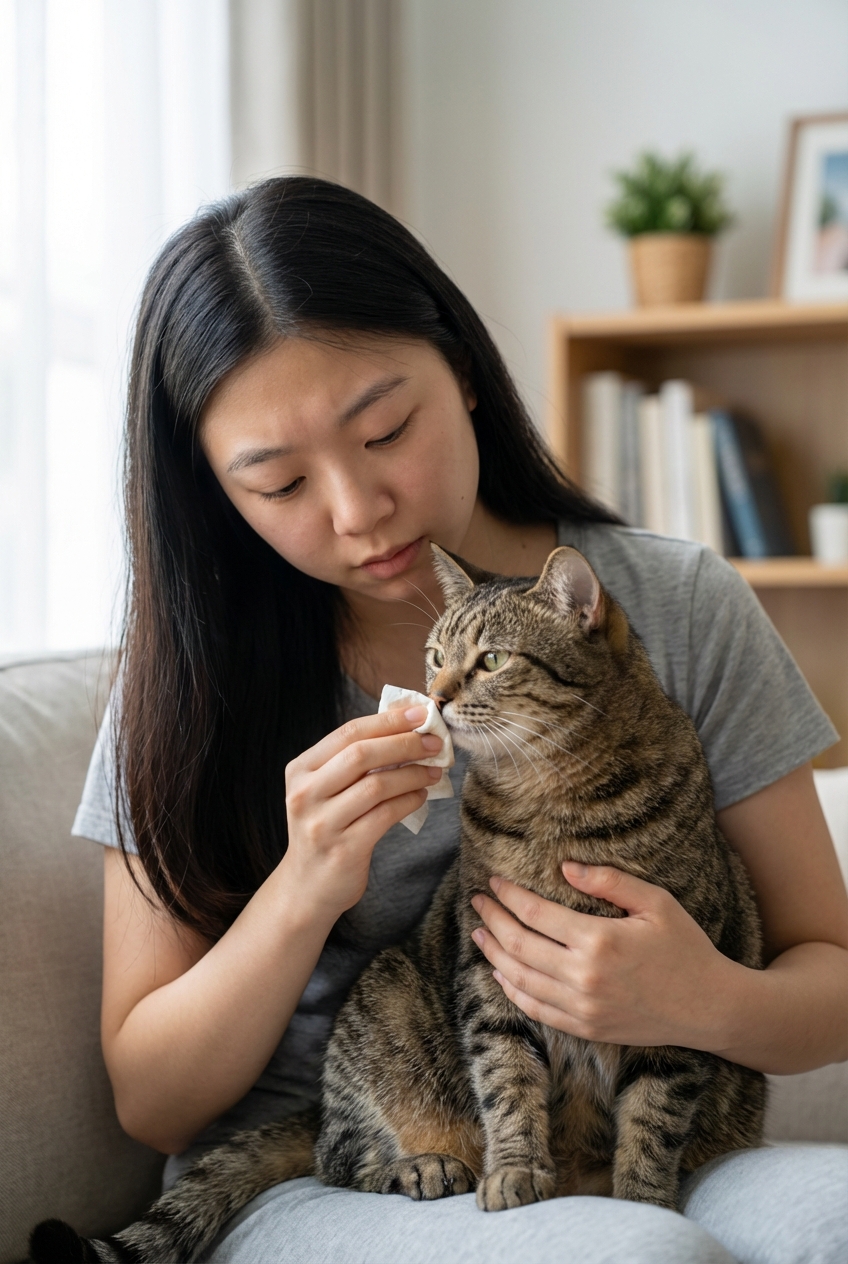
If there is discharge, gently wipe with a soft cotton pad dampened with warm water or sterile saline. Use a fresh pad for each eye to avoid spreading infection.
What not to do
- Do not give human cold meds, decongestants, or pain relievers. Many are toxic to cats.
- Do not use essential oils on your cat or in the air to “clear congestion.” Cats are particularly sensitive to many oils.
- Do not force-feed if your cat is struggling. Call your vet for guidance.
When to call the vet
I always tell pet parents: trust your gut. If your cat looks “off,” it is worth a call. Cats are masters at hiding illness, and waiting too long can turn a manageable issue into a bigger one.
Call your veterinarian within 24 hours if you notice:
- Sneezing that is frequent or not improving after 24 to 48 hours of removing irritants
- Thick yellow, green, or foul-smelling discharge
- Eye discharge with squinting or redness
- Reduced appetite, hiding, or low energy
- Repeated sneezing fits that seem intense or painful
- Signs of dental pain (drooling, pawing at mouth, dropping food)
- Any bloody nasal discharge (blood can have several causes and should be assessed promptly)
Seek urgent care now if you notice:
- Open-mouth breathing or labored breathing
- Blue or pale gums
- Severe lethargy or collapse
- Heavy bleeding from the nose, significant facial swelling, or suspected trauma
- A kitten, senior cat, or immune-compromised cat that is worsening quickly
What your vet may do
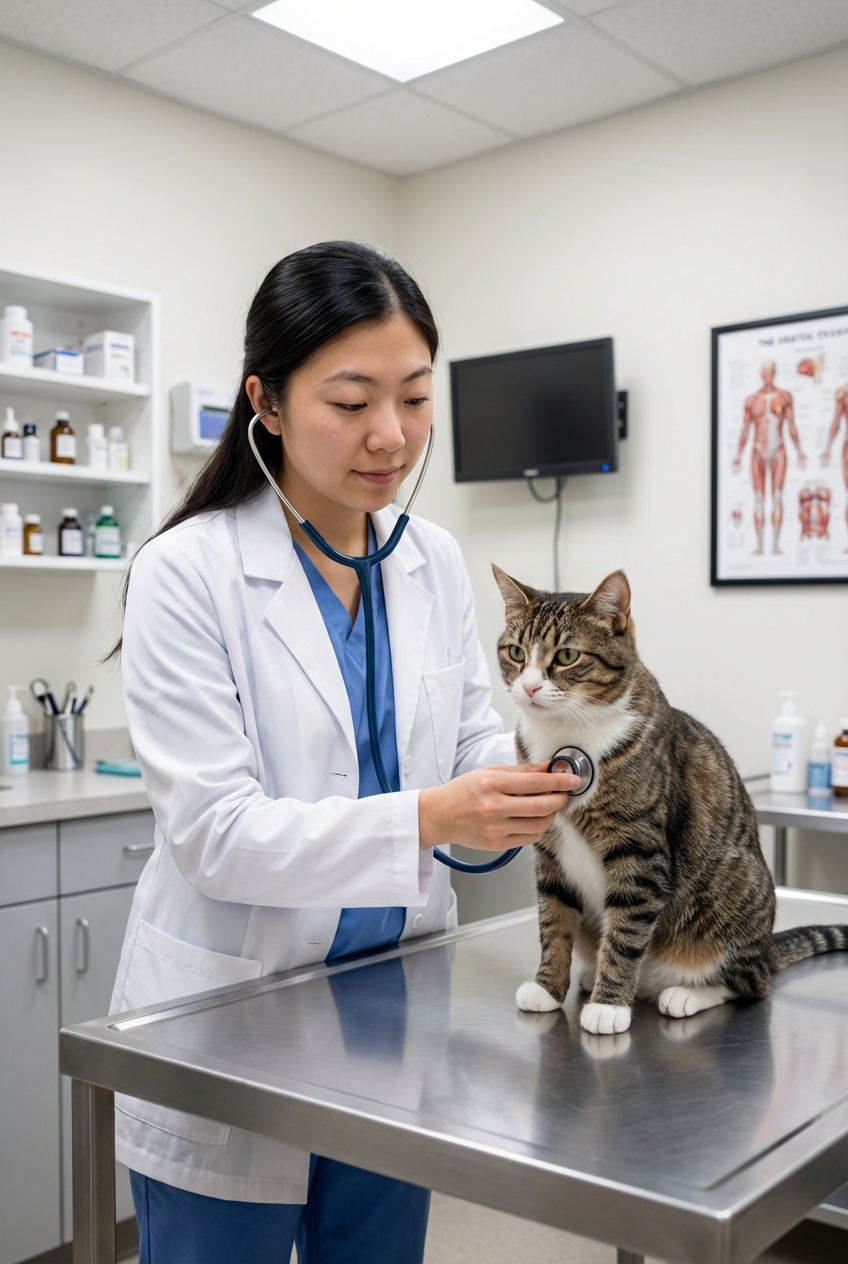
Depending on the history and exam, your veterinarian may recommend supportive care, diagnostics, or medications. Common possibilities include:
- A full physical exam including oral and dental evaluation
- Fever check and hydration assessment
- Testing for common respiratory pathogens in some cases
- Antibiotics if there is concern for a secondary bacterial infection
- Antiviral medication in select cases (for example, famciclovir is sometimes used for feline herpesvirus)
- X-rays or advanced imaging for chronic or one-sided symptoms
- Dental treatment if an upper tooth root problem or an oronasal connection is suspected
If your cat has feline herpesvirus, it is helpful to know that flare-ups can happen during stress. Your vet may discuss stress reduction strategies and long-term management. Some supplements are commonly discussed, but evidence can be mixed, so it is best to follow your veterinarian’s guidance.
Prevention tips
- Vaccinate appropriately. Core vaccines help reduce severity of common respiratory viruses.
- Reduce stress. Predictable routines, enrichment, and slow introductions in multi-cat homes matter.
- Improve air quality. Avoid smoke and strong fragrances, and use low-dust litter.
- Keep up with dental care. Dental disease can create chronic problems that look like “just sneezing.”
- Quarantine new cats. New additions should be separated at first to reduce spread of respiratory illness.
24 to 48 hour tracking plan
If your cat is otherwise acting normal, you can track symptoms at home for 24 to 48 hours while you reduce irritants and support hydration.
- Track sneezing frequency (morning, evening, after litter changes).
- Take a quick photo of any discharge to show your vet.
- Confirm your cat is eating, drinking, and using the litter box normally.
- If symptoms worsen at any point, call your veterinarian. If there is no improvement by day 2 to 3, book an exam.
The bottom line: occasional sneezing can be harmless, but ongoing sneezing is your cat asking for help. The sooner you identify patterns and get guidance, the easier it is to get your kitty feeling comfortable again.