
Worried your cat is too skinny? Learn when weight loss needs a vet visit, top medical causes, and practical feeding strategies—calorie-dense diets, meal ro...
Article
•
Designer Mixes
My Cat Is Old and Losing Weight: Step-by-Step Help & Care

Shari Shidate
Designer Mixes contributor
If your senior cat is getting bony, dropping pounds, or suddenly looks “smaller” even though they still seem interested in food, you are right to take it seriously. In older cats, weight loss is often the first visible clue that something medical is going on, and the sooner you act, the more options you typically have.
As a veterinary assistant (and a fellow pet parent who worries over every little change), I want to help you move from panic to a practical plan. Below is a step-by-step approach you can start today, plus clear signs that mean it is time to see your veterinarian quickly.
Step 1: Confirm the weight loss
It is surprisingly easy to miss gradual loss under fur, especially in long-haired cats. Start by getting objective numbers.
What to do this week
- Weigh your cat 2 times per week at the same time of day. If you have a baby scale, great. If not, weigh yourself holding your cat, then subtract your weight.
- Track appetite, water, and litter box habits in a note on your phone. Include how much they ate compared to normal (for example, 100%, 75%, 50%). Note any vomiting, diarrhea, constipation, and urine clumps (bigger can mean more urination).
- Do a quick body check with your hands: feel over the spine, hips, and shoulder blades. A prominent spine or sharp hips often means muscle loss, not just “less fluff.”
Urgent note: If your cat eats nothing (or almost nothing) for 12 to 24 hours, contact a vet the same day. Seniors and cats who are overweight or already ill can get into trouble fast. Cats are prone to hepatic lipidosis (fatty liver disease) after prolonged poor intake, so it is best not to wait.
Step 2: Know the danger signs
Some symptoms mean you should seek urgent care right away, even if your cat is still acting “pretty normal.” Others mean you should book a prompt appointment and get diagnostics started.
Go to an ER now
- Open-mouth breathing, struggling to breathe, or breathing very fast at rest
- Collapse, inability to stand, or profound weakness
- Repeated vomiting in a day or vomiting with severe lethargy
- Black/tarry stool or significant blood in stool
- Cannot urinate, crying in the litter box, or a very painful belly
- Suspected toxin exposure (including human medications)
Book an appointment soon (ideally within days)
- Unintentional weight loss of 5% or more (and definitely 10% or more)
- Increased thirst or larger urine clumps
- Recurrent vomiting (for example, weekly, increasing, or paired with appetite changes)
- Diarrhea lasting more than 24 to 48 hours, or sooner if there is blood, black stool, dehydration, or your cat has kidney disease or diabetes
- Bad breath, drooling, pawing at mouth, or dropping food
- Behavior changes: hiding, yowling at night, confusion, agitation
- Any new lump or sore that does not heal
If your cat is older and losing weight, it is not “just aging” until a veterinarian confirms that.
Step 3: Common causes in seniors
Many conditions can cause weight loss, and several of them are treatable or manageable. In clinics, we commonly see these culprits:
- Hyperthyroidism: Often causes weight loss despite a big appetite, restlessness, vomiting, and increased thirst.
- Chronic kidney disease (CKD): Can cause decreased appetite, nausea, dehydration, and weight loss.
- Diabetes: Weight loss plus increased thirst and urination, sometimes increased appetite.
- Dental disease: Painful teeth or gums can make cats eat less or “try to eat” but stop quickly.
- GI disease (inflammatory bowel disease, food intolerance, parasites): Can cause vomiting, diarrhea, and poor nutrient absorption.
- Cancer: Weight loss and muscle loss can be early signs, sometimes before other symptoms appear.
- Arthritis or pain: Cats may eat less if getting to the bowl hurts, or if stress and discomfort reduce appetite.
Quick note on parasites: Yes, even indoor cats can get them (shared litter boxes, insects, or exposure before adoption). Your vet may recommend fecal testing and, in some cases, targeted deworming based on risk.
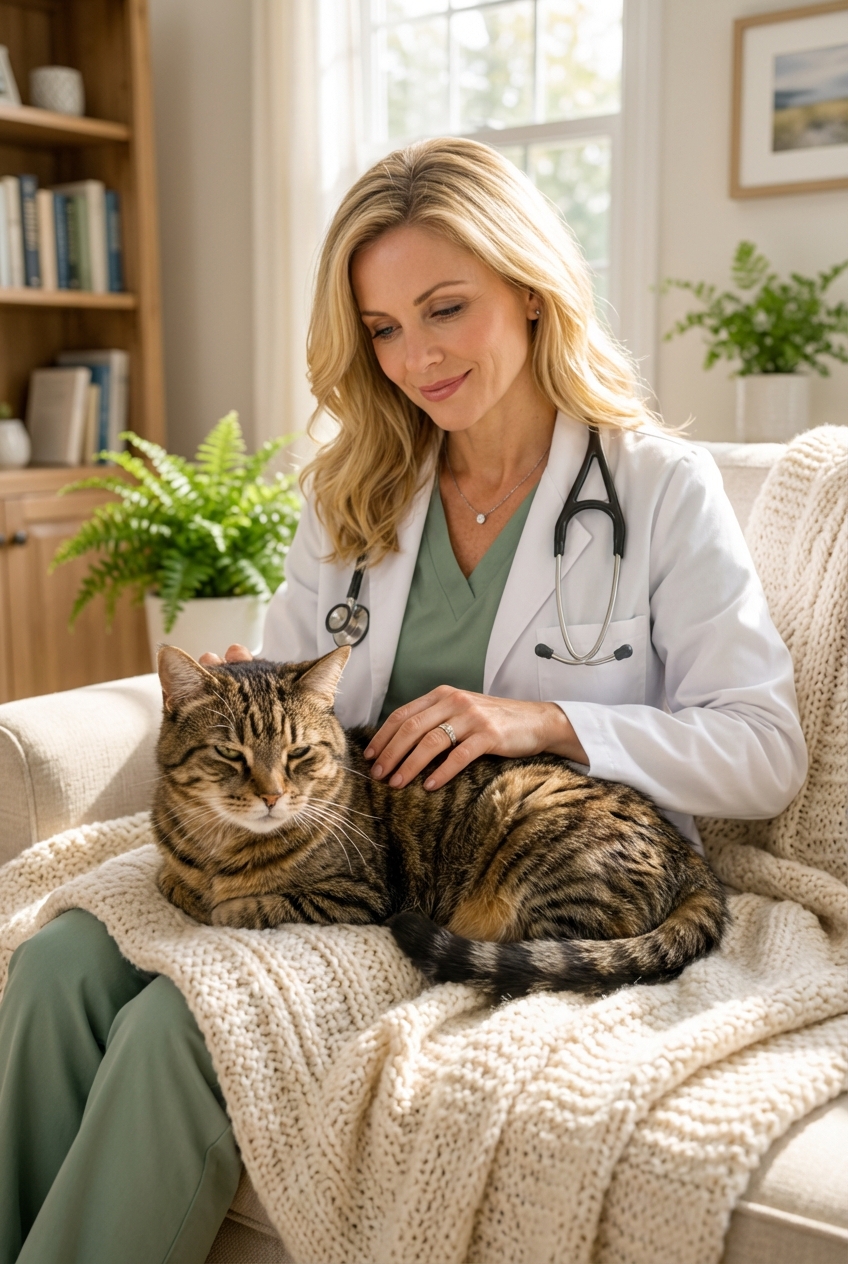
Step 4: Book the right vet visit
When a senior cat loses weight, a thorough workup saves time and guesswork. If cost is a concern, ask your clinic to prioritize the most helpful first steps.
What to bring
- Your weight log and symptom notes
- A list of foods and treats (brands, flavors, and amounts)
- Any medications and supplements
Common first-line diagnostics
- Physical exam including body condition and muscle condition scoring
- Bloodwork: CBC and chemistry panel to check kidney and liver values, protein levels, glucose, and more
- Total T4 for thyroid screening (especially common in older cats)
- Urinalysis to assess kidney function and screen for diabetes and infection
- Blood pressure (high blood pressure is common with kidney disease and hyperthyroidism)
- Fecal testing if GI signs are present or exposure risk is high
- Dental exam and possible dental radiographs if mouth pain is suspected
Depending on findings, your vet may recommend additional tests like SDMA (kidney screening), FeLV/FIV testing (if status is unknown), abdominal ultrasound, X-rays, B12/folate, pancreatic tests, or specialized thyroid testing.
Step 5: Nutrition first aid
While you are waiting for the appointment or results, the goal is simple: get safe calories in, reduce nausea triggers, and make eating easy.
Make meals more appealing
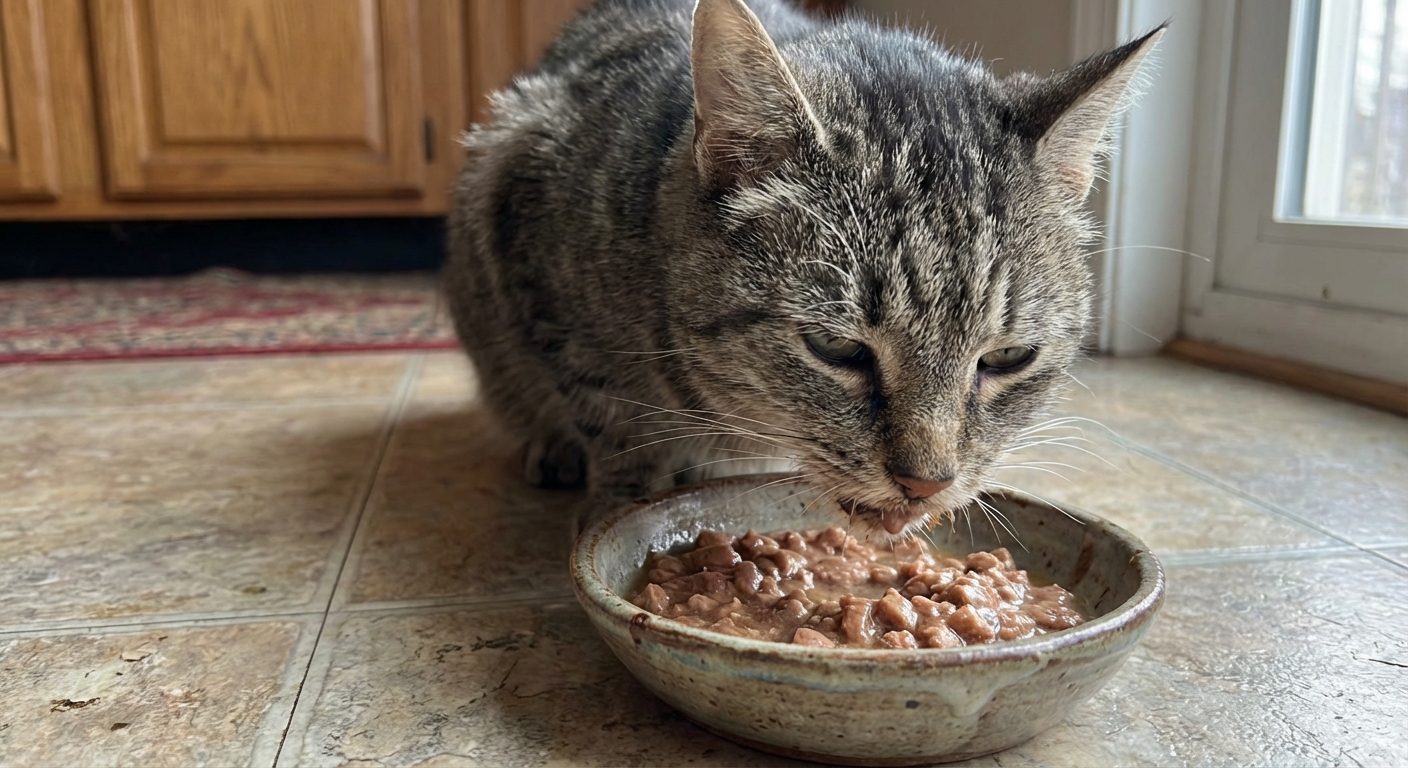
- Offer wet food (often higher palatability and helps hydration).
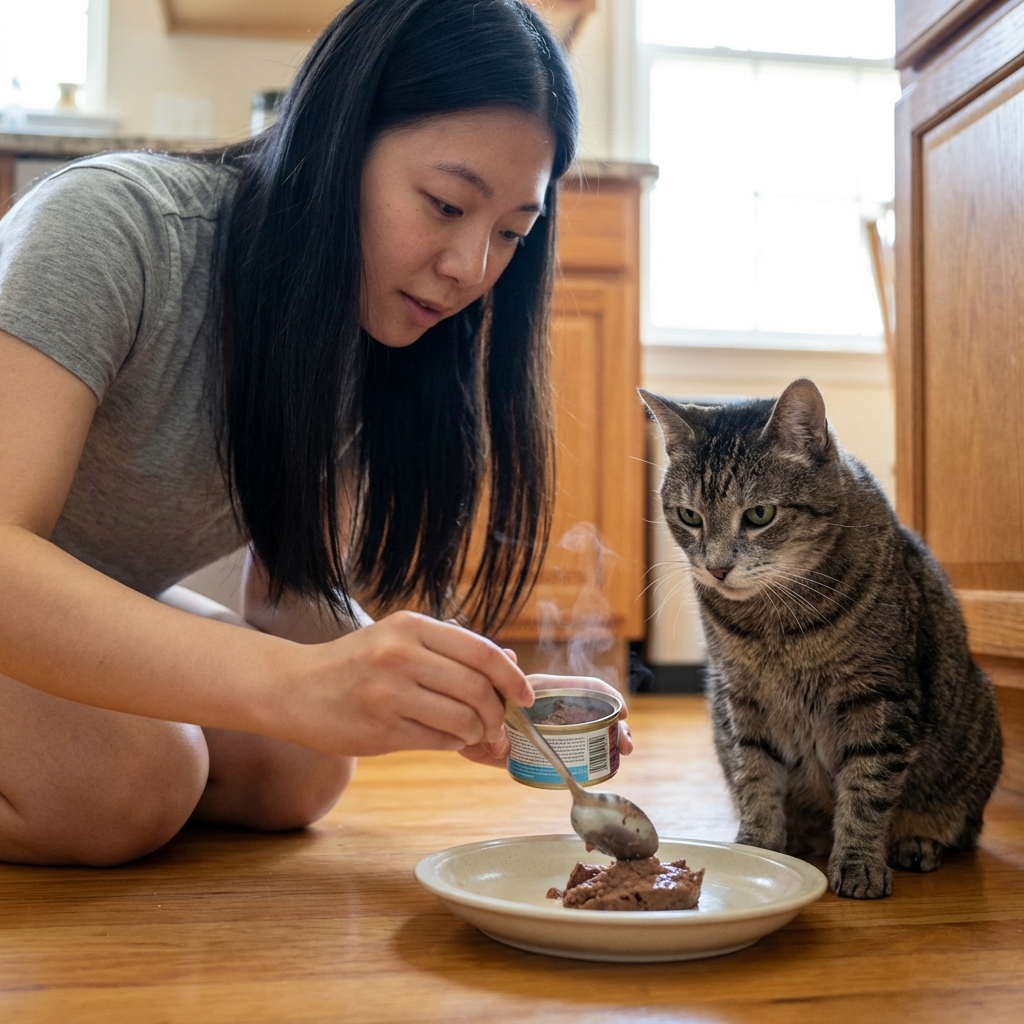
- Warm the food slightly to increase aroma (think “mouse temperature,” not hot). Test with your finger.
- Feed small, frequent meals 3 to 6 times daily if possible.
- Try a different texture: pate vs. shreds vs. mousse.
- Add a topper your vet approves: a small amount of tuna water (in water, not oil), low-sodium broth without onion or garlic, or a sprinkle of freeze-dried meat topper. Use tuna as a short-term enticement, not a long-term staple.
Choose calorie-dense, vet-approved options
Many senior cats do best with therapeutic diets once a condition like CKD, hyperthyroidism, or GI disease is diagnosed. If you have not been to the vet yet, you can still ask about a temporary, higher-calorie plan.
- Kitten food is calorie-dense and sometimes used short-term for underweight adult cats, but it is not ideal for every medical condition. Many kitten diets are higher in phosphorus and sometimes sodium, which can be a poor fit for cats with kidney disease (and some heart conditions). Ask first if CKD or heart disease is suspected.
- Prescription recovery diets (your clinic may have them) can be very helpful for poor appetite.
Important: Avoid forcing food unless your vet instructs you. Stress can make nausea worse and can damage trust around feeding. Also try not to make abrupt diet changes if your cat will refuse the new food. Calories matter most right now.
Step 6: Hydration and comfort
Dehydration and pain both reduce appetite. Simple home changes can make a big difference.
Hydration tips
- Provide multiple water stations in quiet areas.
- Consider a pet water fountain if your cat likes moving water.
- Ask your vet if adding water to wet food is appropriate.
Comfort and stress reduction
- Use low-sided bowls and easy-to-access feeding stations if arthritis is possible.
- Keep food and litter boxes on the same floor to reduce painful stairs.
- Offer a warm, soft resting spot and gentle routine.
Step 7: Watch for muscle loss
Senior cats often lose muscle first, especially along the spine and hips. This matters because muscle loss can affect strength, immunity, and recovery.
What muscle loss can look like
- A sharper, more “ridged” spine when you pet along the back
- Hip bones that feel more prominent
- A narrower back end or shoulders, even if the belly looks normal
What helps
- High-quality, animal-based protein when medically appropriate
- Treating nausea and pain so your cat can eat enough
- Addressing the underlying disease early
If you notice your cat is eating but still losing weight, mention this clearly to your vet. That pattern often points toward conditions like hyperthyroidism, diabetes, malabsorption, or cancer.
Step 8: Medication safety
When your cat is losing weight, it is tempting to try over-the-counter appetite stimulants or supplements. Please be careful.
- Do not give human medications unless your veterinarian specifically instructs you.
- Be cautious with essential oils and scented diffusers. Inhaled, ingested, or topically applied oils can be risky for cats, and exposure is not always obvious.
- Avoid onion and garlic in broths or “people food” toppers. These can be toxic to cats.
If your vet prescribes an appetite stimulant (like mirtazapine) or anti-nausea medication, follow the exact dosing instructions. Appetite stimulants help, but they work best when the underlying cause is also being treated.
Step 9: A simple 14-day plan
Days 1 to 3
- Start weigh-ins and symptom tracking
- Switch to small, frequent wet meals
- Schedule a vet visit
Days 4 to 7
- Bring logs to your appointment
- Complete recommended lab work
- Begin any vet-directed diet or medication plan
Days 8 to 14
- Recheck weight and appetite trends
- Update your vet about changes, especially ongoing vomiting, refusal to eat, or rapid weight loss
- Discuss follow-up testing if there is no improvement
Frequently asked questions
Is it normal for older cats to get skinny?
Mild changes happen with age, but noticeable weight or muscle loss is a medical clue until proven otherwise. Many senior cat illnesses start quietly, and weight loss is often the first sign you can see.
My cat is eating but losing weight. What does that mean?
This pattern often points toward conditions that increase metabolism or reduce nutrient absorption, such as hyperthyroidism, diabetes, intestinal disease, or sometimes cancer. It is a strong reason to do lab work soon.
Should I switch foods immediately?
If your cat is not eating well, prioritizing calories is reasonable while you arrange care. But if kidney disease, heart disease, or other conditions are suspected, diet changes should be guided by your veterinarian. If a new food makes your cat stop eating, switch back and call your clinic for a plan.
The takeaway
Senior cat weight loss is one of those symptoms where loving your cat means acting early. The best next step is simple and powerful: confirm the weight loss with a scale, document what you see, and schedule a vet visit with appropriate lab work. In the meantime, you can support your cat with warm, tempting wet meals, hydration support, and low-stress comfort.
Preparing a short list of questions beforehand, along with your weight and symptom notes, can help you get the most out of your visit.