Is chicken safe for cats? Learn homemade cat food safety, what nutrients cats can’t miss (taurine, calcium, vitamins), easy chicken topper steps, and when ...
Article
•
Designer Mixes
My Cat Is Limping: What Should I Do?

Shari Shidate
Designer Mixes contributor
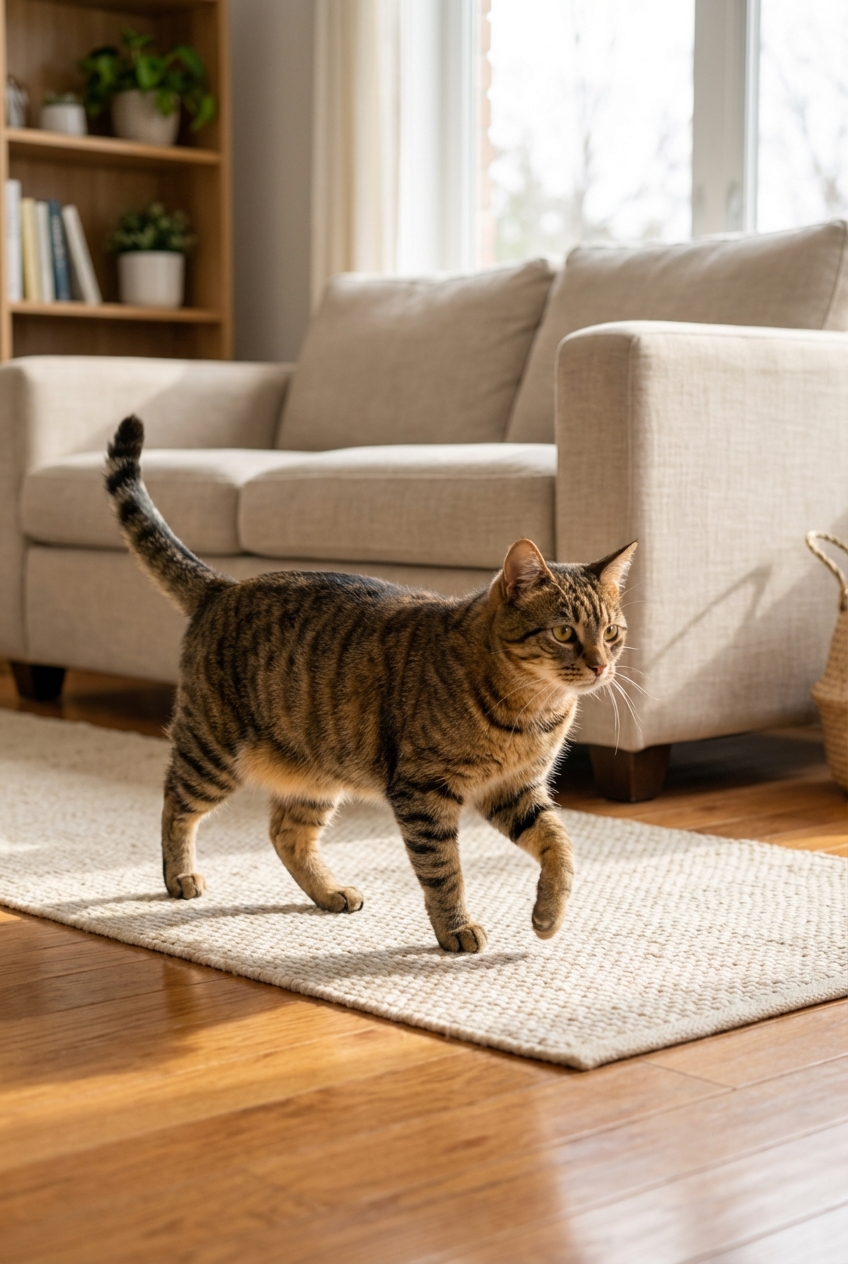
If your cat is limping, trust your instincts. Cats are masters at hiding pain, so a limp often means something is truly uncomfortable, even if your cat is still eating, purring, or acting mostly normal. The good news is that many causes are treatable, but the most important step is knowing when this is an emergency and how to keep your cat safe until you can get veterinary help.
As a veterinary assistant, I always tell families to focus on two things first: how severe the limp is and whether your cat will allow a quick, gentle check. If your cat is in significant pain, do not push an exam at home. Your safety matters too.
And yes, even indoor-only cats can suddenly limp. Awkward jumps, falls from furniture, snagged nails, arthritis, and litter or debris stuck between toes are all common culprits.
When it is an emergency
Go to an emergency vet now if you notice any of the following:
- Non-weight-bearing limp (your cat will not put the paw down at all)
- Sudden, severe pain, crying out, hiding, or aggression when touched
- Open wound, visible bone, heavy bleeding, or a nail torn off and actively bleeding
- Swelling that is rapidly increasing, or the limb looks crooked or unstable
- Breathing changes, pale gums, collapse, extreme lethargy, or weakness
- Cold paw, bluish pads, or toes that look very different from the other foot
- Known trauma (fall, hit by a car, dog chase, cat fight), even if the limp seems mild
Important cat-specific red flag: If both back legs suddenly seem weak or painful, or your cat is dragging the rear legs, this can be a life-threatening clot (aortic thromboembolism) and needs emergency care. Many cats are extremely painful, may have cold back paws, and can show fast or open-mouth breathing.
First steps at home
1) Confine and calm
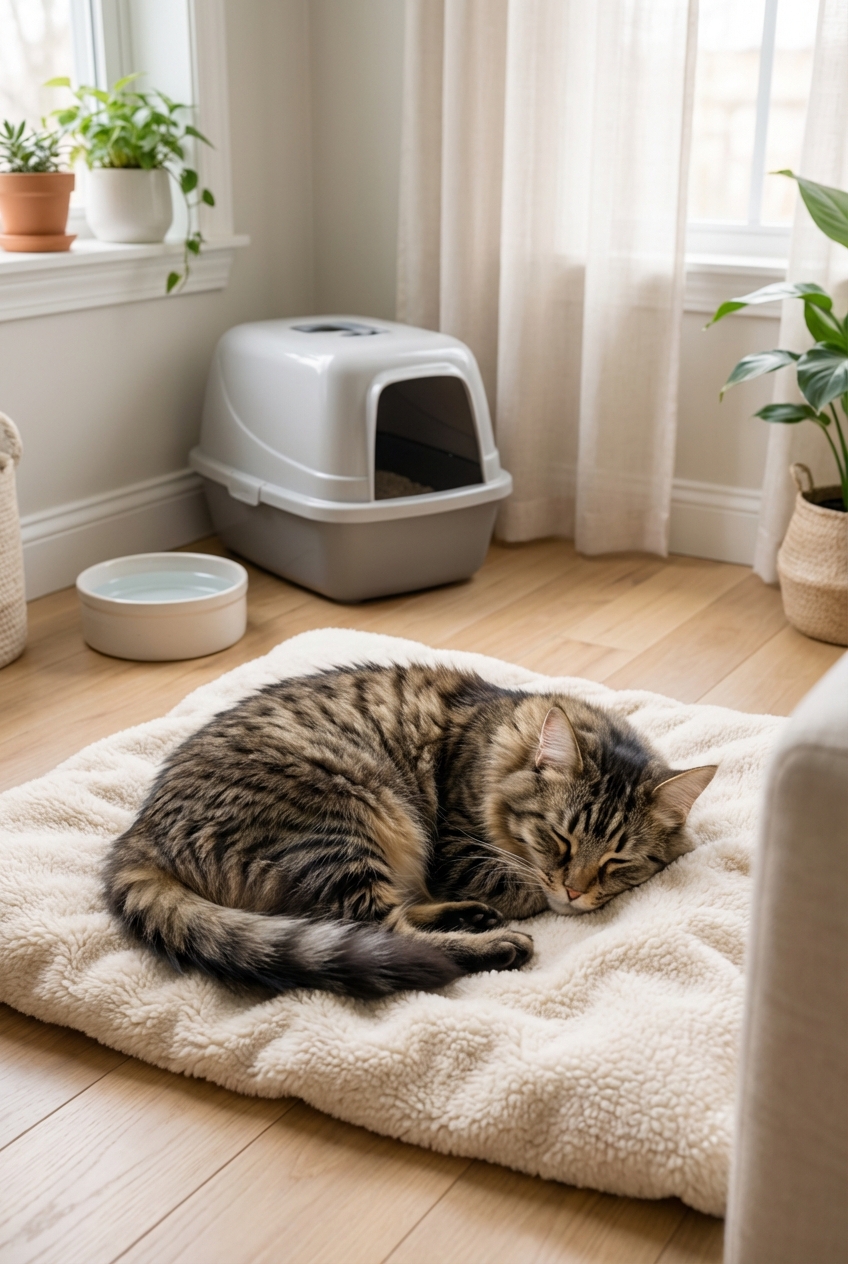
Limit movement right away. Use a small room, large crate, or bathroom with a soft bed, litter box, food, and water. Jumping can turn a mild sprain into a bigger injury.
2) Do a quick visual check
If your cat will tolerate it, look without forcing. Start at the toes and work upward.
- Check for thorns, foxtails, burrs, tiny cuts, or something stuck between toes.
- Look for a swollen paw pad, broken nail, or bleeding around the nail bed.
- Compare legs side-by-side for swelling or an odd angle.
3) If you see a minor superficial wound
You can gently rinse with sterile saline or clean water. Pat dry. Prevent licking with an e-collar if you have one. Avoid bandaging tightly unless you have been shown how, since improper bandages can cause serious damage. Do not use tight elastic wrap. If your vet places a bandage, the toes are often left visible so swelling can be noticed quickly.
4) Do not try to fix it
Do not try to “set” a limb, stretch it, massage it, or force range of motion. If something is broken or dislocated, manipulating it can worsen pain and injury.
5) Skip human pain meds
Do not give ibuprofen, naproxen, aspirin, or acetaminophen unless your veterinarian specifically instructs you. Many common human pain medications are toxic to cats, even in small doses.
Common causes
Limping is a symptom, not a diagnosis. Here are the most common causes we see in clinics:
- Minor soft tissue injury (sprain or strain from a jump or awkward landing)
- Broken nail or nail bed injury
- Puncture wound or abscess (especially after outdoor time or a cat fight). These often worsen over 1 to 3 days.
- Foreign body (thorn, splinter, foxtail) stuck between toes or in the pad
- Fracture or dislocation (sometimes subtle at first, especially in cats that keep trying to “act normal”)
- Arthritis (often in older cats, but it can show up earlier than many people expect)
- Pododermatitis or paw pad irritation (less common, but possible)
- Neurologic issues (spinal pain, nerve injury)
If the limp is paired with a fever confirmed with a thermometer, hiding, reduced appetite, or a swollen area that is warm, painful, and getting bigger, an abscess or infection becomes much more likely.
How serious is it?
Watch the limp
- Mild limp: your cat still uses the leg, just lightly. This can be a strain, sore pad, or minor nail issue.
- Moderate limp: your cat intermittently holds the leg up or avoids pressure. This needs prompt veterinary attention.
- Severe limp: no weight bearing, trembling, crying, or refusing to move. This is urgent.
Check the paw (only if safe)
If your cat allows it, very gently press each toe and pad and watch for a pain reaction. Stop immediately if your cat pulls away sharply, growls, or tries to bite. A painful cat is not “being mean.” They are protecting themselves.
Next 24 hours
For a mild limp with no swelling, no wound, and normal behavior, it is reasonable to:
- Confine activity for 24 hours
- Prevent jumping (close off stairs, remove access to tall cat trees temporarily)
- Monitor appetite, litter box habits, and comfort
Make a veterinary appointment if:
- The limp lasts more than 24 hours without clear improvement
- Swelling appears or increases
- Your cat stops eating, hides more than usual, or seems painful when picked up
- You notice litter box changes (hesitation to step into the box, crying out, or accidents outside the box)
- The limp returns repeatedly (this can be arthritis or an underlying issue)
Getting to the vet
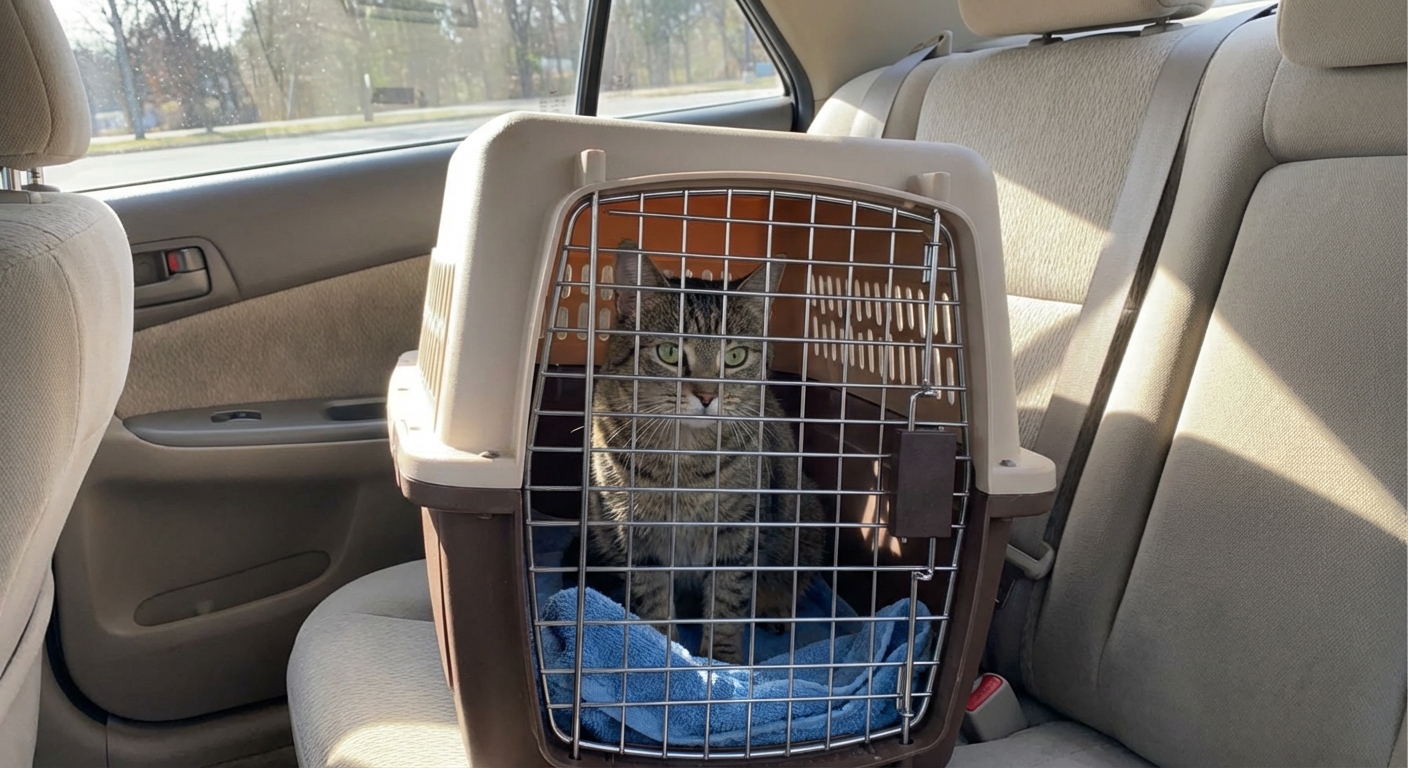
Use a sturdy carrier
Top-loading carriers are often easiest for sore cats. Place a thick towel inside so your cat has traction and cushioning.
Move your cat like a “package,” not a hug
Support the chest and hind end evenly. Avoid dangling legs. If your cat is painful, you can gently “burrito” wrap with a towel to prevent sudden kicks.
What the vet may do
Depending on your cat’s exam, your veterinarian may recommend:
- Pain relief that is safe for cats
- X-rays to check for fractures, arthritis, or joint issues
- Wound care, flushing, or treatment for an abscess
- Antibiotics if infection is suspected
- Bandage or splint when appropriate
- Bloodwork if there are systemic signs (fever, lethargy, poor appetite)
If arthritis is part of the picture, ask about long-term comfort strategies like weight management, safe pain control options, joint-support supplements, and home modifications like ramps or lower litter box entry.
Prevention tips
- Keep cats indoors or use a secure catio to reduce fight wounds, punctures, and trauma.
- Trim nails regularly to prevent snagging and tearing.
- Reduce slippery surfaces with runners or rugs for older cats.
- Support healthy weight. Extra pounds can worsen joint pain and make slips more likely.
- Do quick paw checks after outdoor time or rough play.
When it comes to limping, I’d rather you feel “a little overcautious” than miss a fracture, abscess, or severe pain that your cat is trying to hide.
Quick decision guide
- Go to ER now: no weight bearing, obvious injury, heavy bleeding, severe pain, sudden back-leg weakness, trauma.
- Call your vet same day: swelling, warmth, suspected bite wound, puncture, worsening limp, reduced appetite, hiding, litter box changes.
- Monitor up to 24 hours: mild limp only, no swelling, normal appetite and behavior, improving with rest.