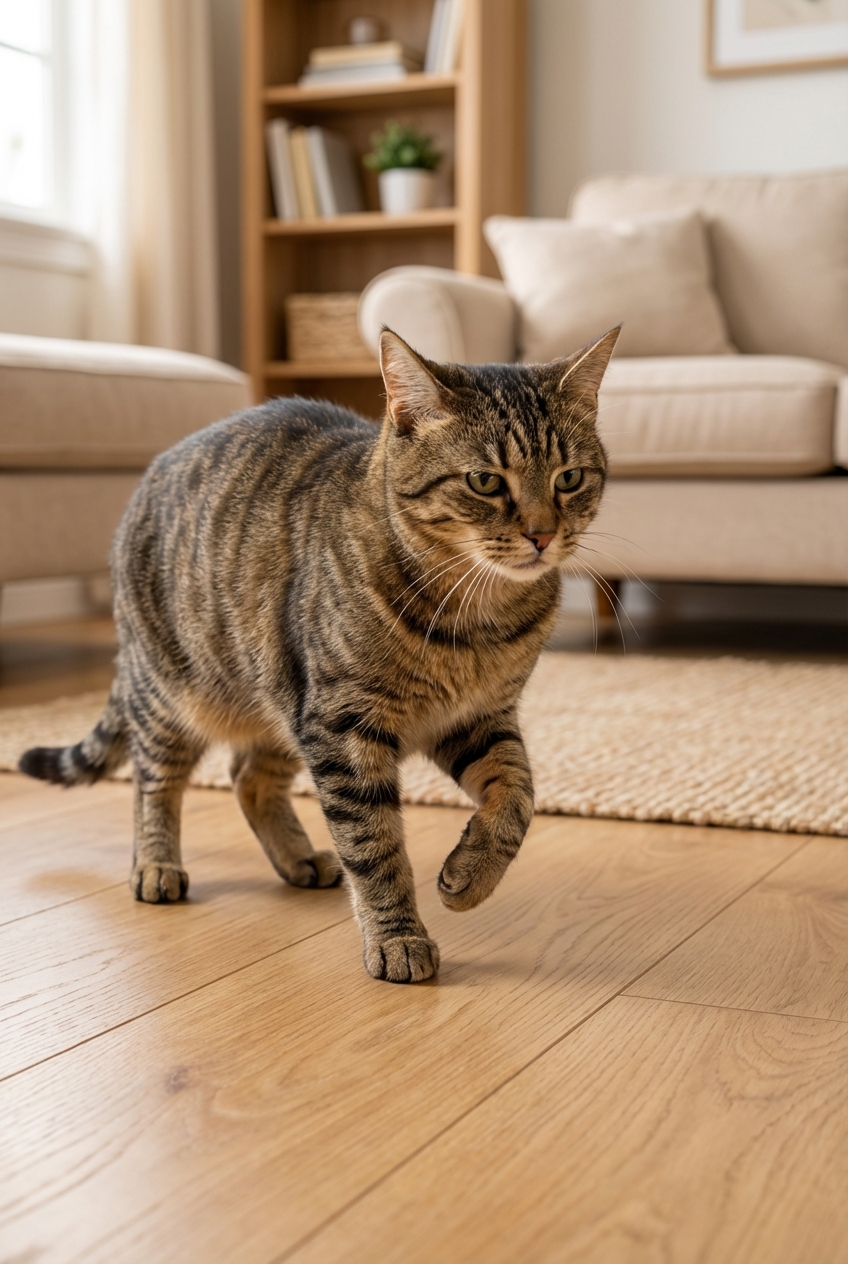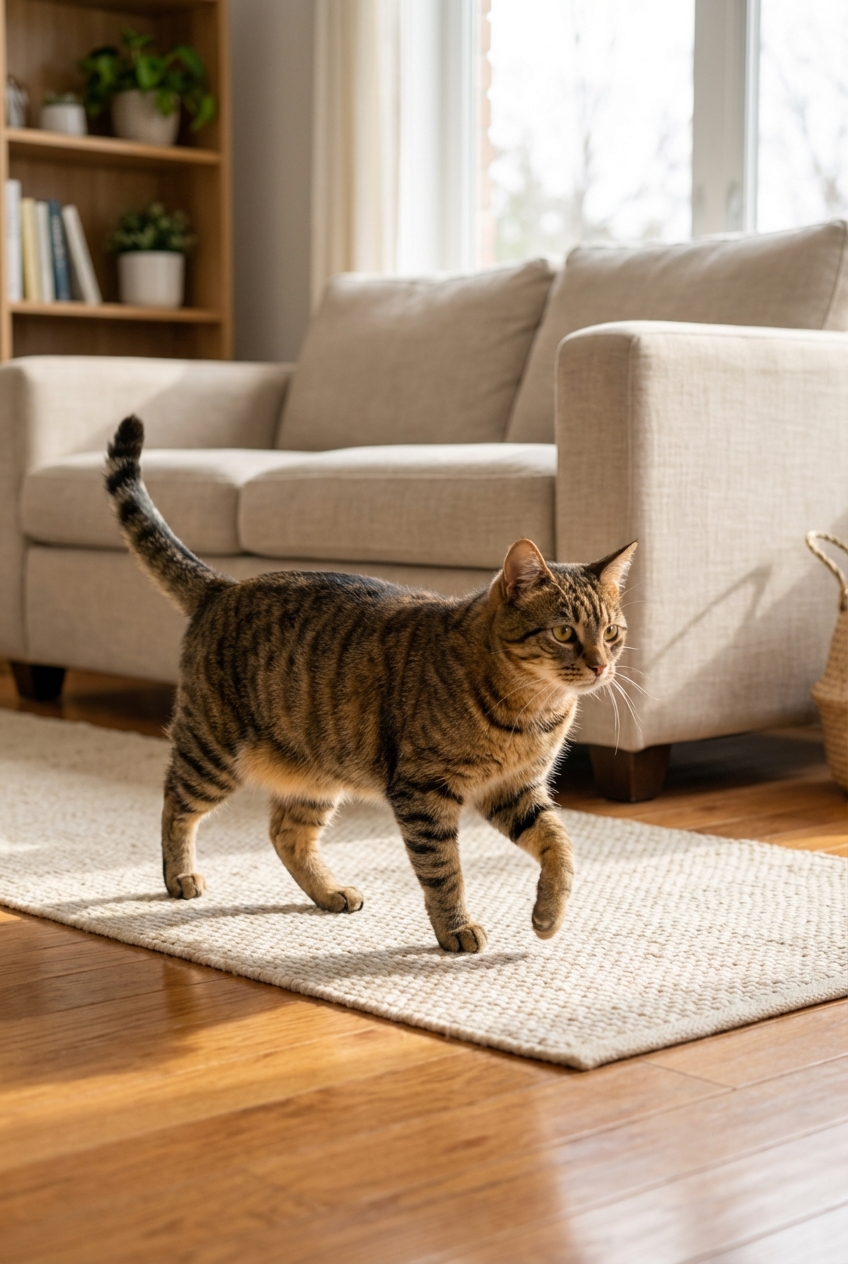
If your cat is limping, learn the urgent red flags, safe first steps at home, common causes like sprains, wounds, abscesses, and arthritis, and when to see a...
Article
•
Designer Mixes
My Cat Is Limping

Shari Shidate
Designer Mixes contributor
Seeing a cat limp can feel scary, and I get it. As a veterinary assistant in Frisco, Texas, I have watched a lot of loving pet parents go from “Maybe it’s nothing” to “We need help now” very quickly.
The good news is that many causes of limping are treatable, especially when you catch them early. The key is knowing what to look for, what you can safely do at home, and when to call your veterinarian right away.
What limping usually means
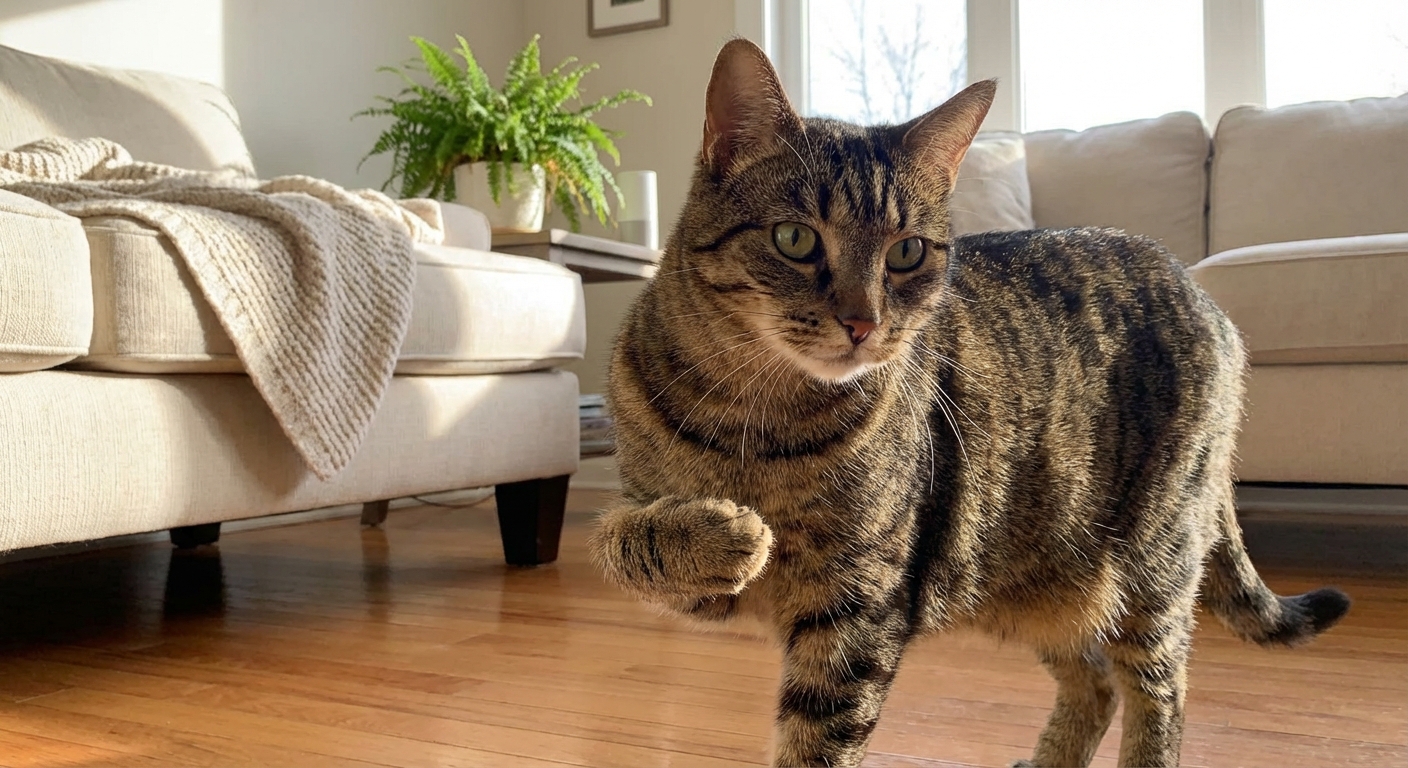
Limping is your cat’s way of protecting a painful leg, paw, or joint. Sometimes the problem is obvious, like a torn nail. Other times it is deeper, like a sprain or a fracture.
In general, limping can come from:
- Injury or trauma (landing awkwardly, getting a paw caught, a fall, a bite wound)
- Paw problems (foreign body like a thorn, litter clump stuck between toes, burned pads, cracked nail)
- Joint or bone disease (arthritis and other wear-and-tear changes)
- Infection (abscesses from cat fights are a big one)
- Neurologic issues (less common, but can affect how a leg moves)
- Other causes (less common, but important for ongoing or worsening limps, like nailbed infections, pododermatitis, or bone tumors)
Cats are masters at hiding pain, so if you notice a limp, it often means it hurts enough that they cannot fully mask it.
First questions to ask
These quick questions help you decide how urgent it is and what to tell your vet:
- Which leg is affected and is it front or back?
- Is your cat toe-touching, limping lightly, or not using the leg at all?
- Did it start suddenly (minutes to hours) or gradually (days to weeks)?
- Any known incident like a fall, rough play, or being outdoors?
- Any other signs like crying, hiding, decreased appetite, rapid breathing, swelling, or a bad smell from the paw?
- Could this be a fever? Warm ears alone are not a reliable sign. A true fever is confirmed with a thermometer (often over about 102.5°F or 39.2°C).
Also, a quick reminder: indoor-only cats can still get hurt (slips, awkward landings, getting a nail snagged), and they can still develop infections and arthritis. Do not let “They never go outside” talk you out of taking a limp seriously.
When limping is an emergency
Please treat limping as urgent if you see any of the following. These situations can worsen quickly or signal serious pain:
- Not bearing weight on the leg at all
- Obvious deformity, dangling limb, or bone showing
- Heavy bleeding or a nail torn off and bleeding that will not stop
- Rapid swelling of a paw or leg
- Cat is crying, panting, breathing fast, or very lethargic
- Open wound, puncture, or suspected bite from another animal
- Suspected toxin exposure plus weakness or abnormal walking
- Sudden back leg weakness or paralysis with severe pain and cold paws (this can be an arterial thromboembolism, sometimes called a saddle thrombus). This is an ER-now emergency and many cats also breathe fast or seem distressed.
If you are unsure, it is absolutely appropriate to call an emergency clinic for guidance. You are not overreacting by asking.
Safe at-home steps (for mild limping)
If your cat is still eating, acting fairly normal, and is only mildly limping, you can do a short, careful check at home. Keep it calm and gentle. Cats in pain may bite or scratch, even if they are normally sweet.
If your cat is painful, growling, or tries to bite, stop. It is safer to call your vet than to force an exam. A towel wrap can help some cats, but do not wrestle or restrain aggressively.
1) Restrict activity
Cats can turn a small sprain into a bigger injury by jumping on counters or sprinting across the house. For the next 24 to 48 hours:
- Keep your cat indoors
- Limit stairs and jumping (a bathroom or large crate can help)
- Move food, water, and the litter box close by
2) Check the paw with a “toe-to-shoulder” scan
Start at the toes and work upward.
- Look for thorns, burrs, glass, litter clumps, or anything stuck between toes
- Check pads for cuts, burns, cracking, or swelling
- Inspect nails for splitting, bleeding, or a nail growing into the pad
- Gently feel up the leg for heat, swelling, or a sore spot
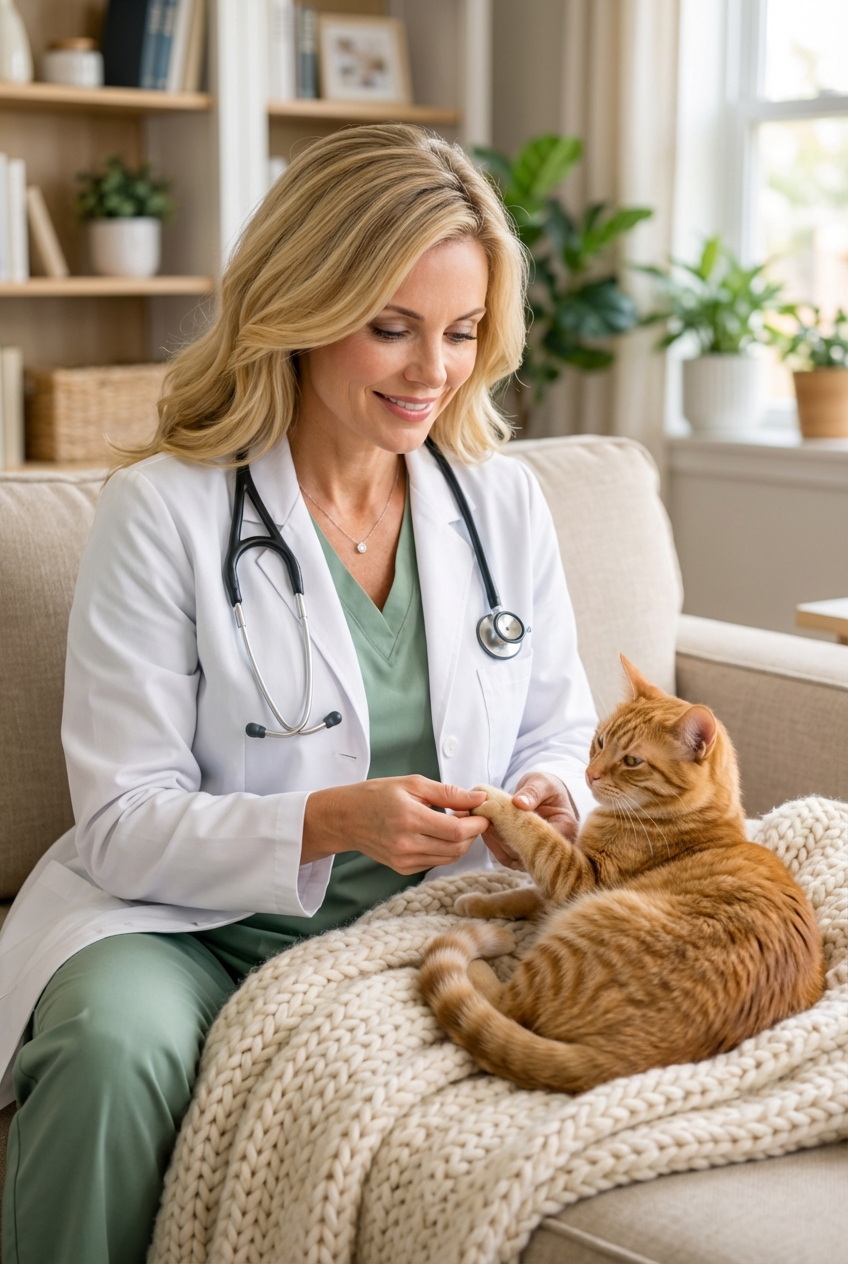
If you find a tiny surface splinter or a little litter stuck between toes, you can remove it carefully with clean tweezers. Do not dig, squeeze, or force anything out. If something looks embedded, if there is bleeding, or if your cat yelps, stop and get veterinary care.
3) If there is a minor wound
- Rinse with saline (or clean water in a pinch)
- Pat dry
- Prevent licking if you can, an e-collar is often needed
Avoid hydrogen peroxide and rubbing alcohol. They can damage tissue and delay healing.
4) Cold compress for the first day
If the limp started within the last 24 hours and you suspect a sprain, you can apply a cold compress wrapped in a towel for about 5 minutes, 2 to 3 times a day, if your cat tolerates it. Stop if it increases stress or seems to make pain worse.
What not to do
- Do not give human pain meds. Ibuprofen, naproxen, acetaminophen, and aspirin can be dangerous or fatal to cats unless a veterinarian specifically directs you.
- Do not force stretching or “testing” the leg repeatedly.
- Do not tightly wrap the leg unless a veterinarian shows you how. Bandages that slip or tighten can cause serious damage.
Common causes of limping in cats
1) Torn or infected nail
This is one of the most common reasons for a sudden limp indoors. You may see blood spots, a missing nail piece, or a nail at an odd angle. Sometimes the nailbed itself gets infected and stays sore.
2) Something stuck in the paw
Outdoor cats are at higher risk, but indoor cats can also step on sharp toys, splinters, or even tracked-in stickers and burrs.
3) Sprain or soft tissue injury
Cats love vertical space. A misjudged landing can lead to a strained ligament or bruised muscle. These can look dramatic at first and then seem better, but rest is still important.
4) Bite wound or abscess
If your cat goes outside, or lives with another cat, an abscess should be high on the list. The limp can appear a day or two after a scuffle. You might notice swelling, a small puncture, or later, drainage and a bad odor. These typically need veterinary treatment.
5) Arthritis
Arthritis is more common in cats than many people realize, especially in middle-aged and senior cats. You might see a stiff gait, difficulty jumping, or less interest in play. It can present as intermittent limping.
6) Fracture or dislocation
If your cat is not using the leg, if the limp is severe, or if there was trauma, your vet may recommend x-rays quickly. Cats can still try to move on a fractured limb, so do not rely on toughness as reassurance.
7) Less common but serious causes
If the limp is chronic, progressively worsening, or paired with weight loss or swelling that does not go down, your vet may also consider things like inflammatory paw conditions (pododermatitis) or bone lesions, including cancer.
What your vet may do
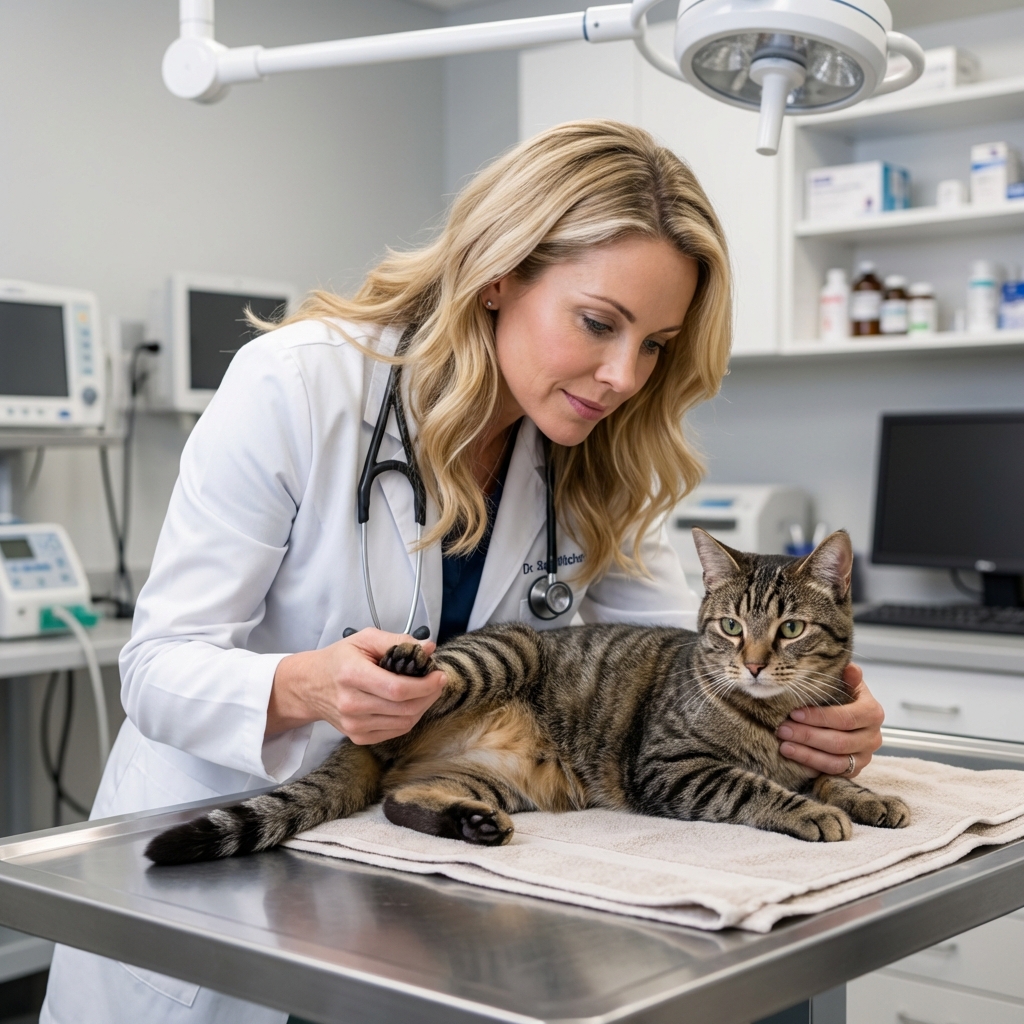
At the clinic, your veterinarian will focus on pain control, finding the source, and preventing complications. Common next steps include:
- Physical exam and careful palpation of joints, bones, and paw
- Pain relief that is safe for cats
- X-rays if fracture, arthritis, or joint injury is suspected
- Wound care, antibiotics, and possibly drainage if there is an abscess
- Bloodwork if illness, fever, or systemic infection is suspected
How long to wait to call the vet
As a general rule:
- Call the same day if your cat is not bearing weight, seems very painful, has swelling, is breathing fast, or has a wound.
- Call within 24 hours if the limp is mild but not improving with rest, or if your cat is hiding more than usual.
- Get it checked within 48 hours if any limp persists, even if it seems mild, unless your cat is clearly improving day by day.
- Make an appointment soon for recurring limping, stiffness, or jump avoidance, especially in adult and senior cats.
Trust your gut. You know your cat’s normal better than anyone.
Getting to the clinic safely
If you suspect a fracture, severe sprain, or your cat will not use the leg, minimize handling. Keep your cat confined in a carrier, cushion the bottom with a towel, and try to prevent jumping or scrambling on the way out the door.
Preventing future limps
- Trim nails regularly or schedule trims if your cat dislikes handling
- Keep floors clear of sharp toys and small objects
- Use pet-safe ramps or steps for cats that jump less confidently
- Support healthy weight, extra pounds stress joints
- Schedule wellness exams so pain and arthritis are caught earlier
Your cat is not being “dramatic” when they limp. They are communicating pain in the clearest way they can. Quick action and gentle handling go a long way.