Is your cat yowling, restless, and trying to escape? Learn the signs and length of heat, calming care strategies, training tips, what to avoid, and why spayi...
Article
•
Designer Mixes
My Cat Is in Heat: What Can I Do?

Shari Shidate
Designer Mixes contributor
If your cat is suddenly extra vocal, clingy, or restless, you might be seeing her first heat cycle. It can feel intense, but the good news is that a heat cycle is temporary and there are safe, practical ways to help your cat stay comfortable while you make a long-term plan.
As a veterinary assistant, I always tell families the same thing: comfort + safety + prevention of pregnancy. Let’s walk through what’s happening, what you can do at home, what to avoid, and when to call your veterinarian.
This guide is general education and does not replace veterinary care. If something feels “off,” trust your instincts and call your vet.
What “in heat” means
When a female cat is “in heat,” it means she is in estrus, the fertile part of her reproductive cycle. Unlike dogs, most cats are seasonally polyestrous, meaning they can go through repeated heat cycles during longer daylight months.
Cats are also induced ovulators. In plain language, cats typically ovulate after mating, and it often takes multiple matings to trigger ovulation. This is one reason they can keep returning to heat if they do not become pregnant.
When do cats go into heat?
Many cats have their first heat around 5 to 9 months, but it can happen earlier (sometimes as early as 4 to 6 months). Breed, body condition, season, and light exposure can all affect timing.
How long does a heat last?
- Typical heat length: often about 4 to 10 days, but it varies by cat.
- Repeat cycles: if not bred, a cat may cycle back into heat every 1 to 3 weeks during the season (again, this varies widely).
Common signs
Many people expect to see bleeding like a dog, but most cats do not have noticeable discharge during heat. Instead, the signs are behavioral.
- Loud vocalizing (the classic “calling” or yowling)
- Extra affection, rubbing on you and furniture
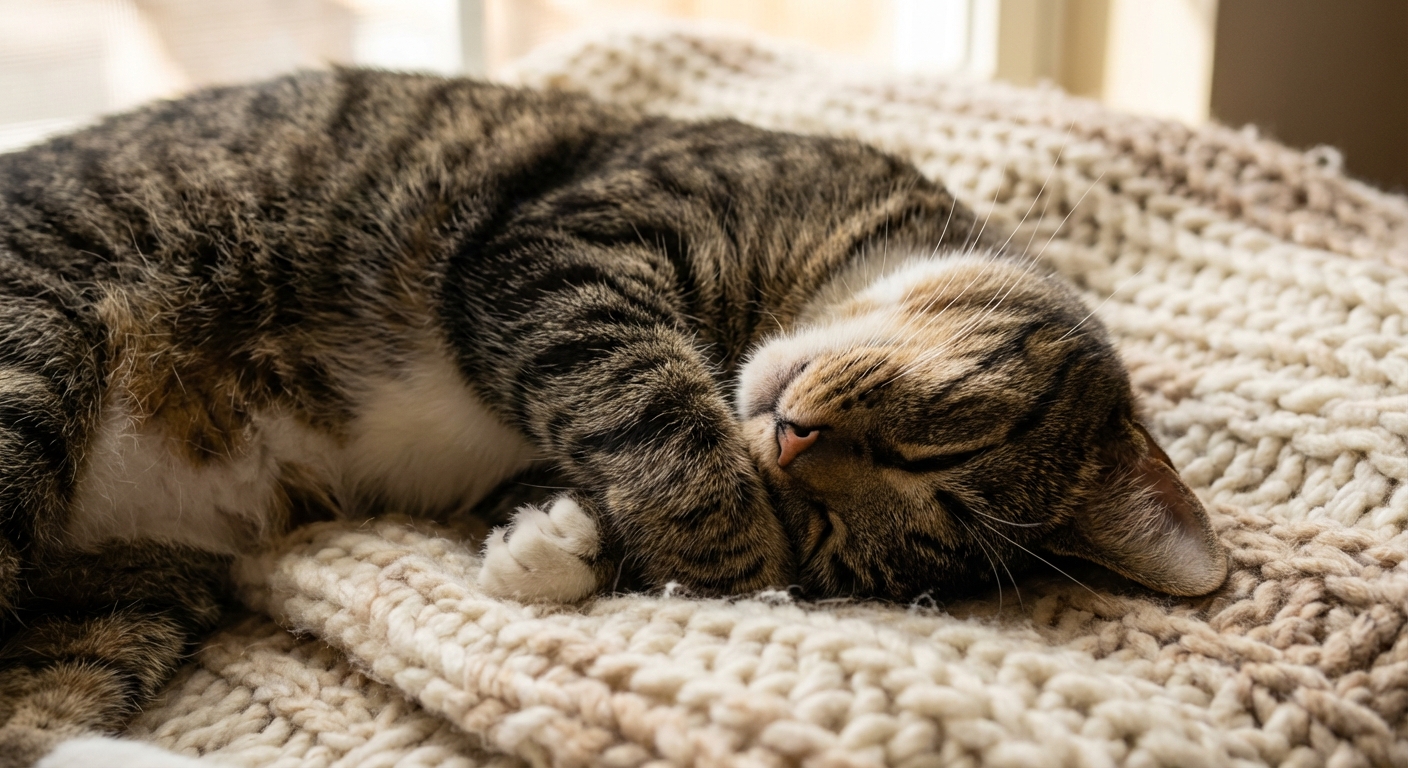
- Rolling on the floor, especially with the hind end raised
- Tail to the side when petted near the back
- Restlessness, pacing, trouble settling
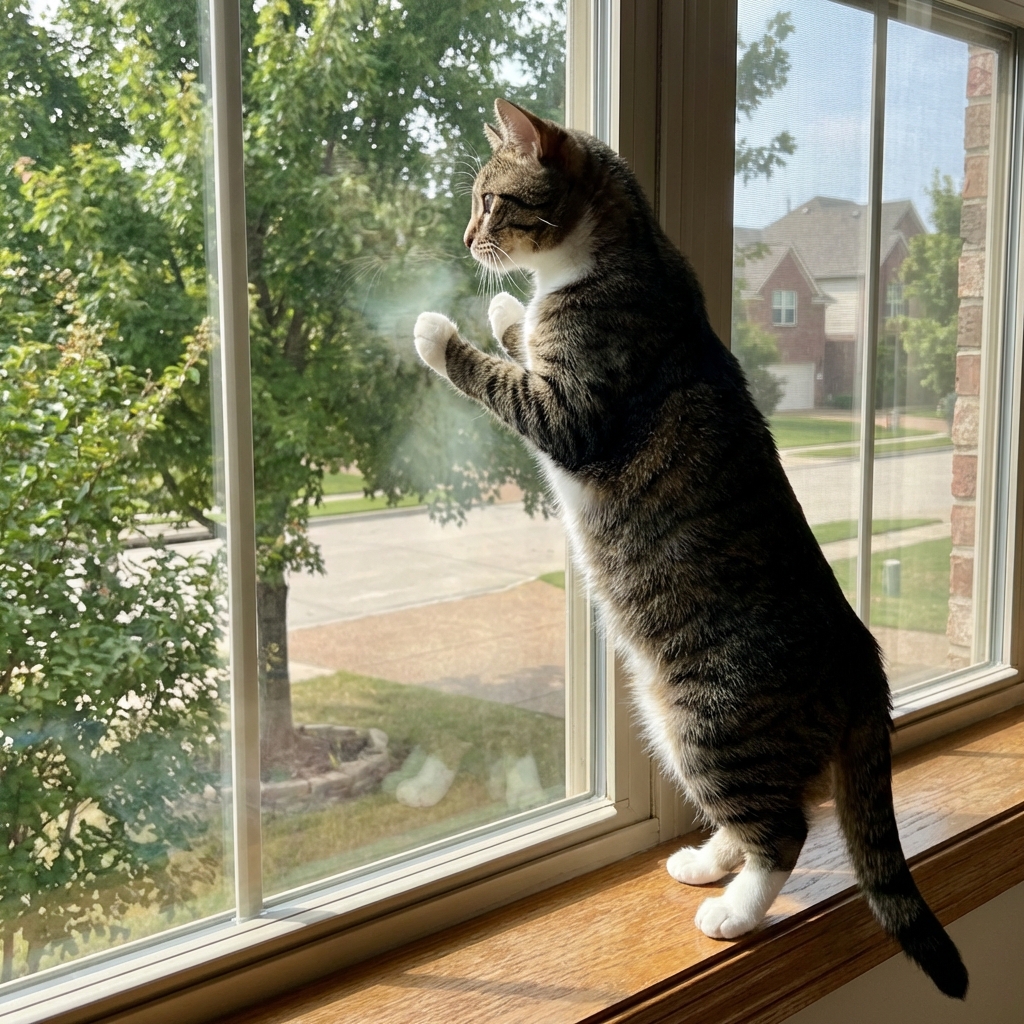
- Trying to escape (door dashing, window screens, darting outside)
- Decreased appetite in some cats
If your cat seems painful, lethargic, has vomiting, a swollen belly, fever, or discharge, do not assume it is “just heat.” Call your veterinarian because those signs can point to illness.
What you can do now
1) Keep her indoors and secure
This is the most important step. A cat in heat can become incredibly motivated to get outside.
- Check window screens for looseness or tears.
- Use a double-door routine if possible (shut one door before opening another).
- Tell guests and kids to be mindful. One quick slip is all it takes.
- If you have intact male cats in the home, separate them. A determined pair can mate faster than you think.
Also keep in mind that cats can mate multiple times during a heat, and a litter can sometimes have more than one father. That is another reason strict indoor confinement matters.
2) Add warmth and calm
Many cats relax with gentle warmth.
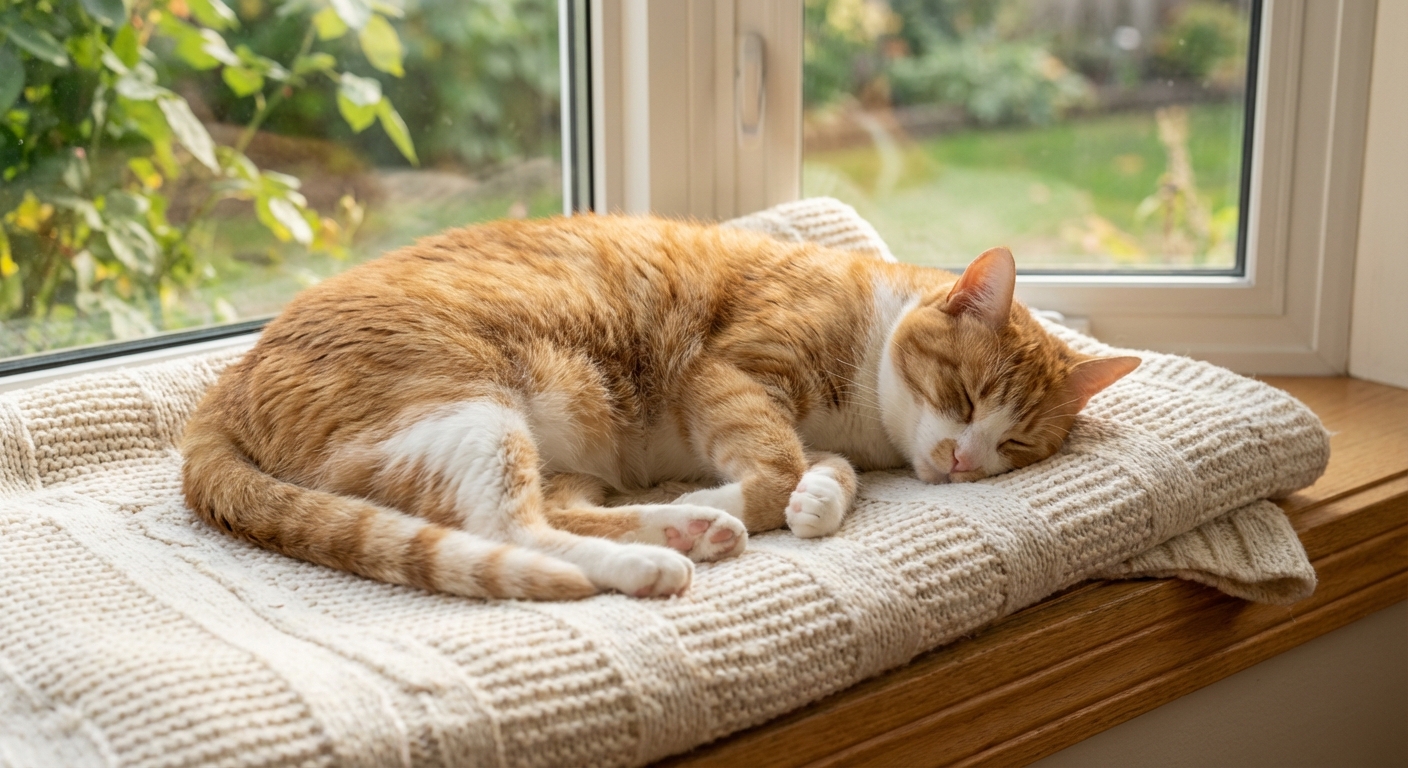
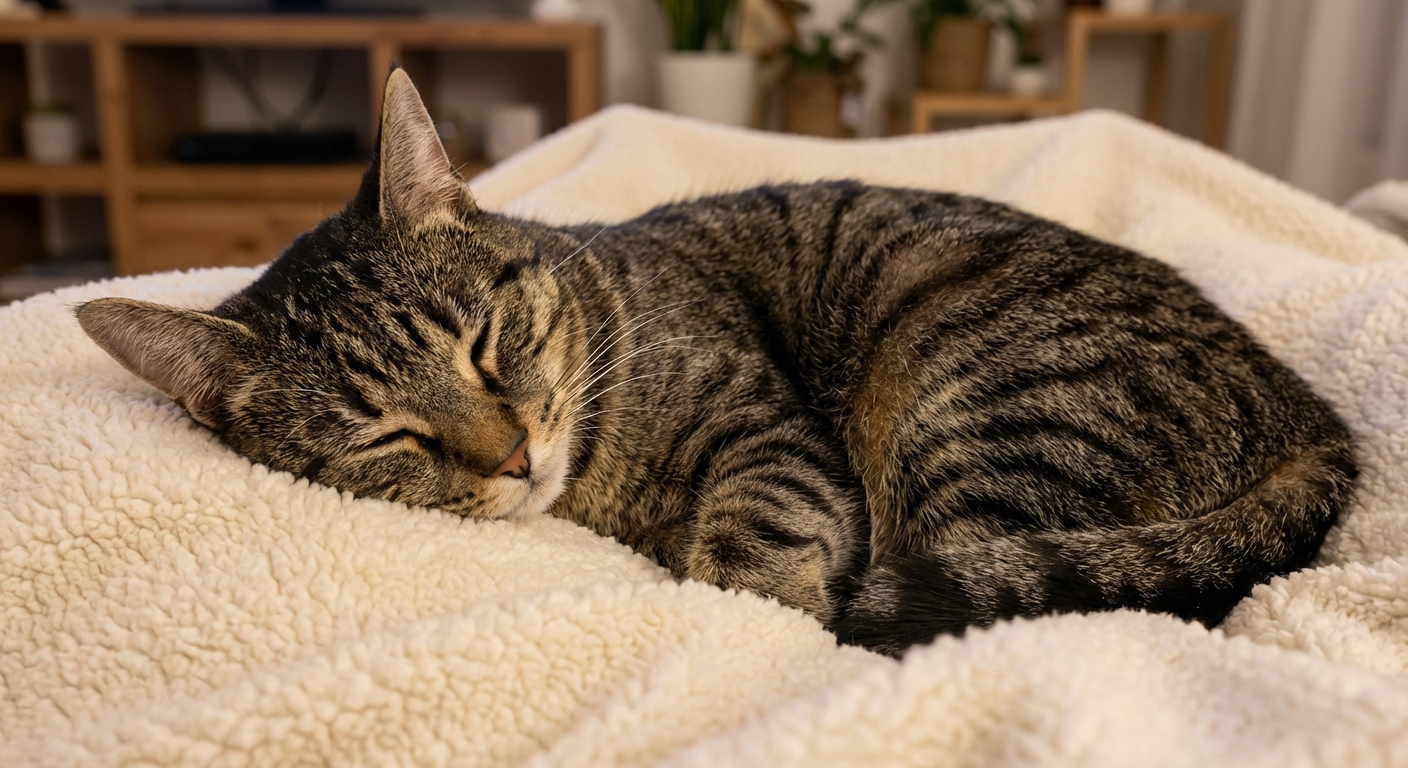
- Offer a warm, soft bed in a quiet room.
- Try a pet-safe heating pad on the lowest setting, with space for her to move off it.
- Keep the environment calm: lower noise, dim lights in the resting area, and give her space when she wants it.
3) Increase play and enrichment
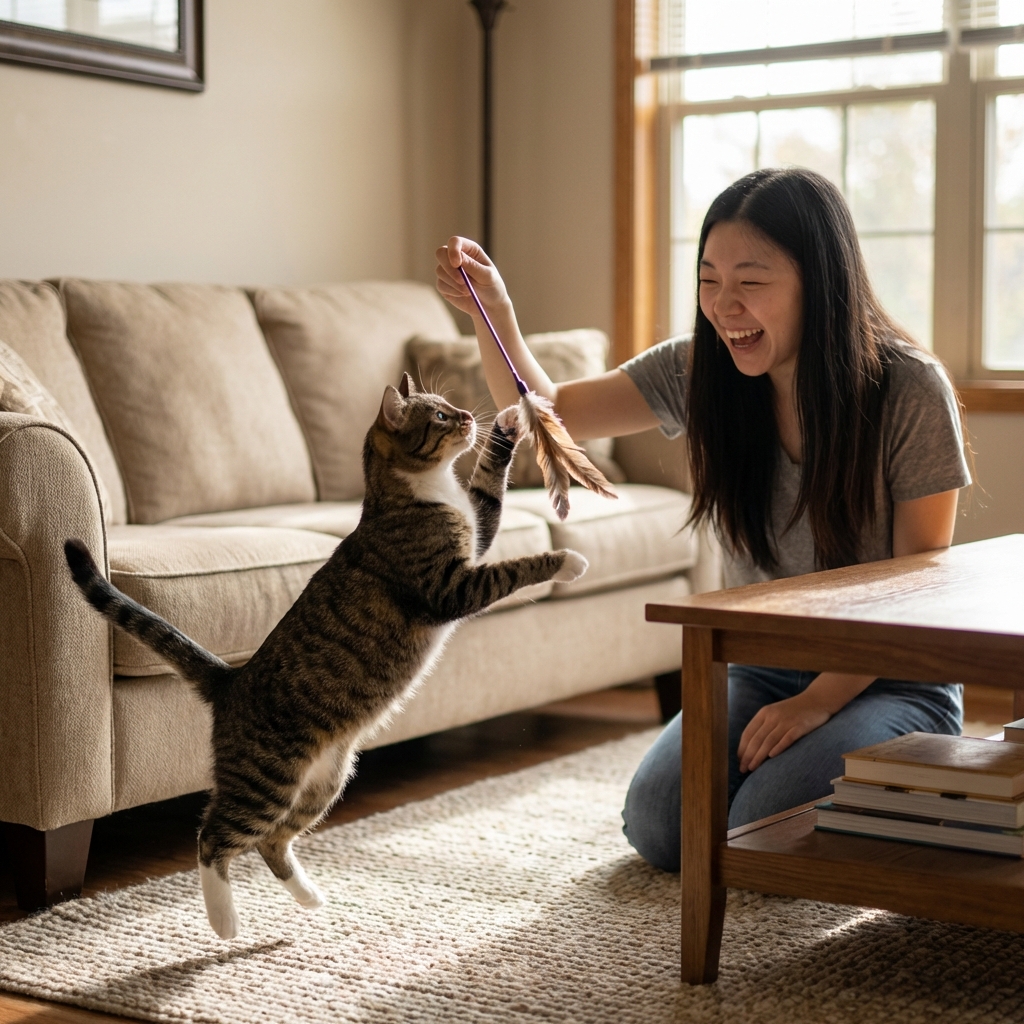
Heat can make cats restless. Short, frequent play sessions can help her burn off that nervous energy.
- Use wand toys, chase games, or food puzzles.
- End play with a small meal or treat to encourage a “hunt, eat, rest” rhythm.
4) Keep routines steady
Consistency can be soothing.
- Feed at normal times.
- Keep litter boxes extra clean (some cats become picky during heat).
- Offer extra affection if she seeks it, but let her walk away when she is done.
5) Consider pheromones
A cat pheromone diffuser or spray may help take the edge off stress for some cats. It will not stop the heat cycle, but it can support calmer behavior in a multi-cat home.
What not to do
Avoid hormone products unless prescribed
In the past, some hormone products were used to stop heats. Many are not recommended today due to potential serious side effects, including increased risk of uterine infection and mammary disease. Never give a cat any medication, supplement, or hormone product without veterinary direction.
Avoid essential oils or sedatives
Do not use essential oils, herbal remedies, or human sedatives to “calm her down” unless your veterinarian tells you exactly what is safe. Some products are toxic to cats, and sedating a cat can hide signs of illness.
Do not punish the vocalizing
She is not being “bad.” Heat behaviors are driven by hormones and instinct. Punishment increases stress and can worsen behavior problems.
Do not let her outside “just this once”
Even brief outdoor time can result in pregnancy. Male cats can show up quickly, and mating can happen very fast.
When to call your vet
Call your vet promptly if you notice any of the following:
- Discharge from the vulva (especially pus-like or bloody)
- Lethargy, hiding, weakness, or collapse
- Fever or refusal to eat for more than a day
- Vomiting or diarrhea that does not resolve
- Swollen, painful abdomen
- Heat behaviors that seem nonstop for weeks (your vet can help confirm whether this is cycling, pregnancy, or another condition)
These can be signs of a medical issue like pyometra (a uterine infection). Pyometra is more common in intact females and it is a true emergency.
What to expect next
When a heat ends, many cats have a short quiet period where they seem more settled. If she is not bred, it is common for heat signs to return again within a few weeks during the active season.
If she had an escape or contact with a male, talk with your veterinarian as soon as possible about pregnancy risk and next steps.
Long-term solution: spaying
The most reliable way to prevent repeated heats and pregnancy is spaying (ovariohysterectomy or ovariectomy, depending on technique). Spaying also reduces the risk of certain reproductive cancers and eliminates the risk of pyometra.
Can my cat be spayed while in heat?
Often, yes, but it depends on your cat’s health and your veterinarian’s recommendation. Spaying during heat can be a bit more complex because the reproductive tissues are more vascular. Some clinics prefer to schedule spay surgery when she is out of heat, while others will proceed if needed. If you do not plan to breed, call to schedule as soon as feasible and your clinic will help you pick the safest timing.
Can she be spayed if she might be pregnant?
Policies vary by clinic and region. Some clinics and shelters will spay even if a cat is in heat or pregnant, while others may recommend different timing. Your veterinarian can walk you through options and what is safest for your cat.
Quick facts
- Most cats do not bleed. Rare, light spotting can happen, but any bleeding is worth a veterinary call.
- Heat is loud on purpose. The vocalizing is meant to attract males from a distance.
- Daylight plays a role. Longer days can trigger more frequent cycling in many cats.
- Indoor cats can still cycle seasonally. Artificial lighting can influence this, too.
- Mating can be rough. Male cats have penile spines, which can cause the female to cry out. This is another reason preventing mating is important for her wellbeing.
Quick checklist: tonight
- Keep her indoors and secure windows and doors.
- Offer a quiet room, cozy bed, and optional gentle warmth.
- Do 3 to 5 short play sessions to reduce restlessness.
- Use a pheromone diffuser if you have one.
- Call your vet to discuss spay timing, especially if heats are frequent or disruptive.
You are not doing anything wrong. Heat cycles can be stressful, but with a safety-first plan and a spay appointment on the calendar, most families feel relief quickly.