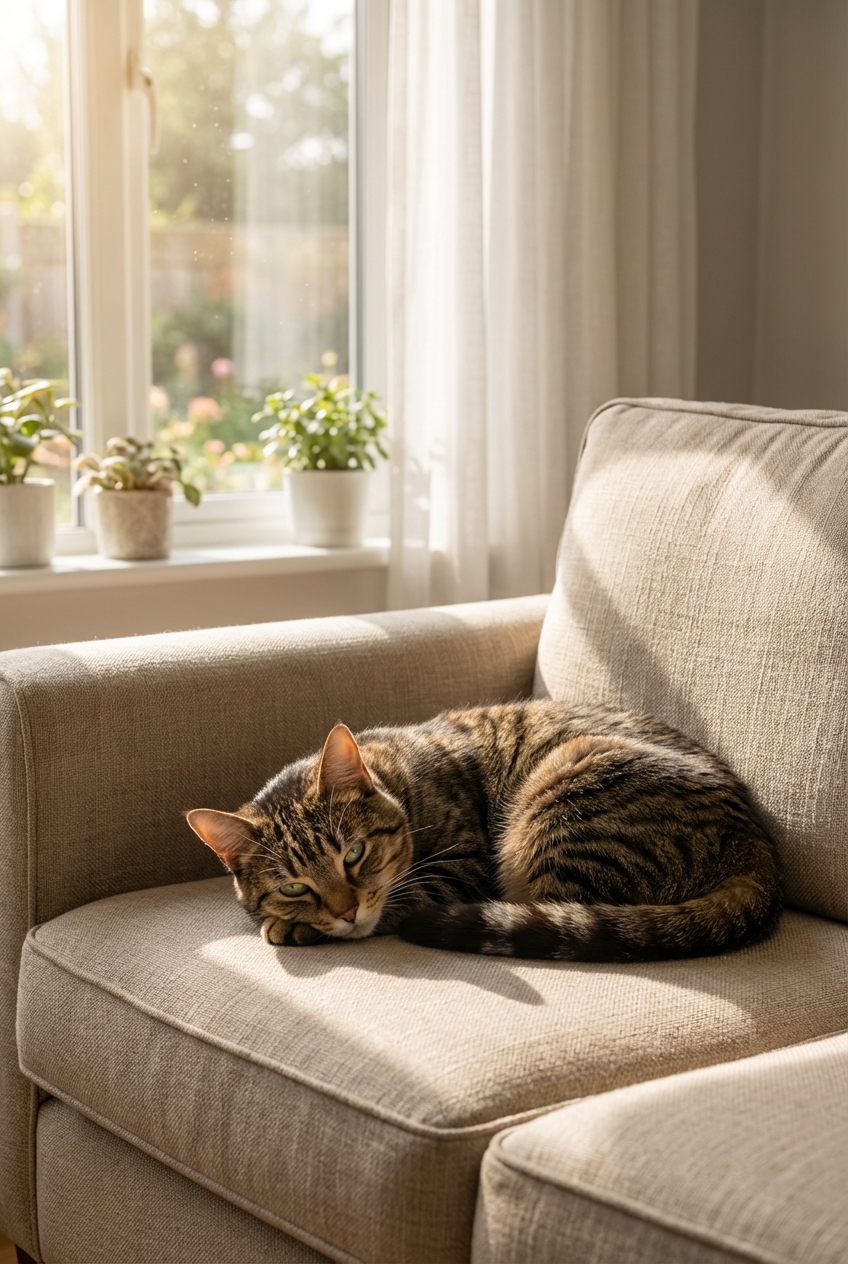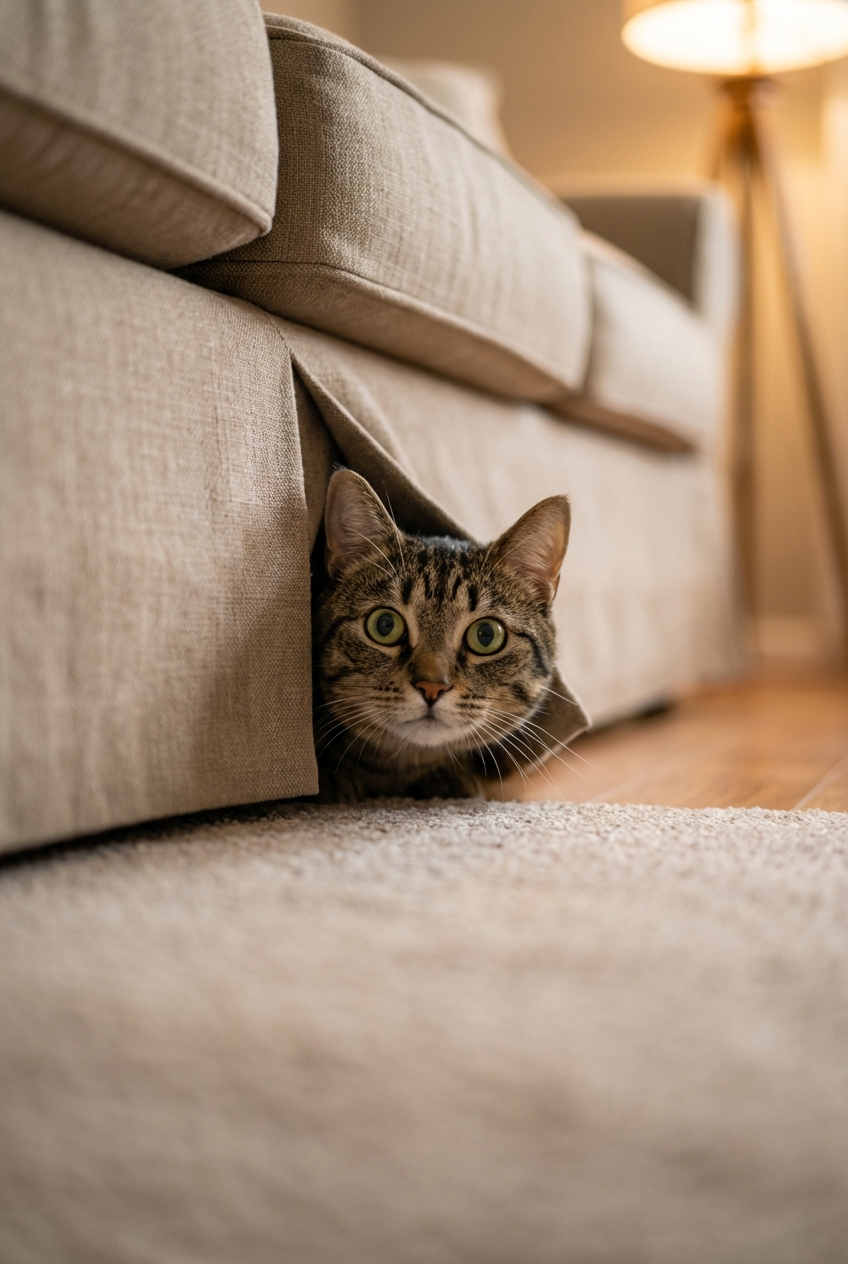
Noticing your cat hiding, sleeping more, or eating less? Learn depression-like signs in cats, medical issues to rule out, and practical home care: routine, e...
Article
•
Designer Mixes
My Cat Is Depressed: Secrets Revealed

Shari Shidate
Designer Mixes contributor
If you are thinking, My cat seems depressed, trust your gut. Cats can have brief off days, but persistent behavior changes usually have a cause. In my work as a veterinary assistant here in Frisco, Texas, I have seen many cats labeled as lazy or antisocial when they were actually stressed, bored, grieving, in pain, or dealing with an underlying illness. The good news is that most cats improve when we identify the real trigger and make a few targeted, pet-friendly changes.
This article will walk you through the most common causes, what to watch for, what you can do at home, and when it is time to call your vet.
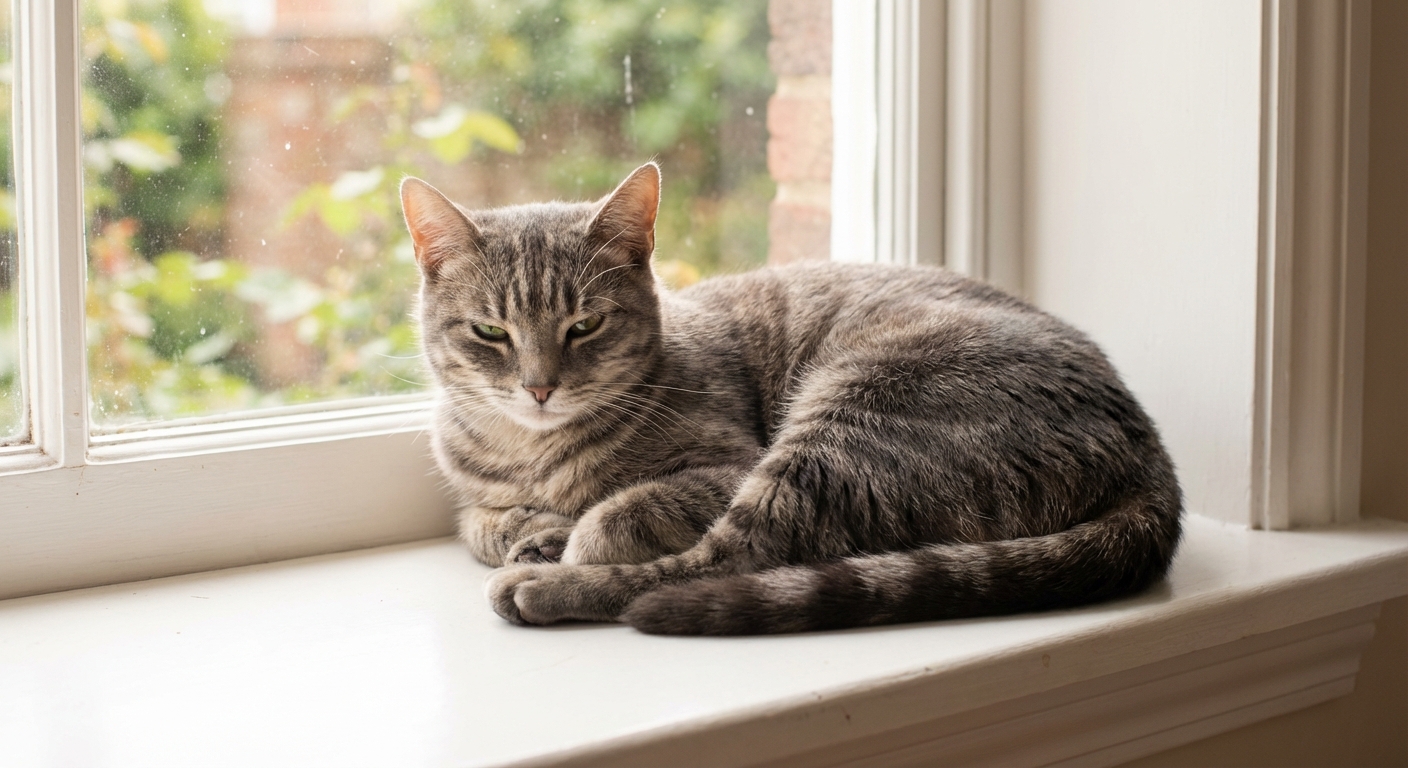
What does “depressed” look like in cats?
Cats do not show sadness the same way people do. What we often call depression in cats is usually a mix of stress, low stimulation, pain, or illness. Look for patterns that last more than a couple of days, especially if they are new for your cat.
Common signs
- Sleeping much more than usual or hiding more often
- Less interest in play, treats, window watching, or greeting you
- Changes in appetite, either eating less or suddenly begging more
- Less grooming or, in some cats, overgrooming and hair loss
- Increased irritability, swatting, or avoiding touch
- Changes in litter box habits (frequency, accidents, constipation, diarrhea)
- Quieter voice or less social behavior than normal
Important note: If your cat stops eating for 24 hours, that is a veterinary concern, especially for overweight cats. The risk of hepatic lipidosis (fatty liver) increases with prolonged poor appetite, and overweight cats are more vulnerable. Either way, a full day with no food is a “call your vet” moment.
How long is too long? If mild changes (sleeping more, less playful) persist beyond about 3 to 5 days, schedule a checkup. If you see a rapid decline, severe lethargy, vomiting, breathing changes, or a cat that seems “not themselves,” call sooner.
Common causes of low mood
Here is what is most often going on behind the scenes. Many cats have more than one factor at play.
1) Pain that is easy to miss
Cats are experts at hiding pain. Arthritis, dental disease, urinary discomfort, constipation, and gastrointestinal pain can all show up as hiding, sleeping more, and not wanting to play.
Clues pain may be involved:
- Jumping less, hesitating before jumping, or missing jumps
- Stiffness, especially after naps
- Bad breath, drooling, chewing on one side, or dropping food
- Squatting in the litter box frequently, straining, or crying
2) Stress and anxiety
Cats love predictability. Even positive changes can be stressful.
Common stress triggers:
- Moving homes, renovations, new furniture, loud visitors
- New baby, new partner, or schedule changes
- New pet, or tension between household cats
- Outdoor cats visible through windows or patrolling your yard
3) Grief and social loss
Yes, cats can grieve. If a person or pet moved away or passed, your cat may search, vocalize, hide, or seem “flat.” This is especially common in bonded pairs.
4) Boredom and under-stimulation
Indoor cats can become under-enriched, and it can look exactly like depression. Cats are hunters at heart. When they do not get to “complete the hunt,” they often disengage.
5) Medical issues that mimic depression
Thyroid disease, kidney disease, diabetes, anemia, infections, parasites, and many other conditions can cause low energy and behavior changes.
6) Cognitive changes in senior cats
In older cats, cognitive decline can look like withdrawal, restlessness, changes in sleep, or “staring off.” If your senior cat seems disoriented, vocal at night, or suddenly clingy or distant, it is worth discussing feline cognitive dysfunction with your vet.
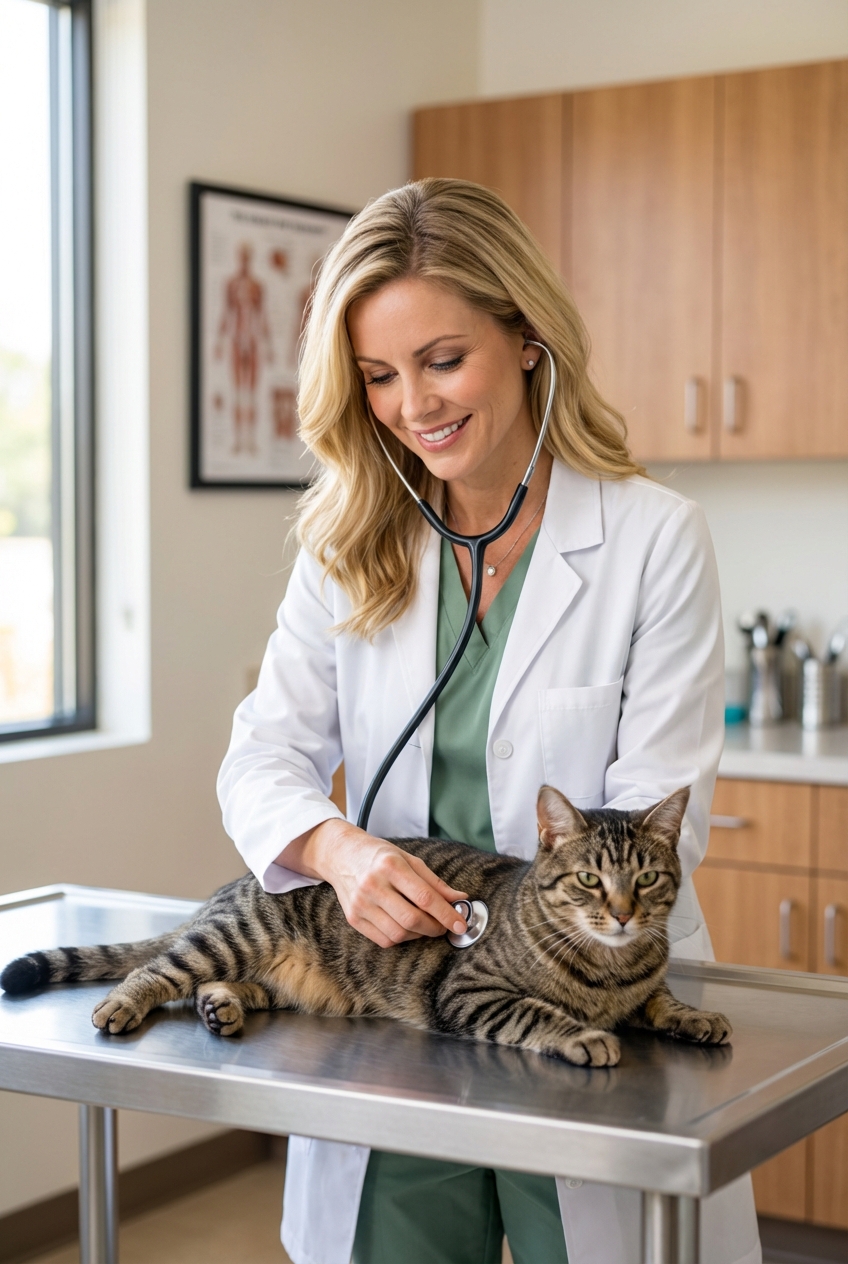
Start with a quick at-home check
Before you assume it is emotional, do a quick, calm review of your cat’s basics for 3 to 7 days.
- Food: Are they eating the same amount? Any new food or treats?
- Water: Drinking more or less than usual?
- Litter box: Count clumps and stools daily if possible.
- Weight: If you can safely weigh your cat, note any change.
- Mobility: Are they jumping and using stairs normally?
- Social behavior: Are they avoiding touch or seeking it more?
Write down what you see. A short log is incredibly helpful if you end up needing a vet visit.
Medication safety reminder: Do not give human antidepressants, sleep aids, or pain medications to your cat unless your veterinarian specifically prescribes them. Many common human meds are dangerous for cats.
Home fixes that can help
These are practical strategies supported by feline behavior research and day-to-day clinical experience. Try 2 or 3 at a time so you can tell what helps.
Create a safe base
Many cats relax when they have one predictable, quiet area.
- Cozy bed or covered hide
- Food and water nearby (not next to the litter box)
- Litter box access without ambush points
- Soft background sound if your home is noisy
Use vertical space
Vertical territory is a confidence boost. It also reduces tension in multi-cat homes.
- Cat tree near a window
- Wall shelves designed for cats
- A cleared bookshelf level with a comfy mat
Bring back the hunt
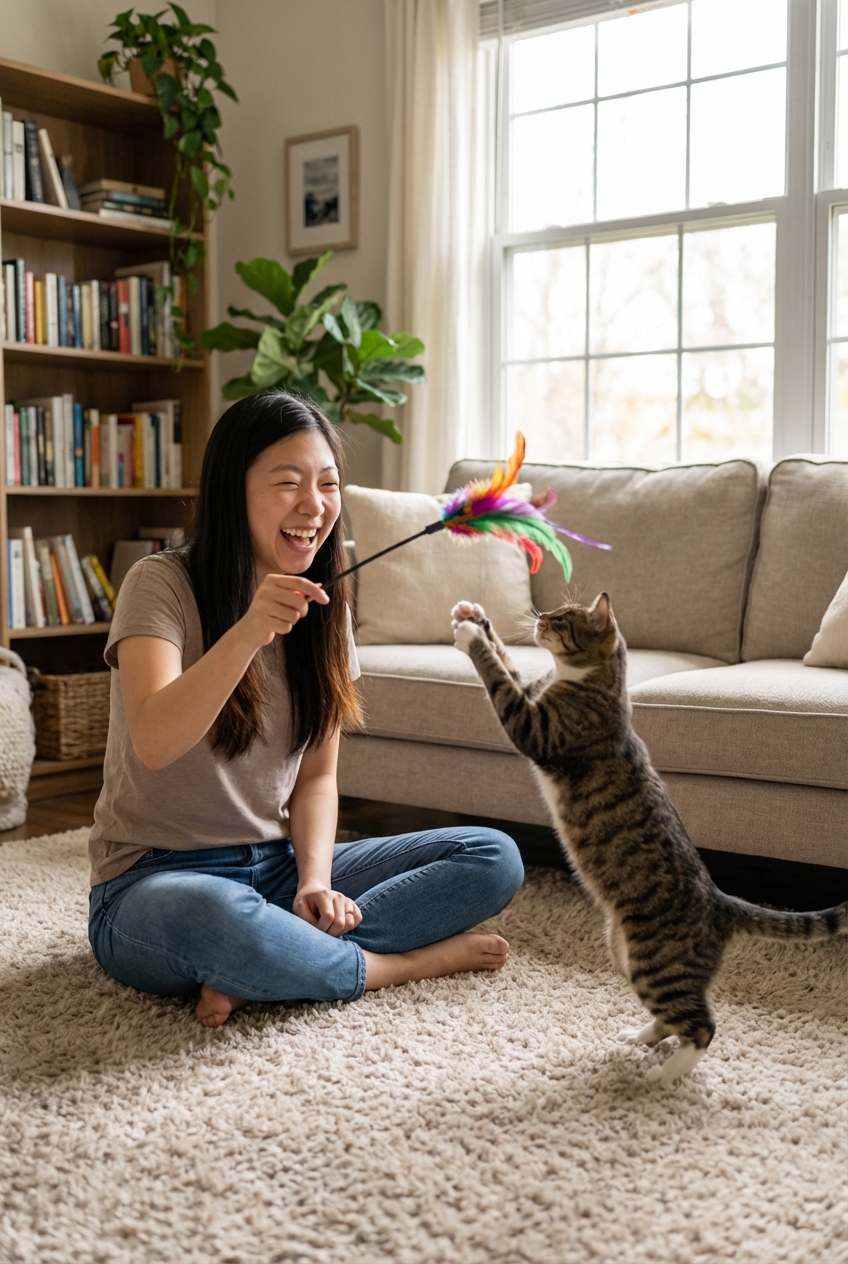
Two short play sessions per day can be life-changing for a bored or stressed cat.
- Use wand toys to mimic prey: hide, stalk, chase, pounce
- End with a small meal or treat to complete the hunt cycle
- Rotate toys every few days to keep them fresh
Food and routine support
We cannot talk about mood without talking about the basics: sleep, nutrition, and predictability.
Make meals engaging
- Try puzzle feeders or treat balls for part of the daily calories
- Scatter feeding can help shy cats build confidence
- Offer multiple small meals if your cat seems anxious
Keep routines steady
Feeding, play, and quiet time at similar times each day helps many cats settle. If your schedule changes, aim to keep your cat’s anchor routines consistent: breakfast, evening play, bedtime cuddle, or quiet companion time.
Pheromones and calming supports
Veterinary teams often recommend pheromone diffusers or sprays as a low-risk first step for stress-related behavior changes. Some cats also benefit from calming supplements or diets chosen with veterinary guidance, but evidence varies by product. Check with your veterinarian first, especially if your cat has kidney, liver, or heart disease.
Multi-cat homes and hidden stress
In multi-cat homes, a “depressed” cat may actually be a cat who feels unsafe. Bullying can be subtle, and this is a very common place where withdrawal and hiding start.
Signs of tension
- One cat blocks hallways, doorways, or the litter box area
- Staring, stalking, or silent chasing
- One cat always seems to be “on the edges” of the home
- Random litter box accidents from the same cat
Quick improvements
- Resource rule: Provide multiple stations for food, water, and resting spots
- Litter box rule: One box per cat, plus one extra, in different locations
- Visual breaks: Use baby gates, screens, or furniture placement to reduce line-of-sight tension
Litter box details that matter: Many cats prefer a large, uncovered box with unscented litter. Scoop at least once daily, and do a full wash and litter change regularly. Place boxes in quiet areas with at least two easy exit routes so a cat cannot get cornered.
If conflict is significant, a structured reintroduction plan can help. Your veterinarian can guide you, and in some cases a qualified cat behavior professional is worth their weight in gold.
When to call the vet
Behavior changes are medical clues in cats. Contact your veterinarian promptly if you notice:
- No eating for 24 hours, or a big appetite change lasting more than 48 hours
- Hiding plus vomiting, diarrhea, or weight loss
- Straining to urinate, frequent trips, or crying in the litter box (especially males, this can be an emergency, seek same-day care)
- Sudden aggression or sudden sensitivity to touch
- Breathing changes, weakness, or collapse
A basic exam, dental check, and targeted lab work can uncover issues that look like depression at home. If the medical workup is normal, your vet can then help you build a behavior and enrichment plan, and discuss anti-anxiety medications if needed.
A gentle 7-day plan
If your cat is stable and still eating, here is a simple, pet-friendly plan many families can start today.
- Day 1: Set up a quiet safe space and add a cozy hide.
- Day 2: Add one vertical option near a window.
- Day 3: Two 5 to 10 minute play sessions, end with a snack.
- Day 4: Add puzzle feeding for part of one meal.
- Day 5: Do a litter box upgrade: clean, accessible, low-stress location.
- Day 6: Try a pheromone diffuser in the main living area.
- Day 7: Review your notes. If no improvement, schedule a vet visit.
You do not have to do everything perfectly. Small improvements add up, and cats notice consistency.
Bottom line: if your cat seems depressed or withdrawn, assume they are telling you something important. With a little detective work and a few supportive changes, many cats bounce back beautifully.