Cats can be picky drinkers. Learn normal water needs, warning signs, and step-by-step ways to boost hydration with bowls, fountains, clean water, and wet food.
Article
•
Designer Mixes
My Cat Is Constipated: What to Do

Shari Shidate
Designer Mixes contributor
When your cat is constipated, it can look like they are trying to poop but nothing happens, or they pass small, dry stools. As a veterinary assistant in Frisco, Texas, I have seen how uncomfortable this can be, and how quickly it can turn into a problem that needs a vet’s help. The good news is that many mild cases improve with safe, simple changes at home.
This guide will help you recognize constipation, try safe at-home steps, and know when it is time to call your veterinarian. If you are feeling worried, confused, or even a little guilty, you are not alone. This is a common problem, and you are doing the right thing by paying attention.
First, confirm it is constipation
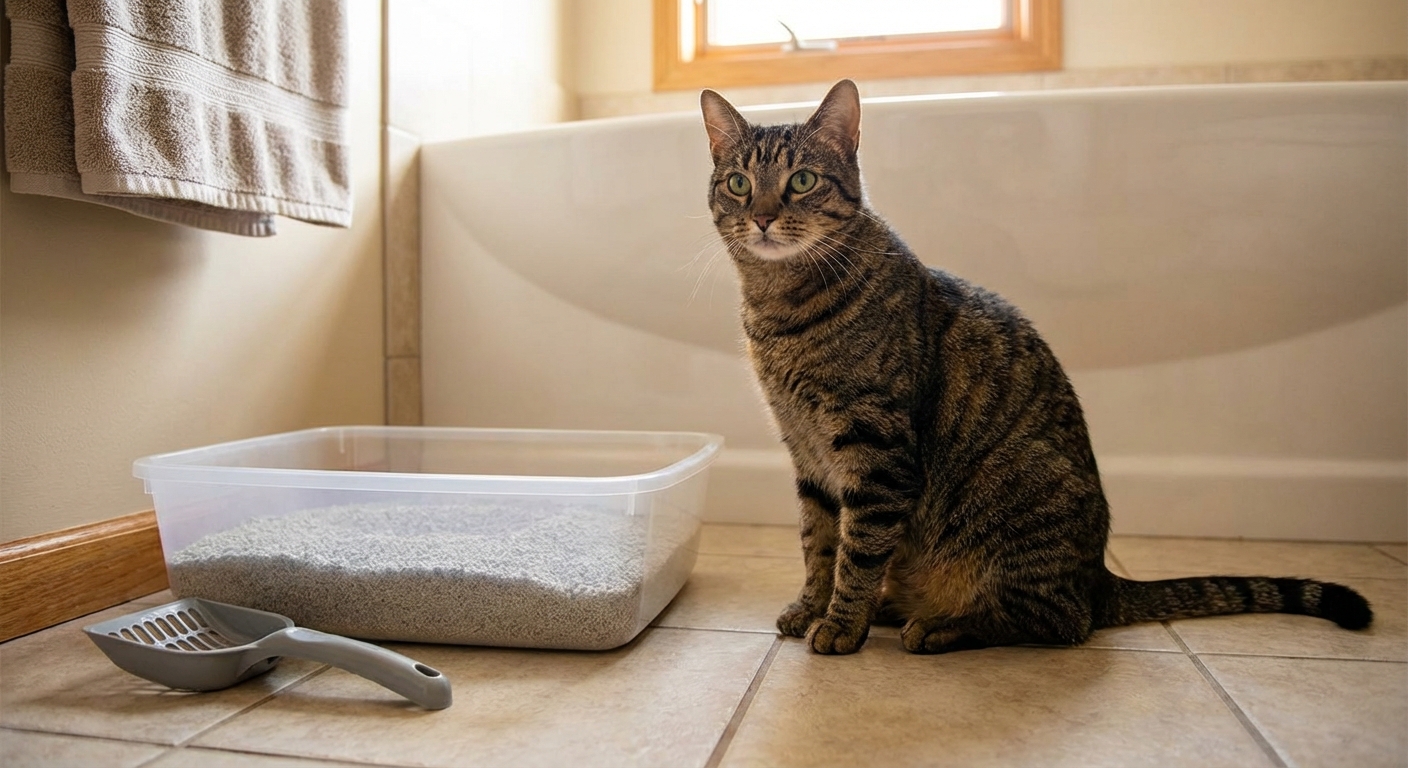
Before you try anything, make sure you are not dealing with a urinary blockage or a different emergency. Cats often strain in the litter box with both constipation and urinary trouble, and they can look very similar from across the room.
Common signs of constipation
- Straining to poop, taking longer than usual in the litter box
- Small, hard, dry stools
- Skipping stool longer than normal for your cat (some cats miss a day, but 48+ hours is more concerning)
- Crying in the box, leaving the box and returning repeatedly
- Decreased appetite, hiding, low energy
- Vomiting (can happen in more severe constipation)
Red flag: could it be urinary blockage?
If your cat is straining and producing little to no urine, or you see frequent attempts to pee, licking the genitals, vocalizing, or a painful belly, treat it as urgent. A urinary blockage is life-threatening, especially in male cats.
If you are not sure whether your cat is trying to pee or poop, it is safest to call your veterinarian the same day.
Quick litter box tips
- If you have multiple cats, try to watch each cat use the box, or temporarily separate them so you can track stool and urine.
- Count urine clumps and note whether you are seeing stool. A cat that keeps straining with tiny or no urine needs urgent care.
Common causes
Constipation is often a symptom, not a diagnosis. Common contributors include dehydration (especially in cats eating mostly dry food), low activity or obesity, arthritis or other pain that makes the box hard to access, stress or changes in routine, hair ingestion, diet changes, certain medications, pelvic narrowing from old injuries, neurologic disease, and chronic conditions like megacolon. Kittens and very young cats can become constipated from parasites or congenital issues, so it is smart to involve your veterinarian sooner for young cats.
When to call the vet right away
Constipation can become obstipation (a severe blockage) and may require an enema, fluids, pain control, or imaging. Call your vet or an emergency clinic now if you notice any of the following:
- Straining with no stool for 48 hours or longer
- Repeated vomiting, not eating, or extreme lethargy
- Distended or painful abdomen
- Blood in stool, black tarry stool, or significant mucus
- Known ingestion of string, ribbon, hair ties, bones, or other foreign material
- History of megacolon, pelvic injury, or chronic constipation
- Senior cats, cats with kidney disease, diabetes, or hyperthyroidism should be assessed sooner
Safe at-home steps for mild constipation
If your cat is bright, eating at least some, and only mildly constipated, you can try these steps for up to 24 hours. If it has already been close to 48 hours since the last stool, do not wait another day. Call your veterinarian.
1) Increase water intake gently
Dehydration is one of the biggest drivers of hard stool. You are aiming for more total fluids, not forcing water.
- Switch some or all meals to canned food for a few days. Wet food can make a noticeable difference.
- Add 1 to 2 teaspoons of water (or low-sodium broth with no onion or garlic) to meals and mix well.
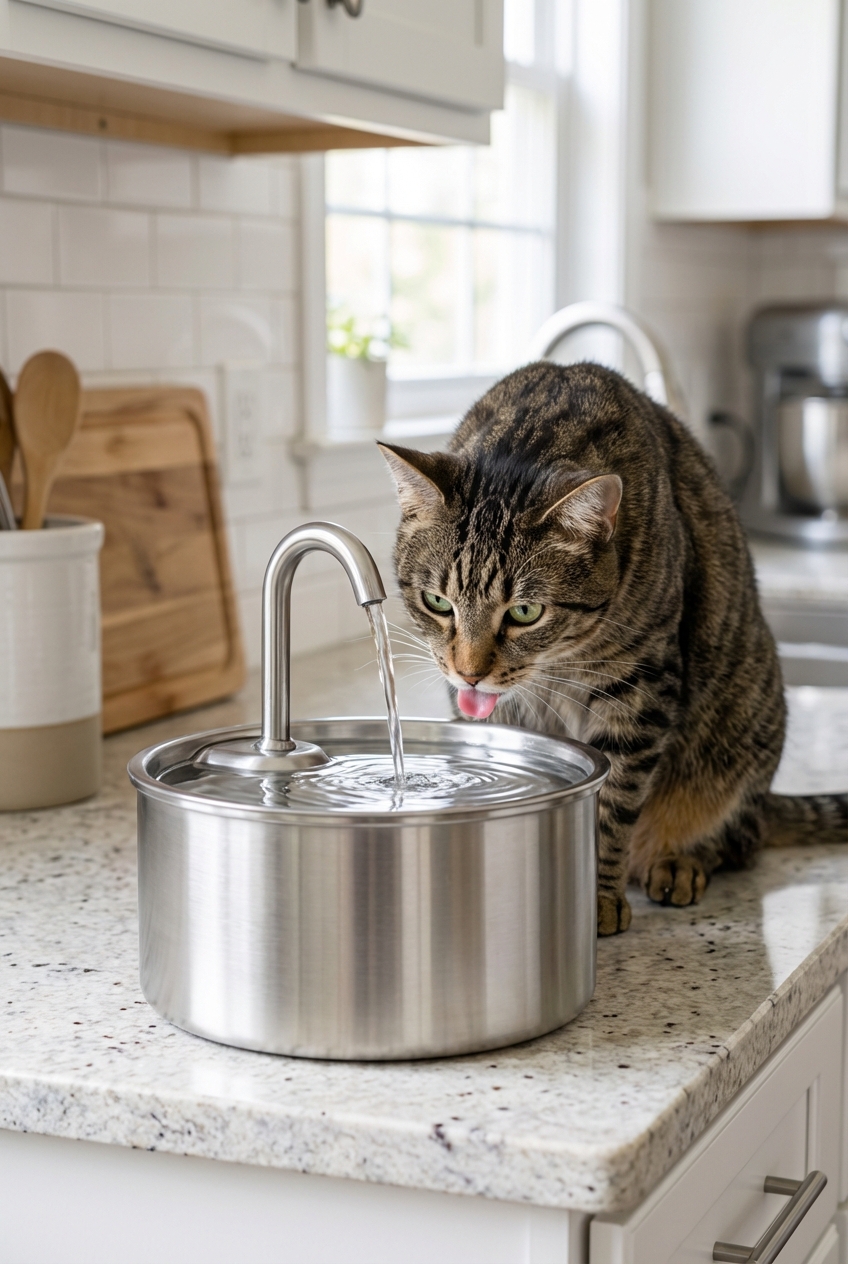
- Offer a cat water fountain. Many cats drink more with moving water.
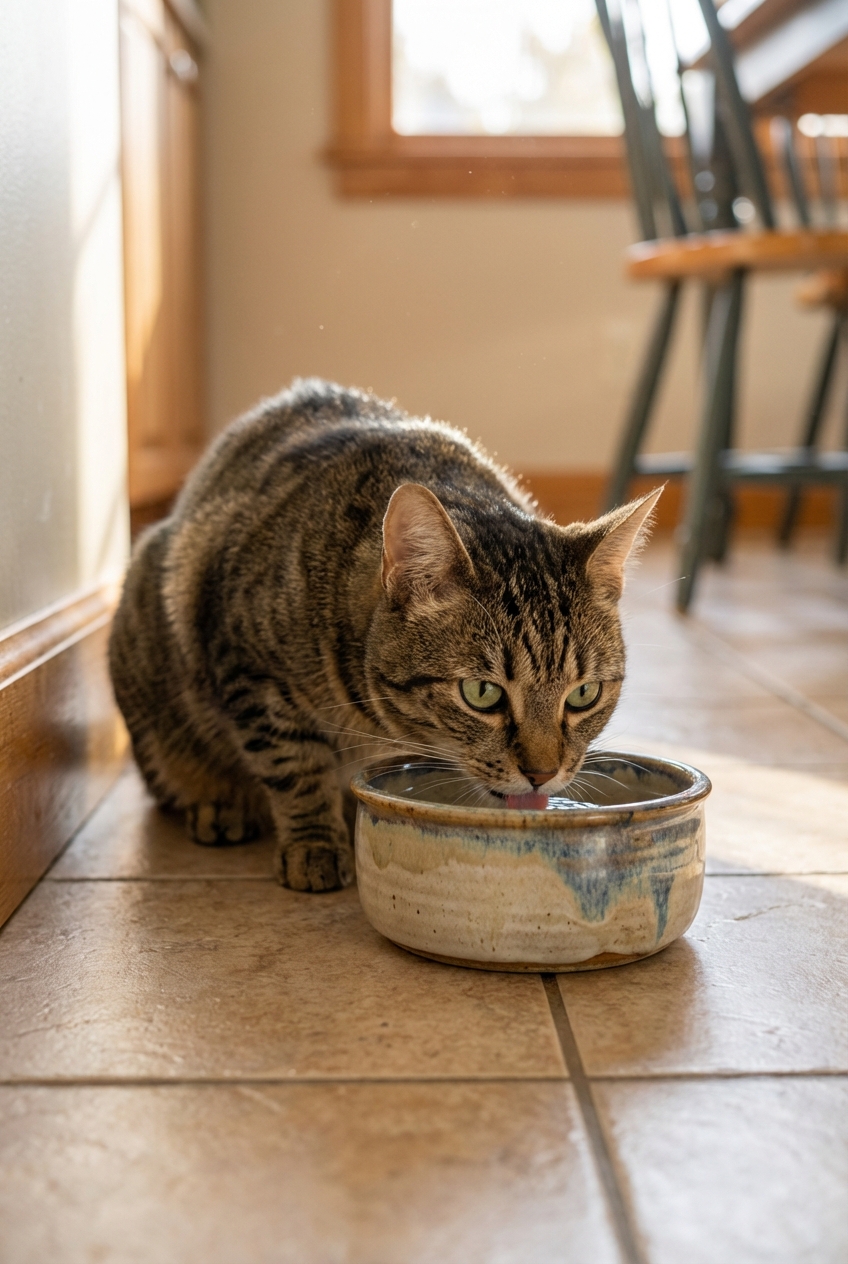
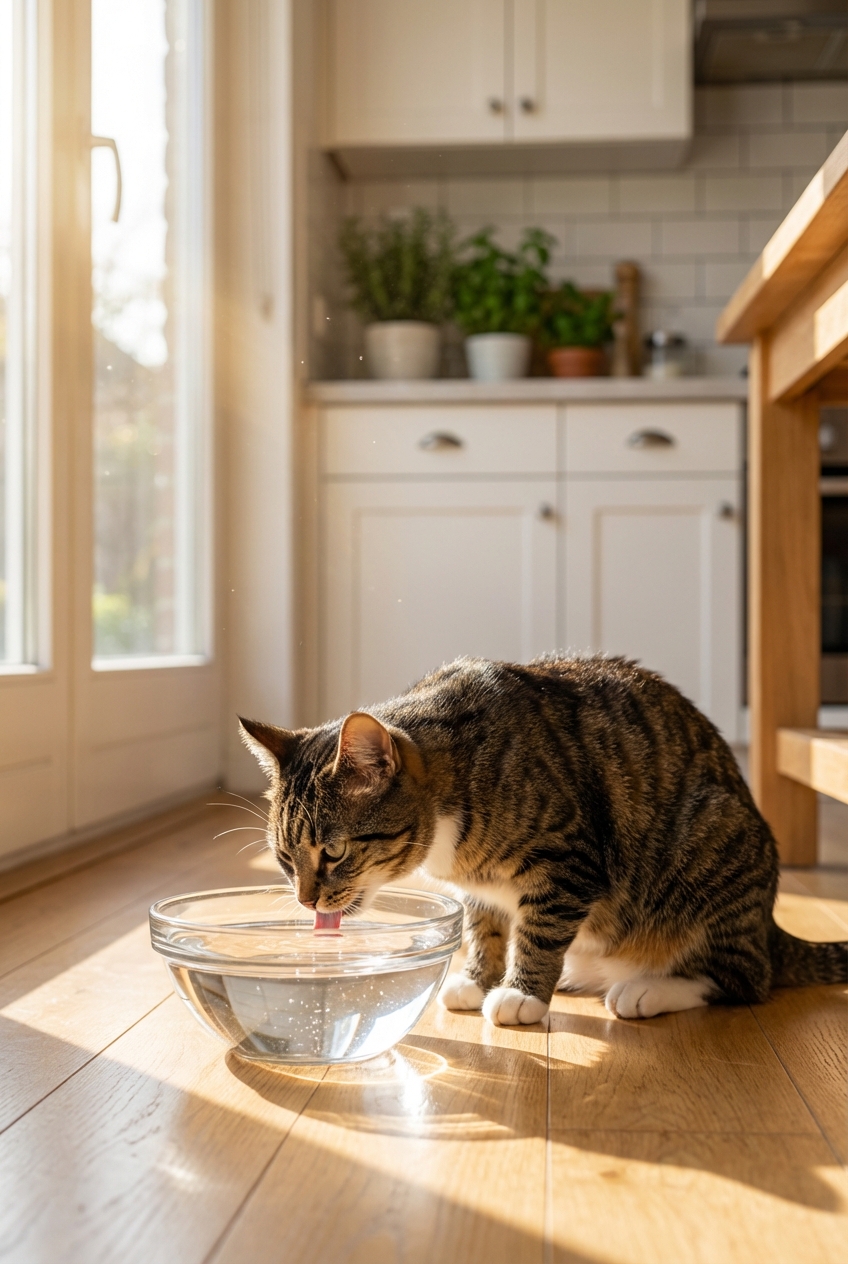
- Set out multiple water bowls in quiet spots.
2) Consider fiber (for some cats)
Fiber helps some cats, but it is not one-size-fits-all. In mild constipation, a small amount of fiber may add moisture and bulk to stool and help it move through the colon.
Easy food options
- Canned pumpkin (plain): Commonly recommended and may help some cats. Start with 1 teaspoon mixed into food once daily. Some cats can go up to 1 to 2 teaspoons twice daily, but start low.
- Veterinary GI diets: Your vet may recommend a higher-fiber diet or a different GI plan depending on your cat’s history.
A quick caution: Cats with chronic constipation or suspected megacolon can respond differently. Some do better with added fiber, while others do better with a lower-residue approach plus veterinarian-prescribed laxatives. If your cat has a long history of constipation, talk with your veterinarian before increasing fiber.
3) Encourage movement and reduce litter box stress
Stress, pain, or an unpleasant litter box setup can lead to stool holding. Holding makes stool drier and harder to pass.
- Play for 5 to 10 minutes, 2 to 3 times daily if your cat is willing. Movement helps the bowels move.
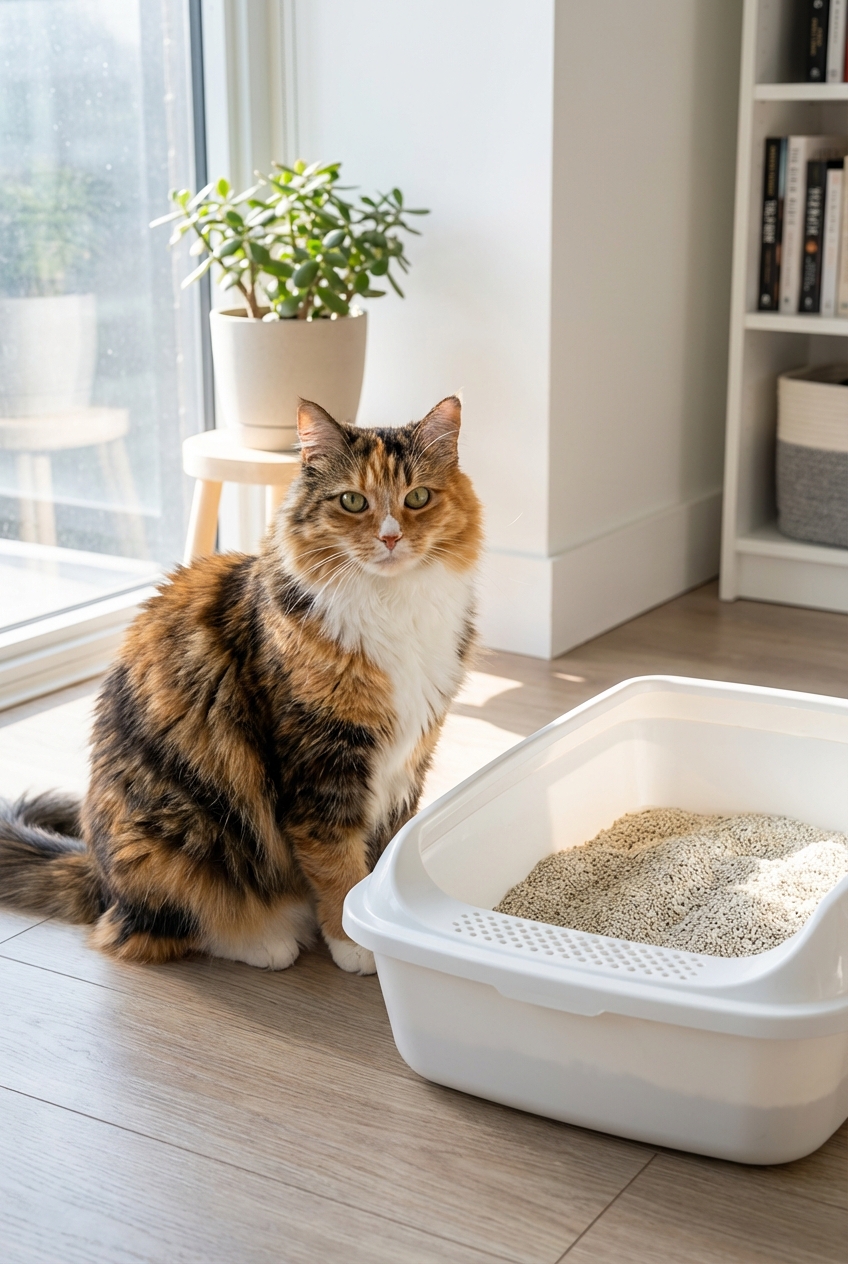
- Make the litter box easy: low entry for seniors, uncovered if your cat dislikes enclosed spaces.
- Place boxes in easy-to-reach, quiet areas. In multi-level homes, add a box on each level if possible.
- Provide enough boxes: the common rule is one box per cat, plus one extra.
- Scoop daily. Some cats avoid a box that smells “used.”
4) Ask your vet before using laxatives or stool softeners
Many human constipation products are not safe for cats, and giving the wrong thing can cause dehydration, electrolyte problems, or dangerous delays in care.
What to avoid without veterinary guidance
- Human enemas, especially sodium phosphate types, can be fatal to cats.
- Mineral oil by mouth can be aspirated into the lungs and cause severe pneumonia.
- Essential oils for “tummy support” are risky around cats and can be toxic.
Veterinarians commonly use medications like polyethylene glycol 3350 or lactulose when appropriate, but dosing should be tailored to your cat. If you call your clinic, they may be able to advise the next safest step based on your cat’s age, weight, and symptoms.
How your vet will treat it
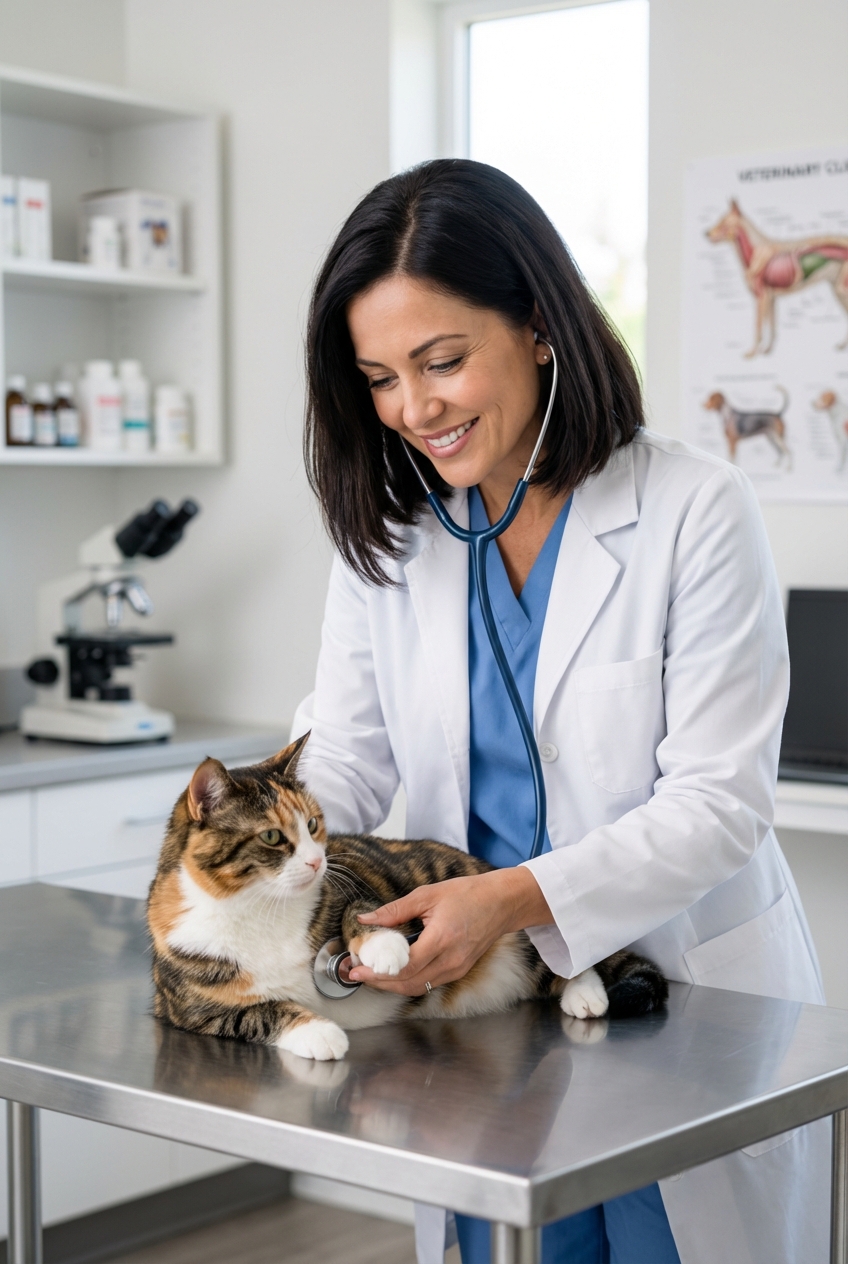
If your cat needs an exam, here is what usually happens. Knowing the plan often helps owners feel calmer.
- History and exam: hydration status, abdominal palpation, pain level, weight, and diet review.
- X-rays: to confirm stool buildup and check for foreign material or pelvic narrowing.
- Bloodwork if needed: dehydration, kidney values, electrolytes, thyroid in older cats.
- Treatment may include fluids, prescription stool softeners, anti-nausea meds, pain relief, and a veterinary enema. Some cats need sedation for safe stool removal.
Preventing it from coming back
Once your cat is feeling better, prevention is the real win. Constipation tends to recur if the underlying cause is not addressed.
Everyday habits that help
- Prioritize hydration: keep at least one wet meal daily for cats prone to constipation.
- Maintain a healthy weight: obesity reduces activity and can contribute to constipation.
- Manage hair: regular brushing reduces hair ingestion that can slow gut movement.
- Routine vet checkups: arthritis pain, kidney disease, and thyroid issues can all affect stool quality and frequency.
- Use consistent litter: sudden litter changes can make some cats avoid the box.
If your cat has repeated episodes, ask your vet about long-term strategies. Chronic constipation is often very manageable with the right diet, hydration plan, and medication when needed.
Quick checklist
- Confirm your cat is actually constipated, not struggling to urinate.
- Offer canned food and add water to meals.
- Consider plain canned pumpkin in a small amount (if your cat tolerates it).
- Make litter boxes easy, clean, and low-stress.
- Call your vet if there is no improvement within 24 hours, if it has been close to 48 hours since the last stool, or if any red flags appear.
Your cat does not have to suffer in silence. With gentle, safe steps and timely veterinary care when needed, most cats get comfortable again quickly.