Vet-assistant guidance for mild cat diarrhea: fluids, bland meals, cat-specific probiotics, pumpkin, stress tips, hygiene, what to avoid, and when to see you...
Article
•
Designer Mixes
My Cat Has Diarrhea

Shari Shidate
Designer Mixes contributor
Diarrhea in cats is one of those symptoms that can feel alarming and messy at the same time. As a veterinary assistant, I want you to know two things can be true at once: many cases are mild and short-lived, and some cases need prompt care. The goal is to spot the difference early, keep your cat comfortable, and protect them from dehydration.
Quick note: This article is educational and not a substitute for a veterinarian’s diagnosis or treatment plan.
What counts as diarrhea in cats?
Diarrhea means stool that is looser than normal, more frequent than normal, or both. You might see:
- Soft, pudding-like stool that does not fully hold shape
- Watery stool that soaks into litter
- Urgency or accidents outside the litter box
- Mucus (a jelly-like coating) or blood (bright red or dark, tarry stool)
If you have multiple cats, it can be tricky to identify who is affected. A simple short-term step is separating litter boxes for 24 to 48 hours so you can track the right cat.
Quick triage: when to call the vet now
Please contact your veterinarian promptly or go to an emergency clinic if any of these are true:
- Collapse, severe weakness, trouble breathing, or your cat seems disoriented
- Cannot keep water down or has watery, frequent diarrhea
- Repeated vomiting or a swollen, painful abdomen
- Pale gums, marked lethargy, or hiding more than usual
- Blood in stool (more than a small streak) or black, tarry stool
- Suspected toxin exposure (human medications, lilies, rodent poison, some essential oils, antifreeze)
- Possible foreign body risk (string, ribbon, hair ties, toys) or straining with little stool
- Kittens, senior cats, or cats with chronic disease (kidney disease, diabetes, hyperthyroidism) have diarrhea
- Diarrhea is not improving within 24 to 48 hours, or it keeps returning, even if your cat seems “mostly fine”
When in doubt, call your vet. If your cat looks “off” in a way you cannot explain, a same-day call is a good choice.
Common causes of diarrhea (and why it happens)
Diarrhea is not a diagnosis. It is a sign that the intestines are irritated, inflamed, or not absorbing water properly. Common causes include:
Diet changes and food intolerance
Switching foods too quickly, new treats, dairy, rich table foods, and sudden diet “extras” can all trigger loose stool. Some cats also develop sensitivity to certain proteins (like chicken, beef, or fish) or ingredients.
Parasites
Giardia, coccidia, roundworms, and hookworms can cause diarrhea, especially in kittens, newly adopted cats, and cats with unknown history. Even indoor cats can be exposed through contaminated environments (for example, tracking in small amounts of material on shoes), shared litter areas, or a new pet.
Stress and environment changes
Moving, guests, a new baby, remodeling, new pets, or even changes to the litter box setup can affect the gut. The digestive system and stress hormones are deeply connected.
Infections
Viral and bacterial causes exist. Some are mild and self-limiting; others require testing and targeted treatment.
Inflammatory bowel disease and chronic enteropathies
If diarrhea keeps returning, your vet may discuss inflammatory bowel disease, food-responsive diarrhea, or other chronic intestinal conditions.
Medications and supplements
Antibiotics, some dewormers, and new supplements can cause temporary diarrhea. Always tell your vet what you gave and when.
Other medical issues
Hyperthyroidism, pancreatitis, liver disease, and certain cancers can include diarrhea as a symptom. This is more common in older cats or cats with weight loss.
What you can do at home (safe first steps)
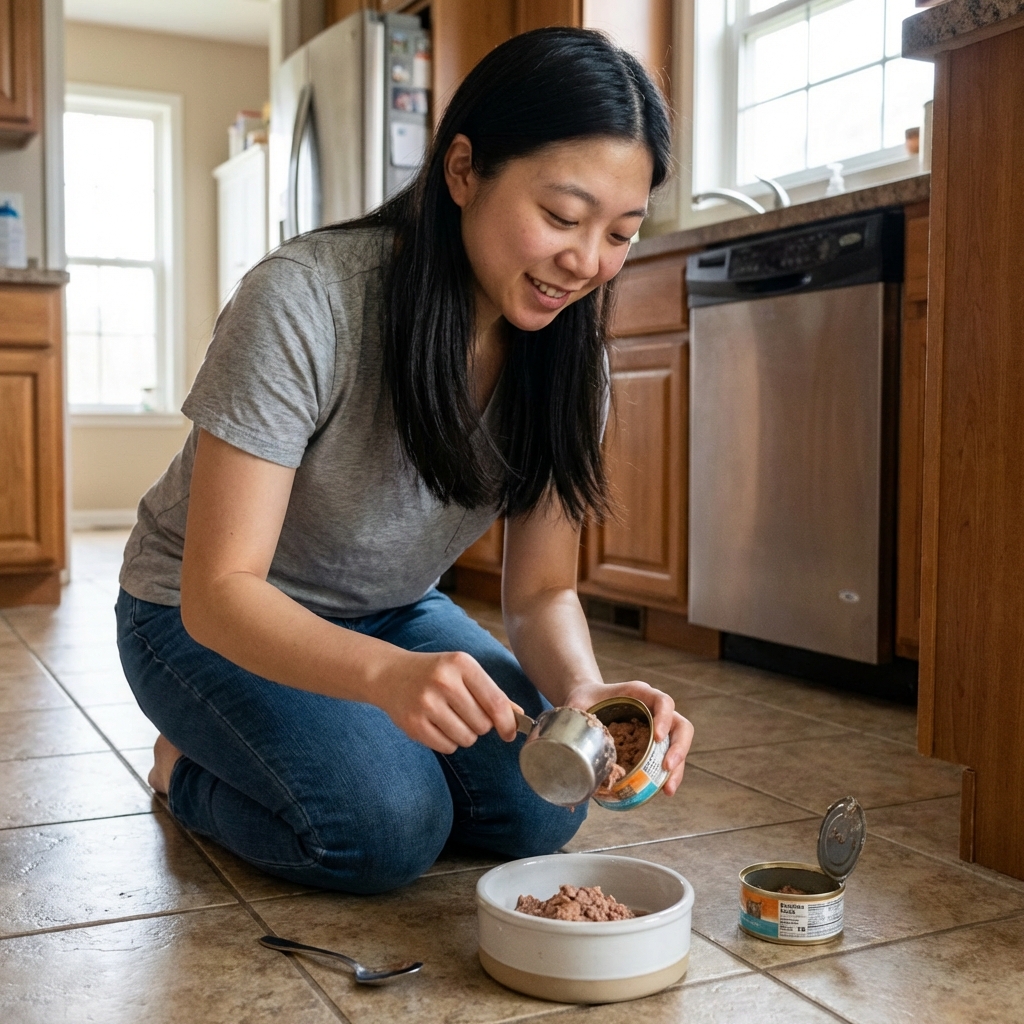
If your cat is bright, alert, eating at least some, and the diarrhea is mild with no red flags, these steps can help while you monitor closely.
1) Hydration is priority
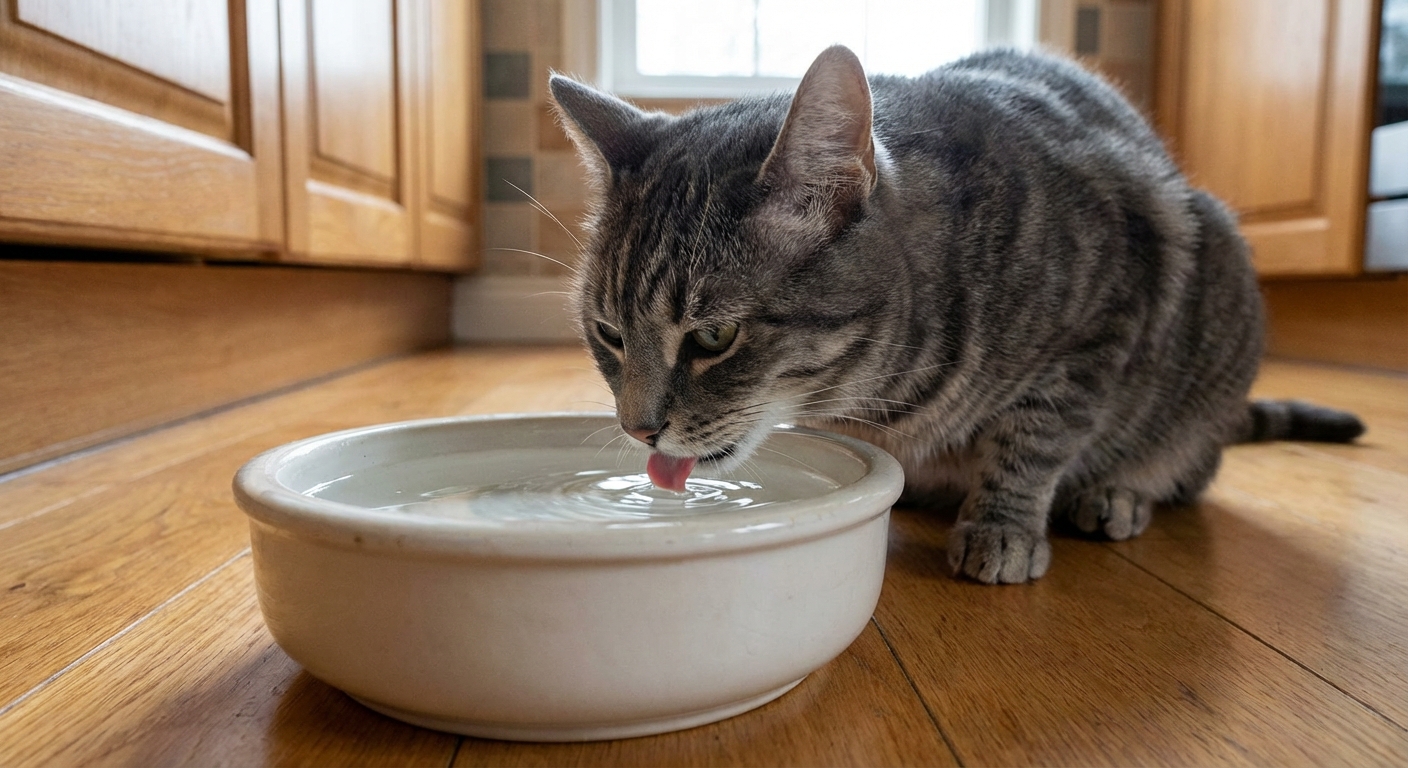
- Provide fresh water in multiple spots.
- Consider a cat water fountain if your cat drinks better from running water.
- Offer wet food if your cat will eat it, since it supports hydration.
2) Watch for dehydration
- Tacky or dry gums
- Sunken-looking eyes
- Low energy or acting “not quite right”
- Not peeing much or very small clumps in the litter
Skin tenting can be hard to interpret in cats, so do not rely on that alone. If you suspect dehydration, call your vet.
3) Keep the diet simple and consistent
Do not suddenly fast a cat without veterinary guidance. Cats can develop hepatic lipidosis (a dangerous liver condition) if they stop eating. Instead, focus on a gentle approach:
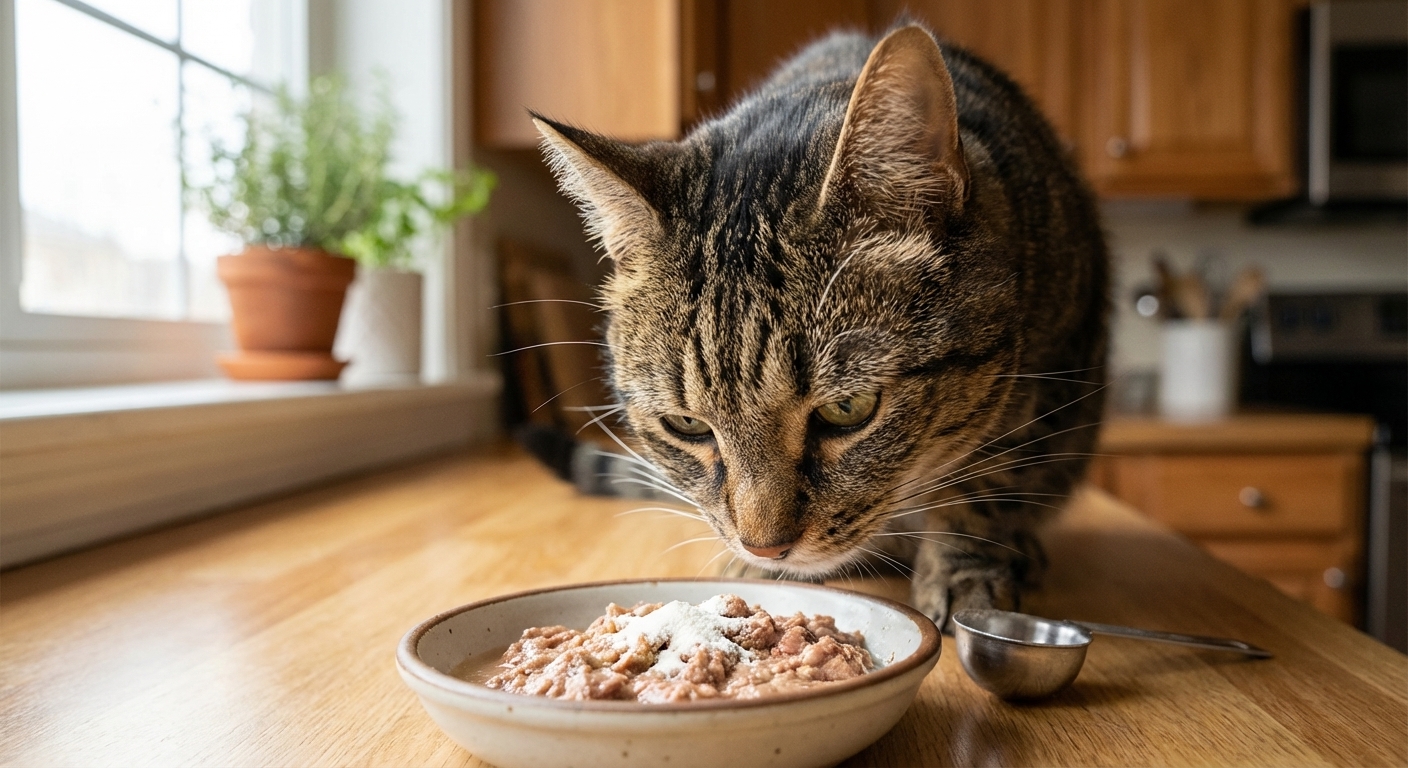
- Feed small, frequent meals of your cat’s regular food if they are willing.
- Avoid new treats, rich foods, milk, and table scraps.
- If your veterinarian recommends a gastrointestinal diet, transition as directed.
4) Ask your vet about probiotics
Some veterinary probiotics can help restore healthy gut bacteria. Because product quality varies, it is best to use brands your vet trusts rather than random human probiotics.
5) Protect the litter box routine
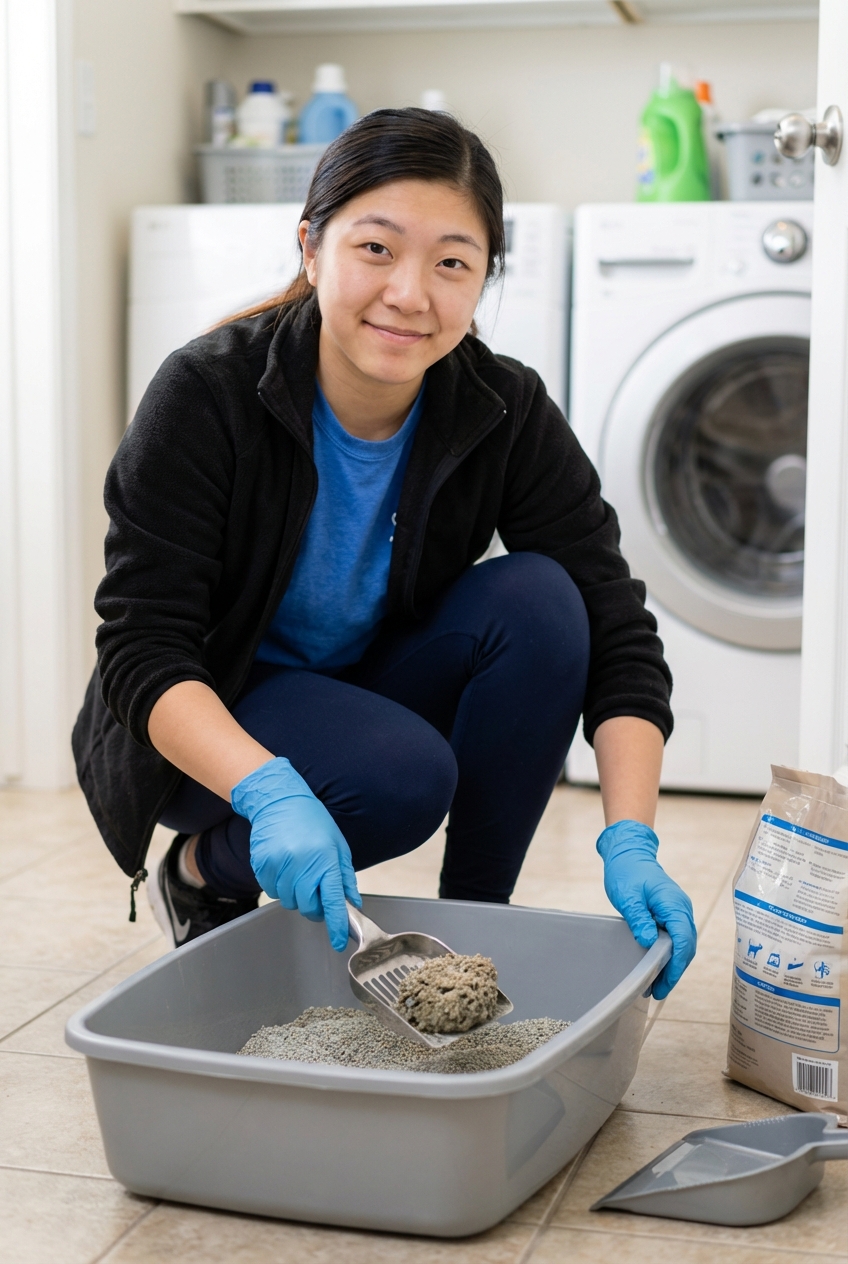
- Keep boxes extra clean and easy to access.
- Do not switch litter types during an active diarrhea episode unless absolutely necessary.
- If you have multiple cats, add an extra box temporarily to reduce stress and competition for the box.
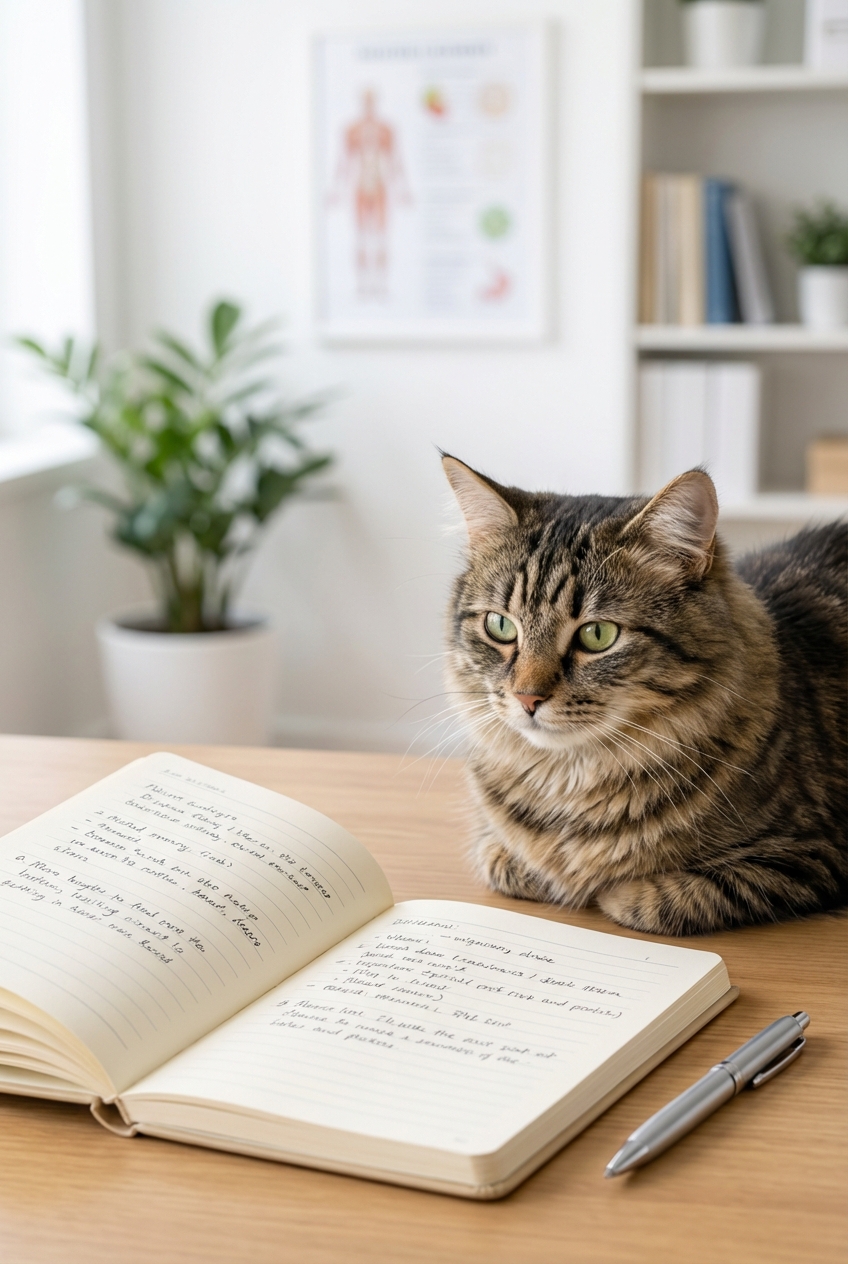
6) Keep a simple symptom log
Write down:
- When it started
- How many episodes per day
- Any vomiting
- Appetite and energy
- Photos of stool (yes, it helps the vet)
- New foods, treats, plants, medications, or stressors
What not to do
- Do not give human anti-diarrheal medications unless your veterinarian specifically instructs you. Some can be dangerous for cats or mask serious disease.
- Do not abruptly switch foods repeatedly trying to “find something that works.” Too many changes can keep the gut irritated.
- Do not ignore ongoing diarrhea just because your cat is still playful. Chronic inflammation can lead to weight loss, dehydration, and nutrient deficiencies.
How vets diagnose the cause
If diarrhea is moderate, persistent, or paired with other symptoms, your vet may recommend:
- Fecal testing (including Giardia testing in many cases)
- Deworming even if you do not see worms, based on risk and history
- Bloodwork to check hydration, kidney and liver values, thyroid, and inflammation markers
- Urinalysis for overall health and hydration status
- Imaging like X-rays or ultrasound if obstruction or chronic disease is suspected
- Diet trials with a hydrolyzed or novel-protein prescription diet
Treatment depends on the cause. It may include diet therapy, probiotics, parasite control, fluid support, anti-nausea medication, or targeted antibiotics when truly indicated.
Special situations
Kittens
Kittens can dehydrate quickly. Diarrhea can become serious fast, sometimes within a day depending on how frequent and watery it is. If your kitten has diarrhea, call your vet early, especially if appetite dips.
Indoor cats
Indoor does not mean “no risk.” Parasites and infections can come in through new pets, contaminated items, or other environmental exposures. Also, some indoor cats chew houseplants or string-like objects, especially if they are bored or under-enriched.
Multiple-cat homes
Diarrhea can spread if it is infectious. Scoop more often, disinfect around the box, and consider isolating the affected cat until your veterinarian advises next steps.
Hygiene for people
Some intestinal germs and parasites can affect people, too. Wash hands after scooping, keep kids away from the litter box, and clean soiled surfaces promptly.
Prevention: keeping cat guts happy long-term
- Transition foods slowly over 7 to 10 days when possible.
- Keep up with parasite prevention appropriate for your cat’s lifestyle.
- Schedule wellness visits so chronic issues are caught early.
- Reduce stress with predictable routines, enrichment, and enough litter boxes (a common guideline is one box per cat, plus one extra).
- Feed measured portions and maintain a healthy weight, since obesity can worsen inflammation and overall health.
The takeaway
Most cat diarrhea cases improve when you address the basics: hydration, a steady gentle diet, and timely veterinary guidance. The most loving thing you can do is monitor carefully and act quickly if red flags appear. You are not overreacting by asking questions. You are being a great cat parent.